by Lorato | Apr 9, 2025 | Accolades and Achievements, All News, SMU Media, Student Media
In a world where health challenges are increasingly complex and interwoven with social, technological and economic shifts, the need for agile, principled, and visionary healthcare professionals has never been greater. Rising to this challenge is Sefako Makgatho Health Sciences University (SMU)—a university whose impact is not only seen in lecture halls or clinical labs, but in the lives its alumni touch across South Africa and far beyond.
 The true measure of a university lies not only in the qualifications it confers but in the calibre of the individuals it sends into the world. SMU’s contribution to healthcare, both nationally and globally, can be traced through the profound influence of its alumni—many of whom occupy key leadership roles, drive medical innovation, and deliver services to communities that have historically been underserved. They are healthcare professionals, scientists, administrators, policymakers and thought leaders. Together, they represent a living, evolving embodiment of SMU’s mission.
From the bustling corridors of Dr George Mukhari Academic Hospital, where alumnus Dr Fhatuwani Godfrey Mbara leads as Chief Executive Officer, to the fast-paced world of emergency and maritime medicine championed by Dr Realeboga Sebitso, SMU graduates continue to take up space in critical sectors. Their work extends into private healthcare, too, as seen in the inspiring journey of Drs Innocent and Dikeledi Chauke, who have built a healthcare legacy rooted in excellence and service.
Beyond borders, SMU-trained professionals are making waves across the continent and in global health arenas. One such example is Elizabeth Itotia, a trailblazer who became Kenya’s first female nuclear pharmacist—her pioneering work revolutionising cancer care in her country. Whether identifying new virus variants, developing niche specialisations, or strengthening health systems in resource-limited settings, SMU alumni are increasingly recognised not just as participants in healthcare conversations, but as leaders shaping the global agenda.
But these achievements are not accidental. They are the outcome of a university culture deeply committed to excellence, equity and service. SMU’s curriculum is not only aligned with the demands of modern healthcare—it is embedded in the realities of South African society. Students are trained not just to treat illness, but to understand the systems and structures that produce health inequalities. They are taught to think critically, act ethically, and serve selflessly.
This ethos extends far beyond the academic. At SMU, leadership is nurtured through community engagement, student governance, entrepreneurship, and research. As a result, graduates emerge not only as competent professionals but as compassionate changemakers—individuals ready to lead, adapt and innovate in whichever space they find themselves.
Crucially, SMU alumni carry with them a sense of responsibility. Whether practising in urban hospitals or rural clinics, engaging in public service, or contributing to cutting-edge research, their work is underpinned by a shared value: to serve. And in doing so, they reaffirm SMU’s founding commitment—to improve the health and quality of life of all people, particularly those most in need.
The impact of SMU is, therefore, not confined to its campus. It travels through every patient healed, every system improved, and every life touched by one of its graduates. It is a living legacy, renewed each year as new cohorts enter the profession and old ones rise to new heights.
As SMU looks to the future, its alumni remain its greatest ambassadors—proof that a university rooted in service, excellence, and transformation can indeed shape the world. Their journeys are not only testimonies of personal success but also affirmations of the institution that moulded them. In their hands, the future of healthcare is not only possible—it is already unfolding.
By Tshimangadzo Mphaphuli
by Lorato | Apr 9, 2025 | All News, SMU Media, Student Media
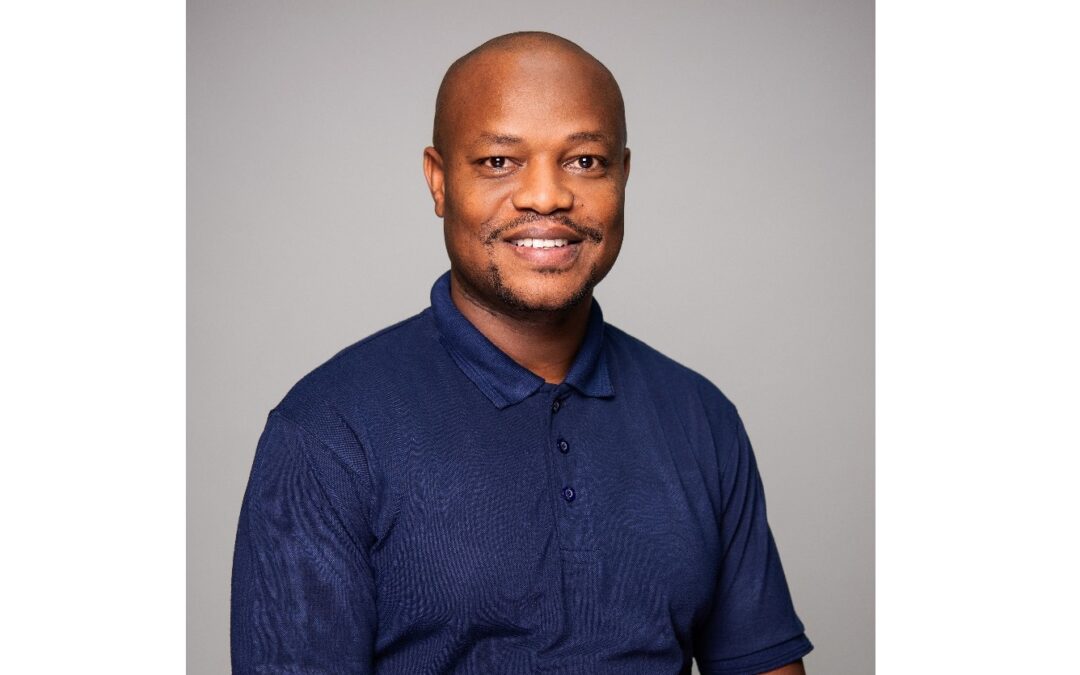
Dr Eugene Makhavhu, a Nursing Sciences Lecturer at Sefako Makgatho Health Sciences University (SMU), recently achieved a significant milestone by completing his PhD. His academic journey, passion for research, and commitment to mentorship continue to inspire students and colleagues alike. In this exclusive interview, Makhavhu shares insights into his career, research focus, and aspirations for the future.
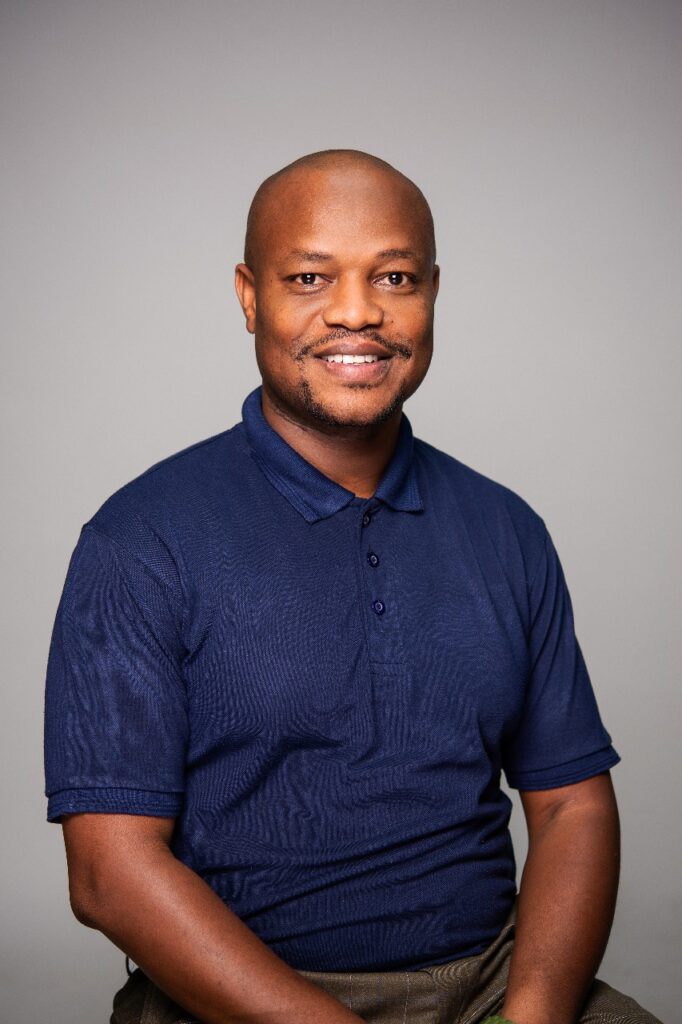 Makhavhu’s academic journey began a decade ago when he started as a part-time lecturer at the Tshwane University of Technology’s Adelaide Tambo School of Nursing Sciences. He later worked at the University of Johannesburg in a similar capacity.
His inspiration for pursuing an academic career was deeply rooted in his undergraduate years. “I was inspired by my lecturers and their engagement with students. But more than that, the perception of nurses as rude and unapproachable made me want to change that narrative. I realised that influencing student nurses at the educational level was the best way to effect change.”
Makhavhu joined SMU in 2019, drawn by the institution’s strong focus on health sciences. “I had offers from other universities, but SMU’s commitment to addressing societal health challenges aligned with my academic goals. It was the ideal place for me to grow as an educator and researcher.”
Completing a PhD is no small feat, and for Makhavhu, the motivation to pursue a doctoral degree was a long-standing aspiration. “I was inspired as an undergraduate when I learned about the possibility of studying up to PhD level. However, the defining moment came when I saw a young lecturer in my department receiving her PhD at my graduation ceremony. It changed my mindset from inspiration to action.”
His research, titled: “Development of Strategies to Enhance Integration between Indigenous-Traditional and Allopathic Child Healthcare Services in Soshanguve”, focuses on bridging the gap between traditional and modern medical practices. “Many families in South Africa rely on both traditional and allopathic medicine for childhood healthcare. However, these systems often operate in isolation, sometimes leading to fragmented care. My study sought to develop strategies for safer, inclusive, and culturally sensitive healthcare practices.”
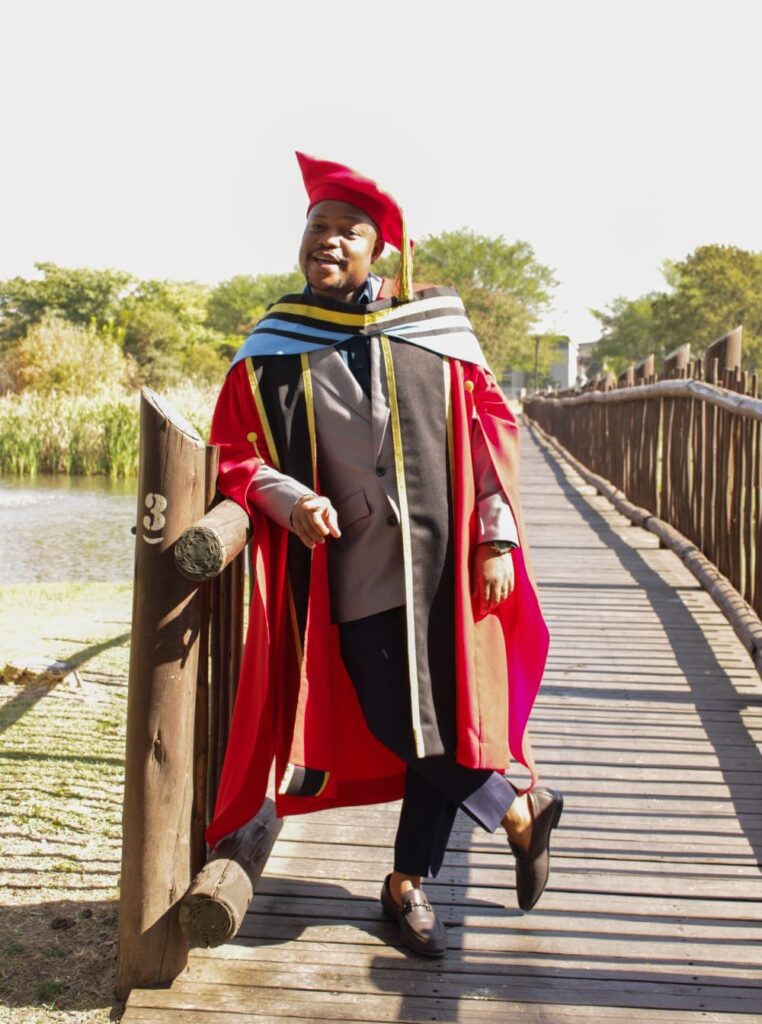 The research involved engaging with traditional healers, allopathic healthcare practitioners, and caregivers to identify barriers to integration and potential solutions. “The goal was to create a framework that promotes mutual respect and communication between these healthcare systems,” he explains.
Balancing a PhD with teaching responsibilities at SMU was a significant challenge. “I was responsible for three modules while conducting my research. Managing lesson preparations, assessments, and student consultations required careful time management and prioritisation. Support from my colleagues and my Head of Department was invaluable.”
Despite the demanding schedule, Makhavhu remained disciplined and motivated. “I set clear daily goals and reminded myself that even small progress, like writing one paragraph or reading one paper, was still progress.” His support system, including family, friends, and mentors, played a crucial role in keeping him focused.
Makhavhu’s PhD research has significant implications for healthcare education at SMU. “The findings can contribute to curriculum reform, particularly in promoting culturally sensitive healthcare. Our patients come from diverse backgrounds, and understanding their health-seeking behaviours is essential for improving care.”
He aims to expand his research and collaborate with scholars locally and internationally. “There is great potential for interdisciplinary work in integrating traditional and modern healthcare. I am also focused on developing my research niche and exploring other aspects of alternative healing.”
When reflecting on the state of research in South Africa, Makhavhu highlights the need for increased funding and institutional support. “While research potential is immense, nursing research, in particular, needs more support. Clinical-based research should be encouraged alongside academic studies to strengthen evidence-based practice.”
For Makhavhu, the most rewarding moments of his career include seeing his students succeed. “Witnessing my students graduate and knowing I played a role in their development is deeply fulfilling. It reminds me why I chose this path.”
Makhavhu hopes to leave a legacy of inspiration and meaningful contributions to healthcare research and education. “I want to be remembered as someone who inspired students, advanced knowledge, and contributed to solving real-world healthcare challenges. Success is a collective effort, and together, we can make a difference.”
By Tumelo Moila

by Lorato | Apr 9, 2025 | All News, SMU Media, Student Media
Sefako Makgatho Health Sciences University (SMU) alumnus Thabo Sekwati has become a key figure in South African football, serving as a Physiotherapist for the national team, Bafana Bafana. His journey from an aspiring student to a professional working at the highest levels of the sport is one of dedication, passion, and perseverance.
 Sekwati, a Sports Physiotherapist, hails from the village of Mamone, Maroteng section, in the Sekhukhune district, Limpopo. He matriculated in 2006 from Tenyane Secondary School before enrolling at the University of Limpopo (Medunsa Campus) in 2007 for a BSc degree. In 2009, he pursued a BSc in Physiotherapy, later obtaining an MSc in Physiotherapy in 2019. Currently, he is a PhD student at SMU, focusing on developing a physiotherapy fatigue management protocol for footballers.
His education at SMU provided him with a strong foundation. “The education I received at SMU played a crucial role in shaping my career by equipping me with the essential knowledge, skills, and experience needed for the sports industry,” he says.
Sekwati’s journey to the national team was not an overnight success. He started with South Africa’s under-17 male team in 2018, having been on SAFA’s database since 2016. “I attended recommended courses such as the FIFA Online Football Medicine Diploma while balancing other responsibilities. My first call-up came in 2018 while I was in Cape Town for a rugby tournament. Dr Thulani Ngwenya, SAFA’s Chief Medical Officer, informed me that I had to report for the under-17 camp in Gauteng,” he recalls.
 From 2018 to 2021, he worked with the under-17 and under-20 teams before being promoted to Bafana Bafana under Coach Hugo Broos. “I was excited but also nervous. The pressure is immense at the senior national level, as you are dealing with high-profile players and intense scrutiny. But once you understand that anatomy and physiology remain the same regardless of the level, everything falls into place,” he explains.
The demands of international football present unique challenges. “At the senior level, you are surrounded by cameras, sponsors, and expectant fans. Compared to working with junior players, where the focus is more on growth-related injuries, the senior team demands peak physical performance,” he notes.
Despite these challenges, Sekwati credits his smooth transition to the guidance of veteran physiotherapist Gift Ndlovu. “He played a major role in ensuring that I adapted easily to the high demands of the job,” he acknowledges.
Sekwati plays a crucial role in ensuring player fitness and recovery. “Our day starts early with a meeting with the team doctor and head chef to review meal plans. We then hold a clinic session for player assessments and treatments before presenting injury reports to the coach,” he explains.
Common injuries among players include contusions, sprains, strains, and fractures. “Our rehabilitation strategy involves pain management, injury assessment, and a gradual return to play. Medical clearance is essential before allowing a player back on the pitch,” he states.
 One of Sekwati’s toughest moments was during the Africa Cup of Nations (AFCON), managing multiple injuries at once. “Players want to play, but sometimes their bodies do not cooperate. Managing their emotional and psychological well-being is crucial,” he shares.
Sekwati believes South Africa has made significant strides in sports physiotherapy but still has room for improvement. “We need to invest in motion capture systems to analyse player movements, as well as cryogenic chambers and saunas for faster recovery,” he suggests.
Reflecting on his time with Bafana Bafana, Sekwati says: “Singing the national anthem at AFCON’s opening game was a surreal moment. That was when I realised we were not just representing ourselves, but the hopes of 63 million South Africans.”
Looking ahead, he envisions opening a sports recovery centre and contributing to research in sports physiotherapy. His advice to aspiring physiotherapists is simple: “Invest in continuous learning, stay updated with the latest treatment modalities, and believe in yourself.”
As for his role with the national team, he concludes: “The sky is the limit—you just have to spread your wings. I will forever be grateful for this opportunity to serve my country.”
By Tumelo Moila
by Lorato | Mar 26, 2025 | All News, SMU Media, Student Media
Dr Kebiditswe Masike, a distinguished academic at Sefako Makgatho Health Sciences University (SMU), has been recognised as the Best Experienced University Teacher at the prestigious Vice-Chancellor Excellence Awards 2024. The accolade celebrates her unwavering dedication to student development, innovative teaching methodologies, and her contribution to health professions education at SMU.
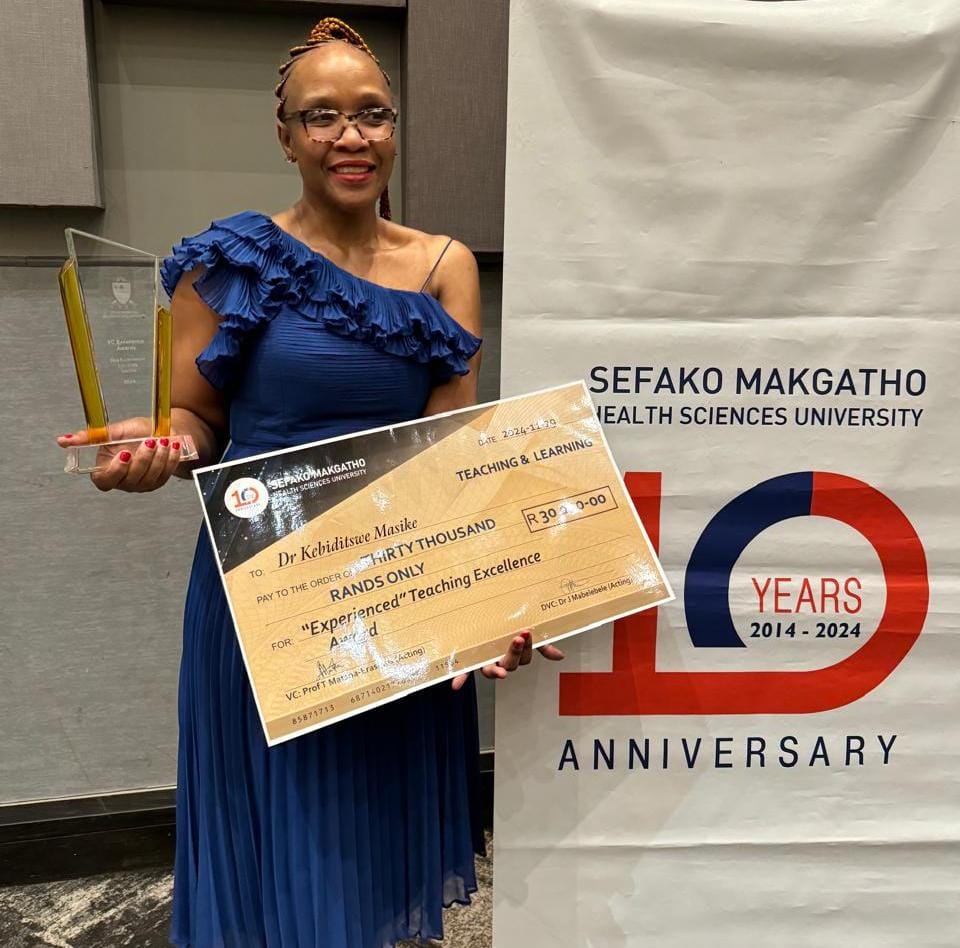 Reflecting on this momentous recognition, Masike expressed deep gratitude. I give honour to God, who made this opportunity possible for me. I am deeply humbled and extremely grateful for the recognition of my work as a teacher at SMU. This Best Teacher Award means a great deal to me; it motivates me to continue being a good team player within the department, the School of Dentistry, and SMU. Through this recognition, I am encouraged to continue developing as a teacher and to pursue excellence in teaching,” she says.
Masike’s journey into academia was not a conventional one. She joined SMU as a clinician with an innate passion for student support and education. “From my interview, I maintained that I wanted to develop as a teacher. At that time, little was known about qualification in Health Professions Education, but I was eager to pursue a qualification in Higher Education,” she shares. She credits SMU’s induction and onboarding workshops for newly appointed academics as a significant inspiration that led her to further her studies in Health Professions Education.
Her teaching philosophy is deeply grounded in the African principle of ubuntu, which is also one of SMU’S values. I believe that each student matters and can be empowered and nurtured to actively engage with their learning. Together, as a team and community, we can make a difference and achieve more,” she explains. Her teaching approach ensures a comfortable, inclusive, and trusted learning environment that respects diversity, equality, and a sense of belonging.
Her teaching approaches are guided by key principles that include meticulous lesson planning aligned with the Health Professions Council of South Africa (HPCSA) competency framework, integrating eLearning, fostering a safe teaching and learning environment, and promoting student-centred education. “Students as adult learners bring knowledge and some form of experience that needs to be acknowledged during teaching and learning sessions”, she emphasises.
Masike is renowned for her dynamic and innovative teaching methods. Over the years, she has employed various strategies, including flipped classrooms, case-based learning, team-based learning, peer-to-peer teaching, and simulation-based learning. “I use both synchronous and asynchronous teaching modalities. Blackboard Collaborate facilitates live teaching, pre-recorded sessions, and interactive small-group discussions,” she says.
 Simulation-based learning is another key aspect of her teaching. She collaborates with the SMU Skills Centre team to enhance experiential learning. “I have worked closely with the simulation team to teach soft skills such as patient-centred communication using standardised patients. I look forward to incorporating virtual reality into simulation teaching,” she notes.
Masike has also played a pivotal role in coordinating multidisciplinary teaching seminars, fostering collaboration between different disciplines. However, her journey has not been without challenges. “The biggest challenges we faced as educators were during the COVID-19 pandemic era, when we had to abruptly convert summative assessments originally designed for face-to-face instruction and manage students who missed assessments due to load-shedding or connectivity issues in their remote areas,” she recalls.
Despite these challenges, she remains committed to adapting her teaching methods to meet the diverse needs of her students. “I acknowledge diverse learning needs and vary my teaching approaches accordingly,” she explains. Looking ahead, Masike anticipates significant changes in medical education, particularly the adoption of interprofessional learning and the increasing integration of technology. “Artificial Intelligence, Augmented Reality, and other innovations in big data are already impacting health professions education. The future looks digital, and as educators, we must stay ahead of these trends,” she says.
She emphasises the importance of instilling key values and skills in healthcare students, including leadership, communication, ethical practice, and interdisciplinary collaboration. “Apart from clinical competence, healthcare students must develop leadership skills, conflict management skills, teamwork, and financial literacy to navigate their careers successfully,” she states.
She encourages new lecturers to remain adaptable, curious to learn, and open to feedback. “Be flexible and adaptable to changing student needs. Engage with faculty development programs, seek constructive criticism, and become part of a Teaching Community of Practice. Most importantly, be a reflective educator— reflect, reflect, reflect,” she advises.
By Tumelo Moila
by Lorato | Mar 26, 2025 | Accolades and Achievements, All News, SMU Media, Student Media
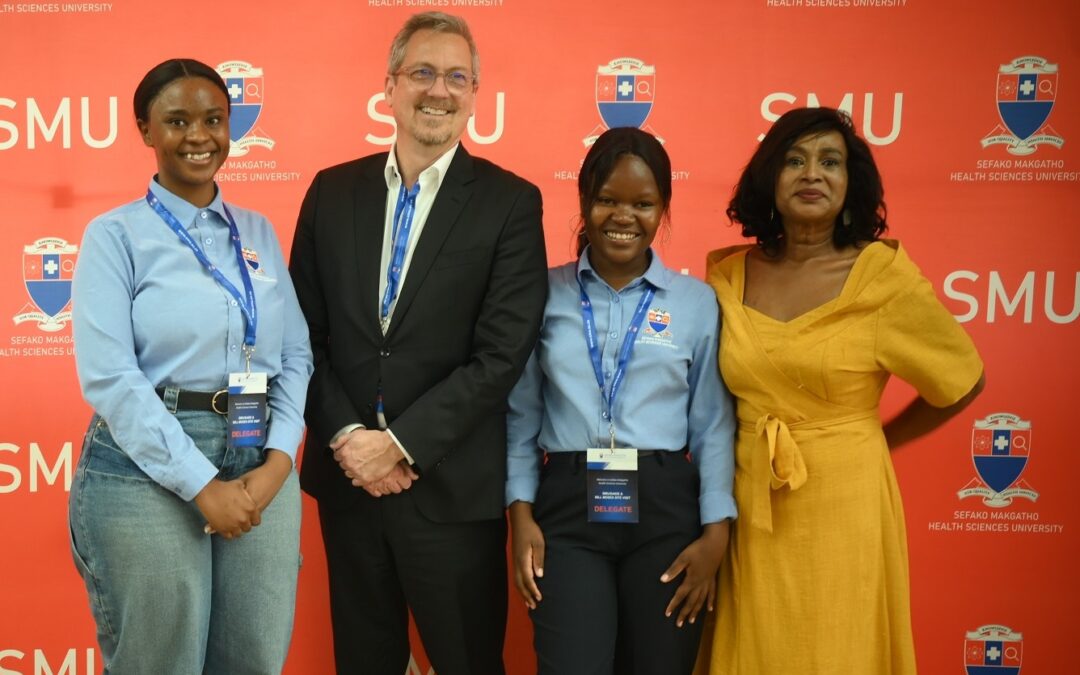
Sefako Makgatho Health Sciences University (SMU) recently hosted a distinguished delegation of education leaders, marking a significant step towards strengthening academic collaborations and advancing student academic success initiatives. The visit brought together William “Bill” Moses, Managing Director of the Education Program at The Kresge Foundation, Innocent Nkata, Chief Executive Officer of the South African Institute for Distance Education (SAIDE), and Ashton Maherry, Programme Specialist at SAIDE.
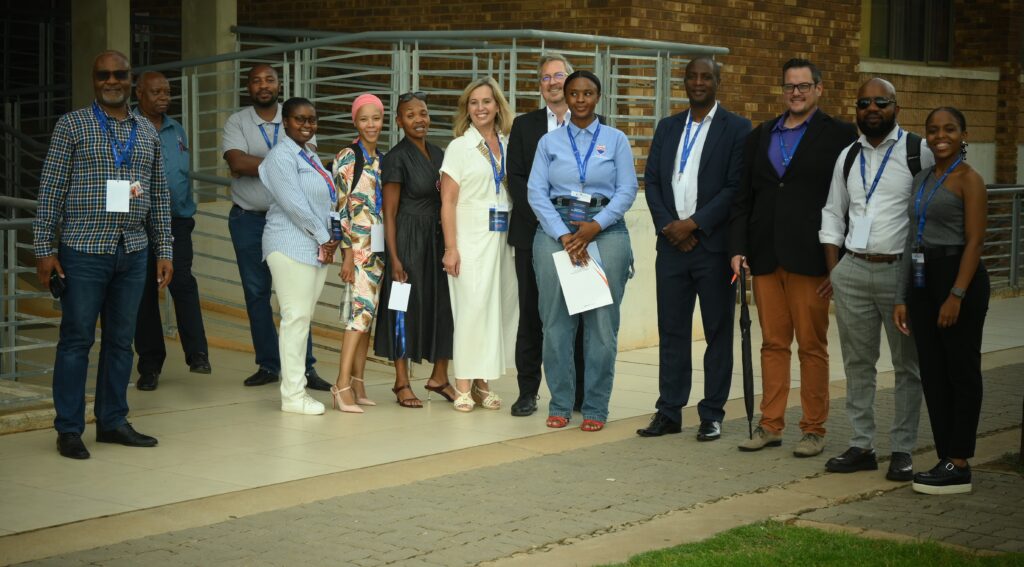 The delegation was warmly welcomed by Dr Elize Venter, Director of the Centre for University Teaching and Learning (CUTL), who highlighted the importance of strategic engagements in enhancing SMU’s academic standing. “Hosting such esteemed funders of student academic success provides us with invaluable insights and opportunities to elevate our teaching and learning practices,” said Venter.
A key highlight of the visit was a luncheon meeting with Acting Vice-Chancellor Professor Tandi Matsha-Erasmus. The discussions focused on potential collaborations between SMU, The Kresge Foundation, and SAIDE, with the aim of developing initiatives that support student success and institutional growth.
Matsha-Erasmus expressed her enthusiasm for the engagement, stating, “Partnerships with forward-thinking organisations like The Kresge Foundation and SAIDE are crucial for driving impactful change in higher education. These discussions open doors for innovative projects that will benefit both our students and academic staff.”
To provide the delegation with a deeper understanding of SMU’s current landscape, they were presented with an “SMU at a Glance” overview. The presentation detailed the university’s academic focus, institutional needs, and the various programmes in place to enhance student learning and research.
Dr Jeffrey Mabelebele, Acting Deputy Vice-Chancellor: Academic and Research, played a pivotal role in these discussions, sharing insights into SMU’s commitment to research excellence and student support. “Our institution is dedicated to fostering a research-driven academic environment that equips students with the skills necessary to thrive in the evolving global landscape,” said Mabelebele.
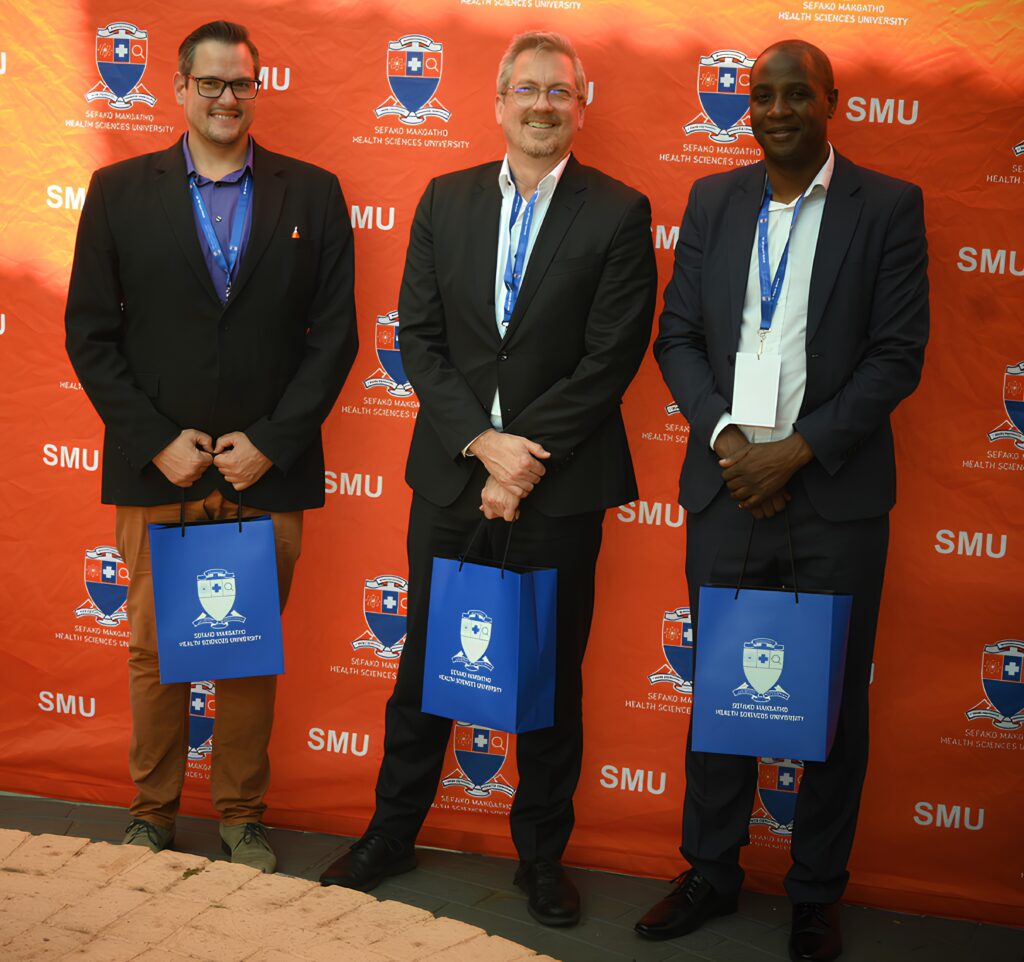
As part of their visit, the delegation was given an immersive campus tour led by SMU Kresge-funded data analytics, Sewela Tshegofatso and Mabeba Onalerena, SRC Deputy President, Ntshadi Bokaba, and the SRC Secretary General, Fhulufhelo Ntsieni. This team of students guided the guests through key areas of the university, offering them valuable insights into the student experience and providing a firsthand look at student life, campus facilities, and academic support structures. Visited places on campus included the Anatomy Museum, Skills Centre, student residences, and campus health. At the close of the visit, the SMU choir graced the occasion, and Venter presented the delegates with tokens of appreciation.
Reflecting on the visit, the delegation expressed their appreciation for SMU’s commitment to academic excellence and student development. Bill Moses praised the university’s initiatives, stating, “SMU’s dedication to creating an inclusive and high-quality learning environment is truly commendable. The commitment of its leadership and faculty to student success is evident, and we look forward to exploring avenues of support that align with our mission to enhance educational outcomes.”
Innocent Nkata echoed these sentiments, adding, “The proactive approach taken by SMU in addressing educational challenges aligns with SAIDE’s objectives. This engagement has opened up new possibilities for collaboration, and we are excited about the opportunities that lie ahead.”
 Ashton Maherry also expressed optimism about future collaborations, saying, “It is inspiring to witness the passion and dedication of SMU’s leadership towards student success. There is a clear alignment between our goals, and I am confident that our partnership will yield impactful outcomes.”
Dr Joshua Maliavusa, Manager of Student Academic Support at CUTL, emphasised the university’s commitment to ensuring students receive the necessary resources to excel academically. “Our student support initiatives are designed to provide tailored academic assistance and create an environment that enables learners to reach their full potential,” he said.
The visit not only strengthened SMU’s relationships with global education partners but also laid the groundwork for meaningful collaborations that will shape the university’s future. The discussions held during the visit are expected to lead to actionable strategies that support student learning, institutional innovation, and academic development.
As SMU continues to grow as a leading institution in health sciences education, partnerships with organisations such as The Kresge Foundation and SAIDE will play a crucial role in advancing its mission. The university remains committed to fostering an environment that enables students to thrive and contribute to the broader fields of health sciences and research.
With this visit marking the beginning of new collaborative efforts, SMU is poised to further enhance its academic and research capabilities, ultimately benefiting both its students and the wider education sector.
By Dimakatso Modise