by Lorato | Oct 23, 2025 | All News, SMU Media, Student Media
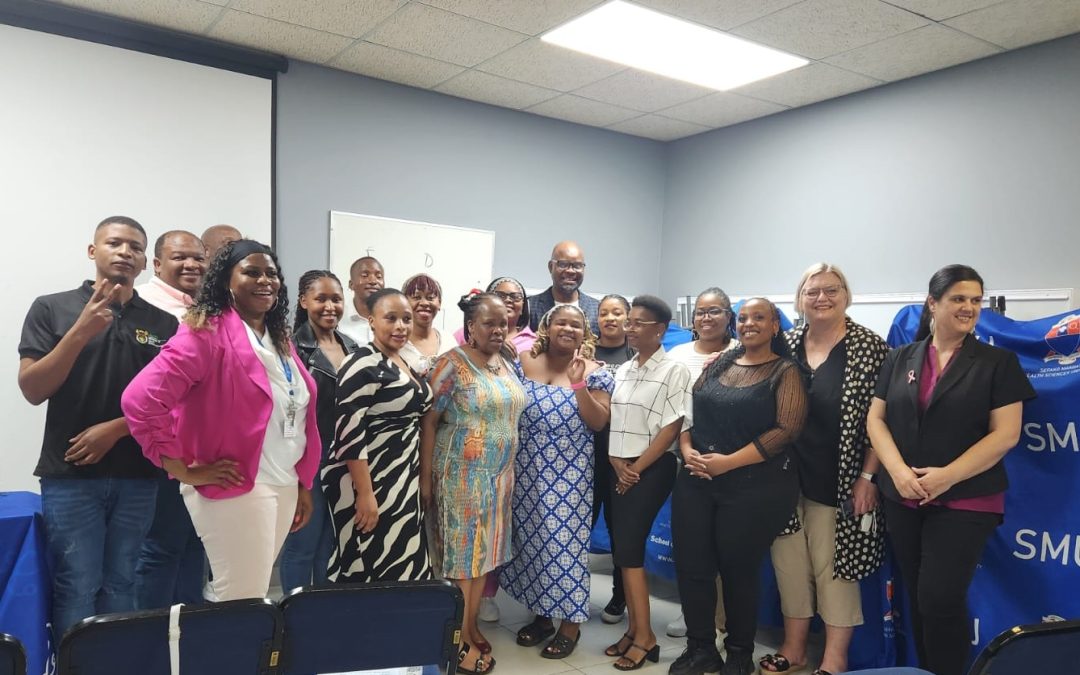
The Radiography Department at Sefako Makgatho Health Sciences University (SMU), in partnership with the University of Pretoria (UP), hosted the second annual Clinical Tutor Workshop, reaffirming a shared commitment to advancing clinical education and professional development in radiography.
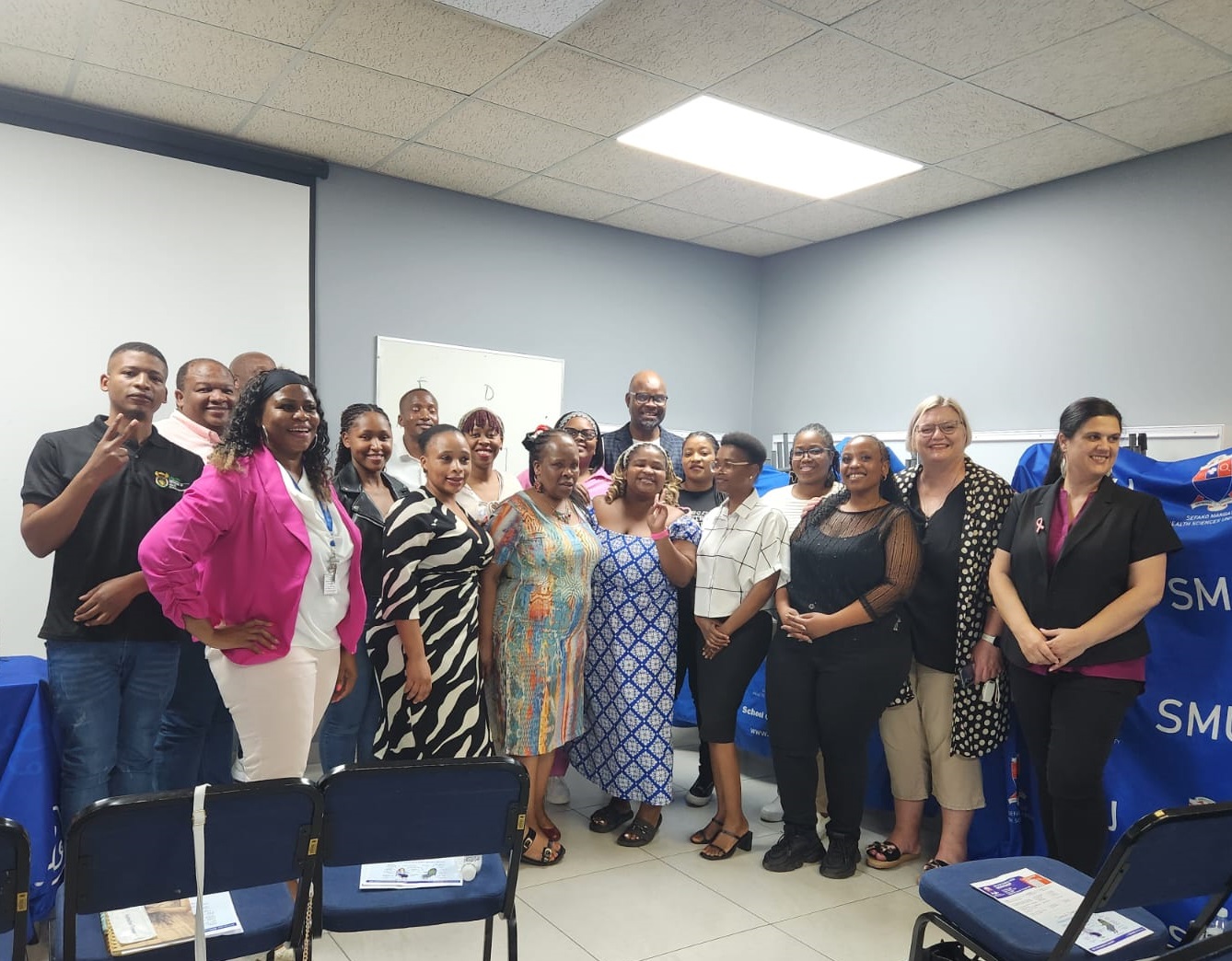 Building on the success of the inaugural workshop held at UP in 2024, this year’s event brought together clinical supervisors and lecturers from both institutions for a day of knowledge exchange, reflection, and collaboration. The initiative aims to empower the educators who serve as the vital link between university classrooms and clinical practice — ensuring that radiography students receive high-quality, hands-on training across a range of healthcare settings.
Clinical tutors and supervisors play an indispensable role in supervising and mentoring students during their clinical placements in both public and private healthcare facilities. The workshop recognised this contribution by providing a platform for professional growth and dialogue. Through presentations, discussions, and peer engagement, participants explored innovative approaches to teaching and assessment that respond to the evolving demands of the radiography profession.
The programme featured presentations by academic staff from SMU and UP on pedagogical strategies, effective assessment practices, advancements in digital radiography, image interpretation and the integration of emerging imaging technologies into clinical teaching. Each session aimed to strengthen the educators’ ability to bridge theoretical knowledge and practical application, particularly as the field continues to evolve with technological innovation.
A highlight of the workshop was an interactive sharing session where clinical supervisors and lecturers shared their lived experiences. Many reflected on the challenges of balancing heavy workloads with teaching responsibilities, limited access to professional development, and the need for stronger institutional support. Despite these obstacles, participants shared innovative practices that have improved student engagement, such as simulation-based learning and peer-assisted supervision.
Lecturer and PhD candidate, Asnath Motsepe from the Radiography Department at SMU, emphasised the importance of such collaborative initiatives. “Workshops like this one create a safe space for clinical tutors, supervisors and lecturers to share their realities and find collective solutions,” she said. “As educators, we must constantly adapt our teaching methods to keep pace with technological advancements in medical imaging while ensuring that our students develop strong ethical and professional foundations.”
Motsepe further underscored the value of investing in tutor development. “Clinical tutors and supervisors are the backbone of radiography education. Their mentorship shapes not only the competence but also the confidence of our future radiographers. Strengthening the capacity of the clinical tutors and supervisors ultimately strengthens the profession as a whole,” she added.
The workshop concluded with a call for ongoing collaboration and structured tutor development. Both SMU and UP representatives stressed the importance of sustained investment in tutor capacity-building as part of broader curriculum transformation efforts. They noted that strengthening the skills and confidence of clinical tutors is essential to ensuring that radiography graduates are both technically competent and compassionate healthcare professionals.
Participants expressed appreciation for the opportunity to network and share insights across institutional boundaries. “The event highlighted the value of a professional community of Radiography educators and reaffirmed the role of collaborative platforms in shaping the future of radiography education in South Africa,” said Mable Kekana, HOD and associate professor at UP.
The Radiography Clinical Tutor Workshop continues to serve as a model for partnership-driven professional development — one that celebrates the dedication of those at the frontline of student clinical training and upholds excellence in healthcare education.
By Tumelo Moila

by Lorato | Oct 23, 2025 | All News, SMU Media, Student Adverts
In celebration of National Oral Health Month, the Sefako Makgatho Health Sciences University (SMU) School of Dentistry joined forces with the Directorate of Student Health and Wellness at Tshwane University of Technology (TUT) to promote oral hygiene awareness and preventive care among TUT students and staff. The campaign reflected a shared mission — to prioritise holistic student wellness and integrate oral health into the broader conversation about overall well-being.
 The collaboration, now in its second year, combined clinical expertise from SMU with student outreach and logistical coordination by TUT. The event provided free oral health screenings and educational sessions to approximately 250 students and staff, addressing one of the most overlooked yet essential aspects of student health.
“Oral health is often neglected, but it’s fundamental to overall health and academic success,” said Kelebogile Mothupi-Modika, a lecturer and community engagement officer at SMU. “By partnering with TUT, we’re ensuring that students have access to preventive care and education that can make a lasting difference.”
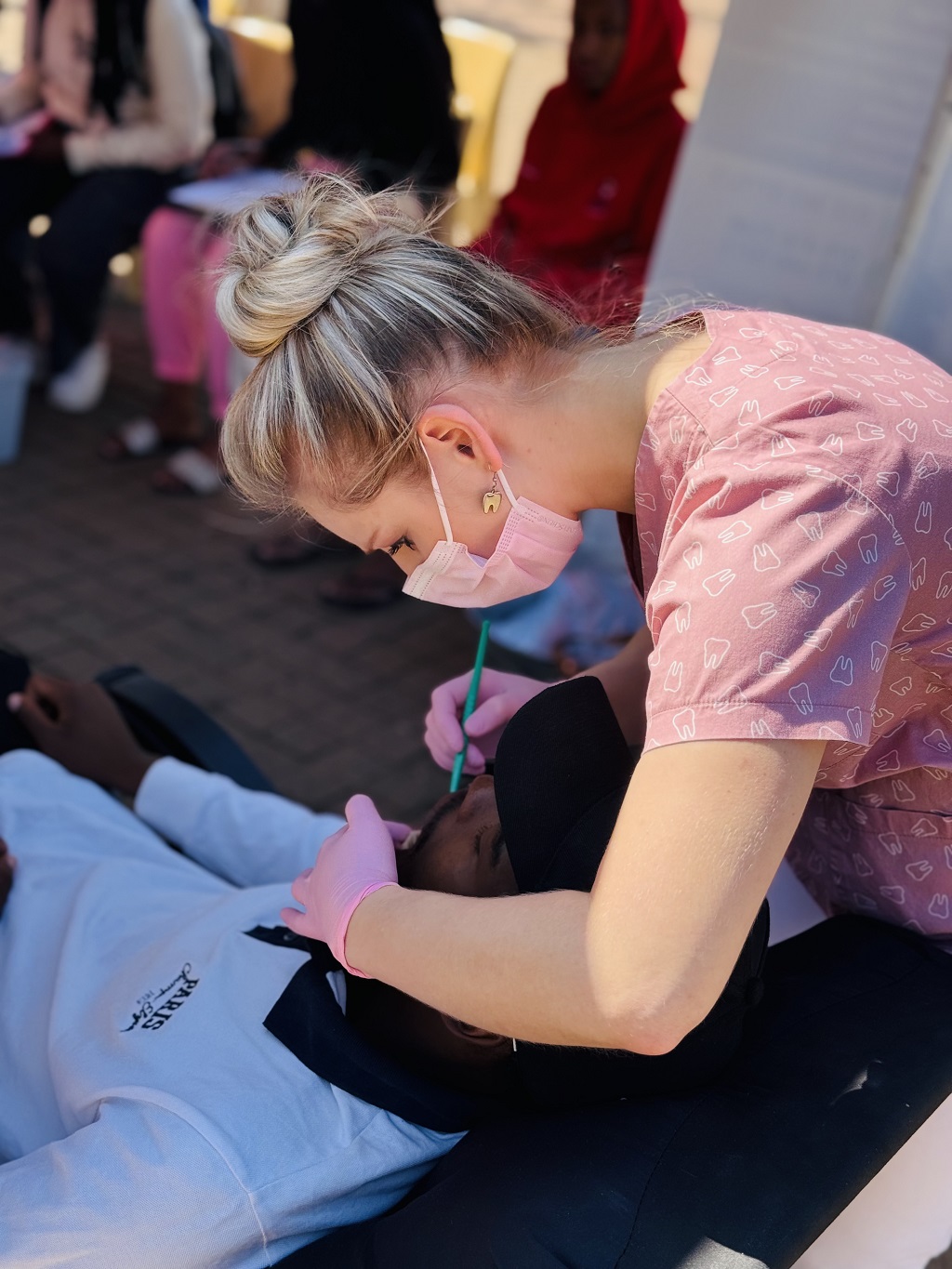
The screenings took place under gazebos on campus, where SMU Dental Therapy and Oral Hygiene students and staff conducted assessments and provided guidance on proper oral hygiene. TUT peer educators supported the initiative by managing registration, overseeing queues, and leading awareness activities. The event was promoted through digital platforms such as TikTok, Instagram, and Facebook to effectively engage the student community.
The campaign uncovered common oral health challenges, including dental caries, gingival inflammation, plaque accumulation, and tooth sensitivity. These findings, according to organisers, emphasise the ongoing need for education and preventive intervention.
 “A healthy smile builds confidence and encourages participation,” said Kholofelo Mawela, a representative from TUT’s Directorate of Student Health. “When students feel good about their oral health, it boosts their self-esteem, attendance, and focus — all of which contribute to academic performance.”
Beyond clinical benefits, the initiative had a deeper educational and social impact. Students were taught essential oral hygiene practices such as brushing twice daily with fluoride toothpaste, reducing sugar intake, quitting tobacco, and scheduling regular dental visits. Those needing further treatment were referred to the SMU Oral Health Centre, where affordable care is available.
SMU’s School of Dentistry played a central role, offering not only screenings but also educational materials, oral care samples, and mentorship for student volunteers. The collaboration also created valuable experiential learning opportunities for dental students — reinforcing SMU’s commitment to social accountability and community engagement.
“This partnership shows how inter-institutional collaboration can make healthcare education both impactful and inclusive,” noted Mothupi-Modika. “Clinical engagement initiatives like this bridge academia and community service — shaping students into compassionate, socially responsive professionals.”
The programme also highlighted the need for continued advocacy. Despite being young adults, many participants presented untreated dental conditions, underscoring the importance of sustained awareness campaigns.
Looking ahead, both institutions plan to expand the initiative across campuses, with hopes of developing a long-term oral health promotion programme that integrates research, education, and community outreach.
As Mothupi-Modika concluded, “Your mouth is the gateway to your overall health. Taking care of your teeth and gums is an investment in your confidence, well-being, and success — both inside and outside the classroom.”
By Tumelo Moila
by Lorato | Oct 23, 2025 | All News, SMU Media, Student Media
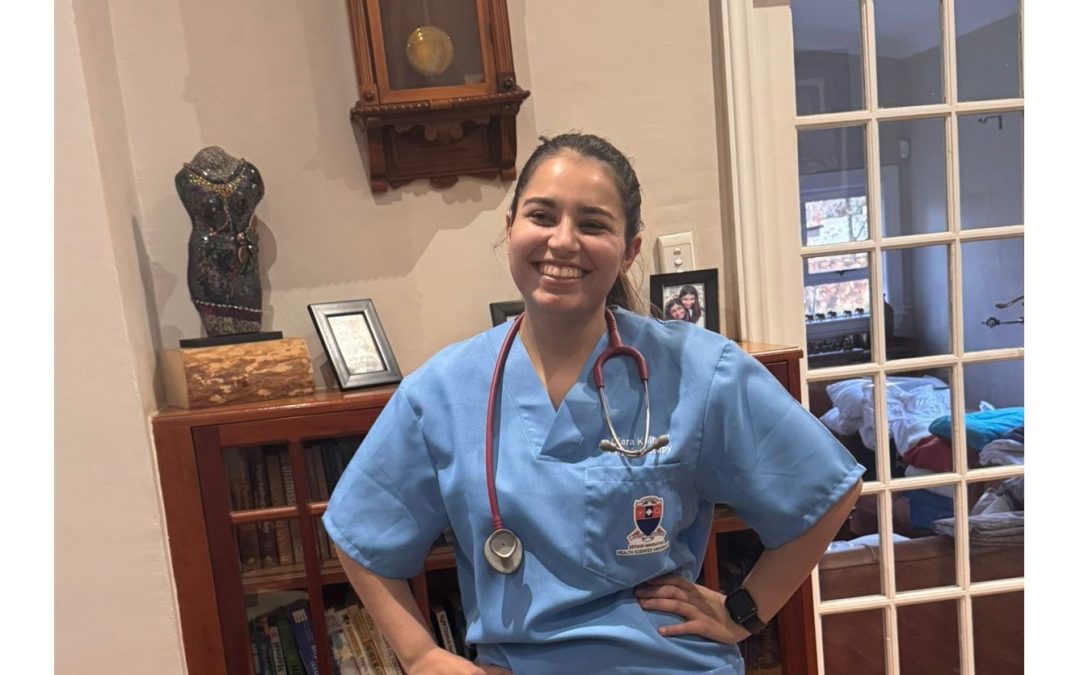
For Dutch physiotherapy student Ciara Kohlhoff, a three-month internship at Sefako Makgatho Health Sciences University (SMU) in Pretoria has been more than an academic exchange — it has been a life-changing experience.
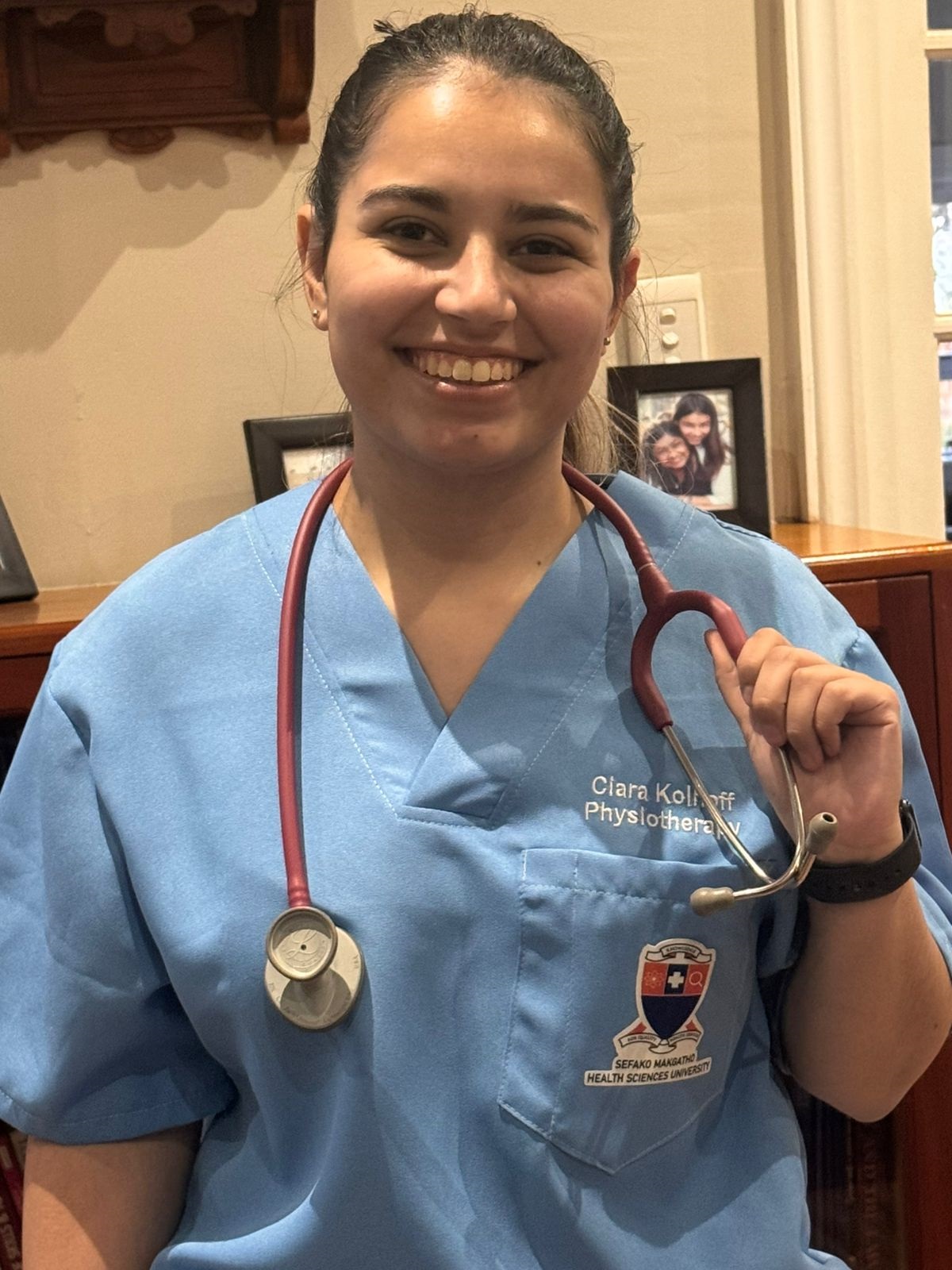 A third-year student at THIM University of Applied Sciences for Physiotherapy in the Netherlands, Kohlhoff joined SMU’s Department of Physiotherapy as a visiting international student earlier this year. Her placement was made possible through collaboration between SMU and THIM University, a partnership aimed at fostering global learning and professional development in health sciences.
“Being accepted by SMU has been an amazing opportunity,” says Kohlhoff. “From the moment I arrived, I was supported, guided, and made to feel part of the team. The attention to detail during orientation — from registration and uniforms to clinical placements — showed how committed the department is to ensuring student success.”
Kohlhoff followed the same practical programme as SMU’s third-year physiotherapy students, integrating classroom theory with hands-on experience across multiple clinical settings. She describes the programme as “well-structured and comprehensive,” noting that it has helped her develop confidence and competence across new areas of practice.
At SMU, her clinical exposure expanded beyond the orthopaedic and neurological rehabilitation focus of her degree in the Netherlands. She gained experience in paediatrics, respiratory care, burn management, and neurological rehabilitation, working alongside local students in hospitals across Pretoria.
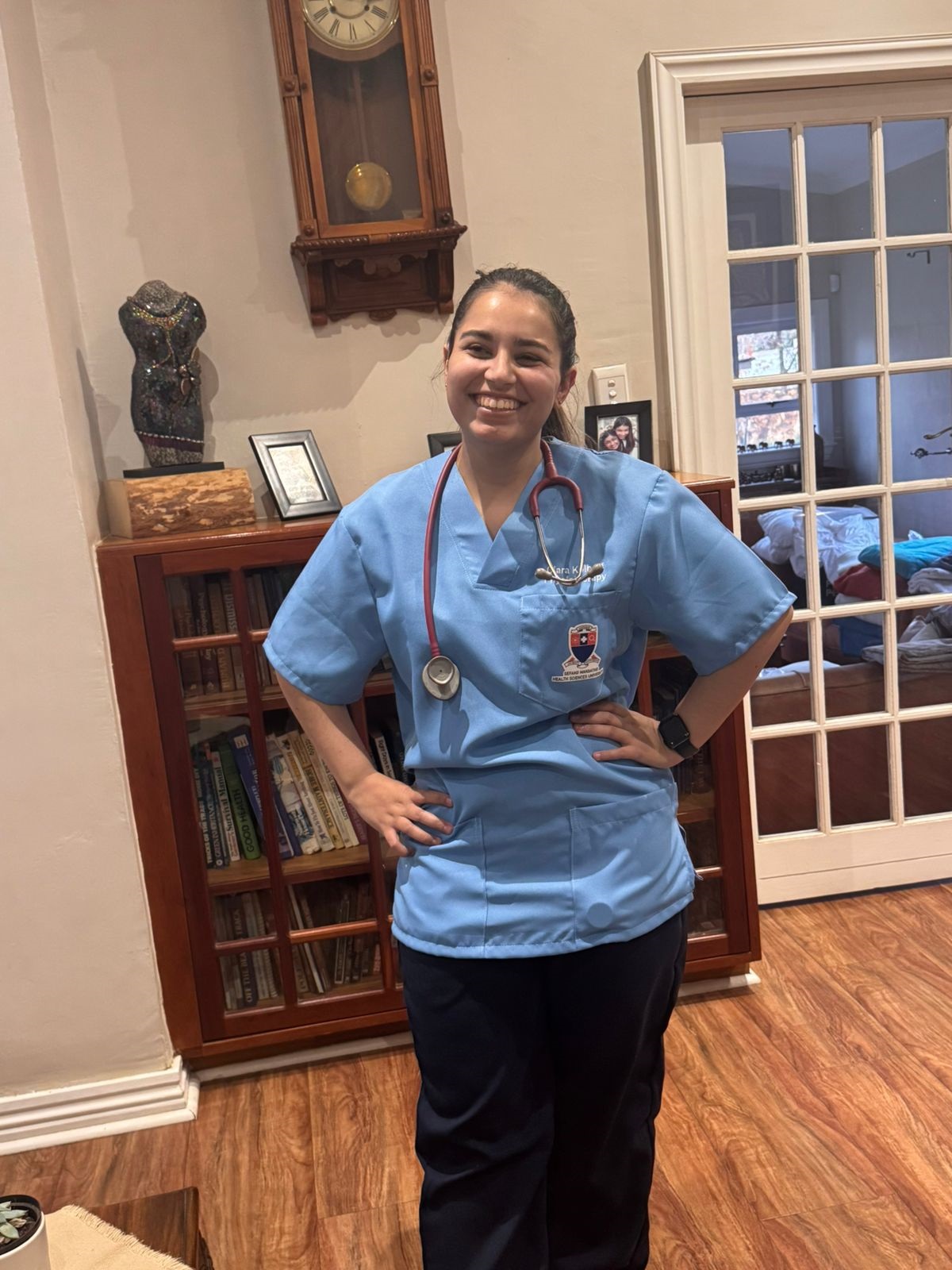 “I have learned far more than I expected,” she reflects. “The clinical experience here has deepened my understanding of how physiotherapy serves diverse communities. It has also given me valuable insight into South Africa’s healthcare system and the role physiotherapists play within it.”
Before joining SMU, Kohlhoff faced challenges finding a hospital or clinic willing to accommodate her internship requirements. The partnership with SMU provided the breakthrough she needed. The university supported her through every stage of the process — from assisting with her Health Professions Council of South Africa (HPCSA) registration to arranging multiple hospital placements to ensure a broad clinical experience.
“SMU went above and beyond to make my practical experience meaningful,” Kohlhoff says. “Their support has been unwavering, and it has truly shaped my professional journey.”
She credits much of this success to Dr Muziwakhe Tshabalala, Acting Head of the Department of Physiotherapy, whose leadership and mentorship have made a lasting impact.
“Studying in the Netherlands never meant I wanted to leave South Africa,” she adds. “My goal has always been to return and serve my country. Thanks to SMU and Dr Tshabalala, I have gained the skills and confidence to do exactly that.”
Kohlhoff’s experience highlights SMU’s growing reputation as a globally connected health sciences institution — one that not only trains future healthcare professionals but also fosters international collaboration grounded in compassion, excellence, and inclusion.
“I will forever be grateful to SMU for welcoming me,” she concludes. “It has been worth every moment — a journey that has strengthened both my passion and my purpose as a physiotherapist.”
By Tumelo Moila

by Lorato | Oct 23, 2025 | All News, SMU Media, Student Media
In 2025, a quiet revolution began at Sefako Makgatho Health Sciences University (SMU). Out of conversations once confined to private circles emerged SMU Pride Connect — the university’s first student-led queer structure. Founded by a group of determined students led by Freddy Kunene (Chairperson) and Phozisa Gumede (Secretary), Pride Connect was born from a shared conviction: queer students at SMU deserved to be seen, heard, and celebrated.
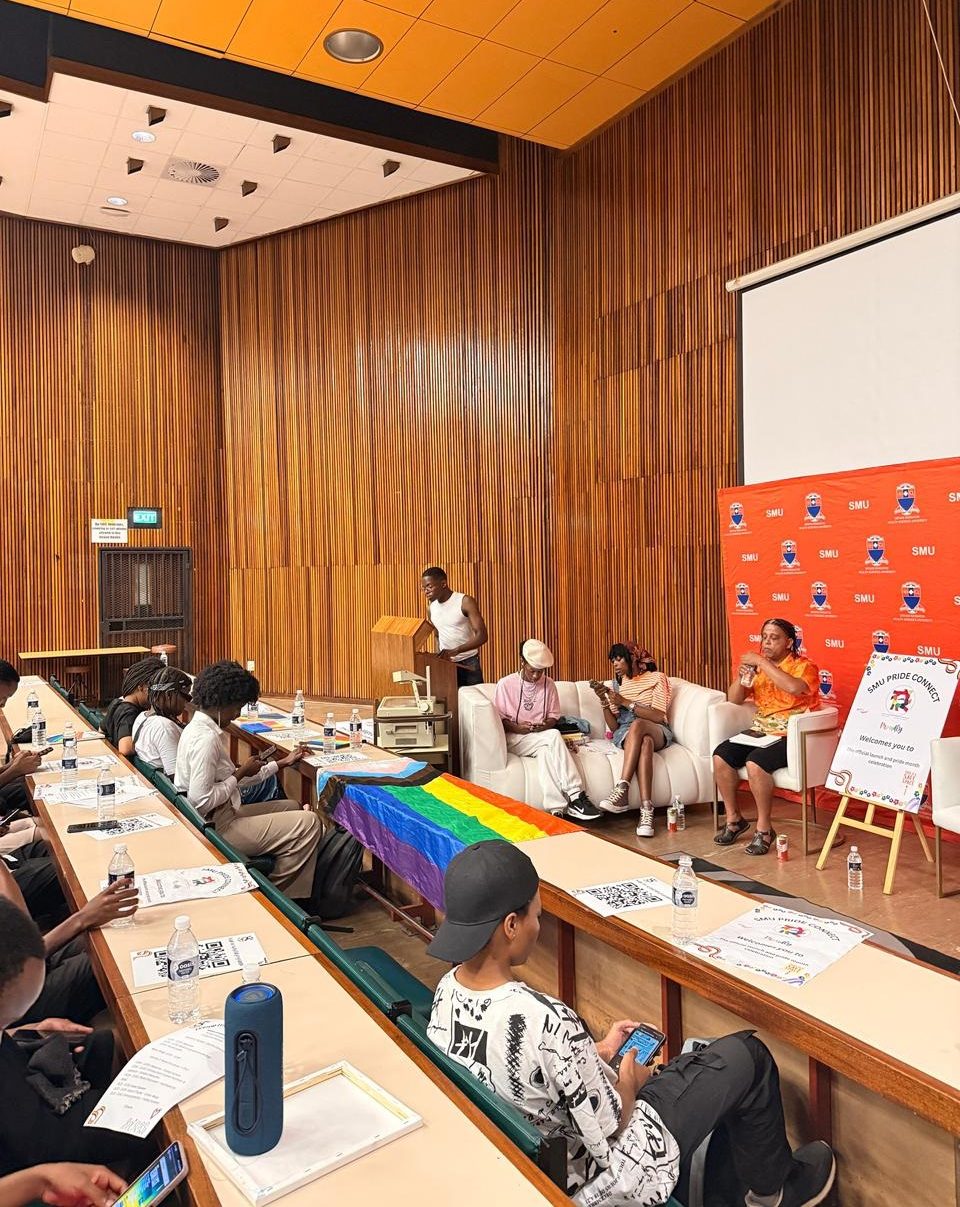 “For years, queer students were visible yet unseen,” recalls Kunene. “We were part of the community but not represented in its spaces or policies.” That absence became the spark. What began as honest conversations among friends evolved into a movement that redefined inclusivity on campus.
From its inception, SMU Pride Connect has stood for advocacy, community, and celebration. The structure’s mission is simple but powerful — to make SMU a safer, more inclusive home for LGBTQIA+ students. Within months of its founding, Pride Connect made history with its March 2025 Awareness Campaign, introducing the university community to a vision of belonging that left a lasting impression. The campaign was followed by game nights and safe spaces, giving queer students and allies room to connect and express themselves freely.
June 2025 marked a turning point. The group hosted SMU’s first-ever Pride Celebration Picnic — a colourful, joy-filled gathering that doubled as the structure’s official launch. “Seeing students dancing under rainbow flags felt like liberation,” Gumede says. “For many, it was the first time they felt free to exist openly on campus.”
 Then came October’s Pride Month March and Panel Talk, a bold milestone that sparked campus-wide dialogue about identity, inclusion, and visibility. The event brought together students, staff, and university leaders — proof that Pride Connect’s advocacy was inspiring genuine cultural change. For its groundbreaking work, the group was named Vice-Chancellor’s Society of the Year 2025, a recognition that cemented its place in SMU’s evolving story of transformation.
Behind these milestones is a committed leadership collective whose dedication drives the structure forward. The 2025 executive committee includes:
Freddy Kunene (Chairperson), Hlonipho Leshilo (Deputy Chairperson), Phozisa Gumede (Secretary), Esther Msiza (Deputy Secretary), Masala Kutama (Treasurer), Tumisho Manyama (Media Officer), Sibongile Molefe (Media Officer), Dimpho Pilusa (Counselling Officer), Thuto Matsie (Counselling Officer), Lehlogonolo Mathete (Events Organiser), and Alex Chokwe (Events Organiser). Atholl Valdon Kleinhans and Eunice Modiba serve as Technical Advisors.
Each plays a vital role in advancing Pride Connect’s mission of visibility, equality, and empowerment. Together, they ensure that every initiative — from awareness campaigns to policy dialogues — reflects the diverse voices within SMU’s queer community.
Leading a queer organisation within a health sciences context has not been without challenges. From navigating bureaucracy to confronting social stigma, the founders have faced their share of resistance. Yet, their resilience continues to drive them. “Education and dialogue are our tools,” says Gumede. “We’re turning misunderstanding into empathy, one conversation at a time.”
Looking ahead, Pride Connect plans to launch a Queer Health Education Series, strengthen mental health support systems, and expand its Pride Month activities into a full Pride Week celebration in 2026.
Their vision is bold: a campus — and ultimately, a country — where inclusivity is not an aspiration but a norm.
“Pride,” Kunene concludes, “is love without apology. It’s courage, compassion, and community — and at SMU, it’s only just beginning.”
By Tumelo Moila

by Lorato | Oct 21, 2025 | All News, SMU Media, Student Media
At a time when South Africa’s health system continues to demand capable, compassionate, and visionary professionals, Sefako Makgatho Health Sciences University (SMU) is once again leading from the front. Through its Convocation, the university is rallying alumni, partners, and the broader corporate community to reinvest in the next generation of health-sciences leaders.
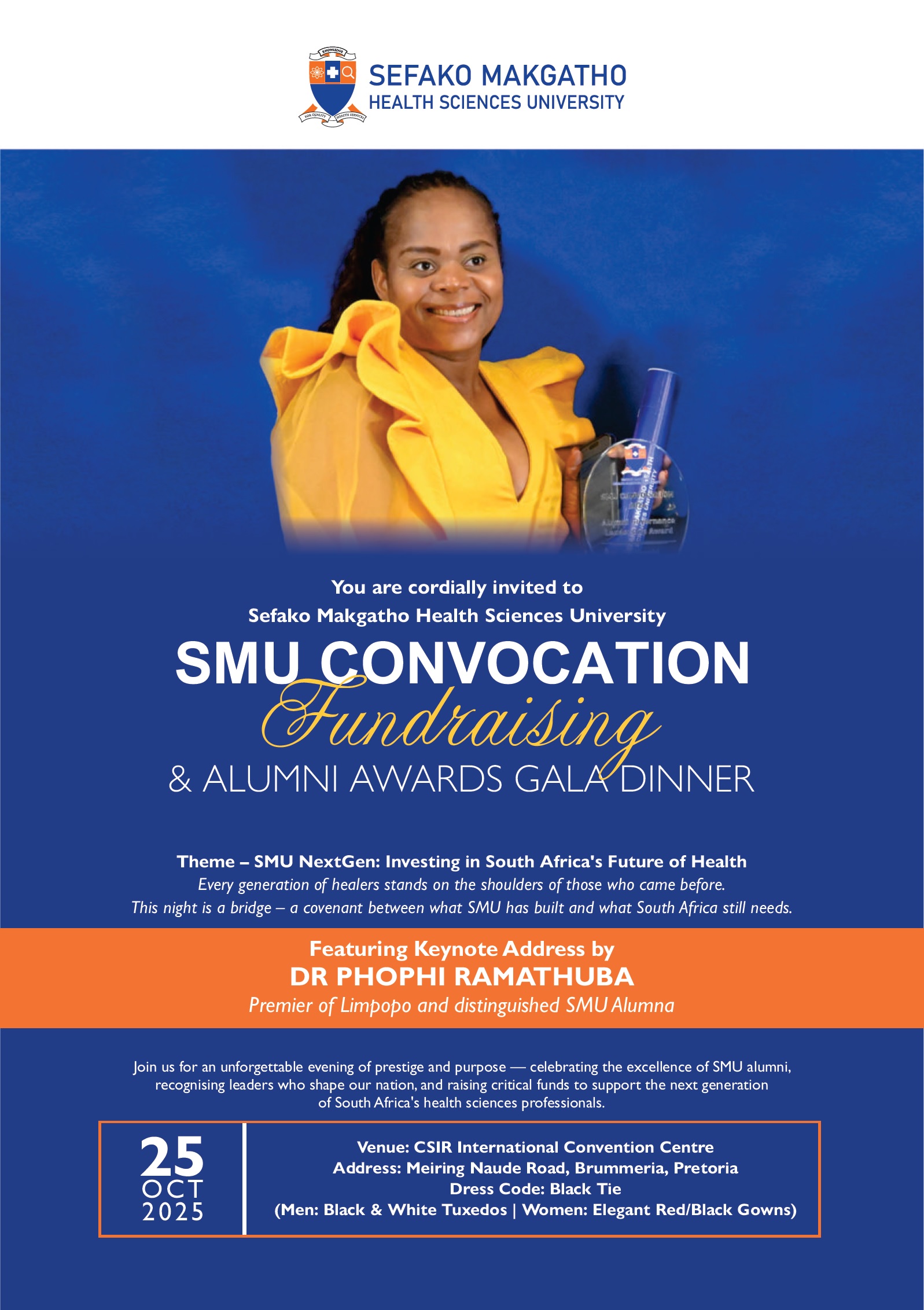
 This initiative will culminate in a prestigious evening of celebration and purpose — the SMU Convocation Fundraising & Alumni Awards Gala Dinner, to be held on 25 October 2025, under the theme “SMU NextGen: Investing in South Africa’s Future of Health Sciences.”
The gala will bring together distinguished alumni, corporate partners, government leaders, and philanthropists in an atmosphere of elegance and generosity, while raising critical funds to support financially constrained students in the health-sciences disciplines.
A vision born of convocation leadership
For Japhta Phala, President of the SMU Convocation, the gala represents far more than a single fundraising event but a powerful act of collective responsibility. “The Convocation was inspired to initiate this fundraising gala because we understand that education remains the most enduring investment in South Africa’s future,” says Phala. “As alumni, we are products of a system that once gave us a chance to realise our dreams and now it is our turn to extend that opportunity to those who come after us.”
Under Phala’s leadership, the Convocation Executive Committee has prioritised rebuilding the bridge between SMU and its alumni network, not only through nostalgic reconnection but through tangible, transformative contribution. The gala is envisioned as an annual anchor event to institutionalise alumni giving and affirm SMU’s standing as a national asset in health sciences education.
Phala emphasises that the event also serves as a symbolic bridge between SMU’s proud legacy and South Africa’s urgent need for more skilled health sciences professionals.
 “We hope this initiative will make a measurable difference in the lives of our students — students who are talented, committed, and eager to serve,” he explains. “Beyond financial relief, this is about restoring dignity and hope. It’s about ensuring that a gifted student from a rural or township background doesn’t abandon their dream simply because they can’t afford to continue studying.”
He adds that the gala reflects the broader spirit of SMU itself; a university founded to democratise access to health-sciences education and to transform the health landscape of South Africa.
Alumni and partners: The lifeblood of progress
Phala believes the success of SMU’s mission depends on a collective ecosystem of support where alumni and partners play an active, enduring role.
“Our alumni and partners are vital architects of the university’s future,” he notes. “Their involvement, whether through mentorship, research collaboration, or financial contribution is what keeps the SMU flame burning. They embody the university’s values in the workplace and in society, and their investment today will shape the calibre of healthcare professionals our country produces tomorrow.”
The Convocation Executive Committee echoes this sentiment, calling on alumni from across generations to see themselves not as former students, but as lifelong ambassadors and investors in the institution’s continued excellence.
Beyond the fundraising appeal, the gala will honour outstanding alumni who have demonstrated exceptional leadership in medicine, governance, innovation, and social impact. Through initiatives like this, SMU is positioning itself not only as a centre of academic excellence but also as a hub for national health transformation, driven by its own graduates.
Phala concludes: “The future of SMU — and indeed South Africa’s health sciences system will be written by those who understand that legacy is not what we inherit, but what we build for others to inherit. This gala is our collective commitment to that principle.”
Event: SMU Convocation Fundraising & Alumni Awards Gala Dinner
Theme: SMU NextGen – Investing in South Africa’s Future of Health Sciences
Date: 25 October 2025
Dress Code: Black Tie (Men – Black & White Tuxedos | Women – Elegant Red Gowns)
For Sponsorships/Donations More Information: letsai.mashishi@smu.ac.za
By Tshimangadzo Mphaphuli