by Lorato | Jul 29, 2026 | Accolades and Achievements, All News, Alumni, SMU Media, Student Media
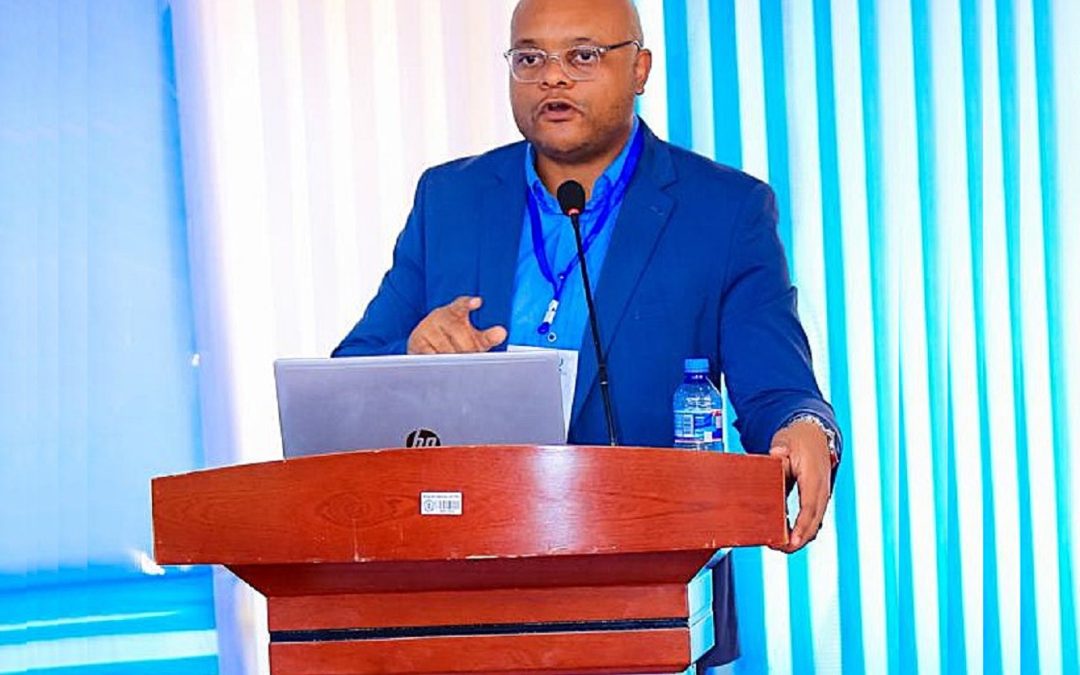
Sefako Makgatho Health Sciences University (SMU) has promoted Professor Bronwin Van Wyk from senior lecturer to Associate Professor (Clinical/Diagnostic) in Medical Physics, recognising his outstanding and sustained contributions to teaching, research, clinical service and international leadership in the specialised field of medical physics.
 The promotion acknowledges Professor Van Wyk’s exceptional academic and professional achievements, which continue to strengthen SMU’s reputation as a leading health sciences university committed to excellence in education, research and healthcare innovation. His accomplishments align with the university’s vision of transforming health services through excellence and innovation while enhancing its profile within the higher education sector.
Professor Van Wyk holds a Doctor of Philosophy in Medical Physics and serves as Deputy Director of Medical Physics at Dr George Mukhari Academic Hospital and SMU. A registered independent medical physicist with the Health Professions Council of South Africa, he brings more than 20 years of clinical, academic and research experience to the profession.
The promotion follows an extensive record of achievement across all areas expected of an associate professor. Professor Van Wyk has led numerous undergraduate and postgraduate modules, supervised and co-supervised multiple master’s and doctoral students, published extensively in accredited scientific journals and demonstrated sustained leadership in both academia and clinical practice.
His research has made significant contributions to nuclear medicine, radiation dosimetry, diagnostic imaging and radiation protection. Among his innovations is the development of computer software for dose quantification in nuclear medicine, designed to support healthcare institutions in low-income countries. He is also supervising pioneering research into novel radiation-protection shielding designs that could improve patient and staff safety.
Beyond the university, Professor Van Wyk has established an impressive international profile. He serves as a Project Scientific Consultant for the International Atomic Energy Agency (IAEA), contributing to medical physics projects across Africa. His work has included supporting Tanzania’s Ministry of Health in developing a national action plan for diagnostic radiology and co-authoring influential IAEA publications on academic and clinical training programmes in medical physics.
 His leadership extends to the Federation of African Medical Physics Organisations (FAMPO), where he chairs the Education and Training Committee and serves on the Professional Relations Committee of the International Organisation for Medical Physics. He has delivered lectures and presentations at numerous international workshops, conferences, and recently taught on the Global Medical Physics Continuing Education Course organised by the American Association of Medical Physics and FAMPO.
Reflecting on his promotion, Professor Van Wyk said, “I am deeply honoured and humbled by this recognition. It reflects not only my own journey but also the support of my wife, family, colleagues, mentors and students who have contributed to my development. I remain committed to advancing medical physics through teaching, research, clinical excellence and international collaboration, while ensuring that our work ultimately improves patient care.”
Professor Van Wyk’s commitment to developing the next generation of medical physicists is equally noteworthy. Throughout his career, he has trained seventeen clinical medical physicists and continues to advocate for expanding opportunities within the profession. Working with colleagues in the Gauteng Department of Health, he helped spearhead the creation of twelve medical physics posts in the province, strengthening the public healthcare system’s capacity.
His commitment to community engagement is demonstrated through an annual cancer awareness programme in Noordgesig, Johannesburg, where he has organised educational workshops and outreach initiatives to raise awareness and promote early detection.
Professor Van Wyk has also received numerous professional accolades, including the South African Association of Medical Physics Incentive Award, membership of the Golden Key International Honour Society and recognition as Best Junior Lecturer at SMU.
His promotion reflects SMU’s commitment to recognising academic excellence that delivers meaningful impact in teaching, research, healthcare and community engagement. By supporting academics whose work advances knowledge while improving health outcomes locally and internationally, the university continues to strengthen its position as a leading institution dedicated to transforming healthcare through education, innovation and research.
By Tumelo Moila

by Lorato | Jul 28, 2026 | Accolades and Achievements, All News, Alumni, SMU Media, Student Media
Sefako Makgatho Health Sciences University (SMU) has promoted Professor Dineo Tsabedze from Senior Lecturer to Associate Professor (Clinical/Diagnostic) in the Department of Nuclear Medicine, recognising her outstanding contributions to teaching, research, clinical leadership and postgraduate supervision.
 The promotion reflects SMU’s commitment to recognising academic excellence that advances healthcare, research and innovation. As Academic and Clinical Head of the Department of Nuclear Medicine at SMU and Dr George Mukhari Academic Hospital since July 2024, Professor Tsabedze has established herself as a leader in Nuclear Medicine, cardiovascular research and academic development.
“I am deeply honoured by this promotion,” said Professor Tsabedze. “For me, teaching has always been about empowering others to become confident, ethical healthcare professionals who can make meaningful contributions to society. This recognition strengthens my commitment to advancing Nuclear Medicine, mentoring the next generation of specialists and conducting research that improves patient care across South Africa and the African continent.”
Professor Tsabedze’s academic journey reflects a sustained commitment to excellence. She obtained her Doctor of Philosophy (PhD) from the University of the Witwatersrand in 2023 after completing her Master of Medicine in Nuclear Medicine with distinction and earning a Fellowship of the College of Nuclear Physicians of South Africa. Her medical career began after graduating with an MBChB from the University of Cape Town in 2008.
Her promotion follows a distinguished academic and clinical career spanning more than a decade. Alongside her responsibilities as Academic and Clinical Head of Department, she leads teaching and learning, supervises master’s and doctoral candidates, and provides specialist nuclear medicine services, while contributing to strategic leadership at school and university levels.
Professor Tsabedze has built an internationally recognised research profile focused on cardiovascular medicine, nuclear cardiology and the application of artificial intelligence and machine learning to improve clinical decision-making. With an h-index of nine and approximately 390 citations, she has authored more than 30 peer-reviewed publications in leading international journals, covering cardiac imaging, heart failure, oncology, and precision medicine.
“My research is driven by a simple objective: to generate evidence that improves patient outcomes while ensuring African perspectives contribute meaningfully to global scientific knowledge,” she said. “I believe research and teaching are inseparable because every discovery strengthens how we educate future clinicians.”
Her scholarly achievements extend beyond publications. She has secured competitive research funding, including the prestigious Professor Bongani Mayosi Netcare Clinician Scientist Award, the Discovery Academic Fellowship Award, and the Wits University Chancellor’s Female Academic Leaders Fellowship Grant. She also collaborates with researchers across Africa, Europe and the United States on projects exploring digital health, cardiovascular disease and healthcare analytics.
Professor Tsabedze has supervised and co-supervised numerous master’s students to successful completion while mentoring emerging researchers across several health disciplines. Her educational philosophy emphasises student-centred learning, clinical relevance, ethical practice, and mentorship that develop independent scholars capable of improving healthcare delivery.
In addition to her academic responsibilities, she serves on the SMU Senate, the School of Medicine Board and several professional bodies. She was also a top 10 finalist in Mrs South Africa, using this prestigious platform to amplify her advocacy for health and wellness. Her leadership also extends to community engagement through health awareness campaigns, public education initiatives and advocacy promoting cardiovascular health and cancer awareness.
“This promotion recognises not only academic achievement but also a commitment to excellence in clinical service, innovation and leadership,” Professor Tsabedze said. “I look forward to working with colleagues and students to strengthen Nuclear Medicine education and research while expanding SMU’s contribution to healthcare innovation.”
The promotion reinforces SMU’s vision of transforming health services through excellence and innovation by recognising academics whose teaching, research and clinical leadership develop skilled healthcare professionals and advance knowledge that benefits communities locally, nationally and internationally.
By Tumelo Moila
by Lorato | Jul 28, 2026 | All News, Alumni, SMU Media, Student Media
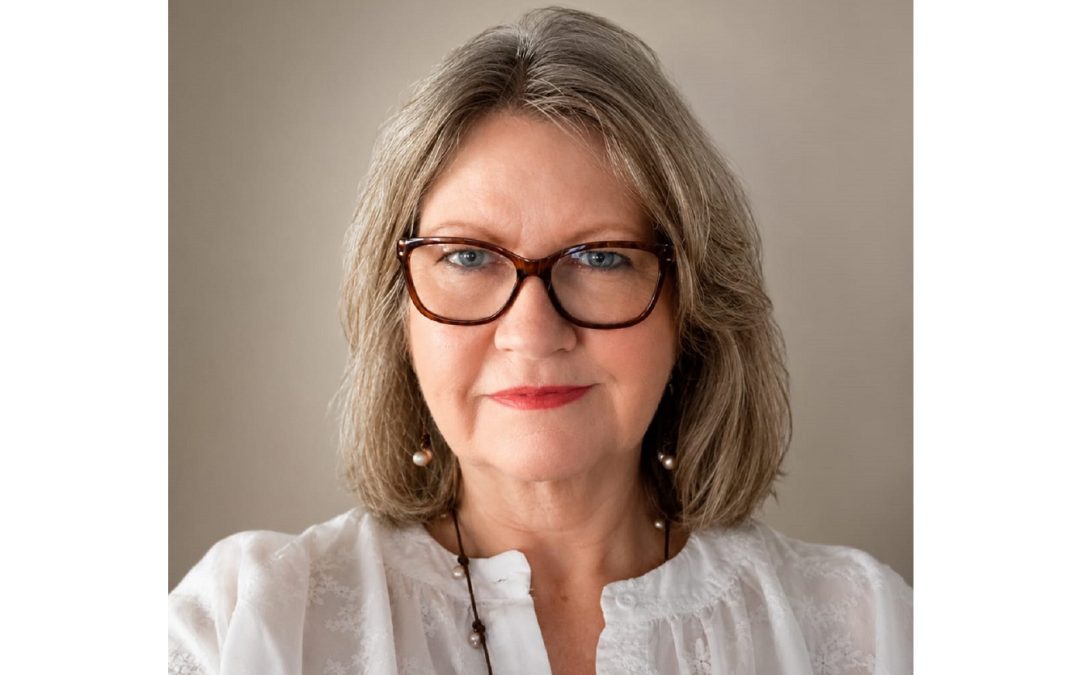
Sefako Makgatho Health Sciences University (SMU) has recognised the outstanding academic achievements and longstanding service of Professor Marcelle Le Roux with her promotion from Senior Lecturer to Associate Professor in the Department of Microbiological Pathology. The appointment marks a significant milestone in a distinguished career spanning 42 years, during which she has made notable contributions to teaching, research, postgraduate supervision and community engagement, further strengthening SMU’s reputation for excellence in health sciences education and research.
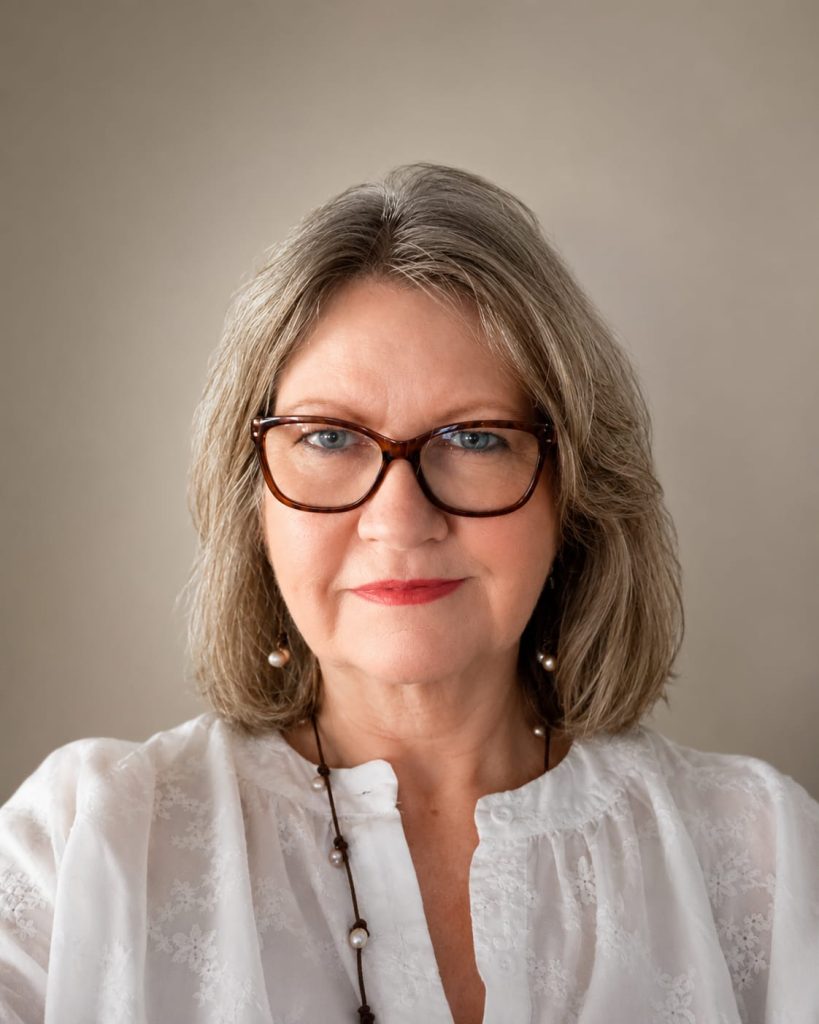 The promotion reflects SMU’s rigorous academic standards for the rank of Associate Professor, which require sustained excellence across research, postgraduate supervision, scholarly publication, academic leadership and curriculum development. Candidates must also demonstrate the ability to secure research funding and make meaningful contributions to their discipline and the broader academic community. Professor Le Roux’s career embodies these qualities, underscoring her commitment to advancing scientific knowledge and developing the next generation of health professionals.
Professor Le Roux’s journey at the institution began in the 1980s when she enrolled at the then Medical University of Southern Africa (MEDUNSA). Over the past four decades, she has witnessed and contributed to the institution’s transformation through its incorporation into the University of Limpopo (UL) and its eventual establishment as SMU. Her academic progression has seen her serve as a Lecturer, Senior Lecturer, and now as an Associate Professor in Microbiological Pathology.
Reflecting on her promotion, Professor Le Roux described the recognition as both humbling and deeply meaningful. “I feel truly honoured to be featured in our university’s publication. As you have seen from my CV, I have been part of this institution for 42 years. During this time, I have witnessed its remarkable journey from the early years of MEDUNSA, through its incorporation into the University of Limpopo, and ultimately to its establishment as SMU.”
She said one of the greatest privileges of her career has been helping to shape future academics. “It has been a privilege to teach and mentor generations of students over these four decades, including several who have gone on to become distinguished colleagues, such as Professor Vanessa Moodley, Professor Mapaseka Seheri, and Professor Gloria Selabe.”
Professor Le Roux holds a PhD from the UL, following earlier qualifications from MEDUNSA, including a BSc (Med) Honours degree and a cum laude MSc in Microbiology. Her research has focused on microbiology and infectious diseases, with particular emphasis on sexually transmitted infections, antimicrobial resistance and molecular diagnostics. A substantial proportion of Professor le Roux’s research has centred on sexually vulnerable populations. She was one of the first scientists to demonstrate that Mycoplasma genitalium is a sexually transmitted pathogen in men, making a significant contribution to the understanding of its epidemiology. Throughout her career, she has published more than 15 articles in accredited scientific journals and presented her research at numerous national and international conferences. Beyond her research achievements, she has played a leading role in postgraduate curriculum development, coordinated Molecular Biology and Advanced Microbiology programmes, supervised honours, master’s and doctoral students, and served as an external examiner for several South African universities.
Professor Le Roux’s promotion celebrates a career defined by academic excellence, scientific leadership and an unwavering commitment to developing future researchers. Her achievements reflect SMU’s vision of transforming health services through excellence and innovation, and reinforce the University’s commitment to producing impactful research, advancing health sciences education, and strengthening healthcare in South Africa and beyond.
By Tumelo Moila

by Lorato | Jul 28, 2026 | All News, Alumni, SMU Media, Student Media
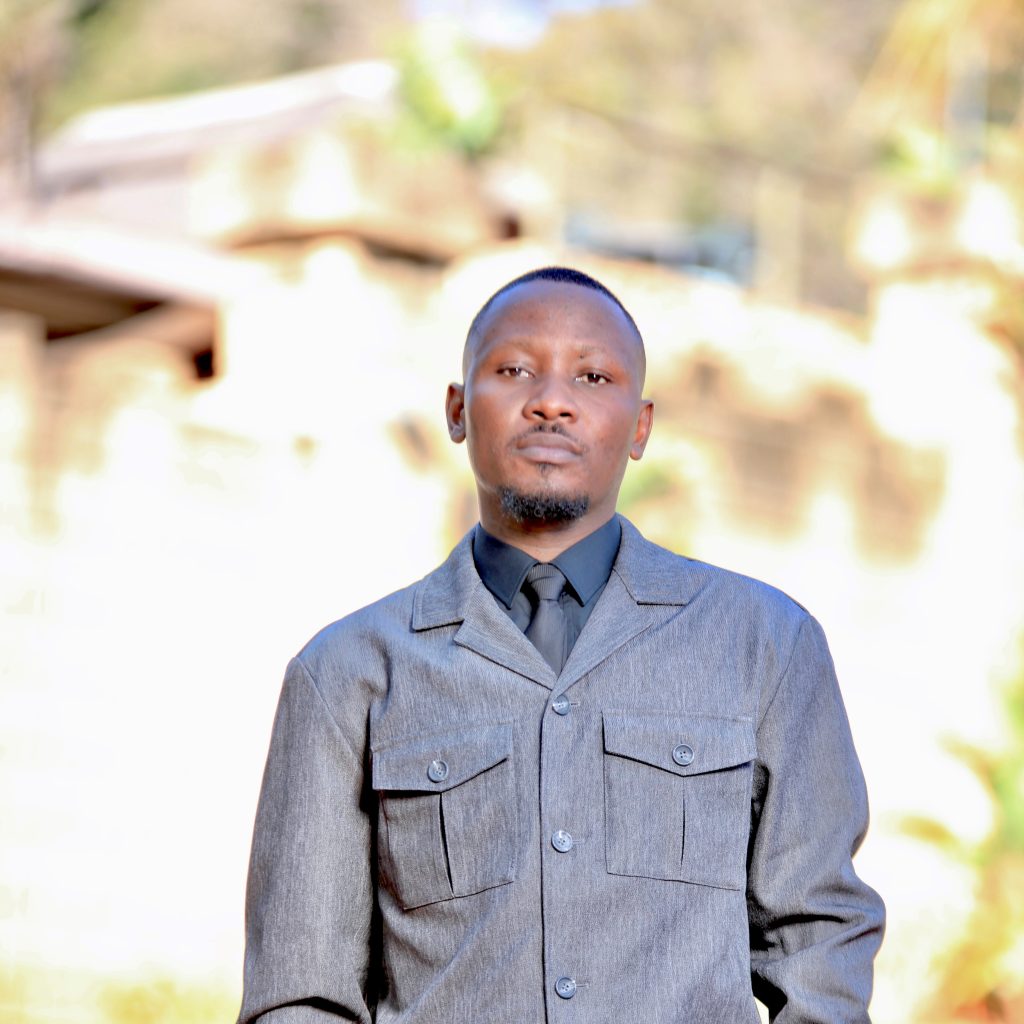
Sefako Makgatho Health Sciences University (SMU) has strengthened its academic leadership by promoting 36-year-old Professor Tshiamo Ramalepa from Senior Lecturer to Associate Professor in the Department of Nursing Science. The appointment reflects the University’s commitment to academic excellence, impactful research, postgraduate development and the advancement of healthcare through innovation.
 Professor Ramalepa’s promotion follows his successful fulfilment of the University’s rigorous promotion criteria, which recognise sustained excellence in teaching, research, postgraduate supervision, academic leadership, community engagement and the ability to secure external research funding. His appointment reinforces SMU’s strategic vision of transforming health services through excellence and innovation while strengthening its reputation as a leading health sciences university.
Since joining SMU as a lecturer in 2022, Professor Ramalepa has built an outstanding academic profile. He progressed to Senior Lecturer in 2025 and now serves as Associate Professor and Postgraduate Diploma Programmes Coordinator in the Department of Nursing Science. He teaches undergraduate and postgraduate modules while leading several academic and quality assurance initiatives that contribute to student success and programme excellence.
“This promotion represents far more than a personal milestone,” said Professor Ramalepa. “It reflects the confidence that SMU has placed in me to contribute to the University’s vision through impactful research, quality teaching and the development of future healthcare leaders. I remain committed to producing knowledge that improves lives and strengthens South Africa’s health system.”
Professor Ramalepa has established himself as a recognised researcher in nursing science, adolescent sexual and reproductive health, role modelling, public health and nursing education. His scholarly portfolio includes more than 20 publications in accredited journals, a research monograph, book chapters, and numerous peer-reviewed articles published nationally and internationally. His research continues to address critical healthcare challenges while informing policy and professional practice.
His work has also attracted competitive external funding, including his participation as a co-investigator in the R9.3 million U’GOOD Climate Change and Mental Health project, funded by the National Research Foundation, Foundation Botnar, and the Human Sciences Research Council. In addition, he secured international seed funding as the principal investigator for a research project exploring family planning knowledge and attitudes among first-year university students and two other seed funds as a co-investigator
 Equally significant is his contribution to postgraduate education. Professor Ramalepa has supervised a doctoral graduate and five Master’s graduates to completion, while continuing to supervise additional Master’s and PhD candidates. He also serves as an external examiner and research reviewer for several South African universities, contributing to the quality and integrity of postgraduate scholarship across the higher education sector.
His academic achievements have earned national recognition, including being named among Inside Education’s 100 South African Shining Stars in 2026. He also received SMU’s Vice-Chancellor’s Award for Best Community Engagement Project in 2025 and has previously been recognised as one of the Mail & Guardian 200 Young South Africans, 100 Africa’s Young Bright Minds and Avance Media’s 100 Most Influential Young South Africans.
“My priority is to expand collaborative research, strengthen postgraduate supervision and mentor emerging academics who will shape the future of nursing science,” Professor Ramalepa said. “Universities have a responsibility to generate knowledge that improves healthcare and delivers meaningful impact in the communities they serve.”
Professor Ramalepa’s promotion reflects SMU’s continued investment in academic excellence, research leadership and the development of health professionals who will advance healthcare nationally and beyond. Through outstanding scholars and innovative research, the university continues to strengthen its contribution to education, scientific discovery and the well-being of communities across South Africa.
By Tumelo Moila

by Lorato | Jul 28, 2026 | All News, Alumni, SMU Media, Student Media
For Nthabiseng Sithole, graduating summa cum laude with a Bachelor of Science Honours in Psychology at Sefako Makgatho Health Sciences University (SMU) is the fulfilment of a lifelong ambition shaped by faith, resilience and determination. Her achievement reflects not only personal excellence but also SMU’s commitment to producing highly skilled health professionals who are equipped to address South Africa’s most pressing healthcare challenges.
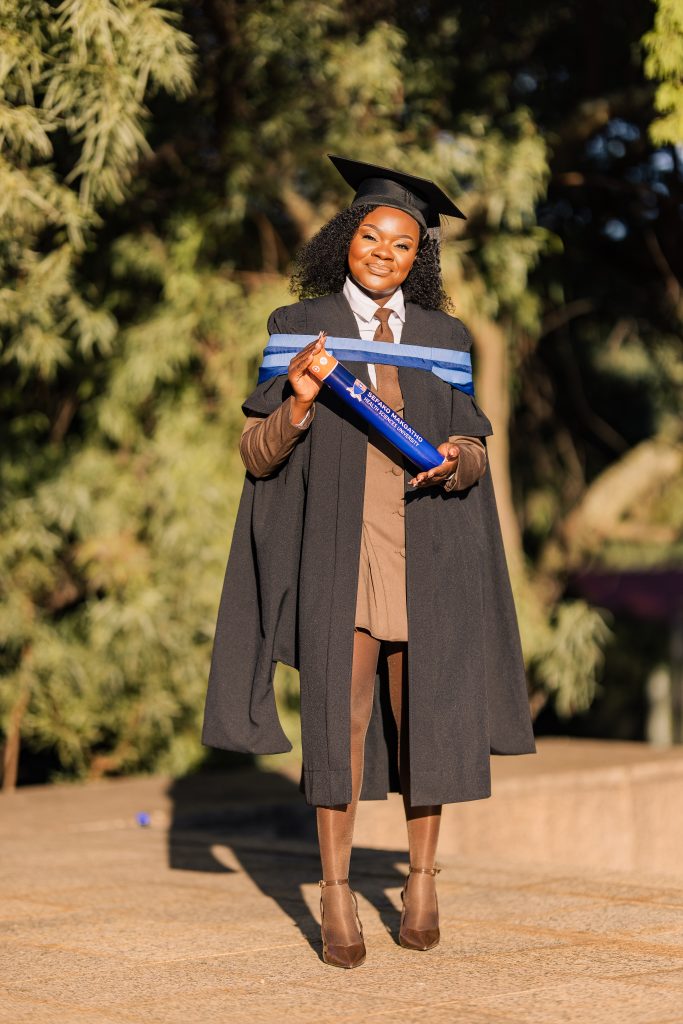 Raised in Mmotla, a village in North West Province, Sithole credits her family with laying the foundation for her academic success. Despite limited financial resources, her parents prioritised education and ensured she had the support needed to pursue her dreams. “I am from a loving and very supportive family. We did not have much growing up, but my parents always made sure that my needs were taken care of. My family always valued education and hard work, and those values are what carried me through,” she said.
Sithole described the transition from undergraduate to postgraduate studies as one of the most demanding periods of her academic journey. Although securing a place in the honours programme was an answered prayer, adapting to the increased workload required discipline, perseverance and unwavering focus.
She remained motivated by narrowly missing a cum laude distinction during her undergraduate studies. “What motivated me the most was that I was 1% away from graduating cum laude in my undergraduate degree. I made a promise to myself that with my postgraduate studies, I would redeem that and prove that I was capable.”
Her determination paid off as she graduated summa cum laude, the University’s highest academic distinction. “Graduating summa cum laude is proof that I am capable and that no challenge is bigger than me.”
The achievement carries profound personal significance. Sithole’s mother, who always dreamed of seeing her study at SMU, passed away before witnessing any of her graduations. Completing her studies with the University’s highest honour became a deeply meaningful tribute. “Achieving this was my way of honouring my mom and proving to myself that perseverance and dedication pay off.”
Financial uncertainty also tested her resolve. After several unsuccessful bursary applications, Sithole completed the academic year without secured funding, forcing her to confront constant anxiety while maintaining exceptional academic performance. “The biggest challenge I faced was not having a bursary. Despite the stress and uncertainty, I had to show up every day and do my best. Achieving good marks kept me motivated.”
 Throughout her studies, her father and sisters provided steadfast support, helping her remain focused on her academic goals. “They made sure that I did not lack anything. Their support lifted a huge burden off my shoulders.” Her faith also became a source of strength during difficult moments. “Throughout this journey, I made sure to put God first in everything I do. My faith carried me through moments of anxiety and uncertainty.”
Sithole encourages students to remain disciplined, make effective use of previous examination papers, prioritise their wellbeing and never lose sight of their goals. Looking ahead, she hopes to qualify as a Clinical Psychologist and improve access to quality mental healthcare, particularly in underserved communities. “I want to make mental health more accessible, especially in underserved communities like the one I live in. I also want to break the stigma that seeking mental health support means you are weak. Mental health is part of our overall health, and asking for help is an act of courage, not weakness.”
Sithole’s journey from a small North West village to graduating summa cum laude embodies the values of excellence, resilience and perseverance that define the SMU community. Her success reinforces the University’s vision of transforming health services through excellence and innovation while producing graduates who are committed to advancing healthcare, promoting social justice and improving the wellbeing of communities across South Africa.
By Dimakatso Modise
by Lorato | Jul 28, 2026 | All News, Alumni, SMU Media, Student Media
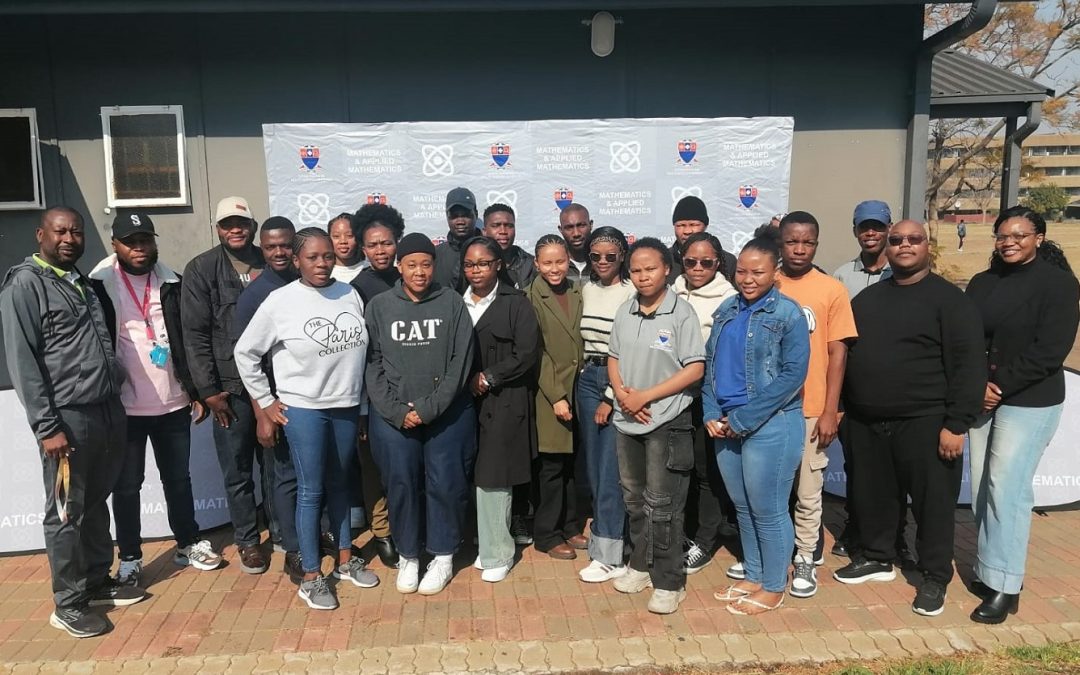
Sefako Makgatho Health Sciences University (SMU) reaffirmed its commitment to research excellence and postgraduate development during National Science Month 2026 by hosting a Research Conceptualisation and Writing Symposium to equip honours, master’s, and doctoral students with advanced research skills to excel in academia and the broader scientific community.
 Hosted by the Department of Mathematics and Applied Mathematics, the symposium brought together leading academics from SMU, Sol Plaatje University and Stellenbosch University to provide students with practical guidance on research conceptualisation, proposal development, scientific writing, funding opportunities and emerging research priorities. The initiative reflects SMU’s mission of advancing innovation, academic excellence and impactful research that contributes to national development.
Opening the programme, Dr Kazeem Aremu, Lecturer in the Department of Mathematics and Applied Mathematics at SMU, presented a session on Research Problem Identification and Proposal Development. He guided participants through the process of identifying meaningful research gaps, formulating clear research questions and developing rigorous research proposals capable of making valuable contributions to scientific knowledge.
“A well-defined research problem is the foundation of every successful study. Strong proposals begin with clear questions, sound methodology and a clear understanding of the contribution the research intends to make,” Dr Aremu told participants.
The symposium continued with a presentation by Dr Abass Hameed from Sol Plaatje University on Scientific Research Article Writing: A Step-by-Step Approach. He unpacked the process of producing publishable scientific manuscripts, taking students through every stage of academic writing, from structuring research articles and presenting findings effectively to selecting suitable journals and responding to peer-review feedback. The session underscored the importance of scientific publishing in advancing knowledge and building academic credibility.
SMU’s Head of the Department of Mathematics and Applied Mathematics, Professor Maggie Aphane, introduced participants to a range of national and international funding opportunities available to postgraduate researchers. She encouraged students to actively pursue scholarships, research grants and collaborative projects that would strengthen both their academic development and future careers.
“Funding opportunities open doors to research, collaboration and innovation. Students should position themselves to compete confidently for these opportunities and expand their academic horizons,” Professor Aphane said.
 Professor Aphane also challenged participants to think strategically about the future of mathematical sciences during her presentation on Future Focus Area – Part 2. She encouraged students to become innovative researchers capable of addressing complex societal challenges through mathematics and interdisciplinary collaboration.
Complementing this discussion, Professor Zurab Janelidze from Stellenbosch University presented Future Focus Area – Part 1, highlighting emerging trends in mathematical sciences and the growing importance of interdisciplinary research. He encouraged postgraduate students to embrace innovation, continuous learning and collaboration to remain competitive in an evolving global research landscape.
A distinguishing feature of the symposium was its highly interactive format. Through group discussions, collaborative exercises and question-and-answer sessions, students exchanged ideas, refined research concepts and received constructive feedback from experienced academics. These engagements fostered peer learning, strengthened research networks and created an environment that encouraged critical thinking and scholarly growth.
The symposium demonstrated SMU’s ongoing investment in developing the next generation of researchers by providing postgraduate students with practical research skills, academic mentorship and exposure to funding opportunities. By bringing together experts from leading institutions, the University created a platform that promotes excellence in research, innovation and scientific collaboration.
As SMU continues to advance its vision of transforming health services through excellence and innovation, initiatives such as the Research Conceptualisation and Writing Symposium strengthen the University’s research culture and prepare postgraduate students to make meaningful contributions to scientific discovery, sustainable development and the advancement of society.
By Dimakatso Modise