by Lorato | Mar 5, 2026 | Accolades and Achievements, All News, Alumni, SMU Media, Student Media
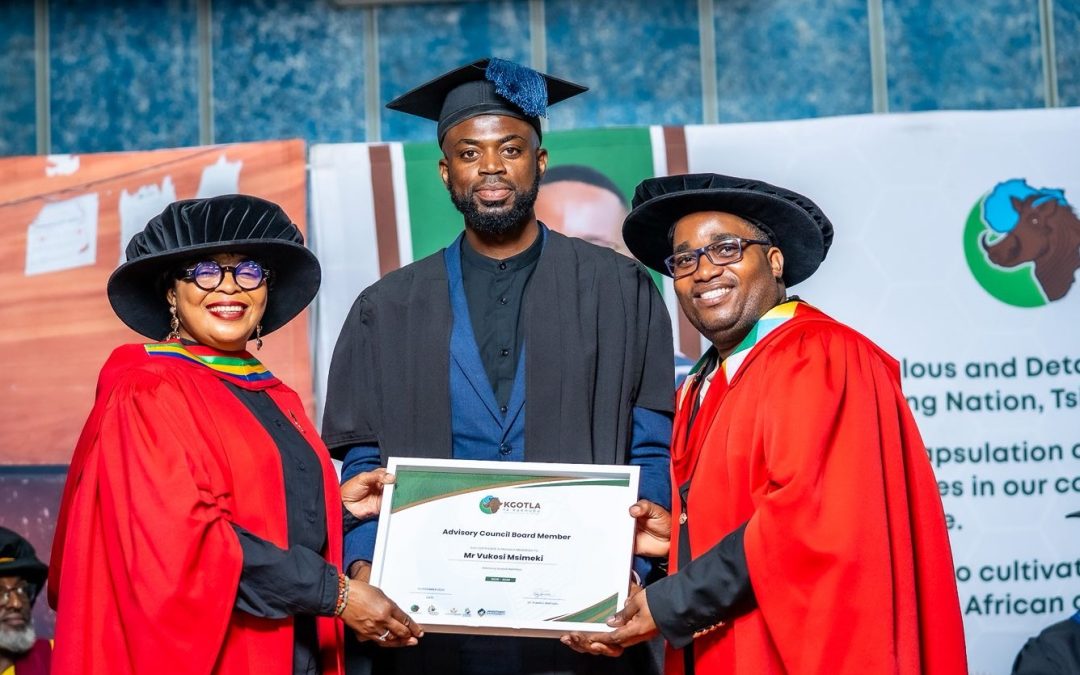
If you want to change a profession, step into the room where standards are set. SMU alumnus, public health specialist and dietitian Vukosi (Richardson) Msimeki has done exactly that. He has been appointed to the Professional Board for Dietetics and Nutrition under the Health Professions Council of South Africa (HPCSA) for the 2025–2030 term — a body tasked with safeguarding professional, ethical and educational standards for dietetics and nutrition across South Africa.
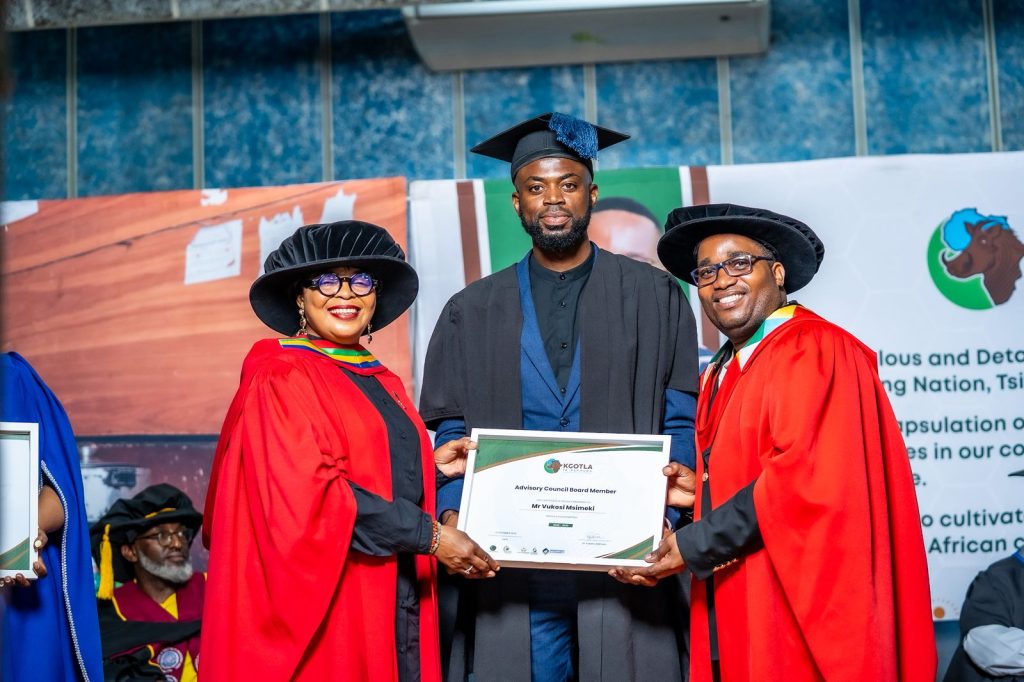 His appointment places him among ten members entrusted with overseeing education, training, registration and professional conduct in terms of the Health Professions Act. The Board executes its regulatory mandate on behalf of the HPCSA, ensuring that practitioners meet rigorous standards in a sector critical to public health.
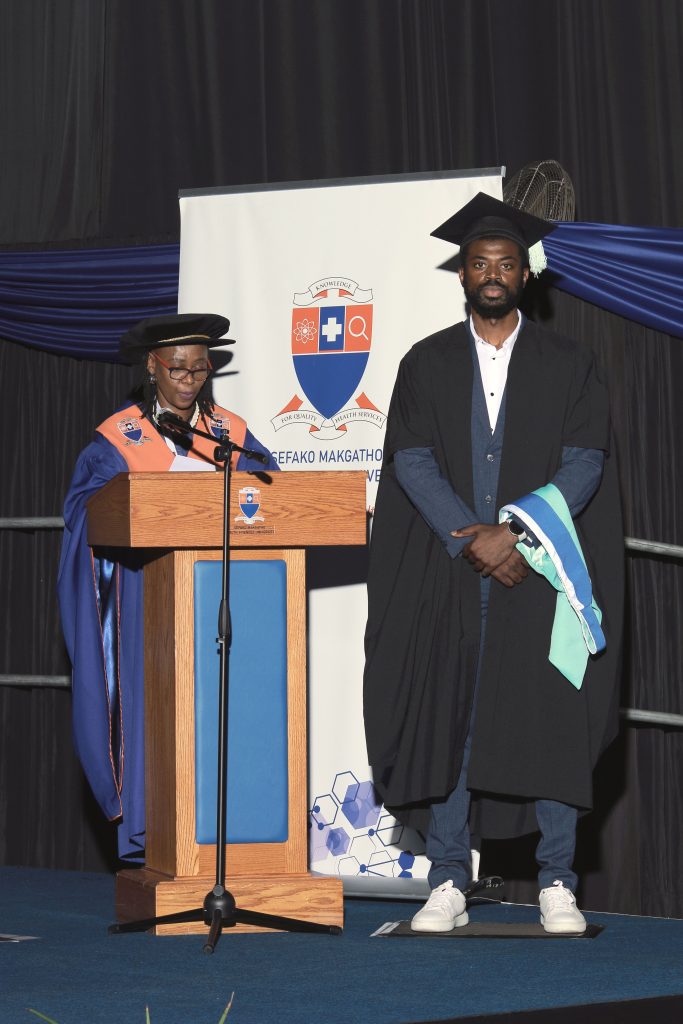
Msimeki, who holds a PGDip and a Master of Public Health from Sefako Makgatho Health Sciences University (SMU) and is completing PGDip in Health Leadership from University of Cape Town, brings more than 12 years’ experience spanning district, regional and tertiary healthcare levels. He currently serves as Deputy Director for Clinical Support and Therapeutic Services (Allied Health Services) at Job Shimankana Tabane Hospital in the North West province, where he also holds the position of Chief Dietitian. “This is about protecting the public and strengthening the profession,” Msimeki said. “We cannot speak about health equity without fixing how we regulate, train and support nutrition professionals.”
His career reflects a deliberate climb through the public health system — from community service dietitian to assistant director and head of department. He has worked in Limpopo and North West, supervised university students, served as an external examiner, and contributed to national malnutrition programmes. Yet his focus extends beyond hospital walls.
 “Eighty-five per cent of our communities rely on public health services,” he said. “At the same time, more than half of health professionals are in private practice, while funding is almost evenly split between public and private sectors. That imbalance leaves the public system overburdened. We must allocate resources more intelligently and lead ethically.”
In Rustenburg, Msimeki is driving the establishment of a district forum for Clinical Support and Therapeutic Services — a structure designed to extend services to hospitals that currently lack them. The long-term plan is provincial expansion to underserved areas.
Alongside his public service career, he is the founder and Chief Executive of Msimeki Group (Pty) Ltd, a diversified company operating in health services, property and logistics. He also serves on multiple boards, including as a non-executive director at Strategic Partners Group, as a board member of the South African Red Cross Society (SARCS), and as a Senior Advisory Council Member of OOKKR Entities (Office of Kgosana Koketso Rakhudu).
A long-standing leader within the Black Management Forum (BMF) in the North West, Msimeki advocates what he calls “managerial leadership”. “Policy without leadership collapses organisations,” he said. “Managers must lead. Leaders must take accountability. That is how institutions thrive.”
For Msimeki, the mandate is clear: raise standards, close gaps and ensure that nutrition — often overlooked — remains central to South Africa’s health agenda. “Nutrition is not optional,” he said. “It is foundational. If we get it right, we change lives.”
By Tumelo Moila
by Lorato | Mar 5, 2026 | Accolades and Achievements, All News, Alumni, SMU Media, Student Media
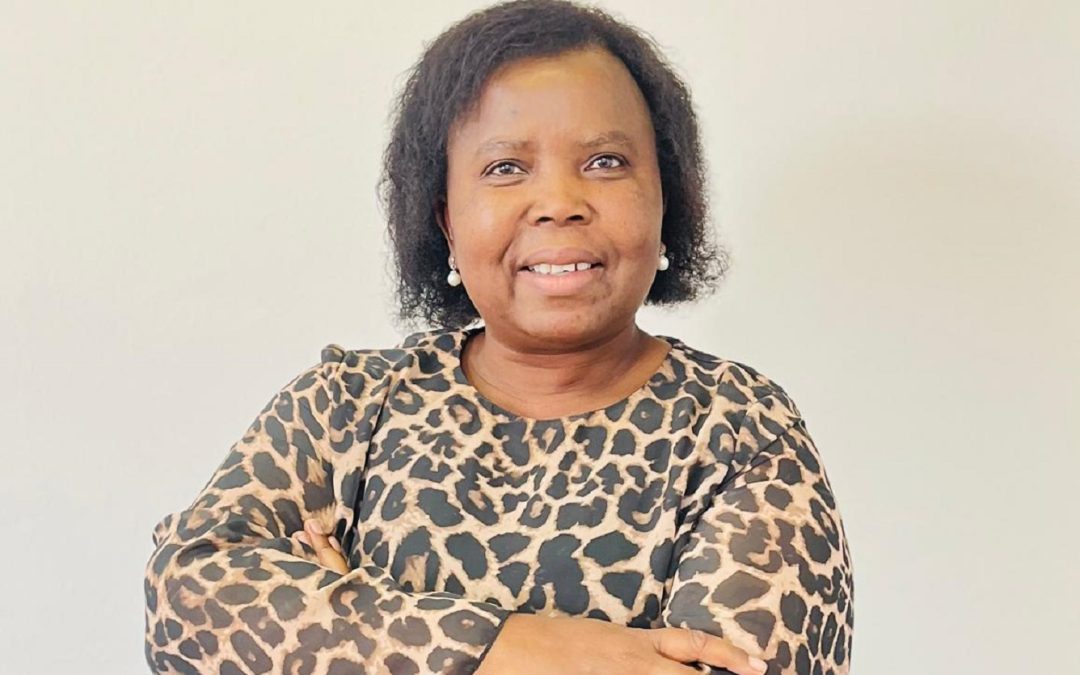
The Health Professions Council of South Africa (HPCSA) has moved decisively to strengthen healthcare regulation with the appointment of Dr Mashudu Manafe to its Professional Board for Dietetics and Nutrition, where she will serve as Chairperson of the Education, Training and Registration Committee for the 2025–2030 term.
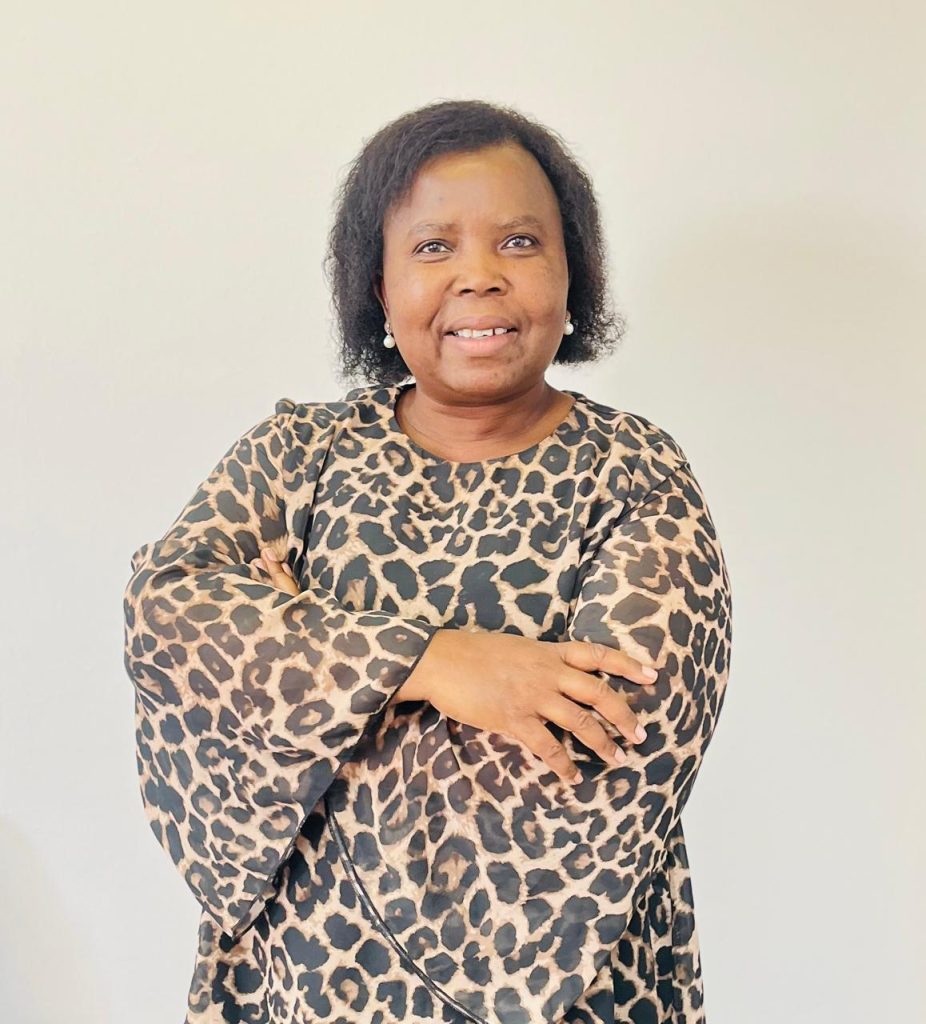 The appointment places one of South Africa’s leading public health nutrition experts at the centre of decisions that shape professional training, practice standards, and public protection. For the health sector, the message is clear: governance will be rigorous, and outcomes will matter.
Dr Manafe, Head of the Department of Human Nutrition and Dietetics at Sefako Makgatho Health Sciences University (SMU), was formally inducted during an intensive process designed to prepare board members for the demands ahead. The induction focused squarely on legislative authority, governance responsibilities, operational systems, and strategic priorities, reinforcing the HPCSA’s insistence on accountability.
‘Effective regulation begins with clarity of mandate and purpose,’ Dr Manafe said. ‘Our responsibility is to ensure that professional education and practice standards protect the public while strengthening the integrity of the health professionals.’
Under Regulation 2 of the Regulations relating to the functions and functioning of Professional Boards, each board must, at its first meeting of the year, appoint committees that operate until the following year. These committees are not administrative formalities; they are the engine that drives oversight, quality assurance, and reform.
Committee governance is tightly structured and deliberate, with the appointment of a Chairperson for each committee, except the Executive Committee, which is chaired by the Professional Board Chairperson; clear rules on committee composition, quorum requirements, and terms of reference; and direct alignment with the HPCSA’s mandate to safeguard the public and uphold professional excellence.
Dr Manafe brings rare breadth to the role. A Doctor of Public Health, she earned her doctorate from SMU in 2018 and has built a career at the intersection of nutrition science, leadership, and health systems research. In addition to leading her department, she serves as a Senior Lecturer and postgraduate supervisor, mentoring master’s and doctoral candidates and shaping the next generation of health professionals.
Her research portfolio addresses some of South Africa’s most urgent public health challenges, including weight management and obesity, with a focus on why weight-loss attempts fail; nutrition knowledge and dietary behaviour among healthcare workers; household food security, food hygiene, meal planning, maternal and child nutrition, including infant feeding practices and acute malnutrition.
Before entering academia, Dr Manafe worked as a clinical dietitian at Dr George Mukhari Academic Hospital, ensuring her policy and education work remain grounded in frontline healthcare realities.
For the HPCSA, her appointment signals intent. The Council is repositioning its Professional Boards as active drivers of quality, ethical practice, and public confidence, not passive compliance bodies.
‘Strong governance is not abstract,’ Dr Manafe said. ‘It directly shapes the competence of practitioners and the safety of patients.’
As the 2025–2030 term is in progress, the signal to professionals, educators, and institutions is unmistakable: standards matter, leadership matters, and delivery will be closely scrutinised.
By Tumelo Moila
by Lorato | Mar 5, 2026 | All News, Alumni, SMU Media, Student Media
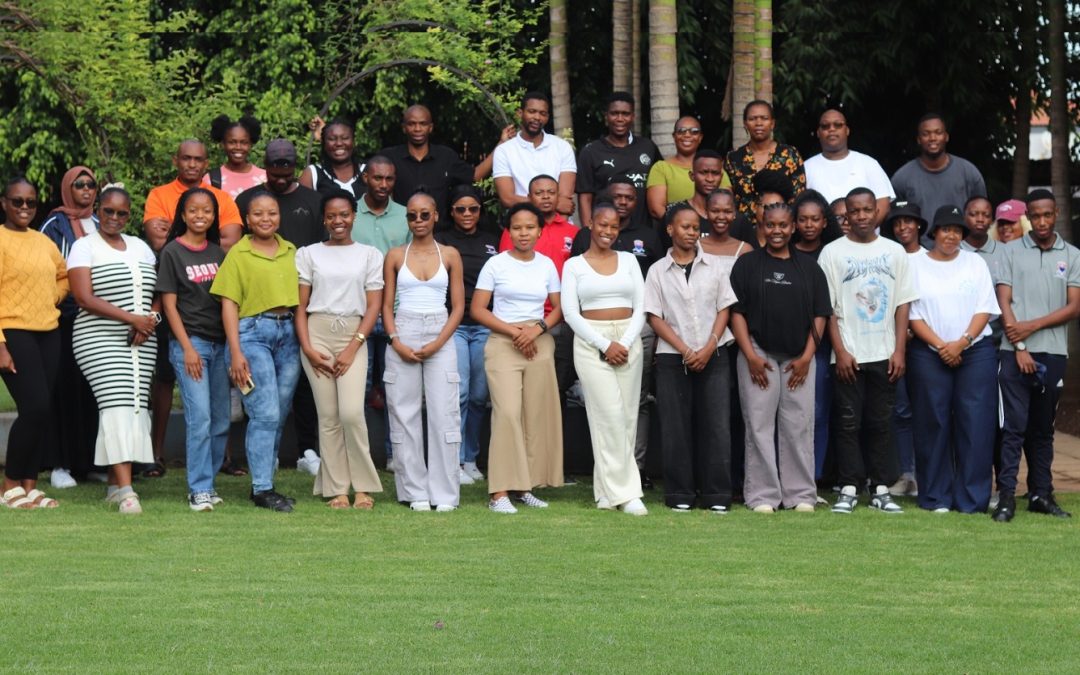
Postgraduate study demands more than intelligence. It demands discipline, independence and integrity. That was the clear message delivered at a high-impact research workshop hosted by the Department of Mathematics and Applied Mathematics at Sefako Makgatho Health Sciences University (SMU).
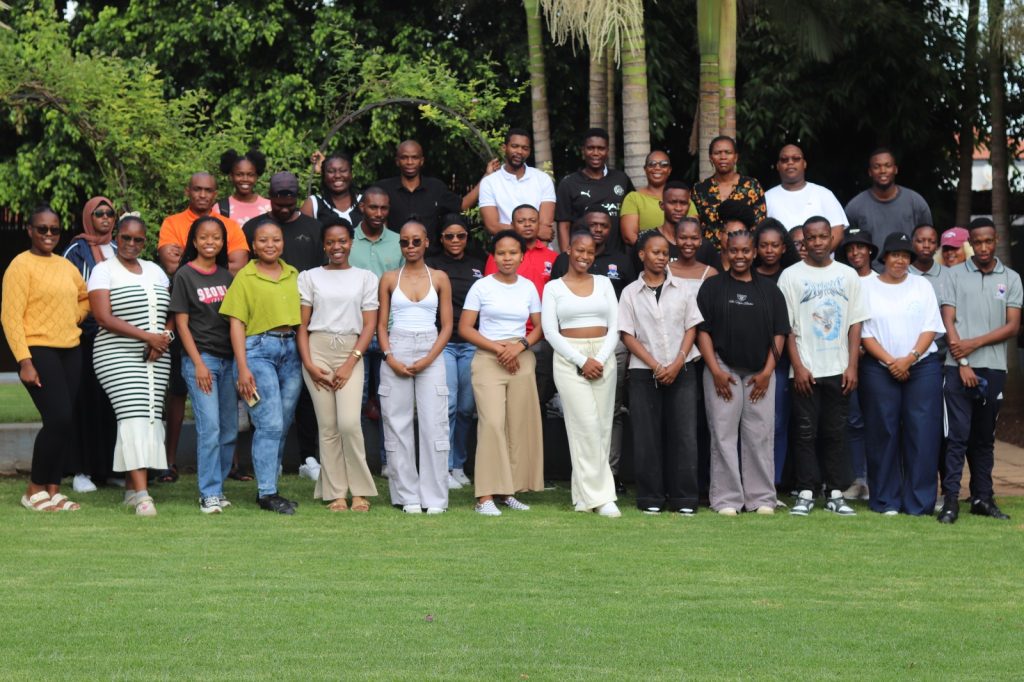 Held at Batter Boys under the theme “Advancing Research and Postgraduate Development,” the workshop brought together postgraduate students, emerging scholars and experienced academics for an intensive exchange of ideas. The programme combined research engagement with candid conversations about academic discipline, workplace expectations and professional credibility.
Programme directors Tumisho Kekana, an nGAP lecturer in the department, and Sanele Mlotshwa, a part-time lecturer and MSc student, designed the event to bridge academic rigour with real-world preparation. “We wanted students to understand that postgraduate study is not simply about completing a thesis,” Kekana explained. “It is about becoming a disciplined thinker who can manage time, produce knowledge and contribute meaningfully to society.”
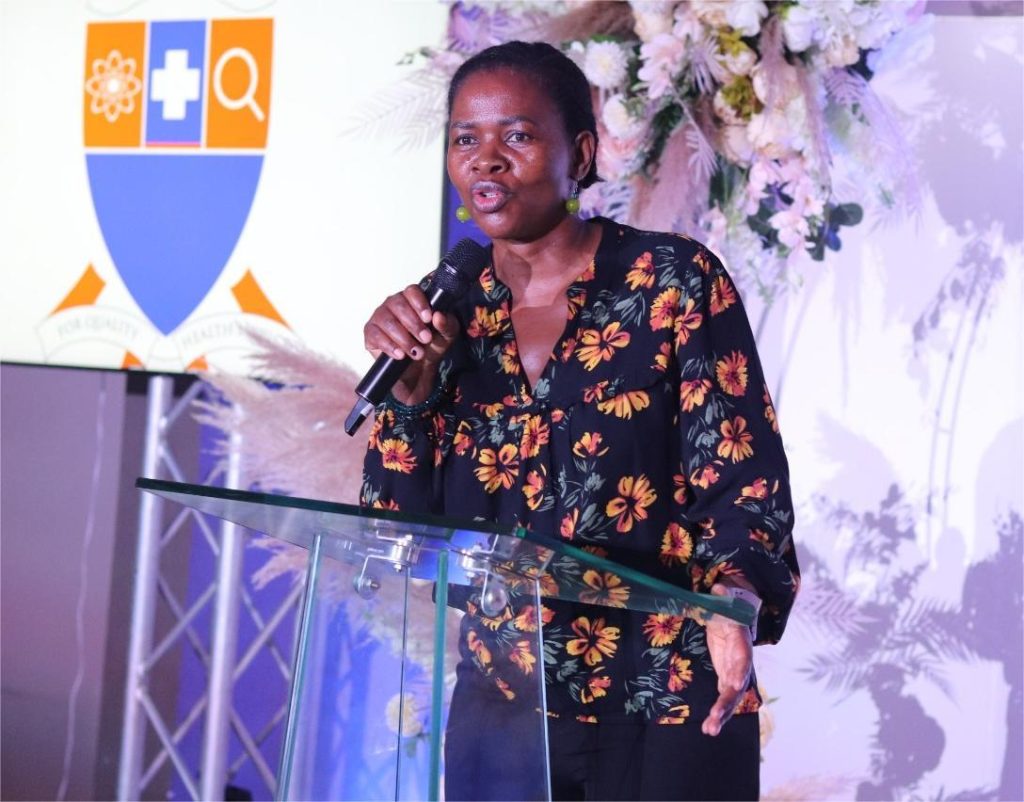
Opening the workshop, Professor Maggie Aphane, Head of the Department of Mathematics and Applied Mathematics, delivered a direct and uncompromising address that set the tone for the day. “At the postgraduate level, you must learn to work without supervision,” Aphane told participants. “Be your own boss. Do not wait to be pushed before you act.”
Her message focused on personal accountability and professional maturity. She warned students that academic success depends not only on knowledge but also on integrity and work ethic. “Never work only when your supervisor is present,” she said. “Your integrity is tested when no one is watching.” She further emphasised that competence must match ambition. “Develop aptitude and invest in your skills,” she advised. “Confidence without competence will expose you.”
Throughout the workshop, speakers reinforced a set of core principles essential for postgraduate success:
- Own your research journey – Independence is expected at the postgraduate level.
- Manage your time deliberately – Discipline transforms ambition into achievement.
- Build credibility – Your academic reputation becomes your professional brand.
- Pursue consistent progress – Small, daily advances lead to meaningful results.
- Prepare for the workplace – Research discipline translates directly into career success.
Kekana stressed that structure and planning are critical to completing a research degree. “If you do not manage your time, your time will manage you,” he said. “Consistent progress, even in small steps, produces long-term impact.”
Speaking as both a lecturer and postgraduate student, Mlotshwa provided a relatable perspective on the challenges researchers face. “No one will chase you to complete your research,” he said. “You must wake up each day with intention. Research is a marathon, not a sprint.”
He urged students to cultivate resilience and self-motivation, noting that postgraduate success relies heavily on internal drive. “Last-minute effort will not carry you through a research degree,” he added. “Consistency is your greatest advantage.”
 The workshop also featured an international research presentation by Dr Jamshaid Ahmad from the University of Jeddah. His presentation, “Fixed Point Theorems in Generalised Metric Spaces with Applications,” explored advanced mathematical frameworks relevant to modern analysis. “In this work, we examine extended b-suprametric spaces and establish fixed point results for generalised contractions,” Ahmad explained. “These findings extend existing results in the literature and contribute to the ongoing development of fixed-point theory.” He encouraged participants to explore further research directions, including complex-valued extensions and additional applications within mathematical analysis.
By the end of the workshop, one message stood above all others: postgraduate education is not merely about producing research outputs. It is about shaping professionals who can think independently, act ethically and lead with confidence.
As Professor Aphane concluded: “Your name is your brand. Protect it. Once credibility is lost, it is very difficult to recover.” For SMU’s postgraduate community, the challenge was clear — lead your research, lead your discipline, and lead yourself.
By Dimakatso Modise
by Lorato | Mar 5, 2026 | All News, SMU Media, Student Media
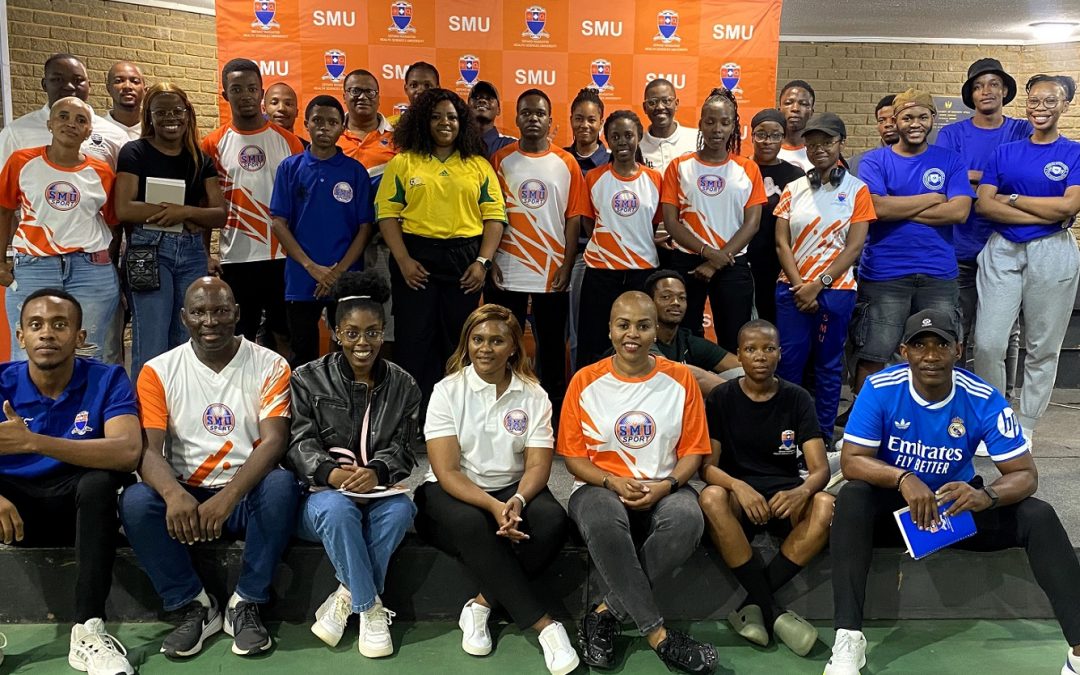
No shortcuts. No silence. No excuses. That was the uncompromising message as Sefako Makgatho Health Sciences University (SMU) staged its first-ever multi-disciplinary sports workshop at the SMU Sports Complex — a bold reset for student sport.
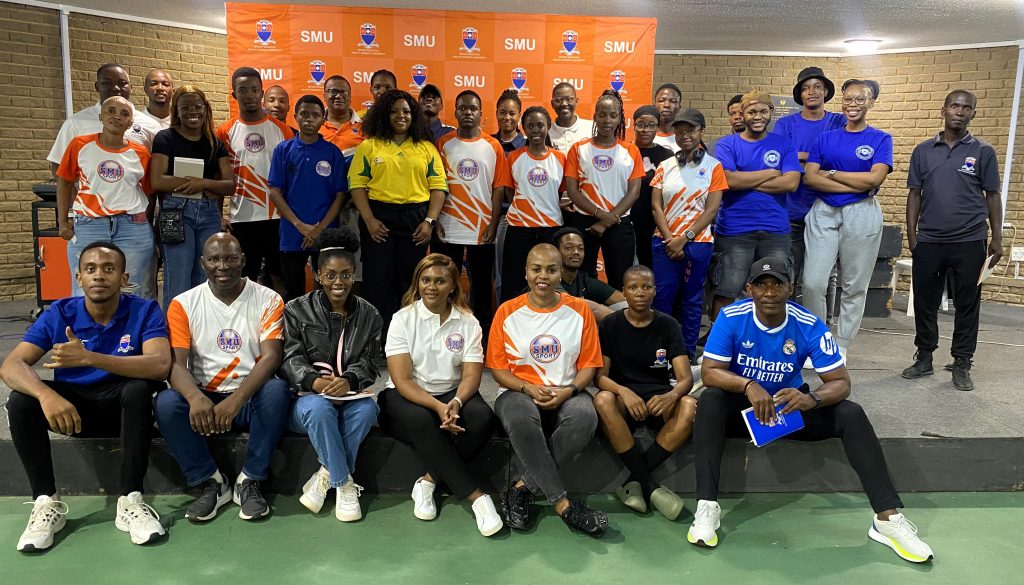 Under the theme “Play Smart, Play Safe, Play Clean”, the University convened leading voices in athlete development, safeguarding and anti-doping to confront the realities facing modern student-athletes. The objective was clear: raise standards, protect students and safeguard integrity.
The programme featured former Banyana Banyana captain and national coach Simphiwe Dludlu, South African Sports Confederation and Olympic Committee (SASCOC) Chief Operating Officer Patience Shikwambana, and anti-doping specialist Loyiso Maqina.
Dludlu opened with a firm reminder that elite performance is engineered, not improvised. Drawing on the Long-Term Athlete Development model, she stressed that respecting each stage of physical and cognitive growth is non-negotiable. “If you are tired, your body cannot focus,” Dludlu told students, including chess players in attendance. “Chess needs a sound mind. If you are exhausted, you cannot perform.”
She challenged every attendee to commit to exercising at least twice a week, regardless of their sporting code. Physical conditioning, she argued, underpins both physical and mental performance. Third-year footballer Thembisile Nxumalo described the session as a wake-up call. “We always think talent will carry us,” she said. “Coach Dludlu made it clear that discipline carries you further.”
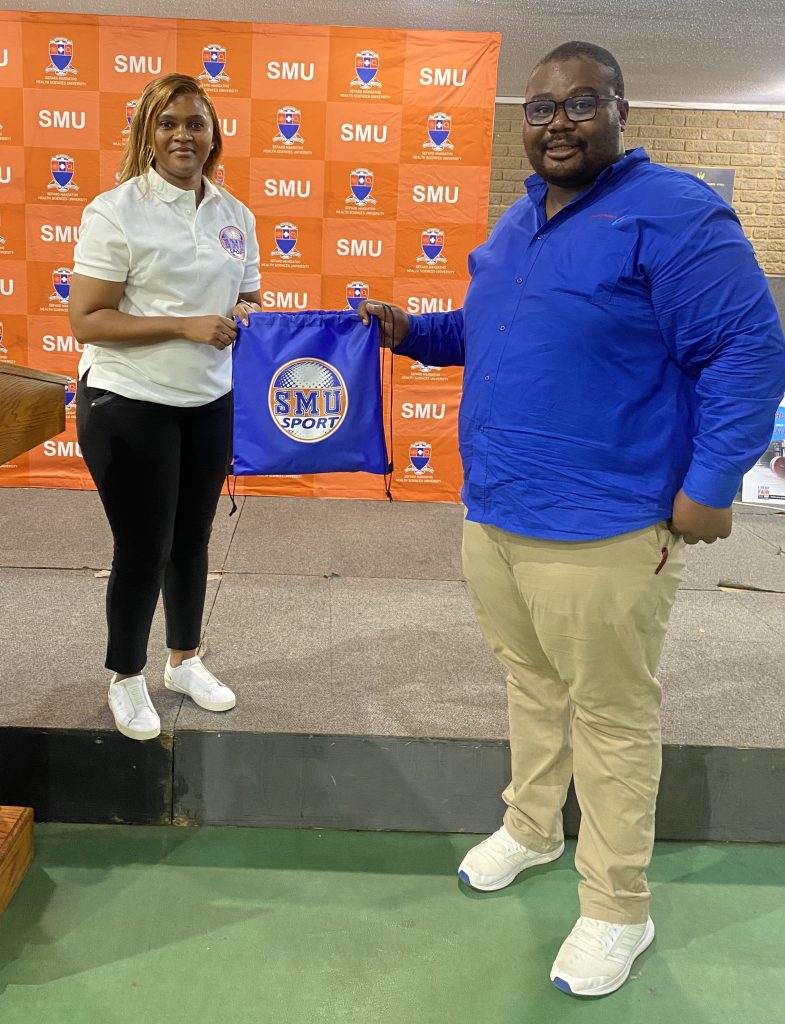 Shikwambana addressed safeguarding with urgency, defining it as the right of every athlete to participate free from harm, harassment or abuse. “Safety starts with you deciding that you will not tolerate being harmed,” she said. “If someone crosses a boundary once, you have a choice to walk away.” She urged students to recognise early warning signs and report concerns without fear. Safeguarding, she added, is both a personal responsibility and an institutional duty.
Third-year karateka Tshiamo Sefolo said the discussion resonated deeply. “We don’t often talk openly about abuse in sport,” she reflected. “Hearing that 93% of reported cases are genuine shocked me. It made me realise speaking up is not overreacting — it is protecting your future.”
Maqina concluded with a stark lesson on strict liability in anti-doping regulations: athletes are fully responsible for any prohibited substance found in their bodies, regardless of intent. “Is a four-year suspension harsh? Yes,” he said. “But the rules are clear.”
He warned against unverified supplements and reminded athletes that certain medications require a Therapeutic Use Exemption. Completion of the Anti-Doping Education and Learning (ADEL) e-learning certificate, he noted, is now mandatory for those aspiring to represent South Africa internationally. Final year rugby player Sanele Mhlongo admitted the session changed his perspective. “I didn’t realise how easy it is to fail a test accidentally. From now on, I will check everything.”
The workshop was organised by the SMU Sports Officer Busisiwe Sijora, who described it as a deliberate intervention rather than a ceremonial event. “We are building more than teams — we are building responsible athletes,” Sijora said. “If our students are to compete nationally and internationally, they must understand development, safeguarding and compliance. Excellence demands knowledge.”
SMU has drawn a line in the sand for student sport: train intelligently, protect yourself fiercely and compete with integrity. For those who attended, the message was unmistakable — performance without principle is failure. At SMU, both now move together.
By Rose Moreki
by Lorato | Mar 5, 2026 | All News, SMU Media, Student Media
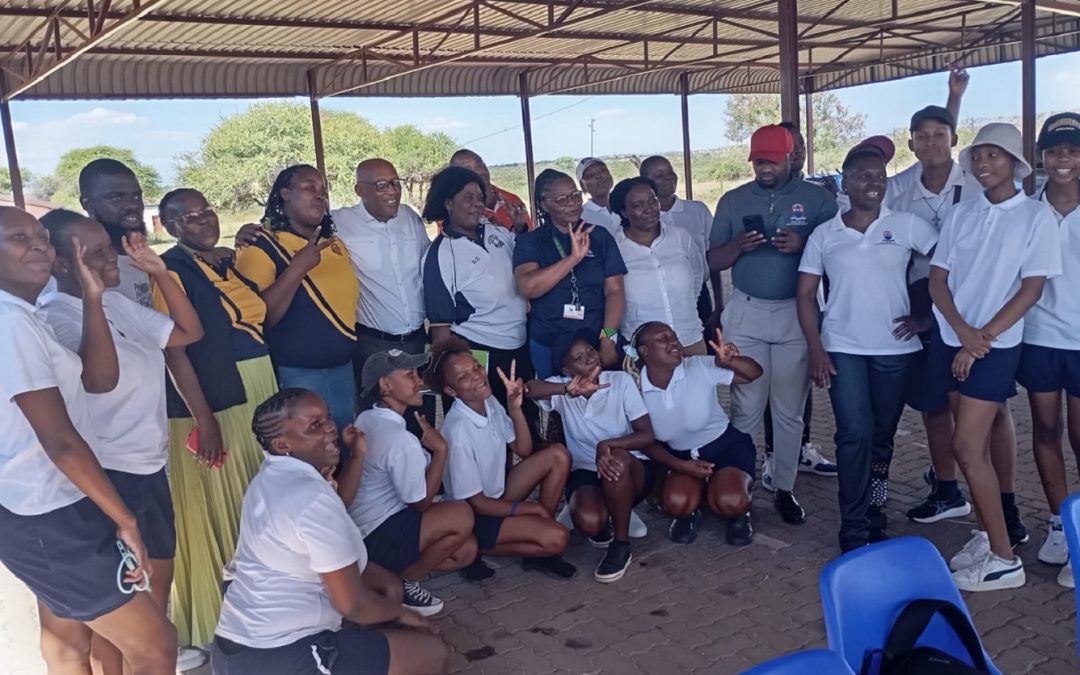
Sefako Makgatho Health Sciences University (SMU) has intensified its collaboration with Diphetogo Secondary School, transforming what began as outreach into a structured, multi-departmental development strategy. The first visit of the year took place recently, marking the continuation of a partnership designed to strengthen literacy, academic performance and holistic learner growth.
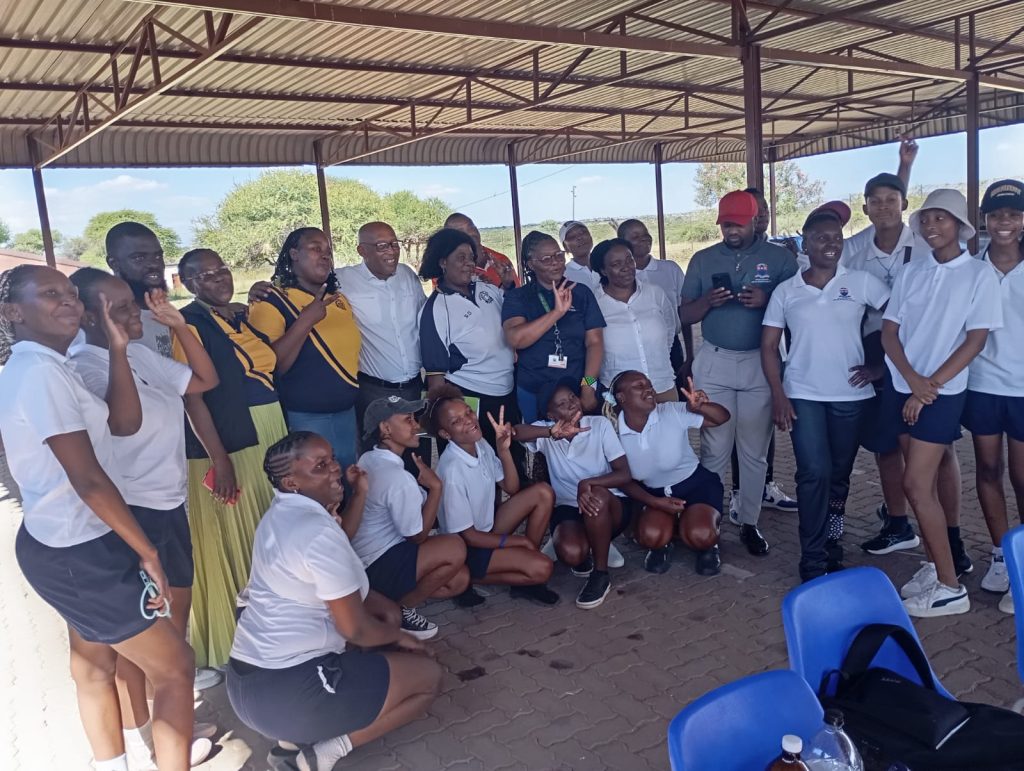 Sixteen second-year Physiotherapy students joined staff from the Departments of Physiotherapy, Academic Literacy, and Library and Information Services — a coordinated team with one objective: deliver measurable, sustainable impact.
The mission is direct and disciplined:
- Early intervention in Grade 8, with structured support through to Grade 10.
- Library development, including cleaning and shelving installation.
- Reading culture promotion through bibliotherapy and literacy programmes.
- Resource mobilisation, supported by the SALI Trust.
- Sustained physical activities.
Geoffrey Nkgadima from the Academic Literacy Department explained: “If we strengthen reading and comprehension early, we change academic trajectories. This is about long-term progress, not short-term optics.”
The school has committed to co-managing the development of its library space, sourcing quotations and ensuring transparency in resource allocation. For Mmakgoshi Reetseng from Library and Information Services, the approach is deliberate. “We are not donating books and walking away. We are building systems that the school can sustain.”
Academic excellence alone is not enough. The Diphetogo Mission integrates physical and cognitive development through structured sport and recreation. Learners are actively participating in soccer, netball, skipping rope, drum majorettes and chess — activities designed to cultivate discipline, teamwork and resilience.
 Ntombenkosi Sobantu of the Physiotherapy Department, who chairs the project, emphasised the broader vision: “Physical movement strengthens mental focus. When learners engage in sport, we see confidence grow. That confidence translates into the classroom.”
Second-year Physiotherapy student Xitshembhiso Baloyi described the experience as transformative. “You realise community engagement is not theory. It is a responsibility. When we assist learners with posture, movement or simple exercises, we are investing in their future.”
The partnership also confronts structural realities. Donated materials, including wooden doors and windows, are being assessed as potential fundraising resources for the school. Solutions are evaluated collectively to ensure safety, practicality and alignment with the school’s needs.
SMU and Diphetogo are building a replicable model for sustainable school support. The project team is inviting broader departmental participation — from tutoring and mentorship to health promotion, research collaboration and infrastructure support. Addressing fellow academics and professionals, Reetseng said, “If you are asking how your expertise can make a difference beyond campus, this is your answer. Partner with us. Bring your discipline into the community.”
Scheduled visits throughout 2026 will monitor progress, refine strategy and culminate in a celebration of milestones achieved. This is not an outreach box ticked for compliance. It is a sustained investment in literacy, dignity and opportunity.
As Sobantu concluded, “Community engagement is not an event. It is a commitment. And we intend to honour it.” In 2026, the Diphetogo Mission is no longer an initiative. It is in motion.
By Tumelo Moila
by Lorato | Mar 5, 2026 | Accolades and Achievements, All News, Alumni, SMU Media, Student Media
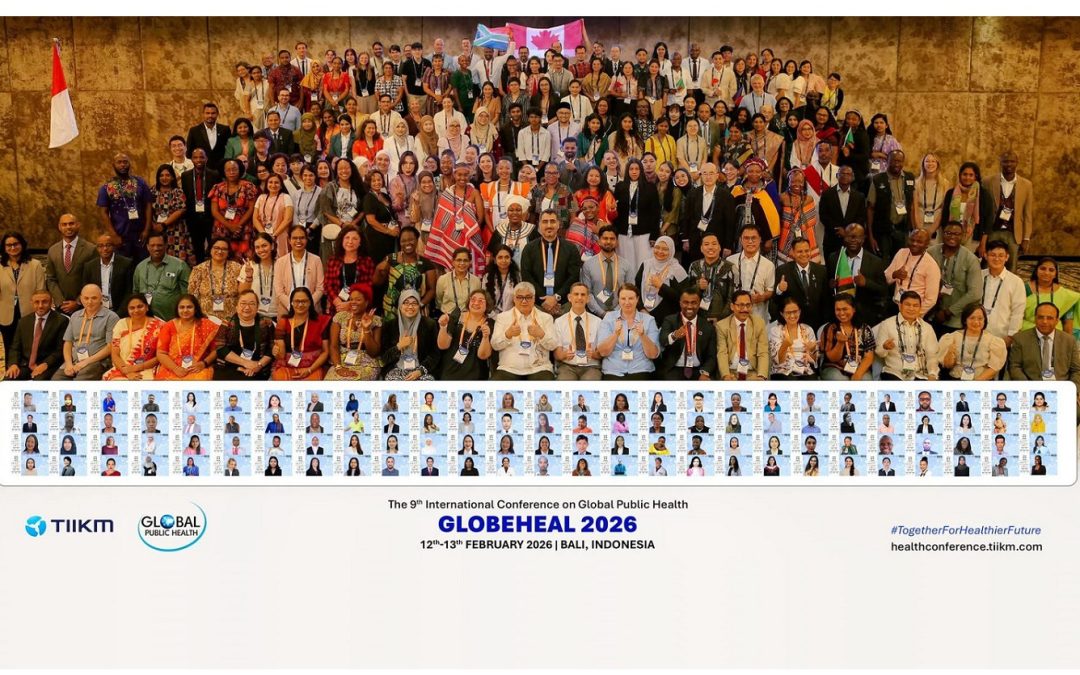
Sefako Makgatho Health Sciences University did not attend GLOBEHEAL 2026 to observe. It arrived to lead. Within two days, its academics delivered plenaries, chaired critical debates and secured top awards, confirming SMU as a serious global force in public health. Hosted in partnership with The International Institute of Knowledge Management, the 9th Global Public Health Conference convened leading scholars and practitioners from across the world. SMU’s presence was decisive, visible and influential.
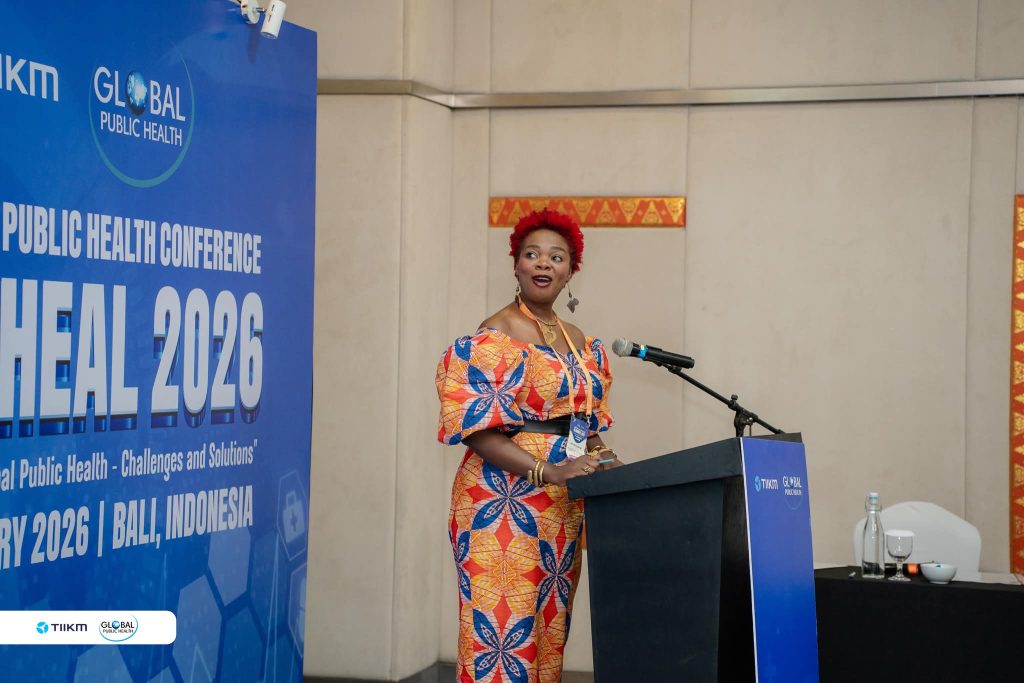 Professor Martha Chadyiwa, Professor of Public Health, and Professor Olanrewaju Oladimeji, Professor of Public Health and Researcher, were invited as Plenary Speakers, a distinction reserved for recognised thought leaders. Their invitation sent a clear message: SMU scholarship commands international respect. “Being invited to deliver a plenary address at a conference of this calibre reflects the strength of our research and its relevance to global health priorities,” said Professor Chadyiwa. “SMU contributes solutions, not noise.”
Professor Chadyiwa also chaired a high-level session on research innovation and health systems strengthening, steering robust dialogue that challenged assumptions and sharpened policy thinking.
Professor Oladimeji described the engagement as strategic. “Global platforms like GLOBEHEAL are where partnerships are forged, and ideas are stress-tested. We are here to shape the agenda.”
SMU’s delegation advanced research with precision and purpose:
- Dr Samantha Govender, Head of Department: Speech and Audiology, and Public Health Researcher, presented “Strengthening Primary Health Care Systems Through Community-Driven Health Innovation in Resource-Constrained Settings.”
- Atholl Kleinhans, Public Health Practitioner and Lecturer in Health Systems Management and Policy, delivered “Minority Stress Among LGBTIQ+ Health Profession Students at Historically Disadvantaged Universities.”
- Mqemane Tshababa, Public Health Researcher and Postgraduate Scholar, contributed virtually with “Health Systems Resilience in the Face of Emerging Infectious Disease Threats in Sub-Saharan Africa.”
- Funanani Managa, Public Health Doctoral Candidate, presented Facility-based intervention to improve ART Adherence and mental health disorders among PLHIV in Africa”.
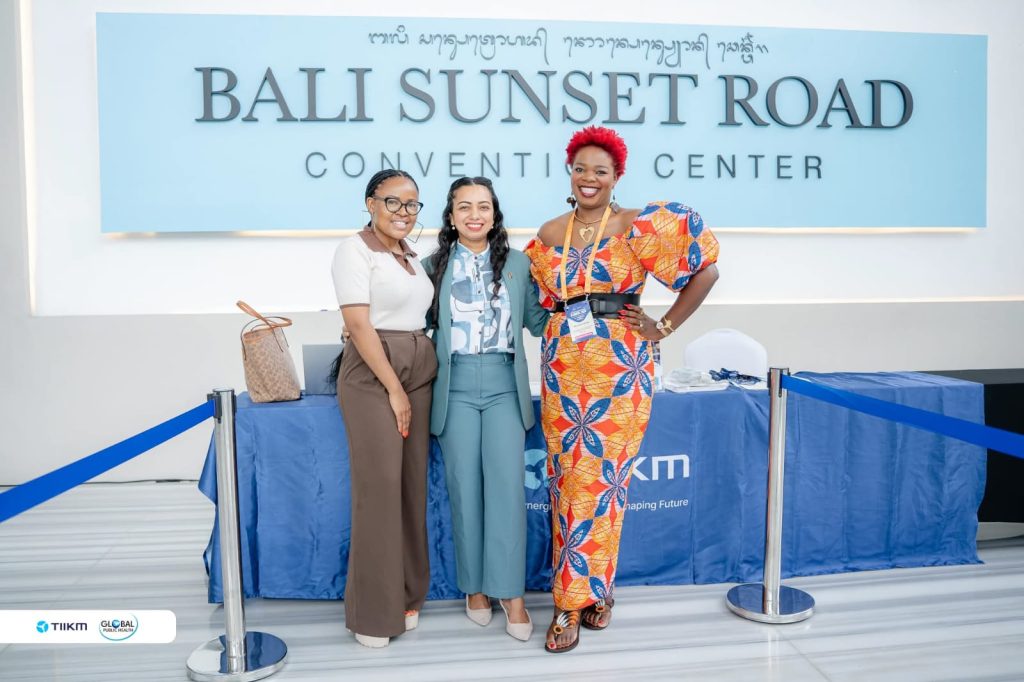 Each presentation tackled a pressing systems problem: access, data intelligence and resilience. The message was consistent regarding public health reform, which must be evidence-led and community-driven.
Evah Molapisi, a PhD candidate in Public Health at SMU and emerging researcher, secured the Session Best Presenter Award for “Exercise as Medicine: Improving Cardiovascular Endurance and Global Function in Nyaope Recovery”. She received an official award certificate, formal recognition during the closing ceremony, and consideration for publication in the conference proceedings. “This recognition affirms the calibre of mentorship and academic training at SMU,” said Molapisi. “It strengthens our resolve to produce research that improves access for vulnerable communities.”
Tebogo Shivuri, a Master of Public Health graduate, won first prize for poster presentation for his research on perinatal depression among HIV-positive women. His award included a certificate, commemorative trophy and formal recognition before international delegates. “Our research highlights the urgent need to integrate mental health screening into routine maternal HIV care,” said Shivuri. “The evidence is clear. The time to act is now.”
These achievements underscore a research culture built on clarity, rigour and urgency. Stronger, clearer, sharper: SMU has built a research engine that converts evidence into influence. GLOBEHEAL 2026 confirmed what partners and policymakers increasingly recognise SMU’s active participation in global public health conversations. As Professor Chadyiwa concluded: “When SMU steps onto the global stage, we do so with confidence and with solutions.”
By Tumelo Moila