by Lorato | Mar 11, 2026 | All News, Alumni, SMU Media, Student Media
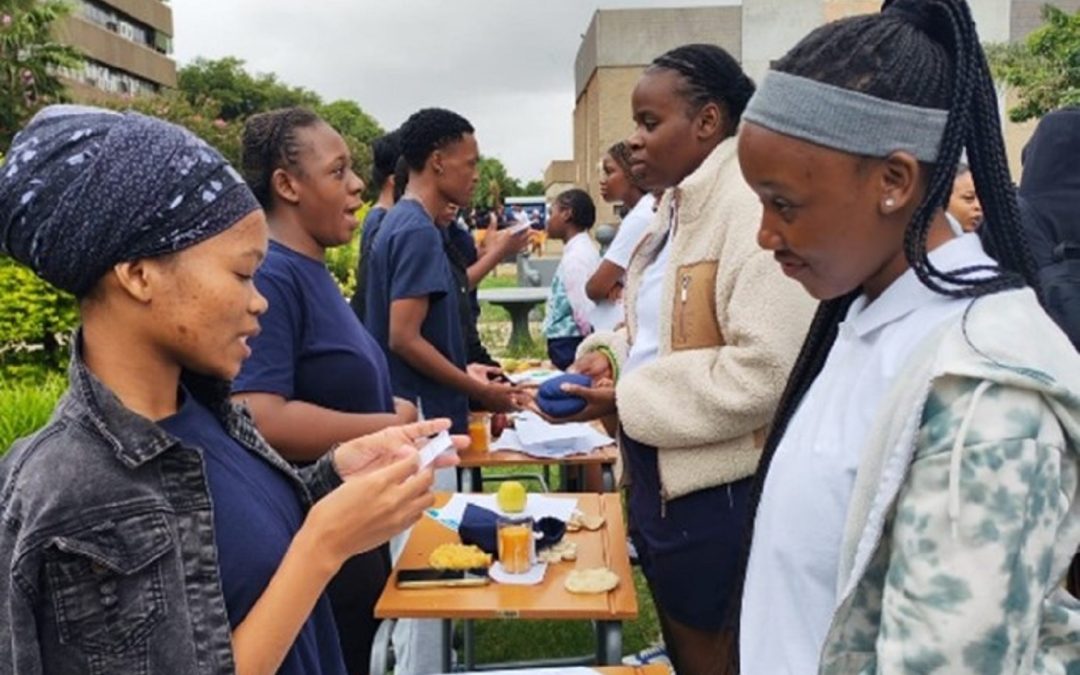
Sefako Makgatho Health Sciences University (SMU) marked World Obesity Day 2026 with a bold, hands-on initiative aimed at raising awareness about obesity and promoting healthy living across the university. This year’s global theme, “8 Billion Reasons to Act on Obesity”, underlined the urgent need to create supportive environments for all people worldwide.
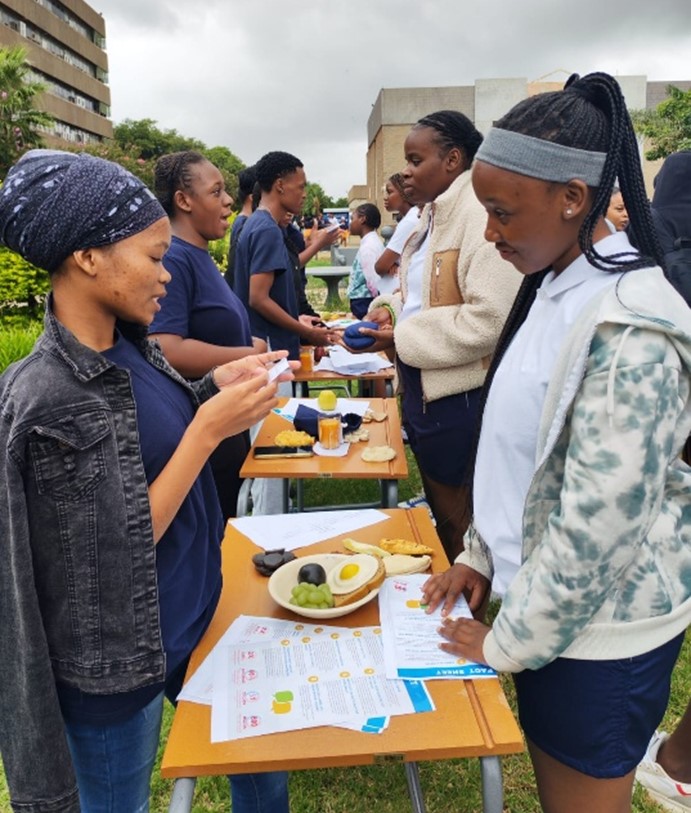 “Obesity is no longer a personal issue; it is a global health crisis putting our communities at risk of developing non-communicable diseases,” said Dr Heather Legodi, lecturer in the Department of Human Nutrition and Dietetics. “Our goal today is to equip students and staff with practical tools to make healthier food choices every day.”
Aligned with South Africa’s National Strategic Plan for Health (2023–2027), the event highlighted access to nutritious foods and the importance of physical activity. Third-year Food Service and Administration students, under Dr Legodi’s supervision, prepared and sold wholesome snacks such as boiled eggs, popcorn, fruit kebabs, and water to the SMU community.
Meanwhile, final-year Dietetics students, guided by Dr Suzan Mokone, conducted nutritional screenings and demonstrated how to prepare simple, healthy meals and snacks. “Small changes in diet and lifestyle can profoundly impact long-term health,” Dr Mokone said.
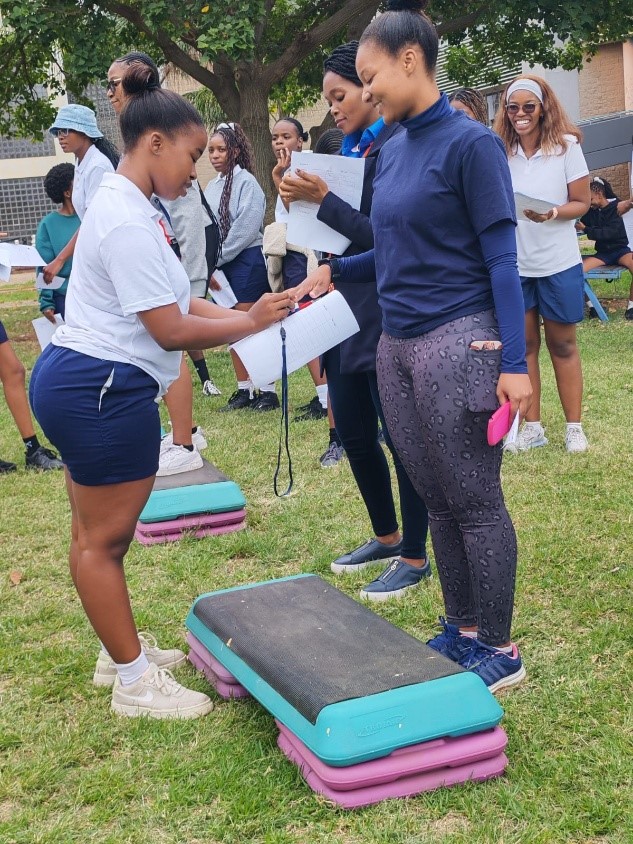
On the physiotherapy front, first- and second-year students, together with lecturers Evah Molapisi and Ntombenkosi Sobantu, led practical sessions showcasing the role of physical activity in preventing obesity. Participants underwent global physical function screenings to assess endurance, strength, flexibility, and overall fitness.
“Physiotherapy is not just about treating injury; it’s about empowering people to live actively and maintain mobility throughout life,” Molapisi explained. Attendees also received guidance on simple daily exercises to sustain long-term well-being.
The initiative extended its reach through a radio interview featuring Ria Mehlape, Ntsako Mboweni, and final-year student Thabelo Tshikhudo, who discussed obesity prevention across the life course. They stressed early interventions, optimal infant feeding, balanced diets, culturally appropriate meals, and the reduction of sugar-sweetened and ultra-processed foods.
 “Prevention starts early,” said Mehlape. “Supporting women to enter pregnancy in good health and promoting breastfeeding are foundational steps. At the same time, we must acknowledge that food insecurity and obesity coexist—solutions must address access, affordability, and psychosocial factors.”
Adding a playful element, Valencia Ramohashi from Bestmed medical aid rewarded participants who completed all screening assessments with small tokens, blending education with engagement.
Through practical demonstrations, educational talks, and outreach efforts, SMU’s Departments of Human Nutrition & Dietetics and Physiotherapy showcased the urgent need for action. The message was clear: healthier environments build healthier communities.
“Every choice counts. Every step matters,” Dr Legodi concluded. “It’s about empowering our community today to prevent health challenges tomorrow.”
By Tumelo Moila

by Lorato | Mar 11, 2026 | Accolades and Achievements, All News, Alumni, SMU Media, Student Media
A doctoral candidate from Sefako Makgatho Health Sciences University (SMU) has received international recognition for pioneering research exploring the role of exercise in substance abuse recovery. Evah Molapisi, a PhD candidate and lecturer in Physiotherapy, secured the Session Best Presenter Award at the Global Health Conference in Bali for her research titled “Exercise as Medicine: Improving Cardiovascular Endurance and Global Function in Nyaope Recovery.”
 The award recognised the most impactful research presentation within her session and highlights the growing global interest in innovative approaches to addiction rehabilitation. Molapisi received an official certificate, formal recognition during the conference closing ceremony, and her research will be considered for publication in the conference proceedings. “This recognition affirms the calibre of mentorship and academic training at SMU,” Molapisi said. “It strengthens our resolve to produce research that improves access to recovery and rehabilitation services for vulnerable communities.”
Nyaope — a highly addictive street drug widely used in parts of South Africa — remains a serious public health concern. The substance, often composed of heroin, antiretroviral drugs and other harmful chemicals, can severely damage a user’s physical, cognitive and social functioning.
Molapisi’s research investigated whether structured physical activity could improve physical function among individuals recovering from nyaope addiction. The study followed 108 participants aged 18 and older at a rehabilitation centre in Tshwane over a 10-week structured exercise programme designed to improve cardiovascular endurance and general physical function.
Participants were assessed at three stages: before the intervention, midway through the programme, and after the 10 weeks. The findings revealed clear improvements in several key areas: greater stair-climbing endurance, indicating stronger cardiovascular fitness; faster heart-rate recovery after exercise; and improved aerobic capacity and overall physical conditioning.
“These results demonstrate that exercise can play a powerful role in restoring physical function during addiction recovery,” Molapisi explained. “It also helps improve psychological well-being and provides healthier behavioural alternatives that may reduce the risk of relapse.”
According to Molapisi, addiction treatment programmes often focus heavily on detoxification and psychological support, while the physical rehabilitation of recovering individuals receives less attention.
Her research suggests that structured exercise programmes should form part of holistic substance abuse rehabilitation strategies. “Exercise is a practical, accessible and evidence-based intervention,” she said. “When integrated into rehabilitation programmes, it strengthens both physical and mental resilience among recovering individuals.”
Molapisi serves as a Physiotherapy Community Lecturer and Undergraduate Research Coordinator at SMU, where she mentors students and leads research initiatives aimed at addressing real-world health challenges.
With more than 15 years of experience in clinical practice, teaching and community engagement, she has worked extensively in rehabilitation services and public health programmes.
Her doctoral research explores how physical activity programmes can improve quality of life and global physical function among recovering nyaope users in Tshwane. “Our work must move beyond theory,” Molapisi said. “Research should translate into solutions that strengthen communities and support people on their journey to recovery.”
Her award at the Global Health Conference in Bali places both Molapisi and SMU on the international research stage, while reinforcing the importance of innovative, community-centred approaches to tackling substance abuse.
By Tumelo Moila

by Lorato | Mar 11, 2026 | All News, SMU Media, Student Media
The Department of Basic Education (Tshwane West District), in collaboration with the Gauteng Department of Health and local stakeholders, recently hosted a high-impact advocacy campaign on risky behaviours at the district auditorium. The event brought together over 450 learners from five secondary schools across Mabopane, Winterveldt, Ga-Rankuwa, Soshanguve, and Pretoria Central, marking a decisive step in promoting safer school environments.
 “This initiative is about more than awareness; it’s about equipping learners with the knowledge and tools to make safer choices every day,” said SMU academic Dr Mohora Feida Malebatja, guest of honour and main speaker at the event. Dr Malebatja is a public health lecturer, water and environmental scientist, and researcher, whose expertise informed the campaign’s evidence-based approach.
The campaign targeted behaviours that contribute to HIV transmission, offering practical advice alongside research-driven insights. Stakeholders in attendance included Tshwane District Hospital HAST, Open Disclosure Foundation, Freshware, LoveLife, South African Police Service (Mabopane SAPS), the Department of Social Development, the Gauteng Department of Health, and Sedilega Clinic.
Dr Malebatja delivered a compelling presentation, highlighting the ongoing public health challenge posed by HIV. “Millions of South Africans live with HIV, and new infections continue to rise despite proven preventive measures such as condoms, antiretroviral therapy (ART), pre-exposure prophylaxis (PrEP), and post-exposure prophylaxis (PEP),” she emphasised.
The session also spotlighted the importance of science education in shaping future health professionals. “Choosing the science stream, including Mathematics, Physical Sciences and Life Sciences, significantly increases learners’ opportunities to pursue health-related degrees at institutions like Sefako Makgatho Health Sciences University, the only health sciences–focused university in the country,” Dr Malebatja noted.
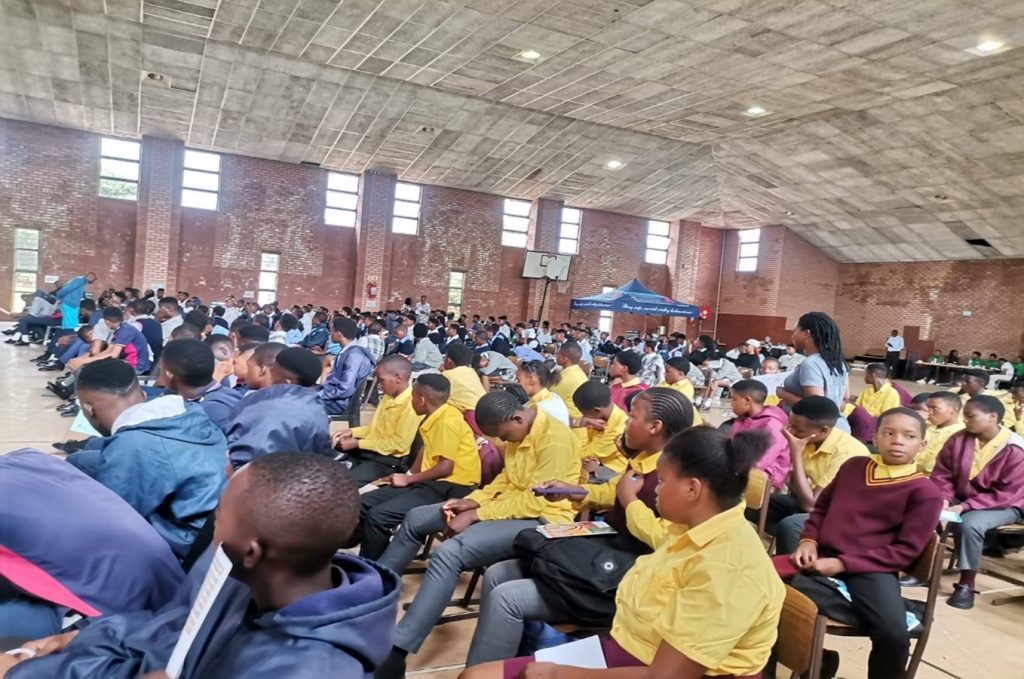 She stressed that substance abuse, low health literacy, sharing injectable needles, and risky sexual behaviours are key drivers of HIV, particularly among young people. “Awareness alone is not enough. Our goal is to translate knowledge into safer behaviours,” she added.
Highlighting the importance of collaboration, Leah Kekana of the Department of Basic Education (Tshwane West District) said, “Working together with health services and community stakeholders allows us to reach learners more effectively and give them the tools to protect their futures.”
Kenneth Ntshoene of the Gauteng Department of Health added, “This campaign demonstrates the power of coordinated action. When education and health sectors unite, we strengthen prevention and ensure our youth are informed and supported.”
The campaign employed interactive and engaging methods to capture learners’ attention, from practical demonstrations to Q&A sessions with health professionals. Attendees were encouraged to think critically about their choices, understand the consequences, and explore the support structures available in their communities.
The Public Health Department at Sefako Makgatho Health Sciences University expressed gratitude to those who made the campaign possible. “We sincerely thank Ms Kekana and Mr Ntshoane for leading this essential initiative,” said the department in a statement.
By combining research, education, and practical engagement, the campaign underscored the critical role of collaborative advocacy in public health. “When schools, health services, and communities unite, we can build a safer, healthier future for our youth,” Dr Malebatja concluded.
The initiative serves as a reminder that public health education is most effective when it is direct, actionable, and youth-focused, empowering learners to take control of their wellbeing and make informed decisions that will impact their lives long-term.
By Tumelo Moila
by Lorato | Mar 11, 2026 | All News, SMU Media, Student Media
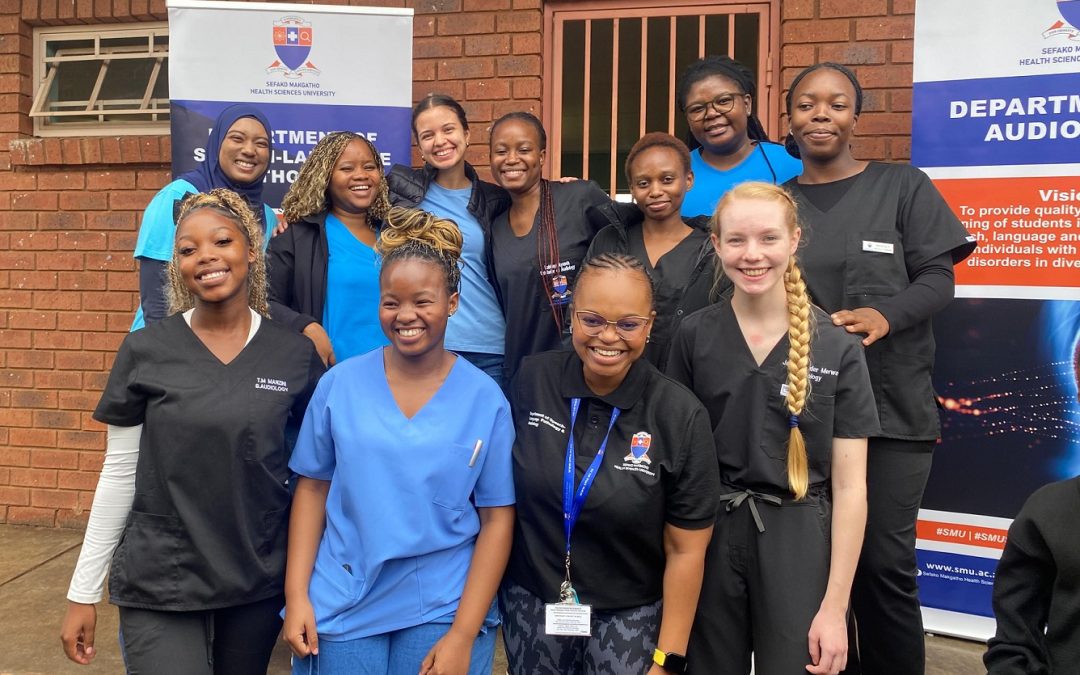
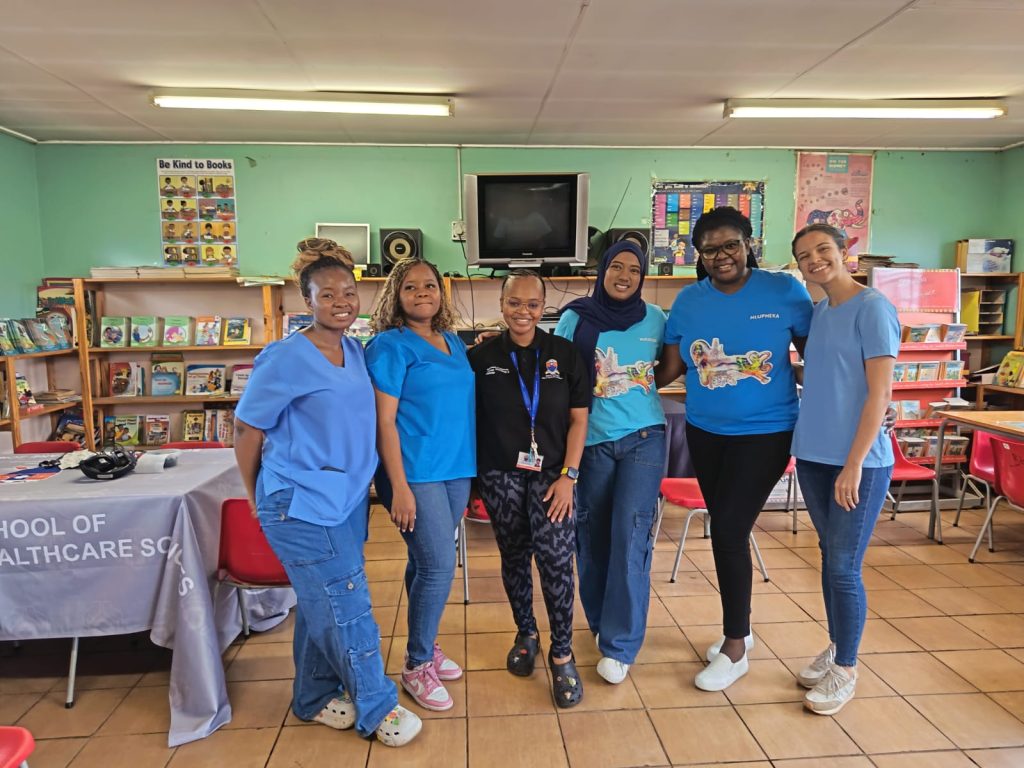
Sefako Makgatho Health Sciences University (SMU) commemorated World Hearing Day with a community outreach initiative aimed at promoting early detection of hearing difficulties among schoolchildren. Audiology students from the university conducted a hearing screening programme at Sjambok Primary School (Soshanguve) recently, screening learners in the Foundation Phase as part of efforts to support children’s health and academic development.
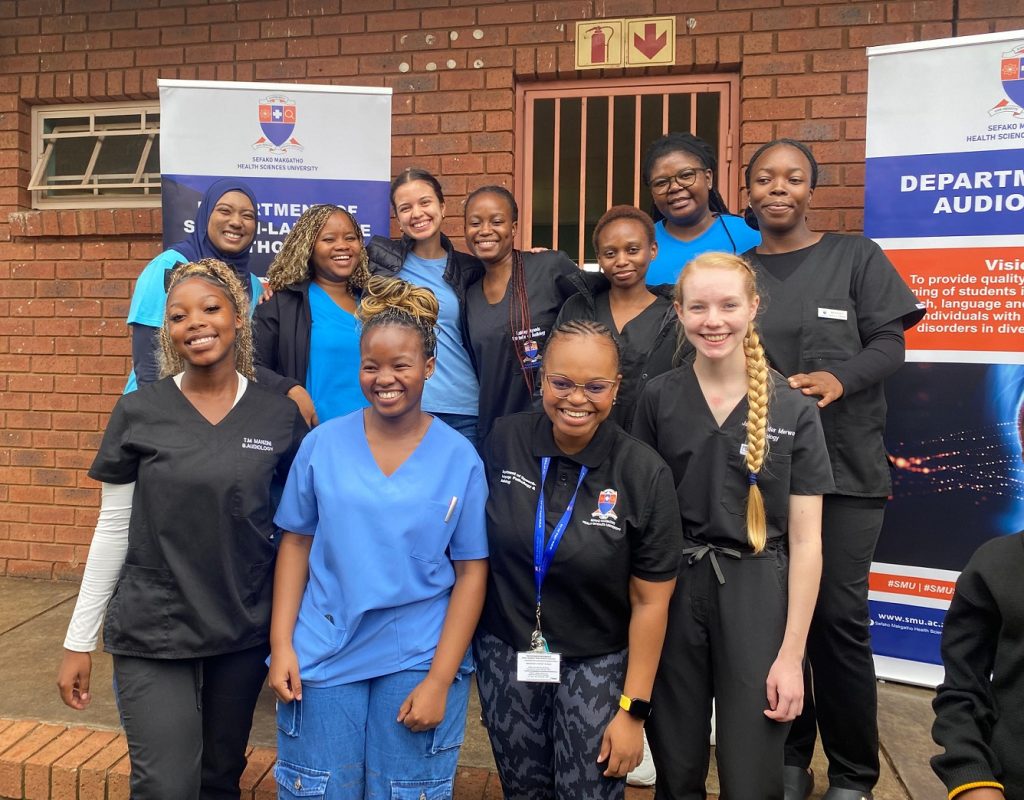 The screening was supervised by Andani Madzivhandila, an Audiology lecturer at SMU, and carried out in collaboration with the Audiology Department at Dr George Mukhari Academic Hospital (DGMAH).
A total of 29 learners were screened during the outreach visit, including 28 learners from the Foundation Phase and one Grade 7 learner who was assessed following a special request from a parent. The initiative aimed to identify potential hearing challenges early, ensuring that learners who may require further assessment receive appropriate support.
Madzivhandila emphasised the importance of early detection in supporting children’s learning and communication development. “Hearing plays a vital role in a child’s ability to develop speech, language, and literacy skills,” she said. “By conducting screenings at schools, we can identify possible hearing difficulties early and ensure that children receive the necessary intervention before these challenges begin to affect their learning and social development.”
The screening process included otoscopy, tympanometry, and pure tone hearing screening. Otoscopy allowed the Audiology students to visually inspect the ear canal for earwax blockages, infections, or other abnormalities. Tympanometry assessed the functioning of the middle ear, helping to detect conditions such as fluid build-up or Eustachian tube dysfunction. Pure tone screening tested the learners’ ability to detect specific sound frequencies to evaluate overall hearing function.
According to the screening results, 24 learners passed the hearing screening and did not require further follow-up at this stage, while five learners were referred for additional audiological evaluation. These learners were referred to the Audiology Department at DGMAH for comprehensive diagnostic assessments to determine the nature and extent of any hearing difficulties.
 “Referral does not necessarily mean that a child has permanent hearing loss,” Madzivhandila explained. “However, it is important that parents or guardians attend follow-up appointments so that any underlying issues can be properly assessed and managed as early as possible.”
She added that early diagnosis and treatment are critical in preventing long-term effects on children’s academic progress and emotional well-being. “Undetected hearing difficulties can make it challenging for children to follow classroom instructions, participate in discussions, and develop language skills. Early intervention ensures that learners have the best possible opportunity to succeed in school.”
Seboni Mmope, Principal of Sjambok Primary School, welcomed the initiative, highlighting its value for both learners and educators. “We appreciate the support from SMU and the healthcare professionals involved in this programme,” said a school representative. “Many hearing challenges can go unnoticed in the classroom, so initiatives like this help us identify learners who may need assistance and ensure they receive the right support as early as possible.”
The initiative also provided valuable practical experience for SMU audiology students, enabling them to apply their clinical skills in a real-world community setting while contributing to public health awareness. One of the participating students, Londeka Cele, enrolled for second year, highlighted the educational value of the outreach. “Taking part in the screening programme allowed us to apply what we learn in class to a real community setting,” the student said. “It was rewarding to know that our work could help identify hearing challenges early and potentially improve a child’s learning experience.”
Madzivhandila expressed appreciation to the school and healthcare partners who made the outreach possible. “We are grateful to the management and teachers at Sjambok Primary School for welcoming us and supporting the initiative,” she said. “We also appreciate the collaboration with the Audiology Department at DGMAH, whose partnership ensures that learners who require further evaluation receive the necessary care.”
Through community outreach initiatives such as this, SMU continues to promote preventive healthcare and strengthen links between education, healthcare services, and local communities.
By Tumelo Moila
by Lorato | Mar 11, 2026 | All News, Alumni, SMU Media, Student Media
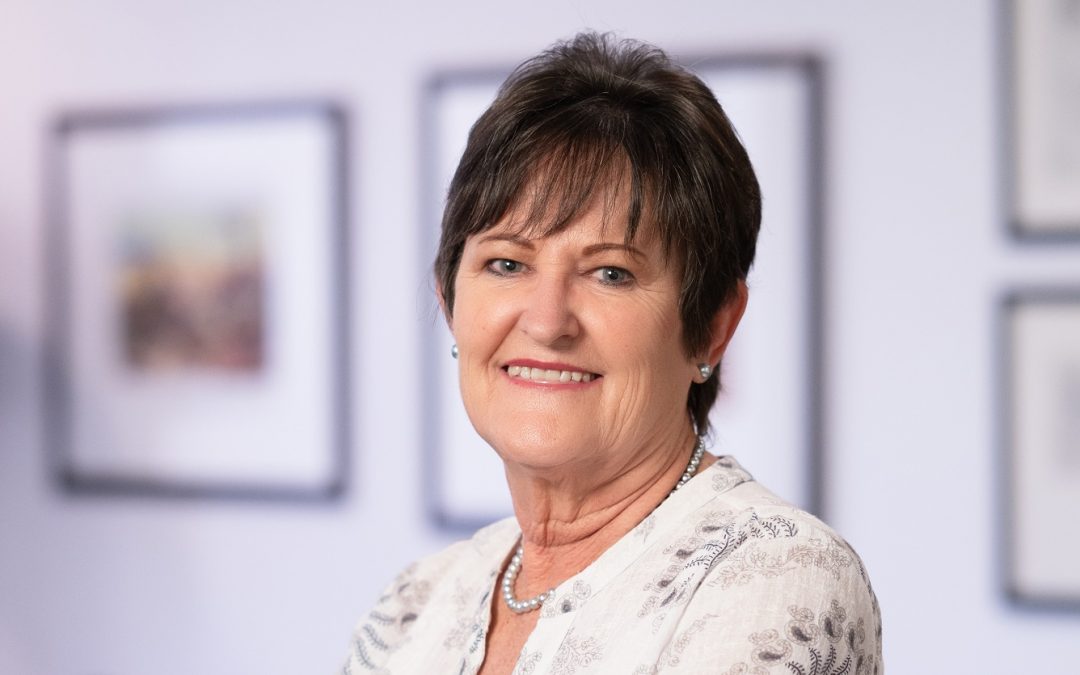
Occupational therapy (OT) transforms lives by enabling individuals to engage in meaningful daily activities, supporting health, independence, and well-being. Few embody this mission as profoundly as Professor Daleen Casteleijn, who recently joined the Department of Occupational Therapy at Sefako Makgatho Health Sciences University (SMU) as a professor. Her career spans clinical practice, research, teaching, and global mentorship. At every stage of her journey, Casteleijn has combined passion, innovation, and commitment to evidence-based practice, shaping the profession and those it serves.
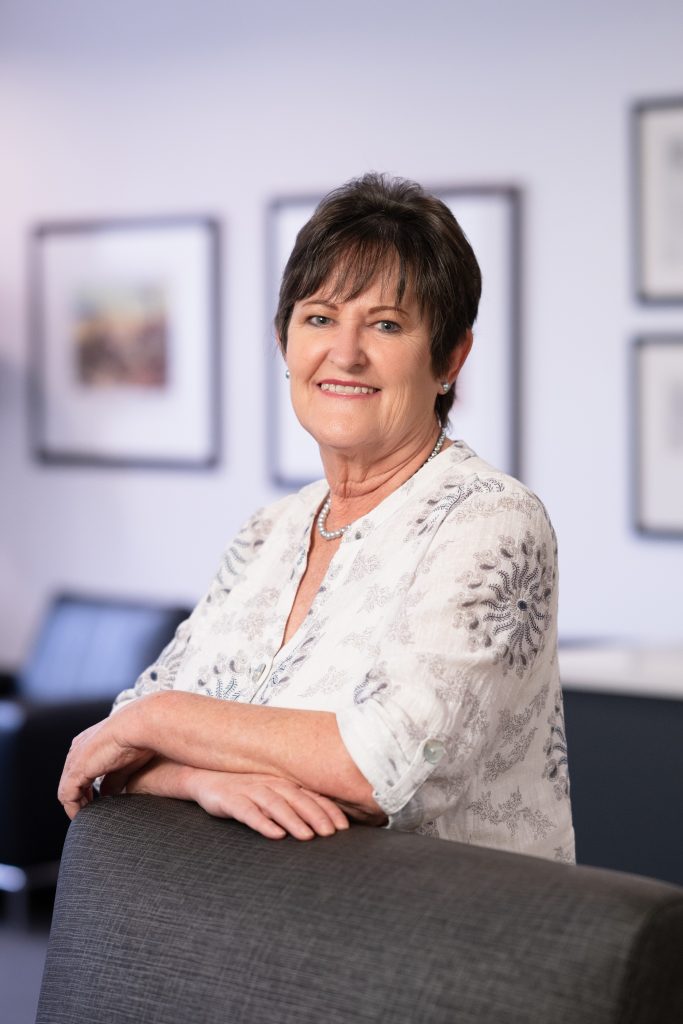 Professor Casteleijn grew up in rural Mpumalanga, in Hazyview and Bushbuckridge, and attended Ben Vorster High School in Limpopo. “Like many young people finishing school, I was not entirely sure what career path to follow. Occupational therapy was a random choice, and I graduated in 1983 from the University of Pretoria. At the time, even after four years of study, I had very little understanding of the profession,” she recalls. Her early clinical experiences at Kalafong, Weskoppies, and Ga-Rankuwa (now Dr George Mukhari Academic Hospital) ignited a fascination with mental health and the transformative power of occupational therapy.
Further studies, including an Honours degree at MEDUNSA (now known as SMU) and a PhD at WITS University in 2010, propelled her research career, particularly in outcome measurement and instrument development. “What began as an uncertain career choice has evolved into a passion for evidence-based occupational therapy and supporting the next generation of clinicians and researchers,” she reflects.
From clinician to academic leader, Professor Casteleijn’s career is marked by both depth and breadth. “My career began in clinical practice, particularly in mental health, where I witnessed first-hand the transformative power of occupational therapy,” she explains. Working closely with clients highlighted both the value of OT and the challenge of demonstrating its impact within complex healthcare systems.
Her PhD research focused on outcome measurement, a theme that has guided her work in teaching, supervision, and research collaboration. “I supervised many PhD students, most of whom developed instruments for South Africa and other African countries. They enriched my understanding of contextually relevant tools in different healthcare settings,” she says. Over the years, collaborations with colleagues in the United Kingdom, Ireland, Sweden, and Australia have further strengthened her commitment to translating research into practical clinical tools.
Professor Casteleijn is particularly drawn to occupational therapy for its holistic understanding of people. “Health is not only about symptoms or diagnoses but about participation in meaningful life roles,” she explains. She describes occupation through the concepts of doing, being, becoming, and belonging — the activities people engage in daily, their identity and sense of meaning, their growth over time, and their connection to others and society.
“What continues to inspire me is seeing how small changes in a person’s ability to engage in daily activities can profoundly influence wellbeing, independence, and purpose. Occupational therapy can be one of the most cost-effective contributions within the healthcare system,” she notes.
One of her most influential contributions to the field is the Activity Participation Outcome Measure (APOM), developed during her PhD and now used in South Africa and the United Kingdom. “The APOM was motivated by a need I observed in clinical practice. I am a strong believer in the Vona du Toit Model of Creative Ability, and the APOM is based on its levels of creative ability,” she explains. Patented in 2015, the tool enables clinicians to measure meaningful change in activity participation, effectively bridging theory and practice.
Professor Casteleijn emphasises the significance of seeing a locally developed tool gain global relevance. “Seeing the APOM implemented in practice across different contexts demonstrates how locally developed research can contribute to global knowledge and practice.” Through online training programmes, the instrument has also reached clinicians in countries such as Australia and New Zealand.
At SMU, Professor Casteleijn aims to strengthen research capacity, mentor young academics, and contribute to building an environment where teaching, research, and clinical practice support one another.
According to Acting Head of the Department of Occupational Therapy, Annah Lesunyane, the department is grateful and excited to welcome her expertise. “Prof Casteleijn brings a wealth of experience to the department. Her extensive background in research, teaching and clinical practice will greatly enrich our academic environment and contribute to strengthening research and postgraduate development within occupational therapy at SMU,” Lesunyane says. “In addition, Prof Casteleijn firmly believes that the true measure of impact lies not only in citations but in implementation, when research takes root in practice, changes services and improves lives.”
By Dimakatso Modise
by Lorato | Mar 5, 2026 | Accolades and Achievements, All News, Alumni, SMU Media, Student Media
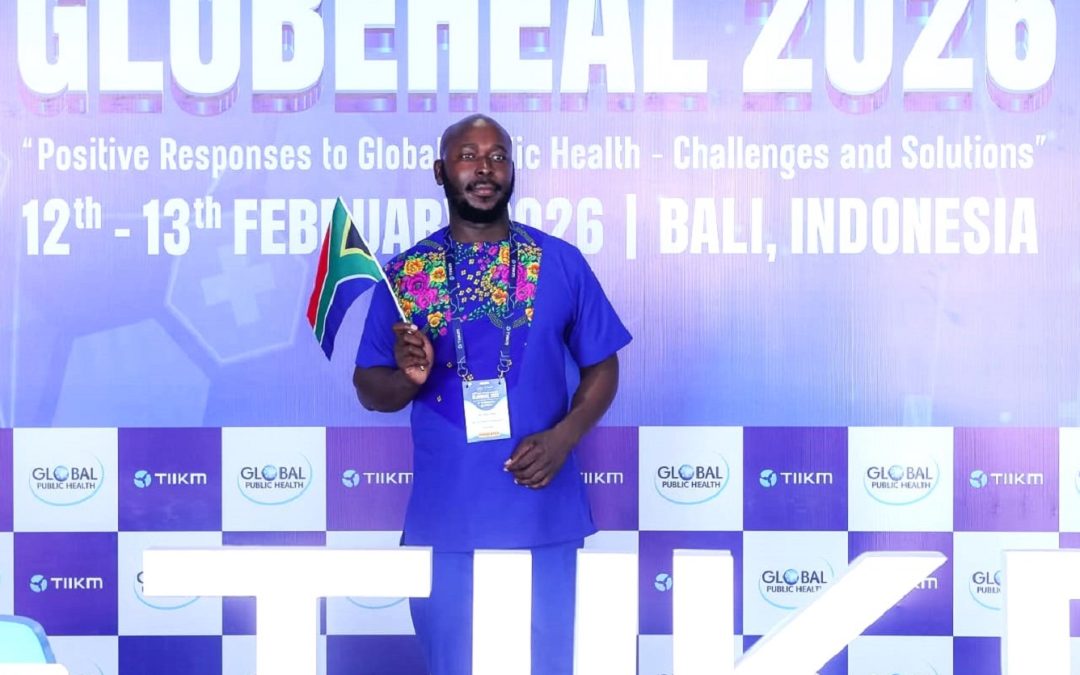
A South African public health specialist has claimed top honours on the global stage. At an international gathering of researchers in Bali, Indonesia, a study from rural Limpopo cut through the noise. Its message was urgent: nearly half of HIV-positive mothers surveyed showed symptoms of anxiety.
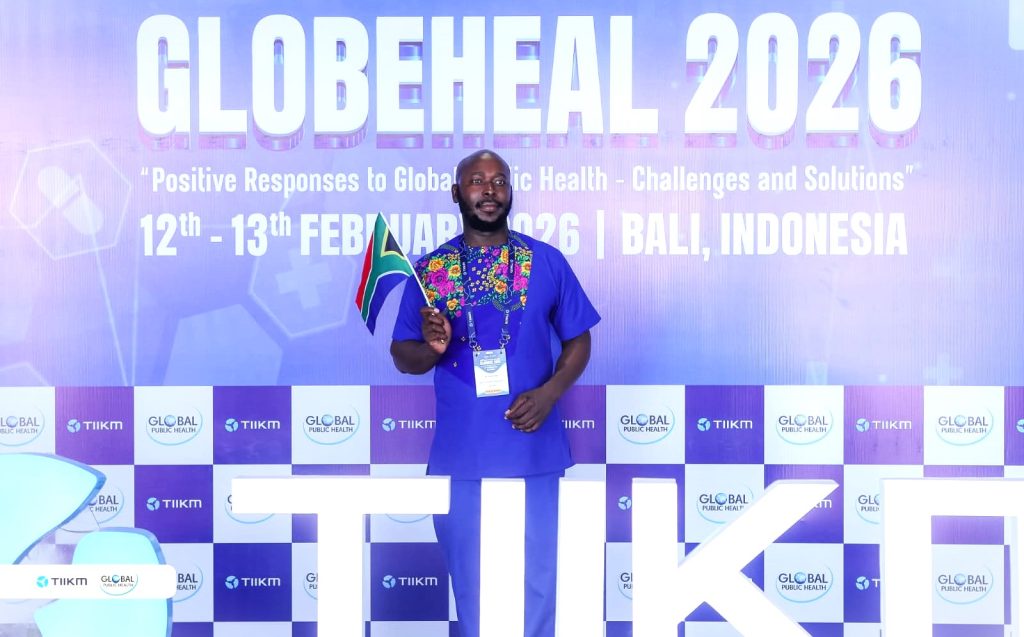 Tebogo Shivuri, a Master of Public Health graduate from Sefako Makgatho Health Sciences University (SMU), was named Best Poster Presenter at the Global Health Conference in Bali for his research on perinatal anxiety among women living with HIV in the Tzaneen sub-district. “This recognition is not just about me,” Shivuri said. “It is about the women in Tzaneen whose mental health struggles often go unseen and untreated.”
Mental health disorders are rising globally, with perinatal depression and anxiety increasing alongside them. For HIV-positive mothers, the burden is compounded by stigma, economic hardship and complex clinical demands.
Shivuri conducted a quantitative cross-sectional survey of 395 HIV-positive perinatal women in Tzaneen. Using the Brief Symptoms Index-18 (BSI) and advanced statistical analysis through Stata-18, he identified a 47.09% prevalence of perinatal anxiety symptoms. The findings were stark:
- 09% of participants showed anxiety symptoms
- 35% experienced symptoms during pregnancy
- 73% experienced symptoms postnatally
- Only 11.65% had planned their current pregnancy
- The mean age of participants was 27 years
“Nearly one in two women screened positive for anxiety symptoms,” Shivuri explained. “That is not a marginal issue — it is a public health emergency.”
Anxiety was significantly more prevalent among first-time mothers, women with CD4 counts below 499, and those reporting high levels of HIV-related shame. Both clinical and partner-related socio-demographic factors were strongly associated with anxiety in bivariate and multivariate analyses (p≤0.05). “The association with HIV-related shame was particularly concerning,” he said. “It shows that stigma is not just social — it directly affects mental wellbeing.”
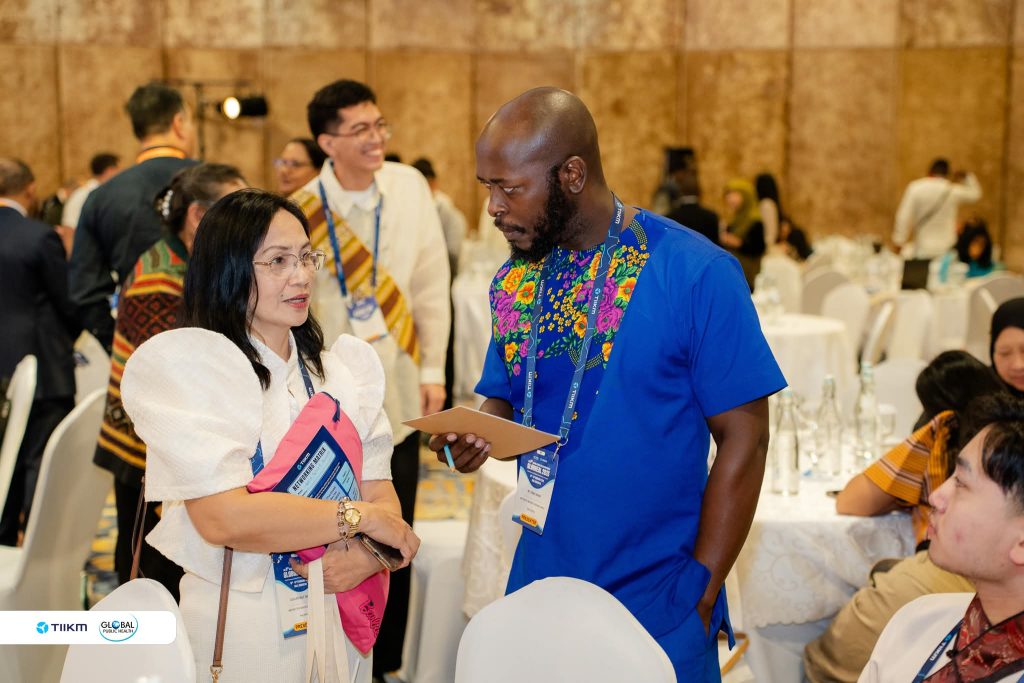 Shivuri’s research concludes that routine mental health screening during the perinatal period must be prioritised, particularly for women living with HIV. “We cannot treat HIV in isolation,” he stated. “If we ignore mental health, we undermine treatment adherence, maternal wellbeing and infant outcomes.”
He argued that Prevention of Mother-to-Child Transmission (PMTCT) services offer a critical opportunity for integrated care. “Screening tools are simple. What is needed is commitment to implementation.”
Conference organisers praised the clarity and practical implications of his presentation. One reviewer noted that the study “combined rigorous statistical analysis with real-world relevance for low- and middle-income settings”.
Currently a Clinical Preceptor at North-West University, Shivuri has spent more than a decade working in HIV prevention, treatment and care across South Africa. He has served in leadership and technical roles at ANOVA Health Institute, supporting ART initiation, PMTCT programmes and quality improvement strategies aligned with national and global HIV targets.
Reflecting on the award, Shivuri said: “Presenting to an international audience affirmed that research from rural South Africa matters. Our data belongs in global conversations.”
He is now pursuing a PhD in Nursing, continuing his focus on strengthening maternal and HIV-related health systems. “The ultimate goal,” he added, “is simple: no woman should navigate pregnancy, HIV and anxiety alone.”
In Bali, applause recognised academic excellence. But beyond the award, Shivuri’s message was unmistakable — maternal mental health must move from the margins to the centre of HIV care.
By Tumelo Moila