by Lorato | May 13, 2025 | All News, SMU Media, Student Media
As graduation season unfolds at Sefako Makgatho Health Sciences University (SMU), alumna Dr Talente Biyela reflects on her studies, four earned degrees, and an already impactful career. From the rural heart of Esikhawini Nsimbini Reserve, KwaZulu-Natal, to the halls of academia and the wards of Dr George Mukhari Academic Hospital, Biyela’s journey has been marked by determination, passion, and an unwavering commitment to public service.
 Raised by a “resilient single mother,” Biyela is one of six siblings who defied the odds. “I’ve always been curious,” she shares. “My love for problem-solving and analysis first led me to mathematics, and later to medicine.”
Her academic achievements are remarkable. She holds a BSc in Mathematics and Chemistry, a BSc Honours in Mathematics, a BSc Honours in Applied Mathematics, and an MBChB. In 2016, while pursuing her Honours degree in Applied Mathematics, she was selected among the top 30 students nationwide for a prestigious Joint Institute for Nuclear Research (JINR) scholarship in Russia. “Presenting neutron activation for life sciences in Russia was an invaluable experience,” she recalls. “Russia is incredibly rich in nuclear research.”
Transitioning from mathematics to medicine, however, was not without challenges. “It was tough moving into medicine,” she admitts. “I was used to numbers and analysis, but the theoretical focus of the first three years of the MBChB required new study methods.” At the same time, she taught Mathematics to Grades 11 and 12 at Seageng Secondary School in Soshanguve.
Beyond academics, Biyela is passionate about education and sport. After discovering SMU lacked a women’s football team, she founded the SMU Ladies’ Football Team. “Football was my escape,” she explains. “Starting the team wasn’t just about sport—it was about creating an outlet for students to decompress and build social cohesion.”
Her leadership extended beyond the pitch. Serving three terms in the Student Representative Council (SRC), she also sat on the university council, institutional forum, exclusions committee, and chaired several student organisations. “Leadership gave me insight into policy and governance,” she reflects. “It deepened my desire to transform a health system currently on its knees.”
Determined to uplift others, she established the Bokamoso Science Centre to bridge the gap between secondary and tertiary science education for learners from disadvantaged backgrounds. “Many students arrive at university never having been inside a lab,” she laments. “We needed to change that.”
As a doctor, Biyela finds fulfilment in patient care. “Nothing beats a patient telling you how much you’ve helped them,” she shares. Yet, she acknowledges the challenges of a hierarchical medical environment. “Managing different personalities in patient care can be difficult.”
Her role as a COVID-19 compliance officer was especially formative. “Working during the pandemic forced rapid adaptation,” she explains. “I was responsible for data collection, analysis, and strategy implementation. It reinforced my belief in health education and prevention.”
Biyela is outspoken about South Africa’s healthcare inequities. “Our healthcare system is in shambles,” she asserts. “It continuously fails black, poor people who cannot afford private care. Funding models must change, and wasteful expenditure must be addressed.”
Looking ahead, she plans to pursue a Master’s in Public Health. “My background in maths and research will be invaluable for data analysis and policy development,” she notes. “I want to remain in the public sector, where I can make the most impact. I dream of a health system that doesn’t discriminate based on skin colour or income.”
Despite her many roles, Biyela remains grounded. “I value time deeply,” she says. “If I give you my time, I’ve given you the most precious part of me. My culture and spirituality keep me anchored.”
Her message to young people considering career shifts is clear: “The sky is the limit. There’s nothing unattainable. Cross over with pride—every degree shapes you into a better person.”
As she continues blazing trails in medicine, policy, and advocacy, Biyela hopes to leave a legacy of service. “I want to be remembered as someone whose life was dedicated to making others’ lives better,” she says. “Someone whose allegiance was always with black, poor people.”
For Biyela, success is not merely personal—it’s about building a healthier, more equitable South Africa for generations to come.
By Tumelo Moila
by Lorato | May 13, 2025 | Accolades and Achievements, All News, SMU Media, Student Media
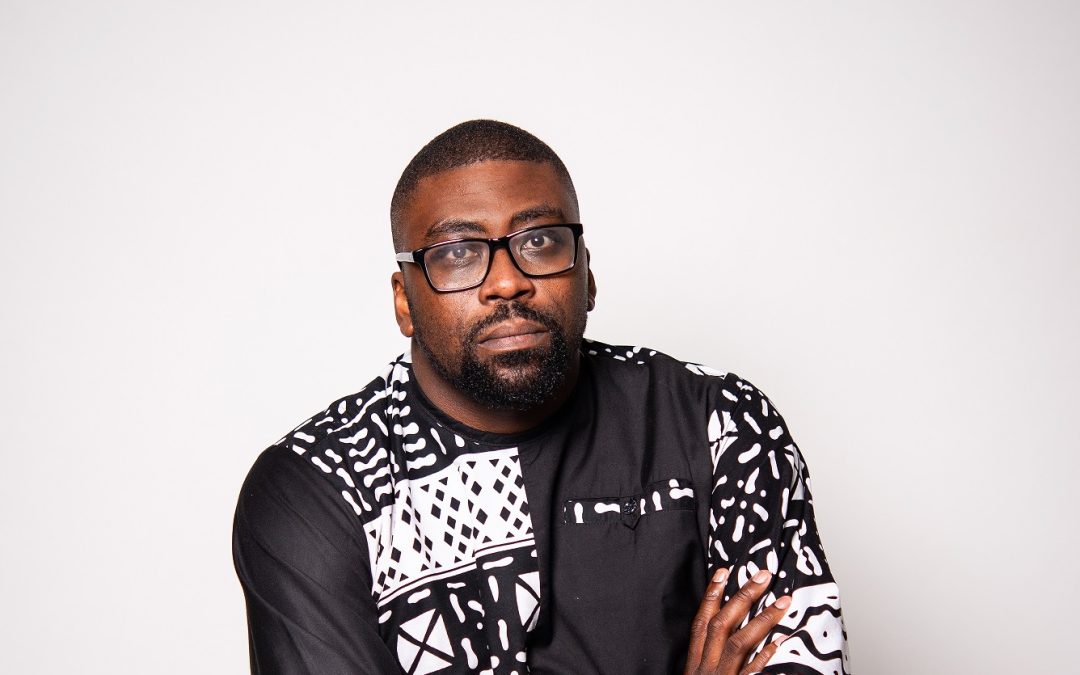
Sefako Makgatho Health Sciences University (SMU) continues to solidify its reputation as a leader in health sciences research, with its NRF-rated researchers playing a crucial role in shaping the institution’s academic landscape. Among them is Dr Bwalya Angel Witika, a Senior Lecturer and NRF-rated researcher in Pharmaceutical Sciences, whose work in nanomedicine and drug delivery systems is making significant strides.
 Witika, a Pharmacist by profession, has an extensive background in drug design, development, and delivery. With over 47 ISI-accredited publications, three book chapters, and an editorial role, his contributions to the field of pharmaceutical sciences are substantial. “My research focuses on developing advanced drug delivery systems, nanomedicines, and functional biomaterials for treating infectious, hereditary, and lifestyle diseases,” he explains.
His interest in pharmaceutical research was sparked by the urgent need for innovative healthcare solutions in Africa. Coming from an academic family, with his father a professor of chemical and mining engineering, he was introduced to the importance of scientific research at an early age. This exposure, coupled with his fascination with molecular medicine, led him to specialise in nanomedicine and drug delivery.
Witika’s research journey began at Rhodes University, where he earned his Master’s and PhD in Pharmaceutics. “One of my biggest challenges was navigating resource limitations and securing collaborations,” he recalls. However, strategic networking and perseverance helped him overcome these hurdles.
Since joining SMU in 2021, Witika has been at the forefront of pioneering nanomedicine research at the university. “The leadership at SMU has been instrumental in my success, providing access to cutting-edge research equipment and fostering a collaborative environment,” he says. His contributions have not gone unnoticed—he recently received the Best Emerging Researcher Award and a prestigious NRF Y2 rating.
Witika’s award-winning research centres on innovative drug delivery systems, including nano drug design and functional biomaterials. One of his most notable achievements is the development of SMU’s first-ever product patent aimed at improving breast cancer and osteoporosis treatment. “Our research enhances treatment efficacy while minimising side effects, ensuring better patient compliance,” he explains.
Beyond academia, Witika’s work is geared towards real-world application. “Our technologies are designed to be affordable and adaptable, particularly for underserved communities,” he notes. Although his research has yet to be translated into practical healthcare solutions, it is progressing towards implementation, with support from industry partners.
Witika’s research is highly collaborative, involving partnerships with institutions across five countries. “I have secured grants with collaborators from Northern Ireland, France, and Brazil while maintaining strong ties with local universities,” he says. His work in interdisciplinary research, particularly in nanomedicines and biomaterials, benefits from collaborations with chemists, biologists, and engineers.
Looking ahead, he envisions his research evolving towards personalised medicine and artificial intelligence-driven drug delivery. “I recently secured funding to collaborate with a world-leading researcher in microneedle technology in Northern Ireland, which will open new research avenues,” he reveals. His team is also embarking on an ambitious project for HIV prevention in women, which could revolutionise long-term, cost-effective prevention methods.
For aspiring researchers, Witika emphasises the importance of persistence and collaboration. “Building a strong network of mentors and maintaining adaptability are key to success,” he advises. He also highlights the role of funding in advancing research and calls for greater institutional support for emerging researchers.
As SMU continues to drive excellence in health sciences research, Witika’s work illustrates the university’s commitment to innovation. “I am dedicated to pushing the boundaries of pharmaceutical sciences and mentoring the next generation of researchers,” he concludes.
By Tumelo Moila
by Lorato | May 13, 2025 | All News, SMU Media, Student Media
The Department of Mathematics and Applied Mathematics at Sefako Makgatho Health Sciences University (SMU), in collaboration with Tshwane University of Technology (TUT) and the South African Mathematics Foundation (SAMF), celebrated Mathematics Day, known as Square Root Day, on 5 May 2025. The celebration, held at Baleseng Junior Secondary and Reitumetse Secondary Schools in Soshanguve, aimed to inspire learners to appreciate the value of mathematics and its role in solving real-world challenges.
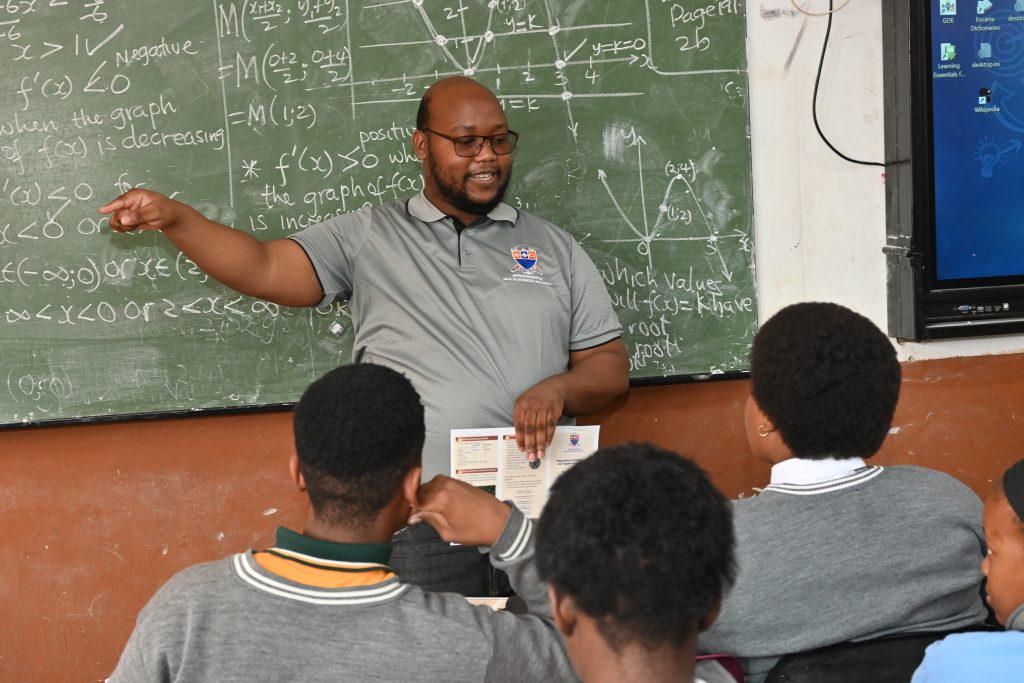 Square Root Day is a rare mathematical event that occurs when both the day and the month are the square roots of the last two digits of the year. This year’s celebration fell on 5/5/25, since 5 × 5 = 25. The next Square Root Day will only take place on 6/6/36 (6 June 2036), making the 2025 occasion particularly special.
“This day offered a unique opportunity to engage young minds with the beauty of mathematics,” said Professor Maggie Aphane, Head of the Department of Mathematics and Applied Mathematics at SMU. “We want to show learners that mathematics is more than numbers; it’s a way of thinking critically, solving problems, and shaping the world around them.”
The initiative formed part of SMU’s commitment to optimising the impact of community engagement. The university aspires to become a recognised cornerstone of social and economic development, contributing to the health and transformation of local communities. Through partnerships like this, SMU aims to establish mutually beneficial relationships with communities, allowing both students and staff to gain from community-based teaching, learning, and research.
“We believe that true education connects students to relevant, complex, real-world contexts,” added Aphane. “By taking mathematics beyond the lecture hall and into the community, we are preparing graduates who are not only skilled professionals but engaged citizens.”
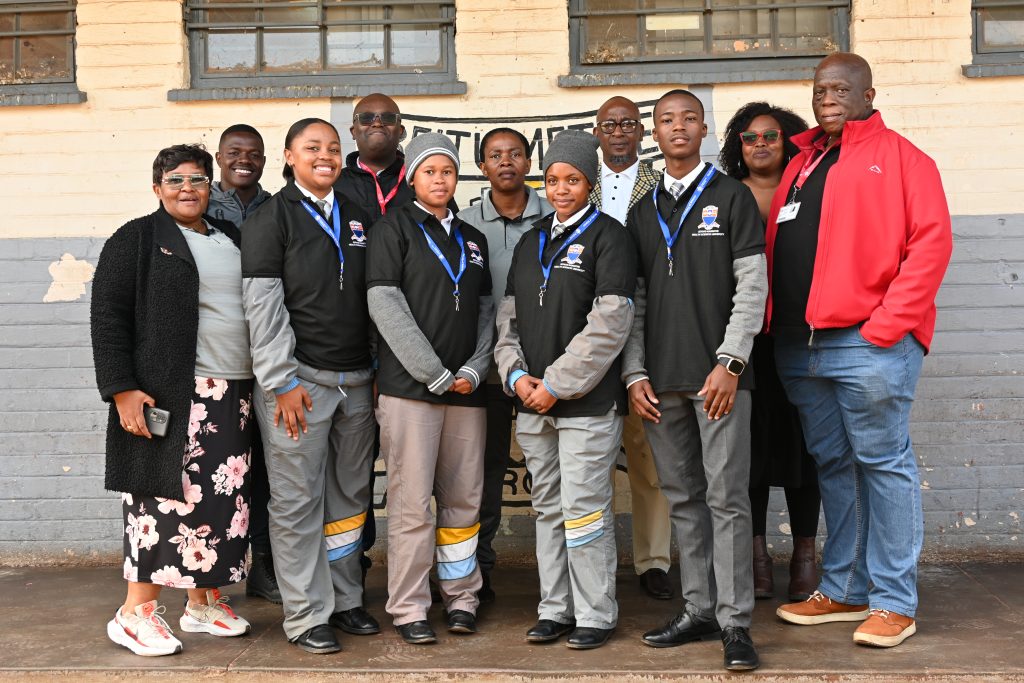 At Baleseng Junior Secondary, where the celebration included interactive talks and maths quizzes, the enthusiasm was palpable. Gloria Khoza, principal of the school, which caters to Grade 8 and 9 learners, expressed her gratitude: “SMU and TUT’s visit to our school on this special Mathematics Day has brought motivation and zeal to love, appreciate, and pursue mathematics through our learners’ academic milestones. It has inspired our learners to also focus on peer learning.”
Over at Reitumetse Secondary School, Grade 12 learner Puseletso Manganyi shared how the event had changed her outlook. “The day helped me finally consider pursuing a career as a mathematician,” she said, beaming with pride after participating in the quiz and winning a branded SMU golf shirt.
Kholofelo Rampekwa, an educator at Reitumetse, was instrumental in inviting SMU and TUT to her school. “I invited SMU and TUT to enrich our learners with problem-solving and analytical skills,” she explained. “It’s important for them to learn that maths is not just about numbers but about the capacity to solve challenges. We needed this.”
The celebration included talks by academics from SMU and TUT, who shared their journeys in mathematics and encouraged learners to explore opportunities in the field. Learners engaged in challenging questions designed to foster critical thinking and creativity.
The Department of Mathematics and Applied Mathematics’ vision is to contribute to South Africa and the global community through excellence in mathematics and applied mathematics education and research. Its mission includes providing an environment where students can become independent, innovative thinkers and users of mathematics; creating a conducive space for teaching, learning, and research; and promoting academic growth through undergraduate, postgraduate, and doctoral programmes. The university also seeks to undertake projects that provide job opportunities for students through collaborations with industry.
The event was well-received by learners, educators, and staff alike. “This celebration was a reminder that mathematics can be exciting and empowering,” reflected Dr Malesela Kekana, Section Head for Mathematics at TUT. “By connecting with schools directly, we are building bridges that will benefit both the universities and the communities for years to come.”
With the next Square Root Day more than a decade away, the 2025 celebration left a lasting impression on the learners of Soshanguve, planting seeds of curiosity, confidence, and ambition that will continue to grow.
By Tumelo Moila
by Lorato | May 13, 2025 | All News, SMU Media, Student Media
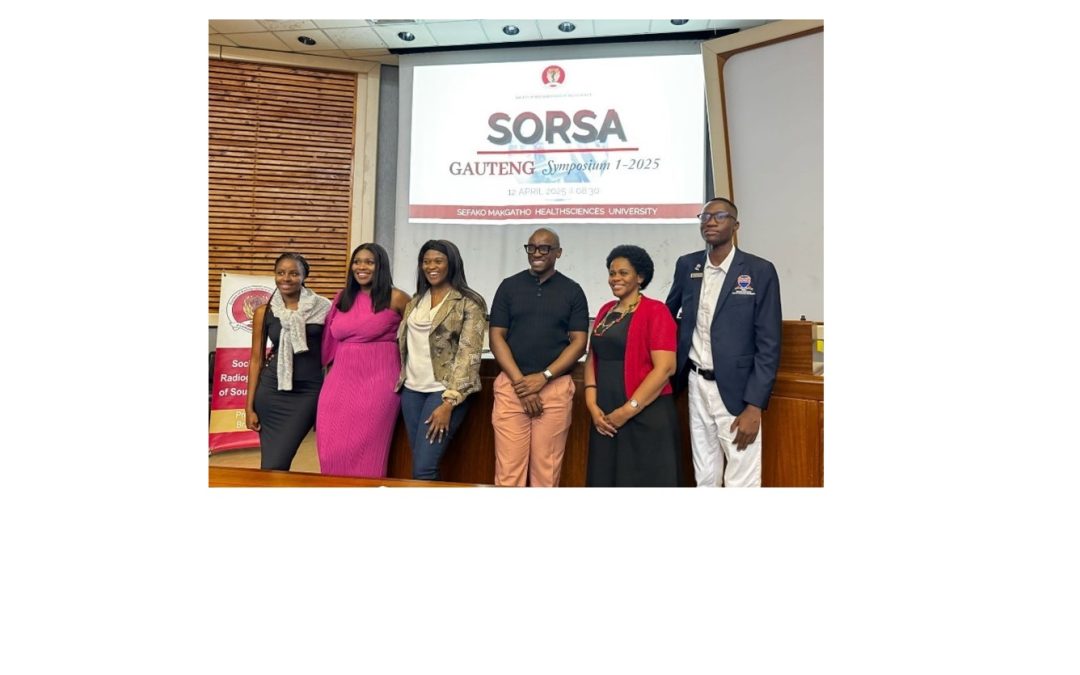
Sefako Makgatho Health Sciences University (SMU) recently transformed into a dynamic centre of professional exchange and growth as it hosted the Society of Radiographers of South Africa (SORSA) Gauteng CPD Symposium on 12 April 2025. Organised in partnership with the SORSA, the event brought together students, academics, and practising radiographers in a unique blend of mentorship, education and inspiration.
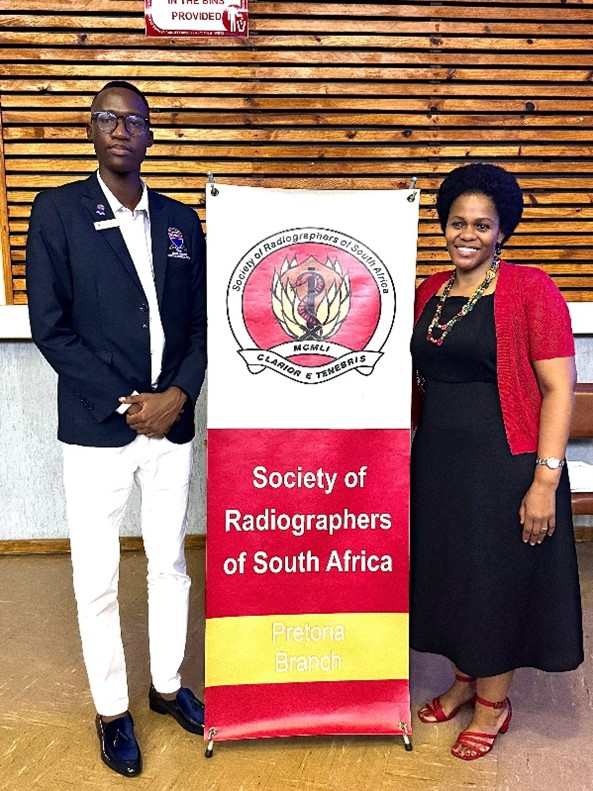 Accredited by the Health Professions Council of South Africa (HPCSA) for four General Continuing Education Units (CEUs), the symposium marked the first in-person CPD gathering in Pretoria since the onset of the COVID-19 pandemic. Radiographers from Gauteng and the North West Provinces converged on SMU to reconnect, learn, and shape the future of the profession.
Khomotso Motiang, Lecturer in the Department of Radiography at SMU and an Interprofessional Education and Collaborative Practice (IPECP) Champion, co-hosted the event alongside third-year radiography student Enos Malatji. Both are proud SORSA members, and for Motiang, the event was deeply personal.
“When SORSA extended the invitation, I saw an opportunity to bring my long-standing vision of bridging the gap between students and professionals, theory and practice, and professional and personal growth,” she said. “Hosting the symposium at SMU was a way to plant a seed, show students they have a voice in the profession, and bring qualified radiographers back into the university space as mentors and partners in learning.”
That inclusive vision shaped every aspect of the event. “At its core, IPECP is about breaking down silos,” Motiang added. “We ensured multiple professions were represented in our presentations, reinforcing the importance of collaboration.”
Malatji, SMU’s first student SORSA member and founder of the SMU Radiography Student Association, said co-hosting the event was both daunting and empowering. “At first, it didn’t feel like something I could do,” he admitted. “But Mam Motiang encouraged me to lead and made me feel that my ideas mattered. That made all the difference.”
The symposium featured a rich variety of presentations—from breast and paediatric imaging to forensic radiography and radiation safety. Dr Fozy Peer, SORSA Public Liaison, remarked on the overall impact: “The presentations provided attendees with tools to enhance patient care, improve clinical decision-making, and inspire professional growth. It was about advancing the radiography profession through knowledge-sharing and collaboration.”
Kabelo Kgarosi, SMU’s Library and Information Services Manager, highlighted the importance of evidence-based practice. “Evidence synthesis is not the exclusive domain of academics,” he told attendees. “We must collaborate—librarians and radiographers—to produce quality, impactful research that influences real-world practice.”
This sentiment was echoed in Dr Peer’s interview following the event. “Research validates best practice, encourages critical thinking, and ultimately improves patient outcomes. It is vital that radiographers outside academia engage in it,” she said.
For final-year student Naledi Golulu, the symposium offered a platform to raise awareness about the realities of forensic imaging. “By sharing my experience, I hoped to highlight both the technical and emotional aspects of this field and the need for standardised protocols and support systems,” she explained.
Seasoned professionals also used the platform to reinforce essential principles. “My presentation focused on ethical responsibilities in radiation safety,” said Moyahabo Makgato. “It’s not just about compliance—it’s about safeguarding patients as a core element of ethical practice.”
According to Peer, interprofessional collaboration is central to improving radiographic practice. “Radiographers don’t work in silos. Collaborating with others, especially librarians and clinicians, ensures that radiographic practice remains informed, current and patient-centred,” she said.
Motiang’s most rewarding moment came when SMU students took the lead. “Seeing them confidently presenting, organising, and engaging—that was my full-circle moment,” she said. “It showed what happens when mentorship, leadership, and learning intersect meaningfully.”
Looking forward, she hopes the success of the event will catalyse greater SORSA involvement on campus. “We have a real opportunity to integrate SORSA into the academic journey—through student-led initiatives, mentorship and regular CPD activities.”
The SMU-hosted symposium was more than a professional development event; it was a declaration that the future of radiography lies in unity, innovation and shared purpose.
By Tumelo Moila
by Lorato | May 13, 2025 | Accolades and Achievements, All News, SMU Media, Student Media
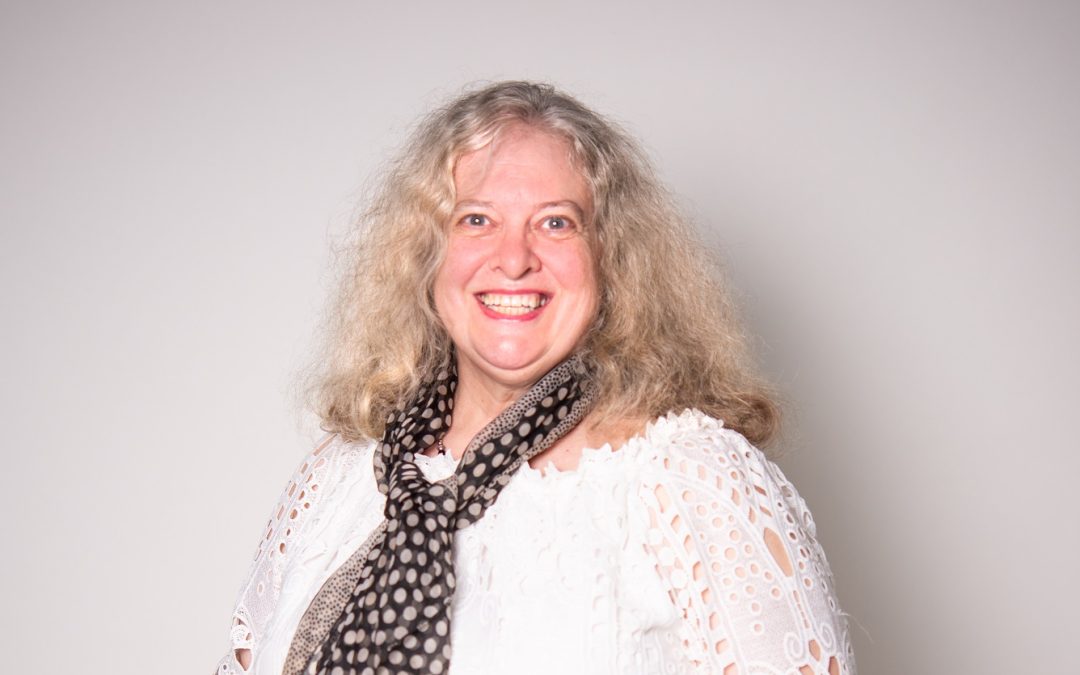
Sefako Makgatho Health Sciences University (SMU) is leading advancements in medical research and innovation, identifying globally significant themes with societal impact. Central to this mission is Professor Anna Oettlé, a Full Professor in the Anatomy and Histology Department, whose exceptional contributions to anatomical research have earned her a prestigious accolade at the Vice-Chancellor’s Excellence Awards 2024.
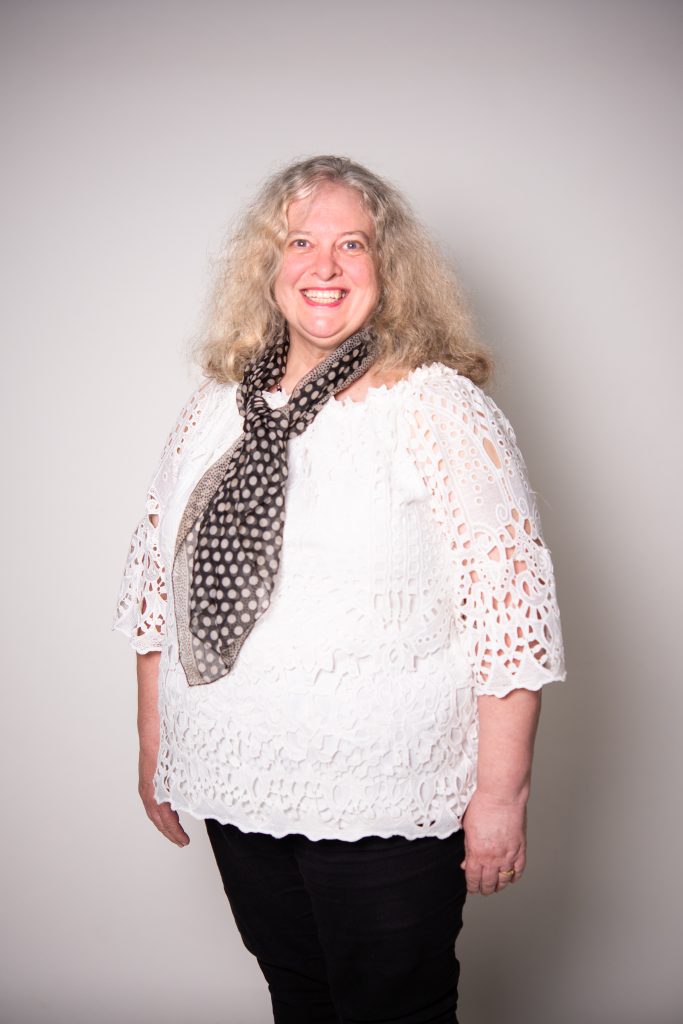 Oettlé qualified as a medical doctor at the University of the Witwatersrand in 1988 before pursuing an MSc in Anatomy with distinction. Transitioning into academia in 2002, she developed a keen interest in anatomical variations, which ultimately earned her an NRF C2 rating. “Clinical practice revealed the significance of anatomical variations in diagnosis and treatment. Modern 3D imaging techniques enhance visualisation, yet the principle of using multiple views remains essential,” she explains.
Oettlé’s research has evolved from traditional anatomical studies to advanced 3D imaging techniques. A landmark achievement in 2009 saw her collaborate with the South African Nuclear Energy Corporation (Necsa) to conduct the first cone beam tomography scans on human remains, revolutionising 3D anatomical analysis.
Her research spans bone and dental variation, craniofacial morphology, hominin evolution, and forensic applications. Notably, her work in biological profiling methods aids forensic scientists in identifying unknown victims, significantly contributing to criminal investigations.
The significance of an NRF Rating
An NRF rating validates a researcher’s contributions, enhances visibility, and unlocks funding opportunities. “Applicants must present five publications over eight years. A C2 rating confirms that all reviewers recognise the researcher as established, with impactful contributions and international collaborations,” she notes.
At SMU, institutional support has been invaluable. “SMU provides expert consultants to review applications and offer constructive feedback. Since joining in 2017, this environment has been instrumental in increasing my research productivity.”
Among her most cited studies is one that established an age classification system from sternal rib ends for South Africans, widely used in forensic profiling. “This study has been cited 143 times, assisting biological profiling. Similarly, our research on the mandible’s microstructure has crucial applications in orthodontics and forensic science,” she says.
Her research directly benefits medical practice, enabling clinicians to assess cephalopelvic disproportion during childbirth and inform dental procedures. It also equips forensic scientists with localised standards for facial reconstruction in missing persons cases.
Oettlé champions mentorship and interdisciplinary collaboration. “Engineers have helped refine 3D measurement techniques. Cross-disciplinary work fosters innovation. I mentor early-career researchers, believing in their potential and encouraging impactful work.”
She emphasises the role of NRF ratings in strengthening SMU’s research reputation. “These ratings drive early-career researchers to focus and secure funding. Increased funding facilitates mobility and international collaboration.”
Looking ahead, she aims to expand 3D scanning applications and enhance biological profiling methods. “3D imaging is becoming more accessible. My goal is to secure funding for advanced equipment and foster interdisciplinary collaborations.”
Reflecting on her VC Excellence Award recognition, she states: “It is an honour and a motivator to continue publishing. Previous awards funded research assistants to archive skeletal remains. I plan to use this funding to archive our scan collection at SMU’s central archives for future research.”
Encouraging aspiring researchers, she advises: “Dream big, work hard, and embrace new ideas. Stay positive and seek collaboration. Almost anything is possible with dedication.”
As SMU continues to drive medical research and innovation, its commitment to fostering excellence and collaboration ensures a lasting impact on healthcare. Through dedicated researchers like Oettlé, SMU is shaping the future of medical science, making transformative contributions to global healthcare.
By Tumelo Moila
by Lorato | May 13, 2025 | Accolades and Achievements, All News, SMU Media, Student Media
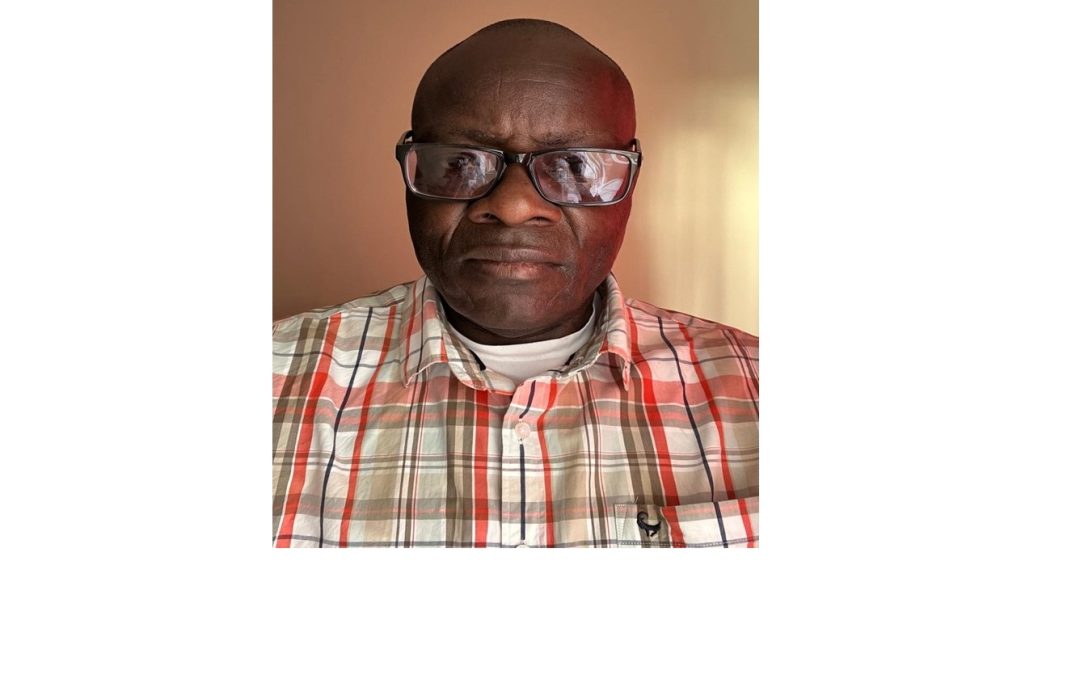
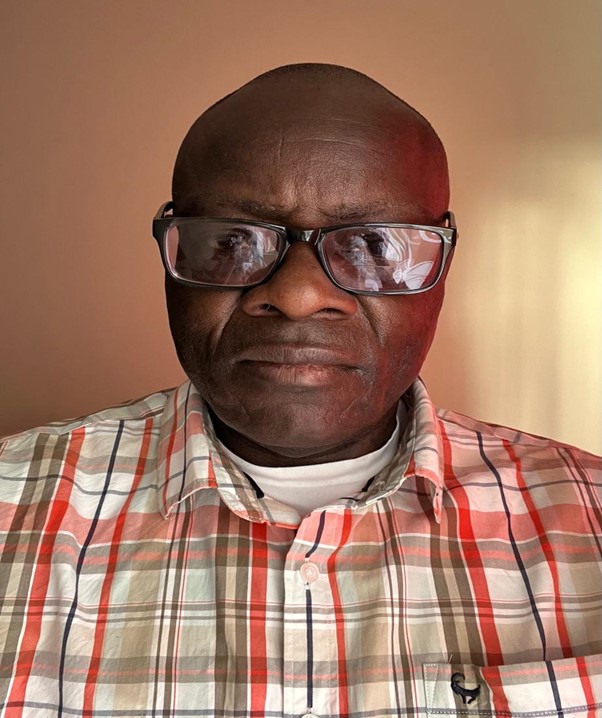
Dr Benson Chuks Iweriebor, a postdoctoral fellow in the Department of Biology and Environmental Science at Sefako Makgatho Health Sciences University (SMU), has been awarded a C2 rating by South Africa’s National Research Foundation (NRF), recognising him as an established researcher with a sustained record of high-quality scientific output.
 The NRF rating system serves as a benchmark for academic excellence in South Africa, evaluating researchers based on the quality and impact of their recent scholarly contributions. A C2 rating signifies that a researcher has produced a coherent and consistent body of work, demonstrating ongoing engagement with their field and the capacity to conceptualise and investigate complex problems.
“The rating really means a lot to me as it will help me establish my footprints in the science community both locally and globally,” says Dr Iweriebor. “It enhances the national and international profile of the researcher’s institution.”
Iweriebor’s academic journey began with a doctoral degree from the University of Venda in 2012. He further developed his expertise during a research stint at the University of Virginia in the United States, collaborating with renowned HIV researchers. His tenure at the University of Fort Hare, working alongside Professor Lawrence Obi, was pivotal, as he secured funding from the NRF and the South African Medical Research Council (SAMRC) to advance his research outputs.
“Some of the major milestones that stand out for me include an award from the African Academy of Sciences for research on climate change and tick-borne disease, and travel grants from the Bill and Melinda Gates Foundation to attend international conferences,” he notes.
His research primarily focuses on infectious diseases, including studies on HIV and HIV drug resistance, circoviruses and parvoviruses affecting piggery and pork production, antibiotic resistance in wastewater effluents, and the prevalence of multidrug-resistant pathogens in various environments. He has also contributed to research on zoonotic diseases and the molecular characterisation of tick-borne pathogens in South Africa. With over 80 peer-reviewed articles, his steady publication record and collaborative efforts have been key to attaining his NRF rating.
Beyond his academic outputs, Iweriebor values mentorship. “I have mentored many scientists along the way. The majority of them are shining the light to brighten the corners where they are in the world,” he shares.
His research interests have evolved over the years, with a current focus on pathogen surveillance metagenomics. “It’s an emerging area of research that can help us better understand the diversity and complexity of microbial ecosystems,” he explains. “By analysing the genetic material of microorganisms present in a sample, researchers can gain insights into the composition, function, and dynamics of microbial communities.”
Iweriebor acknowledged the challenges he has faced in his research career, particularly related to funding and limited research facilities. “Being frugal with the little funds available and designing your research to fit the resources at hand has been the key,” he says.
Collaboration has been central to his scholarly work. “I am a co-author of all my publications. It wasn’t a lone effort but a collaborative endeavour,” he emphasises. He is also exploring interdisciplinary collaborations, particularly in leveraging medicinal plants to combat antimicrobial resistance.
Looking ahead, Iweriebor aspires to mentor more young researchers and stay abreast of technological advancements in his field. “To whom much is given, much is expected. This award is a call to work harder and to attain greater heights, all by his grace,” he reflects.
He expressed gratitude to his family, colleagues, and mentors, including Professor Obi, Professor Mapaseka Seheri, Professor Piet King, Professor Anthony Okoh, Dr Kayode Afolabi, Dr Oyinlola Olaokun, and Professor Nqobile Mkolo, among others. “Success is never achieved alone; it is a cumulative outcome of contributions made by several people,” he acknowledges.
Iweriebor’s recognition underscores the importance of sustained research excellence and collaboration in advancing scientific knowledge and addressing public health challenges.
By Tumelo Moila