by Lorato | Mar 26, 2025 | Accolades and Achievements, All News, SMU Media, Student Media
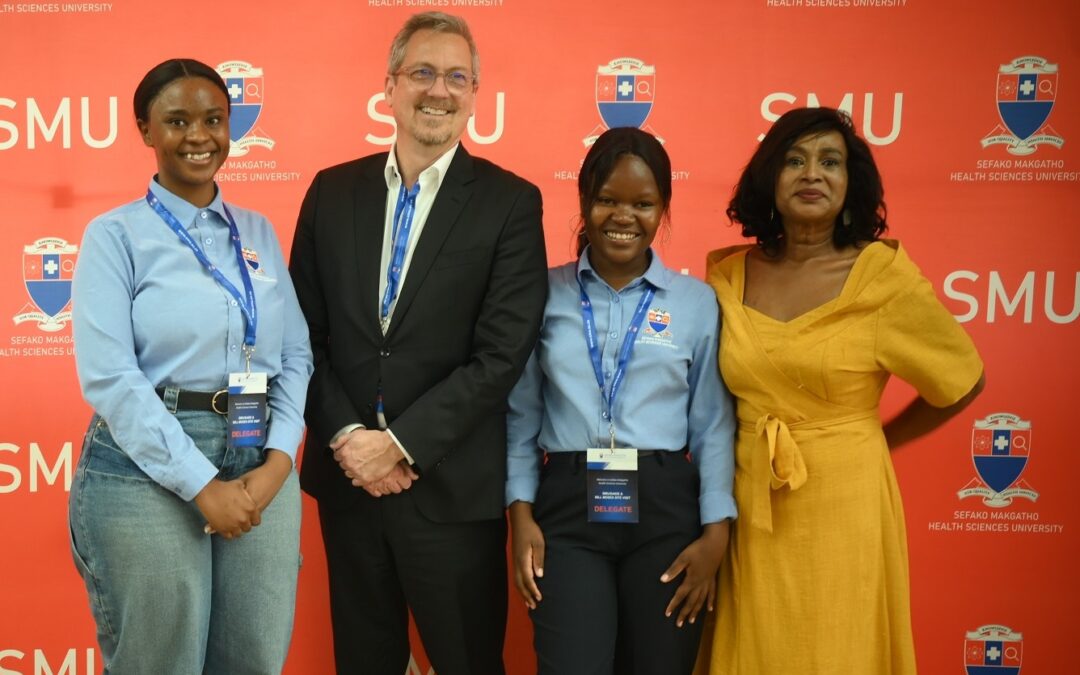
Sefako Makgatho Health Sciences University (SMU) recently hosted a distinguished delegation of education leaders, marking a significant step towards strengthening academic collaborations and advancing student academic success initiatives. The visit brought together William “Bill” Moses, Managing Director of the Education Program at The Kresge Foundation, Innocent Nkata, Chief Executive Officer of the South African Institute for Distance Education (SAIDE), and Ashton Maherry, Programme Specialist at SAIDE.
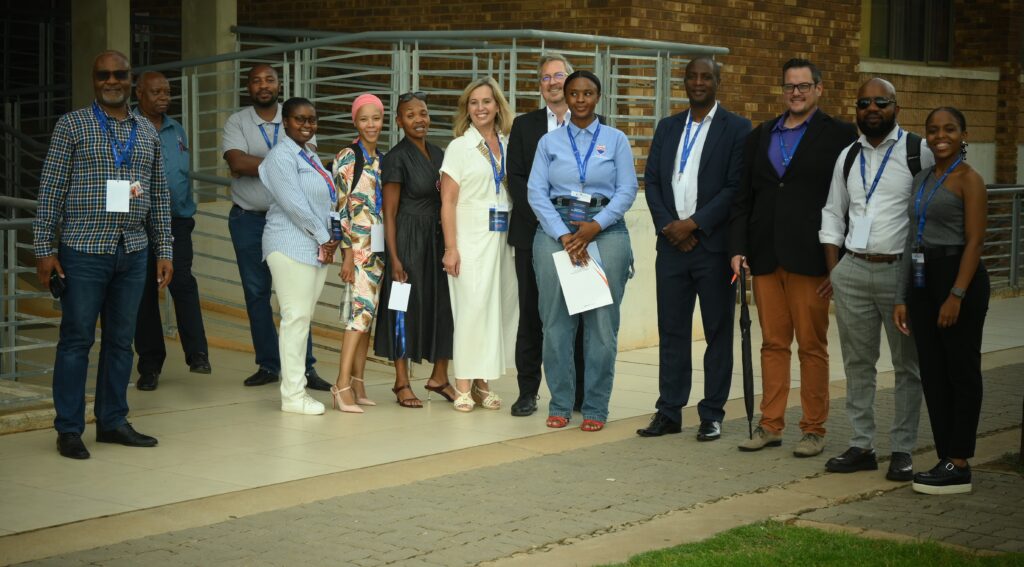 The delegation was warmly welcomed by Dr Elize Venter, Director of the Centre for University Teaching and Learning (CUTL), who highlighted the importance of strategic engagements in enhancing SMU’s academic standing. “Hosting such esteemed funders of student academic success provides us with invaluable insights and opportunities to elevate our teaching and learning practices,” said Venter.
A key highlight of the visit was a luncheon meeting with Acting Vice-Chancellor Professor Tandi Matsha-Erasmus. The discussions focused on potential collaborations between SMU, The Kresge Foundation, and SAIDE, with the aim of developing initiatives that support student success and institutional growth.
Matsha-Erasmus expressed her enthusiasm for the engagement, stating, “Partnerships with forward-thinking organisations like The Kresge Foundation and SAIDE are crucial for driving impactful change in higher education. These discussions open doors for innovative projects that will benefit both our students and academic staff.”
To provide the delegation with a deeper understanding of SMU’s current landscape, they were presented with an “SMU at a Glance” overview. The presentation detailed the university’s academic focus, institutional needs, and the various programmes in place to enhance student learning and research.
Dr Jeffrey Mabelebele, Acting Deputy Vice-Chancellor: Academic and Research, played a pivotal role in these discussions, sharing insights into SMU’s commitment to research excellence and student support. “Our institution is dedicated to fostering a research-driven academic environment that equips students with the skills necessary to thrive in the evolving global landscape,” said Mabelebele.
As part of their visit, the delegation was given an immersive campus tour led by SMU Kresge-funded data analytics, Sewela Tshegofatso and Mabeba Onalerena, SRC Deputy President, Ntshadi Bokaba, and the SRC Secretary General, Fhulufhelo Ntsieni. This team of students guided the guests through key areas of the university, offering them valuable insights into the student experience and providing a firsthand look at student life, campus facilities, and academic support structures. Visited places on campus included the Anatomy Museum, Skills Centre, student residences, and campus health. At the close of the visit, the SMU choir graced the occasion, and Venter presented the delegates with tokens of appreciation.
Reflecting on the visit, the delegation expressed their appreciation for SMU’s commitment to academic excellence and student development. Bill Moses praised the university’s initiatives, stating, “SMU’s dedication to creating an inclusive and high-quality learning environment is truly commendable. The commitment of its leadership and faculty to student success is evident, and we look forward to exploring avenues of support that align with our mission to enhance educational outcomes.”
Innocent Nkata echoed these sentiments, adding, “The proactive approach taken by SMU in addressing educational challenges aligns with SAIDE’s objectives. This engagement has opened up new possibilities for collaboration, and we are excited about the opportunities that lie ahead.”
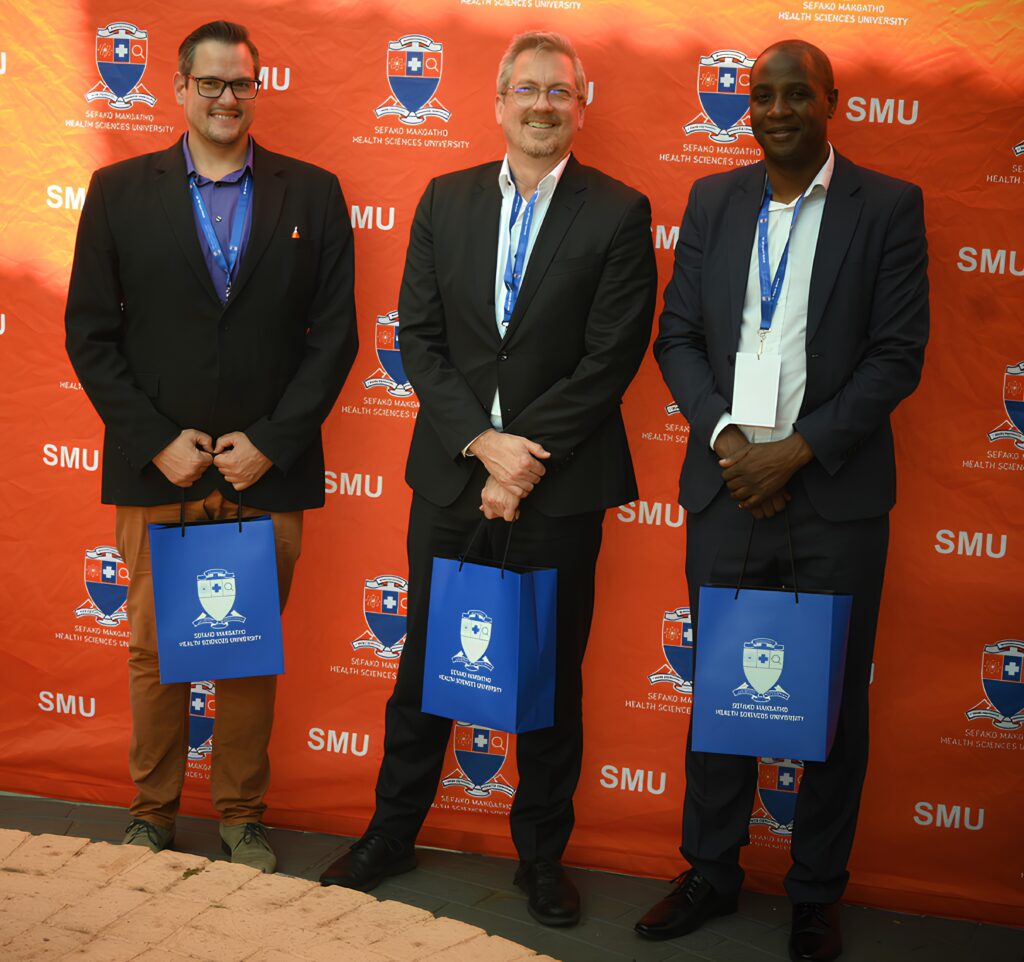 Ashton Maherry also expressed optimism about future collaborations, saying, “It is inspiring to witness the passion and dedication of SMU’s leadership towards student success. There is a clear alignment between our goals, and I am confident that our partnership will yield impactful outcomes.”
Dr Joshua Maliavusa, Manager of Student Academic Support at CUTL, emphasised the university’s commitment to ensuring students receive the necessary resources to excel academically. “Our student support initiatives are designed to provide tailored academic assistance and create an environment that enables learners to reach their full potential,” he said.
The visit not only strengthened SMU’s relationships with global education partners but also laid the groundwork for meaningful collaborations that will shape the university’s future. The discussions held during the visit are expected to lead to actionable strategies that support student learning, institutional innovation, and academic development.
As SMU continues to grow as a leading institution in health sciences education, partnerships with organisations such as The Kresge Foundation and SAIDE will play a crucial role in advancing its mission. The university remains committed to fostering an environment that enables students to thrive and contribute to the broader fields of health sciences and research.
With this visit marking the beginning of new collaborative efforts, SMU is poised to further enhance its academic and research capabilities, ultimately benefiting both its students and the wider education sector.
By Dimakatso Modise

by Lorato | Mar 26, 2025 | All News, SMU Media, Student Media
The MeCRU Clinical Research Unit (MeCRU) has played a pivotal role in advancing clinical research in South Africa since its establishment in 2005. Situated at Sefako Makgatho Health Sciences University (SMU), MeCRU has dedicated itself to tackling pressing public health challenges, particularly those related to HIV/AIDS, tuberculosis (TB), and other communicable diseases.
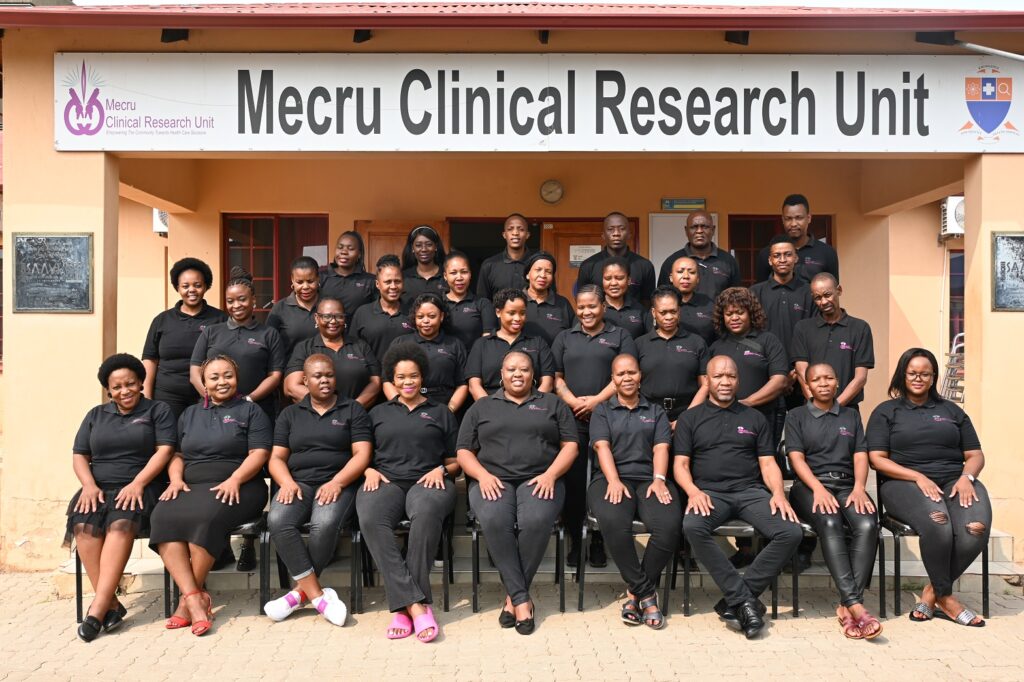 Under the leadership of Professor Maphoshane Nchabeleng (site principal investigator), Dr Matsontso Mathebula (site sub-investigator), and Nontando Moeketsi (site project manager), MeCRU continues to make significant contributions to clinical research while fostering community engagement and ethical research practices.
MeCRU was founded in October 2005 to address South Africa’s critical health concerns, particularly the HIV/AIDS epidemic. “The goal was to create a clinical research centre that not only advances scientific knowledge but also translates research discoveries into practical health interventions,” says Nchabeleng. The unit was also designed to enhance local research capacity and contribute to global efforts to combat infectious diseases.
Support from the South African AIDS Vaccine Initiative (SAAVI) and the Medical Research Council (MRC) was instrumental in establishing MeCRU. SAAVI’s commitment to developing an HIV vaccine helped position the unit as a key player in clinical research, while the MRC provided expertise in research methodology and ethics, ensuring that MeCRU adhered to international standards.
A defining moment for MeCRU came in 2010 when the unit was officially launched by then Minister of Health, Dr Aaron Motsoaledi. “This event underscored government support for clinical trials and vaccine research, reinforcing the need for local solutions to local health challenges,” notes Moeketsi.
 Over the years, MeCRU has conducted several transformative studies. Among its most impactful research projects is the ensemble study, which evaluated the efficacy of the Johnson & Johnson COVID-19 vaccine. The unit has also contributed to TB vaccine development, particularly in finding alternatives to the BCG vaccine. “Our research on biomarkers for drug-resistant TB has the potential to change how we predict and prevent TB relapses,” explains Mathebula.
One of MeCRU’s defining strengths is its commitment to ethical research and community engagement. The Community Advisory Group (CAG) plays a crucial role in bridging the gap between researchers and the public. “CAG ensures that research methods align with community values and concerns, fostering trust and collaboration,” says Nchabeleng. This engagement is crucial in addressing scepticism and promoting participation in clinical trials.
MeCRU also prioritises participant safety through strict ethical guidelines, informed consent procedures, and ongoing monitoring of study outcomes. Independent ethics committees and external monitors further ensure that all trials meet the highest standards of integrity.
MeCRU houses an accredited Contract Research Laboratory (MLS), which provides essential laboratory support for clinical trials. “The laboratory plays a vital role in molecular biology, serology, and bacteriology research, helping advance diagnostic methods and treatment strategies,” says Mathebula. The facility adheres to international accreditation standards, ensuring the reliability of research findings.
Looking ahead, MeCRU aims to solidify its position as a leading clinical research site. “We hope to expand our research capabilities and secure sustainable funding through international collaborations and pharmaceutical partnerships,” explains Moeketsi. Upcoming projects include studies on Group B Streptococcus vaccines, tuberculosis vaccine trials, and further research into HIV prevention.
MeCRU also seeks to involve more SMU researchers in clinical trials. “There is a wealth of expertise at SMU, and we encourage faculty members to take on principal investigator roles. We provide the necessary regulatory and community support to facilitate high-quality research,” says Nchabeleng.
MeCRU’s motto, ‘Empowering the Community Towards Healthcare Solutions,’ reflects its commitment to improving public health. Through outreach programmes, health education initiatives, and vaccination campaigns, the unit actively contributes to community well-being. “We are not just conducting research; we are making a tangible difference in people’s lives,” says Mathebula.
As MeCRU continues to grow, its contributions to clinical research and community health will remain invaluable. With its dedication to scientific excellence and ethical research, the unit is well-positioned to lead groundbreaking studies that will shape the future of healthcare in South Africa and beyond.
By Tumelo Moila
by Lorato | Mar 26, 2025 | Accolades and Achievements, All News, SMU Media, Student Media
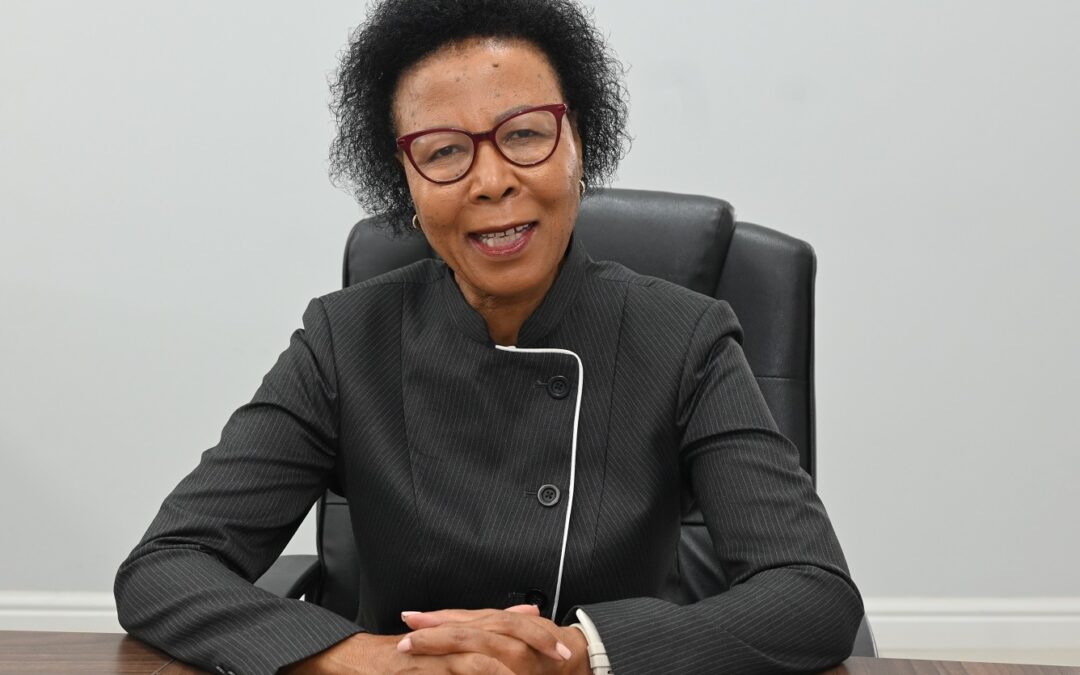
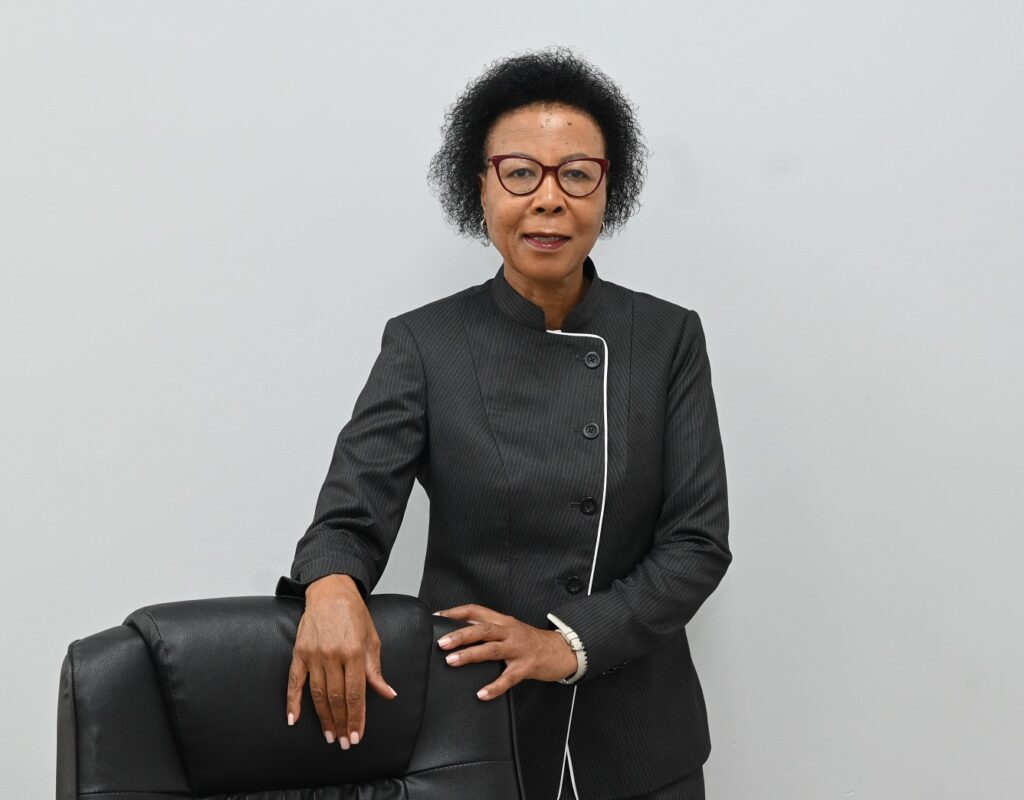
Sefako Makgatho Health Sciences University (SMU) remains a hub for academic and professional excellence, producing leaders who make significant contributions to the healthcare sector. One such leader is Professor Lineo Matsela, an esteemed Obstetrician and Gynaecologist, who has recently been inaugurated as the President of the South African Menopause Society (SAMS). Her election to this prestigious position is a landmark achievement, not only for her but also for the Department of Obstetrics and Gynaecology at SMU.
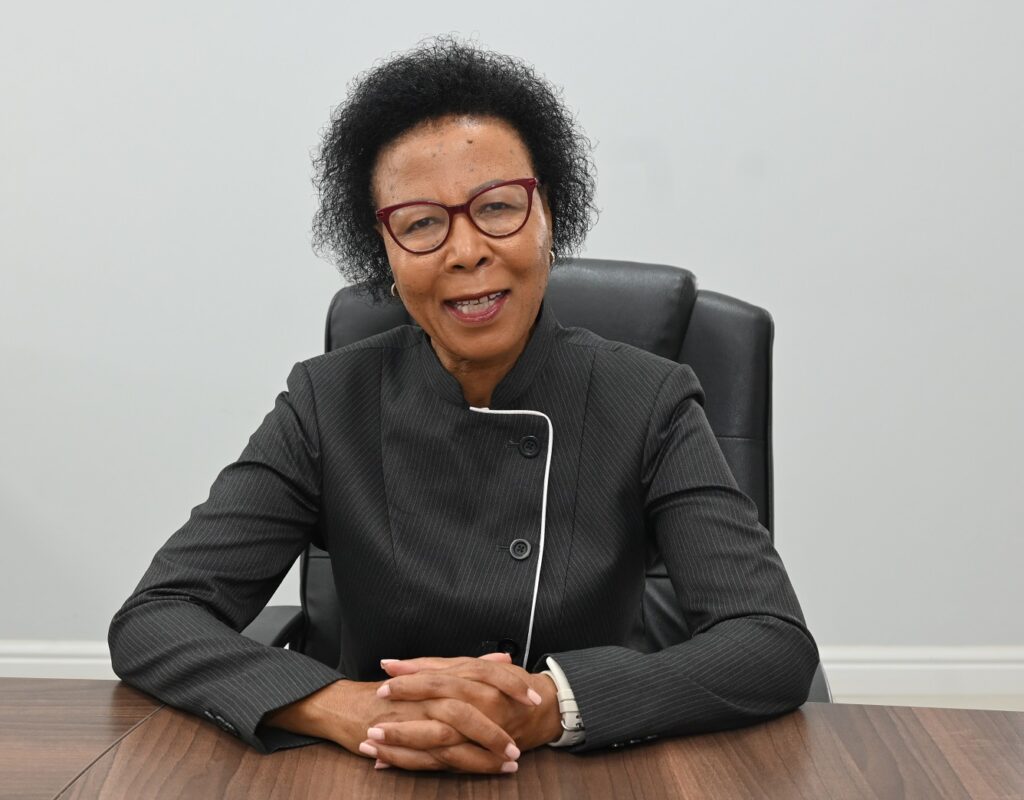 Reflecting on her appointment, Matsela expressed both pride and gratitude. “I feel honoured and humbled at the same time to have been elected to this position,” she says. With a strong interest in endocrinology, she credits her mentor, Professor Thibedi Ephraim Mokgokong, for nurturing her passion for the field. She also acknowledges the wealth of knowledge she has gained from South African women regarding menopause, culture, and tradition. “I bow my head in respect for the black South African women who have enriched me with knowledge about menopause, culture, and tradition,” she states.
Matsela highlights how menopause is viewed differently across cultures. “For the longest time, it was believed that black women don’t suffer from hot flushes and night sweats during both the peri and postmenopausal periods,” she explains. However, her research has shown that while symptoms exist, societal attitudes and traditional roles shape women’s experiences of menopause.
According to Matsela, many South African women regard menopause positively, as it signifies an elevation in societal status. “Postmenopausal women take care of critically ill patients in the village; they prepare meals for boys at initiation schools, and traditional birth attendants are chosen from among them,” she notes. However, she also points out the challenges, particularly surrounding sexuality. “Postmenopausal women are not supposed to engage in sexual activity. The belief is that cessation of menstruation, which has the cleansing power, is gone; hence the woman is predisposed to ill-health,” she explains. This misconception leads to the denial of sexual rights for women, while men may engage in extramarital or polygamous relationships.
As President of SAMS, Matsela has set ambitious goals, including forming a Pan-African Society of Menopause to integrate societies across Sub-Saharan Africa. Education and awareness are key priorities for her tenure. “We plan to have community meetings for laywomen, church leaders, and traditional leaders,” she says. She also emphasises the importance of equipping healthcare providers with adequate knowledge. “Healthcare professionals are taught about menopause as part of their training. Those in practice will attend webinars and community outreach programmes,” she adds.
Matsela identified major gaps in healthcare for menopausal women, particularly in terms of treatment accessibility. “Menopausal hormone therapy, which is the gold standard of treatment, is not readily available. Often, the medication is not available in public hospitals, and women must purchase it from pharmacies. Many cannot afford it,” she laments. She also highlights the emergence of new non-hormonal drugs such as neurokinin antagonists, which provide alternative treatment options for women who do not qualify for menopausal hormone therapy.
 The SAMS Congress, held from 21-22 February 2025, covered a wide range of topics, including perimenopause, cardiovascular health, osteoporosis, HIV complications, and new pharmaceutical advancements. “The target audience included general practitioners, specialists in obstetrics and gynaecology, physiotherapists, and nursing staff. “ All these professionals play a role in caring for menopausal women,” Matsela says.
She stresses the importance of a multidisciplinary approach to menopause. “The postmenopausal period is not just about cessation of menstruation. It affects the brain, cardiovascular system, musculoskeletal system, and genitourinary system. Women need a holistic healthcare approach,” she states. However, one of the main challenges remains the lack of awareness and access to treatment. “Some women come for treatment of their symptoms, only to find that the hospitals have run out of medication,” she notes.
One of Matsela’s key messages is to reassure women that menopause is not the end of life. “Women spend one-third of their lives after menopause. Good health education and screening of health-related issues are essential,” she says. She encourages women to adopt healthy lifestyle habits, including weight management, good nutrition, reducing alcohol consumption, and quitting smoking.
She firmly believes that knowledge is the key to navigating menopause successfully. Menopause is a journey that all women experience. The earlier they learn about it, the better prepared they will be. Studies show that women with adequate knowledge are in a better position to manage menopausal symptoms than those with no knowledge,” she argues. Her leadership at SAMS is set to drive change in menopausal healthcare and awareness, ensuring that South African women receive the support and treatment they need during this critical stage of life.
Matsela’s inauguration as President of the South African Menopause Society not only brings pride to SMU but also reinforces the institution’s reputation as a hub for academic and professional excellence.
By Tumelo Moila
by Lorato | Mar 26, 2025 | Accolades and Achievements, All News, SMU Media, Student Media
In a groundbreaking collaboration, Sefako Makgatho Health Sciences University (SMU) has joined forces with the Aurum Institute, the University of the Witwatersrand (Wits), and international partner Johns Hopkins University to revolutionise health research in South Africa. This innovative partnership brings together leading experts in health sciences research, public health, data science, and implementation science to address the complex health challenges facing the country and the African continent.
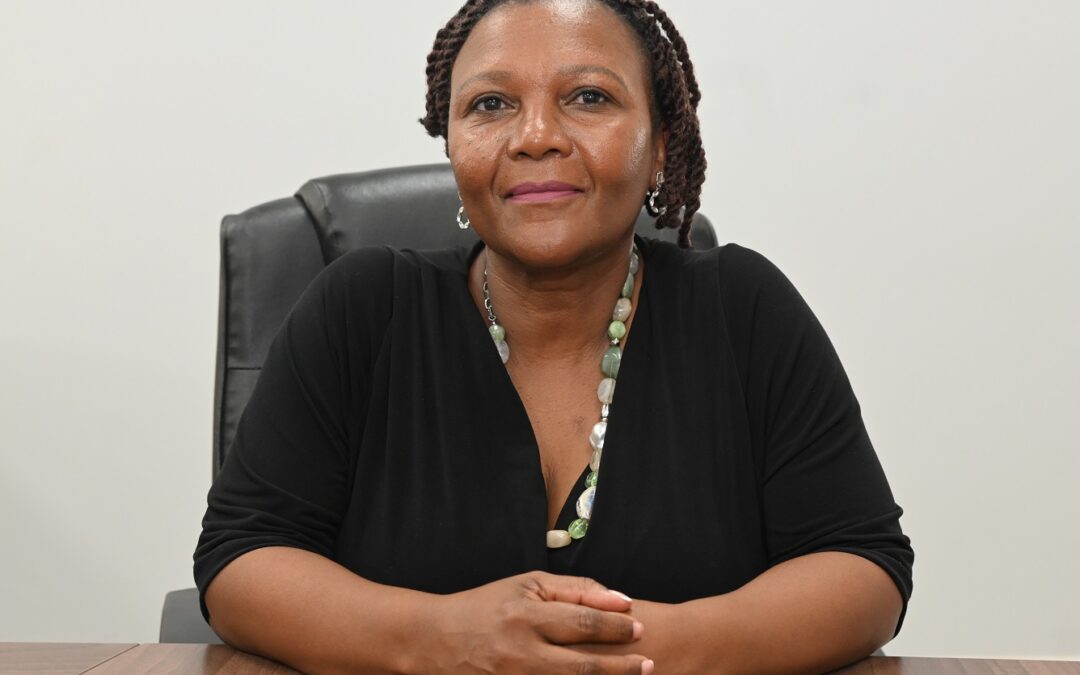
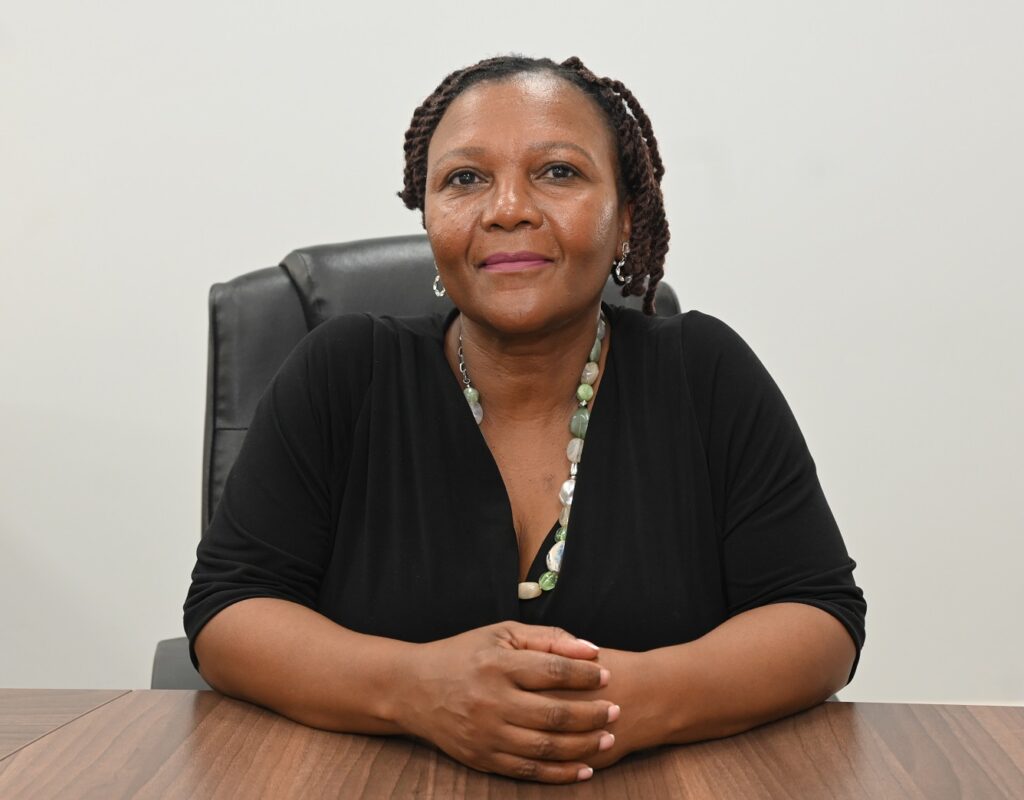 Professor Mathildah Mokgatle, SMU representative, Head of Public Health, Co-director, and Chair of the BAMMISHO Steering Committee, expressed her enthusiasm about the node’s potential impact. Our vision is to develop a world-class Health and Demographic Surveillance System (HDSS) that generates high-quality evidence to inform policy and practice locally, nationally, and globally. This initiative is built on long-standing relationships with the Royal Bafokeng Nation, local government, and industry stakeholders,” she says.
By combining their strengths and expertise, these partners aim to establish a robust health research ecosystem that drives innovation, translation, and impact. The collaboration is dedicated to developing and implementing evidence-based solutions to pressing health issues, ultimately improving health outcomes in South Africa and beyond.
A pioneering initiative under this collaboration, the BAMMISHO (Bafokeng Health & Demographic Surveillance Node) project, has been launched under the leadership of the AWISE (Aurum-Wits-Sefako Makgatho) Consortium. This initiative aims to address the health and socio-economic challenges faced by peri-mining communities in the Royal Bafokeng Nation (RBN) of the Bojanala District, North West Province.
BAMMISHO emerged as a winner in a national competitive grant award led by the South African Population Research Infrastructure Network (SAPRIN). The initiative was spearheaded by SMU Alumnus Professor Geoffrey Setswe, who identified key collaborators from The Aurum Institute, Wits, and SMU. Johns Hopkins University contributes additional global research expertise to the project.
The BAMMISHO Node will focus on understanding the impact of mining and migration on health and socio-economic outcomes in the 29 villages that make up the RBN. The consortium’s research agenda includes critical areas such as HIV prevention, sexual and reproductive health, climate change resilience, and the economic impacts of disease and migration.
Setswe highlighted the project’s alignment with existing SAPRIN nodes, ensuring a seamless integration of research methodologies and data management systems. “Our team has successfully enrolled over 70,000 participants in research projects valued at more than $12 million. With BAMMISHO, we aim to make a significant contribution to South Africa’s broader health research landscape,” he explains.
As the Director of Community Engagement, Mokgatle is responsible for fostering collaboration between researchers and the community. She emphasises the importance of direct involvement from local leaders. “The chiefs of all 29 villages were invited to a community engagement meeting during their end-of-year 2024 Lekgotla to discuss the implementation of BAMMISHO. We are proud to have the full support of His Majesty King Leruo Molotlegi and the Royal Bafokeng Administration,” she states.
A key strength of the BAMMISHO Node is its access to robust research infrastructure. The Aurum Rustenburg CRS will serve as the operational hub, equipped with clinical facilities, laboratories, and advanced data management capabilities. Researchers will collect data from 114,000 individuals using digital tools compatible with SAPRIN’s existing network, ensuring consistency and efficiency.
The initiative has been designed with sustainability in mind. While initial funding is provided through SAPRIN, the consortium is actively seeking additional resources through research grants and collaborations with industry stakeholders. Mokgatle reiterates the team’s commitment, stating: “We see the BAMMISHO Node as a lifelong legacy that will continuously monitor and improve the health and well-being of the Royal Bafokeng Nation for generations to come.”
The formal launch of BAMMISHO in November 2024 was marked by a large community ceremony attended by SMU leadership, local government representatives, and national media. With comprehensive plans and risk mitigation strategies in place, the project has commenced smoothly and is well-positioned to deliver meaningful insights into the health dynamics of peri-mining communities.
Reflecting on the journey that led to BAMMISHO’s creation, Setswe and Mokgatle express their deep sense of purpose in giving back to their community. “As proud Bafokeng and SMU (MEDUNSA) alumni, we felt a strong responsibility to develop a project that would put SMU on the map while serving the people who raised us. BAMMISHO is our way of expressing gratitude to the ‘People of the Dew’—our home, our heritage,” they conclude.
The BAMMISHO Node is poised to become a vital contributor to SAPRIN and a globally recognised centre for health and demographic research. With its solid foundation, dedicated team, and community-driven approach, the project promises to be a transformative force in addressing the pressing health challenges of the Royal Bafokeng Nation and beyond.
By Tumelo Moila
by Lorato | Mar 26, 2025 | All News, SMU Media, Student Media
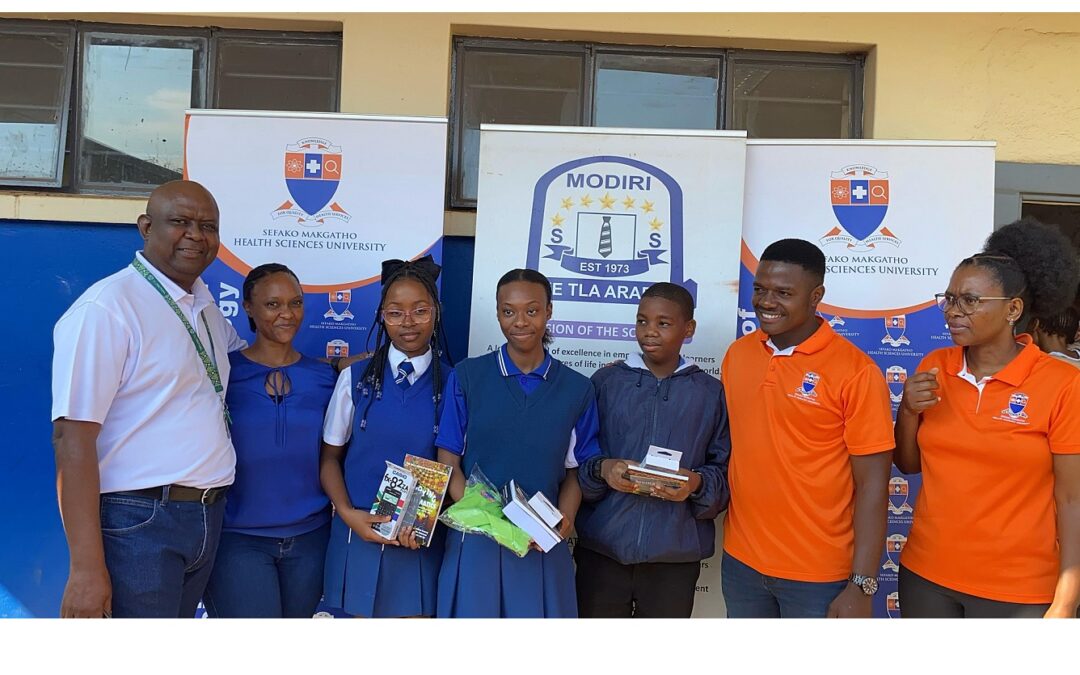
March 14th, globally recognised as Pi Day, is an annual celebration dedicated to the mathematical constant π (pi ≈ 3.14159…). The occasion provides an opportunity for learners, educators, and mathematics enthusiasts to appreciate the significance of this irrational number in various disciplines. This year, Pi Day 2025 was marked with great enthusiasm at Sefako Makgatho Health Sciences University (SMU), bringing together high school learners, university educators, and professionals in mathematics and applied mathematics.
 Professor Ndlovu, a dedicated mathematics lecturer at SMU, expressed his excitement for Pi Day, emphasising its importance beyond the numerical value of π. “Pi Day is more than just a date on the calendar; it’s a celebration of the beauty, depth, and elegance of mathematics. This year, we celebrated with learners from P.H. Moraka, N.H. Tsheune, Modiri, and Bethsaida high schools in Tshwane. Our goal was to educate them about the history of Pi, introduce them to careers in mathematics and applied mathematics, and provide guidance on Admission Point Score (APS) requirements for pursuing a Bachelor of Science (BSc) in Mathematics.”
While Pi is commonly associated with circles, its applications extend into physics, engineering, and computer science. Pi Day serves as a valuable opportunity to explore these applications and appreciate the number’s infinite and non-repeating nature. “Pi appears in engineering, physics, technology, and even nature,” Ndlovu explained. “Understanding its applications helps students see the real-world relevance of mathematics.”
Among the many Pi Day activities, problem-solving sessions remain a favourite for both learners and teachers. Educators use interactive games, real-world applications, and fun challenges to make learning mathematics engaging. These activities help demystify complex concepts, fostering an appreciation for mathematics beyond the classroom.
According to Ndlovu, one of the biggest misconceptions learners have about Pi is that it is “just a number with no use.” However, by demonstrating its significance in real-world applications such as architecture, space exploration, and digital technology, learners gain a newfound appreciation for this mathematical constant.
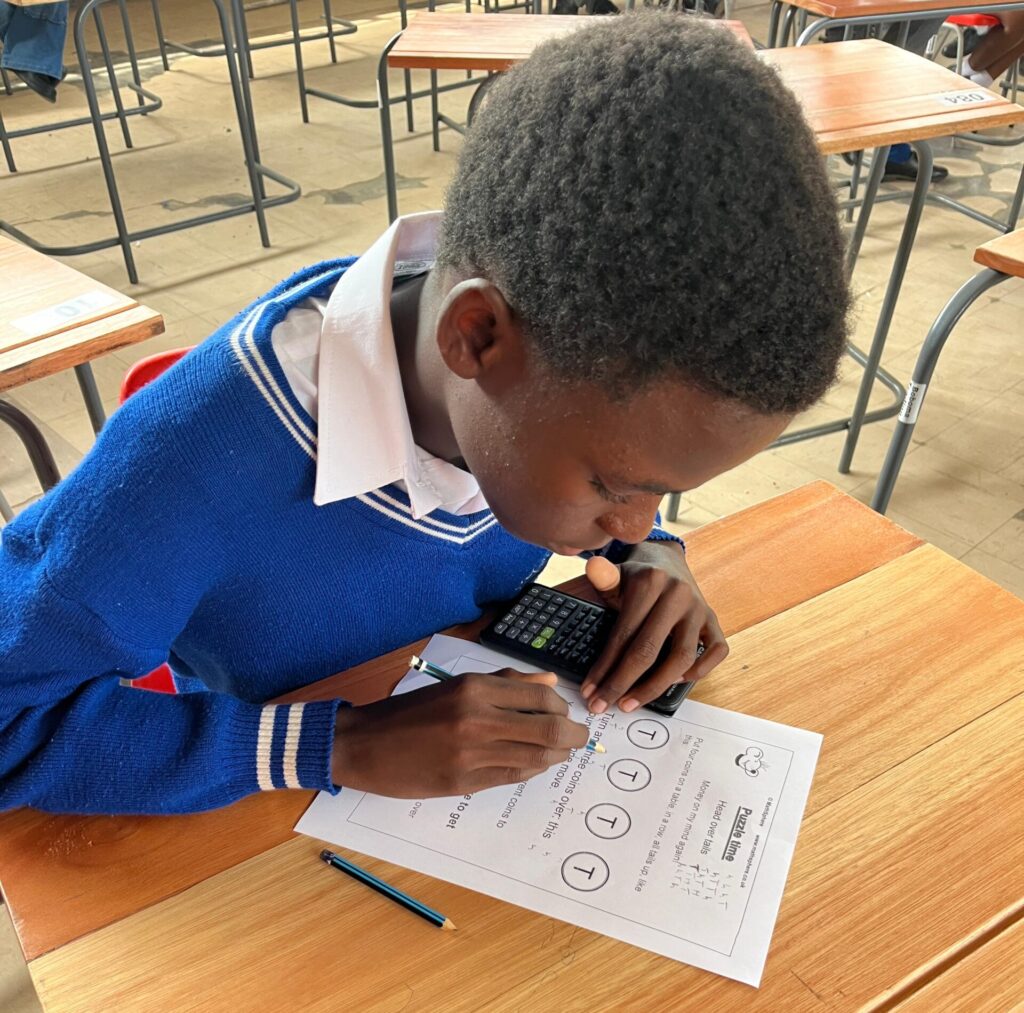 Pi Day provides a platform to inspire young minds and encourage them to explore mathematics as a career. The Mathematics and Applied Mathematics Department at SMU believes that such events foster curiosity and enthusiasm among students. Professor Maggie Aphane, Head of the Department, highlighted the importance of celebrating Pi Day: “It provides an opportunity for students and staff to engage with mathematical concepts in a fun and interactive way. It also serves as a platform to promote mathematics and inspire future mathematicians.”
The Mathematics and Applied Mathematics Department at SMU works closely with local schools to promote mathematical literacy. Through Pi Day events, workshops, and competitions, they engage learners in meaningful ways. They also collaborate with local businesses and organisations to foster community involvement in mathematics education.
The event was organised in collaboration with the South African Mathematics Foundation (SAMF) and the Department of Science and Innovation (DSI). SAMF, as the custodian of the Mathematics Olympiad, relies on institutions like SMU to assist in conducting primary, secondary, and tertiary mathematics competitions. DSI sponsors these activities, ensuring learners gain exposure to mathematics beyond the school syllabus.
A total of 50 staff and postgraduate students from SMU participated in the celebration. Patrick Rasehwete, a representative of SAMF, shared his experience: “Our mandate was to engage with DSI to secure funding, ensuring the event’s success.” DSI sponsored the prizes and refreshments for learners and officials through their agency, the South African Agency for Science and Technology Advancement (SAASTA). Additionally, CASIO collaborated with SAMF to sponsor 15 scientific calculators for the day.”
The success of Pi Day 2025 has set the stage for future collaborations between SMU, SAMF, and DSI. Plans are already underway to expand the participation of more secondary schools in mathematics olympiad competitions and to celebrate other mathematics-related days, such as Euler Day, Pythagorean Theorem Day, Square Root Day, and Palindrome Day.
As Pi Day continues to grow in popularity, it serves as a reminder that mathematics is not just about numbers and equations—it is a universal language that connects us all. Professor Aphane concluded: “Mathematics is everywhere. Events like Pi Day help students see its significance and encourage them to pursue their passions with confidence.”
By Tumelo Moila

by Lorato | Mar 24, 2025 | All News, SMU Media, Student Media
The Sefako Makgatho Health Sciences University (SMU) community came together in a profoundly moving and dignified memorial service to honour the life and enduring legacy of its late Chancellor, Tito Titus Mboweni. Held at the university’s Sports Complex on 19 March 2025, the event brought together dignitaries, students, faculty, and members of the broader SMU community in a heartfelt tribute to a leader whose vision and influence transcended academia.
 In her opening and welcome address, Acting Vice-Chancellor Professor Tandi Matsha-Erasmus reflected on Mboweni’s profound impact on SMU and the nation at large. “Tonight, we gather to honour the legacy of a leader whose unwavering commitment to academic excellence and public service continues to guide us,” she said.
She further emphasised how Mboweni’s passion for knowledge and innovation remains woven into the university’s core mission. “Our commitment at SMU is clear: we build on the foundation laid by Mboweni by nurturing innovation, excellence, and community service. His legacy remains our guiding light.”
 Delivering the keynote address, Dr Matthews Phosa, a respected political leader and activist, paid tribute to Mboweni’s exceptional leadership in governance and economic transformation. He recounted his pivotal role as Minister of Labour and Governor of the Reserve Bank, highlighting his contributions to shaping South Africa’s economic policies.
“Tito was not just a leader; he was a force of nature. His dedication to economic growth, fiscal discipline, and the empowerment of young professionals reshaped South Africa’s financial landscape,” said Phosa. He also acknowledged Mboweni’s dedication to education, crediting him with ensuring that SMU remained a beacon of excellence in health sciences. The evening was marked by heartfelt messages from various university structures, each underscoring Mboweni’s transformative influence.
Japhta Phala, President of the SMU Convocation, reflected on his personal relationship with Mboweni and their deep conversations about the state of education in South Africa. He shared how he had convinced Mboweni to accept the role of Chancellor.
“When I approached him about the nomination, he hesitated. But after numerous discussions about the importance of leadership in higher education, he embraced the role with his characteristic passion and vision,” Phala recalled.
Katlego Moshanyane, President of the SMU Student Representative Council (SRC), spoke about how Mboweni’s leadership left an indelible mark on students. “As students, we looked up to him, not just as a leader, but as an inspiration. His unwavering belief in education as a tool for transformation challenges us to strive for excellence, to lead with integrity, and to use knowledge to drive societal change,” Moshanyane said.
Representing the Mboweni family, Dr Martin Mboweni expressed deep gratitude for the tributes and outpouring of love shown to their beloved relative. “As a family, we are humbled by this remarkable tribute. Tito’s passion for education, his relentless drive for progress, and his commitment to the future of this country will continue to inspire generations,” he said. He extended heartfelt appreciation to SMU for honouring Mboweni’s memory and reaffirmed the family’s support for the university’s mission.
The service was marked by profoundly moving moments that captured the essence of Mboweni’s legacy. A tribute video showcased his remarkable journey, from humble beginnings to his towering presence in leadership and academia. A stirring poetry recital added to the emotional weight of the evening, while the SMU Choir delivered a heartfelt performance that resonated with every attendee.
One of the most poignant moments of the evening was the presentation of the SMU flag to the Mboweni family, a symbolic gesture of the university’s eternal gratitude for his leadership and service.
As the ceremony drew to a close, the hall stood in solemn unity as the South African National Anthem was sung, an emblem of hope, resilience, and the shared commitment to continue Mboweni’s vision.
Through this memorial, SMU reaffirmed its commitment to upholding the values that Mboweni championed excellence, innovation, service, and integrity. His legacy will continue to shape the university and inspire future generations to lead with wisdom, courage, and purpose.
By Dimakatso Modise