by Lorato | Dec 13, 2024 | All News, SMU Media, Student Media
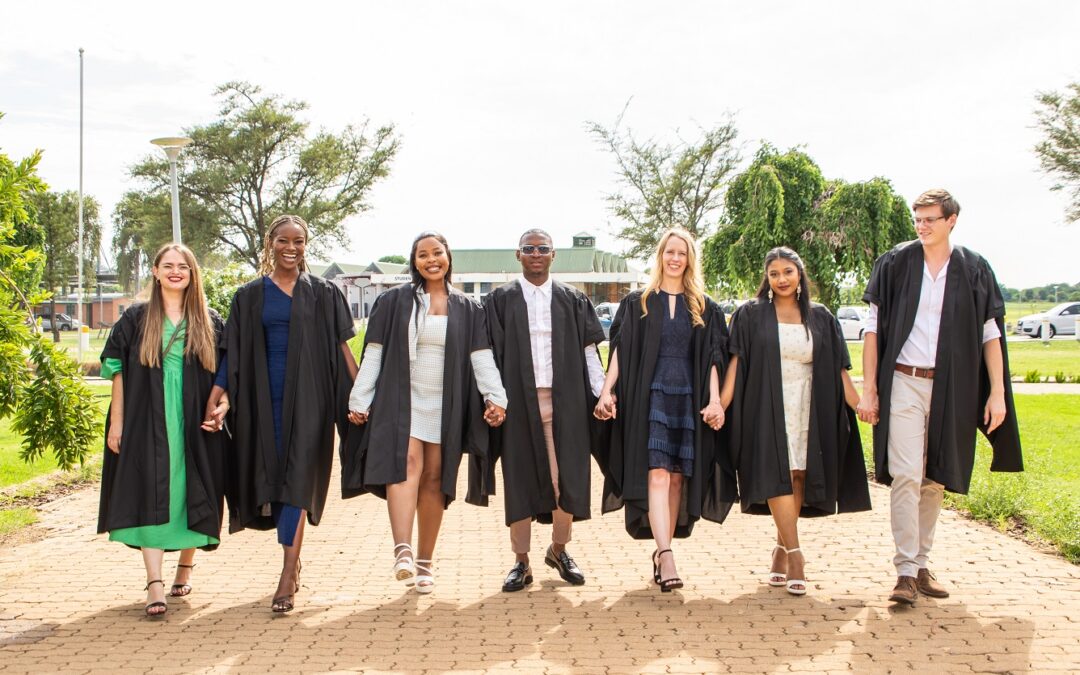
Sefako Makgatho Health Sciences University (SMU) recently hosted a series of momentous events that celebrated not only the achievements of its graduates but also the institution’s legacy of academic excellence and leadership in healthcare. On 11 December 2024, the School of Pharmacy, School of Health Care Sciences, and School of Dentistry held their Oath-Taking Ceremonies, followed by the School of Medicine’s ceremony on 12 December 2024. These events, held during SMU’s 10th anniversary celebrations, marked a significant milestone in the lives of the graduates and the university’s journey of excellence.
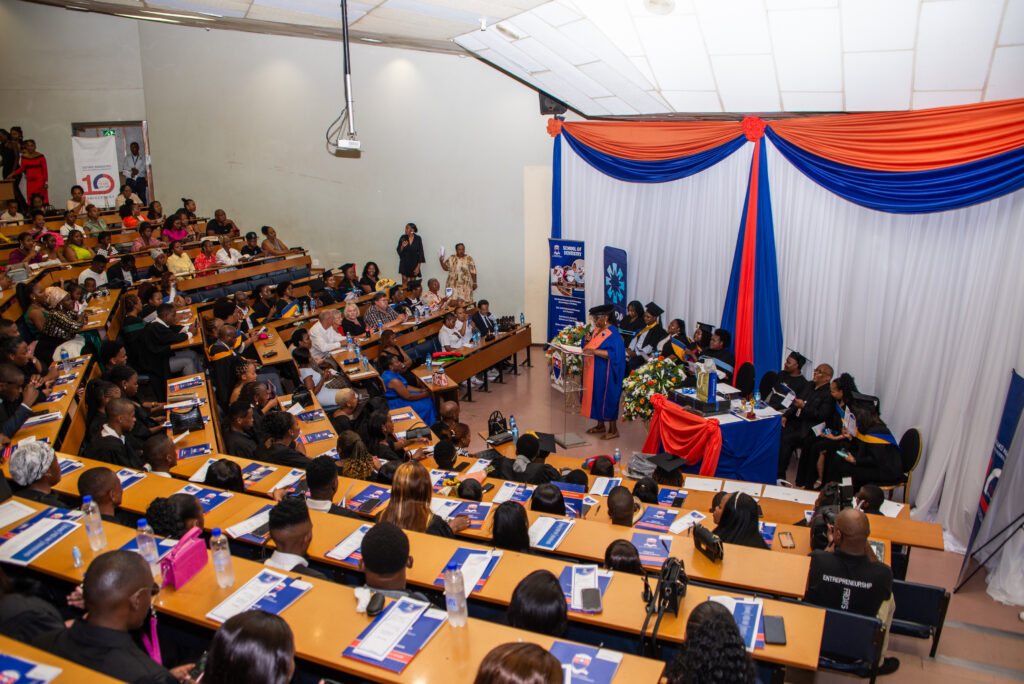 Over the past decade, SMU has cemented its position as a leader in health sciences education, producing exceptional healthcare professionals equipped with the knowledge, skills, and ethical grounding necessary to transform healthcare locally and globally. These ceremonies are more than rites of passage; they symbolise the graduates’ commitment to uphold SMU’s core values of integrity, professionalism, and compassion.
The Oath-Taking Ceremonies also served as an opportunity to honour the remarkable achievements of SMU’s top-performing students. Numerous awards were presented, recognising students who had excelled academically and demonstrated outstanding dedication to their fields of study.
A highlight was the recognition of students who passed their final year with cum laude, a testament to their hard work and academic excellence. The prestigious Bongani Mayosi Prize was also awarded to exemplary students, celebrating their contributions and commitment to the healthcare field. These events showcased an impressive array of top achievers awards, underlining SMU’s commitment to fostering excellence and inspiring the next generation of healthcare professionals.
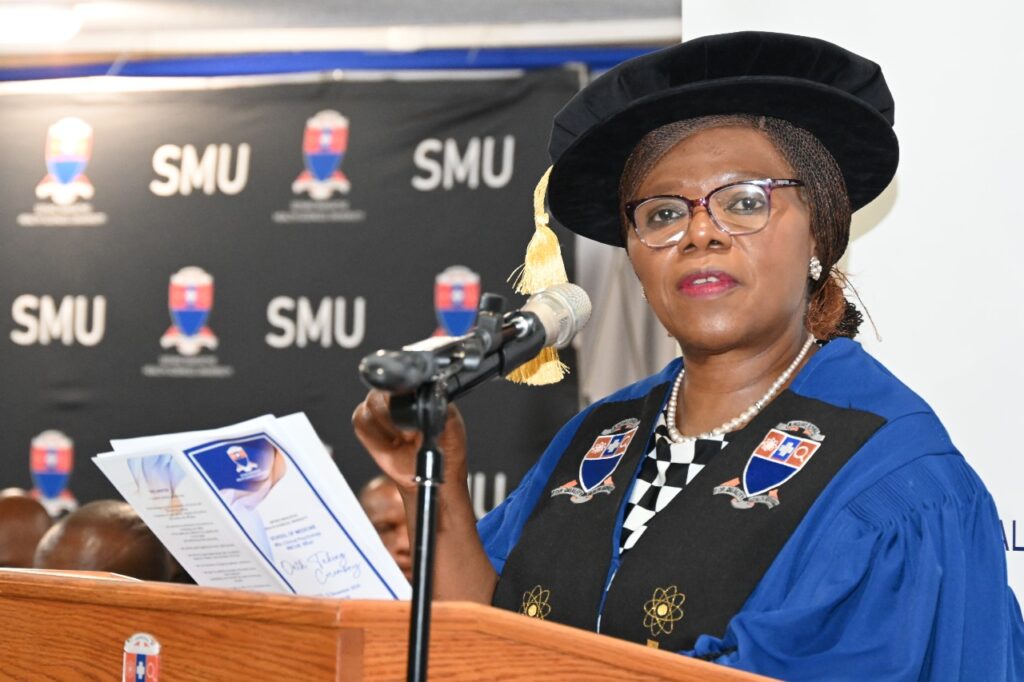
Professor Thuli Madonsela
Professor Thuli Madonsela delivered the keynote address during the School of Medicine’s Oath-Taking Ceremony on 12 December 2024. Her profound words left an indelible mark on the graduates and attendees, as she encouraged them to embody ethical leadership and resilience in their professional journeys.
“Champions do not see falling as a failure,” she reminded the graduates, highlighting the importance of perseverance in the face of challenges. She further urged them to: “Let ethical leadership be the way, always lead ethically and inspire others to do the same.” In a particularly poignant moment, she addressed the future doctors directly: “Walk together on this path, but when integrity demands it, be prepared to walk alone.” Her address underscored the importance of leading with purpose, empathy, and a steadfast dedication to improving lives through healthcare.
Professor Vanessa Moodley, Acting Deputy Dean, reflected on the significance of the events: “We extend our sincere gratitude to Professor Thuli Madonsela for being our distinguished guest speaker. Her valuable insights and wisdom have inspired our students and the SMU community.”
The Oath-Taking Ceremonies represent a critical juncture in the lives of SMU graduates, who pledged to uphold the highest standards of healthcare and ethical practice. These solemn oaths are a testament to SMU’s mission to shape skilled, compassionate, and ethically grounded healthcare professionals.
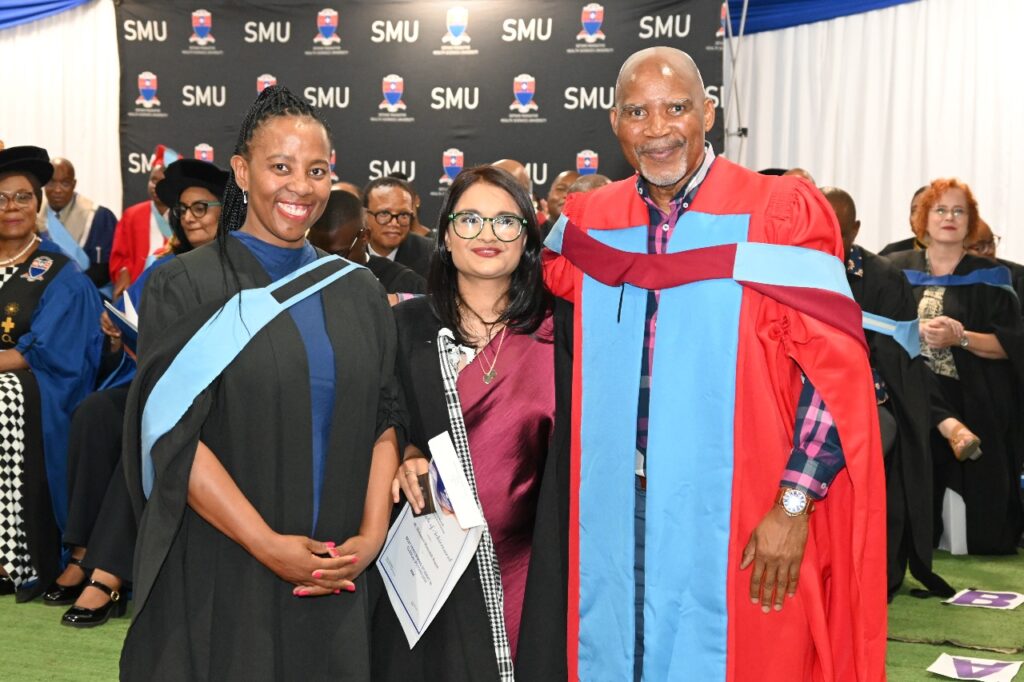 During the ceremonies, Mohamed Masoodah Begum was recognised as the Best Performing Student in Clinical Psychology, exemplifying the academic excellence that SMU nurtures. Her achievement and many others celebrated during the ceremonies reflect the university’s commitment to fostering talent and preparing students to excel in their fields.
As SMU celebrates its 10th anniversary, these events serve as a powerful reminder of its journey and achievements. Over the past decade, the university has stood as a beacon of innovation and excellence in healthcare education, producing leaders who are shaping healthcare systems worldwide. The graduating class of 2024 now join the distinguished ranks of SMU alumni, ready to make meaningful contributions to communities across South Africa and beyond. Their achievements are a testament to the university’s quality education and mentorship, which prepare students to meet the ever-evolving healthcare sector challenges with confidence, expertise, and empathy.
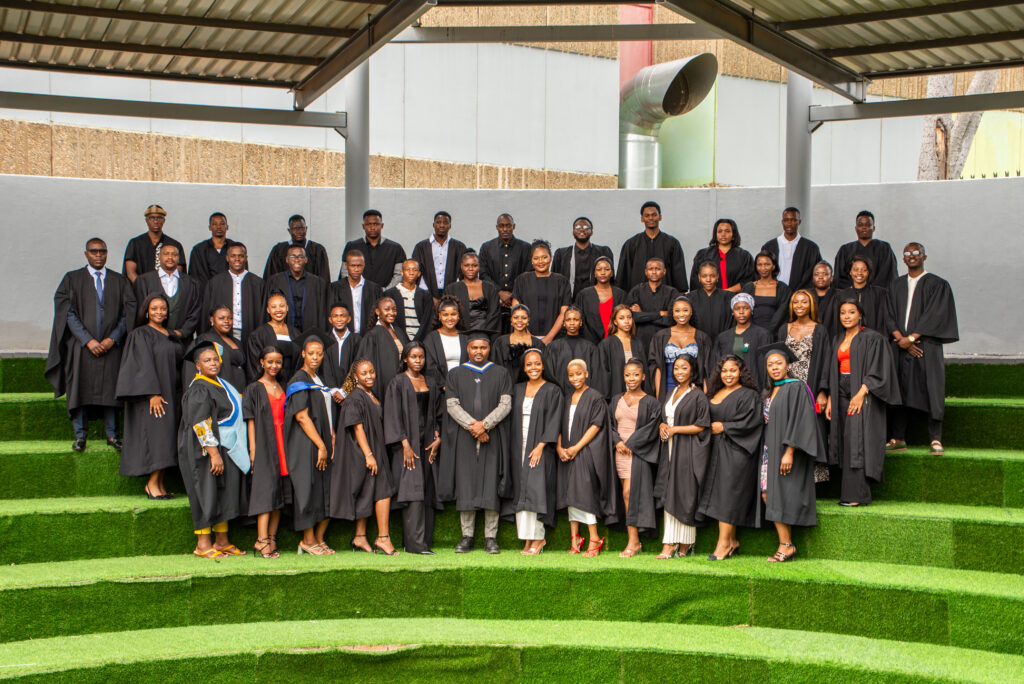 SMU celebrates the graduating class of 2024, whose dedication and hard work have brought them to this pivotal moment. As they step forward into their professional journeys, they carry with them the knowledge and skills acquired at SMU and the values that define this prestigious institution.
By Dimakatso Modise

by Lorato | Dec 13, 2024 | All News, SMU Media, Student Media
In an era that celebrates narrow specialisation, Sefako Makgatho Health Sciences University (SMU) takes immense pride in its alumni who embody versatility and excellence across multiple disciplines. One such alumnus is Vukosi “VJ” Mashele, whose journey from the rural Bonn village outside Tzaneen to international acclaim in media, physics, and life coaching exemplifies SMU’s commitment to nurturing well-rounded leaders who address South Africa’s pressing challenges with innovation and purpose.

Vukosi “VJ” Mashele
Born into a family of educators, Mashele grew up in an environment that instilled intellectual curiosity and empathy. “My mother, a passionate advocate for therapy, taught me the value of open communication and emotional intelligence. My father, a respected community leader, instilled in me the importance of leadership and service,” he reflects. These foundations would later shape a career as diverse as it is impactful.
Drawn to the structured elegance of physics and statistics, Mashele earned his Bachelor of Science degree at SMU. Reflecting on his time at the university, he notes, “Physics taught me dynamic problem-solving, while statistics honed my analytical skills. SMU provided me with a robust academic foundation that transcends traditional boundaries.” This multidisciplinary approach, championed by SMU, laid the groundwork for his ventures into media, academia, and mental health advocacy.
It was at SMU FM, the university’s radio station, that Vukosi discovered his passion for broadcasting. Encouraged by SMU’s Public Relations Officer, Tumelo Moila, he auditioned and began a journey that would connect him to millions of listeners. “SMU FM was where I first realised the power of media to educate and connect communities,” he recalls. His ability to simplify complex concepts for rural audiences has since become a hallmark of his broadcasting style.
Guided by empathy and a desire to make a difference, he pursued certifications in Life Coaching and Neuro-Linguistic Programming (NLP). He conducts grief counselling, personal development masterclasses, and mental health initiatives through his organisation. His work has earned him accolades, including the title of Best Motivational Speaker at the South African Social Media Awards (SASMA) in 2022 and recognition for leading the Best Coaching-Anchored Organisation at the Africa Coaching & Consulting Awards in 2023.
A physicist bridging academic and global platforms
Beyond his achievements in mental health and media, Mashele remains a dedicated physicist, serving on the board of the South African Institute of Physics (SAIP). He actively champions the role of physics in education, research, and innovation, highlighting SMU’s emphasis on producing graduates who contribute to critical national and global conversations.
In 2024, he hosted the African Energy Week, facilitating discussions on eradicating energy poverty across the continent. Reflecting on this milestone, he shares, “Standing on such a global stage affirmed my belief in the power of multidimensional education, much of which I attribute to SMU’s holistic approach to learning.”
From winning a Mail & Guardian 200 Young South Africans award to starring in acclaimed South African productions like The Queen, Mashele’s achievements are a testament to his multidimensional talents. Yet, he remains grounded, focusing on impact over accolades.
“My analytical background enhances my creativity,” he says. “Whether I’m developing radio segments, leading conferences, or innovating my men’s grooming brand, I approach each endeavour with the versatility SMU encouraged in me.”
His advice to young professionals is simple yet profound: “Embrace your uniqueness. Your multidimensionality is your strength, not a weakness. Trust your inner voice—it will always guide you towards fulfilling your potential.”
As a proud alumnus, Mashele embodies SMU’s mission to produce leaders who address South Africa’s most pressing challenges. The university remains committed to nurturing trailblazers like Mashele, who redefine boundaries and leave an indelible mark on the world.
*By Tumelo Moila
by Lorato | Dec 13, 2024 | All News, SMU Media, Student Media
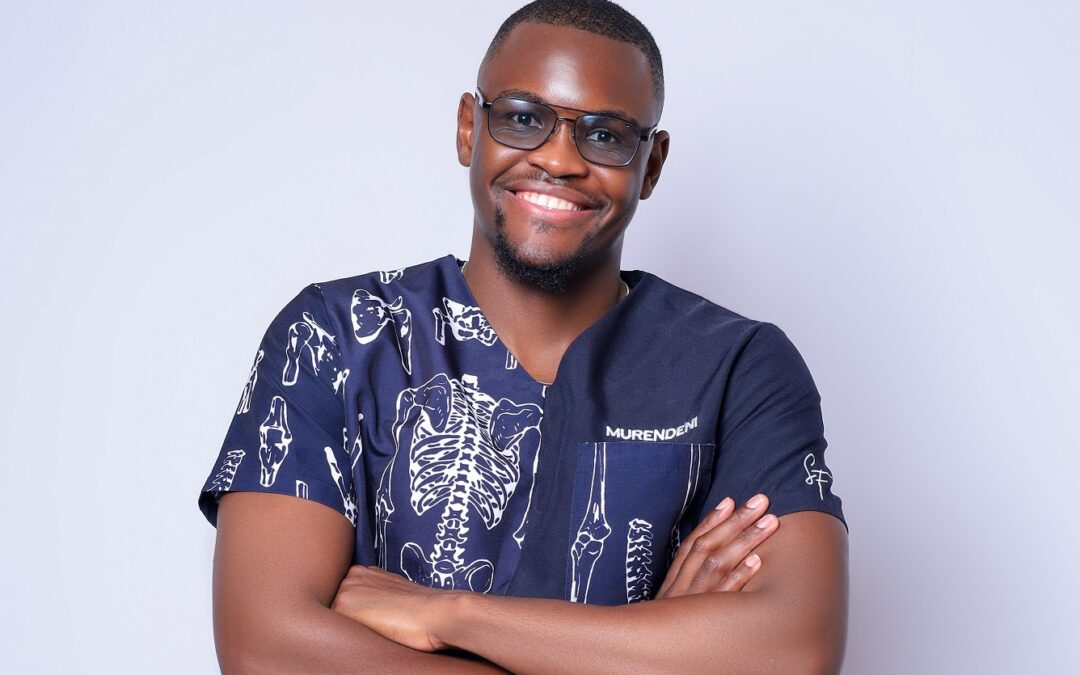
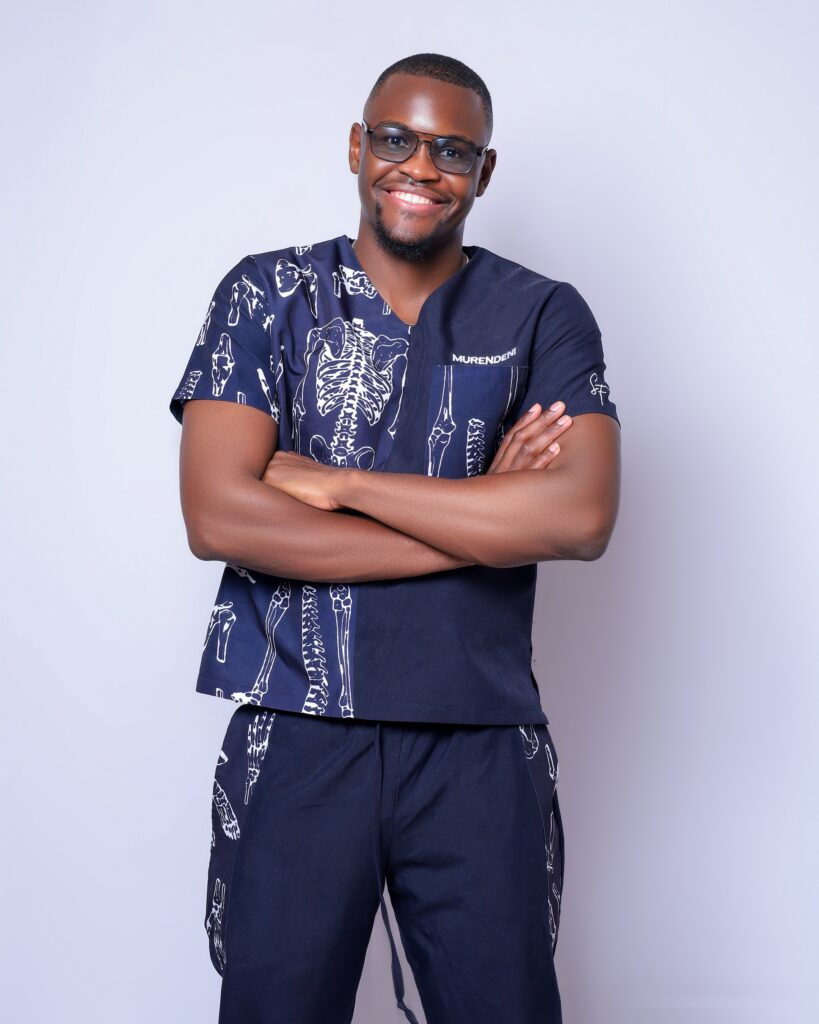
In the heart of rural Venda, where medical resources are scarce and healthcare challenges profound, Murendeni Magosha, an alumnus of Sefako Makgatho Health Sciences University (SMU), is making an indelible impact. As a Radiographer at Tshilidzini Hospital, he is bridging the technological divide and delivering compassionate care that extends far beyond the confines of medical diagnostics. Magosha’s story is a shining example of SMU’s mission to produce healthcare leaders who combine technical excellence with an unwavering dedication to service.
A career driven by faith and service

Murendeni Magosha
Magosha’s journey into radiography was shaped by an early fascination with medical imaging and its profound effect on patient care. A significant influence on his dedication was the late Dr Petrus Masole Ragimana, Pastor and founder of The Living Gospel World Mission. Ragimana, revered as an unsung hero of South Africa, linked faith to action through his doctrine of servant leadership, inspiring countless individuals, including Magosha. His ethos—“To serve God is to serve humanity”—has become a guiding principle in Magosha’s life, influencing his journey from SMU to the heart of underserved communities.
“I chose SMU because it offered a rare combination of robust technical training and a curriculum that emphasised the human side of healthcare,” Magosha recalls. “It wasn’t just about learning the machines; it was about learning how to connect with patients.”
At SMU, Magosha’s training was comprehensive. Through extensive clinical placements, he gained hands-on experience that prepared him for the complexities of real-world healthcare. However, the focus on patient care and interpersonal relationships resonated most with him. “SMU didn’t just teach me how to be a radiographer; it taught me how to care,” he says.
Challenges and triumphs in rural healthcare
Now a seasoned professional, Magosha faces the harsh realities of healthcare in rural communities, where outdated equipment and high patient volumes are the norm. At Tshilidzini Hospital, he works tirelessly to overcome these obstacles with grace and ingenuity, often going beyond his clinical duties to ensure patients receive the care and dignity they deserve.
“The challenges we face here are many,” he admits. “But I see them as opportunities to make a meaningful difference. Every patient deserves the best care, no matter the circumstances.”
Magosha’s work extends beyond diagnostics. He has become a mentor to younger radiographers, leading efforts to optimise patient care and improve workflow. “Healthcare isn’t just about treating illnesses,” he asserts. “It’s about restoring dignity and trust in a community that’s often forgotten.”
Guided by the teachings of his pastor, Magosha approaches his work with a sense of mission that transcends technical proficiency. His faith informs every patient interaction, imbuing his practice with empathy, respect, and a profound commitment to equity in healthcare.
“My faith has been my anchor,” Magosha says. “It helps me maintain perspective, especially on the tough days. When I look at a patient, I see a person—someone’s mother, father, child. It’s my job to treat them with the respect they deserve.”
Magosha’s faith-driven approach to healthcare aligns with SMU’s broader ethos of producing healthcare professionals who are not only skilled but also compassionate and committed to uplifting their communities.
SMU’s role in shaping changemakers
 Magosha’s success highlights the unique role that SMU plays in shaping healthcare leaders who are not just clinicians but also advocates for social justice and equity. The university’s focus on community engagement, combined with its rigorous training, produces graduates who excel under pressure while never losing sight of the human element of healthcare.
“The mentorship I received at SMU was crucial,” he reflects. “It wasn’t just about technical expertise—it was about learning to serve with heart. I was taught that healthcare is as much about humanity as it is about technology.”
Magosha’s journey from SMU to the rural hospitals of South Africa exemplifies the transformative power of education, compassion, and faith in healthcare. His work at Tshilidzini Hospital models how healthcare professionals can lead with skill and empathy, transforming the medical landscape and the communities they serve.
As Magosha continues to mentor young radiographers and advocate for improved healthcare access in underserved areas, his legacy grows—not just as an alumnus of SMU but as a beacon of hope and excellence in the fight for healthcare equity.
His story is a powerful reminder of SMU’s enduring mission: to produce professionals who excel in their fields and elevate the lives of those who need it most. Through his work, Magosha is proving that healthcare is about more than just treatment—it’s about transforming lives.
* By Tshimangadzo Mphaphuli

by Lorato | Dec 13, 2024 | All News, SMU Media, Student Media
As Sefako Makgatho Health Sciences University (SMU) celebrates its 10th anniversary in 2024, it stands as an academic institution and a cornerstone of South Africa’s healthcare system. The university’s role extends far beyond education; it has become an integral force in shaping both the future of healthcare in the nation and the wider African continent. The impact of SMU—rooted in a rich history of medical training and social justice—remains an enduring force in tackling some of the most pressing health challenges facing the country.
 SMU’s journey is deeply entwined with South Africa’s history. Founded in 1976 as the Medical University of South Africa (Medunsa), the institution was established at a time when apartheid policies had left many communities in the country without adequate access to healthcare. Medunsa’s creation was a direct response to this inequality, focusing on training healthcare professionals who would serve in under-resourced and rural areas where healthcare was most needed. At the time, South Africa’s healthcare system was marred by disparities, and Medunsa’s role was pivotal in addressing these inequities. It produced generations of doctors, nurses, and other healthcare professionals who were committed to social justice and health equity, giving Medunsa a distinct place in the country’s medical history.
The renaming of the university in 2014 to Sefako Makgatho Health Sciences University marked a significant shift in name and purpose. The new name was a tribute to a respected leader of the African National Congress, symbolising a commitment to transformation, inclusivity, and progress. This new chapter emphasised the university’s forward-looking vision and the importance of developing healthcare professionals who could respond to the changing needs of a democratic South Africa. With a focus on integrating modern medical research, clinical practice, and public health advocacy, SMU set out to expand its role from merely an academic institution to a global leader in health science education and research.
The university has since built upon the legacy of Medunsa, consistently striving to improve the quality and reach of its educational offerings. Its faculties and schools continue to lead in medical research, focusing on some of the country’s most critical health issues, such as HIV/AIDS, tuberculosis, and maternal health. For example, the university has been at the forefront of clinical research, addressing challenges that uniquely affect South Africans and others in the Global South. This research is scientifically significant and aims at practical solutions to real-world problems.
The university’s alumni have played a substantial role in transforming the South African healthcare landscape. Many SMU graduates trained under the institution’s early commitment to social responsibility now occupy leadership roles in hospitals, clinics, and governmental health agencies across the country. Some have also gained international prominence, working with global organisations to address health crises around the world. These alumni are advocates for reform, pushing for improvements in healthcare delivery, public health policy, and patient care, particularly in underserved communities.
SMU’s emphasis on social responsibility remains at the heart of its mission. The university has long supported community-based health initiatives and outreach programmes, which allow students to engage directly with the communities they will serve. These initiatives, often focused on rural and disadvantaged areas, embody the university’s deep commitment to improving health and well-being across South Africa. Through its work, SMU has demonstrated the power of academic institutions to serve as catalysts for social change.
Looking forward, SMU’s role in shaping South Africa’s healthcare system is poised to grow even more influential. With new international partnerships, expanding research opportunities, and a dedication to cutting-edge technologies, the institution is strengthening its position as a global leader in health sciences. The university is attracting talent from across Africa and the world, further solidifying its place as a key player in addressing the world’s most complex health challenges.
As South Africa continues to tackle the evolving challenges of healthcare provision in the 21st century, SMU stands at the forefront, committed to developing the next generation of healthcare professionals who will shape the future of the country’s health system. With its rich legacy of excellence, social responsibility, and innovation, SMU is a symbol of South Africa’s resilience and dedication to providing equitable, quality healthcare for all.
*By Tshimangadzo Mphaphuli
by Lorato | Dec 9, 2024 | All News, SMU Media, Student Media
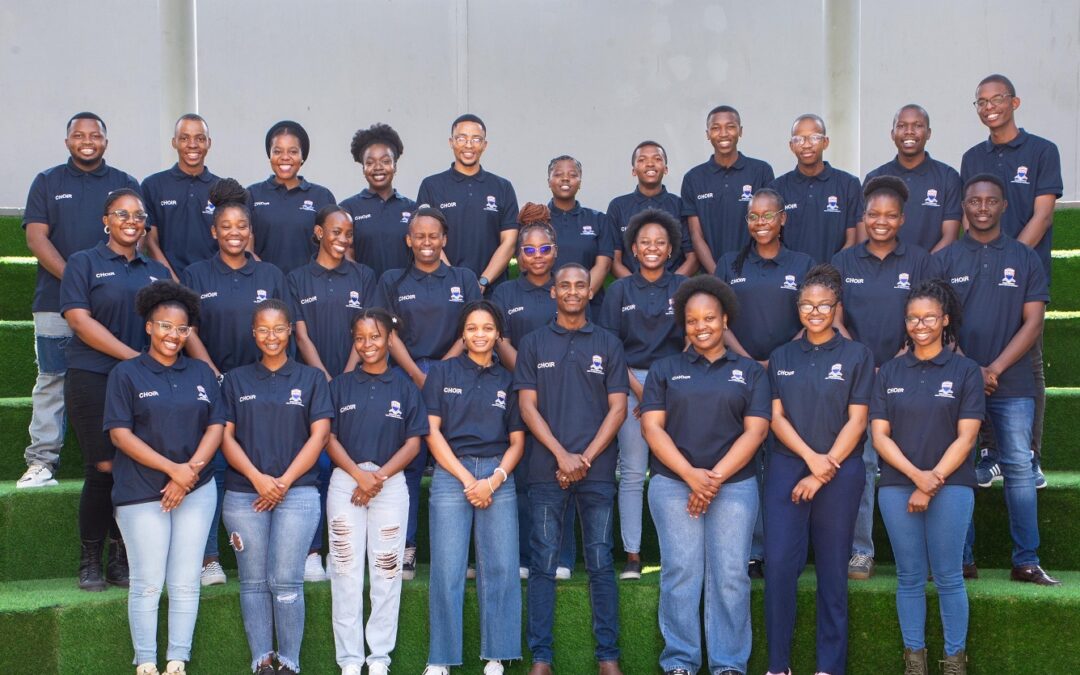
The Sefako Makgatho Health Sciences University (SMU) Choir has again proven its excellence, clinching victory in the Development Category at the esteemed Tshwane Choral Music Association (TCMA) Competition on 30 November 2024. With an impressive score of 148/200, this accomplishment underscores the choir’s dedication, resilience, and remarkable talent.
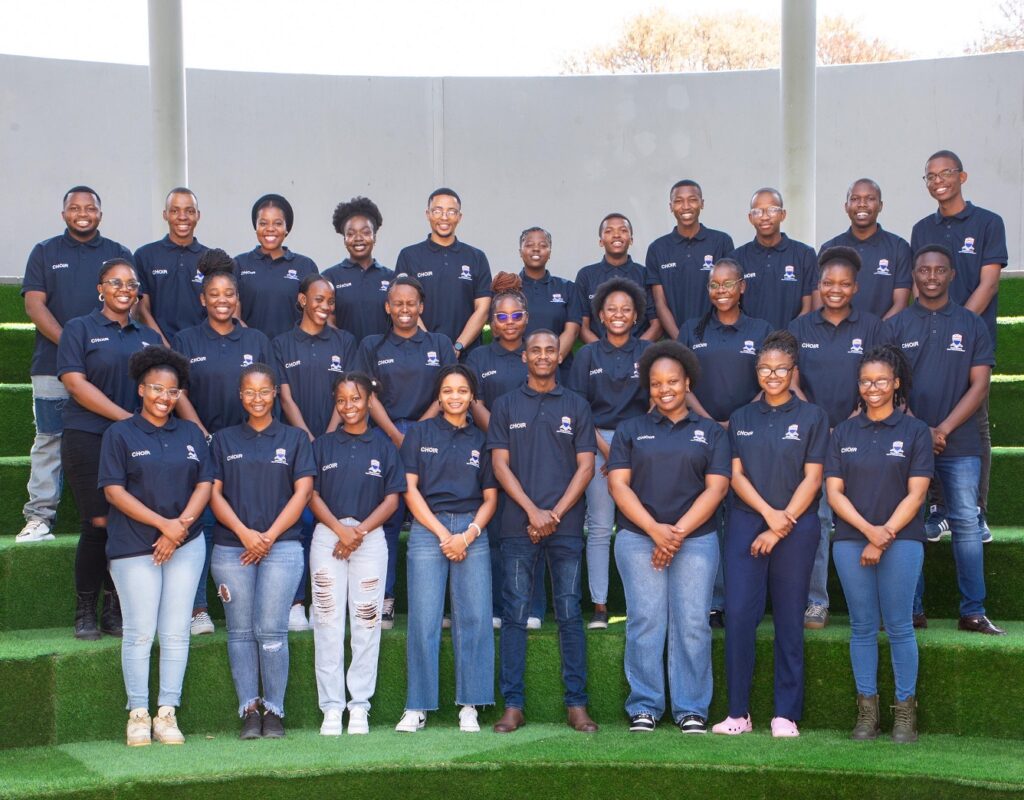
SMU Choir
“This victory raises the SMU flag high, showcasing our institution as a home of excellence,” says Chairperson Nzuzo Mpondwana. Reflecting on their growth, Mpondwana shares how the choir has evolved from passionate students to a polished, professional ensemble. “This achievement offers hope and reassures us of the choir’s potential to rank among the best.”
The decision to compete in the TCMA Competition was both deliberate and strategic. “The executive committee included it in our action plan for the year (2024),” explains Mpondwana. Under the guidance of their conductor, Tumisho Mampa, the choir selected the TCMA event due to its alignment with the choir’s growth trajectory and its student-friendly nature.
Preparation for the competition was rigorous, requiring immense sacrifices from members. Academic responsibilities were carefully balanced with intensive rehearsals, including overnight practice sessions late into the night. “Despite the challenges, it was worth it,” he says. The conductor’s steadfast support and the unwavering commitment of the choristers were central to their success.
The journey to victory was not without its obstacles. Logistical challenges arose, such as securing entrance tickets and arranging financial support. “The Director of Student Affairs, Tulani Nkuntse, stepped in and provided essential financial support for transportation, food, and other needs,” Mpondwana recounts. This collaboration between university leadership and the choir ensured the smooth participation of all members.
The SMU Choir’s renditions of “Heaven’s Flock” and “Leuba le Tlile” were showstoppers, captivating judges and audiences. The Western piece “Heaven’s Flock” by Ēriks Ešenvalds explores spiritual migration, hope, and transcendence themes. The African piece, “Leuba le Tlile”, composed by the choir’s conductor, Mampa, reflects the devastation of the COVID-19 pandemic, using powerful metaphors to convey loss and resilience.
“These pieces resonate deeply with our journey as a choir and connect us to our audience,” explains Mampa. The heartfelt performances showcased technical skill and conveyed profound emotion, earning the choir its deserved accolades.
The SMU Choir thrives under the strong leadership of its executive committee, which comprises six dedicated members, each a student pursuing a different academic discipline:
- Chairperson: Nzuzo Mpondwana (Bachelor of Science in Life Sciences)
- Secretary General: Akwandokuhle Mthabela (Bachelor of Occupational Therapy)
- Deputy Secretary General: Bonolo Kgomo (Bachelor of Science in Occupation and Environmental Health)
- Treasurer: Nthabiseng Modjadji (Bachelor of Science in Physiotherapy)
- Public Relations Officer: Kgaugelo Mohlahlo (Bachelor of Nursing and Midwifery)
- Event Organiser: Covenant Ngomana (Master of Pharmacy).
“His leadership has transformed us into a professional choir,” said Mpondwana of conductor Mampa. The unity of the choir is further strengthened by its diversity, with members from different cultural and religious backgrounds coming together in harmony. “We prioritise ubuntu and respect, embracing our differences,” adds Mampa.
The choir’s triumph highlights the complementary role of extracurricular activities in academic life. “Being part of the choir provides an escape from academic stress and enhances mental well-being,” shares Mpondwana. The success story inspires other students at SMU, proving that commitment and teamwork can lead to extraordinary achievements.
Buoyed by this victory, the SMU Choir is now setting its sights on national and international competitions in 2025. “With financial support, we aim to represent SMU on bigger stages,” says Mampa. The choir also plans to host concerts on campus, inviting students and staff to enjoy their harmonies.
“The SMU Choir is a home for all who love music,” says Mpondwana, encouraging students to join during the upcoming recruitment drive. “We maintain high ethical standards and welcome everyone ready to uphold these values.”
The choir expressed heartfelt gratitude to their conductor, Tumisho Mampa, whose guidance and musical expertise have been instrumental. They also thanked Tulani Nkuntse, the Director of Student Affairs, and other stakeholders for their support.
The SMU Choir’s victory at the TCMA Competition is more than just a win; it is a celebration of hard work, resilience, and the transformative power of music. With determination and unity, the choir continues to inspire, leaving a harmonious mark on every stage they grace.
*By Tumelo Moila
by Lorato | Dec 9, 2024 | All News, SMU Media, Student Media
At Sefako Makgatho Health Sciences University (SMU), success is more than just academic achievement—it reflects the university’s unwavering commitment to developing well-rounded individuals. Between 28 November and 7 December 2024, SMU showcased this ethos with a string of exceptional achievements across sport, choral music, and international staff collaboration. From harmonious melodies to strategic brilliance and powerful athletic displays, the week vividly celebrated talent, passion, and unity.
A symphony of success: The SMU Choir sets the tone
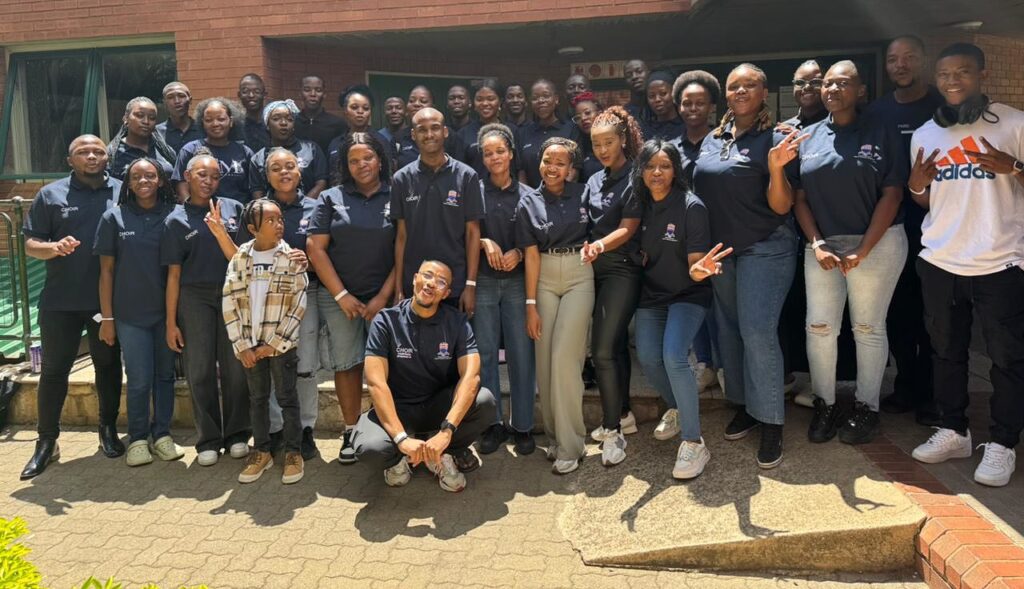 The journey began with the SMU Choir, whose performance at the Tshwane Choral Music Association (TCMA) competition on 30 November captivated audiences and judges alike. Competing in the Development Category, the choir delivered a flawless rendition of Heaven’s Flock to secure first place in the Western Song Category. Their spirited interpretation of Leuba le Tlile earned them second place in the African Piece Category.
These achievements were far more than musical triumphs—they reflected the discipline, teamwork, and cultural excellence that lie at the heart of SMU’s approach to student development. The choir’s harmonious success set the stage for what would become a remarkable week for the university.
Chess brilliance: SMU strategists dominate the board
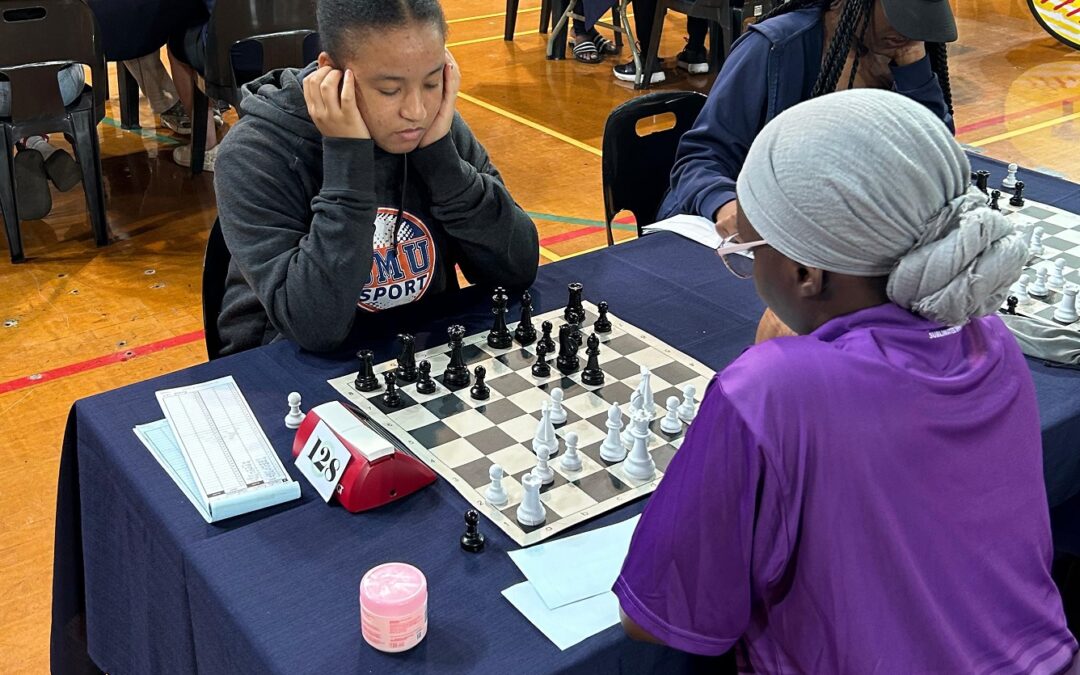
 In the competitive arena of mind and strategy, SMU’s Chess Team emerged as a formidable force at the USSA Chess National Championships, held at the University of Pretoria. Over several intense days, the team’s skill and focus were unmatched. Standout performer Tshegofatso remained unbeaten in the first six rounds, leading the charge for SMU. Meanwhile, the ladies’ team dominated the log standings, inching closer to ultimate victory.
Beyond their competitive success, SMU Chess players also stepped into leadership roles on a national level. At the USSA Chess AGM, Coach Johannes Mabusela was elected Chairperson, while Angela Moshoma secured the position of Secretary—clear evidence of SMU’s influence extending beyond the game itself.
Grace, strength, and determination: SMU’s sporting excellence
 From precision on the chessboard to physical excellence on the field, SMU’s athletes proudly carried the university’s banner at multiple national championships.
The SMU Aerobics Team brought their energy and athletic grace to the 2024 USSA Aerobics National Championships in East London. Competing against top-tier talent, they embodied the endurance and dedication that define SMU athletes. At the same time, second-year MBChB student Rameez Ebrahim represented SMU in Cape Town at the USSA Table Tennis Championships, showcasing the balance between academic and sporting commitment.
Not to be outdone, three talented netball players—Nokwanda Zwane, Sinesipho Mpofane, and Relebogile Mpoyana—earned the prestigious opportunity to represent Team Royal Bafokeng at the SA Netball National Championships. Their selection speaks volumes about the calibre of athletes nurtured at SMU and the university’s unwavering support for sporting excellence.
Beyond borders: Staff unite through sport
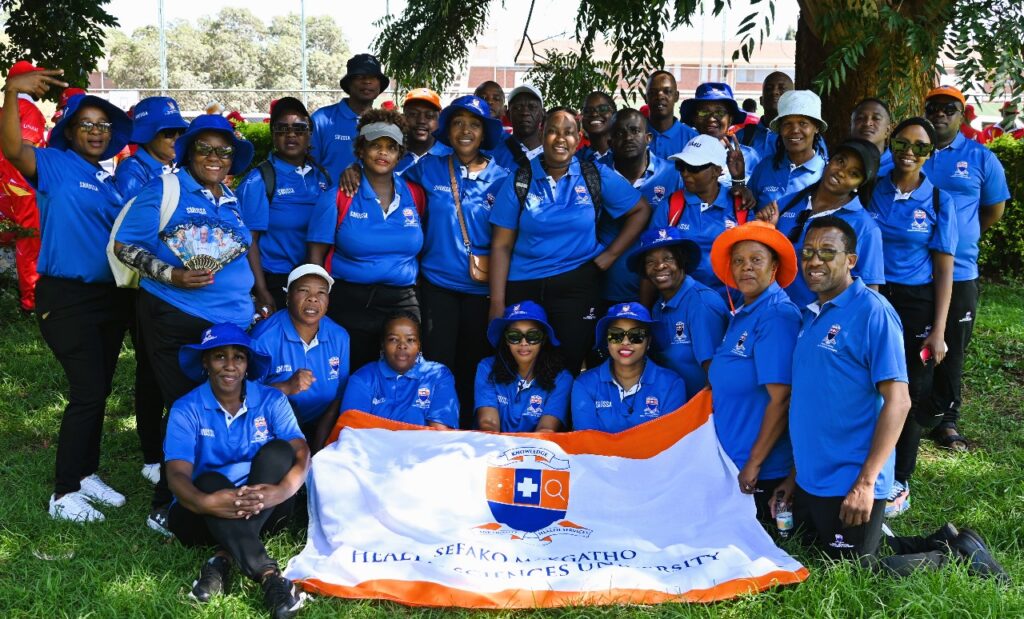 The spirit of teamwork and collaboration extended beyond student achievements as SMU staff participated in the Southern African University Staff Sport Association (SAUSSA) Games in Zimbabwe. From 1 to 6 December, staff members competed alongside colleagues from across the region, fostering camaraderie and strengthening bonds through sport.
These games highlighted an important truth: sport is not just about competition but unity, collaboration, and shared pride. SMU staff embodied these values, demonstrating the university’s belief in holistic well-being for its entire community.
A legacy of excellence and unity
Whether on stage, on the chessboard, on the court, or across international borders, SMU’s achievements reflect a university dedicated to nurturing talent in all its forms. Students and staff alike showcased resilience, passion, and excellence, proving that success at SMU goes beyond academics.
This week of triumph is a testament to SMU’s commitment to creating a supportive environment where individuals are encouraged to grow holistically, achieve their potential, and inspire others. As the melodies of the choir linger and the echoes of sporting victories resound, SMU stands tall—an institution where talent thrives, champions are made, and excellence is the standard.