by Lorato | Dec 9, 2024 | All News, SMU Media, Student Media
South Africa’s healthcare system is a battlefield for resources, resilience, and reform. At the forefront of this fight stands Aluwani Manenzhe, a proud alumna of Sefako Makgatho Health Sciences University (SMU), whose work exemplifies the university’s commitment to producing healthcare leaders who leave an indelible mark on society.

Aluwani Manenzhe
Born in Thohoyandou, Limpopo, and raised in a modest community where resources were scarce, Manenzhe’s rise to prominence as the President of the Occupational Therapy Association of South Africa (OTASA) is a story of grit, determination, and an unwavering belief in the power of education. Her journey underscores SMU’s pivotal role in transforming students into agents of change who tackle some of the nation’s most pressing challenges.
Manenzhe grew up as the eldest of four daughters, finding early inspiration in her Catholic education. Guided by a mission to counteract the oppressive Bantu Education system, her schools instilled a belief in education as a tool for empowerment and justice. But life was not without setbacks.
When her initial matric results were insufficient to qualify for university, she boldly decided to repeat the class at a less-resourced school. It was here, amid chalkboards in disrepair and a shortage of books, that she learned one of her most enduring lessons: “Hard work matters more than circumstances,” she recalls.
It was through SMU, however, that her life took a transformative turn. Despite the challenges of transitioning to higher education, Manenzhe flourished in SMU’s inclusive and rigorous environment. The university’s emphasis on excellence and adaptability prepared her to face the complex realities of South Africa’s healthcare landscape.
From student to changemaker
Graduating in 1997 as an occupational therapist, Manenzhe credits SMU for cultivating the leadership qualities she would later deploy on a national stage. She recalls the painstaking insistence of her lecturers on excellence: “They wouldn’t tolerate mediocrity, even in the smallest task. That discipline shaped my entire career.”
Today, Manenzhe’s name is synonymous with transformation in occupational therapy. Under her leadership, OTASA has pushed for increased recognition of the profession, particularly in underserved communities. “Occupational therapy brings hope to lives that challenges would otherwise shatter,” she explains.
Her initiatives include community-based rehabilitation programmes that empower caregivers and advocate for patient autonomy. These programmes have restored dignity and functionality to countless South Africans, from children with cerebral palsy to adults recovering from strokes.
Manenzhe’s story is not merely one of personal triumph but a mirror reflecting SMU’s broader mission: to serve marginalised communities while elevating healthcare standards. She is acutely aware of the disparity in access to rehabilitation services, a challenge that has long plagued South Africa’s healthcare system.
Her leadership in OTASA has resulted in groundbreaking collaborations with policymakers, healthcare funders, and corporate stakeholders. By advocating for the inclusion of rehabilitation in the National Health Insurance framework, Manenzhe is paving the way for occupational therapy to be recognised as a cornerstone of comprehensive healthcare.
Manenzhe’s leadership style—assertive, compassionate, and solution-focused—is a testament to SMU’s unique approach to education. From her first days on campus, she was immersed in a melting pot of cultures, ideas, and challenges. The university’s interdisciplinary programmes and clinical rotations exposed her to the stark realities of South African healthcare while equipping her with the tools to effect meaningful change.
Her presidency of OTASA is only the latest chapter in a career that has spanned both public and private healthcare. From initiating caregiver empowerment programmes in Limpopo to spearheading policy reforms at a national level, she embodies the spirit of SMU: a relentless drive to improve lives.
For current SMU students, Manenzhe offers this advice: “Leadership requires growth and consistency. Build a solid foundation, fail enough to be cautious, and dare enough to know the value of calculated risk.” She also stresses the importance of humility: “Serve those you lead, and they will make you their leader.”
Looking to the future, she envisions SMU playing a central role in healthcare reform through partnerships with its alumni. She urges the university to leverage its research capacity and alumni expertise to shape South Africa’s health policies and community development.
SMU’s enduring impact
Manenzhe’s journey from a determined young girl in Thohoyandou to a nationally recognised leader is a testament to SMU’s impact on its students and society. Her achievements prove that SMU does not merely produce graduates; it produces leaders, innovators, and change agents who transform communities. In a country where healthcare equity remains an elusive goal, the story of Manenzhe offers hope. She is proving that education is the most powerful tool for change when harnessed effectively.
By Tshimangadzo Mphaphuli

by Lorato | Dec 9, 2024 | All News, SMU Media, Student Media
In just a decade since its inception, Sefako Makgatho Health Sciences University (SMU) has firmly established itself as a beacon of excellence in the context of health sciences education in South Africa. Built upon a foundation of world-class research, cutting-edge medical training, and a commitment to social justice, SMU has consistently elevated the standards of healthcare education in the country, positioning itself as a global leader.
 From its roots in the vibrant health sciences sector, SMU has been deeply committed to integrating innovation with its academic rigour, forging a path of excellence that is evident in every facet of the institution’s operations. This dedication is seen not only in the quality of its graduates but also in the research output that resonates on a global scale. This combination of impactful research, academic achievement, and forward-thinking leadership distinguishes SMU as a force in the international academic community.
Shaping tomorrow’s health leaders
A key driver of SMU’s success has been its unwavering focus on producing health professionals who are skilled in their fields and equipped with the critical thinking and leadership abilities necessary to address the challenges of a rapidly evolving global health landscape. This holistic approach to education ensures that SMU graduates are not merely participants in the healthcare field but leaders who shape policy and practice across Africa and beyond.
The university’s commitment to academic excellence is reflected in its world-class faculty members, who are at the forefront of research in fields such as drug discovery, forensic anthropology, and public health. SMU’s research initiatives have been consistently recognised internationally, with numerous collaborations with leading global institutions. These collaborations not only bolster SMU’s academic standing but also contribute to the development of new treatments and innovations that address some of the most pressing health challenges of our time.
Equally important is SMU’s deep engagement with local communities. The university has developed initiatives that not only respond to South Africa’s healthcare needs but also offer solutions to global health issues. By actively engaging with the communities it serves, SMU demonstrates that excellence in education and research is inseparable from its responsibility to contribute positively to society.
In an era of increasingly complex global health challenges, SMU’s focus on interdisciplinary collaboration ensures that its students are trained to work across borders and understand the complexities of health systems worldwide. Its partnerships with international universities and organisations provide students with opportunities to gain invaluable global perspectives, while its faculty members contribute to international policy discussions on health-related issues.
Innovation at the core of SMU’s teaching and learning
The university’s impact is not limited to academic circles. SMU students and graduates are transforming the healthcare landscape, contributing to clinical practice, research, and public health policy advancements. Many of SMU’s alumni occupy prominent positions within healthcare institutions, government, and international organisations, where they continue to drive innovation and set new benchmarks for the healthcare sector.
SMU’s commitment to developing leaders who are both academically proficient and socially responsible is integral to its philosophy. The university’s ethos is rooted in the belief that education should extend beyond the classroom, empowering students to become advocates for health equity and social justice. This is evident in the numerous community outreach programmes the university runs, where students and staff work to provide healthcare solutions in under-resourced areas. As SMU looks to the future, it remains steadfast in its mission to be at the forefront of health sciences education in South Africa and globally.
In just ten years, SMU has proven to be a university deeply rooted in excellence. Through its unwavering commitment to research, teaching, and community service, the institution has built a competitive, dynamic, and innovative reputation, ensuring that its graduates are equipped to tackle the world’s most urgent health challenges. With an eye on the future and a firm grasp of the present, SMU stands as a true leader in the health sciences, embodying the values of excellence, innovation, and social responsibility.
By Tshimangadzo Mphaphuli

by Lorato | Dec 9, 2024 | All News, SMU Media, Student Media
Sibusiso Reuben Kutama’s journey from a modest upbringing in Limpopo to an esteemed role as a Clinical Dietitian at Qatar’s Hamad Medical Corporation highlights resilience, ambition, and world-class training. A proud alumnus of Sefako Makgatho Health Sciences University (SMU), Kutama credits the institution’s rigorous and holistic dietetics education for equipping him to excel on an international stage. His career not only underscores the global impact of SMU graduates but also illustrates the vital role of nutrition in transforming healthcare worldwide.

Sibusiso Reuben Kutama
Kutama’s story began with a simple yet profound curiosity about the role of nutrition in health. As a young boy growing up in Limpopo, personal health challenges ignited his passion for understanding dietetics. His drive led him to SMU, where the university’s emphasis on producing well-rounded healthcare professionals nurtured his talent.
“My undergraduate studies at SMU laid the foundation for my global career. The comprehensive programme and hands-on training ensured I was equipped with technical skills, empathy, and the ability to adapt to diverse challenges,” Kutama recalls.
After refining his craft at the renowned Chris Hani Baragwanath Academic Hospital, Kutama’s dedication saw him thrive under resource constraints, managing enteral feeds and parenteral nutrition for complex cases. This experience became instrumental in preparing him for his current role in Qatar.
“Working in South Africa taught me to be resourceful and innovative. These skills have been invaluable in Qatar, where I work with patients from diverse cultures and backgrounds,” he says.
At Hamad Medical Corporation, Kutama represents the excellence of SMU graduates as the only South African dietitian in the organisation. Despite challenges such as cultural differences and language barriers, he takes pride in delivering patient-centred care. “Each day presents an opportunity to learn and grow. It’s fulfilling to see how nutrition can transform lives,” he shares.
Kutama’s commitment to research and innovation remains a defining feature of his career. His interest in preventative nutrition—a field with profound implications for global health—drives his work. Recent studies on probiotics and prebiotics have influenced his approach, underscoring his dedication to evidence-based care.
Reflecting on a particularly memorable case from his time in South Africa, Kutama recounts helping a young patient recover from post-surgical complications through a structured nutritional plan. The patient eventually regained his health, completed his education, and moved abroad—a testament to the transformative role of dietetics.
For Kutama, sharing knowledge is as important as acquiring it. He actively encourages SMU students and recent graduates to think globally and embrace opportunities to work in diverse environments.
“Sefako Makgatho Health Sciences University’s Bachelor of Science in Dietetics and Nutrition is globally recognised. My advice is to use this as a springboard to dream big, think creatively, and make a difference wherever you go,” he says.
Kutama’s journey demonstrates the transformative education provided by SMU. As a university dedicated to health sciences, SMU equips its students with the skills, resilience, and mindset to excel globally. From its state-of-the-art facilities to its commitment to fostering research, the institution remains a beacon of academic and professional excellence.
As Kutama continues to make strides in Qatar, his story inspires aspiring healthcare professionals and powerfully illustrates SMU’s ability to produce graduates capable of shaping the future of healthcare.
From Limpopo to Qatar, Kutama’s career epitomises the values of perseverance, innovation, and dedication. His journey underscores the global reach of SMU, a cornerstone in nurturing healthcare leaders who inspire change and improve lives across borders.
By Dimakatso Modise

by Lorato | Dec 9, 2024 | All News, SMU Media, Student Media
Moloko Riah Mehlape, a distinguished Lecturer and proud alumna of Sefako Makgatho Health Sciences University (SMU), continues to elevate the university’s reputation as a hub of academic excellence and impactful leadership. Recently named Media Personality of the Year at the prestigious African Health Excellence Awards, Mehlape credits this honour to her commitment to delivering accurate, evidence-based health information. “This award is not just for me but for everyone dedicated to advancing sound health education,” she reflects.

Moloko Riah Mehlape
Her expertise and influence on leading platforms such as Power FM and various SABC radio and television stations highlight the calibre of academics produced by SMU. Mehlape’s work in nutrition underscores the university’s role in addressing critical societal issues. “This recognition motivates me to amplify credible health messaging, particularly in combating misinformation around nutrition,” she emphasises, showcasing the essential role of qualified voices in shaping public understanding of health and wellness.
Mehlape’s journey in nutrition advocacy began during her high school years. Despite limited resources, her passion for biology led her to excel and achieve a distinction—the first at her underprivileged school. “That achievement proved that with determination, anything is possible,” she recalls.
Her academic journey began at the University of Limpopo (Medunsa Campus), now known as Sefako Makgatho Health Sciences University (SMU), where she earned a Bachelor of Science in Dietetics in 2012. During her final year, she excelled as the top student, receiving awards for Best in Therapeutic Nutrition, Community Nutrition, Research, and Best Overall Performer in Dietetics Practice. She later pursued a Master of Science in Dietetics at the University of Pretoria (UP), graduating in 2019. Her master’s research project, titled “Nutrition knowledge, attitudes, and practices of soccer and basketball athletes at a sports academy in North West Province,” earned her the award for Best Oral Presentation in Clinical Sciences at UP. These achievements reflect her academic excellence and solidified her determination to create a healthier society through the transformative power of nutrition.
As a lecturer, media advocate, and PhD candidate, Mehlape wears many hats with grace and efficiency. Her disciplined routine begins at 3 AM to accommodate her responsibilities. “I start my day early to make time for research, teaching, and media engagements,” she explains.
Her current PhD research focuses on sports nutrition, aiming to design educational programs for professional athletes. “Nutrition can transform performance and recovery,” she emphasises, envisioning a future where sports training seamlessly integrates nutrition science.
Mehlape is a staunch advocate against nutrition misinformation. Viral trends, such as the dangerous coffee-and-vinegar weight loss concoction, deeply concern her. “Healthcare professionals must take up space in media to counteract misleading advice,” she asserts.
 Through her active presence on social media, Mehlape educates the public on science-backed nutrition practices. She encourages her peers to engage with the public and use platforms like X (Twitter) to promote credible health information.
As a mentor and educator, she takes pride in shaping the next generation of dietitians. “I guide students to think critically, not just memorise,” she shares. Beyond the classroom, she supports students as they transition into private practice or further studies.“A great leader inspires through example,” Mehlape believes, and she hopes to formalise a mentorship program in the future to support aspiring dietitians.
Looking ahead, she sees vast opportunities for dietitians to innovate in sports nutrition, medical food services, and reproductive health. Despite limited job opportunities, she encourages dietitians to carve out new spaces. “There’s so much room for creativity and innovation,” she says, confident in the transformative potential of her field.
Mehlape aims to leave a lasting legacy of practical, evidence-based nutrition advocacy through her ongoing research, media work, and mentorship.
Mehlape’s advice is clear for those entering the field: “Never stop learning.” She encourages participation in CPD events, networking at nutrition congresses, and using social media strategically. “My private practice, Moloko Mehlape Registered Dietitians, thrived after I started promoting it on X,” she reveals, urging others to build their visibility and connections.
Mehlape’s multifaceted career is a testament to her dedication to improving public health. Through her academic contributions, impactful media presence, and mentorship, she continues to inspire a new generation of dietitians to embrace innovation and evidence-based practices. Her work elevates the profession and demonstrates the transformative power of nutrition advocacy, making her a true beacon of excellence in the field.
By Tumelo Moila
by Lorato | Dec 9, 2024 | All News, SMU Media, Student Media
In a country grappling with the world’s largest HIV epidemic, access to reliable testing and treatment is more critical than ever. At the heart of this fight is the Sefako Makgatho Health Sciences University (SMU), where science, research, and compassion converge to tackle the HIV/AIDS crisis head-on.
Dr Ramokone Maphoto
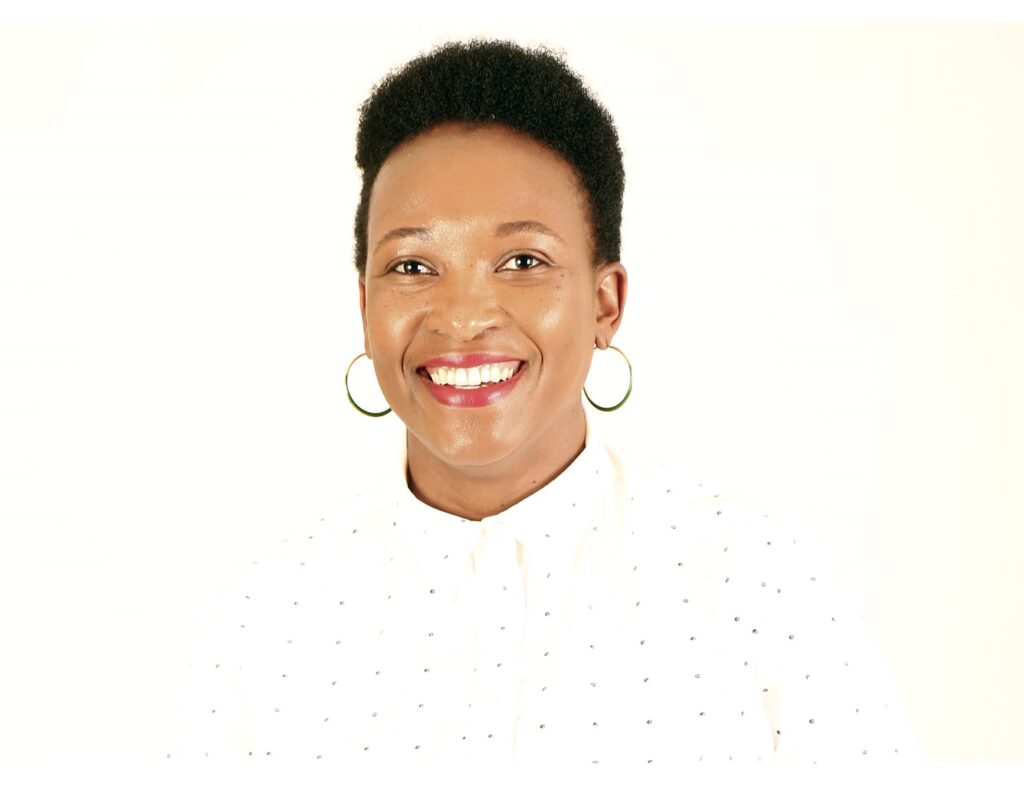
Dr Ramokone Maphoto, a Senior Pathologist in Virology at SMU and the National Health Laboratory Service (NHLS) believes the 2024 World AIDS Day theme—“The Rights Path: My Health, My Right”—perfectly reflects her department’s mission.
“Access to healthcare is a fundamental right. At SMU, we ensure HIV testing is affordable, accurate, and accessible, especially for underserved communities,” Maphoto explains.
Strategically located to serve vulnerable populations, SMU’s Virology Department operates as a hub for HIV testing and treatment monitoring. Their work extends beyond lab walls to empower clinics, district hospitals, and regional facilities. As HIV continues to affect millions, SMU’s role in strengthening South Africa’s health infrastructure cannot be overstated.
In South Africa, reaching the United Nations’ 95-95-95 goals—where 95% of people know their status, 95% of those diagnosed receive treatment, and 95% achieve viral suppression—remains a monumental task. Maphoto points out that while strides have been made, challenges persist.
“To close these gaps, we’ve automated advanced HIV testing technologies to increase capacity. Our lab operates 24/7 to meet demand, ensuring timely results,” she shares. This precision is crucial: timely viral load monitoring allows clinicians to detect treatment failures early, optimising patient care and reducing transmission.
Driving Innovation Through Research
At SMU, cutting-edge research drives the fight against HIV. Dedicated research units focused on HIV and Hepatitis have produced studies that influence national prevention and treatment strategies. “Our research doesn’t just sit on shelves; it’s shaping healthcare policies and clinical practices,” says Maphoto.
The department’s work also invests in South Africa’s future healthcare workforce. By training registrars, honours, and master’s students, SMU ensures a steady pipeline of skilled virologists—professionals who will strengthen the country’s response to HIV for years to come.
Beyond science, SMU is tackling a deeper battle: the stigma surrounding HIV/AIDS. Through community outreach programmes and collaborations with other university departments, Maphoto and her team are dismantling misinformation and fear.
“Stigma keeps people from accessing lifesaving services. Education is key,” she stresses. SMU is taking this mission directly to its students, staff, and the surrounding community, using campus media and health services to share accurate, up-to-date information about HIV prevention and treatment.
As World AIDS Day reminds us of the work still ahead, Maphoto issues a challenge to all South Africans: “We’ve come a long way, but no one can afford to be complacent. Let us respect, support, and care for those living with HIV/AIDS. Every individual has a role to play.”
For SMU, that role extends beyond its campus walls. By delivering world-class diagnostics, advancing research, and shaping the next generation of healthcare leaders, the university is proving that health equity is not just a goal—it’s a responsibility.
In a nation striving for hope and healing, SMU’s contributions are more than a drop in the ocean. They are ripples of change, strengthening South Africa’s fight against HIV/AIDS and ensuring that no one is left behind.
By Tshimangadzo Mphaphuli
by Lorato | Dec 2, 2024 | All News, SMU Media, Student Media
Sefako Makgatho Health Sciences University (SMU) registered its first-ever patent in 2024, a significant milestone that underscores its commitment to research and innovation in the health sciences sector. The patented drug, Raloxifene Hydrochloride Hydrate Solvate, has the potential to revolutionise the treatment of postmenopausal osteoporosis and breast cancer, reinforcing SMU’s position as a leader in health sciences education and research.
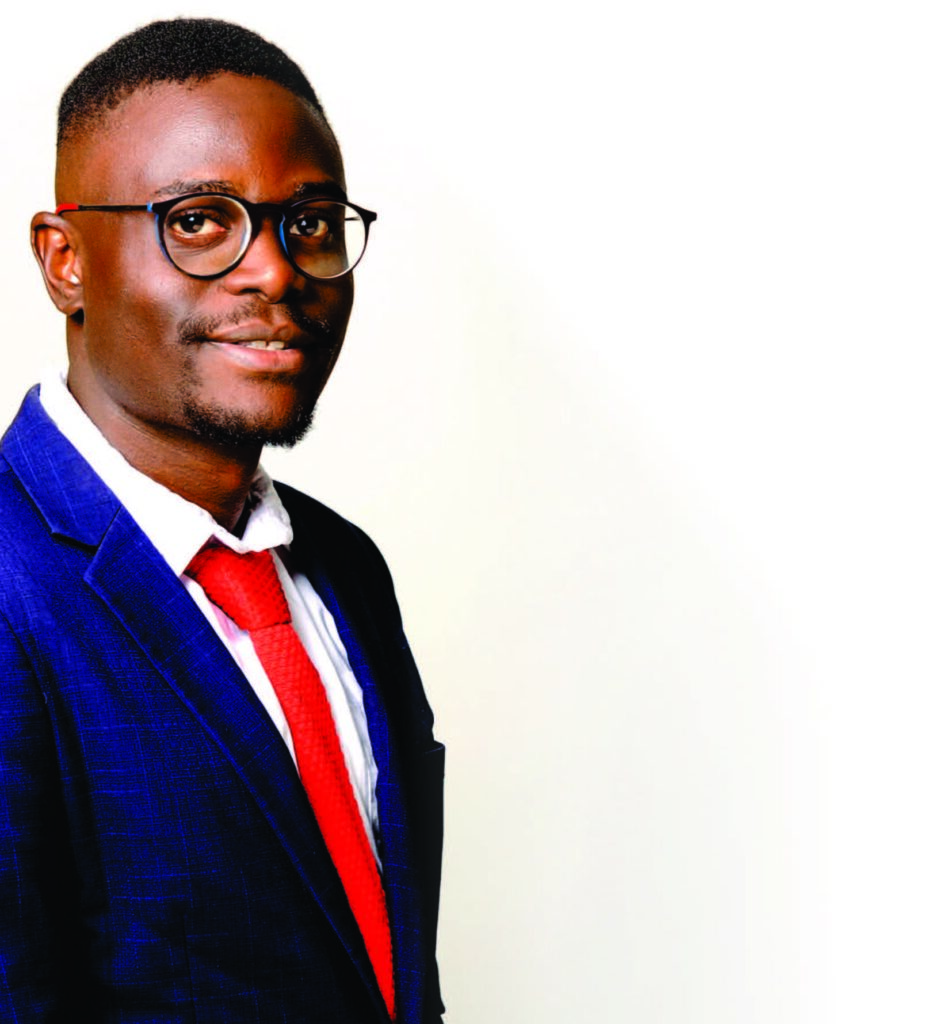
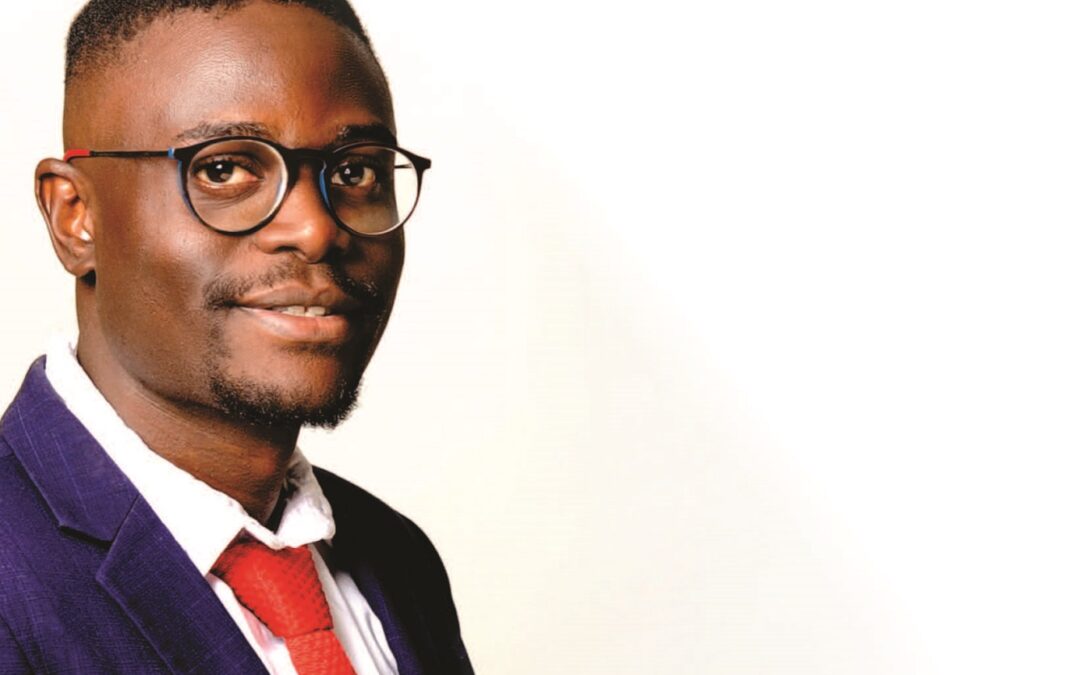
Emmanuel Kiyonga
This groundbreaking patent is the culmination of the extraordinary journey of Emmanuel Kiyonga, a Master’s student in the School of Pharmacy. Kiyonga’s story of perseverance is a testament to the university’s ethos of overcoming adversity through education and innovation. Originally from Kampala, Uganda, he faced numerous challenges during his educational journey, including financial difficulties that saw him expelled from various schools. Undeterred, he moved to South Africa in 2009 and enrolled at SMU, where he pursued his Bachelor of Science in Occupational and Environmental Health and later transitioned to a Bachelor of Pharmacy.
Under the mentorship of esteemed faculty members, Kiyonga dedicated himself to research focused on drug formulation, culminating in discovering a novel compound with enhanced solubility and dissolution properties. This innovative research earned him accolades, including the Young Scientist Award at the Academy of Pharmaceutical Sciences of South Africa and recognition during SMU’s Research Week.
The journey from research to patent was supported by SMU’s Technology Transfer Office, which facilitated funding from the Technology and Innovation Agency (TIA) to develop Kiyonga’s groundbreaking work further. The patent signifies a major achievement for Kiyonga and highlights SMU’s robust infrastructure for nurturing innovative research that can lead to real-world applications.
Kiyonga attributes his success to his challenging background: “My greatest motivators to pursue education were the extreme poverty I grew up in and the limited opportunities I faced. Education is a weapon; when used correctly, it can change the entire scope of a generation.” His achievements exemplify the resilience and determination encouraged within SMU’s academic community, inspiring current and future students to pursue their dreams relentlessly.
In response to this significant institutional achievement, SMU’s Deputy Vice-Chancellor for Academic and Research, Professor Tandi Matsha-Erasmus, expresses pride in Kiyonga’s innovation. “This patent promises to revolutionise clinical management for post-menopausal conditions, reflecting our dedication to advancing health sciences,” she states, acknowledging the collaborative effort of the university’s Innovation Evaluation Committee and industry partners.
The achievement reinforces SMU’s mission to foster a culture of research and innovation that directly impacts healthcare outcomes. Professor Mapaseka Seheri, Director of Research and Innovation, notes the commercialisation potential of Kiyonga’s work, stating: “This should serve as an encouragement to other students that with dedication and discipline, the sky is the limit.”
Kiyonga’s journey resonates with many students at SMU, serving as an inspirational narrative of triumph against the odds. His success is a reflection of SMU’s unwavering commitment to nurturing talent and pushing the boundaries of health sciences research.
As the first patent registered by the university, this achievement not only solidifies SMU’s position as a premier health sciences institution but also opens doors for future innovations that have the potential to transform healthcare in South Africa and beyond. With a strong focus on research and development, SMU is poised to remain at the forefront of health sciences education, paving the way for the next generation of healthcare leaders.