by Lorato | Sep 10, 2025 | Accolades and Achievements, SMU Media, Student Media
In early September 2025, Sefako Makgatho Health Sciences University (SMU) marked a milestone in advancing regional cooperation by hosting delegations from the National Health Training College (NHTC), Lesotho, and Boitekanelo College, Botswana. The engagements culminated in the signing of Memorandums of Understanding (MOUs), reaffirming SMU’s commitment to academic excellence, capacity building, and health sciences development across Southern Africa.
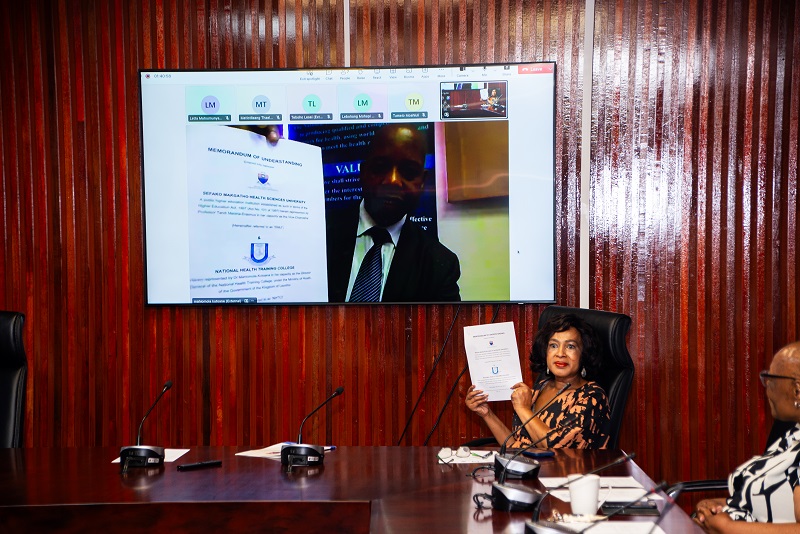
 On 2 September, SMU held a virtual signing ceremony with NHTC, signalling a formal partnership to support Lesotho’s NHTC’s transition to an autonomous University of Health Sciences. NHTC and representatives from the Lesotho Department of Education and Department of Finance visited SMU in June for a two-day benchmarking exercise. The virtual event brought together SMU leadership, including Vice-Chancellor Professor Tandi Matsha-Erasmus and Acting Deputy Vice-Chancellor: Academic and Research Professor Dini Mawela, alongside NHTC Director General Dr. Mahlomola Kutoane and key academic leaders.
Opening the ceremony, Dr Carlien Jooste, SMU’s Director of Internationalisation, emphasised the shared vision: “We may be rooted in different countries, yet we are united by a commitment to advancing health sciences education and fostering regional development.”
The collaboration will enable student articulation agreements, joint research, staff and student mobility, and curriculum enhancement. Dr Kutoane described the MOU as a “concrete commitment” to preparing future health professionals through joint training, research, and exchange opportunities.
Professor Matsha-Erasmus reflected on the broader significance: “This MOU captures SMU’s commitment to supporting NHTC in its transition to an autonomous university. It encourages strategic engagements, knowledge sharing, and organisational learning to strengthen governance, quality assurance, and African health sciences knowledge dissemination.”
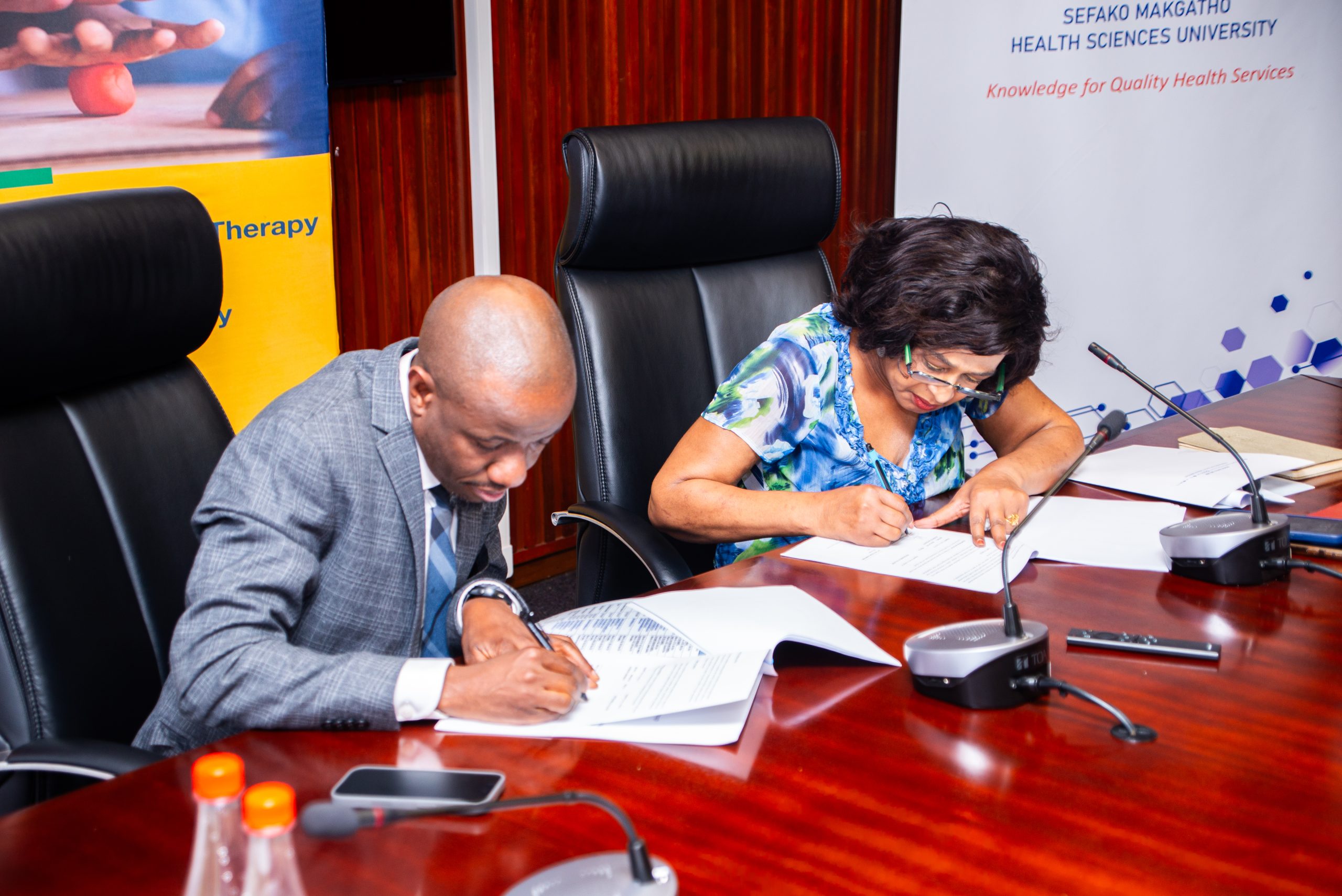
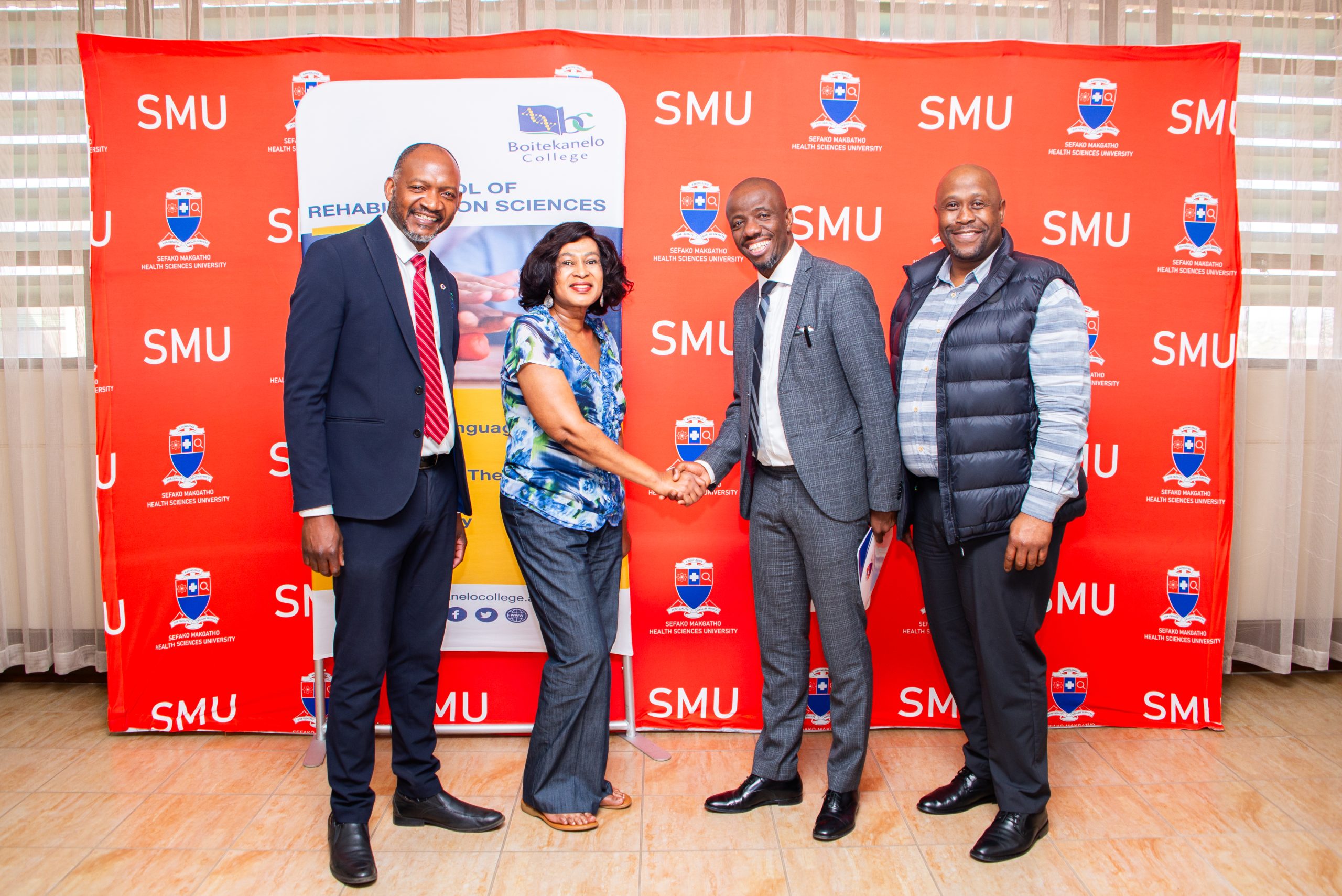
The following day, 3 September, SMU welcomed a delegation from Boitekanelo College, led by Provost Dr Tiroyaone Mampane. The visit included tours of the Speech-Language Pathology and Audiology Department, the Skills Centre, and the library, offering insight into SMU’s teaching and research facilities. The day concluded with the signing of an MOU in the Vice-Chancellor’s Boardroom.
 Dr Jooste introduced the agreement, highlighting its scope, while departmental leaders shared perspectives on areas of synergy. Dr Mampane underscored the importance of collaboration: “Our visit to SMU represents an important step in establishing a long-term partnership that will strengthen health sciences education in both Botswana and South Africa.”
Matsha-Erasmus signed the agreement alongside Mampane, describing it as a commitment to academic excellence, innovation, and the training of health professionals equipped to tackle regional challenges.
Closing the ceremony, Professor Douglas Maleka, Dean of the School of Health Care Sciences, highlighted the partnership’s transformative potential: “Together, we will co-create programmes, share knowledge, and contribute to the advancement of health sciences education in our region.”
 Both partnerships are expected to promote staff and student mobility, joint research projects, professional development, and curriculum innovation. By leveraging complementary strengths, SMU and its partners aim to address regional health challenges, strengthen health systems, and cultivate a new generation of skilled professionals.
These agreements underscore SMU’s role in driving regional integration and collaboration. By creating structured pathways for cooperation, knowledge sharing, and innovation, the University demonstrates its commitment to advancing health education, supporting sustainable development, and strengthening Southern Africa’s capacity for healthcare delivery.
By Dimakatso Modise
by Lorato | Sep 10, 2025 | All News, SMU Media, Student Media
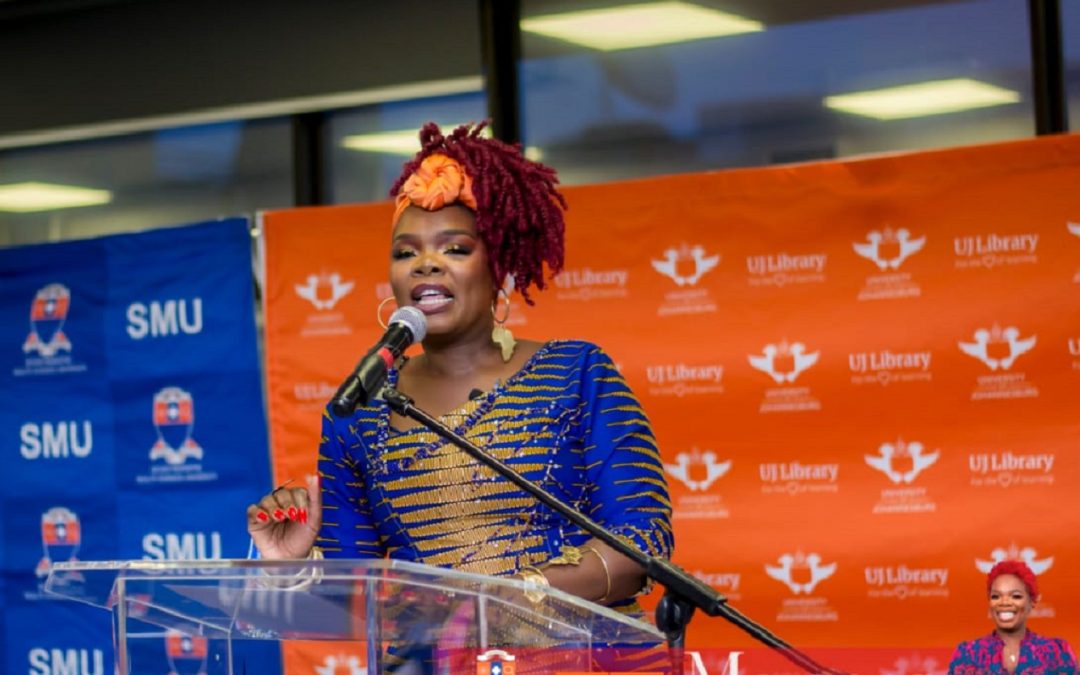
The Chinua Achebe Auditorium at the University of Johannesburg (UJ) was filled to capacity as Professor Martha Chadyiwa, Associate Professor in the Department of Public Health at Sefako Makgatho Health Sciences University (SMU), launched her long-awaited memoir, BeYOUtiful: A Life of Unwavering Grit, Passion & the Pursuit of Learning.
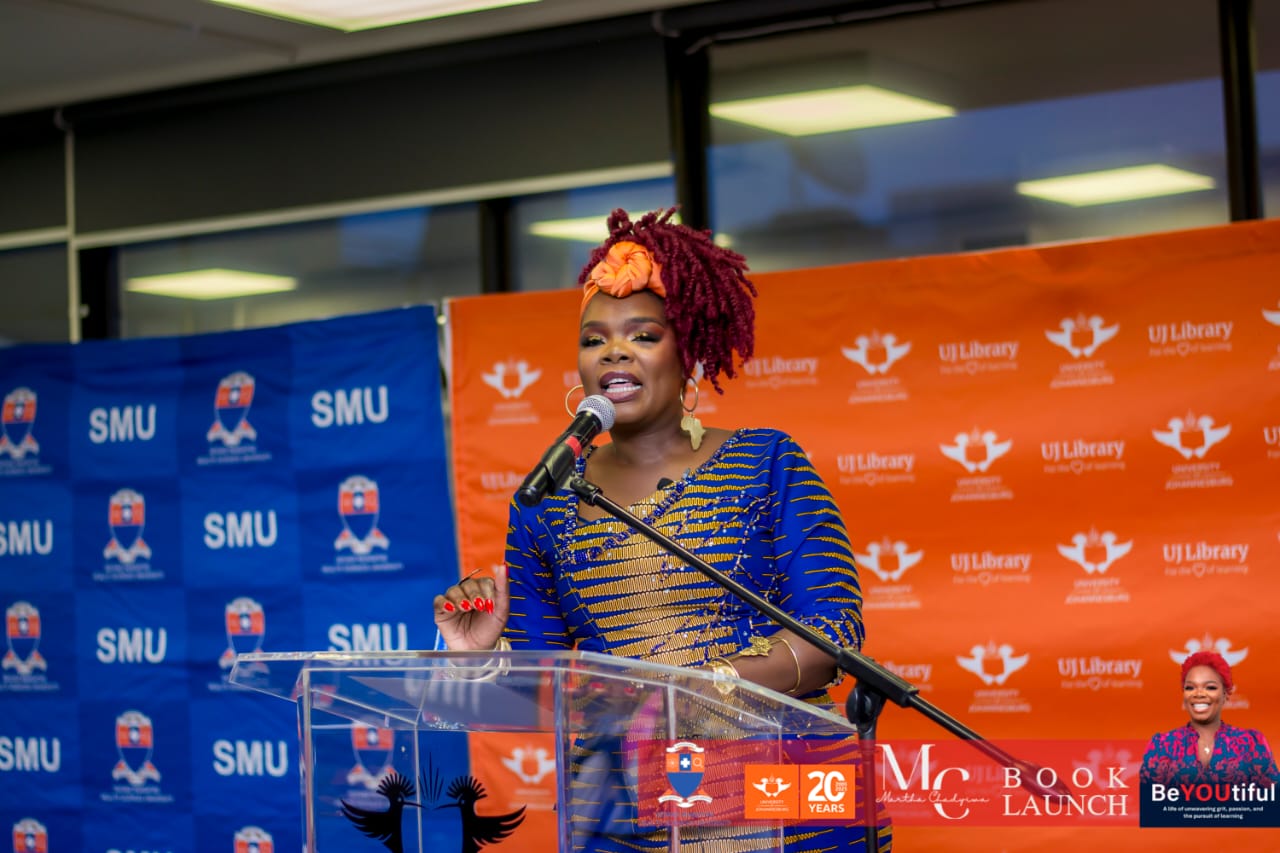 The evening was not just a book launch but a vibrant celebration of resilience, womanhood, and storytelling. All available copies of the memoir sold out on the night, a clear sign of the book’s immediate resonance with readers.
Described as a powerful personal narrative, BeYOUtiful chronicles Prof Chadyiwa’s journey of courage, determination, and lifelong learning. More than a memoir, it represents a movement calling readers to embrace their authentic selves unapologetically. “BeYOUtiful is more than a memoir; it is a movement and a call to action,” said Chadyiwa. “It is about embracing authenticity, living boldly, and never ceasing to learn.”
The launch exemplified the spirit of collaboration through strategic partnerships that aligned with the United Nations’ Sustainable Development Goal 9 (Industry, Innovation and Infrastructure). Key partners included SMU, the University of Johannesburg, the African Ambition Network, and the Bold Women Network.
A highlight of the evening was the royal endorsement by Kgosana Dr Keketso Rakhudu of the Bafokeng Nation, underscoring the cultural significance of the memoir and its broad societal appeal.
The event featured a distinguished panel discussion under the theme “Writing Your Truth: Women, Power & the Courage to BE.” Alongside Chadyiwa, panellists included Seri Kumalo, an award-winning publicist, and Dr Mercy Sepadi, a public health professional. The discussion was moderated by Lerato Kadiaka, entrepreneur and founder of African Ambition and the Bold Women Network.
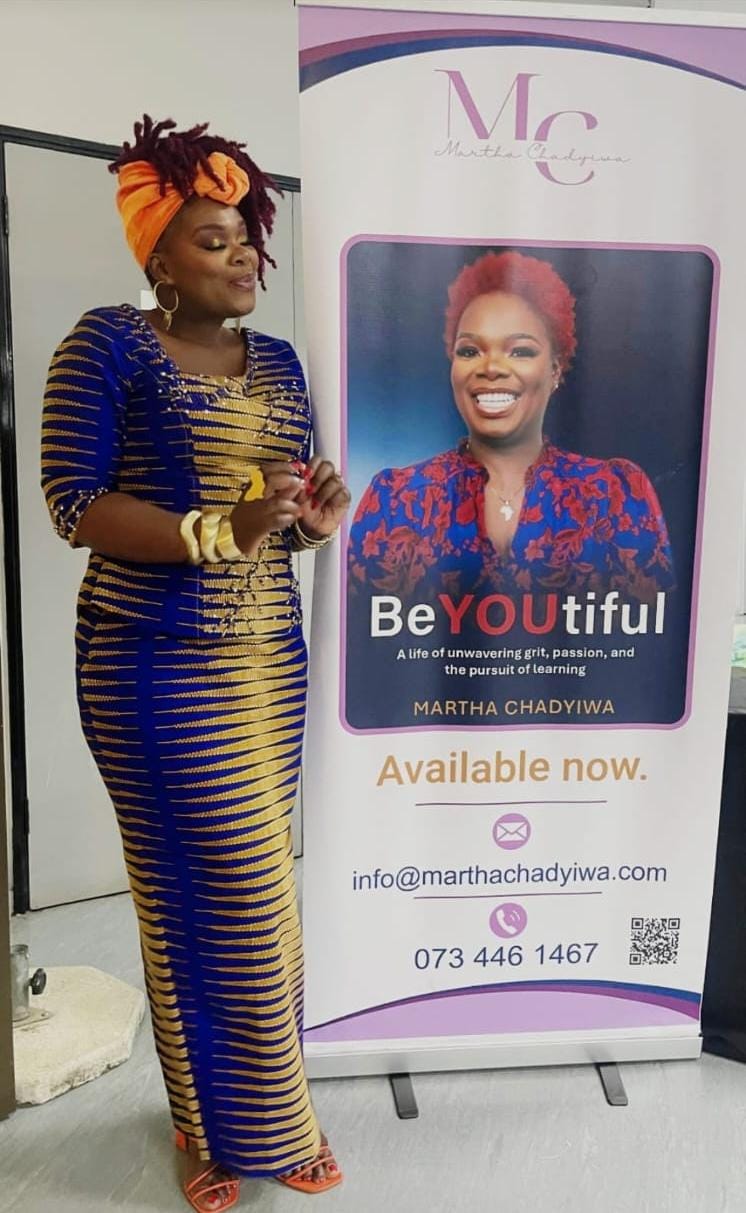 The conversation touched on the courage required to tell one’s story, the power of women’s voices in shaping communities, and the transformative potential of authenticity. As Chadyiwa noted: “Women’s stories are not only about survival but about leadership, vision, and transformation.”
The launch was an overwhelming success, with the auditorium filled to standing-room-only capacity. Attendees included leading academics, entrepreneurs, cultural figures, and community leaders. The sell-out of all available copies marked a defining moment for the memoir’s debut, while the community response reflected widespread enthusiasm and admiration.
Key stakeholders such as Ivy Mmatheo Segoe of UJ and the African Ambition team were instrumental in the event’s success. The active involvement of diverse partners highlighted the power of collective effort in amplifying women’s voices.
The launch of BeYOUtiful carries cultural and social significance beyond publishing. The memoir advances authentic self-expression, lifelong learning, and women’s empowerment while reinforcing African narratives within academia and society. By combining the support of traditional institutions, cultural leadership, and modern entrepreneurial networks, the event set a precedent for future collaborations.
Chadyiwa’s professional journey underscores her authority in environmental and occupational health, her leadership in curriculum development, and her achievements in international research. Her recognition as one of South Africa’s Inspiring Fifty Women in STEM (2021) and recipient of the Black Women in Science Fellowship (2025) further cements her reputation as a leader and mentor.
As the evening concluded, Chadyiwa left the audience with a powerful message: “BeYOUtiful is a reminder that authenticity, courage, and passion are not only personal qualities but also collective tools for reshaping society.”
With this milestone, Chadyiwa has not only launched a book but ignited a movement, affirming her role as both scholar and storyteller in shaping Africa’s future.
By Tumelo Moila
by Lorato | Sep 10, 2025 | All News, SMU Media, Student Media
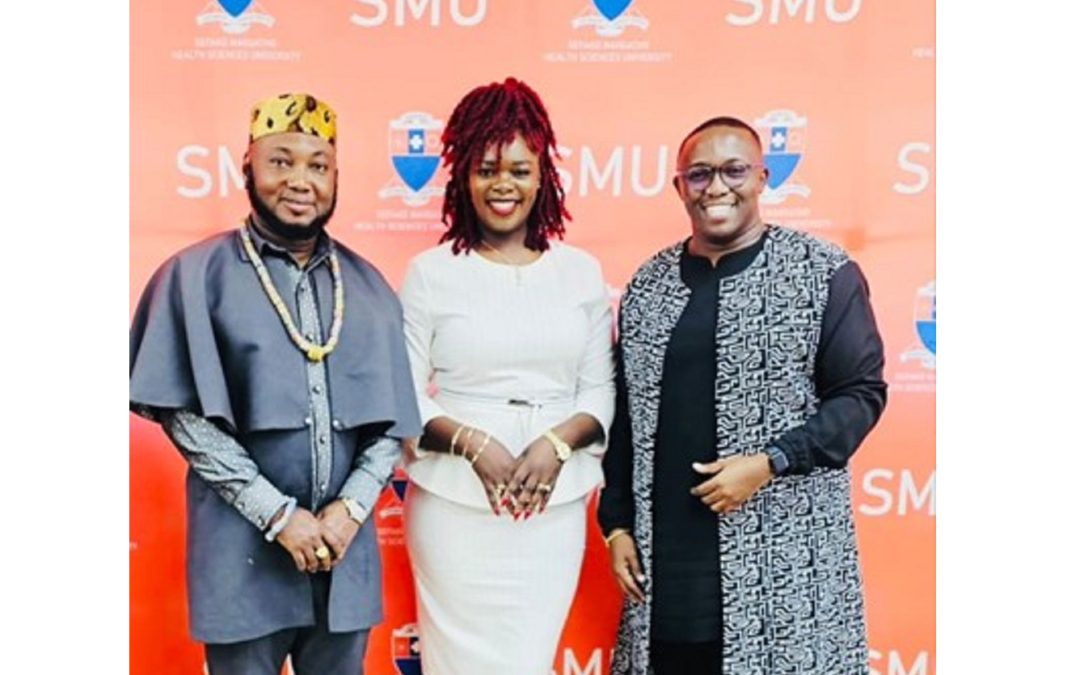
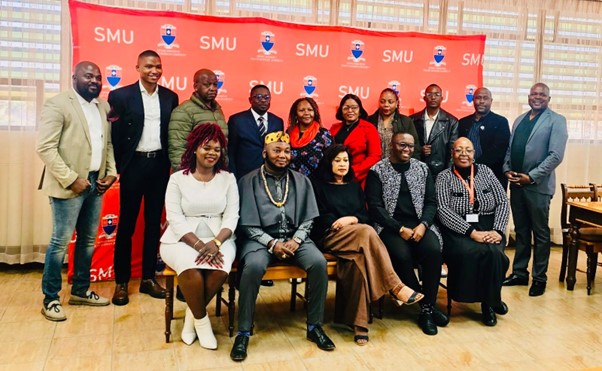
The Ghana Royal Visit to South Africa, held recently over two days, marked a significant milestone in strengthening diplomatic, cultural, and developmental relations between Ghana and South Africa. The initiative, expertly coordinated by Professor Martha Chadyiwa, Associate Professor in the Department of Public Health at Sefako Makgatho Health Sciences University (SMU), successfully brought together key stakeholders and ensured the seamless execution of the programme.
 “The Ghana Royal Visit represents more than a ceremonial exchange; it is a platform for meaningful collaboration and cultural diplomacy,” said Professor Chadyiwa.
The delegation was led by Nana Obokese Ampah I, representing His Majesty Daasebre Kwebu Ewusi VII, Paramount Chief of the Abladze Traditional Area and Board Chairman of the Ghana Chieftaincy Awards. The visit formed part of the broader 3rd Ghana Chieftaincy Awards and Royal Investment Summit, scheduled to take place in Kumasi, Ghana, in October 2025.
Hosted by the Office of Kgosana Koketso Rakhudu & Partners (OOKKR), the Koketso Rakhudu Foundation, and SMU, the visit included engagements in Rustenburg and surrounding villages, as well as academic collaboration at SMU. The initiative received strong support from the Black Star Experience Secretariat, the National House of Chiefs, the Obokese Foundation, and the Ghana Ministry of Foreign Affairs.
On Day One, the delegation commenced their visit at Ramokoka Village, where they were warmly welcomed. A graduation ceremony hosted by the Koketso Rakhudu Foundation celebrated local achievements and offered cultural immersion for the Ghanaian delegates. The evening concluded with a formal Welcome Dinner at the Royal Marang Hotel, featuring diplomatic introductions, presentations on the ten-year impact of OOKKR, and cultural exchanges, including ceremonial gift-giving and blessings.
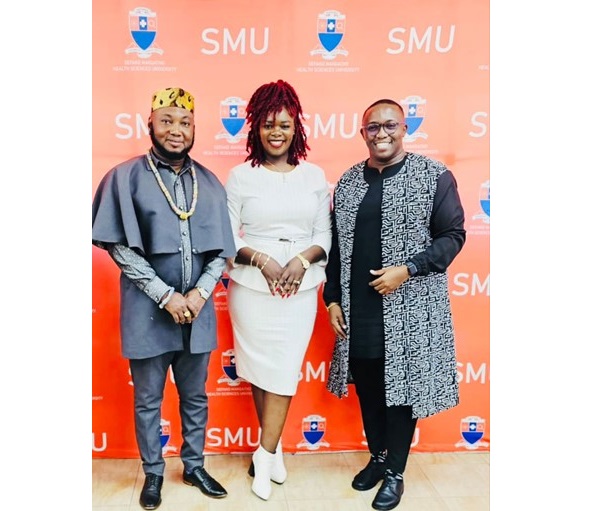 Reflecting on the day, Nana Obokese Ampah I said: “We are honoured to witness the resilience and vibrancy of South African communities. This visit strengthens the bonds between our nations and underscores the value of traditional leadership in modern society.”
Day Two focused on cultural immersion and academic engagement. The delegation visited multiple villages, gaining insight into South African traditional heritage and community initiatives. A traditional lunch provided informal networking opportunities, fostering cross-cultural dialogue. At SMU, the delegation was formally received by Vice-Chancellor Professor Tandi Matsha-Erasmus, Acting Deputy Vice-Chancellor: Academic and Research, Professor Dini Mawela, and senior academic leaders. Discussions highlighted collaborative opportunities in healthcare education, research, and community health projects.
Professor Tandi Matsha-Erasmus commented: “Engaging with the Ghanaian delegation allows us to expand our academic and community partnerships, creating shared opportunities for development and innovation across borders.”
The visit achieved significant outcomes across multiple domains. Foundations for educational collaboration were established, community development initiatives were planned, and cultural diplomacy was strengthened through ceremonial and interpersonal exchanges. Logistical arrangements were executed efficiently, ensuring a smooth and culturally sensitive programme.
Strategically, the visit established a framework for long-term Pan-African collaboration, combining institutional partnerships, grassroots engagement, and traditional leadership diplomacy. “Our aim is to build lasting relationships that empower communities and promote Pan-African solidarity,” said Dr Kennedy Amphofo, a member of the Ghana delegation.
Looking ahead, recommendations include extending future visits to allow deeper community integration, incorporating project development workshops, and strengthening follow-up mechanisms to implement collaborative initiatives.
The Ghana Royal Visit successfully strengthened cultural diplomacy, promoted cross-border academic partnerships, and advanced Pan-African collaboration. By blending formal institutional engagement with authentic cultural immersion, the mission laid a strong foundation for continued cooperation between Ghanaian and South African institutions, affirming the enduring significance of traditional leadership in modern development.
By Tumelo Moila
by Lorato | Sep 10, 2025 | All News, SMU Media, Student Media
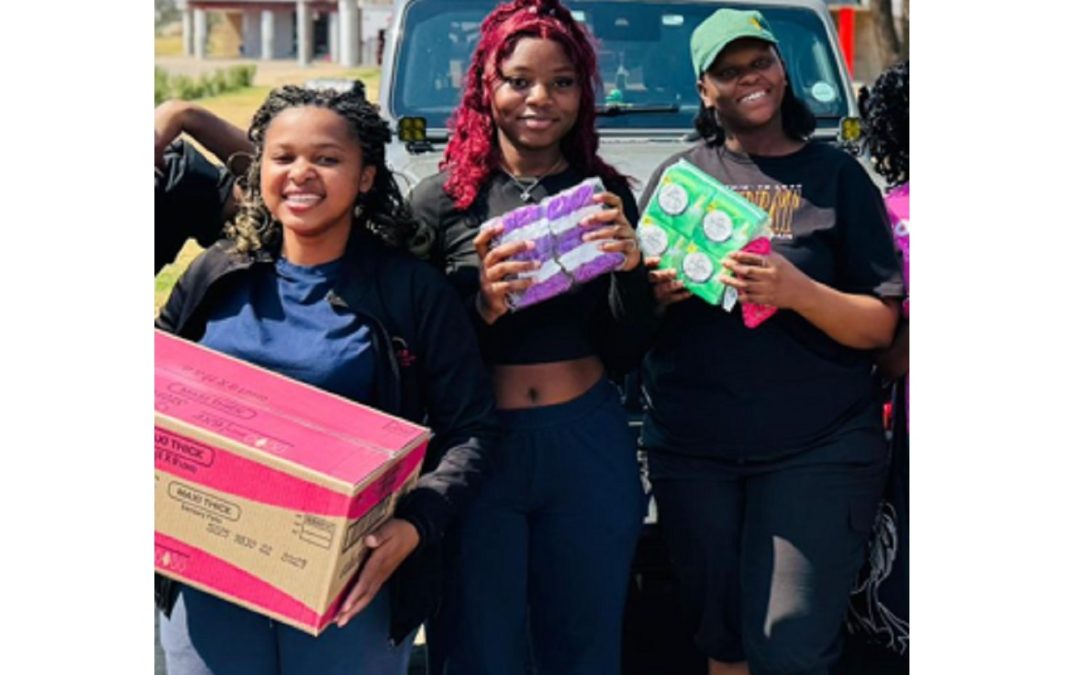
A convoy of colourful Jeeps rumbled onto the campus of Sefako Makgatho Health Sciences University (SMU), attracting attention—but this was no parade. Members of the Capital Jeep Foundation, led by Chairperson Karabo Mokwena and co-founders Tiyane Hlongwane and Kgomotso Madisa, arrived with a purpose: to restore dignity and support young women through a sanitary pad drive in partnership with SMU’s School of Science and Technology (SST).
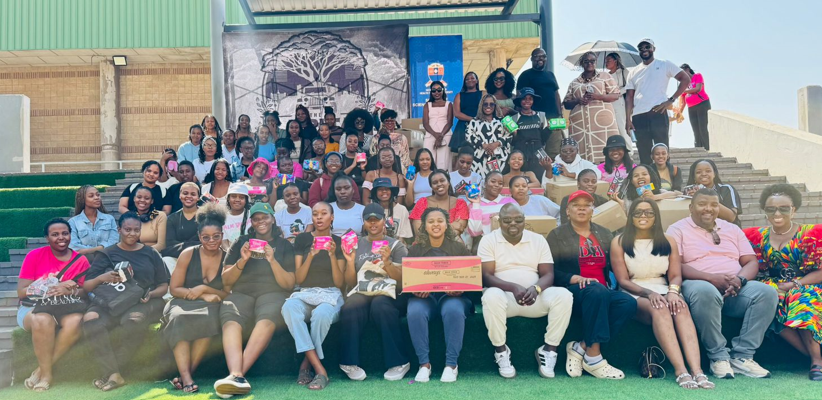 “Our vision is simple but transformative,” explained Mokwena. “No girl child should miss classes or lose confidence due to lack of access to sanitary pads. Small, consistent acts of kindness can restore dignity and open doors for future leaders.”
For SST, hosting the drive aligned with its commitment to holistic student success. SST Operations Manager Dr Esmey Moema reflected: “The well-being of our students is as important as their academic performance. Hosting this drive affirms our commitment to supporting students in every aspect of their lives.”
The initiative coincided with Women’s Month, a deliberate choice to highlight the urgent need for access to sanitary products. Hlongwane said, “Women’s Month was the perfect time to take action. It is not enough to celebrate women in words; we must also demonstrate our commitment in practical, life-changing ways.”
Approximately 3,000 packs of sanitary pads were donated, benefiting around 1,500 female students, both undergraduate and postgraduate. For many, the donations carried symbolic significance. Thandi Caroline Sebola, a postgraduate recipient, said: “Sometimes we think no one notices the challenges we go through quietly. Today, this drive reminded us that we matter and that our dignity is worth protecting.”
 The Jeep convoy added extra impact. Dozens of vibrant vehicles lined up, creating a striking visual across campus. Madisa explained, “The convoy symbolises unity. When people and communities move in the same direction with one purpose, the impact becomes impossible to ignore.” The vehicles became metaphors for collective strength and action.
The collaboration also highlighted the power of partnerships between academic institutions and community organisations. Mokwena emphasised, “When universities and civil society groups unite, the results speak for themselves. We are stronger together, and initiatives like this show that everyone has a role in creating equal opportunities.”
The initiative inspired both students and staff, sparking conversations about dignity, equality, and breaking barriers to education. Dr Moema noted, “What we witnessed is more than charity. It is empowerment. It is equal opportunity in action. It demonstrates that no challenge is too small to address when we care about students’ futures.”
For the Capital Jeep Foundation, this drive is just the beginning. Hlongwane said, “We want to build on this momentum and ensure that young women never feel excluded or disadvantaged due to circumstances beyond their control.”
As the Jeeps departed, they left behind more than donations—they left a reminder of what can be achieved when compassion drives action. For SMU SST and the Capital Jeep Foundation, this was more than a drive; it was a movement.
By Dimakatso Modise
by Lorato | Sep 10, 2025 | All News, SMU Media, Student Media
The Sefako Makgatho Health Sciences University (SMU) Dietetics Department recently held a series of events to mark World Breastfeeding Week, engaging with communities across multiple platforms, including primary healthcare (PHC) training clinics, the University campus, and a local media house. The activities were led by Dietetics lecturers and students, highlighting the department’s commitment to promoting maternal and child health.
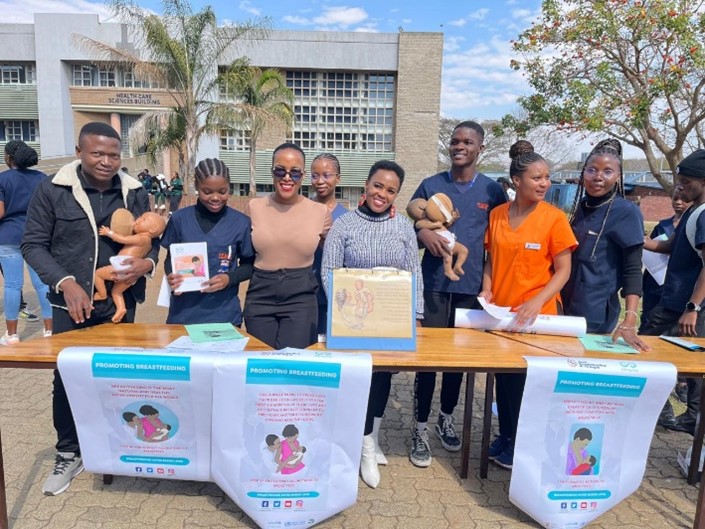 World Breastfeeding Week is observed globally to raise awareness about the significance of breastfeeding and the vital role it plays in child development and maternal health. It is a week where health professionals, institutions, and communities come together to promote, protect, and support breastfeeding. SMU’s Dietetics Department has consistently participated in this international observance, organising educational and outreach activities aimed at both the public and the university community.
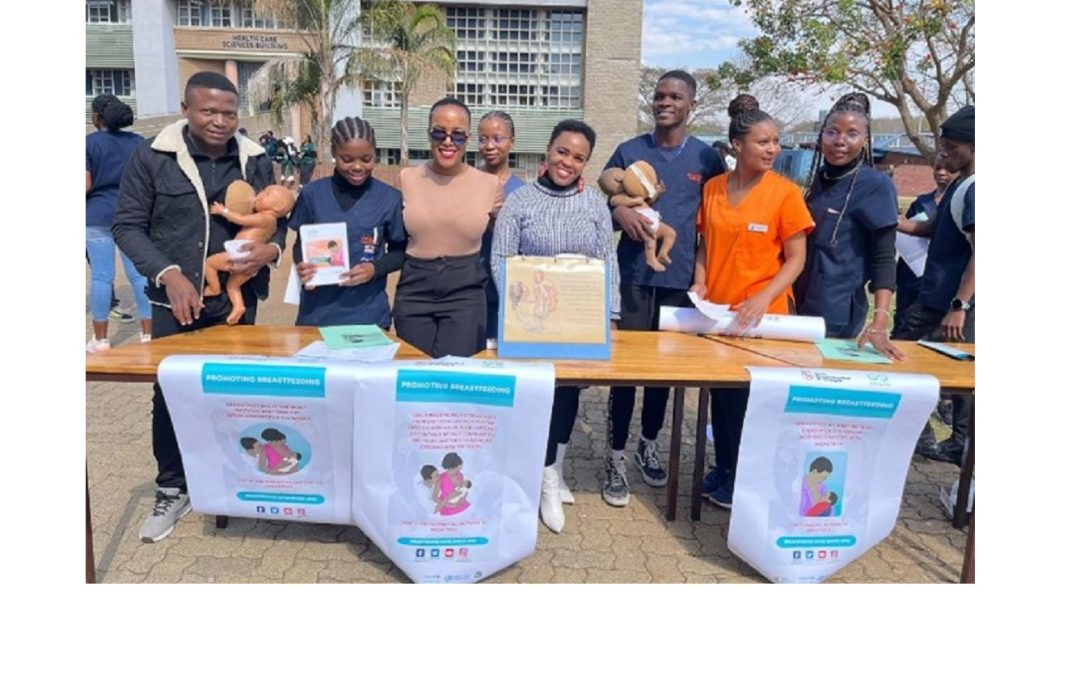
Recently, the department hosted a campaign on the University premises led by senior lecturer Dr Cornelia Phetla, targeting staff and students alike. The initiative involved approaching members of the university community while walking around campus to provide them with information on breastfeeding practices, benefits, and support mechanisms. The campaign deliberately targeted the general university community, emphasising that breastfeeding is a shared responsibility and not solely a concern for women.
“Breastfeeding is a public health priority; everyone has a role to play, not just the breastfeeding mother. said one of the Dietetics lecturers, Ria Mehlape. “By engaging both men and women, students and staff, we aim to create an informed community that supports breastfeeding mothers and encourages healthier early childhood development.”
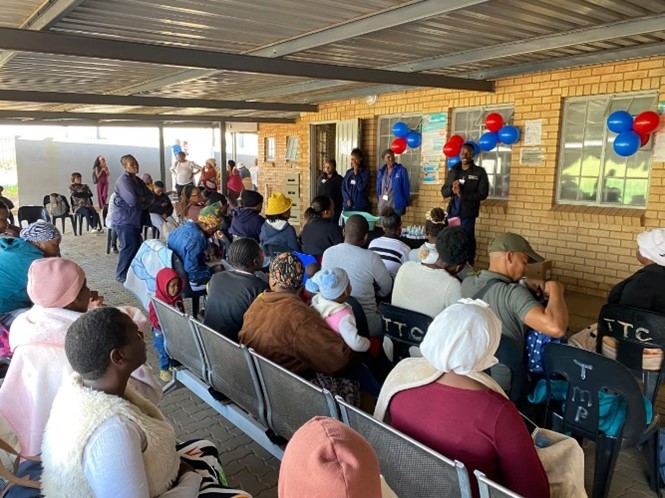 The activities extended beyond the campus environment. At various PHC training clinics in Ga-Rankuwa, Soshanguve and Hammanskraal, final year dietetics students and lecturers interacted with patients and healthcare staff, providing practical demonstrations and educational material on breastfeeding. These sessions included discussions on proper nutrition for both mother and child, managing breastfeeding challenges, and addressing common misconceptions about infant feeding.
The department also collaborated with SMU FM to extend the reach of the campaign. Ntsako Mboweni, a newly appointed lecturer in the department, together with third-year Dietetics students, shared key messages on the benefits of breastfeeding, nutritional guidance, and the importance of community support. This media engagement ensured that the awareness drive reached a broader audience, including members of the surrounding communities who may not be directly connected with the University.
Students involved in the campaign described the experience as both educational and rewarding. “Participating in World Breastfeeding Week allows us to apply our classroom knowledge in real-world settings,” said Dimakatso Makgai, a 3rd-year dietetics student. “It also helps us develop communication and advocacy skills that are essential for our future careers as healthcare professionals.”
Notably, the involvement of Mboweni, a male lecturer, in promoting breastfeeding encouraged greater participation from male students in the campaign.
Through these initiatives, SMU Dietetics not only commemorates World Breastfeeding Week but also underscores its commitment to community health, student engagement, and practical learning. The department aims to continue such outreach programmes, fostering a culture of awareness and support that extends beyond the University and into the broader public.
By involving the University community and local healthcare networks, SMU’s Dietetics Department demonstrates that breastfeeding promotion is a collective effort that requires the participation of families, educators, healthcare professionals, and society at large.
By Tumelo Moila
by Lorato | Sep 10, 2025 | All News, SMU Media, Student Media
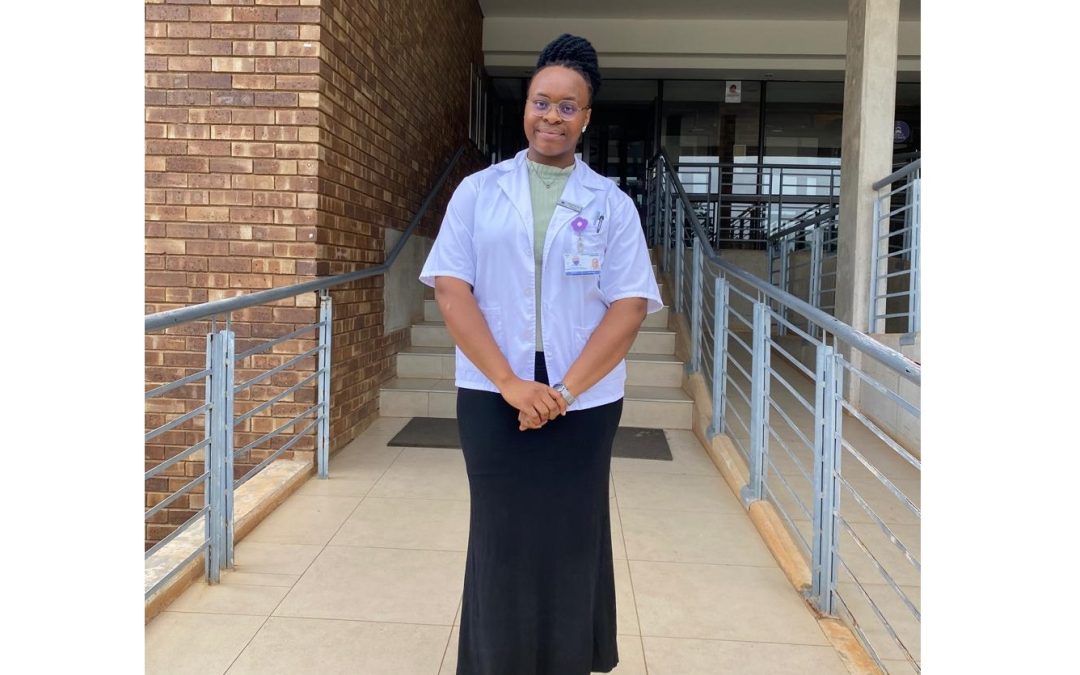
For Jennifer Chiamaka Emeh, a sixth-year medical student at Sefako Makgatho Health Sciences University (SMU), the journey to becoming a doctor has been defined by resilience, determination, and an unwavering commitment to her dream. Born in Nigeria and raised in Johannesburg, Emeh grew up with her mother and four siblings, carrying from an early age the vision of making a difference in healthcare.
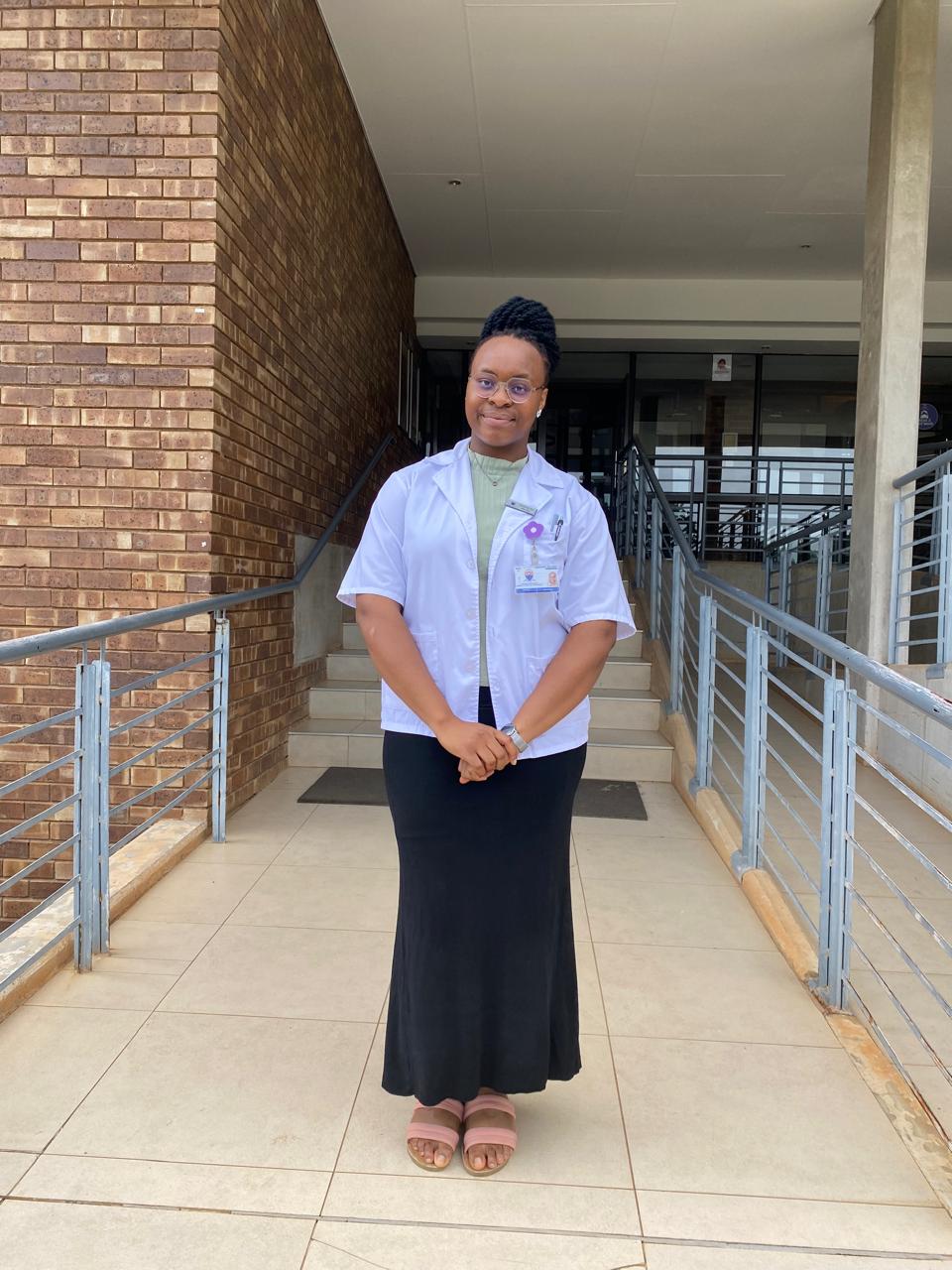 Her academic journey reflects dedication and focus. At Cyrildene Primary School, her dream of becoming a doctor began to take shape, and at Sandringham High School, she pursued it with diligence. Graduating in 2019 with six distinctions, Emeh’s achievements stemmed not only from hard work but also from her desire to contribute to healthcare in areas where access is limited. “From the very beginning, I knew I wanted to become a doctor. It was never just about a career, but about making a real impact where it is needed most,” she reflects.
Initially inspired by maternal health, Emeh once considered specialising in Obstetrics and Gynaecology. However, her clinical training revealed new interests, particularly in Neurosurgery. “The brain holds so many secrets,” she explains. “The more I learn, the more I realise how much there still is to discover. That challenge excites me.”
Outside her studies, Emeh enjoys reading, painting, exercising, journaling, and spending time with family and friends. These activities help her maintain balance in the demanding life of a medical student, reminding her of the importance of nurturing both mind and soul.
Despite her strong academic record, Emeh faced severe financial hardship in her final year, threatening to derail her progress. “I had almost lost hope,” she recalls. It was at this moment that she learned of bursary opportunities through the partnership between Gift of the Givers and Bonitas Medical Fund.
Since 2018, Gift of the Givers and Bonitas have worked together to improve healthcare accessibility in South Africa, from installing boreholes at health facilities to providing bursaries for medical students. Emeh was awarded a Bonitas bursary, which transformed her circumstances. “When I received the news, it was as though light had pierced through one of my darkest moments. The bursary lifted the burden off my family and gave me the final push I needed to complete my degree,” she says.
Grateful for the support, Emeh describes Bonitas and Gift of the Givers as “beacons of light” in her journey. Their belief in her potential inspires her to pay it forward. “They invested in my future, and because of that, I will always strive to support others. The cycle of giving strengthens communities and shapes futures.”
Looking ahead, Emeh hopes to specialise in neurosurgery while pursuing her passion for education and mentorship. “A person is not only a body but also a mind and soul. Recognising the entirety of a human being is what truly makes a great doctor,” she says.
To students facing challenges, she offers encouragement: “Every obstacle shapes your strength. Never be afraid to seek help. Always take care of your mental, emotional, and physical well-being—these are the foundations of your dreams.”
Emeh’s journey demonstrates that hope, perseverance, and the right support can overcome even the most difficult challenges. As she prepares to enter the medical profession, she carries not only the skills of a future doctor but also the lived experience of resilience, compassion, and determination to serve.
By Dimakatso Modise