
by Lorato | Nov 13, 2024 | All News, SMU Media, Student Media
Dr Gladness Nteboheng Lion is an outstanding example of Sefako Makgatho Health Sciences University (SMU)’s commitment to fostering pioneering research and academic excellence in South Africa. Born in the small village of Maboloka near Brits, North West Province, Lion’s journey is one of resilience, community-mindedness, and groundbreaking achievements in environmental health and zoology. Through her distinguished work, she has advanced her field and embodies SMU’s mission to address pressing health challenges that impact communities across South Africa.

Dr Gladness Nteboheng Lion
Lion’s early years were marked by a dedication to education and community values instilled by her family. Raised as the eldest of three children, she was influenced by her father’s principles of home, school, and church and by her mother’s career as a nurse and midwife. These early experiences set the foundation for her future in science and community health. Her academic journey began at Edward Lion Primary School in Maboloka and continued at Rabboni Christian Private School, where she completed her matriculation in 2003. Following this, she pursued a Bachelor of Science (BSc) in Biological Sciences at Walter Sisulu University and an Honours degree in Biology from the University of Limpopo’s Medunsa Campus.
In 2017, Lion’s research career took a defining turn as she embarked on a PhD in Zoology at SMU, with a groundbreaking focus on the environmental health implications of trace metal exposure for obese women living near industrial areas in Pretoria. Her thesis, titled: “Trace metals, health status and relationship with reproductive hormones (estradiol and progesterone) of obese females living around industrial areas in Pretoria, South Africa”, explored the crucial links between environmental pollution and reproductive health—an area previously unexamined in South Africa. Her work provided a novel understanding of health risks posed by trace metal pollutants and highlighted the significance of SMU’s research on issues directly affecting the well-being of local communities.
Reflecting on her research, Lion says: “My study was inspired by my upbringing in an industrial and agricultural area, where I saw firsthand the health challenges affecting women, particularly in relation to obesity, diabetes, and reproductive health issues. Driven by my mother’s background in healthcare, I sought to understand how environmental factors might contribute to these concerns to enhance the quality of life for women in my community.” Through her findings, she emphasises the need for greater awareness and monitoring of environmental pollutants in industrial zones, underscoring SMU’s role in advancing research that prioritises public health and equity.
Balancing her work as a lecturer in SMU’s Department of Biology and Environmental Sciences, Lion has committed over a decade to advancing environmental health and toxicology studies. She has been instrumental in developing and reviewing curricula for programmes in Environmental Management and Toxicology at SMU, supervised numerous postgraduate students, co-authored thirteen influential research articles, and collaborated with national and international institutions. Her work has cemented SMU’s position as a key player in addressing environmental health issues with direct societal impact.
Lion’s research is particularly notable for its findings on the connections between trace metal pollutants and hormonal imbalances, which may link to conditions like menstrual disorders, infertility, cancer, and hormone-dependent diseases such as polycystic ovary syndrome (PCOS). Her research calls for policy changes and increased pollution monitoring to protect vulnerable populations, advancing SMU’s role as an environmental health research leader.
Looking forward, she is determined to expand her research to other communities and explore further the intricate relationships between environmental pollutants and human health. Her passion for education, evidenced by her dedication to student success and community impact, speaks to her unwavering commitment to SMU’s mission and field. Through her work, Lion exemplifies SMU’s values and continues to inspire the next generation of scientists, making strides toward a healthier, more informed South Africa.
In Lion, SMU celebrates a researcher whose work contributes to academic advancement and embodies the university’s drive to tackle critical health challenges and empower communities through knowledge and action.

by Lorato | Nov 13, 2024 | All News, SMU Media, Student Media
Jo-Anne Mahlobo’s journey to becoming the youngest graduate at Sefako Makgatho Health Sciences University (SMU) in the 2024 Spring Graduation Ceremony is nothing short of extraordinary. At just 22, this dynamic young woman earned her Bachelor of Science in Mathematical Sciences and embodies the spirit of resilience, determination, and ambition that defines SMU’s exceptional academic community.

Jo-Anne Mahlobo
Raised in the heart of Pretoria, Mahlobo’s upbringing was shaped by a blend of humble beginnings and immense family support. Her parents, navigating their own growth while raising four children, instilled in her the values of hard work and perseverance. “We had a humble beginning, but as my parents grew, so did our family and our lives,” she reflects, underscoring the tenacity that would come to define her educational journey.
Her academic trajectory at SMU began in 2020 when she enrolled in a Bachelor of Science degree in Mathematical Sciences, majoring in mathematics and statistics. Although the onset of the COVID-19 pandemic altered her original plans to pursue Nuclear Engineering in China, Mahlobo’s passion for the Science, Technology, Engineering, and Mathematics (STEM) field remained steadfast. “Mathematical Sciences still allowed me to stay within the STEM space, which has always been where my heart is,” she says, adding that the decision to pursue a degree in a field predominantly male and underrepresented by black women fuels her desire to change the narrative and inspire others.
Mahlobo’s academic journey, however, was not without its challenges. In the midst of her studies, she was diagnosed with severe depression and had to navigate the complexities of mental health while continuing her degree. She remembers writing exams from a hospital bed during her recovery. Yet, her unwavering faith, combined with her inner strength and the support of loved ones, helped her persevere. “Nothing is too big or too small for God,” Mahlobo says, drawing strength from her faith during her most difficult moments.
Her story is a testament to the holistic support system that SMU offers its students. It’s a university where not only academic excellence but also the well-being of students is a priority. Mahlobo’s academic journey, though marked by personal trials, exemplifies the nurturing environment at SMU that empowers students to overcome adversity and excel in their chosen fields.
Her commitment to her studies paid off when she graduated as SMU’s youngest graduate in the Spring 2024 cohort, a moment of triumph that allowed her to celebrate both personal and academic milestones. “It is lovely to have achieved my degree early; I think it allows me ample time to further my studies, explore different career fields, and just overall take advantage of the time graduating a bit earlier has given me,” she shares.
Beyond her degree, Mahlobo is already making her mark as a qualified make-up artist and digital content creator. She plans to pursue her international makeup accreditation while continuing her data engineering studies. “The statistics and computer science parts of my degree allow me to pursue a career in data analytics, and I hope to move into data engineering,” she explains, demonstrating how she intends to use her knowledge to break new ground in the digital space.
Mahlobo’s story highlights the importance of academic rigour and the incredible resilience of SMU’s students. It is an inspiring reminder that success is not just about overcoming personal struggles but also about the way a university community comes together to support its students, fostering growth that goes beyond the classroom
As she steps into the next phase of her career, she carries with her a profound sense of purpose: to inspire future generations, particularly young women in STEM, to believe in their potential. “I want others to know that anything you set your heart to is possible, through God and hard work,” she says, quoting her father’s advice, “I have never seen a tombstone that reads: ‘So and so died of hard work’. Hard work won’t kill you but will set you up for a good life.”
Mahlobo’s triumph is her own and a reflection of SMU’s commitment to shaping tomorrow’s leaders. As she continues her journey, she will undoubtedly pave the way for countless others, proving that anything is possible with faith, resilience, and the right support.
by Lorato | Nov 13, 2024 | All News, SMU Media, Student Media
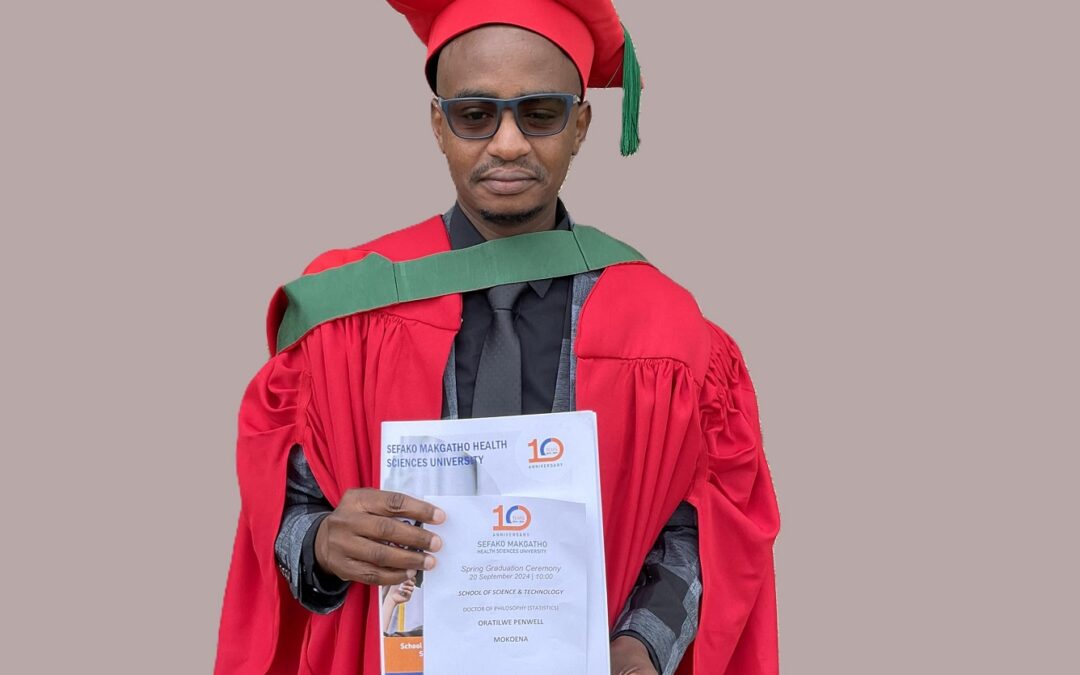
Dr Oratilwe Penwell Mokoena’s journey from the rural village of Kgabalatsane to achieving his PhD in Statistics at Sefako Makgatho Health Sciences University (SMU) is a testament to both personal perseverance and SMU’s role as a supportive environment for academic excellence. Growing up in challenging circumstances in North West South Africa, Mokoena’s story demonstrates the transformative power of education and the impact of an enabling institution that nurtures students to realise their potential.

Dr Oratilwe Penwell Mokoena
Raised by his grandmother and later by his mother, Mokoena faced early academic struggles, particularly in mathematics—a subject he would one day master. His early high school grades in mathematics were far from promising, but his passion for learning and numbers endured. Despite obstacles, he improved his grades in Grade 12, which opened the door to tertiary education. His journey led him through trials and transformations, from briefly enrolling in Mechatronics at Tshwane University of Technology (TUT) to finding his true academic path at the University of Limpopo, where he excelled in Mathematical Sciences. Graduating cum laude with both his BSc and Honours degrees, Mokoena’s journey embodies the resilience SMU encourages in all its students.
His time at SMU has been marked by opportunities that expanded his academic horizons. SMU’s commitment to fostering research is evident in the support Mokoena received, including the National Research Foundation (NRF) – Joint Institute for Nuclear Research (JINR) travel funding, which enabled him to conduct research in Russia. Such experiences ignited his passion for research and ultimately led him to embrace the field of statistics, guided by Professor Solly Seeletse, who saw his potential and mentored him through the complexities of statistical analysis.
SMU has become the perfect platform for Mokoena to blend his passion for theoretical mathematics with the practical application of statistics. His PhD research, which focused on improving the livelihoods of small-scale dairy farmers through statistical insights, is a prime example of how SMU enables research that advances academia and addresses community needs. His work proposed innovative solutions for challenges in small-scale farming, such as feed costs and disease management, underscoring SMU’s emphasis on socially impactful research.
As a Lecturer at SMU, Mokoena is dedicated to inspiring the next generation of statisticians. He teaches undergraduate and postgraduate courses, including Time Series Analysis and Multivariate Statistical Methods. In addition to teaching, he serves as the Research Coordinator in the Department of Statistics, supervising honours and master’s students with a student-centric approach that reflects SMU’s values. His commitment to holistic education equips students with both theoretical and practical knowledge, preparing them for meaningful careers.
His work at SMU extends beyond the lecture hall. In one notable project, he collaborated with a psychiatrist to study mental health issues in high schools, showcasing the wide-reaching applications of statistical analysis in fields such as healthcare. His research pushes boundaries, contributing to academia and industry while reinforcing SMU’s standing as a leader in health sciences and interdisciplinary research.
Reflecting on his journey, Mokoena envisions a future where statistics plays a pivotal role in addressing social and scientific challenges. Through SMU’s nurturing environment and his commitment to academic excellence, he aims to produce graduates who can contribute significantly to society in fields ranging from health and education to arts and culture.
Mokoena’s story is more than one of personal triumph; it exemplifies SMU’s mission as a university that educates and inspires. His rise from struggling student to esteemed lecturer and researcher is a beacon for aspiring scholars, showing that with determination, guidance, and an enabling environment, success is within reach for all.
by Lorato | Nov 13, 2024 | All News, SMU Media, Student Media
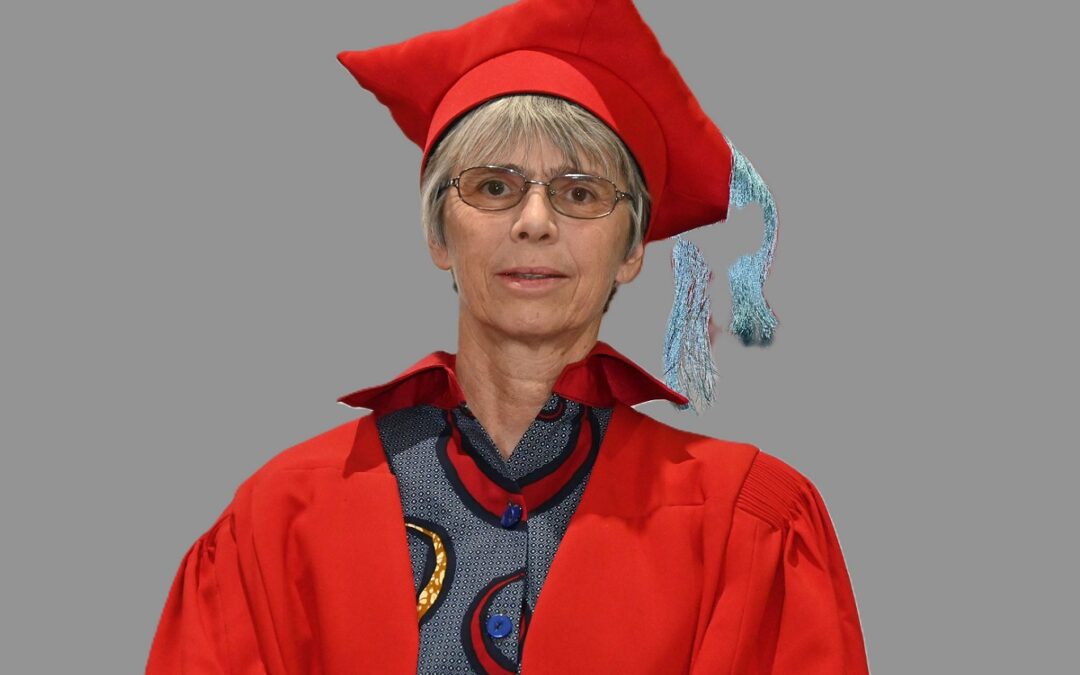
Dr Undine Susanne Rauter’s transformative journey in physiotherapy is nothing short of extraordinary. As a Doctor of Philosophy in Physiotherapy and the Head of Rehabilitation at Gelukspan District Hospital, she has dedicated her life to improving the quality of life for children with disabilities, particularly those with special needs. Rauter’s profound commitment to healthcare extends far beyond the clinical environment; it reflects a passion for education, collaboration, and systemic change—values that echo the mission of Sefako Makgatho Health Sciences University (SMU), where she completed her doctoral studies.
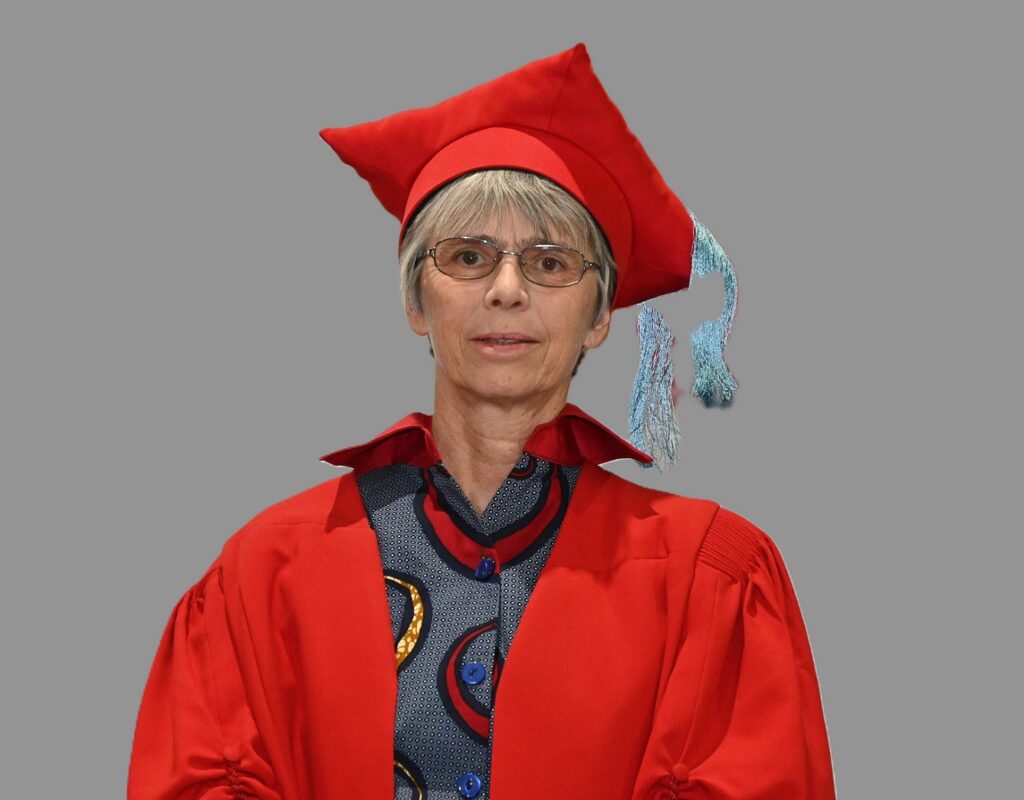
Dr Undine Susanne Rauter
Growing up in Munster, Lower Saxony, Germany, Rauter’s early exposure to caring for a sibling with learning challenges ignited a lifelong passion for advocating on behalf of vulnerable individuals. This formative experience, coupled with her own academic journey, set the stage for her exceptional career. “I realised early that my path wasn’t just about medical practice, but about the lives I could touch along the way,” she explains, encapsulating the compassion that drives her professional and personal mission.
Rauter’s academic and professional journey reflects a holistic and forward-thinking approach to healthcare, aligning perfectly with SMU’s vision of enabling students and professionals to meet tomorrow’s healthcare challenges. Since 1995, Rauter has spearheaded rehabilitation services at Gelukspan District Hospital, where she leads a dedicated team providing hands-on therapy, education, and support to children and youth with disabilities. Her role in assisting a neighbouring special school in managing childhood disabilities has solidified her position as a key advocate for system change in healthcare, where teamwork and creativity are essential.
Her groundbreaking PhD research on pressure ulcer prevention for learners with paraplegia in special schools further underscores her commitment to improving care for children with disabilities. “Pressure ulcers are not just a medical issue; they are a barrier to education and overall quality of life,” Rauter emphasises. Her comprehensive model for prevention, developed through 47 in-depth interviews with learners, caregivers, and health professionals, seeks to shift the focus from reactive treatment to proactive care. Rauter’s model encourages collaboration among all stakeholders—students, families, educators, and healthcare providers—in order to ensure that preventative care is prioritised in the education system.
Rauter’s research has uncovered a critical gap in healthcare provision within South African special schools, which she believes can be bridged with the right policies and resources. “Special schools must not just be educational institutions; they should be hubs of holistic health care,” she asserts, calling for a more integrated approach to health and education for children with disabilities. Her work addresses immediate healthcare needs and advocates for sustainable changes that could significantly impact the well-being of learners in rural and under-resourced settings.
Reflecting on her own PhD journey, Rauter describes it as an “ultra-marathon,” balancing academic rigour with personal challenges. “Without the support of my network, my dog for fun breaks, and my spiritual practices, I would not have made it through,” she admits, yet her dedication to improving disability care remained unwavering. Through it all, she credits her success to the steadfast support of her supervisor, Dr Desmond Mathye, whose mentorship proved invaluable in helping her navigate both the academic and personal hurdles she encountered.
Rauter’s unwavering philosophy is clear: “Everyone deserves the highest attainable standard of health, and by working together and empowering others, we can make that right a reality for even the most marginalised.” This belief continues to drive her as she combines compassion, science, and advocacy to transform the lives of children with disabilities.
Her work and research, grounded in the values of collaboration and empowerment, is a testament to the power of education in creating lasting, meaningful change. At SMU, Rauter’s journey is not just an example of personal success but a powerful reminder of the university’s role in shaping leaders who are dedicated to addressing the healthcare needs of the most vulnerable. Rauter exemplifies the very essence of SMU’s commitment to producing professionals equipped to make a significant, positive impact on society, one life at a time.
by Lorato | Nov 12, 2024 | All News, SMU Media, Student Media
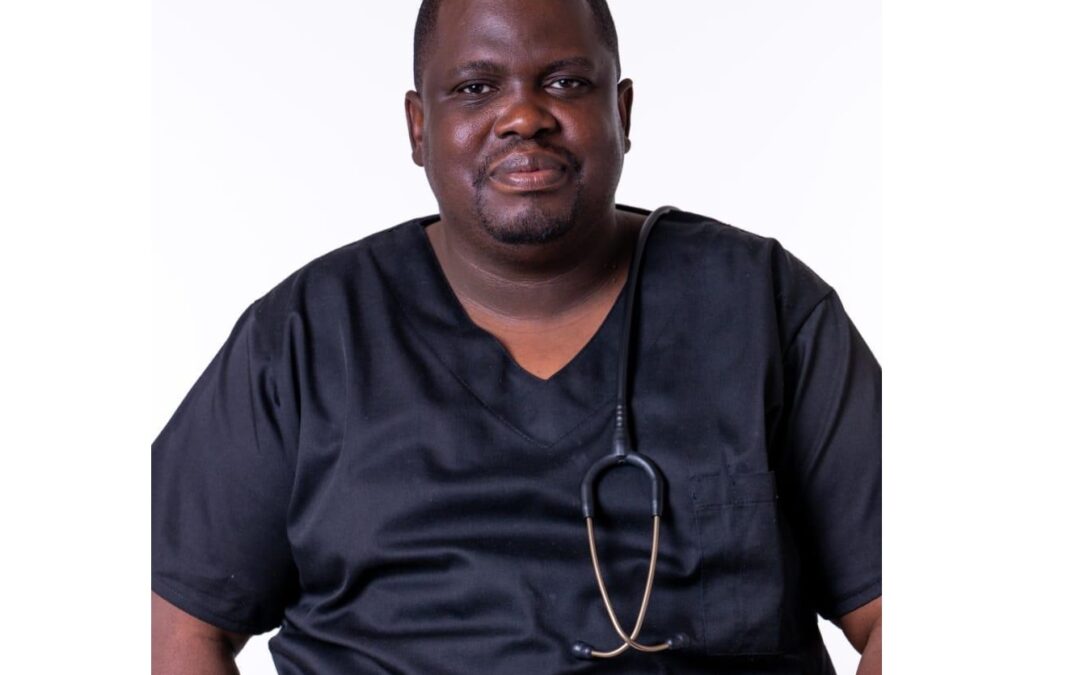
In the heart of South Africa’s medical landscape, Sefako Makgatho Health Sciences University (SMU) is shaping world-class professionals driven by medical skills and an enduring commitment to public service. Dr Lawrence Marapo, a distinguished Registrar in Obstetrics and Gynaecology at SMU, embodies this spirit. Known for his blend of clinical excellence and faith-based compassion, Marapo’s journey—from his rural upbringing in Botswana to the forefront of women’s healthcare innovation—highlights the power of resilience, faith, and a relentless pursuit of quality care.

Dr Lawrence Marapo
At just 38, Marapo has carved out a remarkable career, setting a record by completing his Obstetrics and Gynaecology qualifications in just four years. Today, his work is indispensable in advancing women’s health and developing the next generation of healthcare leaders. His life motto, inspired by Dr Zhu Fu Tang, founder of the Chinese Pediatrics Academy of Science—“Selflessness, benevolence, diligence, and congeniality”—reflects his commitment to service. “I am the result of teenage pregnancy; my mother was only 15 when she had me. Knowledge became my defence, and faith my foundation,” he shares, reflecting on the challenges that fuelled his journey.
Marapo’s dual roles as both a Doctor and Pastor enrich his approach to patient care, especially for those facing critical health challenges. “Being a pastor and a gynaecologist allows me to provide comfort and dispel myths for patients in distress,” he says. His research into metabolic syndrome among peri- and postmenopausal women, recently presented at an International Menopause Congress in Melbourne, underscores SMU’s commitment to impactful research and innovative solutions. “My work is inspired by the need to address real issues affecting South African women,” he adds.
His rise began in Mafikeng Provincial Hospital as a Medical Intern, where he soon discovered his calling in obstetrics. “Working in the labour ward during my internship cemented my love for obstetrics. It felt like a calling,” he recalls. Today, under the mentorship of experts like Dr George Mothupi and Professor Lineo Matsela at Dr George Mukhari Academic Hospital, he is refining his skills to champion maternal health standards across Southern Africa. His vision is ambitious: to establish a “safe obstetrics practice committee” that will promote evidence-based care and reduce maternal risks.
As an educator, Marapo is deeply invested in SMU’s future healthcare leaders. In 2023, SMU honoured him as the Best Junior Undergraduate Lecturer—a recognition he treasures. “Mentoring is essential to healthcare’s future,” he says. “Our impact multiplies through the young doctors we train, equipping them with skills and ethical standards to elevate public health.”
An accomplished author, Marapo has written two books, Destiny Map to Prosperity and Favour of God, offering hope to those facing adversity. His academic contributions, including an influential paper on perimortem caesarean sections, underscore his dedication to advancing medical knowledge. “Writing is my way of reaching out, to show that despite challenges, faith and effort can shape a better future,” he says.
As he prepares to embark on a PhD in Obstetrics and Gynaecology, with aspirations to integrate artificial intelligence into maternal care, Marapo’s vision extends far beyond personal achievements. His goals include creating accessible, cost-effective fetal monitoring devices and building a Southern African maternal care committee endorsed by American and European health bodies. For Marapo, it’s about offering cutting-edge, compassionate healthcare to the most underserved communities.
Even outside the hospital, his commitment to balance is evident. As a husband and father, he often sacrifices personal time for his patients. “This is a calling like no other. We push ourselves beyond limits for the health of others,” he says, describing how he missed his own and his child’s birthdays to save a patient’s life.
Marapo’s message to aspiring doctors is simple and profound: “This is doable; apply your mind and leave everything to faith.” His story—a powerful testament to SMU’s role in nurturing talent committed to serving humanity—continues to inspire future generations and redefines what it means to be a healthcare professional in South Africa. Through his dedication, faith, and vision, Marapo exemplifies the calibre of talent that SMU cultivates and the transformative impact of health sciences on the nation.
by Lorato | Nov 12, 2024 | All News, SMU Media, Student Media
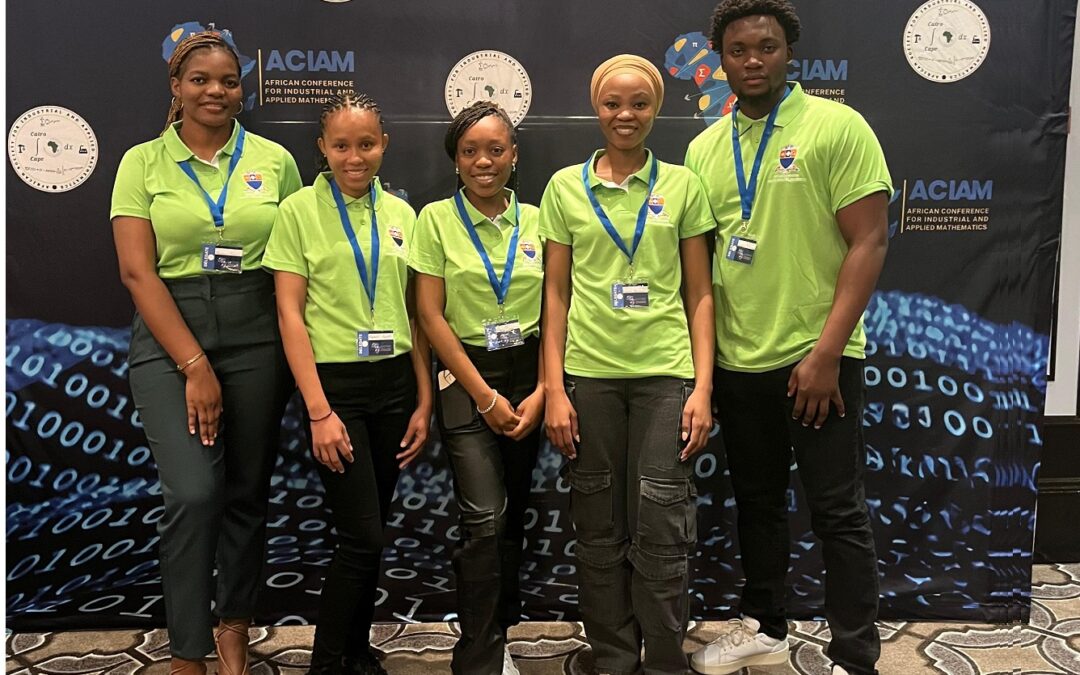
The African Conference of Industrial and Applied Mathematics (ACIAM) recently unfolded in Cape Town, bringing together the brightest minds in mathematics across Africa. For Sefako Makgatho Health Sciences University (SMU), this event provided an invaluable platform for postgraduate students and lecturers from its Department of Mathematics and Applied Mathematics to engage with experts from academia, industry, research institutions, and government bodies. ACIAM, under the theme “The Engine to Economy and Technological Advancement,” showcased the potential of mathematics to address real-world challenges, a vision closely aligned with SMU’s commitment to driving innovation through high-level research and collaboration.
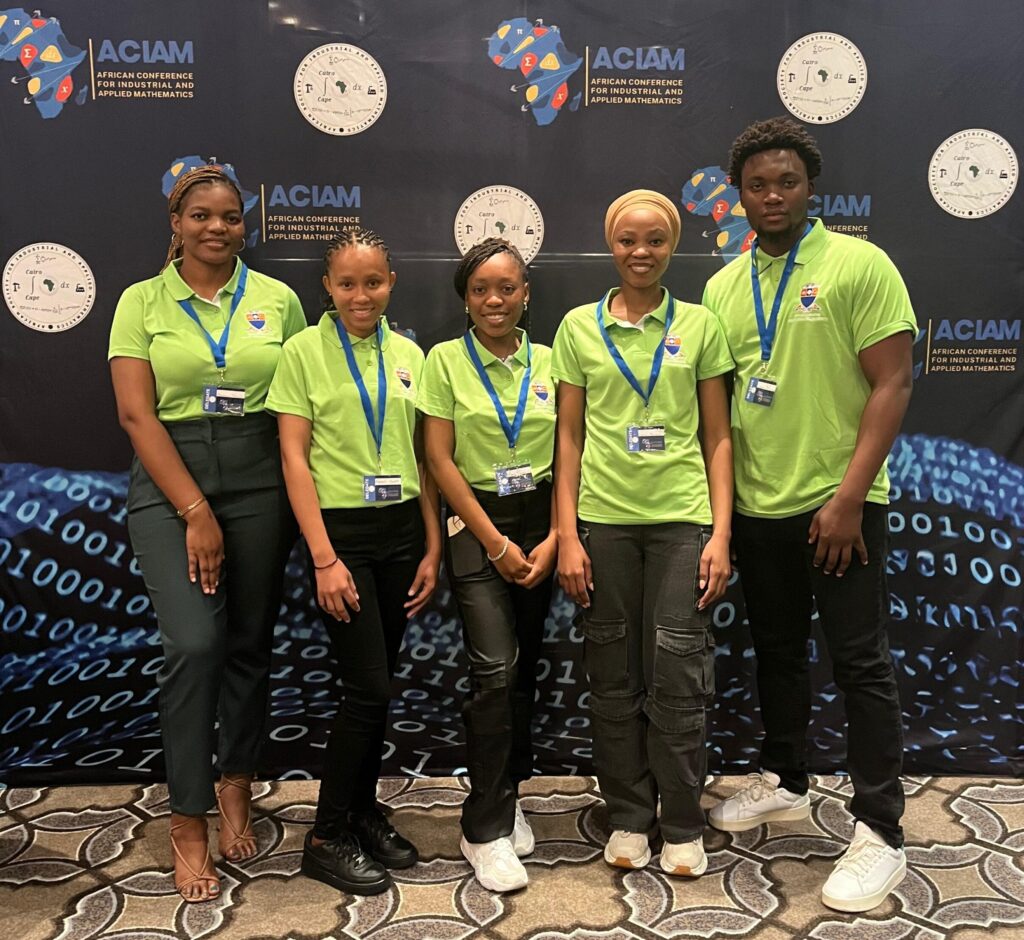
SMU scholars join Africa’s brightest minds at landmark mathematics conference
SMU’s involvement in ACIAM 2024 exemplifies the university’s commitment to advancing high-level research and fostering a culture of excellence in applied mathematics. Several postgraduate students and lecturers from SMU’s Department of Mathematics and Applied Mathematics attended, each eager to contribute their expertise, exchange ideas, and expand their professional networks with some of the continent’s most esteemed researchers.
The theme of this year’s conference was aligned with SMU’s core vision of driving innovation through rigorous academic research. This collaboration, which bridged academia, industry, and government bodies, aimed to harness the power of mathematical theory in solving pressing challenges across Africa, from healthcare to financial markets.
At the heart of SMU’s participation in the conference was a philosophy rooted in meritocracy and academic curiosity. Far from limiting access to a select few, the university’s application process allowed any student from the Department of Mathematics and Applied Mathematics with a passion for the subject to apply and earn their place through the strength of their research proposals. This inclusive approach highlights SMU’s dedication to nurturing talent across all academic levels, from honours students to senior lecturers.
Master’s student Mbali Phama, who presented her research on “Similarity Reductions of the Benjamin-Bona Mahony Equation,” described the conference as a pivotal moment in her academic journey. “ACIAM gave me a new perspective on how my work can directly impact real-world issues, and the exposure to African research landscapes was incredibly enriching,” she says. Such experiences underscore the value SMU places on providing students with the tools, mentorship, and opportunities to succeed in a competitive global research environment.
Other members of the SMU delegation, including Junior Lecturers Sanele Mlotshwa and Matlhatsi Ngwepe, presented cutting-edge research in areas such as Lie point symmetries and self-adaptive algorithms. Their participation demonstrated not only SMU’s commitment to supporting diverse research initiatives but also the university’s growing role as a catalyst for technological advancement and innovation within Southern Africa.
The focus of ACIAM 2024 on applying mathematical theories to real-world challenges, such as bond pricing in financial markets and health sciences, resonated deeply with SMU’s mission. Honours student Morongwa Ralefeta, whose research explores fixed-point theorems in machine learning, was particularly struck by the practical applications of her studies. “This conference reinforced the importance of connecting theoretical research with practical solutions that can make a tangible difference in fields like healthcare and technology,” she remarks.
For those involved in applied mathematics projects with direct societal benefits, such as image processing and MRI scan reconstruction, ACIAM offered an ideal forum for sharing insights and forging valuable collaborations. Matlhatsi Ngwepe highlights the potential of these innovations to improve diagnostic processes, emphasising the transformative impact that applied mathematics can have on healthcare. “Our work in imaging reconstruction could revolutionise patient care by improving the speed and clarity of diagnostic results,” he says.
Though SMU’s representatives did not present formal research this year, their participation in ACIAM demonstrated the university’s dedication to equipping its scholars with the necessary skills to excel in the global academic arena. “The experience has strengthened our ability to present research effectively and engage with fellow scholars in meaningful ways,” says Phama. “These lessons will help us make even greater contributions at future conferences.”
ACIAM 2024 served as a milestone for the mathematical community and provided a clear view of the immense potential that applied mathematics holds for Africa’s future. As the conference concluded, the SMU delegation left with a renewed sense of purpose and optimism, reinforcing the university’s position as a competitive, forward-thinking institution dedicated to fostering innovative research that drives Africa’s economic and technological progress. The university is already planning to support its scholars’ continued research ambitions, ensuring that SMU remains at the forefront of academic excellence in Southern Africa.
Through this engagement, SMU continues to cement its reputation as a leading institution in applied research, poised to make lasting contributions to both the academic world and the communities it serves.
