by Lorato | Nov 12, 2024 | All News, SMU Media, Student Media
Cwenga Maliwa, a second-year Nursing student at the Sefako Makgatho Health Sciences University (SMU), has been elected Secretary of the South African Nursing Students Association (SANSA). This leadership role underscores her dedication to nursing and her commitment to administrative excellence, signalling a new era of advocacy and reputation-building for the profession.
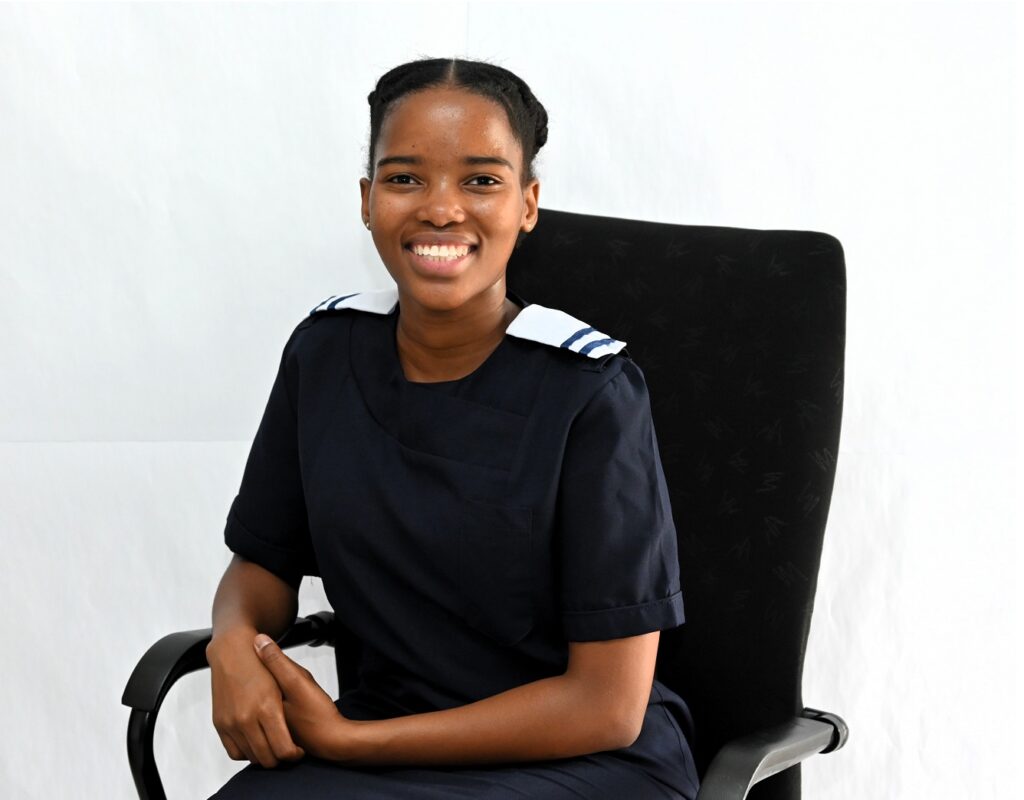
Cwenga Maliwa
Growing up in a family that valued education and independence, Maliwa’s journey is deeply rooted in a supportive environment and inspired by her grandmother’s strength. With a keen interest in healthcare sparked by medical dramas like Chicago Med and The Resident, Maliwa overcame academic hurdles with determination, retaking critical subjects to secure her spot in SMU’s esteemed nursing programme in 2023.
Her ascent into the SANSA leadership is more than a personal milestone; it is a testament to the quality of education and development opportunities offered at SMU. SMU’s commitment to fostering such trailblazers speaks volumes of its academic calibre, equipping students with both the theoretical knowledge and practical skills needed to excel in their fields. Her rise also reflects SMU’s emphasis on producing healthcare professionals who are not only technically skilled but also prepared for leadership and advocacy roles.
As Secretary, Maliwa has set ambitious goals to elevate nursing’s standing, particularly among high school students and university peers. “As the newly elected Secretary of SANSA, I am committed to redefining the perception of nursing. My goal is to inspire high school students and university peers by showcasing our profession’s true importance and versatility. Nursing is not a backup plan; it is a calling and a vital career path that embodies resilience, compassion, and expertise,” she states.
Understanding that SMU’s Nursing Department is smaller than those at some other institutions, Maliwa aims to amplify her peers’ voices and ensure they receive adequate resources and representation. “I want to represent my fellow nursing colleagues and ensure that we are not overlooked,” she emphasised. Her advocacy extends to setting up benchmarking practices to help enhance SMU’s clinical training, further enhancing the university’s reputation as a leader in healthcare education.
Her efforts are bolstered by a keen eye for governance and accountability. As Secretary, she plans to immerse herself in the SANSA constitution, upholding its principles to ensure transparent decision-making. By actively engaging with experienced professionals from the Forum of University Nursing Departments in South Africa (FUNDISA), she will learn to balance diverse perspectives, strengthening her governance skills and reinforcing SMU’s emphasis on developing ethical, well-rounded healthcare leaders.
A pioneer in her approach to organisational management, Maliwa has already introduced streamlined protocols for document handling and communication, setting up a Microsoft Teams repository for national executive committee members. Her dedication to transparency is matched by her forward-thinking approach to technology and efficiency, creating an accountability model reflecting SMU’s innovative spirit.
One of her core strategies is fostering a national community of nursing students, with regular meetings among branch secretaries to ensure the fair representation of events across institutions. “Regular meetings with branch secretaries are essential for shaping a unified national calendar of events, fostering effective coordination and resource sharing across institutions. My strategy prioritises understanding each branch’s unique strengths and challenges, ensuring that every event is fairly represented and that we work together to amplify our collective impact,” she says.
Under her leadership, SANSA aims to nurture a generation of nursing students through five pillars: communication skills, community engagement, research and innovation, professional development, and emotional intelligence training. “As nursing students, our journey is about more than clinical skills; it is about growing as compassionate, innovative, and confident professionals,” she shares. “By focusing on communication and interaction, we build confidence that enhances patient care. Community engagement teaches us humility and service, while research empowers us to push boundaries and elevate nursing standards. Workshops on professional development will prepare us for life beyond university, and emotional intelligence training will uplift our morale and transform workplace culture. My goal is to shape well-rounded nurses who embody excellence and empathy.”
In Maliwa’s journey, SMU’s dedication to developing high-calibre professionals shines brightly. Her achievements and vision illustrate SMU’s role in producing leaders who will inspire future generations within the healthcare field and across South African society. Her election as SANSA Secretary is a powerful reminder that, at SMU, students are not just taught – they are empowered to make a lasting impact.
by Lorato | Nov 12, 2024 | All News, SMU Media, Student Media
From the rural village of Madadzhi in Limpopo to the forefront of healthcare innovation, Divhanani Sithi’s journey is an extraordinary narrative of resilience, dedication, and pioneering spirit. Now the Chief Speech-Language Therapist and Audiologist for the Mopani East District, Sithi exemplifies the calibre of graduates from Sefako Makgatho Health Sciences University (SMU), showing how a South African university can inspire and nurture world-class talent dedicated to public service and transformative healthcare solutions.
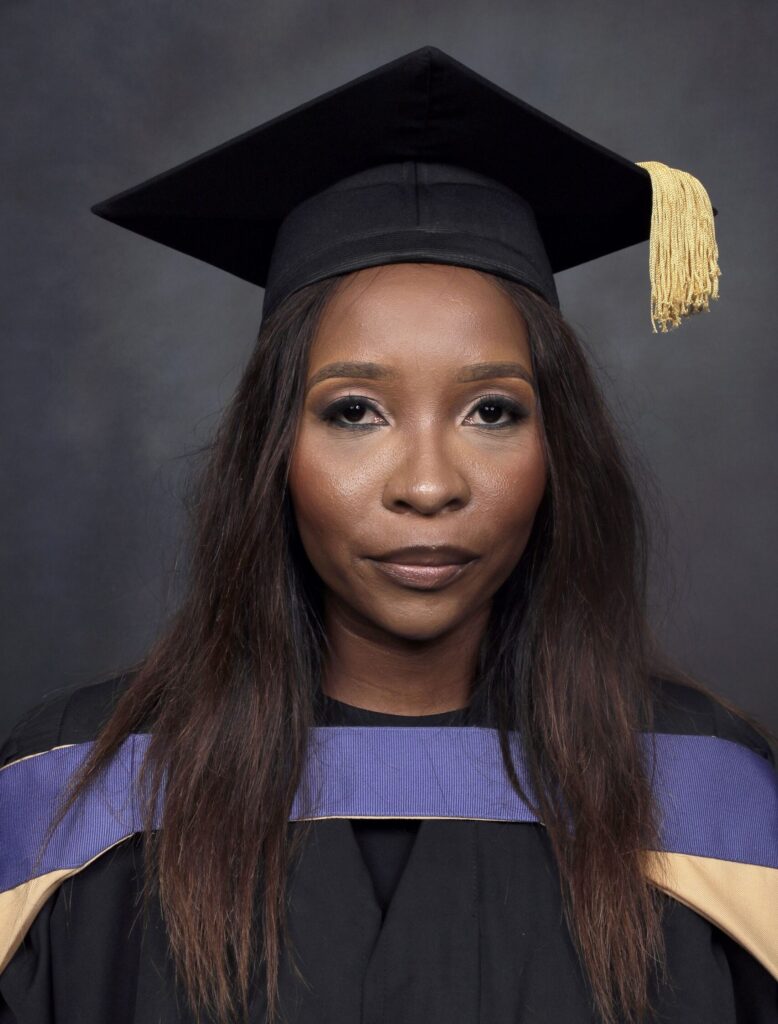
Divhanani Sithi
Sithi, armed with a Master’s in Audiology from SMU, is passionate about improving access to health services in underserved communities. Her recent research project, “Evaluating the Feasibility of a Mobile Tele-Diagnostic Auditory Brainstem Response Service to Rural Communities in Winterveldt,” showcases her commitment to accessible healthcare and the high standard of SMU’s academic training. She is tackling one of South Africa’s critical healthcare challenges: ensuring timely, quality healthcare in remote areas. “Quality healthcare should reach every corner of South Africa,” she says, embodying SMU’s service and academic excellence ethos.
Sithi’s path to audiology was inspired by her sister, SMU alumna Dr Makoma Sithi, who encouraged her to pursue studies in Speech-Language Pathology and Audiology. Beginning her studies at SMU in 2013, she was introduced to a challenging yet supportive academic environment that ignited her passion for healthcare innovation. From her time as a community service therapist to her current role in leadership, SMU prepared her for each step, equipping her with practical skills and instilling a sense of purpose. She reflects, “SMU nurtured my ambitions and helped me navigate the demands of healthcare.”
Through her academic journey and practical experience, Sithi has identified a critical need in rural healthcare: the early detection of paediatric hearing loss. This gap in rural health services has profound implications, often leading to language delays in children. Driven to address this, she pursued her Master’s degree, exploring telehealth as a means to bridge healthcare access gaps. “Telehealth has become a focus in my practice because it can reach remote communities and provide essential care for children who would otherwise lack access,” she explains.
Sithi’s dedication to rural healthcare is underscored by her persistence through personal setbacks. While collecting data for her research, she experienced both the theft of essential equipment and a serious car accident. Yet, her commitment to her work, supported by her family and faith, saw her through. “I backed up my data religiously, and with my family’s support, I could focus on recovery and complete my thesis on record time,” she says. Her resilience reflects her strength and the tenacity fostered by SMU’s rigorous academic standards.
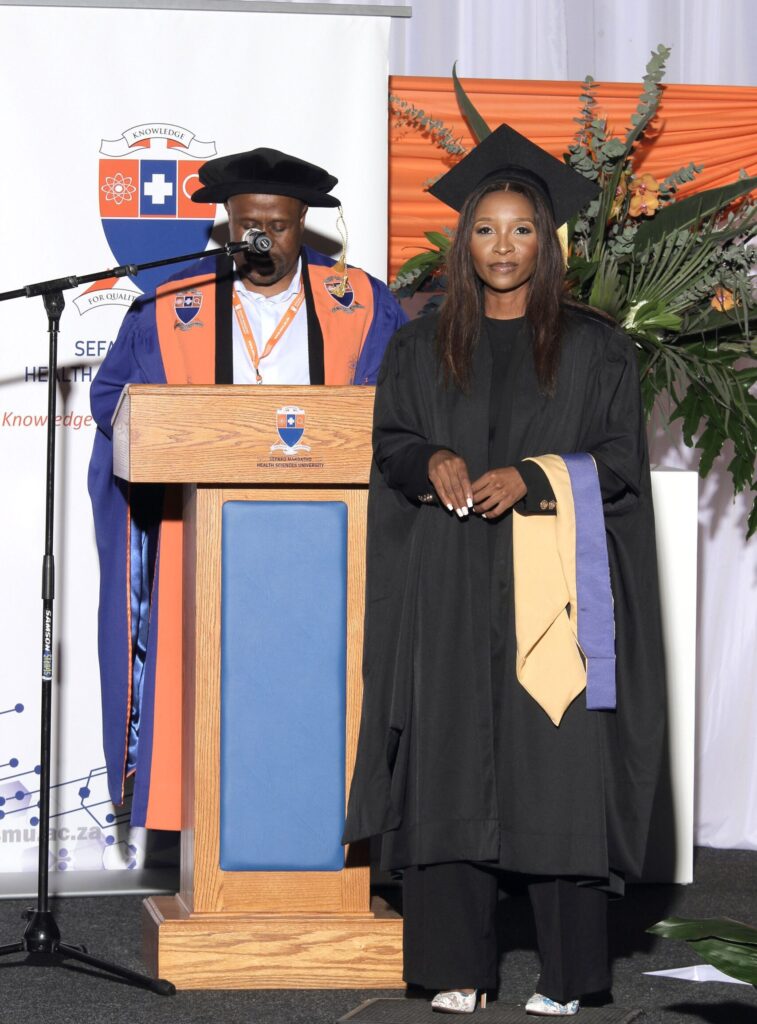
Raised in Limpopo, Sithi’s multilingual background and sensitivity to diverse cultures enrich her patient interactions. She is currently learning sign language to broaden her communication skills with patients, a testament to her belief in truly patient-centred care. “I adapt tests, ask clear questions, and make sure my patients feel safe sharing their symptoms,” she says. Her empathetic approach highlights SMU’s emphasis on culturally relevant and responsive healthcare education.
As she continues to serve and advocate for improved rural healthcare, Sithi is now pursuing a PhD in digital healthcare, aiming to expand telehealth-based audiology services across South Africa. Her forward-thinking vision is to make speech and hearing services widely accessible in rural areas, using digital health solutions to overcome logistical barriers. “Telehealth has the power to create awareness and increase accessibility, especially in underserved areas,” she asserts. “SMU has prepared me to take this challenge head-on, providing me with a foundation in technical skills and a sense of responsibility to my community.”
Looking forward, Sithi is determined to mentor and inspire the next generation of healthcare professionals, ensuring her journey sparks further innovation. Her advice to future SMU students and healthcare professionals is heartfelt: “Focus on your path, believe in yourself, and always consider how your efforts can benefit others.”
Sithi’s story is not just a personal journey; it’s a testament to the transformative education offered by SMU. Her work is pioneering a path for rural healthcare solutions in South Africa and serves as a beacon for aspiring health professionals across the country. In her achievements, SMU’s mission to educate and empower leaders for societal change shines brightly, showcasing the university as a powerhouse in cultivating healthcare professionals who bring hope and tangible improvements to South Africa’s most underserved regions.
by Lorato | Nov 8, 2024 | All News, SMU Media, Student Media
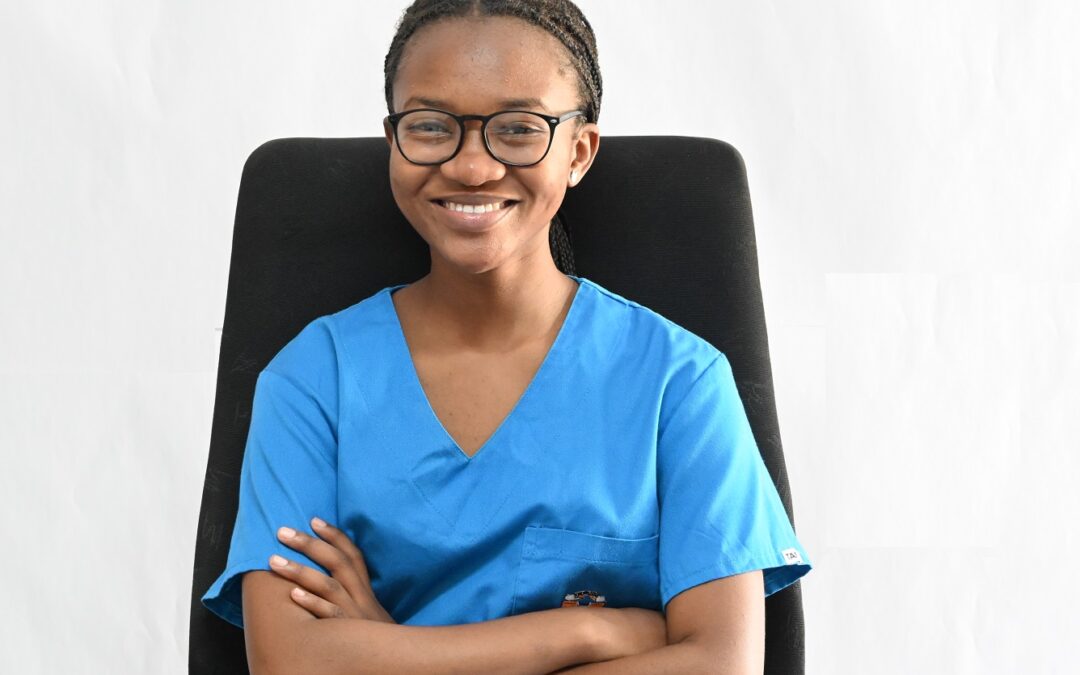
Mahlatse Precious Sekgobela, a third-year nursing student at Sefako Makgatho Health Sciences University (SMU), is leading a movement through the South African Nursing Students Association (SANSA) to reshape the future of nursing education. With a commitment rooted in her family’s legacy of healthcare, Sekgobela brings resilience and a relentless drive to her roles as a National Committee Member and interim Chairperson of SANSA at SMU. Her leadership at this juncture in South Africa’s healthcare landscape highlights the calibre of SMU students and emphasises the university’s role in fostering meaningful student-led change.
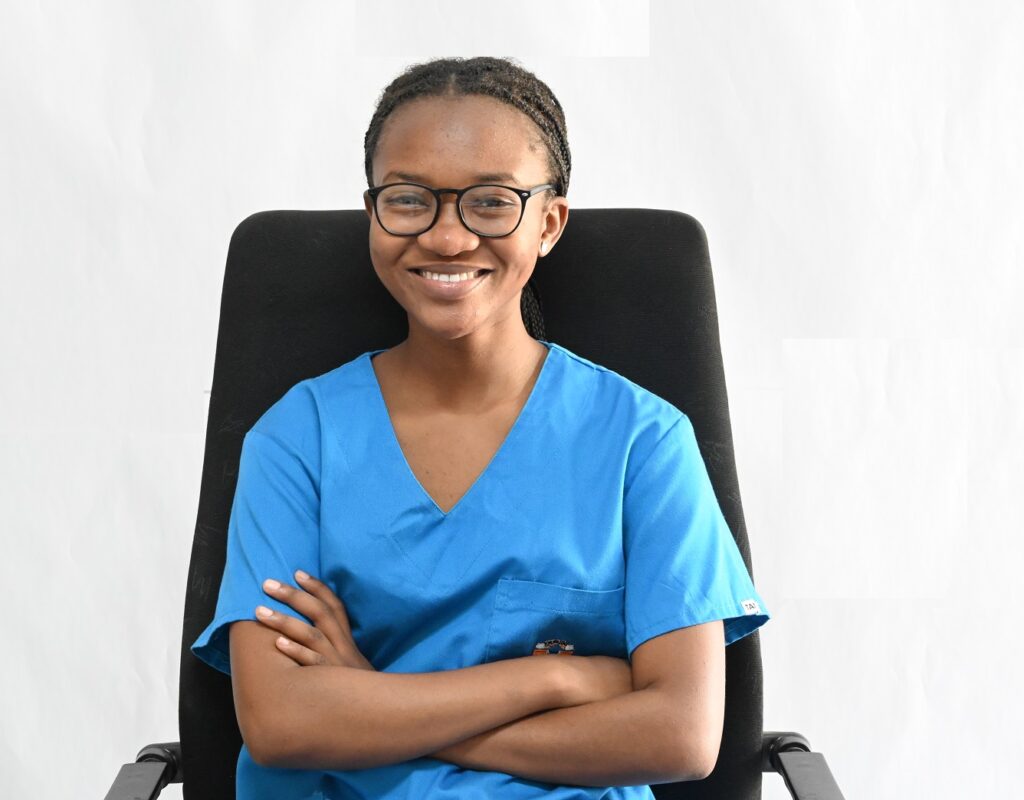
Mahlatse Precious Sekgobela
“It’s been a tough road, but I find beauty in the journey,” Sekgobela remarks, reflecting on the pressures she’s faced. Growing up in rural Carlsruhe Jr, Limpopo, she learned the importance of community and hard work, values she carries into her advocacy for nursing students. Sekgobela’s leadership in SANSA is personal—driven by her vision of creating a unified voice for nursing students who face unique challenges, from mental health strains to gaps in practical training during clinical placements.
A central mission in her work with SANSA is addressing the imbalance in nursing education, where students often fill critical staff shortages rather than receive hands-on learning opportunities. “Students are treated as replacements, moving up levels without mastering the required skills,” she explains. “This puts us at a disadvantage in our profession. I hope SANSA will challenge these norms and ensure that every nursing student gets the training they deserve.”
Sekgobela and her team are tirelessly building SANSA’s presence across universities in South Africa to achieve this. “Our current focus is to establish branches at every university. Each campus faces its own set of challenges, and having a SANSA branch means we can address these specifically and work towards meaningful solutions,” she says. Her leadership within SANSA has already brought attention to issues affecting nursing students’ education, with plans to support mental health, improve clinical training, and foster a network for mutual support.
The journey hasn’t been easy, as she juggles her intense nursing studies with the demands of leading SANSA. “There’s no perfect balance,” she admits. “But as challenging as it gets, I’m driven by my belief in our mission to unite nursing students.” Her daily schedule often includes attending clinical shifts followed by SANSA meetings, a testament to her dedication and drive to uplift her peers.
Sekgobela’s path from her rural upbringing to her position at the forefront of student advocacy at SMU stands as a powerful example of the calibre and determination of SMU students. The skills she honed as a class representative and learning to lead peers from diverse backgrounds have been instrumental in her role within SANSA. “Leadership in nursing is about advocacy, teamwork, and professionalism,” she notes, adding that her vision is for nursing to become a profession where high standards, staff well-being, and patient care are deeply valued.
Looking forward, Sekgobela sees SANSA as a force for lasting change in nursing education that will support students from their academic years into their professional careers. “Once SANSA is fully established, we’ll have the power to push for policies that protect and uplift students across South Africa,” she asserts. “This is our moment to set a new standard for nursing in the country.”
With an unwavering dedication to her studies and advocacy, Sekgobela embodies the high calibre of SMU’s students, exemplifying how passion and purpose can lead to transformative change. Through her leadership, she hopes to inspire her peers to advocate for themselves, support each other, and ultimately elevate the profession they hold dear.

by Lorato | Nov 8, 2024 | All News, SMU Media, Student Media
Khomotso Motiang, Lecturer in the Department of Radiography at Sefako Makgatho Health Sciences University (SMU), has been awarded the prestigious International Society of Magnetic Resonance Radiographers and Technologists (ISMRT) Future Leaders Fellowship. This fellowship, an initiative developed in collaboration with the Bill & Melinda Gates Foundation, aims to advance MRI education in Africa and other globally underserved countries, positioning Motiang at the forefront of driving innovations in MRI education. This recognition highlights her exceptional contributions to the field and solidifies SMU’s standing as a leader in health sciences education.
 The ISMRT Future Leaders Fellowship is a highly competitive global initiative that supports emerging leaders in the field of MRI. Through this Fellowship, Motiang gains access to cutting-edge MRI resources, mentorship from global experts, and an international platform to drive innovations in patient care and radiographic research. As part of the Fellowship, Motiang is working to establish the ISMRT-South African Division, which will bring together radiographers and educators from across the country to collaborate and share best practices.
“I am deeply honoured by this opportunity,” says Motiang. “The Fellowship equips me with the knowledge and resources to enhance MRI education in South Africa, where access to equipment for student training is often limited. I am committed to empowering the next generation of radiographers and ensuring they have the skills to excel, even with scarce resources.”
Motiang’s commitment to advancing education in radiography is evident not only in her personal achievements but also in the success of her students. In 2024, she supervised a team of final-year students who won the Best Undergraduate Oral Presentation at the university’s Research Days. Her efforts underscore the critical need for improved MRI training infrastructure to equip future health professionals better and enhance patient outcomes.
Joining SMU in 2022, Motiang’s passion for teaching quickly garnered recognition, earning her the 2023 Vice-Chancellor’s Teaching Excellence Award in the Emerging Category. Her academic journey includes presenting at three international conferences and fifteen national events, showcasing her expertise and dedication to professional growth. Her hard work and determination led to her winning the Best Oral Presentations in Forensic Imaging and MRI Tracks at the 2023 Society of Radiographers of South Africa Congress. This recognition opened doors for her to present in Singapore and Hong Kong in 2024, further solidifying her international standing in the field.
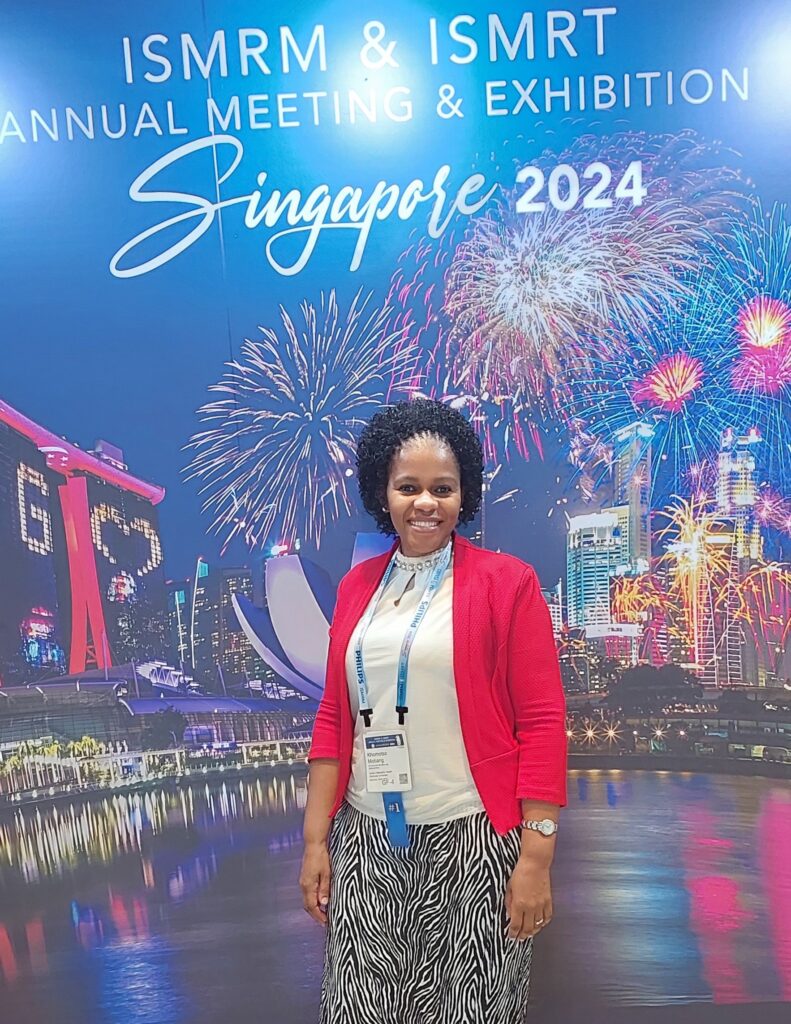
Motiang’s journey to global recognition is also a testament to her resilience. Despite the challenges of securing funding for professional development, she persevered, securing sponsorship through the Society of Radiographers of South Africa. Her commitment to growth continues to shape her professional trajectory and the future of radiography in South Africa.
“As we celebrate World Radiography Day on November 8th, I feel an immense sense of pride and responsibility to make a lasting impact in my field,” says Motiang. “This Fellowship is not just a personal achievement but a step toward advocating for the radiography profession and connecting with a global community of innovators.”
Her success highlights the exceptional calibre of scholars at SMU and the university’s ongoing efforts to employ top talent in critical healthcare fields. It reflects SMU’s dedication to fostering diversity and advancing excellence as its distinguished scholars continue to make local and international waves.

by Lorato | Nov 7, 2024 | All News, SMU Media, Student Media
Bonno Mohlala, a final-year Nursing and Midwifery student at Sefako Makgatho Health Sciences University (SMU), is proving that strength and femininity can go hand-in-hand. Mohlala recently made history by winning first place in the Ladies’ Wellness under 166 cm category and emerging as the overall winner in the Ladies’ Wellness division at the University Sports South Africa (USSA) Bodybuilding National Competition, recently held at North-West University, Vaal Campus.

Bonno Mohlala, a final-year Nursing and Midwifery student at SMU, proving that strength and femininity can go hand-in-hand
Balancing the pressures of her demanding academic schedule with the rigorous training necessary for bodybuilding is no small feat. Mohlala succeeds in both by carefully managing her time and dedicating just one to two hours a day to her training while excelling in her studies. “By sparing an hour or two for the gym, I can balance both school and training effectively,” she explains.
Her journey in bodybuilding has been one of transformation, not only physically but also emotionally. Mohlala admits that she struggled with low self-esteem before taking up the sport. “I wasn’t comfortable in my own body until I started bodybuilding. Now, I see how unique and different I am,” she shares, reflecting on the confidence the sport has given her.
SMU has provided the platform for Mohlala to excel both academically and athletically, demonstrating the university’s commitment to enabling its students to pursue their passions beyond the classroom. Her success at the USSA competition has also earned her a spot at the national championships, where she finished in the top ten—a stepping stone towards her goal of placing in the top three next year.
But Mohlala’s achievements extend beyond bodybuilding. She serves as the Manager for the SMU Ladies’ Rugby Team, a role that highlights her leadership and mentorship skills. Although she does not play rugby herself, her involvement underscores her dedication to promoting women’s participation in various sports. “Women fear they will look like men if they lift weights, but that’s not true. You can be feminine in a muscular way. Don’t let societal stigma hold you back,” she advises, challenging the stereotypes that often discourage women from pursuing bodybuilding.
Mohlala’s story is a testament to the empowering environment at SMU. The university not only cultivates academic excellence but also supports the diverse ambitions of its students. With the backing of her academic institution, Mohlala has redefined what it means to be strong, both mentally and physically.
Her future goals are clear: she is determined to reach new heights in bodybuilding, aiming for victory in national competitions. She hopes to inspire more women to challenge societal norms and embrace the empowering effects of sports. “Bodybuilding is often seen as a men’s sport, but women are just as capable. I want to see more women taking part in sports. Bodybuilding helped me, and it can help others improve themselves,” she says.
Mohlala is more than a champion; she is a trailblazer. Her success illustrates the calibre of students that SMU nurtures—those who are not afraid to break barriers and redefine norms, proving that with dedication and the right support, anything is possible. SMU stands proudly behind students like Mohlala, enabling them to shine in all their endeavours.

by Lorato | Nov 7, 2024 | All News, SMU Media, Student Media
Sefako Makgatho Health Sciences University (SMU) continues to foster holistic student development through its entrepreneurship programme, empowering students to unlock their innovative potential and take charge of their futures. One shining example of this is Koketso Malebana, a remarkable student from Atteridgeville who is balancing academic excellence with entrepreneurial success.
Malebana, pursuing a Bachelor of Science (BSc) Honours in Mathematics at SMU, discovered her passion for makeup artistry at fifteen. Growing up, she would watch her sisters, Kgothatso and Nomsa, apply makeup and ask about the products they used. This curiosity sparked a journey of self-taught skills, leading her to master the art of makeup. “I started by perfecting my eyebrows, and over time, I learned how to do full-face makeup,” explains Malebana.

SMU student, Koketso Malebana, driven by her passion and entrepreneurial spirit, founded Kokiie’s Beauty Artistry
In 2022, , a freelance makeup business that caters to clients of all ages. Her services are tailored to various occasions, from graduations and gala dinners to beauty contests and casual outings. Malebana’s business thrives on the joy of making her clients feel confident and beautiful.
Beyond her passion, financial necessity played a role in her entrepreneurial journey. “Not having funding for my studies motivated me to start my business. I didn’t want to constantly ask my parents for money, especially with the rising living costs. Running my business allows me to meet my daily needs and focus on my studies without worrying about where my next meal will come from,” she shares.
Malebana’s entrepreneurial drive is deeply rooted in her family. Her parents run a decor company, her sister Nomsa owns an environmental waste management business, and her other sister, Kgothatso, operates a catering and decor company. This family legacy of entrepreneurship inspired her to venture into business while maintaining her academic ambitions. “Balancing my studies and business is important to me. I carefully manage my time, taking bookings during my free time or study breaks. Nomsa also helps with the workload when I have many clients,” she adds.
Malebana actively markets her services within SMU to grow her business, leveraging residents’ group chats and social media platforms like Instagram and WhatsApp. She is ambitious about the future, with plans to expand her beauty business to offer hair installations and nail services. She also dreams of becoming a data analyst or scientist, with aspirations to pursue advanced studies in mathematical optimisation.
She credits SMU with shaping her into the well-rounded individual she is today. She expresses gratitude to the university for instilling a sense of Ubuntu, acceptance, commitment, and time management in her. “SMU has taught me to manage my time effectively and balance my academic and business pursuits,” she says.
Malebana’s journey highlights the nurturing environment SMU provides for its students, encouraging them to excel both academically and personally. Through its entrepreneurship programme, SMU remains an institution of choice for students who aspire to achieve greatness across multiple disciplines.