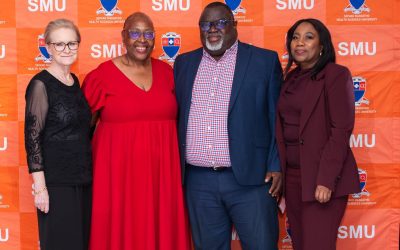
The School of Health Care Sciences at Sefako Makgatho Health Sciences University (SMU) recently hosted its inaugural Occupational Therapy Alumni Gala Dinner—an occasion that united graduates across generations to honour Professor Alfred Ramukumba’s retirement after 36 years of distinguished service.
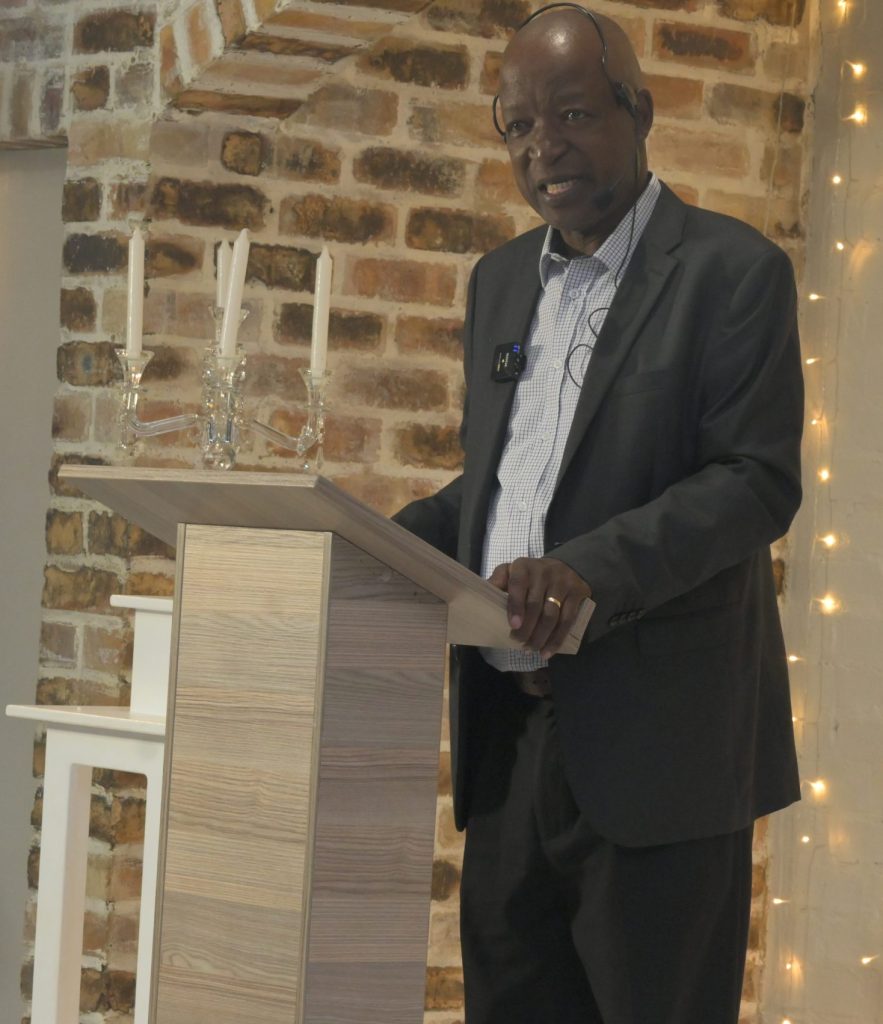 The evening was both a celebration of Ramukumba’s professional legacy and a moment of reflection on the growth and transformation of the Department of Occupational Therapy at SMU. The event drew former students, academic staff, healthcare professionals, and university leadership, creating a warm and collegial atmosphere of gratitude and pride.
Annah Lesunyane, Acting Head of the Department of Occupational Therapy, opened the programme by welcoming guests and expressing appreciation for the contributions that have shaped the department’s academic and professional development. She encouraged alumni to stay connected and continue contributing to its progress.
SMU Convocation President, Japhta Phala, urged alumni to embrace the institution’s evolving identity—from MEDUNSA, to the University of Limpopo (UL) – Medunsa Campus, and now SMU. He reminded them that they are vital ambassadors of the university’s legacy and its future.
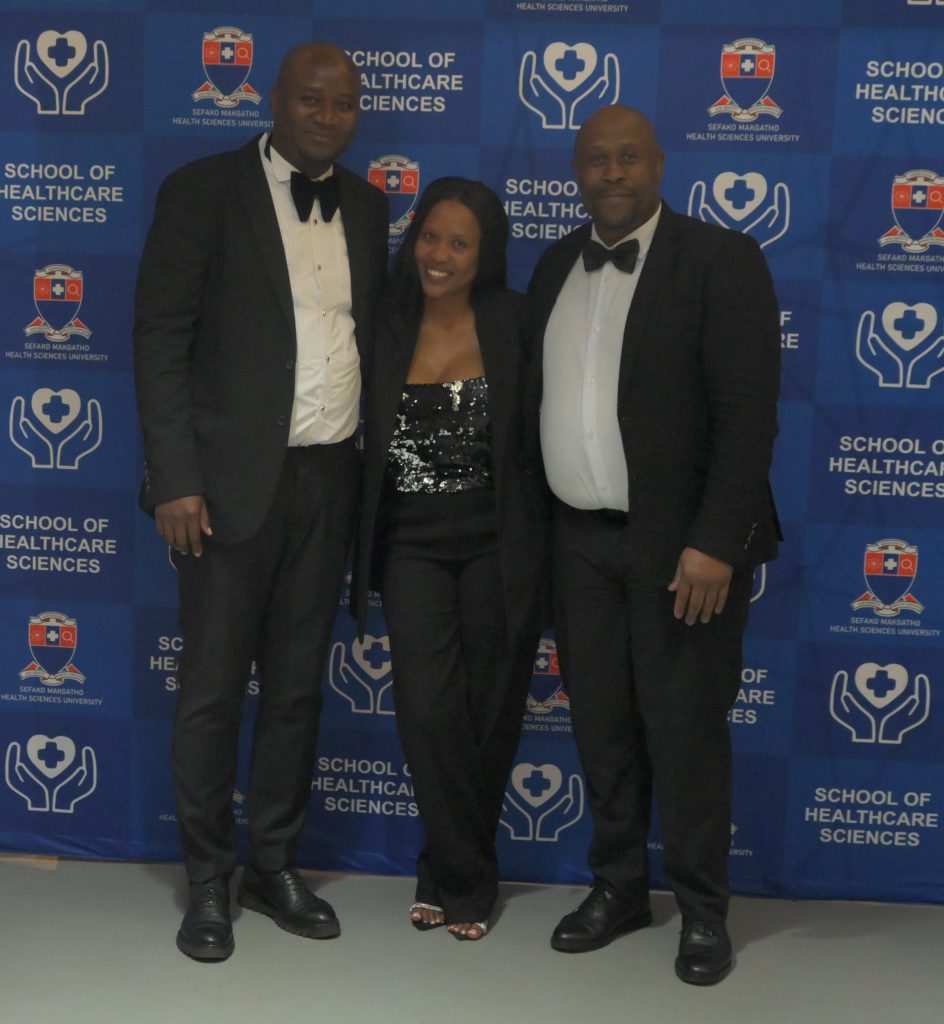 Professor Douglas Maleka, Dean of the School of Health Care Sciences, expressed heartfelt appreciation for Professor Ramukumba’s leadership and long-standing commitment to occupational therapy training. He highlighted Ramukumba’s pivotal role in laying the academic and professional foundations for the discipline at SMU.
In his keynote address, Ramukumba reflected on the department’s journey across three institutional eras. His occupational therapy career began in 1980 at MEDUNSA, where he earned a diploma later converted to a bachelor’s degree. After working in hospitals across Limpopo and Gauteng, he returned to MEDUNSA in 1988 as a junior lecturer and was appointed Head of Department in 2003.
He described the MEDUNSA era as one of determination in the face of constraint, where limited institutional resources were met with staff and student dedication. During the UL period, the department saw notable expansion in student enrolment, with 42 final-year students graduating in 2009. Many alumni returned to serve as lecturers and clinical supervisors, strengthening the academic support system.
Ramukumba acknowledged the political and academic disruptions of the time, including campus shutdowns and boycotts, but commended the resilience of the department in maintaining the training standards of the Health Professions Council of South Africa (HPCSA).
Since SMU’s establishment in 2014, he noted key improvements such as strengthened governance, formalised student support services, and robust academic policies. He proudly shared that the department’s training programme remains accredited by both the HPCSA and the World Federation of Occupational Therapists (WFOT).
He also celebrated the department’s enhanced research output, citing a growing number of peer-reviewed publications and staff academic advancement, including two PhD graduates, six PhD candidates, and two master’s degree holders among the staff.
Reflecting on his personal professional development, Ramukumba credited his involvement in national and international professional bodies such as the Occupational Therapy Association of South Africa (OTASA), the Pan African Occupational Therapy Society (POTS), the Occupational Therapy Africa Regional Group (OTARG), and the WFOT. He encouraged alumni to contribute meaningfully to the profession, support community transformation through “economic occupations,” and mentor the next generation of occupational therapists.
The evening concluded with a vote of thanks from SMU alumna and OTASA President Aluwani Manenzhe, who commended Ramukumba for his humility, vision, and enduring commitment to advancing the field of occupational therapy.
By Dimakatso Modise