Youth Day Special Feature – Honouring student leadership as a driving force in national transformation
As South Africa commemorates Youth Day—a moment to honour the courage, vision and activism of generations past—Sefako Makgatho Health Sciences University (SMU) celebrates the contributions of its student leaders to shaping a more just and responsive higher education landscape.
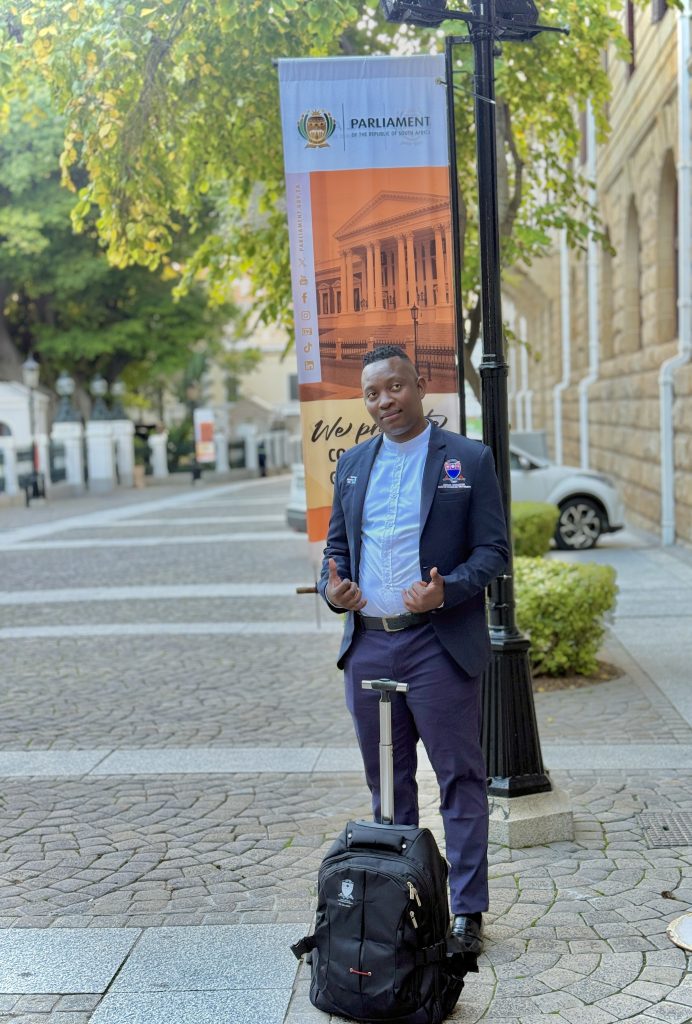 Earlier this month, two Student Representative Council (SRC) leaders from SMU stepped onto a national platform to represent the student voice in a high-level discussion on the future of the post-school education and training system. Katlego Peter Moshanyane, President of the SRC, and Fhulufhelo Ntsieni, Secretary-General, participated in a briefing to the Parliamentary Portfolio Committee on Higher Education and Training, where they reflected on the systemic challenges facing today’s students, particularly those pursuing qualifications in the health sciences.
Their participation comes at a pivotal moment in the national discourse, as South Africa continues to shape higher education models that respond to the country’s socio-economic and developmental needs. In particular, growing attention has been placed on the accessibility and sustainability of the National Student Financial Aid Scheme (NSFAS) and the ongoing crisis of graduate unemployment, even in critical sectors like healthcare.
During the session, the SRC leaders identified several areas they believe require urgent attention, including:
- Timely disbursement of student financial aid and improved NSFAS processes to reduce academic disruptions;
- Equitable access to support resources for students from disadvantaged backgrounds; and
- Clear employment pathways for health sciences graduates, many of whom face delayed absorption into the public health system despite national need.
“We saw this platform as an opportunity not just to raise challenges but to be part of building solutions for current and future students,” says Moshanyane. “As a health sciences university, SMU must be central to conversations about national development, and students must be active participants in that journey.”
Their participation was not only welcomed by peers at SMU but also recognised across the higher education sector as an example of visionary student leadership rooted in public service.
Following their appearance in Parliament, the SRC leaders say they are more determined than ever to advance a student-centred vision for change, one that prioritises access, equity, and opportunities beyond graduation.
“This experience has strengthened our resolve to lead with purpose. We are not just raising concerns; we are also working to connect students to opportunities and partnerships that can drive long-term change,” adds Ntsieni.
In their response to the ongoing crisis of delayed employment among health sciences graduates, the SMU SRC leaders called for a coordinated approach between government, universities, and industry.
“Government must prioritise funding and filling vacant posts, streamline internship placements, and improve workforce planning. Universities must align curricula with real-world healthcare demands and strengthen practical, work-ready training. At the same time, the private health sector should step in with graduate programmes and internships that help bridge the transition from education to employment,” Moshanyane states.
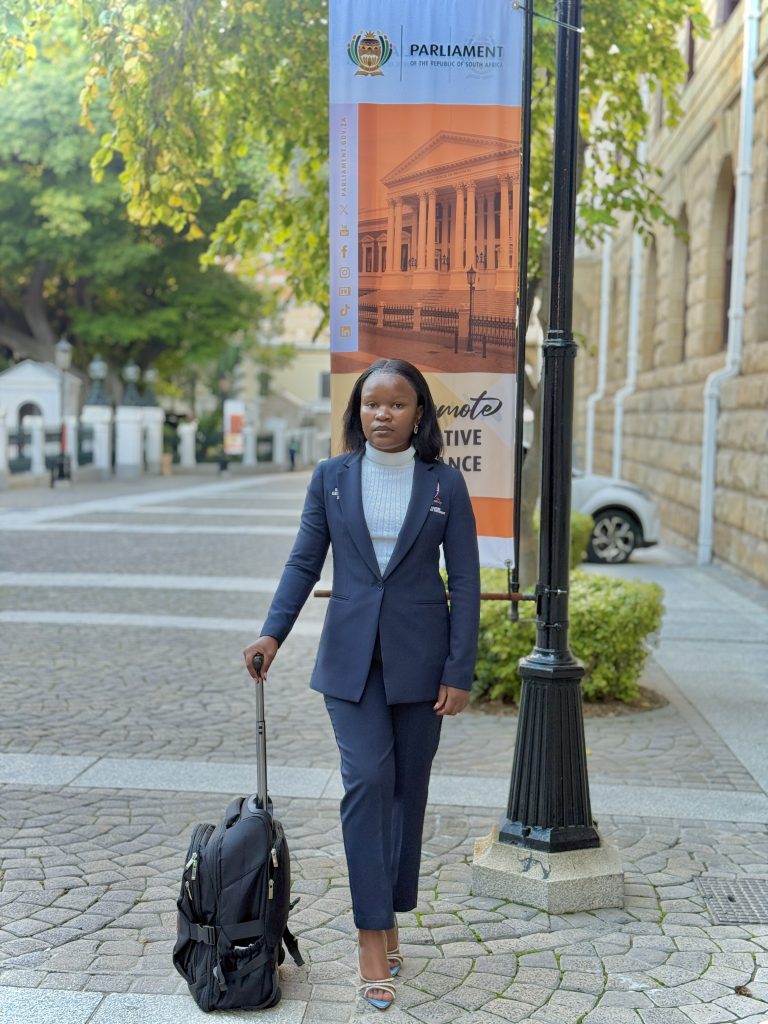 Following their appearance in Parliament, the SRC leaders say they are more determined than ever to advance a student-centred vision for change—one that prioritises access, equity, and opportunities beyond graduation.
On the matter of donor and external partner engagement, the SRC leaders underscored the importance of investment in both infrastructure and financial aid. “If donors were to support SMU, we would prioritise infrastructure development and direct financial support such as bursaries and sponsorships. Many students are on the verge of financial exclusion, and that remains a major barrier to academic success,” Ntsieni notes.
They also propose practical reforms to the NSFAS model, calling for a more flexible, responsive system: “Our institution, working with the Department of Higher Education, could explore the establishment of emergency relief funds or bridging allowances to support students awaiting NSFAS disbursements. NSFAS should also disburse funds according to university-specific calendars to avoid delays. Additionally, we recommend NSFAS help desks on campus with trained personnel to assist students more efficiently.”
SMU recognises the value of student voices in shaping both institutional transformation and national dialogue. As the university continues to evolve, the leadership demonstrated by its SRC reflects the calibre of graduates it seeks to cultivate: thoughtful, engaged, and committed to meaningful public impact.