Sefako Makgatho Health Sciences University (SMU), formerly the Medical University of Southern Africa (MEDUNSA), continues to produce graduates who shape health systems far beyond South Africa’s borders. Among them is Dr Luvuyo Bayeni, an alumnus whose journey from clinical medicine to continental health leadership reflects the evolving role of doctors in strengthening public health systems across Africa.
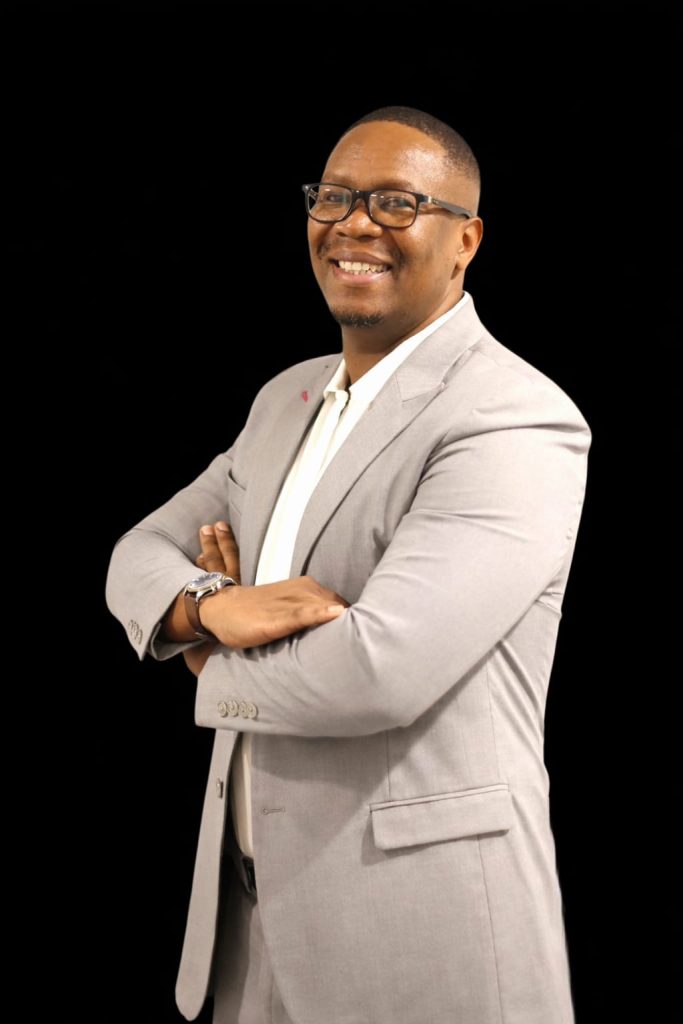 Dr Bayeni, who holds an MBChB from SMU and an MBA from Nelson Mandela University, has built a career that bridges frontline clinical care and strategic health governance. He currently serves as Chief Director for Human Resources for Health at South Africa’s National Department of Health, where he leads national workforce planning and policy development aimed at strengthening the resilience of the health system.
Speaking about his professional journey, Dr Bayeni reflects on the shift from clinical practice to systems leadership: “Medicine taught me to treat individuals, but leadership has taught me to treat systems. If we fix the system, we improve care for millions, not just one patient at a time.”
With over 21 years of experience, his career has spanned Obstetrics and Sexual and Reproductive Health, district health management, and senior executive roles, including Acting Chief Executive Officer, Clinical Manager for Surgery, and District Health Manager. His reputation for operational turnaround in challenging environments, particularly in the Eastern Cape, earned him the informal title “Dr Fix It”.
Dr Bayeni’s leadership foundation was shaped early during his time at SMU, where he was deeply involved in student governance. He served in multiple leadership roles, including four terms in the Student Representative Council and positions within SASCO and other student structures. These experiences, he says, were formative in understanding accountability and advocacy.
“Student leadership was my first exposure to governance. It taught me that leadership is not about position, but about responsibility to others,” he explains.
Beyond national government, Dr Bayeni extends his influence through DrB Talks, a platform he founded to drive conversations on health systems, leadership, and community development. The platform has featured discussions across media outlets, including Sowetan and TruFM, aiming to connect policy with public understanding.
At the continental level, he serves as Co-Chair of the Governance and Leadership Subcommittee of the African Union Health Workforce Task Team, contributing to efforts aimed at strengthening health workforce systems across member states. He is also a Fellow of the Africa Leadership Initiative, recognising his contribution to ethical and transformative leadership.
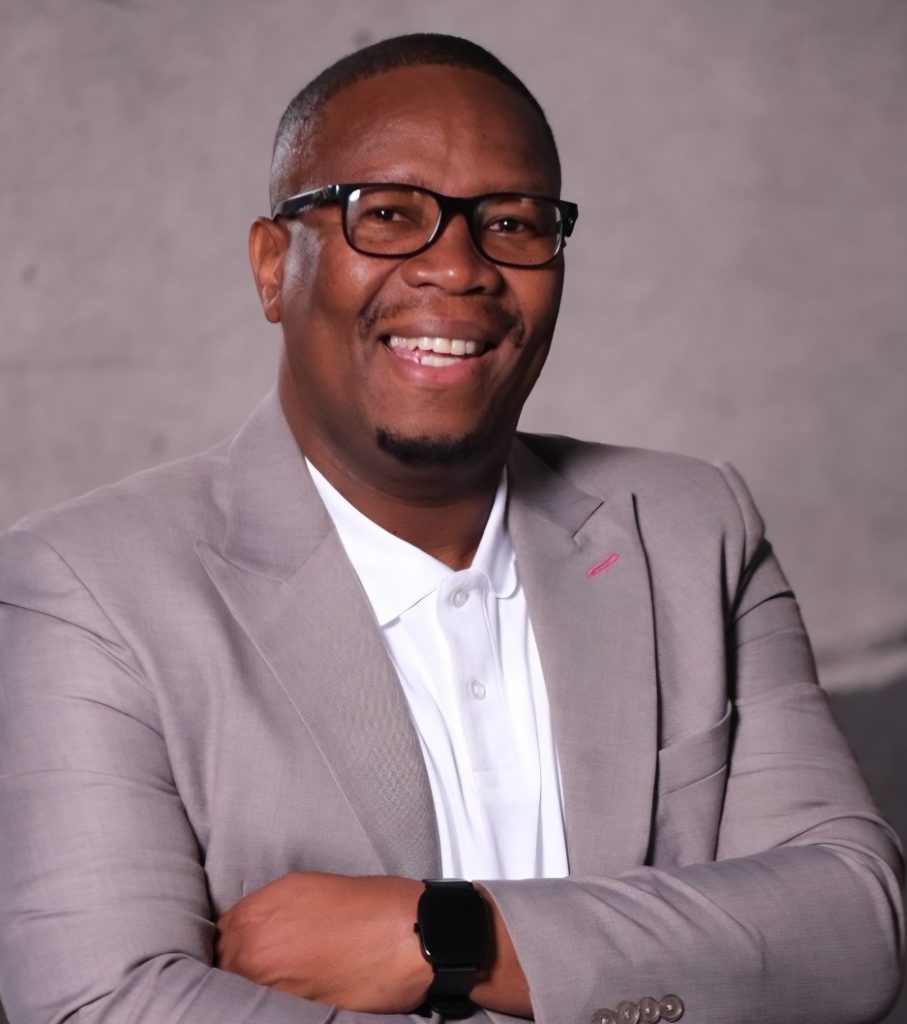 Reflecting on Africa’s health challenges, Dr Bayeni emphasises the need for collaboration and long-term thinking: “Africa’s health systems will not be strengthened by isolated interventions. We need coordinated leadership, investment in people, and sustained commitment to reform.”
In addition, he serves on governance structures, including the Board of Boxing South Africa and the Medical and Dental Board of the Health Professions Council of South Africa, contributing to regulatory oversight and professional standards.
Dr Bayeni’s journey illustrates a broader shift in health professions: the transition from individual clinical excellence to systemic leadership. His work demonstrates how clinicians can shape policy, governance, and workforce development at national and continental levels.
His story also reflects the enduring role of SMU in producing health professionals who are not only clinically competent but also equipped for leadership in complex systems. The university’s commitment to excellence, accountability, and innovation continues to be evident in the impact of its alumni across Africa’s health landscape.
Ultimately, Dr Bayeni’s career stands as a testament to the power of combining clinical expertise with visionary leadership. From hospital wards to national policy and African Union platforms, his work continues to advance the goal of equitable and resilient healthcare systems.
SMU remains central to this narrative, reinforcing its mission of transforming health sciences education and contributing meaningfully to the health and well-being of communities in South Africa and beyond.
By Dimakatso Modise