
A South African public health specialist has claimed top honours on the global stage. At an international gathering of researchers in Bali, Indonesia, a study from rural Limpopo cut through the noise. Its message was urgent: nearly half of HIV-positive mothers surveyed showed symptoms of anxiety.
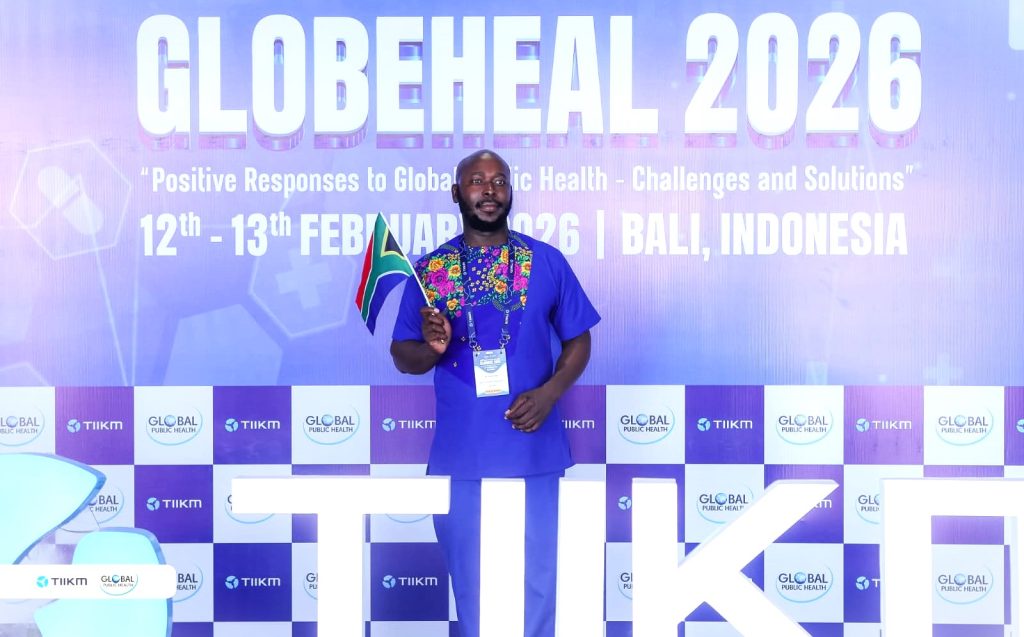 Tebogo Shivuri, a Master of Public Health graduate from Sefako Makgatho Health Sciences University (SMU), was named Best Poster Presenter at the Global Health Conference in Bali for his research on perinatal anxiety among women living with HIV in the Tzaneen sub-district. “This recognition is not just about me,” Shivuri said. “It is about the women in Tzaneen whose mental health struggles often go unseen and untreated.”
Mental health disorders are rising globally, with perinatal depression and anxiety increasing alongside them. For HIV-positive mothers, the burden is compounded by stigma, economic hardship and complex clinical demands.
Shivuri conducted a quantitative cross-sectional survey of 395 HIV-positive perinatal women in Tzaneen. Using the Brief Symptoms Index-18 (BSI) and advanced statistical analysis through Stata-18, he identified a 47.09% prevalence of perinatal anxiety symptoms. The findings were stark:
- 09% of participants showed anxiety symptoms
- 35% experienced symptoms during pregnancy
- 73% experienced symptoms postnatally
- Only 11.65% had planned their current pregnancy
- The mean age of participants was 27 years
“Nearly one in two women screened positive for anxiety symptoms,” Shivuri explained. “That is not a marginal issue — it is a public health emergency.”
Anxiety was significantly more prevalent among first-time mothers, women with CD4 counts below 499, and those reporting high levels of HIV-related shame. Both clinical and partner-related socio-demographic factors were strongly associated with anxiety in bivariate and multivariate analyses (p≤0.05). “The association with HIV-related shame was particularly concerning,” he said. “It shows that stigma is not just social — it directly affects mental wellbeing.”
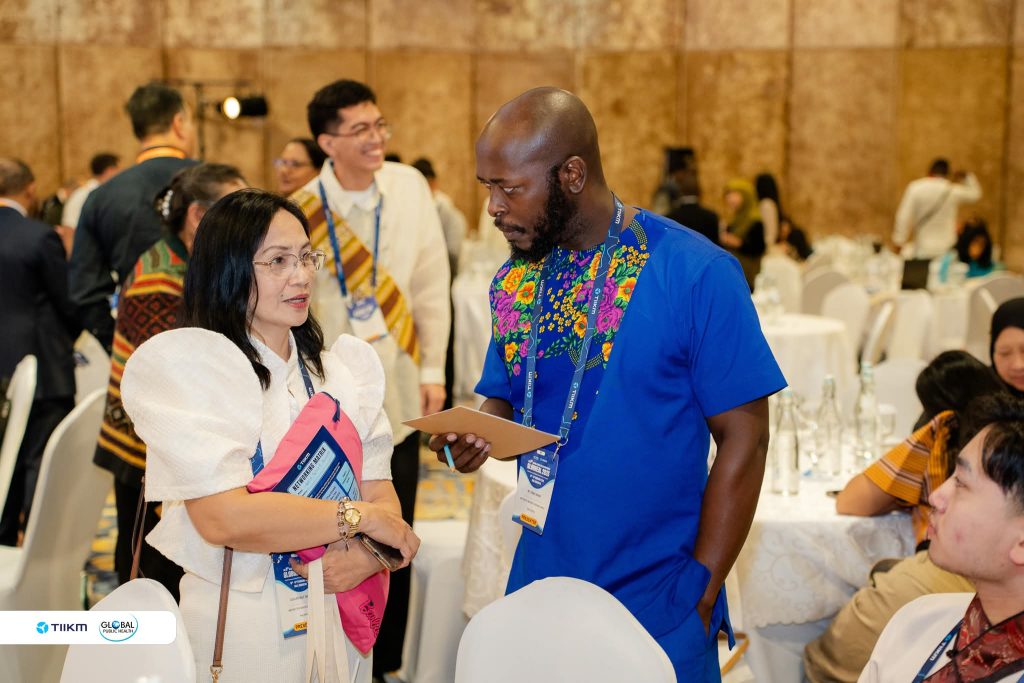 Shivuri’s research concludes that routine mental health screening during the perinatal period must be prioritised, particularly for women living with HIV. “We cannot treat HIV in isolation,” he stated. “If we ignore mental health, we undermine treatment adherence, maternal wellbeing and infant outcomes.”
He argued that Prevention of Mother-to-Child Transmission (PMTCT) services offer a critical opportunity for integrated care. “Screening tools are simple. What is needed is commitment to implementation.”
Conference organisers praised the clarity and practical implications of his presentation. One reviewer noted that the study “combined rigorous statistical analysis with real-world relevance for low- and middle-income settings”.
Currently a Clinical Preceptor at North-West University, Shivuri has spent more than a decade working in HIV prevention, treatment and care across South Africa. He has served in leadership and technical roles at ANOVA Health Institute, supporting ART initiation, PMTCT programmes and quality improvement strategies aligned with national and global HIV targets.
Reflecting on the award, Shivuri said: “Presenting to an international audience affirmed that research from rural South Africa matters. Our data belongs in global conversations.”
He is now pursuing a PhD in Nursing, continuing his focus on strengthening maternal and HIV-related health systems. “The ultimate goal,” he added, “is simple: no woman should navigate pregnancy, HIV and anxiety alone.”
In Bali, applause recognised academic excellence. But beyond the award, Shivuri’s message was unmistakable — maternal mental health must move from the margins to the centre of HIV care.
By Tumelo Moila


