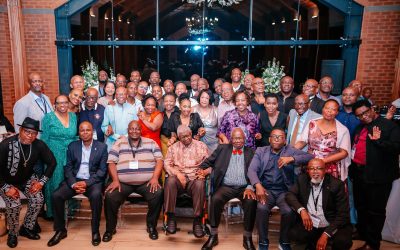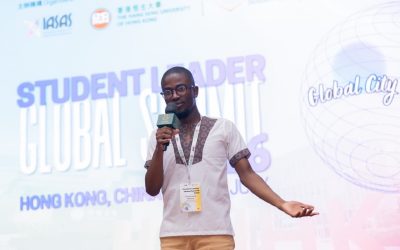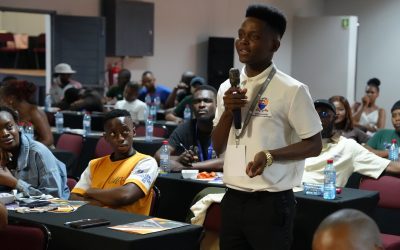
The Sefako Makgatho Health Sciences University (SMU) played a central role in the International Day for Biological Diversity 2026 celebrations held at Tshwane South TVET College’s ODI Campus and the Toloane Catchment Area in Hebron/Mabopane. The programme, themed “Skills for the River, Impact for the Planet,” brought together government, academia, and community partners to advance biodiversity conservation, citizen science, and integrated catchment management. The event aligned with Africa Day and marked the soft launch of the Ecological Infrastructure Rehabilitation for Sustainable Livelihoods (EIR4SL) Programme, reinforcing a shared commitment to environmental restoration and sustainable livelihoods.
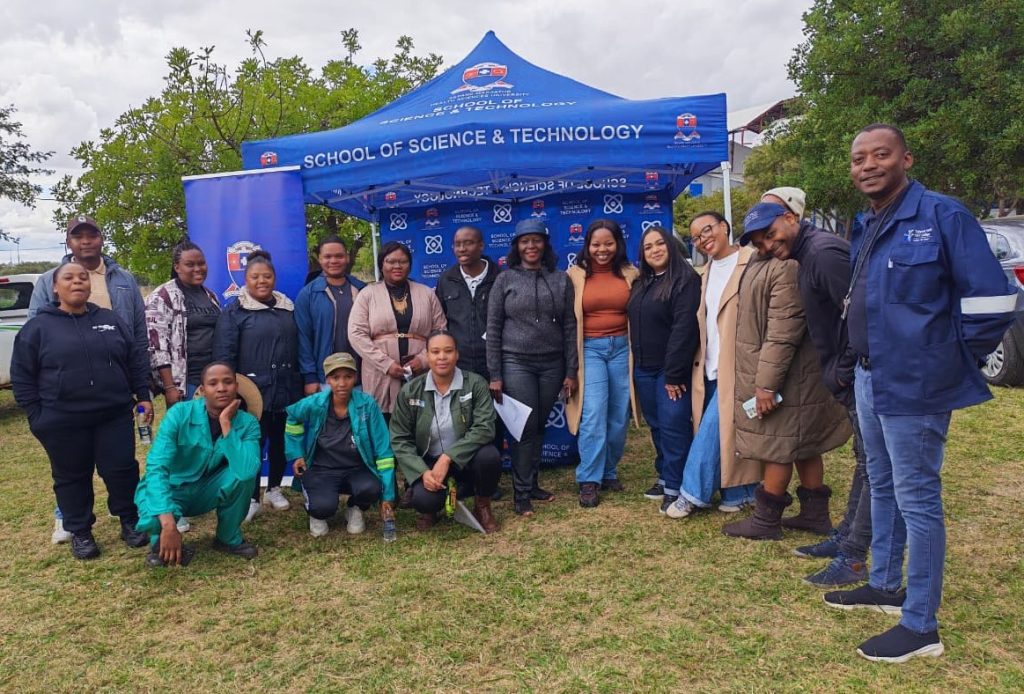 Stakeholders included the Department of Water and Sanitation, South African National Biodiversity Institute, Magalies Water, the Gauteng Department of Environment, the City of Tshwane Water and Sanitation Unit, Tshwane South TVET College, Friends of Toloane NPC, and community structures such as the Toloane Youth Water Network. SMU representatives from the Department of Biology and Environmental Sciences, including Dr Clarissa Naidoo, Dr Ntebo Lion, Tshegofatso Modise, Letlhogonolo Ntshimane, Pitso Hoffman, Sphiwe Joseph Skosana, and Trevor Bongani Bvuma, contributed across planning sessions, field activities, and public engagement platforms, strengthening multi-sector collaboration in the catchment.
“Biodiversity protection is not theoretical for us—it is a lived responsibility,” said Dr Naidoo. “Through partnerships like this, we are translating science into action that improves water systems, public health, and community resilience.”
SMU contributed significantly to environmental education and citizen science activities, supporting the “Skills for Nature” learning stations, water quality testing, and ecological awareness exhibitions. Students and staff participated in both indoor discussions and outdoor field demonstrations, including river monitoring, invasive species identification, and ecological restoration activities. The university also extended public outreach through SMU FM 97.1 and its institutional communication platforms, ensuring wider community participation and awareness.
“Working in the catchment area allows students to connect environmental science with real-world public health outcomes,” said Dr Lion. “This experience strengthens the link between academic learning and community impact in a meaningful way.”
The programme featured a structured indoor stakeholder session at Tshwane South TVET College, where presentations focused on integrated catchment management, biodiversity conservation, and invasive species control. Outdoor field activities in the Toloane Catchment Area enabled participants to apply theory in practice through environmental clean-ups, river health assessments, and citizen science monitoring. Learning stations showcased water quality monitoring tools, ecological restoration methods, and environmental education resources, while Magalies Water demonstrated a pilot water treatment truck as part of the exhibition.
Modise highlighted the importance of youth participation, stating: “When young people are actively involved in environmental monitoring and restoration, they become long-term custodians of our natural resources. This programme is building that generation.”
Key outcomes included strengthened stakeholder collaboration, increased biodiversity awareness, enhanced youth engagement in environmental programmes, and improved understanding of integrated catchment management approaches. Participants also emphasised the value of indigenous knowledge systems and community-led environmental stewardship as essential components of sustainable ecological rehabilitation.
The International Day for Biological Diversity 2026 programme demonstrated the power of collaborative environmental action across government, academia, and communities. It also reinforced SMU’s growing role in advancing environmental health education, citizen science, and interdisciplinary engagement in real-world ecosystems. Through its active participation, SMU strengthened its contribution to environmental sustainability and public health linkages.
The initiative laid a strong foundation for the expansion of the EIR4SL Programme, positioning SMU and its partners at the centre of future efforts to restore ecological infrastructure, build climate resilience, and promote sustainable community livelihoods across the Tshwane catchment region.
By Tumelo Moila