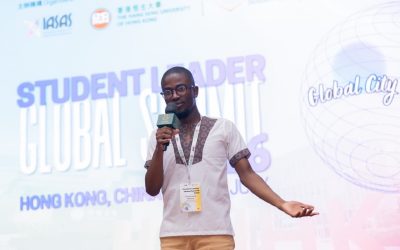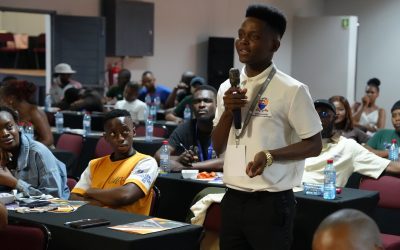
Sefako Makgatho Health Sciences University (SMU) Master of Pharmacy student Mahlorhi Baloyi has earned national recognition after representing the University with distinction at the prestigious Siyaphumelela 2026 Conference, recently held at the Birchwood Hotel and OR Tambo Conference Centre in Boksburg.
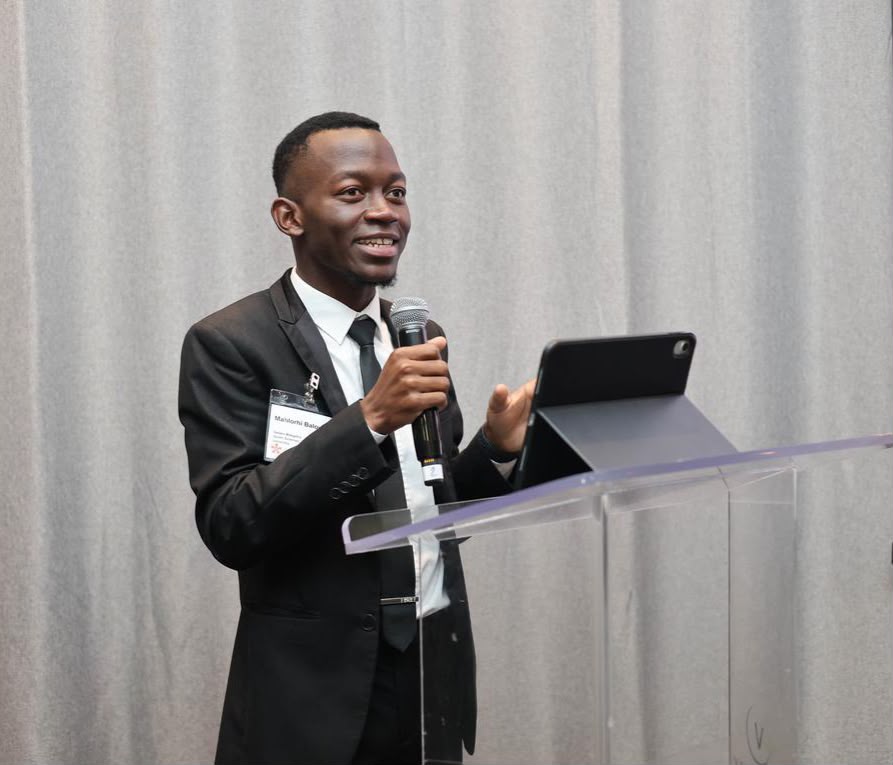 Hosted under the theme, “Reimagining Student Success and Expanding Opportunity for All,” the conference brought together more than 500 delegates, including university executives, academics, researchers, policymakers, student success practitioners and development partners to share evidence-based strategies that strengthen student success and institutional transformation across South Africa’s higher education sector.
Baloyi was selected to deliver a 30-minute Evidence-Based Sharing presentation titled “Problem-Based Learning in Health Sciences for Student Success and Equity.” His presentation was accepted through a rigorous peer-review process in which more than 200 proposals were submitted nationally, with only about 100 selected for the conference programme.
His presentation demonstrated how Problem-Based Learning can strengthen critical thinking, collaborative learning, student engagement and academic success in health sciences education. It further highlighted how innovative teaching approaches can create more equitable learning environments while preparing future healthcare professionals to address increasingly complex health challenges.
In recognition of his contribution, Baloyi received a Speaker Recognition Badge for contributing to the national dialogue on student success.
His impact extended beyond the presentation room. Throughout the conference, he actively participated in plenary discussions, workshops, networking sessions and collaborative learning activities. His exceptional engagement earned him the Number One position on the Siyaphumelela Leadership Board, recognising his active participation and leadership throughout the conference.
The conference also provided opportunities to engage with distinguished scholars, university leaders, policymakers and student success practitioners from institutions across the country. These interactions fostered valuable professional networks and laid the foundation for future collaborations aimed at strengthening teaching, learning and student success.
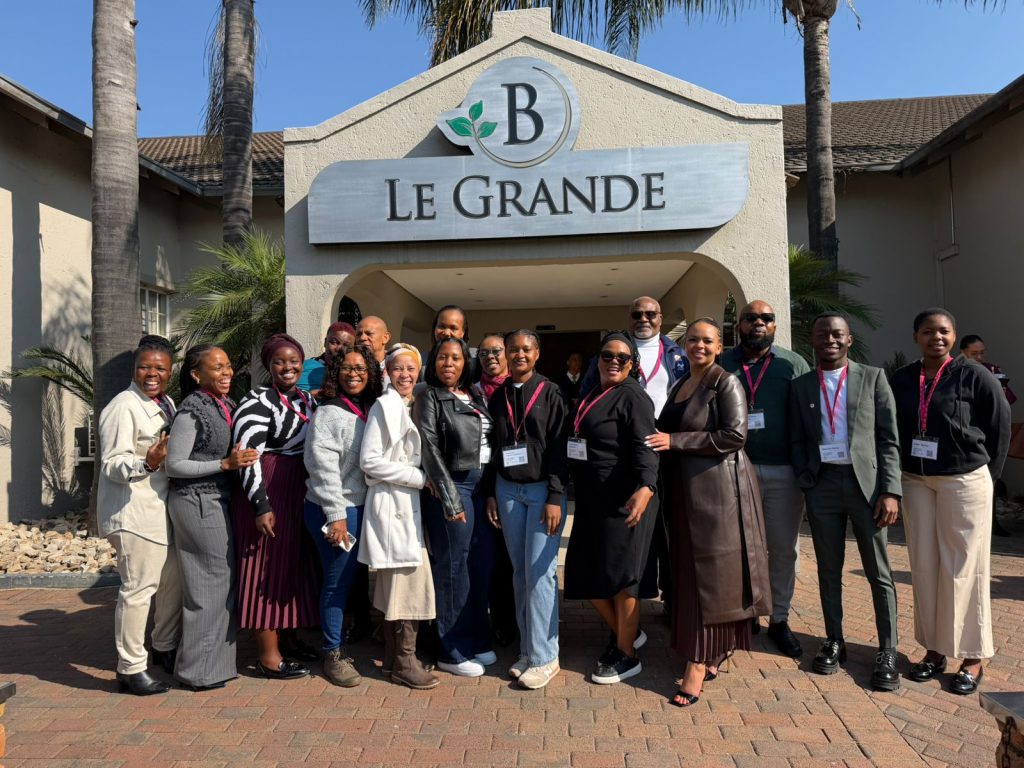 SMU also received institutional recognition during the conference for the successful administration of the Institutional Capacity Assessment Tool (ICAT), reflecting the University’s commitment to strengthening institutional capacity and embedding evidence-based initiatives that enhance student success.
Reflecting on the experience, Baloyi said, “The Siyaphumelela Conference was an inspiring platform that brought together individuals who are passionate about transforming higher education. Presenting my research while learning from leading experts across the country reinforced my belief that student success is achieved through collaboration, innovation, evidence-based practice and listening to the student voice. The meaningful conversations and professional connections established during the conference have inspired me to continue contributing towards strengthening health sciences education and advancing SDG 4: Quality Education.”
Baloyi expressed appreciation to Dr Joshua Maliavusa and the sponsorship for enabling him to attend and present at the conference. He also thanked everyone who supported and encouraged him throughout the event.
Baloyi’s achievements reflect the calibre of SMU’s postgraduate students and the University’s commitment to academic excellence, research, leadership and innovation. By showcasing his research, contributing to national discussions on student success and building meaningful collaborations, he has further strengthened SMU’s reputation as a leading institution in health sciences education while demonstrating the transformative impact of postgraduate scholarship.
This version follows a professional media style suitable for publication on a university website, in newspapers, and for distribution as a press release. It prioritises the news, reduces repetition, improves flow, and concludes with a strong institutional significance statement.
By Tumelo Moila