The Department of Nursing Sciences at Sefako Makgatho Health Sciences University (SMU) celebrated Nelson Mandela International Day by bringing compassion, health education and joy to older persons at Dr George Mukhari Academic Hospital (DGMAH). Guided by the Mandela Day theme, “It is Still in Our Hands to Combat Poverty and Inequality,” the Department’s Community Engagement and Interprofessional Education and Collaborative Practice (IPECP) Committee organised a community outreach programme focused on “Caring for Our Elders.” The initiative united academics, clinical facilitators, healthcare professionals and nursing students in a shared commitment to promoting dignity, healthy ageing and community service.
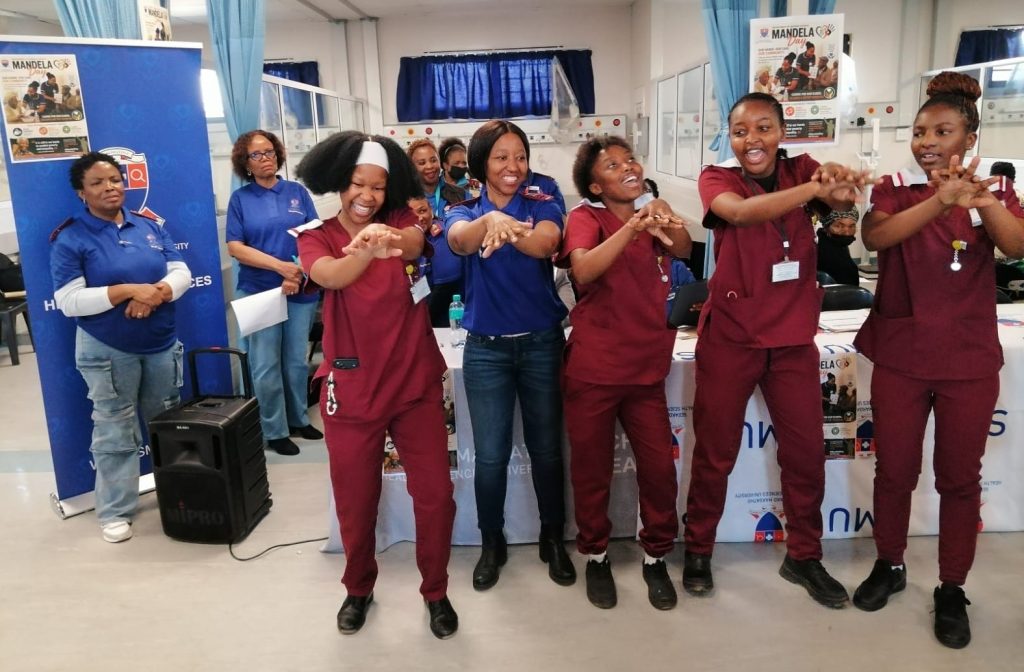
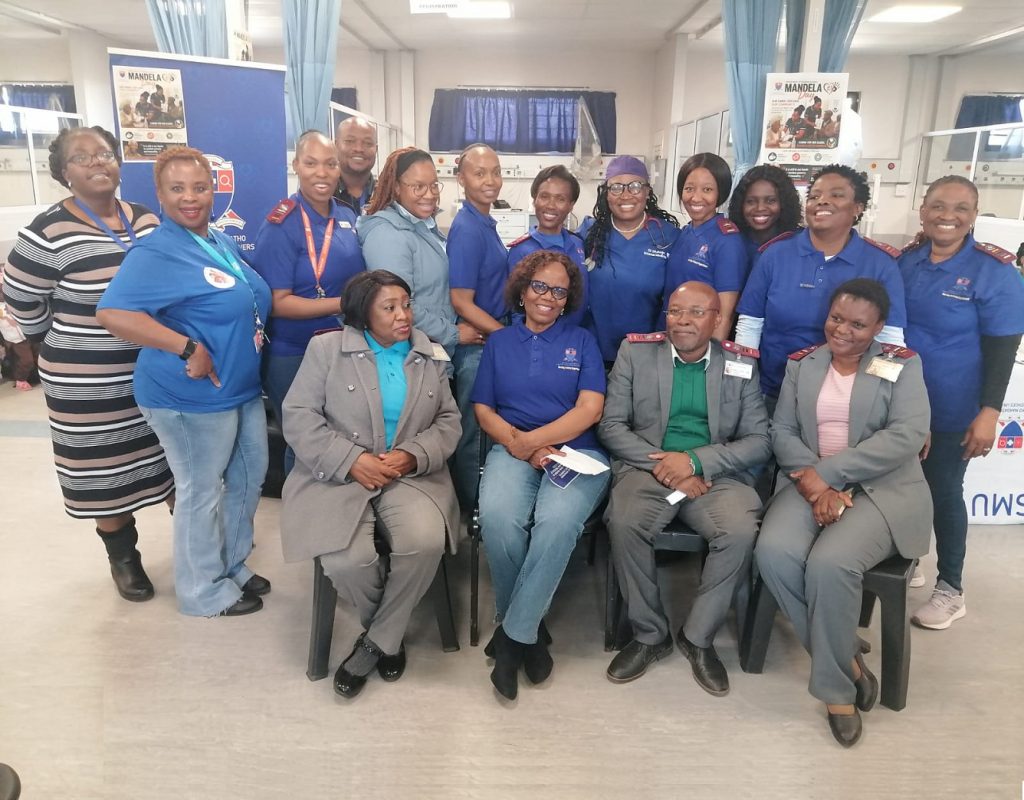 Hosted at the hospital’s Geriatric Clinic in the Alternative Building Technologies (ABT) Section and Medical Outpatient Department (MOPD), the outreach combined health education with meaningful human interaction. Music, dancing and conversation transformed the clinic into a welcoming space where older patients felt valued and appreciated. While health promotion remained central to the programme, it was the warmth and compassion shown by students and staff that embodied the spirit of Nelson Mandela International Day.
Chairperson of the Community Engagement and IPECP Committee, Dr Rirhandzu Friddah Mathevula, said the initiative demonstrated that quality healthcare extends beyond clinical treatment.
“Mandela Day reminds us that service is not measured only by what we give, but by how we make people feel. Today we celebrated our older persons by educating them, listening to them, dancing with them and reminding them that they remain valued members of our communities. This is exactly the kind of compassionate healthcare professionals we strive to develop at SMU.”
Dr Mathevula said the outreach reflected the University’s commitment to producing graduates who combine clinical competence with empathy, compassion and a genuine desire to serve their communities.
The educational programme featured a range of health promotion sessions tailored to the needs of older persons. Dr Mantsebeng Ditshego, Medical Officer in the Geriatric Department at DGMAH and lecturer in Internal Medicine at SMU, delivered an informative presentation on bone health and healthy ageing. She encouraged patients to maintain a balanced diet, remain physically active, and attend regular medical check-ups to reduce the risk of osteoporosis and other age-related conditions.
 “Our clinic primarily serves patients aged 65 years and above, although we also see younger patients with significant comorbidities requiring specialised geriatric care. Healthy bones are essential for maintaining mobility, independence and quality of life, which is why education on bone health is so important.”
The outreach also created valuable experiential learning opportunities for nursing students. First-year students, under the guidance of Clinical Facilitator Level 1 Rhudzani Bakali, demonstrated effective hand hygiene through the theme “Clean Hands, Healthy Lives.” In contrast, third-year students, supported by Clinical Facilitator Levels 2 and 3, Tumisho Mokwele, led discussions on healthy eating, medication adherence, chronic disease management, physical activity, and preventive healthcare.
Reflecting on the experience, third-year nursing student Palesa Mofokeng said the initiative reinforced the human side of healthcare. “Today reminded us that nursing is about caring for the whole person. Seeing our patients smile, dance and laugh with us while learning about their health was incredibly rewarding. It showed us that compassion, respect and kindness are just as important as clinical skills.”
As the programme concluded, the smiles shared between patients, students and staff reflected the lasting impact of compassionate service. By honouring Nelson Mandela’s legacy through community engagement, health education and genuine human connection, SMU continues to demonstrate that excellence in nursing education is built on service, Ubuntu and a commitment to improving the wellbeing of the communities it serves.
By Dimakatso Modise