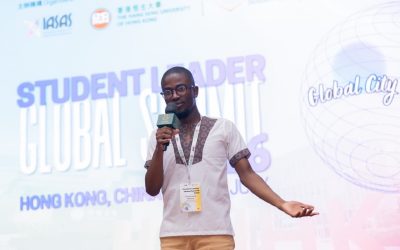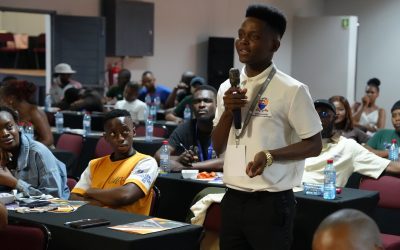
Sefako Makgatho Health Sciences University (SMU) 4th-year physiotherapy student Vuyelo Baloyi (23) is using student leadership to advance professional development, mentorship, and community-based healthcare. Baloyi has taken his leadership journey to the national level after being appointed National Student Council Chairperson of the South African Society of Physiotherapy (SASP) for 2026.
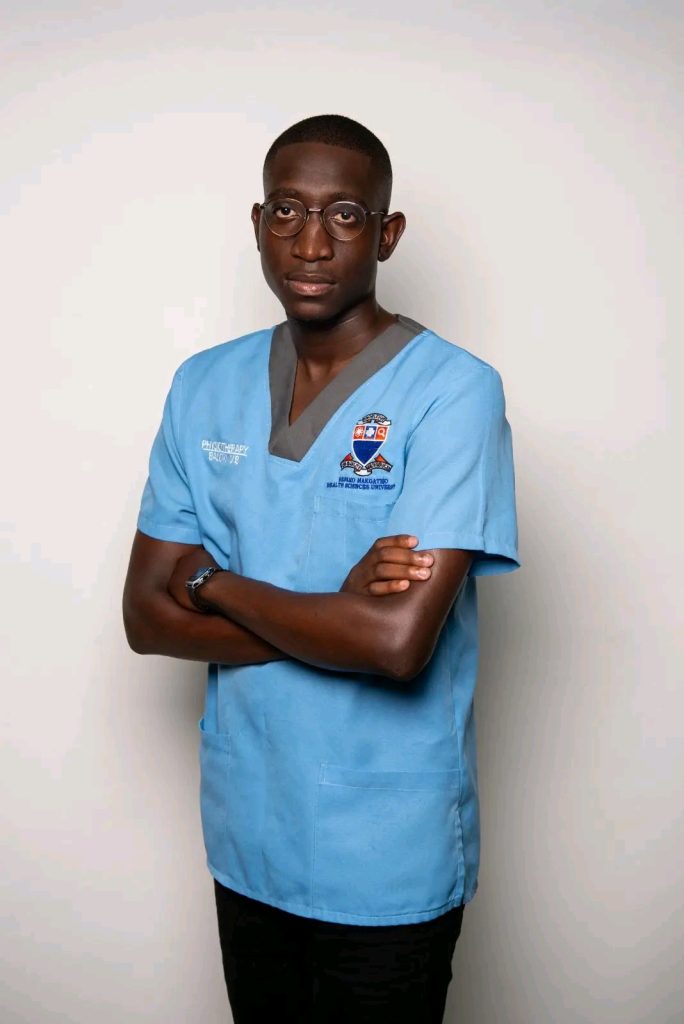 The physiotherapy student, emerging healthcare leader, entrepreneur, and community advocate previously served as Student Physiotherapy Consortium (SPC) Chairperson for the 2025/2026 term, during which he focused on student representation, engagement, professional development, and creating opportunities for physiotherapy students.
Baloyi’s leadership journey began in Mukhomi Village in Malamulele, Limpopo, where his experiences of rural healthcare and educational inequalities influenced his commitment to service and community development. “Leadership is not about the position you hold. It is about the opportunities you create, the doors you open, and the institution you leave behind,” he said.
At SMU, Baloyi has developed a diverse leadership portfolio that includes serving as a class representative and head class representative, South African Physiotherapy Association (SAPA) Chairperson, treasurer of SMU Corner Hustlers and chairman of the SMU Volleyball Club. He is also the founder of a drama theatre initiative, Dream Theatre and has participated in sport and community-focused activities.
His involvement with the Catch-ball South Africa Association has further enabled him to connect physiotherapy with sport, rehabilitation and athlete wellbeing. A key focus of Baloyi’s leadership is preparing physiotherapy students for the realities of the profession. He advocates for greater exposure to career opportunities in private practice, public healthcare, sports, academia, research, community rehabilitation, leadership and entrepreneurship. “Students should not graduate with only a qualification. They should graduate with an understanding of the many possibilities available within the profession,” he said.
As National Student Council Chairperson, Baloyi aims to strengthen the national network connecting physiotherapy students across South Africa. His priorities include mentorship and career-development programmes, collaboration between student structures, student participation in professional activities, research-informed advocacy and leadership development.
He is also passionate about strengthening the relationship between physiotherapy and underserved communities. Through his vision for REHAB RISE and his proposed rural rehabilitation initiatives, Baloyi seeks to expand access to rehabilitation services and raise community awareness of physiotherapy and multidisciplinary healthcare.
His entrepreneurial interests, including Nkwetsimo Ventures, complement his healthcare leadership by exploring opportunities in transport, book rental and real estate. This reflects his belief that health professionals can contribute to society not only through clinical practice, but also through innovation and entrepreneurship.
 Baloyi’s approach aligns with SMU’s institutional values of effective leadership, excellence, integrity, student-centredness and Ubuntu. His leadership philosophy emphasises continuity, ensuring that student structures create sustainable programmes and leave stronger foundations for future leaders.
Reflecting on his journey from rural Limpopo to national physiotherapy leadership, Baloyi said: “Where you come from may shape your story, but it does not have to limit your destination.”
His journey demonstrates the value of SMU’s health sciences education in developing professionals who can combine academic knowledge with leadership, innovation, community engagement and service.
As Baloyi continues his physiotherapy training and national leadership responsibilities, his work contributes to SMU’s broader mission of transforming health services through excellence and innovation and developing graduates who can make a meaningful contribution to healthcare and the communities they serve.
By Tumelo Moila