
Sefako Makgatho Health Sciences University (SMU) has reaffirmed its commitment to environmental sustainability by joining the national Arbor Month campaign, bringing staff, students, academics and environmental stakeholders together for a tree-planting initiative on campus.
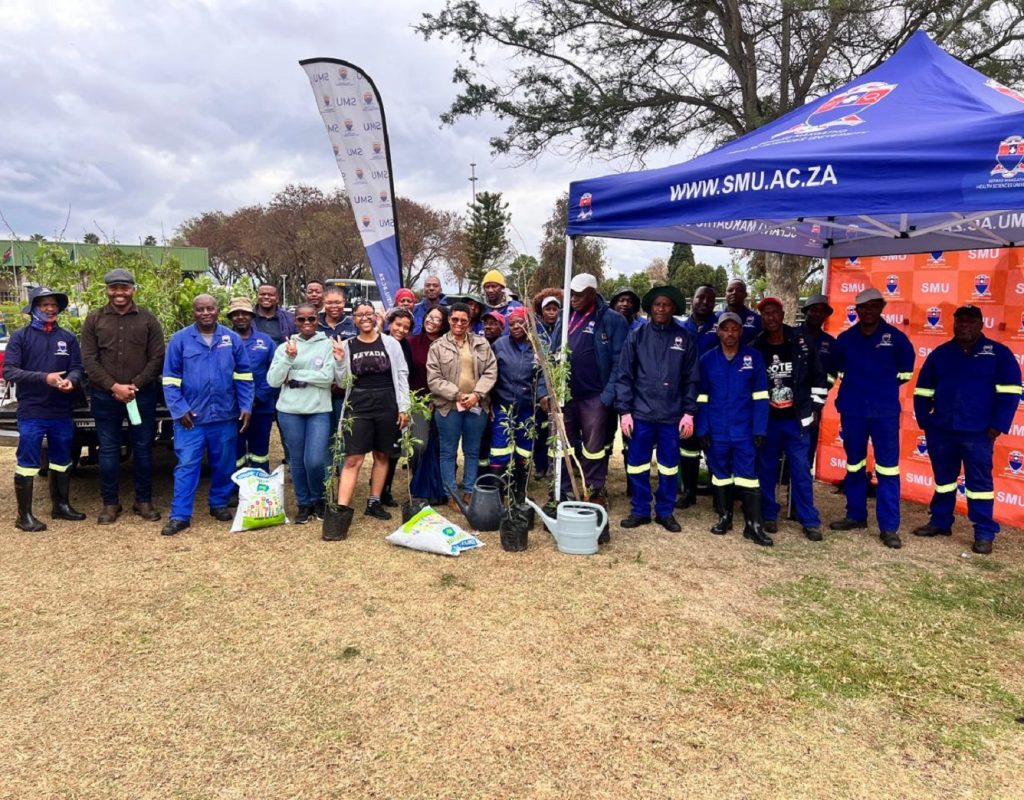 The initiative formed part of the annual National Arbor Month observance, held from 1 to 30 September, which seeks to raise awareness about the importance of trees and forests while encouraging communities and institutions to participate in greening activities.
The 2026 campaign forms part of the Department of Forestry, Fisheries and the Environment’s (DFFE) Ten Million Trees campaign, which contributes to the Presidential One Billion Trees Programme. The national initiative aims to mobilise communities, institutions, businesses and other stakeholders to plant trees and strengthen climate resilience, environmental restoration and sustainable communities.
In 2026, the focus shifted to large-scale tree planting, with DFFE calling for 10 million trees to be planted on Heritage Day, 24 September. This follows the 2025 campaign, during which more than 1.3 million trees were planted across South Africa in a single day.
At SMU, the campaign provided an opportunity to translate these national environmental objectives into practical action within the university environment. SMU horticulturist Mpho Mmako, who manages the University’s ornamental grounds and productive food gardens, highlighted the importance of developing sustainable approaches that respond to the needs of both the University and surrounding communities.
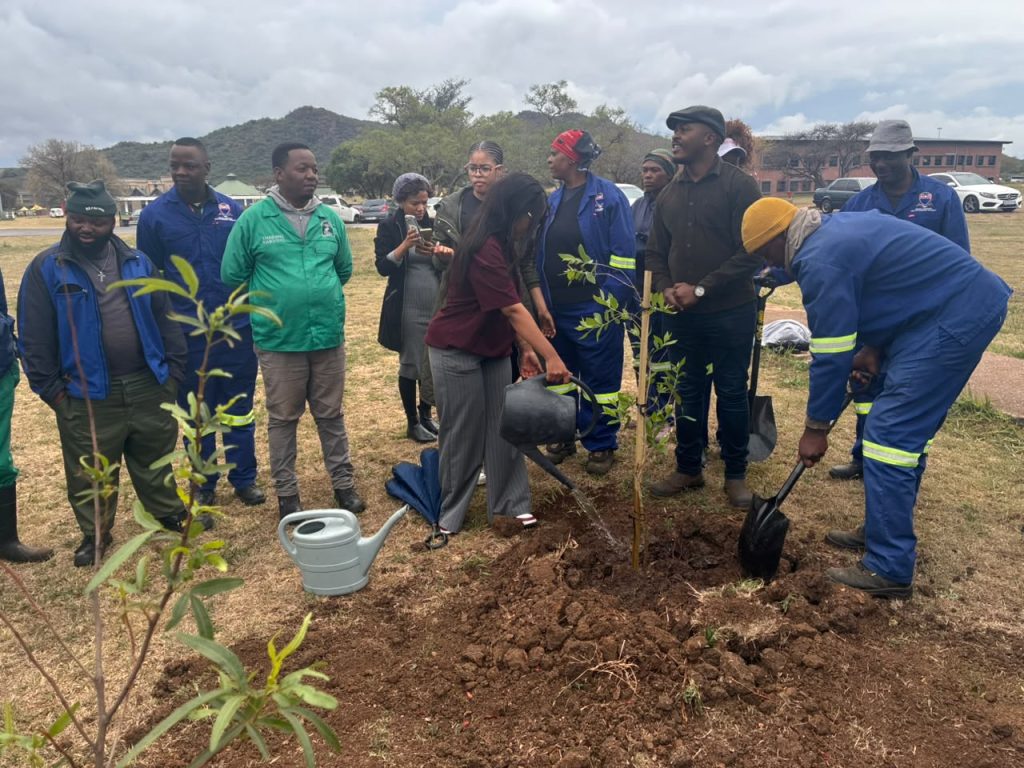 Mmako’s work extends beyond grounds management to include intensive urban food gardening and developing university food gardens as potential community training hubs. “Arbor Month gives us an opportunity to look at the University grounds not simply as spaces that need to be maintained, but as spaces that can contribute to sustainability, food security and learning. Through our food gardens and sustainable grounds management practices, we can demonstrate practical solutions that can also benefit communities beyond the University,” said Mmako.
The initiative also demonstrated the connection between environmental sustainability, food security, education and community development. Representing DFFE, Assistant Director: Forestry Livelihoods Mpho Phadziri expressed her support for the initiative and the opportunity to advance environmental awareness and participation.
“This initiative is more than planting a tree. It is about encouraging people to understand the value of trees, protect our natural environment and take responsibility for creating sustainable communities. Partnerships with institutions such as SMU are important because they help take the message of environmental stewardship into communities and inspire practical participation,” said Phadziri.
Staff from SMU’s Landscape Development and Management Unit within the Built Environment Department supported the event. Academics from the Department of Biology and Environmental Sciences, including Tshegofatso Modise and Cheryl Motshudi, also participated, highlighting the role of academic departments in strengthening environmental awareness and encouraging students to engage with sustainability beyond the classroom.
Students from the Department of Biology and Environmental Sciences further contributed to the commemoration, reinforcing the importance of involving the next generation in conversations about biodiversity, conservation and environmental stewardship. Thabang Rabotho, Director of Friends of Toloane Nature Reserve, also supported the initiative.
For SMU, tree planting represents more than adding greenery to the campus. Trees contribute to cleaner air, biodiversity, shade and healthier urban environments, while food-producing trees and gardens can support food security and livelihoods.
The Arbor Month initiative therefore reinforces SMU’s role as a health sciences university committed not only to education and research, but also to healthier and more sustainable communities. Through its grounds, gardens, academic expertise and student participation, SMU continues to create practical opportunities for learning, conservation and environmental stewardship.
By Dimakatso Modise