Sefako Makgatho Health Sciences University (SMU) is strengthening its position as a leader in health sciences education and innovation, as it sharpens its voice, clarifies its mission, and amplifies its impact through strategic communication and breakthrough research. This renewed direction is reflected in both the university’s institutional messaging and the achievements of its researchers, most notably Nondumiso Nkosi, whose recent recognition has drawn national attention.
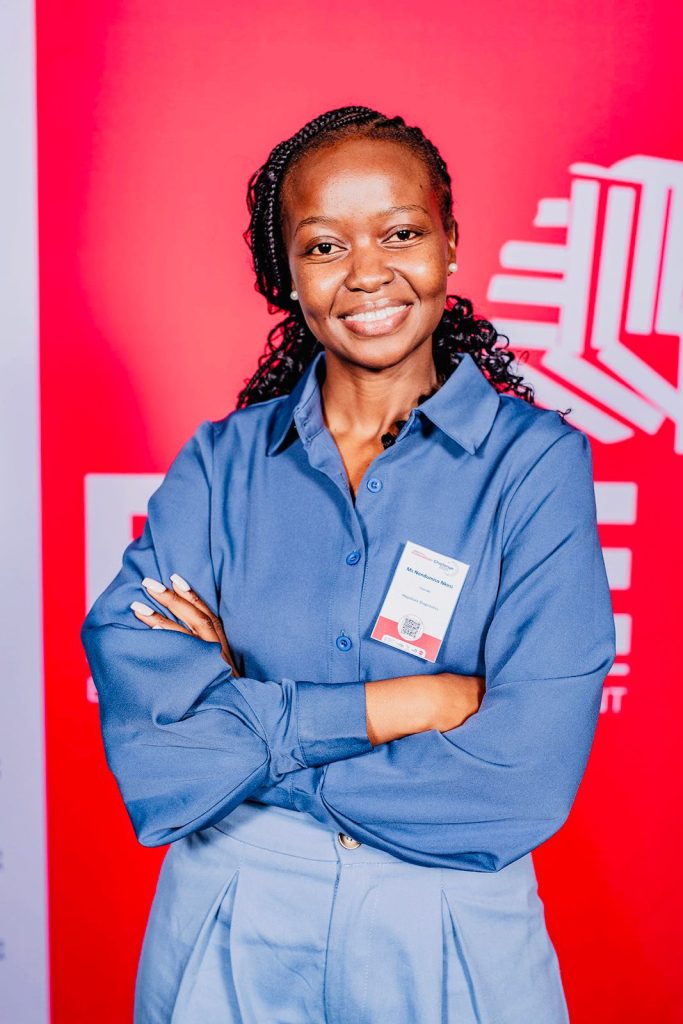 Nkosi, a part-time junior lecturer in Medical Virology and PhD candidate at SMU, was awarded first prize at the GAP Medical Innovation Competition hosted by The Innovation Hub. Her innovation, HepaSure Diagnostics, is designed to improve the detection of hepatitis B, a disease that remains widely underdiagnosed despite affecting millions of people globally. Her work speaks directly to one of the most urgent challenges in public health—early, accessible diagnosis.
Reflecting on the milestone, Nkosi said, “Great discoveries begin with curiosity and courage, and this recognition strengthens my commitment to developing solutions that reach underserved communities.” She emphasised that the award represents more than personal achievement, adding, “This is not just about research—it is about translating science into tools that can save lives and improve healthcare systems.”
Her success aligns closely with SMU’s refined institutional vision, which is both confident and direct in its intent to transform health services through excellence and innovation. The university’s mission is clear: to provide high-quality professional training, advance impactful research, and respond to real-world healthcare needs with urgency and precision. This clarity in purpose reflects a broader shift within the institution towards stronger, more decisive communication that captures attention and demonstrates value without unnecessary complexity.
Naledi Mathole, Coordinator in the Economic Activation Office at SMU, highlighted the importance of this approach in positioning the university competitively. “We are intentional about how we communicate our impact,” she said. “Strong ideas must be expressed clearly and confidently if they are to influence change and attract support.” She added that innovation must not remain confined to laboratories but should be actively driven towards implementation and commercialisation.
The university’s evolving communication strategy focuses on presenting its strengths in a way that is both engaging and accessible, ensuring that its message resonates with students, partners, and broader society. This includes emphasising academic excellence, student-centred learning, ethical leadership, and community engagement, all underpinned by values such as integrity, accountability, and Ubuntu.
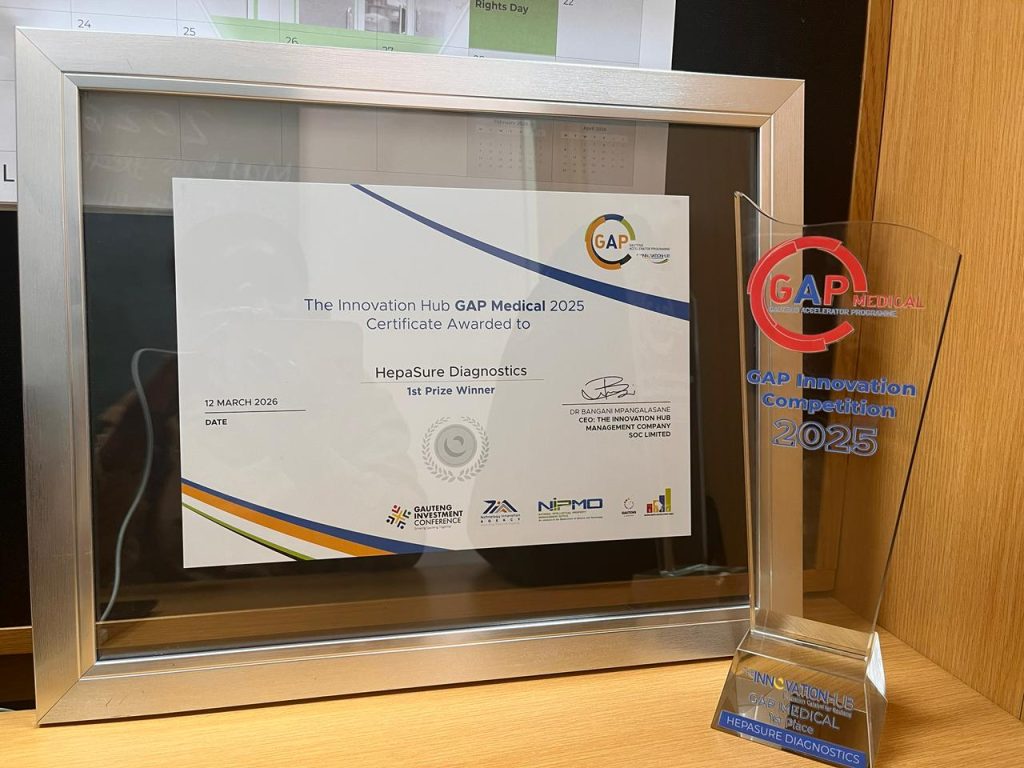 Nkosi’s work exemplifies these values in action. Her research journey, which has progressed from academic presentations to a patented innovation, demonstrates the power of persistence and purpose. “Seeing an idea grow from research into something with real-world application is incredibly motivating,” she said. “It reinforces the importance of staying focused on solutions that matter.”
SMU has also recognised the need for agility in a rapidly changing higher education environment. The institution is strengthening its advancement and communication systems to ensure responsiveness, transparency, and consistent engagement with stakeholders. As Mathole noted, “In today’s environment, institutions that fail to respond quickly risk losing relevance. We are building systems that allow us to act decisively and communicate effectively.”
As SMU continues to build its reputation both locally and globally, achievements such as Nkosi’s serve as powerful indicators of its impact. By combining academic rigour with innovation and strategic communication, the university not only educates future healthcare professionals but also actively contributes to solutions that improve lives. In doing so, SMU reaffirms its role as a transformative force in health sciences education and a catalyst for meaningful change in society.
By Tumelo Moila