Groundbreaking research by Sefako Makgatho Health Sciences University (SMU) exploring the role of exercise in supporting recovery from Nyaope addiction has earned continental recognition after being showcased at the prestigious World Physiotherapy Africa Region Congress 2026 in Kigali, Rwanda.
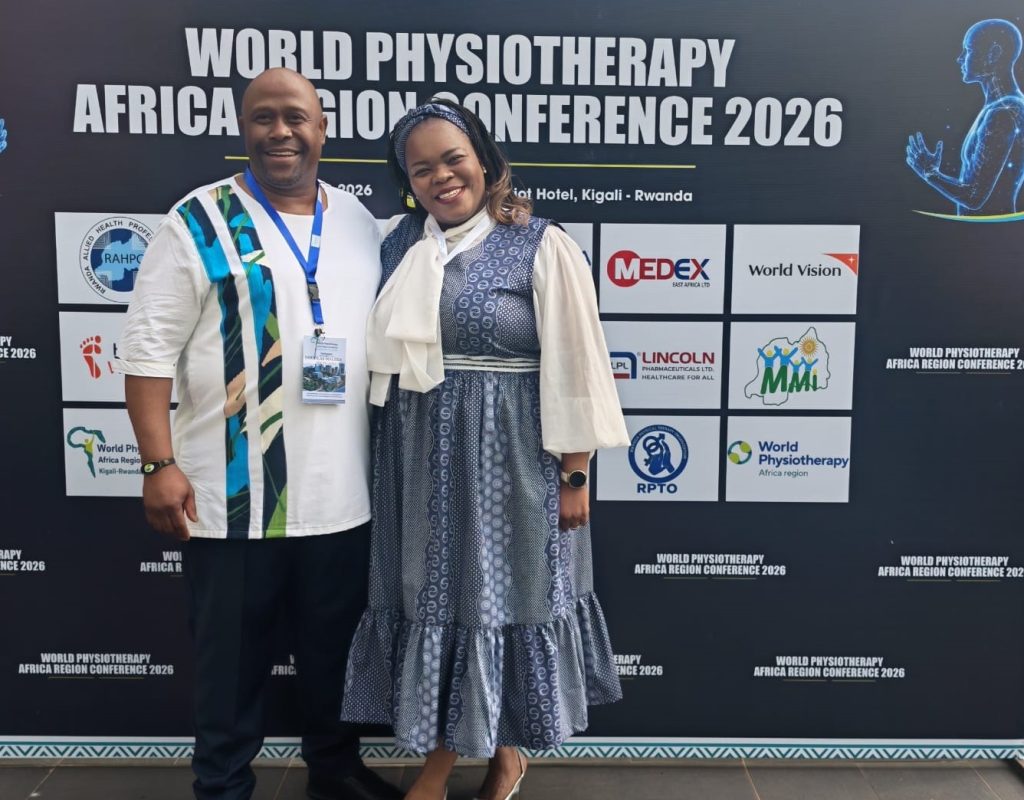 SMU Physiotherapy Lecturer Moitheki Evah Molapisi represented both the University and South Africa at the biennial congress, held recently, where she presented her research poster titled, From Addiction to Action: Restoring Physical Function in Nyaope Recovery through Exercise. She was accompanied by Professor Douglas Maleka, Dean of the School of Healthcare Sciences at SMU and her doctoral research supervisor.
The congress brought together physiotherapists, researchers, clinicians, educators, policymakers and healthcare leaders from across Africa to share knowledge, showcase innovative research and strengthen collaboration aimed at improving rehabilitation services throughout the continent.
Molapisi’s study addresses one of South Africa’s most pressing public health challenges by investigating how structured exercise programmes can enhance the physical functioning, mental well-being and overall quality of life of individuals recovering from Nyaope addiction. Her findings demonstrate that physiotherapy can play a vital role alongside conventional medical treatment and psychosocial support in promoting holistic recovery.
The research found that appropriately designed exercise interventions can significantly improve cardiovascular endurance, muscular strength, functional capacity and social participation, helping individuals rebuild their health, confidence and independence after addiction.
Reflecting on the opportunity to present her work on an international platform, Molapisi described the experience as both professionally rewarding and personally meaningful.
“Representing Sefako Makgatho Health Sciences University and South Africa at the World Physiotherapy Africa Region Congress was both an honour and a privilege. Sharing research that addresses one of our country’s most complex health challenges allowed me to demonstrate how physiotherapy can contribute meaningfully to addiction recovery. It was encouraging to see strong interest from delegates across Africa who recognised the value of exercise as an evidence-based intervention that complements existing rehabilitation programmes.”
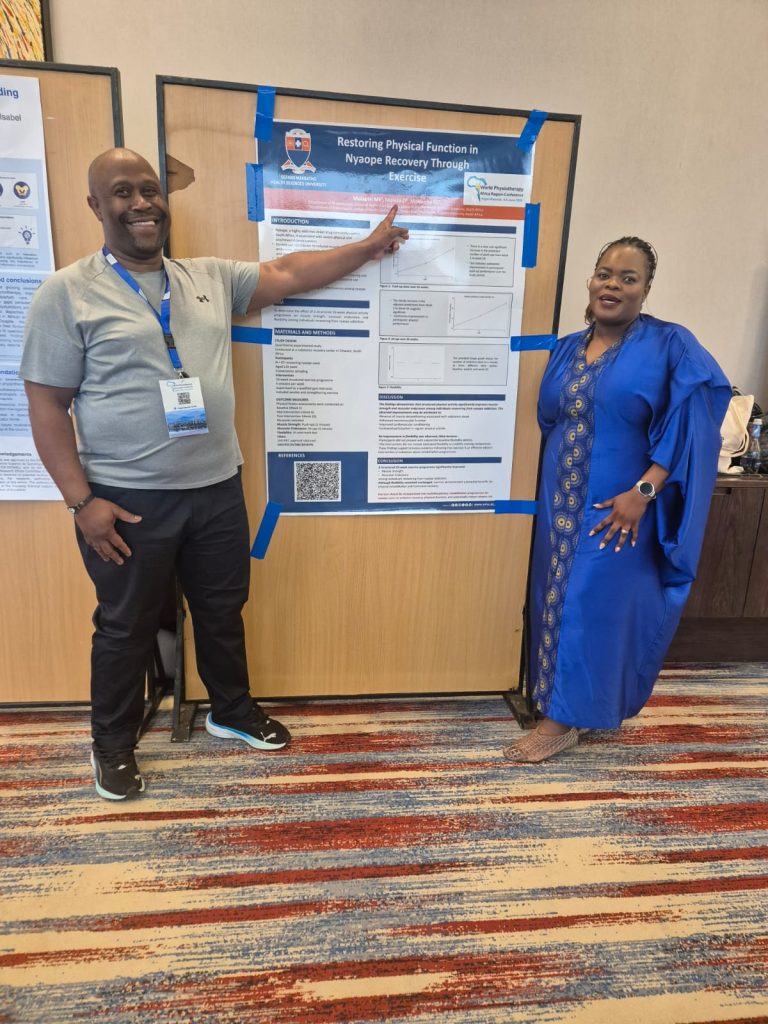 Her presentation generated significant interest among delegates and sparked discussions on the importance of multidisciplinary approaches to addiction rehabilitation. Participants emphasised the growing need to integrate physiotherapy into comprehensive treatment programmes that address both the physical and psychological effects of substance use disorders.
Beyond presenting her research, Molapisi participated in scientific sessions covering neurological rehabilitation, musculoskeletal care, community-based rehabilitation, digital health, leadership, education, workforce development and public health. The congress also created opportunities to engage with leading rehabilitation experts and establish research collaborations across the African continent.
Professor Douglas Maleka said the recognition reflects the quality of scholarship emerging from SMU and the University’s commitment to solving real-world healthcare challenges through impactful research.
“Ms Molapisi’s work exemplifies the type of impactful research that Sefako Makgatho Health Sciences University seeks to produce. By exploring innovative rehabilitation approaches for individuals recovering from substance use disorders, this research contributes not only to physiotherapy practice but also to broader public health interventions. We are proud to see our researchers representing South Africa on international platforms and contributing to scientific knowledge that has the potential to improve lives.”
The congress further highlighted Africa’s growing commitment to strengthening rehabilitation services, expanding research capacity and advancing evidence-based physiotherapy practice.
For Molapisi, the experience reaffirmed the importance of collaboration in addressing Africa’s healthcare priorities.
“This experience has strengthened my commitment to conducting research that translates into meaningful improvements in patient care and community health. It has also inspired future collaborations with colleagues across Africa as we continue exploring innovative rehabilitation strategies for vulnerable populations. Together, we can transform lives by moving people from addiction to action through the power of physiotherapy.”
The presentation further strengthens SMU’s international research profile and underscores the University’s commitment to advancing rehabilitation science, fostering innovation and improving health outcomes for communities in South Africa and across the African continent.
By Dimakatso Modise