
Sefako Makgatho Health Sciences University (SMU) strengthened its commitment to student leadership development through a successful House Committee Induction Programme held at Rustenburg Kloof. Guided by the theme “Leading with Purpose, Accountability and Impact”, the programme equipped student leaders with practical knowledge and skills to manage residence responsibilities, promote student wellbeing and contribute to a positive campus living environment.
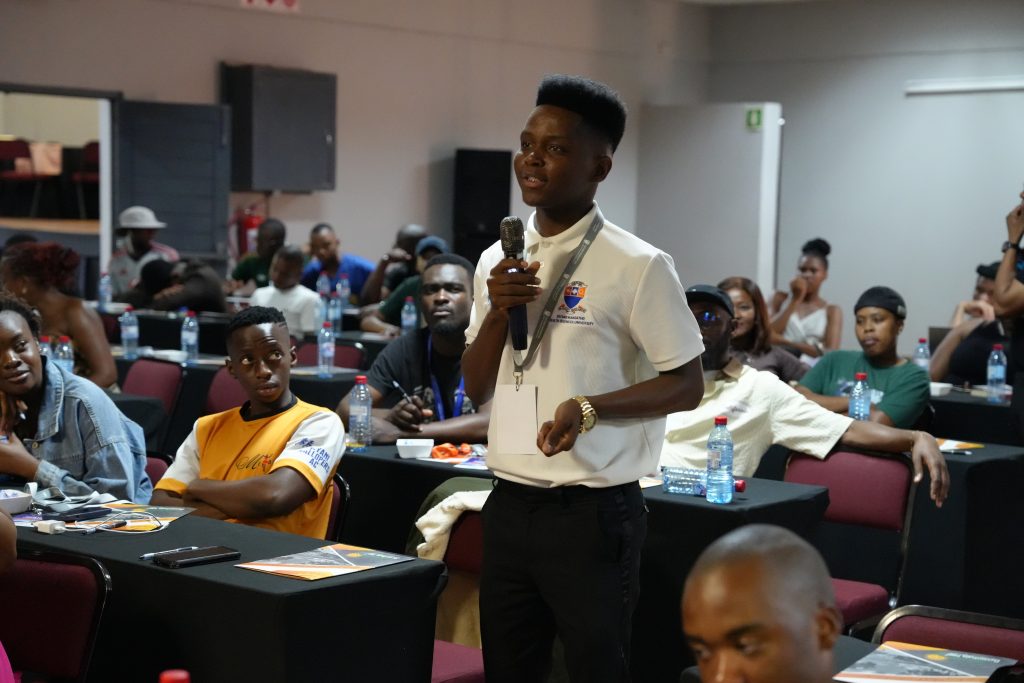 The programme brought together house committee members and university representatives for sessions focused on student governance, residence management, accountability and service. It aimed to clarify the responsibilities of house committees while strengthening collaboration between student leaders and the university departments that support residence life.
The induction focused on understanding the residence leadership environment and the support structures available to students. Presentations covered the Central Residence Committee portfolio, the role of the Student Representative Council in supporting residences, student governance and leadership protocols, mentorship, risk management, maintenance reporting, sporting activities, counselling services, and campus safety and security.
Hendry Drops Mathonsi, Head of the Department of Sport at SMU, contributed to discussions on the Residence League and sporting codes, highlighting the role of sport in promoting student participation and community.
“Residence sport provides an opportunity for students to develop teamwork, discipline and a sense of belonging. House committees have an important role to play in encouraging participation and ensuring that sporting activities contribute positively to residence life,” Mathonsi said.
The programme also addressed the importance of student support services. Lesego Tsima, a social worker, presented on Student Counselling Support Services, emphasising the importance of recognising student challenges and connecting residents with appropriate professional assistance.
 “Student wellbeing is an important part of academic success. House committee members are often among the first people students approach when they experience difficulties, making it essential for them to listen with empathy, respect confidentiality and refer students to appropriate support services when necessary,” Tsima said.
Residence infrastructure and maintenance formed another key part of the discussions. Kabelo Mokoape, representing the Built Environment team, outlined the importance of understanding maintenance reporting procedures and ensuring that residence-related concerns are communicated through the appropriate channels.
“Timely reporting of maintenance problems helps the university respond appropriately and maintain a safe and functional living environment. House committees play a valuable role in communicating concerns and encouraging residents to report infrastructure-related issues responsibly,” Mokoape said.
Team-building activities further strengthened collaboration among participants, providing opportunities to build relationships, develop trust and practise teamwork beyond the formal sessions.
The programme also explored the portfolios and duties of house committees, residence budget allocations and expenditure management, conflict resolution and student conduct management. Participants worked on developing residence action plans aimed at translating the knowledge gained during the induction into practical initiatives within their respective residences.
The programme concluded with an evaluation session and a closing address, providing an opportunity to reflect on the learning experience and the responsibilities associated with residence leadership.
The successful completion of the induction marked an important step in preparing house committee members to approach their responsibilities with greater clarity, accountability and purpose. By bringing student leaders and university support structures together, the programme reinforced the importance of cooperation in addressing residence challenges and creating an environment conducive to student development.
Through initiatives such as this, SMU continues to invest in student leadership, responsible governance and collaborative approaches to residence management, supporting a campus environment where students can live, learn and thrive.
By Dimakatso Modise