by Lorato | Mar 5, 2026 | Accolades and Achievements, All News, Alumni, SMU Media, Student Media
A South African public health specialist has claimed top honours on the global stage. At an international gathering of researchers in Bali, Indonesia, a study from rural Limpopo cut through the noise. Its message was urgent: nearly half of HIV-positive mothers surveyed showed symptoms of anxiety.
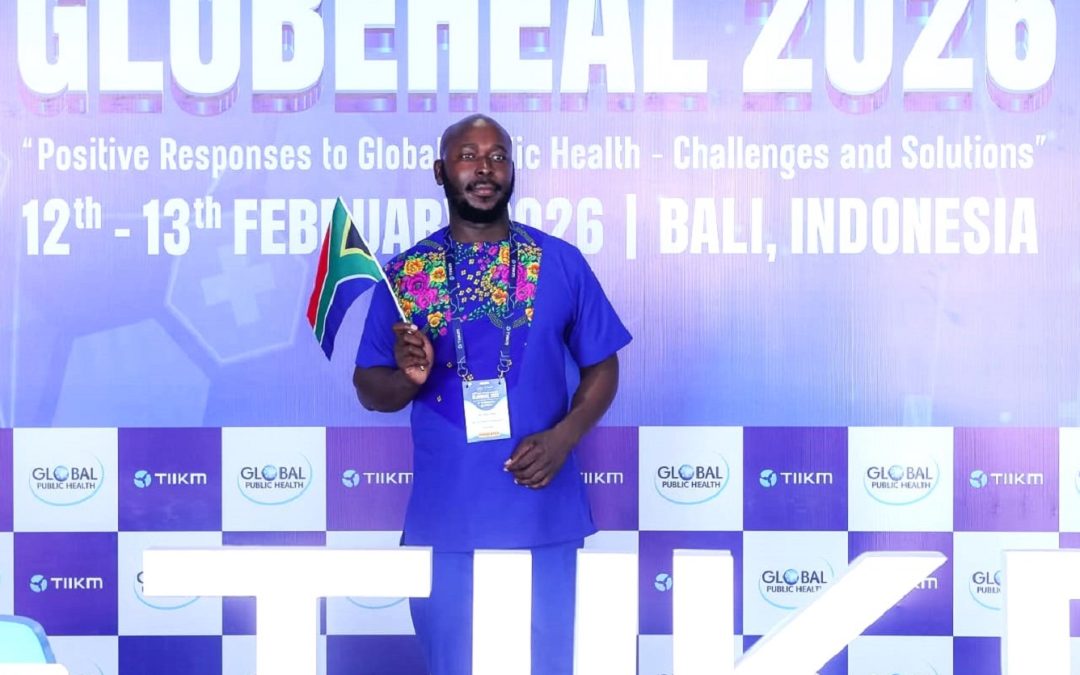
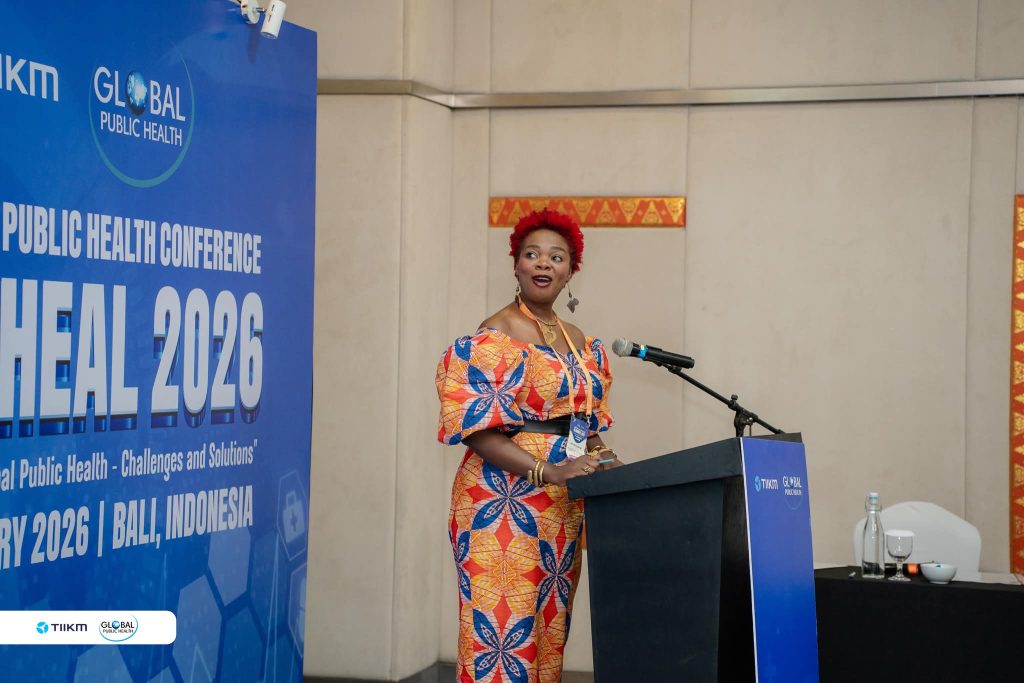
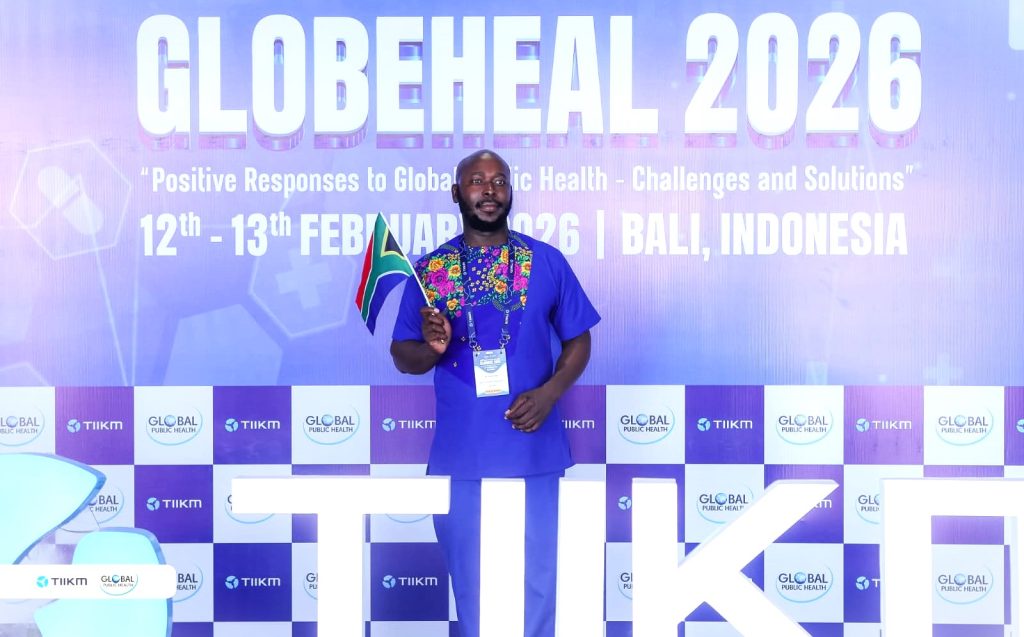 Tebogo Shivuri, a Master of Public Health graduate from Sefako Makgatho Health Sciences University (SMU), was named Best Poster Presenter at the Global Health Conference in Bali for his research on perinatal anxiety among women living with HIV in the Tzaneen sub-district. “This recognition is not just about me,” Shivuri said. “It is about the women in Tzaneen whose mental health struggles often go unseen and untreated.”
Mental health disorders are rising globally, with perinatal depression and anxiety increasing alongside them. For HIV-positive mothers, the burden is compounded by stigma, economic hardship and complex clinical demands.
Shivuri conducted a quantitative cross-sectional survey of 395 HIV-positive perinatal women in Tzaneen. Using the Brief Symptoms Index-18 (BSI) and advanced statistical analysis through Stata-18, he identified a 47.09% prevalence of perinatal anxiety symptoms. The findings were stark:
- 09% of participants showed anxiety symptoms
- 35% experienced symptoms during pregnancy
- 73% experienced symptoms postnatally
- Only 11.65% had planned their current pregnancy
- The mean age of participants was 27 years
“Nearly one in two women screened positive for anxiety symptoms,” Shivuri explained. “That is not a marginal issue — it is a public health emergency.”
Anxiety was significantly more prevalent among first-time mothers, women with CD4 counts below 499, and those reporting high levels of HIV-related shame. Both clinical and partner-related socio-demographic factors were strongly associated with anxiety in bivariate and multivariate analyses (p≤0.05). “The association with HIV-related shame was particularly concerning,” he said. “It shows that stigma is not just social — it directly affects mental wellbeing.”
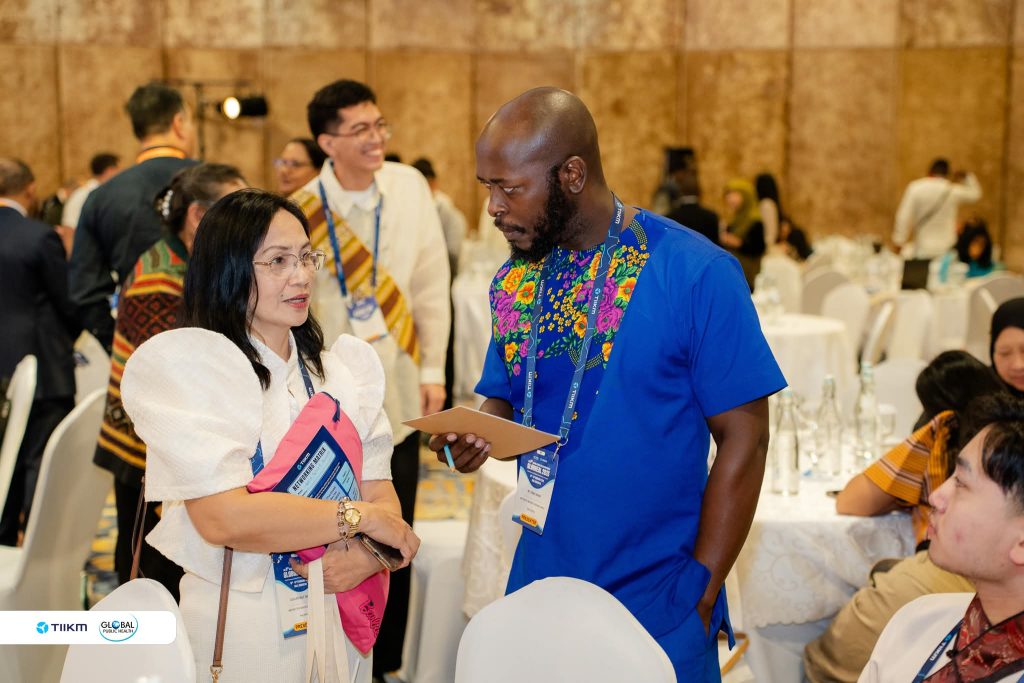 Shivuri’s research concludes that routine mental health screening during the perinatal period must be prioritised, particularly for women living with HIV. “We cannot treat HIV in isolation,” he stated. “If we ignore mental health, we undermine treatment adherence, maternal wellbeing and infant outcomes.”
He argued that Prevention of Mother-to-Child Transmission (PMTCT) services offer a critical opportunity for integrated care. “Screening tools are simple. What is needed is commitment to implementation.”
Conference organisers praised the clarity and practical implications of his presentation. One reviewer noted that the study “combined rigorous statistical analysis with real-world relevance for low- and middle-income settings”.
Currently a Clinical Preceptor at North-West University, Shivuri has spent more than a decade working in HIV prevention, treatment and care across South Africa. He has served in leadership and technical roles at ANOVA Health Institute, supporting ART initiation, PMTCT programmes and quality improvement strategies aligned with national and global HIV targets.
Reflecting on the award, Shivuri said: “Presenting to an international audience affirmed that research from rural South Africa matters. Our data belongs in global conversations.”
He is now pursuing a PhD in Nursing, continuing his focus on strengthening maternal and HIV-related health systems. “The ultimate goal,” he added, “is simple: no woman should navigate pregnancy, HIV and anxiety alone.”
In Bali, applause recognised academic excellence. But beyond the award, Shivuri’s message was unmistakable — maternal mental health must move from the margins to the centre of HIV care.
By Tumelo Moila
by Lorato | Mar 5, 2026 | Accolades and Achievements, All News, Alumni, SMU Media, Student Media
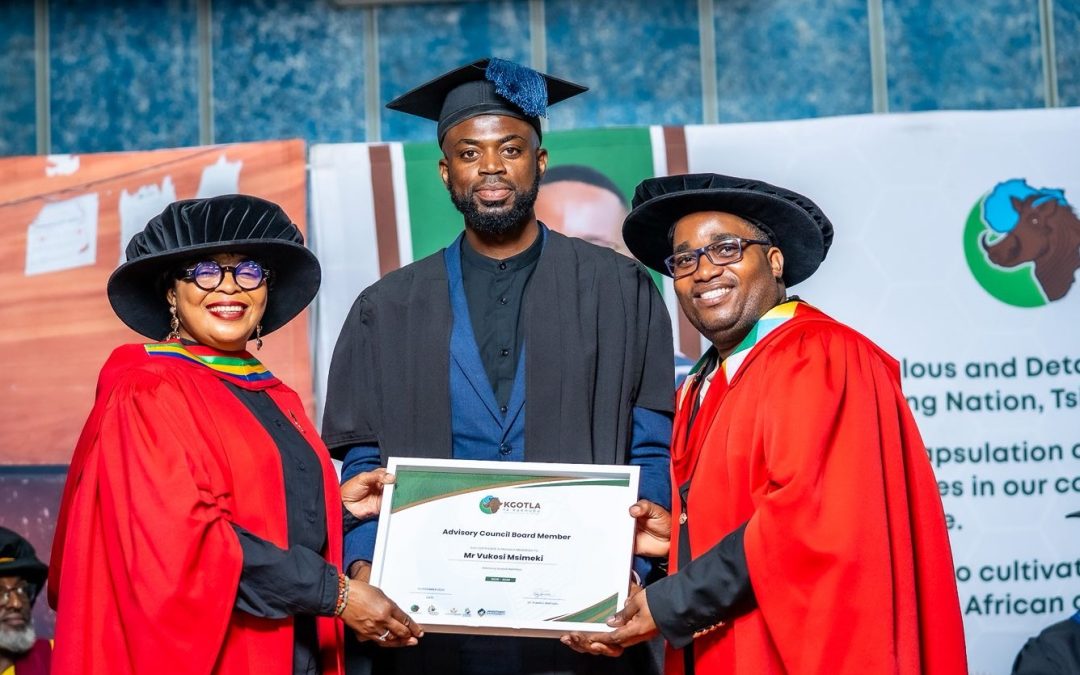
If you want to change a profession, step into the room where standards are set. SMU alumnus, public health specialist and dietitian Vukosi (Richardson) Msimeki has done exactly that. He has been appointed to the Professional Board for Dietetics and Nutrition under the Health Professions Council of South Africa (HPCSA) for the 2025–2030 term — a body tasked with safeguarding professional, ethical and educational standards for dietetics and nutrition across South Africa.
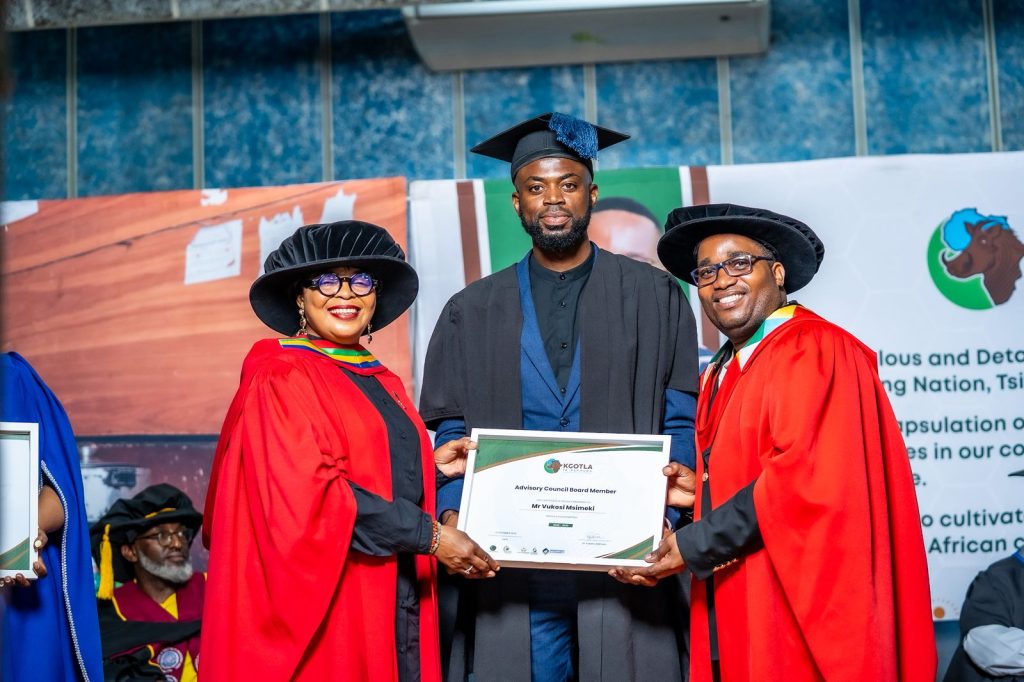 His appointment places him among ten members entrusted with overseeing education, training, registration and professional conduct in terms of the Health Professions Act. The Board executes its regulatory mandate on behalf of the HPCSA, ensuring that practitioners meet rigorous standards in a sector critical to public health.
Msimeki, who holds a PGDip and a Master of Public Health from Sefako Makgatho Health Sciences University (SMU) and is completing PGDip in Health Leadership from University of Cape Town, brings more than 12 years’ experience spanning district, regional and tertiary healthcare levels. He currently serves as Deputy Director for Clinical Support and Therapeutic Services (Allied Health Services) at Job Shimankana Tabane Hospital in the North West province, where he also holds the position of Chief Dietitian. “This is about protecting the public and strengthening the profession,” Msimeki said. “We cannot speak about health equity without fixing how we regulate, train and support nutrition professionals.”
His career reflects a deliberate climb through the public health system — from community service dietitian to assistant director and head of department. He has worked in Limpopo and North West, supervised university students, served as an external examiner, and contributed to national malnutrition programmes. Yet his focus extends beyond hospital walls.
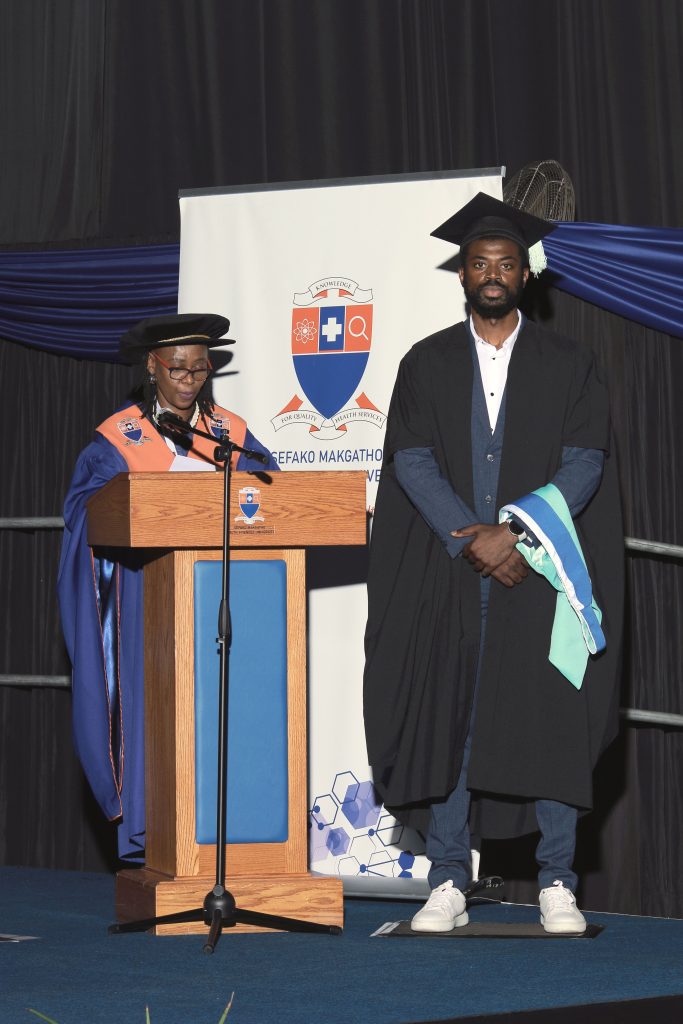 “Eighty-five per cent of our communities rely on public health services,” he said. “At the same time, more than half of health professionals are in private practice, while funding is almost evenly split between public and private sectors. That imbalance leaves the public system overburdened. We must allocate resources more intelligently and lead ethically.”
In Rustenburg, Msimeki is driving the establishment of a district forum for Clinical Support and Therapeutic Services — a structure designed to extend services to hospitals that currently lack them. The long-term plan is provincial expansion to underserved areas.
Alongside his public service career, he is the founder and Chief Executive of Msimeki Group (Pty) Ltd, a diversified company operating in health services, property and logistics. He also serves on multiple boards, including as a non-executive director at Strategic Partners Group, as a board member of the South African Red Cross Society (SARCS), and as a Senior Advisory Council Member of OOKKR Entities (Office of Kgosana Koketso Rakhudu).
A long-standing leader within the Black Management Forum (BMF) in the North West, Msimeki advocates what he calls “managerial leadership”. “Policy without leadership collapses organisations,” he said. “Managers must lead. Leaders must take accountability. That is how institutions thrive.”
For Msimeki, the mandate is clear: raise standards, close gaps and ensure that nutrition — often overlooked — remains central to South Africa’s health agenda. “Nutrition is not optional,” he said. “It is foundational. If we get it right, we change lives.”
By Tumelo Moila
by Lorato | Mar 5, 2026 | Accolades and Achievements, All News, Alumni, SMU Media, Student Media
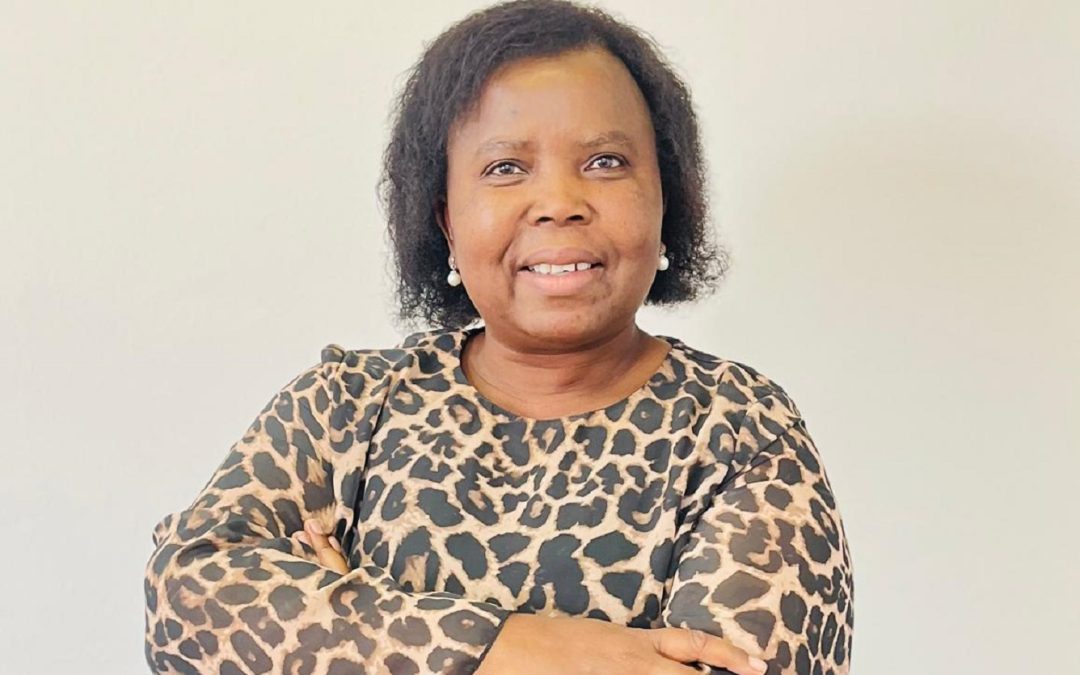
The Health Professions Council of South Africa (HPCSA) has moved decisively to strengthen healthcare regulation with the appointment of Dr Mashudu Manafe to its Professional Board for Dietetics and Nutrition, where she will serve as Chairperson of the Education, Training and Registration Committee for the 2025–2030 term.
 The appointment places one of South Africa’s leading public health nutrition experts at the centre of decisions that shape professional training, practice standards, and public protection. For the health sector, the message is clear: governance will be rigorous, and outcomes will matter.
Dr Manafe, Head of the Department of Human Nutrition and Dietetics at Sefako Makgatho Health Sciences University (SMU), was formally inducted during an intensive process designed to prepare board members for the demands ahead. The induction focused squarely on legislative authority, governance responsibilities, operational systems, and strategic priorities, reinforcing the HPCSA’s insistence on accountability.
‘Effective regulation begins with clarity of mandate and purpose,’ Dr Manafe said. ‘Our responsibility is to ensure that professional education and practice standards protect the public while strengthening the integrity of the health professionals.’
Under Regulation 2 of the Regulations relating to the functions and functioning of Professional Boards, each board must, at its first meeting of the year, appoint committees that operate until the following year. These committees are not administrative formalities; they are the engine that drives oversight, quality assurance, and reform.
Committee governance is tightly structured and deliberate, with the appointment of a Chairperson for each committee, except the Executive Committee, which is chaired by the Professional Board Chairperson; clear rules on committee composition, quorum requirements, and terms of reference; and direct alignment with the HPCSA’s mandate to safeguard the public and uphold professional excellence.
Dr Manafe brings rare breadth to the role. A Doctor of Public Health, she earned her doctorate from SMU in 2018 and has built a career at the intersection of nutrition science, leadership, and health systems research. In addition to leading her department, she serves as a Senior Lecturer and postgraduate supervisor, mentoring master’s and doctoral candidates and shaping the next generation of health professionals.
Her research portfolio addresses some of South Africa’s most urgent public health challenges, including weight management and obesity, with a focus on why weight-loss attempts fail; nutrition knowledge and dietary behaviour among healthcare workers; household food security, food hygiene, meal planning, maternal and child nutrition, including infant feeding practices and acute malnutrition.
Before entering academia, Dr Manafe worked as a clinical dietitian at Dr George Mukhari Academic Hospital, ensuring her policy and education work remain grounded in frontline healthcare realities.
For the HPCSA, her appointment signals intent. The Council is repositioning its Professional Boards as active drivers of quality, ethical practice, and public confidence, not passive compliance bodies.
‘Strong governance is not abstract,’ Dr Manafe said. ‘It directly shapes the competence of practitioners and the safety of patients.’
As the 2025–2030 term is in progress, the signal to professionals, educators, and institutions is unmistakable: standards matter, leadership matters, and delivery will be closely scrutinised.
By Tumelo Moila
by Lorato | Mar 5, 2026 | Accolades and Achievements, All News, Alumni, SMU Media, Student Media
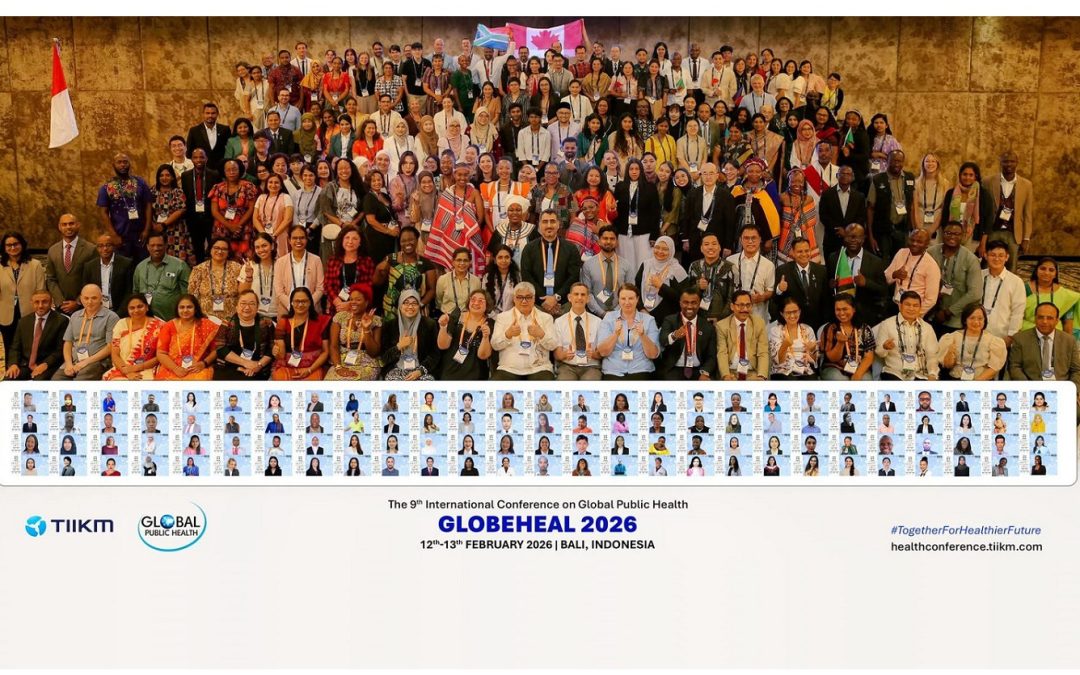
Sefako Makgatho Health Sciences University did not attend GLOBEHEAL 2026 to observe. It arrived to lead. Within two days, its academics delivered plenaries, chaired critical debates and secured top awards, confirming SMU as a serious global force in public health. Hosted in partnership with The International Institute of Knowledge Management, the 9th Global Public Health Conference convened leading scholars and practitioners from across the world. SMU’s presence was decisive, visible and influential.
 Professor Martha Chadyiwa, Professor of Public Health, and Professor Olanrewaju Oladimeji, Professor of Public Health and Researcher, were invited as Plenary Speakers, a distinction reserved for recognised thought leaders. Their invitation sent a clear message: SMU scholarship commands international respect. “Being invited to deliver a plenary address at a conference of this calibre reflects the strength of our research and its relevance to global health priorities,” said Professor Chadyiwa. “SMU contributes solutions, not noise.”
Professor Chadyiwa also chaired a high-level session on research innovation and health systems strengthening, steering robust dialogue that challenged assumptions and sharpened policy thinking.
Professor Oladimeji described the engagement as strategic. “Global platforms like GLOBEHEAL are where partnerships are forged, and ideas are stress-tested. We are here to shape the agenda.”
SMU’s delegation advanced research with precision and purpose:
- Dr Samantha Govender, Head of Department: Speech and Audiology, and Public Health Researcher, presented “Strengthening Primary Health Care Systems Through Community-Driven Health Innovation in Resource-Constrained Settings.”
- Atholl Kleinhans, Public Health Practitioner and Lecturer in Health Systems Management and Policy, delivered “Minority Stress Among LGBTIQ+ Health Profession Students at Historically Disadvantaged Universities.”
- Mqemane Tshababa, Public Health Researcher and Postgraduate Scholar, contributed virtually with “Health Systems Resilience in the Face of Emerging Infectious Disease Threats in Sub-Saharan Africa.”
- Funanani Managa, Public Health Doctoral Candidate, presented Facility-based intervention to improve ART Adherence and mental health disorders among PLHIV in Africa”.
 Each presentation tackled a pressing systems problem: access, data intelligence and resilience. The message was consistent regarding public health reform, which must be evidence-led and community-driven.
Evah Molapisi, a PhD candidate in Public Health at SMU and emerging researcher, secured the Session Best Presenter Award for “Exercise as Medicine: Improving Cardiovascular Endurance and Global Function in Nyaope Recovery”. She received an official award certificate, formal recognition during the closing ceremony, and consideration for publication in the conference proceedings. “This recognition affirms the calibre of mentorship and academic training at SMU,” said Molapisi. “It strengthens our resolve to produce research that improves access for vulnerable communities.”
Tebogo Shivuri, a Master of Public Health graduate, won first prize for poster presentation for his research on perinatal depression among HIV-positive women. His award included a certificate, commemorative trophy and formal recognition before international delegates. “Our research highlights the urgent need to integrate mental health screening into routine maternal HIV care,” said Shivuri. “The evidence is clear. The time to act is now.”
These achievements underscore a research culture built on clarity, rigour and urgency. Stronger, clearer, sharper: SMU has built a research engine that converts evidence into influence. GLOBEHEAL 2026 confirmed what partners and policymakers increasingly recognise SMU’s active participation in global public health conversations. As Professor Chadyiwa concluded: “When SMU steps onto the global stage, we do so with confidence and with solutions.”
By Tumelo Moila

by Lorato | Feb 26, 2026 | Accolades and Achievements, All News, Alumni, SMU Media, Student Media
Specialist Nuclear Medicine Physician at Sefako Makgatho Health Sciences University (SMU) and Dr George Mukhari Academic Hospital (DGMAH), Dr Phumudzo Nemutaduni, has been awarded the Oncidium Foundation Award at the recently held Theranostics World Congress (TWC), in Cape Town. The accolade recognises her trailblazing work in advancing patient access to radioligand therapy, reinforcing the critical link between innovation and equity in cancer care.
 The award was presented for her abstract, “Beyond the cure: Economic barriers threatening advanced radionuclide therapy,” which exposes systemic obstacles preventing many patients from benefiting from cutting-edge radiotheranostics. “Innovation in cancer care is only meaningful if patients can actually access it,” Dr Nemutaduni said. “This research is a call to action to bridge the gap between discovery and patient impact.”
As one of South Africa’s foremost nuclear physicians, Dr Nemutaduni has become a leading authority on prostate cancer imaging and therapy. She is also the founder of Precision Nuclear Oncology & Theragnostic (PNOAT), Nuclear Med Group, and Embrace Health Medical Centre in Rustenburg. These facilities deliver advanced imaging and therapy while serving as training hubs, strengthening the national capacity for nuclear medicine. “We aim not only to treat patients but to train the next generation, ensuring knowledge and innovation are shared,” Dr Nemutaduni explained.
Raised in Mauluma, Nzhelele, in Venda, she credits her upbringing for instilling resilience, discipline, and a profound sense of community service. Dr Nemutaduni holds a Fellowship in Positron Emission Tomography – Computed Tomography (PET/CT) Imaging from Universitas Hospital in Zurich, Switzerland and contributes to healthcare governance as a member of the South African Health Products Regulatory Authority (SAHPRA) Advisory Committee, overseeing the safe deployment of health technologies in South Africa.
Her approach to medicine reflects the principles of top communicators and leaders: clarity, urgency, and relevance. “Whether it’s research, clinical care, or advocacy, every word, every action must deliver impact,” she said. This philosophy is evident in her writing and presentations, which capture attention quickly and inspire action—qualities recognised globally.
Dr Nemutaduni’s recognition is more than a personal accolade—it celebrates vision, determination, and commitment to patient-centred care. By addressing inequities, mentoring emerging clinicians, and creating institutions that bridge research and care, she ensures innovation translates into tangible benefit. “I hope this award inspires others to pursue excellence with impact,” she said.
‘I would like to thank my research team — Girum Tesema, Xolile Msingaphantsi-Khuzwayo, Nkululeko Mlaba, Mamokete Nonyane and Andrew More — for their unwavering dedication to the patients at DGMAH. I also extend my sincere gratitude to my mentors and supervisors, Professor Mike Sathekge and Professor Nozipho Nyakale,’ said Dr Nemutaduni.
Her leadership exemplifies how excellence, when combined with social responsibility, can transform healthcare outcomes and inspire generations to follow.
By Tumelo Moila

by Lorato | Feb 26, 2026 | Accolades and Achievements, All News, Alumni, SMU Media, Student Media
Sefako Makgatho Health Sciences University has secured a powerful new voice in global public health. Professor Olanrewaju Oladimeji has been appointed Co-Editor-in-Chief of The Open Public Health Journal, a DHET-accredited, Scopus-indexed publication shaping research and policy debates worldwide. This is not a ceremonial title. It is a strategic seat at the table of global scholarship.
 In his new role, Professor Oladimeji will work alongside Professor Leonardo Emberti Gialloreti of the University of Rome Tor Vergata and support Editor-in-Chief Professor Matthias Beck of University College Cork, together with a 43-member editorial board and 13 associate board members. He will help steer the journal’s academic direction, uphold rigorous peer-review standards, and make final decisions on manuscript acceptance. “Editorial leadership is about safeguarding quality and shaping conversations that matter,” Professor Oladimeji said. “Public health research must be rigorous, relevant and responsive to real-world challenges, particularly in Africa and the Global South.”
Published by Bentham Open, The Open Public Health Journal is an international, peer-reviewed, open-access journal covering the full spectrum of public health. Its scope spans public health policy and practice, epidemiology, occupational health, health services research, environmental health, adolescent health, AIDS care and mental health, among other interdisciplinary fields. By making research freely accessible, the journal ensures that evidence reaches practitioners, policymakers and scholars without barriers.
For SMU, the appointment signals momentum. “This is more than an individual achievement,” the University said in a statement. “It reflects SMU’s commitment to advancing health sciences education, research and community engagement in ways that respond directly to Africa’s priorities while contributing to global knowledge.”
As Co-Editor-in-Chief, Professor Oladimeji will also advise on the journal’s strategic growth and recommend new editorial board members. His position creates tangible opportunities for SMU academics to serve as peer reviewers and editorial leaders, expanding the University’s footprint in international scholarship. Postgraduate students and emerging researchers stand to gain valuable exposure to the publication process — sharpening their academic writing, peer-review and research dissemination skills.
Professor Oladimeji’s track record underscores the significance of his appointment. He has authored and co-authored hundreds of peer-reviewed articles, attracting more than 60,000 citations. With an h-index of 36 and an i10-index of 81, his scholarship reflects sustained global impact. His collaborations extend across the United Kingdom, the United States, Canada, Australia, Asia and multiple African countries.
He has led and co-led major funded projects, including the SAMRC-funded AKITH Study and the NIH D43 Khulani Siphile Siphuhle Doctoral Training Programme. He also serves as a Faculty Mentor in the Sustained Academic Research and Training Programme, a joint UCLA-NIH initiative involving the University of Cape Town, Stellenbosch University and 10 other South African institutions. “My focus has always been research capacity development,” he said. “Strong institutions build strong researchers. Strong researchers produce evidence that changes lives.”
By placing one of its senior scholars in a key international editorial leadership role, SMU strengthens its voice in shaping public health discourse locally and globally. The message is clear: African scholarship is not on the margins. It is leading from the front.
For SMU, this milestone is both recognition and responsibility — and a decisive step towards becoming a leading African university in health sciences education, research and community impact.
By Tumelo Moila