by Lorato | Sep 15, 2025 | All News, Alumni, SMU Media, Student Media
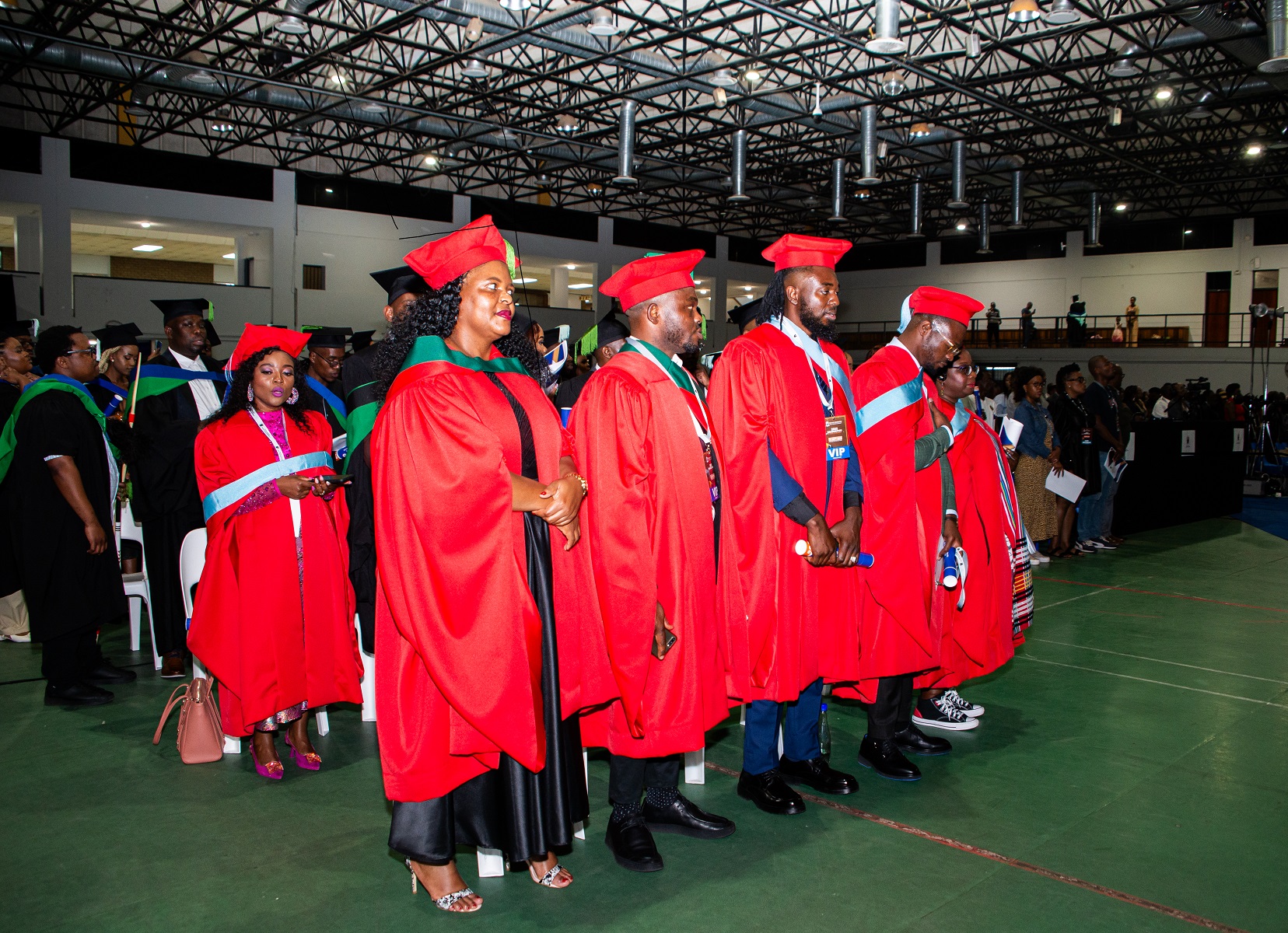
Sefako Makgatho Health Sciences University (SMU) marked a proud academic milestone on Friday, 12 September, as 110 students graduated at a ceremony held at its Sports Complex. The event not only celebrated individual achievement but also highlighted the University’s growing contribution to health sciences education in South Africa.
 Among the undergraduates, nine students (8%) had entered the University through the Extended Curriculum Programme (ECP), underlining SMU’s commitment to widening access to higher education. One student also graduated cum laude, underscoring the high academic standards at the institution.
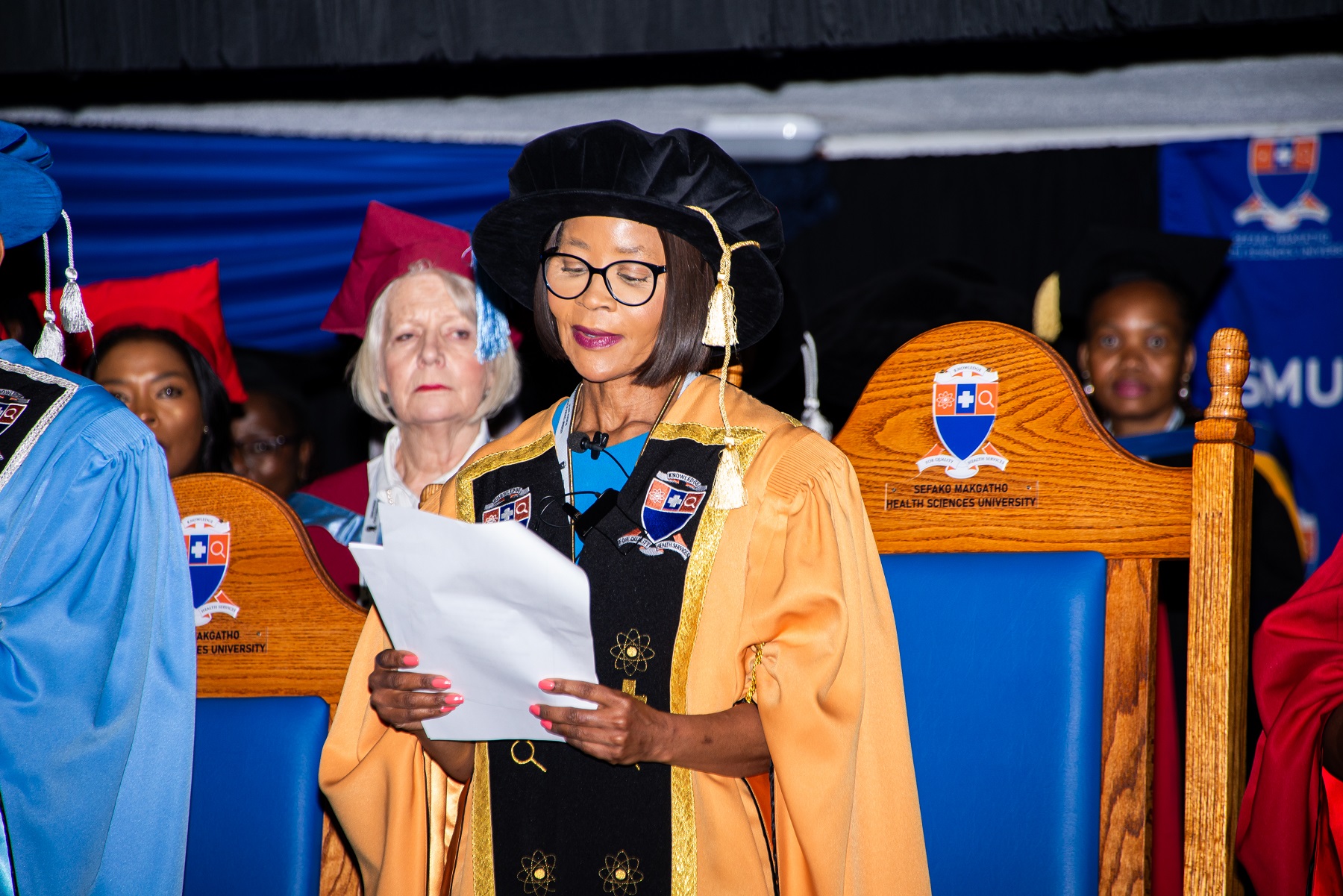
The recently appointed SMU Chancellor, Dr Penny Moumakwa, formally conferred degrees to the graduates at SMU’s Spring Graduation Ceremony, marking her first official act in this prestigious role. Her presence added gravitas to the event as she personally recognised the achievements of the graduates across disciplines, including dentistry, health care sciences, medicine, pharmacy, and science and technology.
The results reflect the University’s strength across disciplines:
- School of Dentistry – 3 undergraduates, 5 Master’s (8 total)
- School of Health Care Sciences – 16 Master’s, 2 Doctorates (18 total)
- School of Medicine – 10 undergraduates, 1 Honours, 33 Master’s, 2 Doctorates (46 total)
- School of Pharmacy – 2 undergraduates, 9 Master’s (11 total)
- School of Science & Technology – 14 undergraduates, 8 Honours, 3 Master’s, 2 Doctorates (27 total)
The figures reveal a strong postgraduate output, with Master’s graduates forming the largest group. This reflects SMU’s dual focus on preparing practitioners and building research capacity and academic leadership.
Graduates shared moving reflections on their journeys. Lehlogonolo Mokaba, who graduated Master of Science (Mathematics) cum laude with a dissertation titled Self-adaptive technique with two-step inertia for monotone variational inclusion problem in real Hilbert space, reflected: “Resilience, faith, and countless hours of dedication carried me through. Hard work, when guided by passion, always bears fruit.”
 Ayomide Adeyemi Abe, who earned a PhD in Medical Physics with a thesis titled Detection, staging and classification of lung cancer using deep learning, described his journey as both personal and global: “I arrived with nothing but faith. There were challenges, but I believed, and step by step, everything became clear. I dedicate this PhD to my late uncle, my family in Nigeria, and my supervisors. My advice: believe in yourself – everything is possible.”
Acting Vice-Chancellor for the ceremony, Professor Dini Mawela, applauded the graduates’ determination: “These young professionals will go on to change lives. Their success reflects both personal perseverance and the University’s unwavering commitment to excellence.” She highlighted broader 2025 milestones, including 1,403 graduates this academic year—1,293 during May—and SMU’s first honorary doctorate, awarded to Professor Ngoepe for his four decades of contribution to Physics.
The Spring Graduation marked more than numbers. It underscored SMU’s mission to produce highly skilled professionals in dentistry, health care sciences, medicine, pharmacy, and science and technology fields where South Africa urgently needs expertise.
For the graduates, the day represented years of resilience, long nights of study, and perseverance. For South Africa, it symbolised a stronger workforce equipped to improve healthcare systems, advance scientific knowledge, and tackle pressing national challenges.
As applause filled the Sports Complex, the significance stretched far beyond the hall. The true celebration lies ahead—in the hospitals, laboratories, and communities where these graduates will make their mark.
SMU’s Spring Graduation 2025 is proof once more that SMU does not just produce graduates. It shapes leaders, innovators, and changemakers.
By Tumelo Moila

by Lorato | Aug 27, 2025 | Accolades and Achievements, All News, Alumni, SMU Media, Student Media
It began with a vision: to open doors, build bridges and connect South African universities to the world. That vision has now become a reality, as Sefako Makgatho Health Sciences University (SMU) has secured prestigious funding from the German Academic Exchange Service (DAAD) to deliver a transformative internationalisation training programme for higher education institutions across South Africa.
 This milestone reflects SMU’s enduring commitment to excellence, integrity, diversity, respect and accountability—the values that guide the University’s growth and global engagement. For a directorate that is only in its third year, the achievement highlights SMU’s ability to make a meaningful impact on the international higher education landscape.
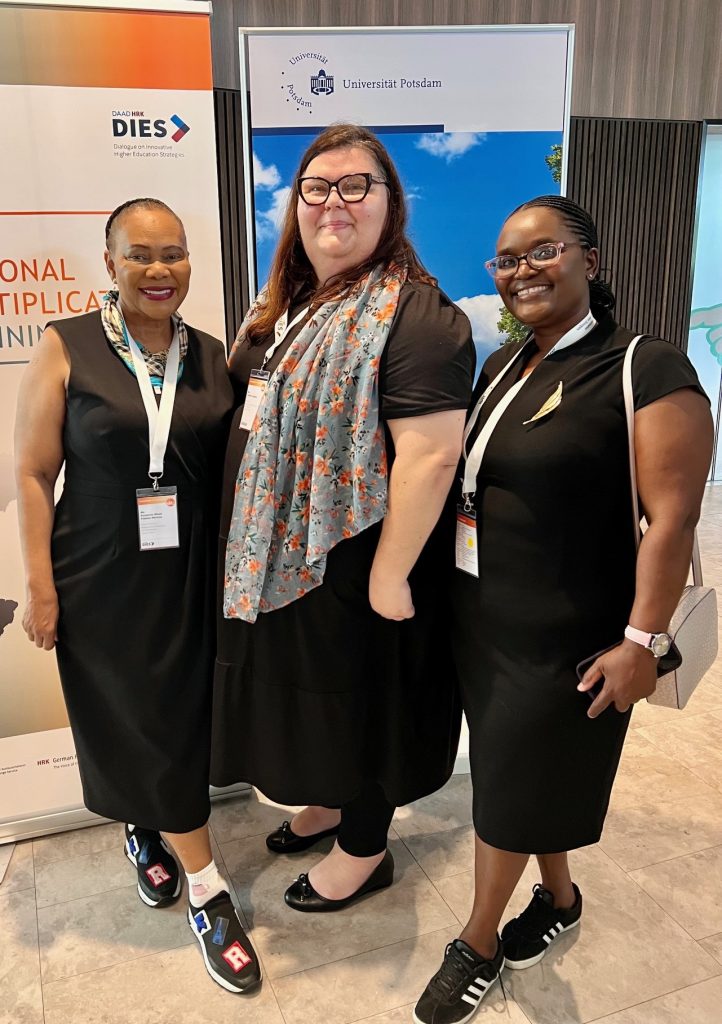
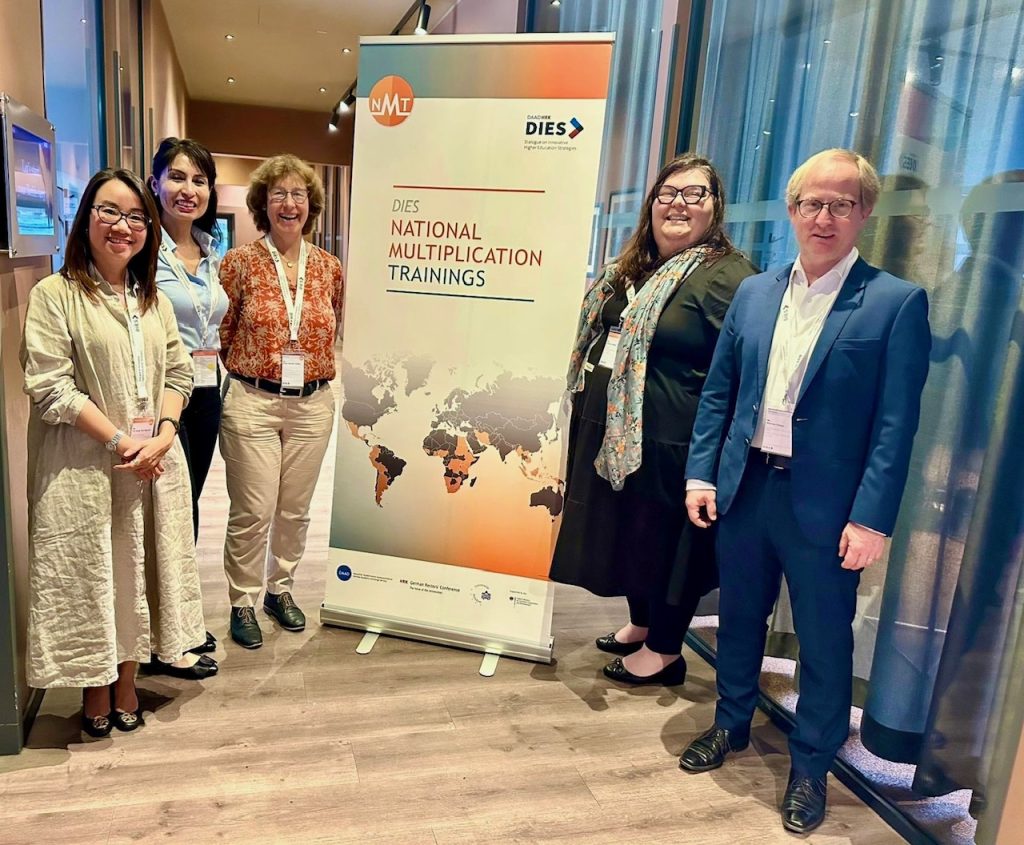
At the heart of this success is Dr Carlien Jooste, Director of Internationalisation at SMU and an alumna of DAAD’s Dialogue on Innovative Higher Education Strategies (DIES) programme. Drawing on her expertise, Dr Jooste collaborated with Dr Mbali Mkhize and Dr Zamaqwabe Sishi from Mangosuthu University of Technology to develop an innovative proposal entitled Building Bridges: Developing Internationalisation Skills for Professional Staff in South African Universities. Their concept impressed adjudicators in the highly competitive National Multiplication Training (NMT) programme, jointly initiated by DAAD and the German Rectors’ Conference (HRK) and funded by the German Federal Ministry for Economic Development and Cooperation (BMZ).
The NMT programme, coordinated by the Centre for Quality Development at the University of Potsdam, enables DIES alumni to deliver capacity-building initiatives in their regions. Applications were received from Africa, Latin America and Southeast Asia. Out of dozens of submissions, only thirteen proposals were approved globally, seven from Africa. The SMU–MUT collaboration proudly emerged as the only South African project selected, highlighting the strength and originality of their approach.
Reflecting on the achievement, Dr Jooste said: “As two Historically Disadvantaged Institutions and a female-led training team, we were ecstatic when we received the news that our proposal had been accepted. This is not just a personal victory, but an important milestone for SMU and a step forward for higher education in South Africa.”
 The training programme, due to open applications in September 2025, will focus on empowering professional staff—the operational backbone of universities—with the knowledge and skills required to advance internationalisation. These staff members, working in areas such as admissions, finance, student affairs, marketing, communications and human resources, play a vital role in implementing a university’s international strategy, yet their impact is often overlooked.
Jooste explained: “Most of the work in International Offices across South Africa is carried out by administrative staff. They keep internationalisation moving, yet many colleagues in other departments do not realise how important they are to this ecosystem. Our goal is to build capacity, foster collaboration and make internationalisation a shared responsibility across the university.”
She added, “As a team from Historically Disadvantaged Institutions, we understand the gaps and challenges that exist. This training aims to address those gaps and promote excellence, diversity, respect and accountability—values that SMU stands for. This initiative is about more than training; it is about creating a culture of integrity and innovation that positions South African universities on the global stage.”
This achievement underscores SMU’s growing role as a leader in shaping internationalisation within higher education. Beyond the funding and recognition, it reflects the University’s determination to embrace innovation, cultivate partnerships and create opportunities that transcend borders. By empowering professional staff, SMU is investing in the people who drive its mission forward, ensuring that internationalisation is understood, valued and embedded across campuses.
From a young directorate to international recognition, SMU is charting a bold course for the future. This milestone demonstrates that vision, collaboration and commitment to core values can transform institutions, empower individuals and position South African universities as global players in higher education.
By Dimakatso Modise

by Lorato | Aug 27, 2025 | All News, Alumni, SMU Media, Student Media
Growing up in the rural town of Lephalale, Limpopo, Lucas Matabologa’s childhood was filled with football matches that only ended at sunset. He recalls being the “water-boy” whenever a teammate got injured, instinctively offering water as the only “medicine” available. What seemed like a simple childhood routine planted the early seeds of a lifelong passion for sport and rehabilitation.
 That passion crystallised years later when, while watching a television soap opera, Matabologa saw a character who had suffered a stroke recover through physiotherapy. “That was my light bulb moment,” he recalls. “I realised the impact physiotherapy could have on people’s lives, and I vowed it would be my career.”
His determination carried him to Sefako Makgatho Health Sciences University (SMU), where he graduated with a BSc in Physiotherapy in 2020. His hard work was recognised with the Best in Neurology Award in his final year, a milestone he describes as one of his proudest achievements. “It felt like I had taken the first step towards becoming the kind of physiotherapist I dreamt of when I saw that soapie character,” he reflects.
Matabologa’s interest in neurological rehabilitation is deeply personal, shaped by witnessing family members struggle with the aftermath of strokes. At the same time, his love of sport has driven him towards sports physiotherapy. Today, he is fortunate to work in both areas through Stepmed Physiotherapy in Nelspruit, where he continues to refine his skills. Among his most memorable cases is a patient who survived a severe brain injury and, through dedicated rehabilitation, progressed from intensive care to running marathons.
Central to Matabologa’s practice is his belief that “exercise is medicine”. He ensures that every patient under his care engages in evidence-based exercise, not just as a treatment, but also as a preventive strategy against injury and disease. “All my patients know that when they see me, they are about to exercise,” he jokes.
 In 2021, during his community service year, he launched the “Healthy Body, Healthy Mind” exercise programme to help Pretoria West Hospital staff stay active during the COVID-19 pandemic. The initiative boosted morale, improved physical well-being and reduced absenteeism. It was later recognised as a finalist in the CPSI Innovation Awards (2022), further motivating Matabologa to continue promoting health innovation.
More recently, Matabologa has ventured into the world of adaptive sports, joining Wheelchair Basketball South Africa (WBSA) in early 2024. He calls it his “new baby”, drawn by the chance to expose patients to the sport and promote opportunities for people living with disabilities. Representing South Africa at international wheelchair basketball tournaments, including the first-ever 3X3 Wheelchair Basketball World Championship at Sun City, has been a career highlight. “It was a proud moment,” he says. “Sport has a unique power to unite people across countries and being part of that was unforgettable.”
Looking ahead, Matabologa envisions establishing a wheelchair basketball league in Mpumalanga while pursuing a master’s degree in neurology. He also hopes to influence national policy on exercise and health promotion, advocating for lifestyle-based prevention to ease the burden on South Africa’s healthcare system.
To young aspiring physiotherapists, his advice is simple yet profound: “Work hard, be patient with yourself, and never stop trying until doors open. Small steps can lead to big changes.”
By Tumelo Moila

by Lorato | Jul 9, 2025 | All News, Alumni, SMU Media, Student Media
At Sefako Makgatho Health Sciences University (SMU), leadership is more than a skill — it is a core value nurtured through rigorous clinical training, social accountability, and ethical governance. One shining example is Dr Siqiniseko Ntuli (36), who in January 2025 was appointed Chief Executive Officer (CEO) of Dannhauser Hospital in KwaZulu-Natal’s Amajuba District. His journey from rural KwaNongoma to the helm of a district hospital exemplifies SMU’s mission: to produce capable, compassionate leaders who transform systems and uplift communities. “It’s both exciting and terrifying,” Ntuli reflects. “Leading in these financially unstable times is a challenge, but it’s a calling I’m ready for — and one I approach with boldness.”
 Raised in Ulundi in a humble home, Ntuli credits his father for instilling the belief that education could change not only his future but the fate of his community. “Even when the path seemed uncertain, I held on to that belief,” he recalls.
His path to leadership began at SMU, where he pursued medicine with a passion for clinical excellence. Although he didn’t initially set out to manage a hospital, his relentless pursuit of quality care and service excellence naturally positioned him for leadership. “I’ve always believed in doing my best. Leadership followed that commitment.”
After qualifying, he completed his internship within the Pietermaritzburg complex, gaining hands-on experience at Grey’s, Harry Gwala (formerly Edendale), and Northdale hospitals. It was here that his passion for district-level healthcare emerged. “Primary healthcare is the heartbeat of our system,” he says.
His community service at Ceza Hospital and later his post at Dannhauser Community Health Centre reinforced that passion. He eventually returned to Ceza Hospital as Medical Manager and Acting CEO, helping to stabilise operations in the face of major challenges. “We kept the hospital afloat and ensured that patients continued to receive quality care,” he says.
Now at the helm of Dannhauser Hospital, Ntuli is focused on improving access to healthcare, enhancing holistic services, and promoting preventative care. “We need to build a culture of health education and strengthen community participation. Health champions must emerge from within the communities we serve.”
Despite his executive role, Ntuli stays connected to the clinical side. Mornings are reserved for academic rounds and patient care, while evenings are dedicated to continuing education. “I never want to lose touch with medicine,” he says.
His leadership strategy is built on transparency, inclusive staffing, performance monitoring, and constant feedback. “We must create workspaces where individuals and teams thrive — that’s the foundation of quality service.”
Ntuli also emphasises the need for a culture shift. “Healthcare is more than a job — it’s a calling. We must cultivate passion, professionalism, and purpose.”
He attributes much of his leadership development to SMU’s bedside teaching model and Ubuntu-centred mentorship from esteemed figures like Prof Honey Mabuza and Prof Zach Koto. “You represent your university in how you work and how you lead,” he says.
To aspiring leaders, he offers timeless advice: “Be a great follower first. Respect those around you. Work hard, stay curious, and remain humble. That mindset will always take you far.”
Even with his demanding role, Ntuli stays grounded through prayer, reading, and time with family. “I always say I’ll join a gym — maybe one day,” he laughs. “But what keeps me grounded is seeing others make a difference.”
Looking ahead, Ntuli hopes to build leadership pipelines, formalise student placements, and forge deeper partnerships between SMU and healthcare institutions. “Hospitals must become academic allies. Research informs policy, and education drives equity.”
To young professionals navigating the weight of responsibility, he offers heartfelt reassurance: “You’re on the right path. Don’t give up. Rest if you must, reflect, and rise”.
Ntuli’s journey is a striking reflection of what SMU stands for: excellence in leadership, integrity in service, and courage in governance. Through his visionary yet grounded approach, he affirms SMU’s status as a national beacon for developing leaders who not only manage systems but transform them, with skill, purpose, and heart.
By Tumelo Moila
by Lorato | Jun 25, 2025 | Accolades and Achievements, All News, Alumni, SMU Media, Student Media
At the heart of SMU’s research strategy lies a commitment to interdisciplinary collaboration, knowledge generation, and technology transfer. By fostering innovation and expanding its research capacity, the university aims to play a pivotal role in addressing South Africa’s pressing healthcare challenges — from infectious diseases to mental health and non-communicable conditions.
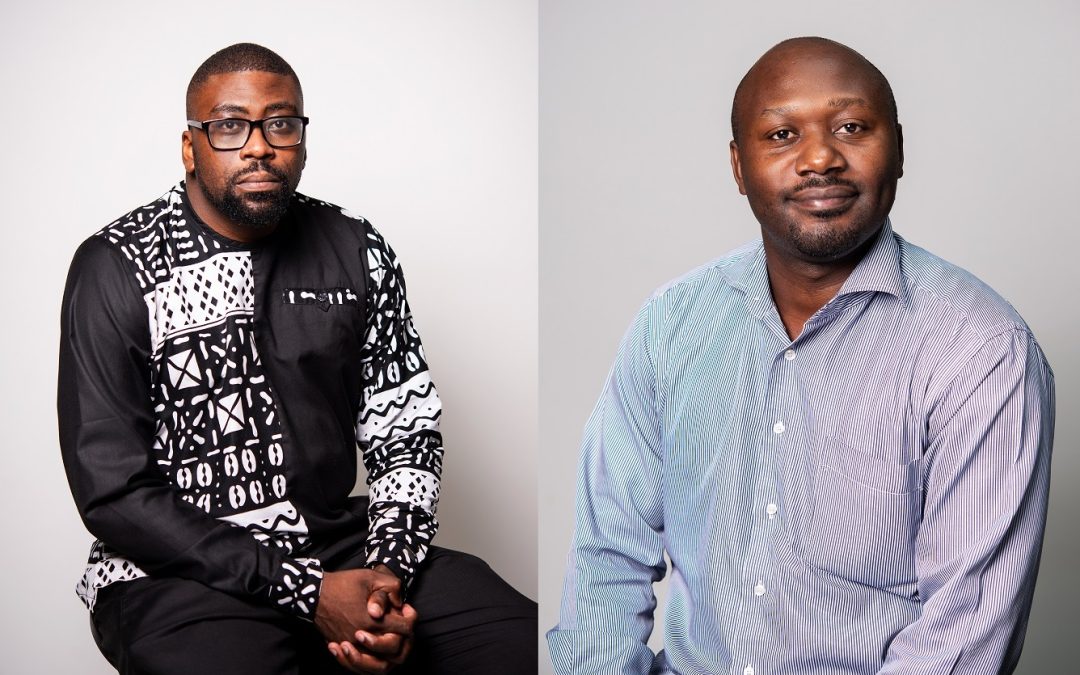
 A prime example of this ambition is the School of Pharmacy’s recent achievement: securing its second provisional patent. Dr Bwalya Witika, a senior lecturer in Pharmaceutics and his postdoctoral fellow, Dr Jean Ngilirabanga, who joined him in 2023, successfully filed a patent titled “Eutectic Compositions”, with the priority date of 9 June 2025. Their work explores novel drug delivery mechanisms by combining compounds to lower melting points, enhancing the efficacy and tolerability of treatments such as nonsteroidal anti-inflammatory drugs (NSAIDs). This breakthrough reaffirms the school’s growing reputation for pharmaceutical innovation and research excellence.
Eutectic compositions are mixtures of substances that, when combined, melt at a temperature lower than either of the individual components. In pharmaceutical science, this characteristic is highly valuable for improving drug solubility, stability and delivery, two critical challenges in modern medicine. Witika traced the origins of this research back to 2022, inspired by the urgent need for safer pain management alternatives during the global opioid crisis. “NSAIDs weren’t enough, and opioids came with long-term risks. I wondered—what if we enhanced NSAIDs with something like chilli?” he explained, referring to Nonivamide, a compound structurally related to capsaicin.
 The research process involved formulating innovative drug combinations that provided synergistic pain relief. Despite the scientific and administrative challenges, the work culminated in a promising invention that could reshape pain treatment approaches. While the research was conducted internally at SMU, Witika confirmed that discussions with potential industry partners are already underway. “For now, it’s been in-house, but the potential for wider collaboration is significant,” he said.
Filing a provisional patent provides legal protection while allowing further refinement of the invention. Witika praised SMU’s Technology Transfer Office (TTO) for its vital support throughout the process. “TTO Liaison Officer Pontsho Mampuru is a superhero, relentless in his commitment. It’s been a pleasure working with TTO,” he added.
This development follows SMU’s historic first patent in 2024: Raloxifene Hydrochloride Hydrate Solvate, a novel compound with the potential to revolutionise treatment for postmenopausal osteoporosis and breast cancer. That breakthrough was led by Emmanuel Kiyonga, a master’s graduate in the School of Pharmacy, and marked the beginning of a new era of innovation for the university.
Together, these patents underscore SMU’s transformation into a research-intensive health sciences institution committed to addressing global health challenges through science and invention. Witika and Ngilirabanga are optimistic about the future of their research. They believe their eutectic formulation could make a major impact on drug development, particularly in the field of pain management. Further patent filings and commercialisation efforts are already underway. “This is just the beginning,” said Witika. “We’re at the forefront of something meaningful. It’s vital that inventors maintain a connection to their work—we must ensure that identity is preserved in the products we create.”
For Witika, the success is both professional and deeply personal. “Even though this is my second patent, the feeling is just as incredible. You’re reminded that you’re contributing something small but significant.” His advice to fellow academics? “Go for it. Don’t hold back.”
For Ngilirabanga, this has been a great success. “I am immensely proud of this achievement, and I am excited about the future. This is my first patent, the first of many. To my fellow academics, keep pushing. Let’s make SMU proud,” said Ngilirabanga.
Looking ahead, they hope that this achievement—along with future innovations—will encourage university leadership to recognise and support the vital role of research in shaping a better world. “These are small steps,” he said, “but they’re paving the way for greater impact on science, patients, and future scholars.”
By Tumelo Moila
by Lorato | Jun 25, 2025 | Accolades and Achievements, All News, Alumni, SMU Media, Student Media
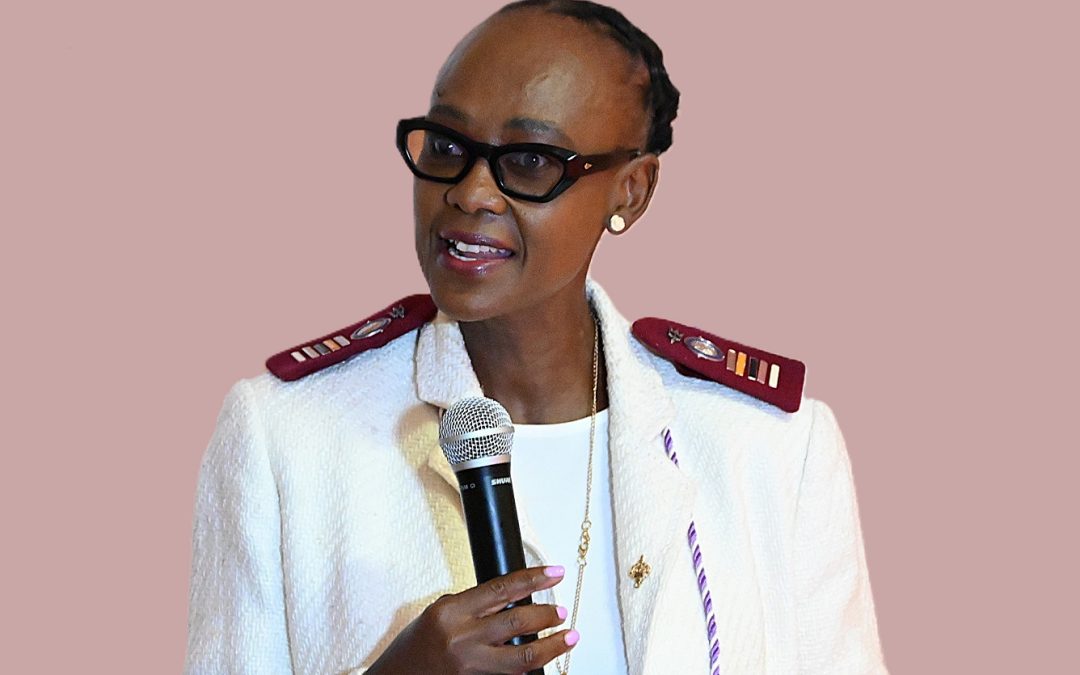
In a momentous achievement for Sefako Makgatho Health Sciences University (SMU), Professor Deliwe Rene Phetlhu, Head of the Department of Nursing Sciences, has been awarded the prestigious National Research Foundation (NRF)’s u’Good Grant to the value of R9.1 million. Her successful proposal, selected from over 200 global submissions, is one of only 22 awarded internationally and will fund a groundbreaking project titled “Youth Mental Health in the Era of Climate Change.”
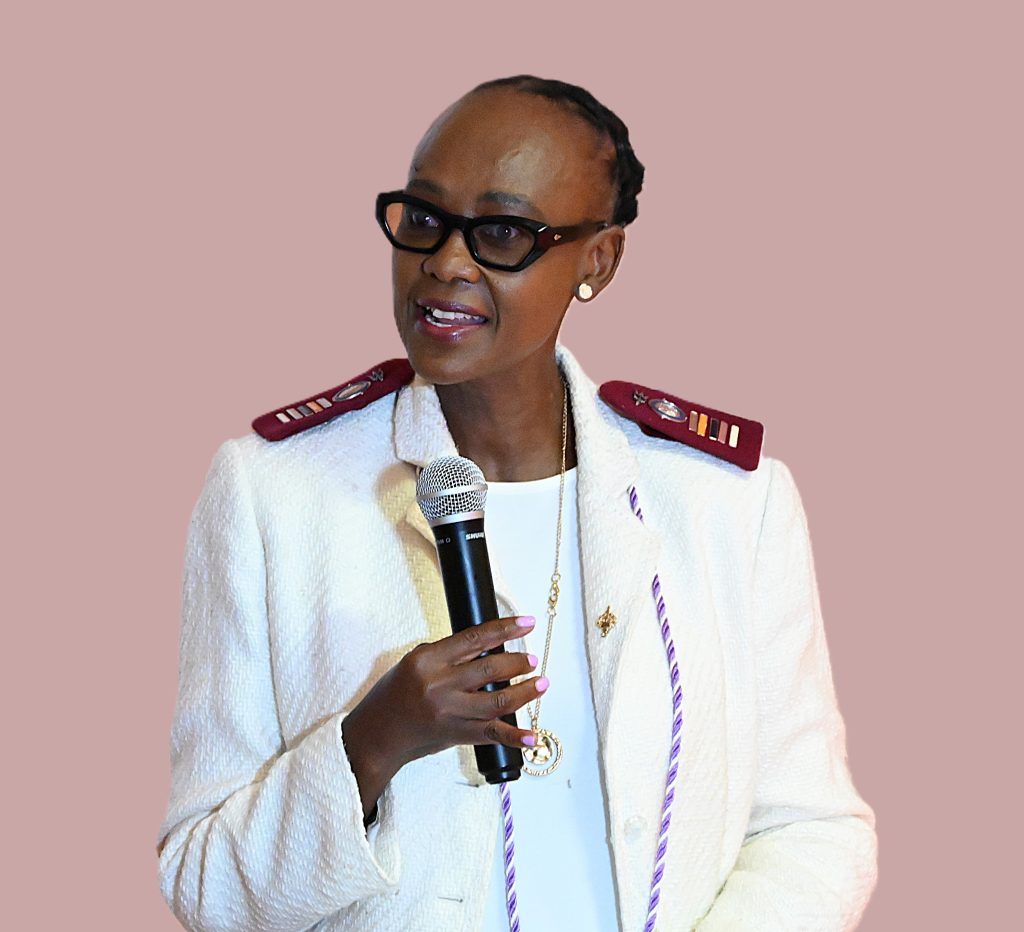 Speaking on the announcement, Professor Phetlhu expressed her elation. “I was overjoyed, particularly because I will be working with young academics, some of whom have never worked on major grants before. Being selected among the top 22 worldwide is a significant honour.”
The three-year project (2025–2027) aims to develop a culturally responsive intervention to enhance the psychological resilience and well-being of young people in South Africa, Ghana, and Tanzania. The research will be grounded in the relational well-being (RWB) theory and principles of Ubuntu, integrating culture, socio-economic contexts, and environmental stressors into its approach.
“Personally, this award affirms my commitment to impactful research,” said Phetlhu. “Professionally, it highlights the critical role nurses can play in emerging areas of health sciences. As the first line of defence in healthcare, nurses are uniquely positioned to lead research that transcends traditional boundaries.”
The project will begin by investigating youth awareness, cultural narratives, and environmental anxieties linked to climate change, before developing and piloting a targeted intervention. Innovative methodologies such as photovoice and vignettes will be employed to capture lived experiences, while technologies like RedCap will ensure secure data handling.
Funding allocation reflects the project’s community-driven ethos. Equipment such as laptops, cameras, and audio recorders will be acquired early on, but the bulk of resources are earmarked for operational costs, particularly youth engagement and travel. Administrative support across the three countries is also a key consideration.
Each project year has clear milestones:
- 2025: Understanding youth climate awareness and mental health practices across three African contexts.
- 2026: Development of an integrated, culturally grounded intervention framework.
- 2027: Implementation of a scalable model for African youth mental health resilience, potentially redefining wellbeing from a continental perspective.
“This research is urgent,” Phetlhu explains. “Globally, climate change is a daily conversation, but in Africa, the link to mental health—especially among youth—is often overlooked. From funeral queues to community gatherings, I’ve asked people their thoughts, and the lack of awareness is concerning.”
The project is proudly transdisciplinary, involving youth-centred NGOs, sociologists, environmentalists, and educational psychologists from South Africa, Ghana, and Tanzania. SMU will host the lead PhD student and two master’s candidates in later stages, while early-career researchers from the institution are included as co-investigators.
The long-term goal is to influence youth mental health policy and practice. “Mental health is becoming a global pandemic. The next generation will carry the heaviest burden of climate change, and they must be equipped with resilience and leadership skills,” Phetlhu said.
She has already initiated engagement with government and sector stakeholders. “I don’t want them to only hear about the project at the end. Their involvement from the start is essential for sustainability.”
Prof Phetlhu also extended gratitude to the SMU Grants Office. “Ms Winnie Motsatsi was phenomenal, supporting me through every step, arranging a reviewer, and accommodating my schedule. I couldn’t have done it without her.”
To fellow researchers at SMU, Phetlhu had a message of inspiration: “Take a risk. Even if it doesn’t work the first time, it’s worth trying. Surround yourself with people who share your work ethic. It might just happen.”
As the project is currently underway, Phetlhu hopes to ignite a continental dialogue on youth wellbeing and climate resilience. “Africa’s future depends on it. Let us prepare our youth to carry the baton with strength and purpose.”
By Tumelo Moila