by Lorato | Mar 26, 2026 | Accolades and Achievements, All News, Alumni, SMU Media, Student Media
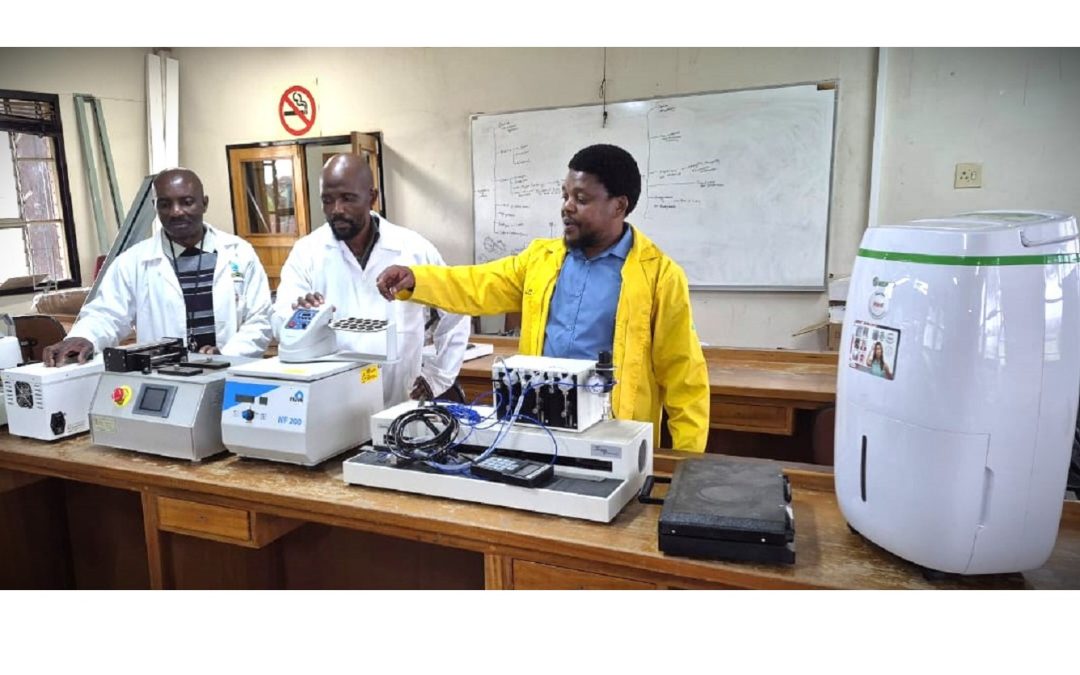
Sefako Makgatho Health Sciences University (SMU) is accelerating its role as a leader in health sciences innovation following a significant donation of specialised diagnostic equipment to its Department of Chemistry and Chemical Technology. An initiative that reinforces the university’s commitment to research excellence, industry collaboration, and student development.
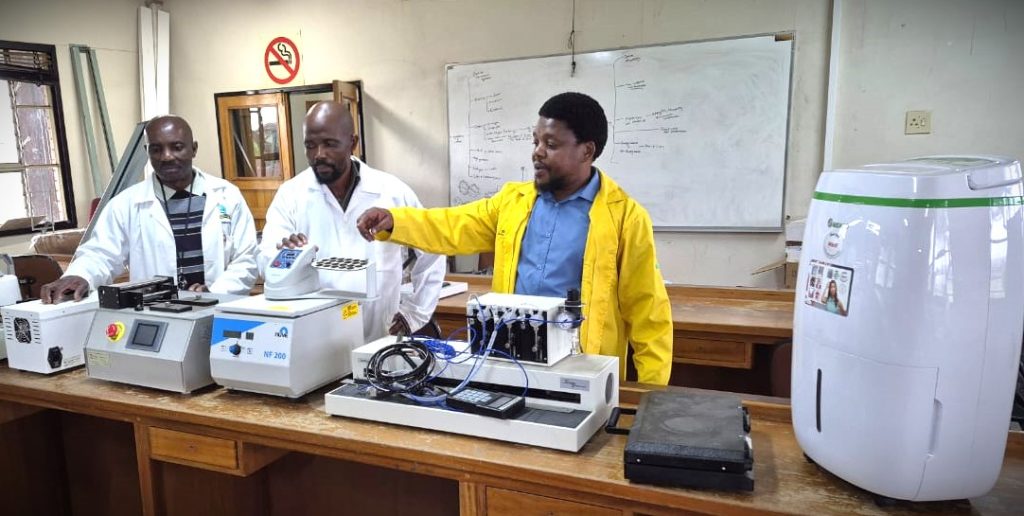 The donation, secured through a partnership with AMASU Technologies Pty (Ltd), a Durban-based biotechnology start-up, introduces advanced instrumentation designed for the batch-top fabrication of medical devices, including lateral flow diagnostic assays widely used in point-of-care testing. The collaboration signals a decisive step toward strengthening South Africa’s local capacity in diagnostic development.
“We are proud to support innovation that advances accessible healthcare solutions and strengthens local scientific capacity,” said Dr Mandizvo Tawanda, Director and CEO of AMASU Technologies Pty (Ltd). “Partnerships like this are essential in translating research into real-world impact.”
“This partnership reflects a shared vision to build innovation ecosystems that respond to real healthcare challenges,” said Professor Phumlani Mdluli, who played a key role in securing the donation and collaboration. “We are not just enhancing infrastructure; we are creating pathways for impactful research and skills development.”
Under the leadership of Professor Tshwafo Motaung (HOD), the Department is positioning itself as a hub for interdisciplinary innovation and entrepreneurship, where research translates into practical green solutions and spins into enterprises. The newly acquired equipment directly addresses critical gaps in prototyping and fabrication, enabling the transition from theoretical work to real-world application.
According to departmental leadership, the impact will be immediate and far-reaching. Students at both undergraduate and postgraduate levels will gain hands-on experience with industry-relevant technologies, significantly improving their readiness for the workforce.
“Exposure to this level of instrumentation changes everything,” said Dr Reagan Mohlala, a Natural Scientist in the Department. This sentiment was echoed by Mutendela Tabile Olivier, a lecturer, who added, “It allows our students to engage with the realities of medical device development, not just the theory behind it.”
The collaboration also opens doors beyond the laboratory. Internship opportunities, joint research initiatives, and potential technology transfer projects are already being explored, offering students valuable industry exposure and positioning SMU graduates as competitive contributors to the health sector.
University–industry partnerships, experts note, are no longer optional in higher education; they are essential. By aligning academic research with industry needs, institutions can remain relevant while driving innovation and economic growth.
“This is a clear example of what happens when academia and industry move in the same direction,” added Prof Mdluli. “The results are tangible, scalable, and beneficial to society.”
Strategically, the initiative aligns with SMU’s broader mission to transform health services through innovation and excellence. It also strengthens the Department’s focus on three niche research areas: bioanalytical chemistry and medical device development, biodegradable polymer-based materials, and advanced photocatalytic nanomaterials for environmental remediation.
Looking ahead, the Department plans to fully integrate the equipment into its research programmes, while expanding collaboration with industry partners to co-develop next-generation diagnostic technologies.
“We are building something that carries the dreams of our people,” said Prof Motaung, “This is not just a once-off achievement, it is the seed of a legacy rooted in resilience, sacrifice, and hope. It is about giving meaning to the struggles we have endured, restoring dignity, and creating opportunities where there were none. Long after we are gone, this work will continue to speak for us, uplifting lives, transforming communities, and reminding future generations that change is possible when we dare to build with purpose.”
As SMU continues to invest in strategic partnerships and cutting-edge research, the university reinforces its position as a key player in advancing healthcare innovation in South Africa and beyond.
By Tumelo Moila
by Lorato | Mar 19, 2026 | Accolades and Achievements, All News, Alumni, SMU Media, Student Media
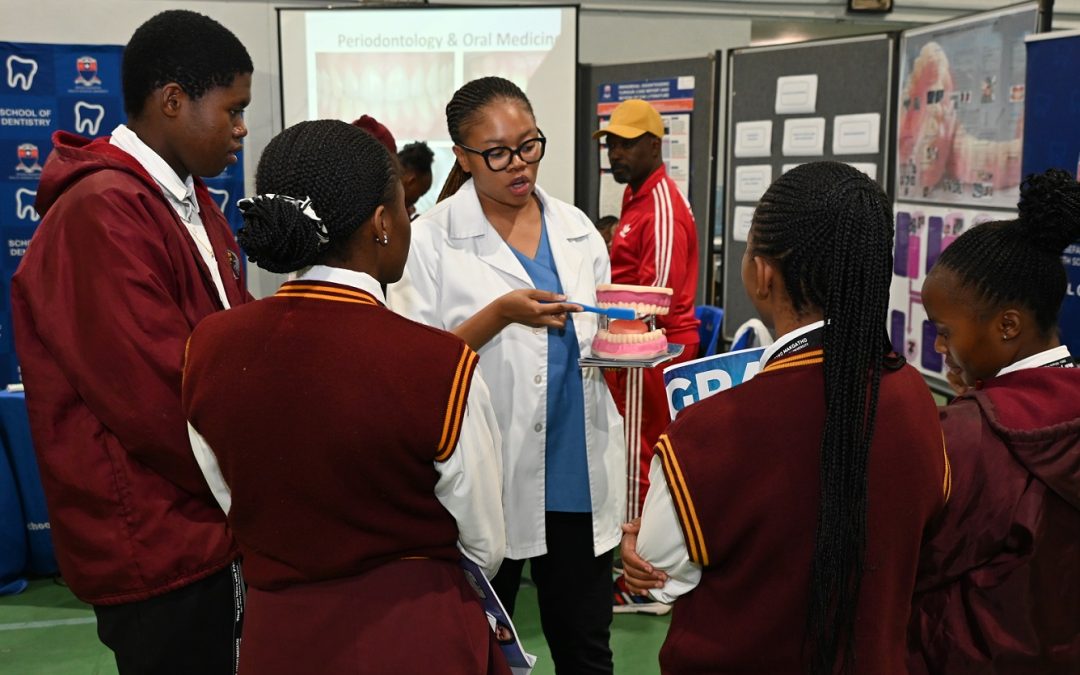
Sefako Makgatho Health Sciences University (SMU) continues to strengthen its position as one of South Africa’s leading health sciences institutions as applications for the 2026 academic year surged to 89,384 prospective students competing for just 1,265 first-year undergraduate spaces.
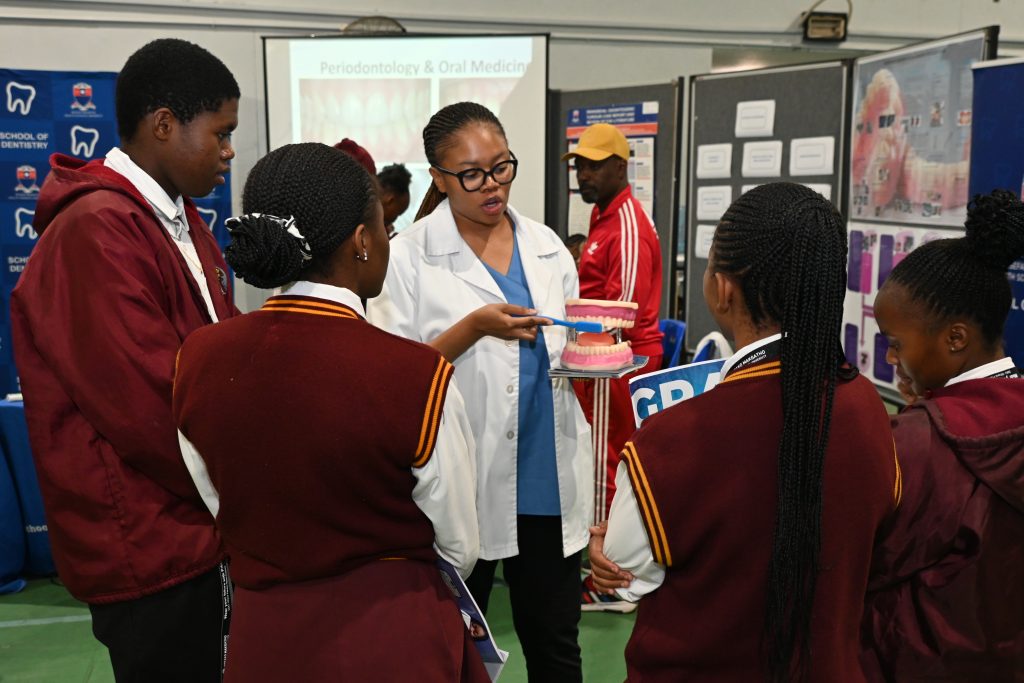 The overwhelming response reflects the growing demand for specialised health sciences education and underscores SMU’s reputation for academic excellence, innovative research, and a vibrant student experience. As a dedicated health sciences university, SMU remains committed to transforming health services through excellence and innovation while preparing the next generation of healthcare professionals to serve communities locally and nationally.
According to the university’s approved enrolment plan, SMU aims to accommodate 7,596 students in 2026, including 5,641 undergraduate students and 1,955 postgraduate students. Among the postgraduate cohort are 1,307 master’s candidates and 202 doctoral students, reinforcing the university’s expanding role in developing advanced health sciences expertise.
Student Recruitment Officer Ntsheu Collins Mangena said the unprecedented number of applications signals strong public confidence in the university’s programmes and its mission to transform healthcare through education.
“Receiving nearly 90,000 applications for the 2026 intake is both encouraging and humbling,” said Mangena. “It demonstrates the trust that learners, parents and educators place in SMU as a specialised institution dedicated to training future healthcare professionals. Our goal is to attract top achievers in Mathematics and Science while strengthening relationships with teachers and career guidance counsellors across the country.”
Several programmes remain highly competitive due to national shortages of skilled healthcare professionals.
- Bachelor of Nursing and Midwifery: 15,058 applications for 60 spaces
- Bachelor of Medicine and Bachelor of Surgery (MBChB): 12,758 applications for 155 spaces, plus 50 Extended Curriculum Programme places
- Bachelor of Pharmacy: 11,977 applications for 71 spaces
- Diagnostic Radiography: 8,297 applications for 30 spaces
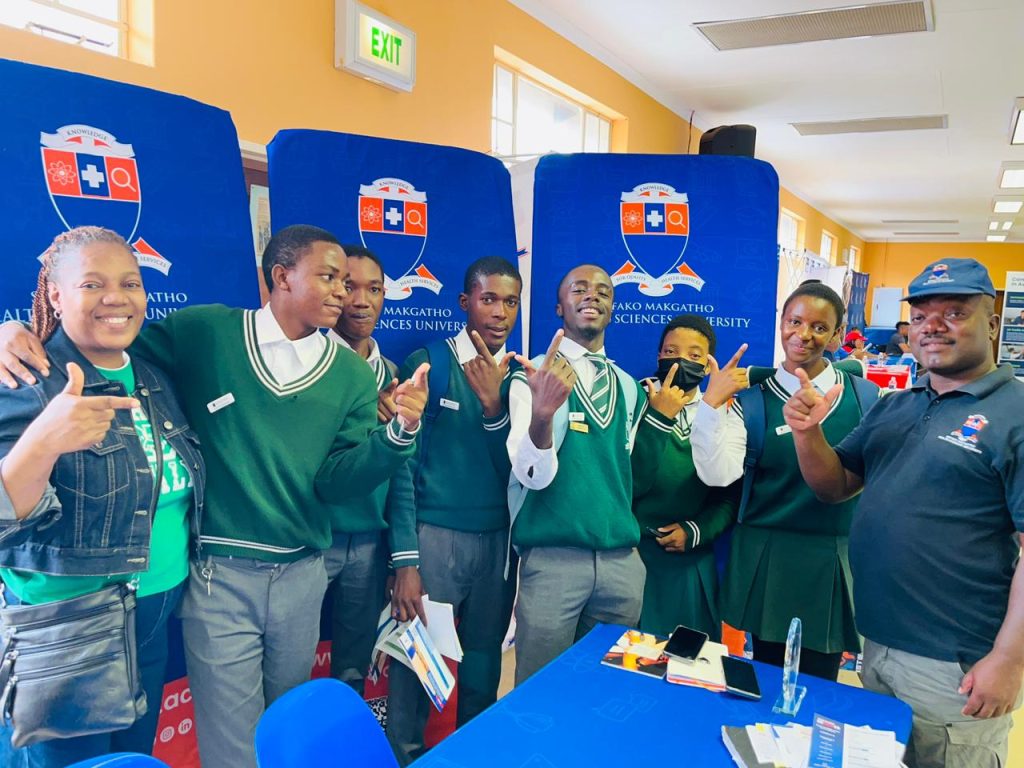 School of Health Sciences programmes have also recorded strong interest. Physiotherapy attracted 4,898 applications for 60 spaces, while Occupational Therapy received 3,358 applications for 40 places.
Meanwhile, the School of Science and Technology continues to contribute to the multidisciplinary health sciences ecosystem by offering programmes in Life Sciences, Mathematical Sciences, Environmental Biology, and Microbiology and Immunology. The school will enrol 476 students across its programmes, strengthening the scientific foundation that supports healthcare innovation.
Mangena explained that SMU’s recruitment strategy has become increasingly proactive, combining school outreach, national exhibitions and regional partnerships to reach talented learners earlier in their academic journeys.
“Student recruitment is no longer passive. We actively engage learners, parents and educators through school visits, exhibitions, and information sessions so that talented students understand both the opportunities and the application process at SMU.”
The university’s 2026 Schools Liaison and Student Recruitment Plan focuses on expanding SMU’s visibility across South Africa while building a stronger regional pipeline of students. Key initiatives include monthly school visits in Gauteng, participation in major national career exhibitions, and targeted information sessions in provinces such as Mpumalanga, KwaZulu-Natal, the Free State and the Eastern Cape.
The recruitment strategy also extends beyond South Africa’s borders, with outreach planned in neighbouring countries such as Mozambique and Zambia to strengthen the university’s presence in the Southern African region.
Parents and educators are also central to the recruitment strategy. Through engagement with School Governing Bodies and education associations, the university aims to ensure that families understand programme offerings, admission requirements, and career opportunities within the health sciences.
These initiatives are supported by strategic partnerships with organisations such as the Moses Kotane Local Municipality, the Limpopo Institute of Mathematics and Science Academy, SAICA, and Future SA STEM, which help promote science, technology and healthcare careers among high-performing learners.
Guided by values that include excellence, integrity, accountability, respect, student-centred learning and Ubuntu, SMU continues to position itself as a transformative institution that responds directly to the country’s healthcare workforce needs.
As the university prepares to welcome the 2026 intake, its growing application numbers reflect more than popularity—they signal SMU’s expanding impact on health sciences education, research innovation, and community-focused healthcare across South Africa and the region.
By Tumelo Moila
by Lorato | Mar 19, 2026 | Accolades and Achievements, All News, Alumni, SMU Media, Student Media
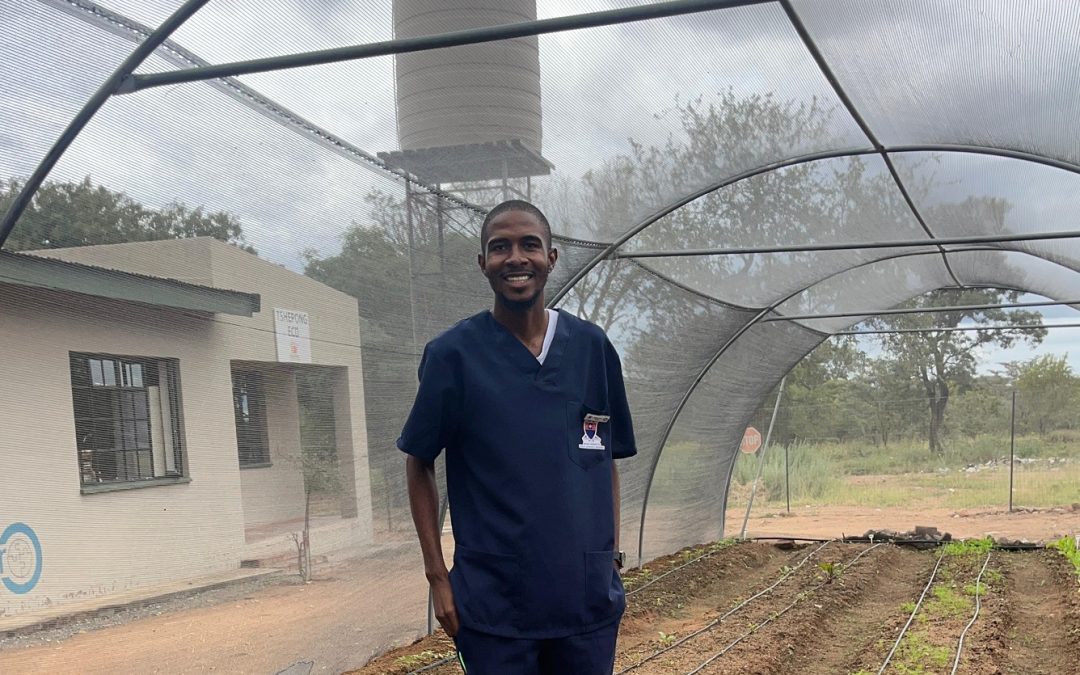
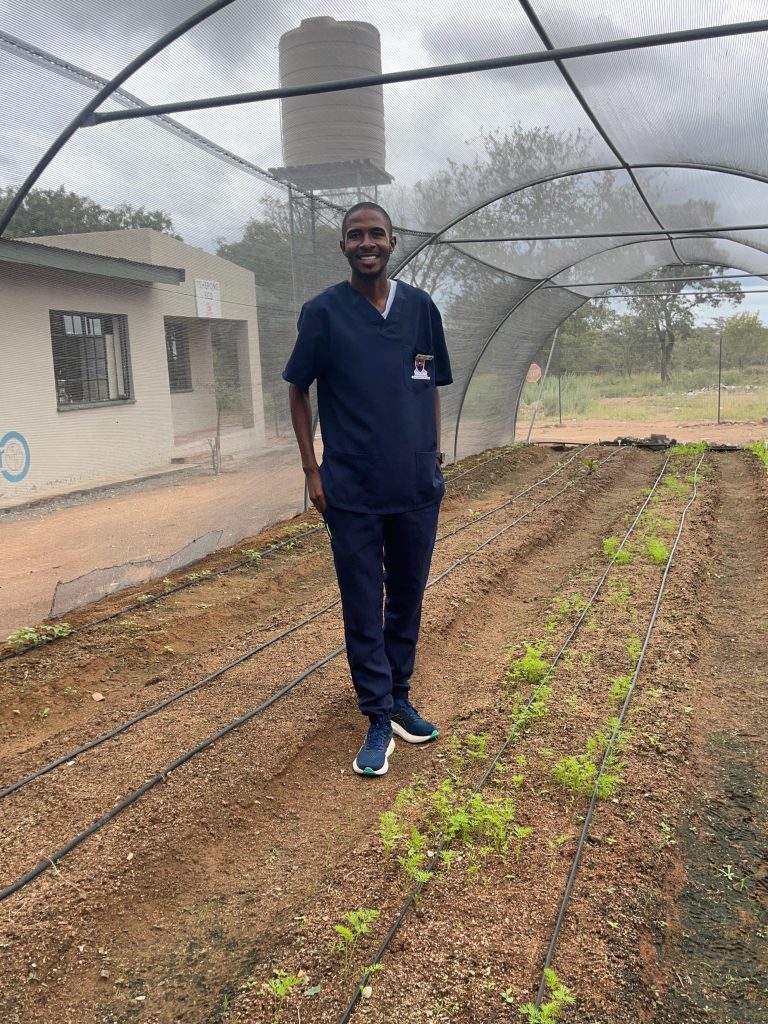
An alumnus of Sefako Makgatho Health Sciences University (SMU), Moloko Mehala, has begun making a meaningful impact in rural healthcare only months after starting his professional journey as a community service dietitian at Thabazimbi Hospital in Limpopo Province. Mehala, who assumed his role in January 2026, is already leading initiatives aimed at strengthening household food security through food gardening while also building professional networks through his initiative, Golf Medics.
 Growing up in the small town of Dendron (Limpopo), Mehala says his upbringing played a crucial role in shaping his passion for nutrition and community health. “I grew up in a community where education was always seen as the key to building a better future,” he explained. “Even though many families faced economic challenges, there was always a strong belief that through education and hard work, we could improve our lives.”
One of his earliest influences came from his mother, who maintained a home garden that helped feed the family. “I remember watching my mother grow different crops in our yard. From her, I learned the importance of producing food at home and how gardening can support household nutrition,” he said. These early experiences later inspired Mehala to pursue a career in dietetics and to focus on practical solutions for improving nutrition in vulnerable communities.
During his studies at SMU, he developed a deeper understanding of the link between nutrition, food insecurity and public health. He credits the university’s training and community-based projects for preparing him to work in under-resourced environments. “My studies helped me understand the important role nutrition plays in maintaining health and preventing disease,” he said. “The programme also exposed me to the broader challenges of food insecurity and rising food costs, which strengthened my commitment to community health.”
Now based at Thabazimbi Hospital, Mehala is already implementing a food security programme designed to promote food gardening at household and community levels. The initiative focuses particularly on improving nutrition among preschool children in the surrounding communities. “The programme encourages schools and communities to establish food gardens so that children have access to nutritious meals,” he said. “These gardens provide a reliable source of vegetables and help reduce food insecurity.”
He says the response from the community has been overwhelmingly positive. “Parents are supportive because the programme ensures that children receive meals at school,” Mehala explained. “It also gives parents peace of mind and allows some of them to seek employment during the day.”
Beyond improving nutrition, Mehala believes food gardening can serve as a powerful public health intervention. “Food gardening is one of the most practical and sustainable strategies for improving household food security,” he said. “By growing vegetables and fruits at home, families can increase their intake of micronutrient-rich foods while reducing reliance on ultra-processed products.”
He adds that the benefits extend far beyond food. “Gardening supports mental well-being, encourages physical activity and promotes environmental sustainability. It empowers communities to become more self-sufficient and resilient against economic and environmental challenges.”
In addition to his work in clinical nutrition, Mehala founded Golf Medics, an initiative aimed at bringing together health professionals, businesses and organisations to promote collaboration in health and wellness initiatives. “Golf provides a platform for networking and partnership-building,” he said. “Through Golf Medics, we can connect professionals and organisations who want to support community health initiatives.”
Despite being early in his career, Mehala remains deeply motivated to serve vulnerable communities. “One of my biggest motivations is seeing how poverty affects families,” he said. “As nutrition professionals, advocating for food gardens is not just about food production. It is about restoring dignity, improving health outcomes and building long-term food security.”
By Tumelo Moila
by Lorato | Mar 19, 2026 | Accolades and Achievements, All News, Alumni, SMU Media, Student Media
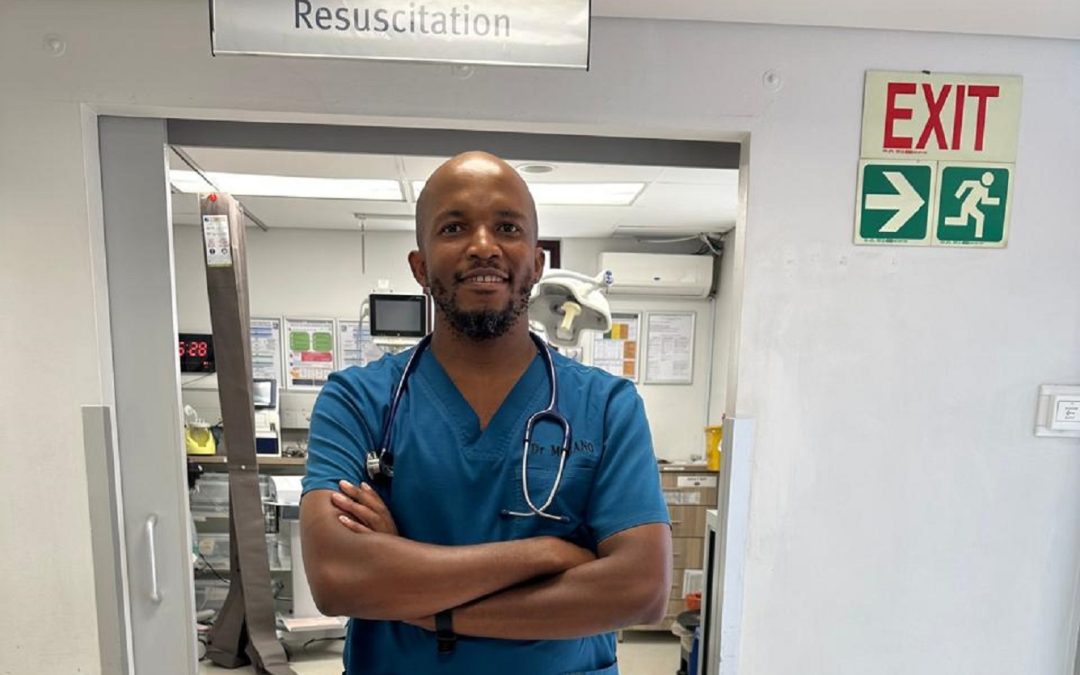
Dr Abraham Mogano, also known as Abbey, an exceptional alumnus of Sefako Makgatho Health Sciences University (SMU), continues to demonstrate that determination, resilience, and purpose can drive extraordinary achievement.
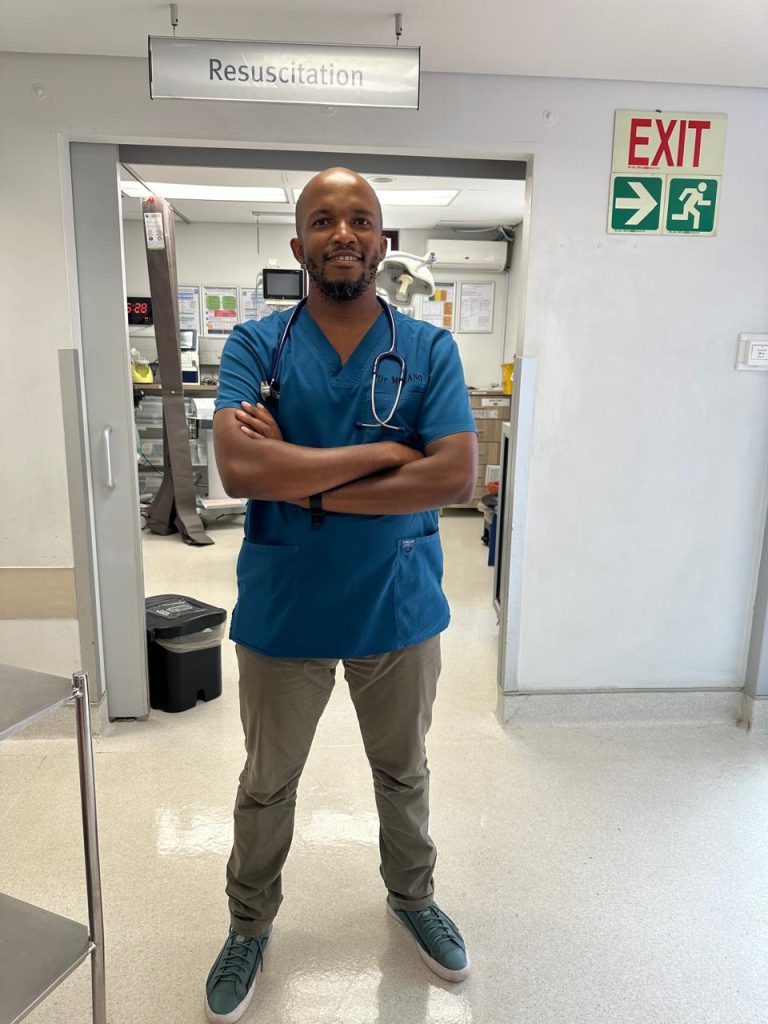 In March 2026, Dr Mogano took on the Calling Cape Town Extreme Challenge, a demanding endurance event aimed at raising support for education for children from disadvantaged backgrounds. The challenge tests participants across multiple disciplines and requires both physical endurance and mental strength.
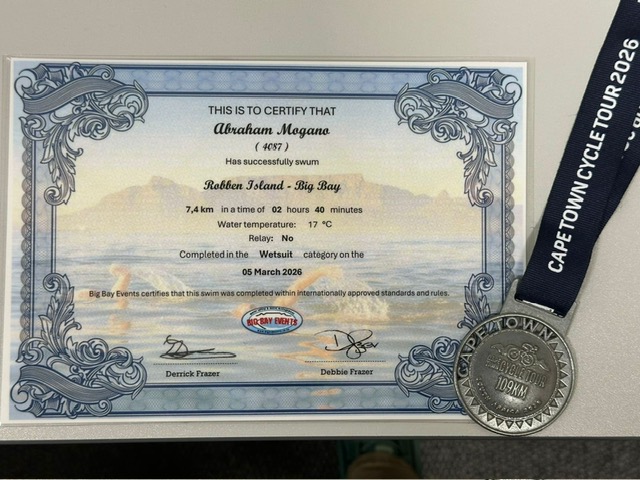
On 5 March 2026, Dr Mogano successfully completed an 8 km open water swim from Robben Island to Big Bay. This achievement alone stands as a significant milestone, given the unpredictable ocean conditions and the level of endurance required.
“I had never done a triathlon before,” he says. “But when I saw that the challenge supports education for children from disadvantaged backgrounds, I knew I had to be part of it. That purpose kept me going.”
The main challenge was scheduled for 8 March 2026 and was originally set to include another Robben Island swim, a 109 km cycle, and a 50 km run covering three Cape Town peaks. However, due to adverse weather conditions, the swim component had to be adjusted to ensure participant safety.
Instead, Dr Mogano completed a 2.7 km swim, followed by the full 109 km cycle and a demanding trail run reaching Devil’s Peak. Despite the changes, the challenge remained physically and mentally taxing. “Even with the changes, it was still a tough challenge,” he reflects. “But completing it reminded me that adaptability is just as important as preparation.”
For Dr Mogano, the journey is deeply personal. Growing up in a rural village in Mafikeng in the North West Province, he experienced first-hand how access to education and opportunities in sport can transform lives.
“Even a small opportunity can open doors—not just for one person, but for an entire generation,” he explains. “That is why initiatives like this matter.”
 A proud SMU graduate, Dr Mogano completed his BSc in Dietetics in 2008 before going on to earn his MBChB from the University of Pretoria. He currently works as a General Practitioner at Netcare Moot Emergency Department and runs a Travel Medicine clinic at Intercare Wonderboom in Tshwane, with a focus on Emergency and Travel Medicine.
He credits his medical training for helping him build the discipline and resilience needed to take on extreme challenges. “Medicine taught me resilience, discipline, and focus—the same qualities required to complete a challenge like this,” he says.
Although he had never competed in a triathlon before, Dr Mogano brought strong experience in each individual discipline. His background includes open water swimming events, long-distance cycling, and ultra-marathons. This foundation enabled him to take on the combined challenge with confidence, even in the face of unexpected changes.
Balancing training with a demanding professional career and family responsibilities was not easy. However, through consistency and careful preparation, he remained committed to his goal. His ability to stay focused and adapt under pressure ultimately contributed to his success.
Dr Mogano’s achievement reflects SMU’s commitment to excellence, integrity, and community impact. His story embodies the university’s values of Ubuntu, ethical leadership, and service to society. “If my journey inspires even one child to believe in themselves or to pursue education, then every stroke, every pedal, and every step was worth it,” he says.
Through alumni like Dr Mogano, SMU continues to demonstrate how education can transform not only individual lives but also uplift communities. His accomplishment serves as a powerful reminder that with determination, purpose, and the willingness to adapt, even the most demanding challenges can be overcome.
By Dimakatso Modise
by Lorato | Mar 19, 2026 | All News, Alumni, SMU Media, Student Media
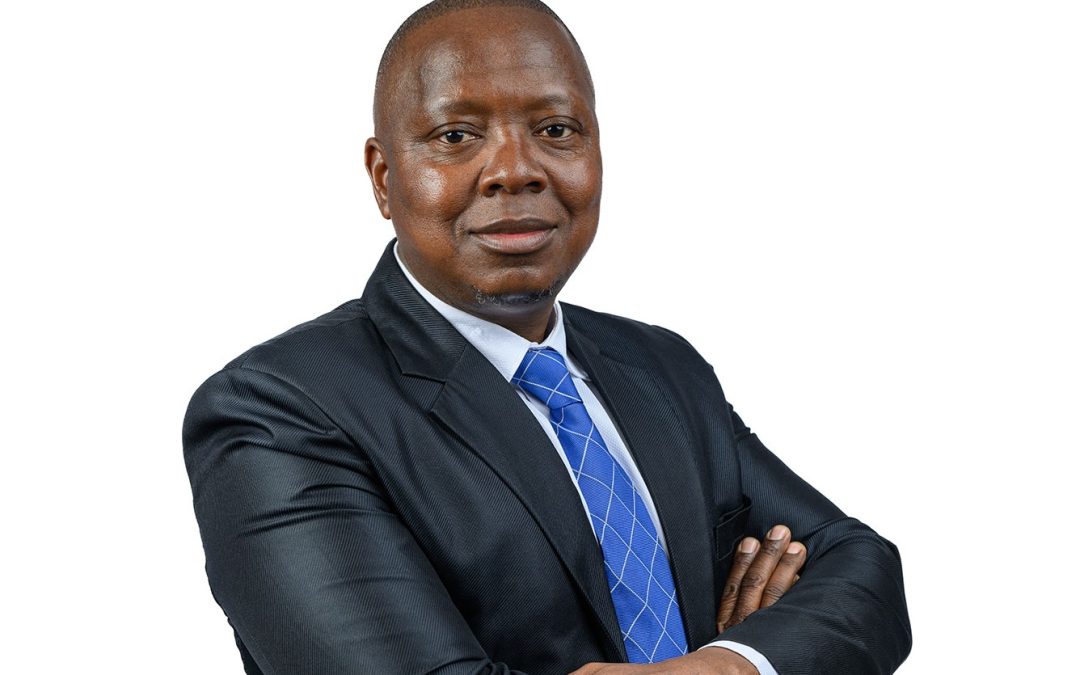
Dr Alfred Kgasi’s journey from a rural childhood in North West Province to leading one of South Africa’s premier veterinary academic institutions is a testament to purpose, perseverance, and impact. As an alumnus of Sefako Makgatho Health Sciences University (SMU), formerly MEDUNSA, his career illustrates the transformative power of education and the critical role of veterinary science in society.
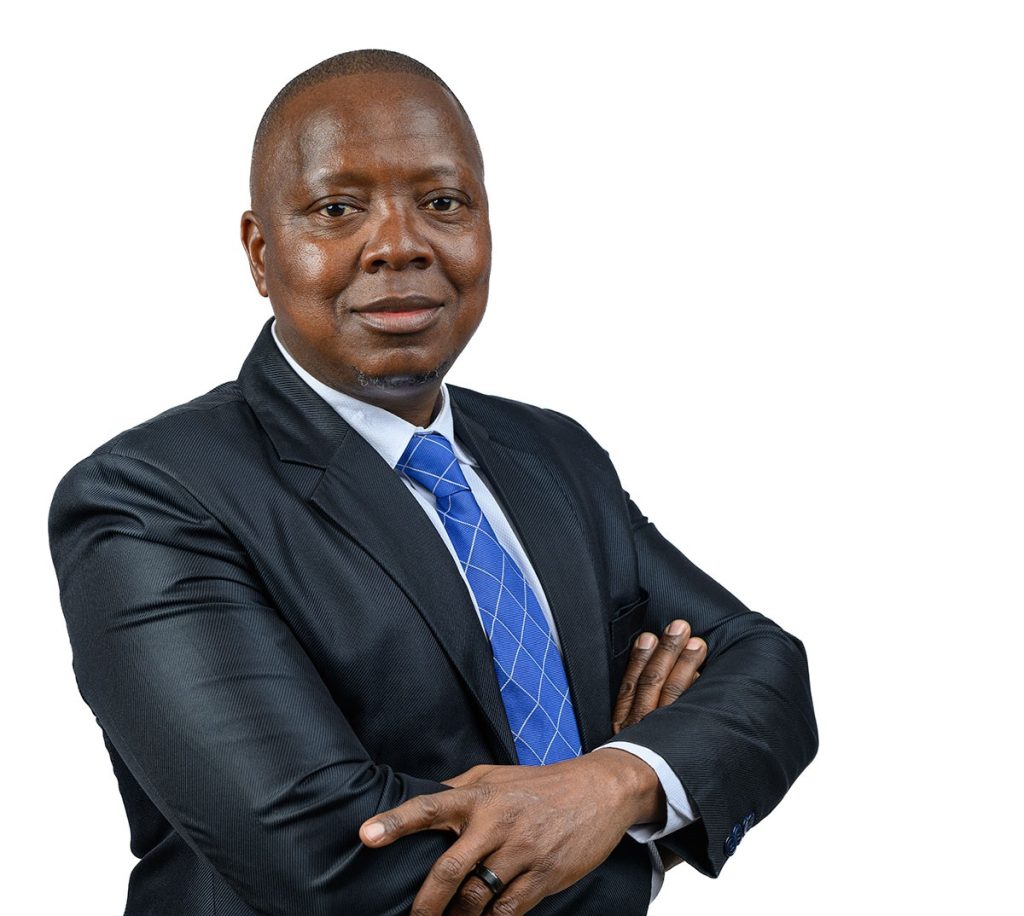 “Veterinary medicine appealed to me because it sits at the intersection of science, animal welfare, and community wellbeing,” Dr Kgasi explains. Growing up, animals were not only companions but essential to livelihoods and local economies, shaping his worldview and inspiring a lifelong dedication to animal health.
Dr Kgasi qualified as a veterinarian at MEDUNSA during South Africa’s pivotal democratic transition. “MEDUNSA didn’t just train veterinarians; it instilled resilience, discipline, and a strong sense of responsibility to society,” he reflects. The determination shared among students to uplift their communities became a driving force in his professional journey.
Recognising the need for broader expertise, Dr Kgasi pursued a Master’s in Veterinary Science, a Master’s in Business Leadership, and a law degree. “Science teaches problem-solving, business teaches leadership, and law teaches governance,” he says. “These combined perspectives equip me to lead strategically and ethically.”
His career spans private practice, public service, and regulatory roles, deepening his understanding of veterinary science and leadership. A highlight was his tenure as President of the South African Veterinary Council (SAVC) from 2019 to 2022, overseeing professional standards and ethical governance. “Strong regulation protects both the public and the integrity of our profession,” he states. His leadership strengthened accountability and public trust across the sector.
Currently, Dr Kgasi serves as Director of the Onderstepoort Veterinary Academic Hospital (OVAH) at the University of Pretoria. The hospital, part of South Africa’s only veterinary faculty, provides both advanced clinical care and essential training for future veterinarians. “An academic hospital must deliver excellent clinical care while preparing the next generation of professionals,” he explains.
Under his leadership, OVAH achieved Gold Status as a Cat Friendly Clinic, awarded by the International Society of Feline Medicine (ISFM). The recognition reflects the hospital’s commitment to high standards of feline care, innovative training, and the promotion of animal welfare.
Community engagement remains a cornerstone of Dr Kgasi’s work. Outreach programmes and training initiatives support farmers and communities reliant on livestock for food security and income. “Healthy animals mean stable livelihoods for many families,” he notes, highlighting the direct impact of veterinary science on human wellbeing.
Dr Kgasi attributes his success to lifelong learning and mentorship. “Leadership is not about having all the answers; it’s about continuing to learn and helping others grow,” he says. His philosophy shapes how he guides students, young professionals, and colleagues alike.
To aspiring veterinarians, his advice is clear: “Stay curious, stay committed, and be prepared to work hard. Few professions allow you to combine science, compassion, and service to society in the way veterinary medicine does.”
Looking ahead, Dr Kgasi emphasises the growing role of veterinary science in Africa’s future. Areas such as food security, public health, and wildlife conservation will require collaboration, innovation, and a shared commitment to improving animal and human well-being.
Dr Kgasi’s story embodies SMU’s vision: transforming health services through excellence and innovation. His work reflects the university’s core values—accountability, integrity, effective leadership, student-centred practice, and Ubuntu—demonstrating how alumni can shape society while staying rooted in professional and ethical excellence.
By Dimakatso Modise
by Lorato | Mar 19, 2026 | All News, Alumni, SMU Media, Student Media
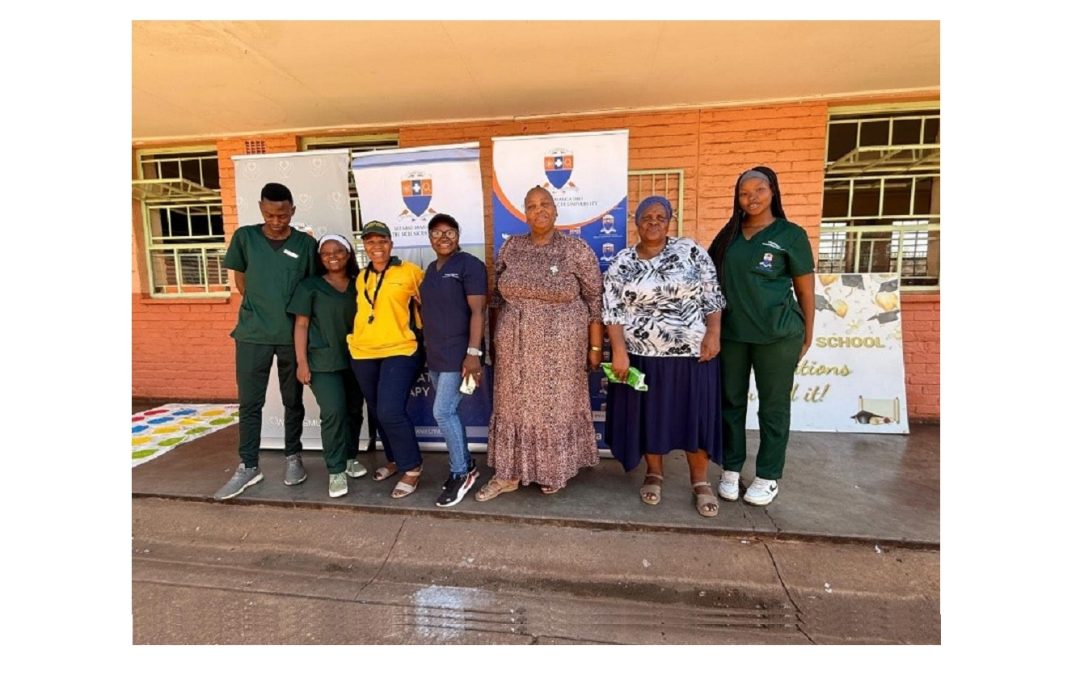
Sefako Makgatho Health Sciences University (SMU) students are making a tangible difference in local education. Four final-year Occupational Therapy students recently led an awareness campaign at Lesolang Primary School in Ga-Rankuwa, focusing on specific learning disorder (SLD) and attention deficit hyperactivity disorder (ADHD).
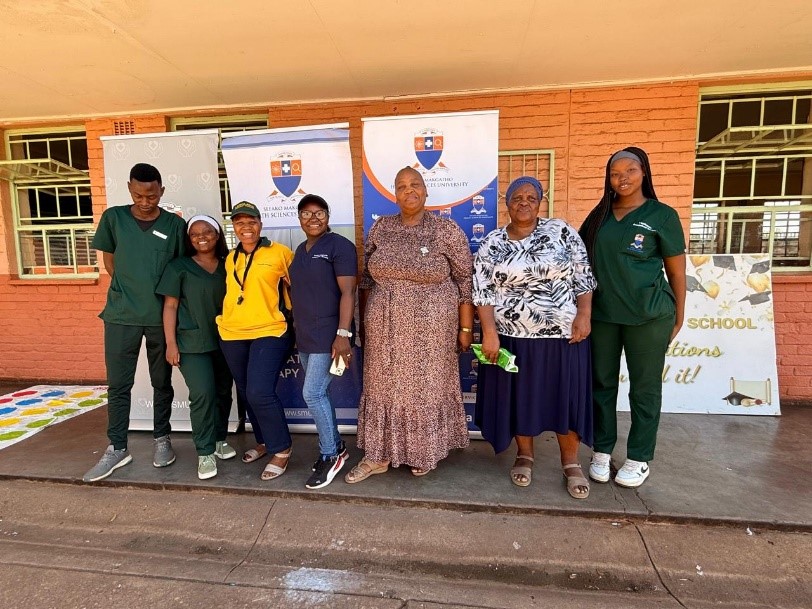 The initiative, part of the students’ paediatric group project, was supervised by lecturer Dr Teresia Dzhugudzha and clinical supervisor Modiegi Temane. It aimed to equip foundation phase teachers and parents with the knowledge to identify early signs of learning and attention difficulties.
“Early recognition of SLD and ADHD is critical,” said Dr Dzhugudzha. “By providing teachers and parents with practical tools, we can ensure children receive timely support, improving their learning outcomes and overall well-being.”
During the session, students Katlego Malebane, Sphelile Mohlala, Ondwela Nndwakhulu, and Naledi Mahlaopane delivered a structured presentation highlighting common indicators such as difficulties with reading, writing, attention, and task completion. Participants were encouraged to observe these traits in both home and school environments to promote early intervention.
Mahlaopane explained, “We wanted to show that recognising these challenges early can make a huge difference. When teachers and parents understand what to look for, children can access support that truly helps them thrive academically and socially.”
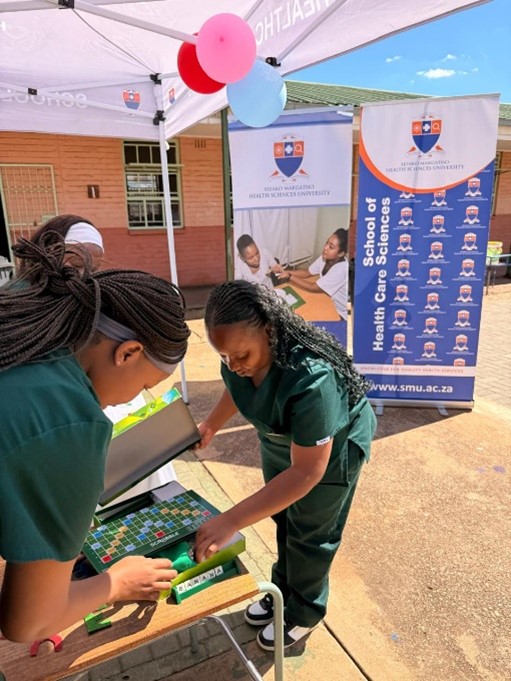 The students also demonstrated occupational therapy strategies that support inclusive learning. These included play-based and multisensory approaches, integrating visual, auditory, tactile, and kinesthetic activities to enhance engagement and skill development. Such methods help learners overcome barriers related to sensory processing, motor coordination, attention, and executive functioning.
“Occupational therapy is about more than treatment,” said Nndwakhulu. “It’s about empowering children to participate fully in all occupations, including education. Demonstrating these interventions allows educators and caregivers to replicate them in everyday classroom and home activities.”
To reinforce the learning, parents and teachers received informational pamphlets summarising the characteristics of SLD and ADHD, signs to watch for, and practical strategies for support. “These resources ensure that awareness continues beyond the campaign,” added Malebane.
The event also commemorated the 50th anniversary of Occupational Therapy at SMU, with lecturer Lebogang Lefine attending and highlighting the department’s community engagement efforts. Lefine noted, “This project exemplifies how our students translate knowledge into action, strengthening community partnerships and promoting inclusive education.”
Echoing the importance of the initiative, Refilwe Rasetlola, a grade 1 teacher at Lesolang Primary School in Ga-Rankuwa, said, “This awareness campaign equips our teachers and parents to support every child effectively. We are grateful to SMU for empowering our community and promoting inclusive learning.”
SMU’s commitment to academic excellence and community impact underpinned the initiative. By combining rigorous training with practical application, the university fosters graduates who are prepared to meet diverse societal needs.
“Campaigns like this reflect the university’s vision of transforming health services through innovation and excellence,” said Dr Dzhugudzha. “It demonstrates how students, faculty, and the wider community collaborate to enhance health and educational outcomes.”
The awareness campaign not only strengthened collaboration between students, teachers, and parents but also reinforced SMU’s role as a leader in health sciences education. By promoting early detection, intervention, and inclusive practices, the university continues to contribute meaningfully to the local and national community.
As SMU looks to the future, initiatives like this exemplify its mission: to provide professional training and education that improve lives. Through innovation, advocacy, and active engagement, SMU remains at the forefront of health sciences education and community impact.
By Tumelo Moila