by Lorato | Sep 16, 2026 | All News, Alumni, SMU Media, Student Media
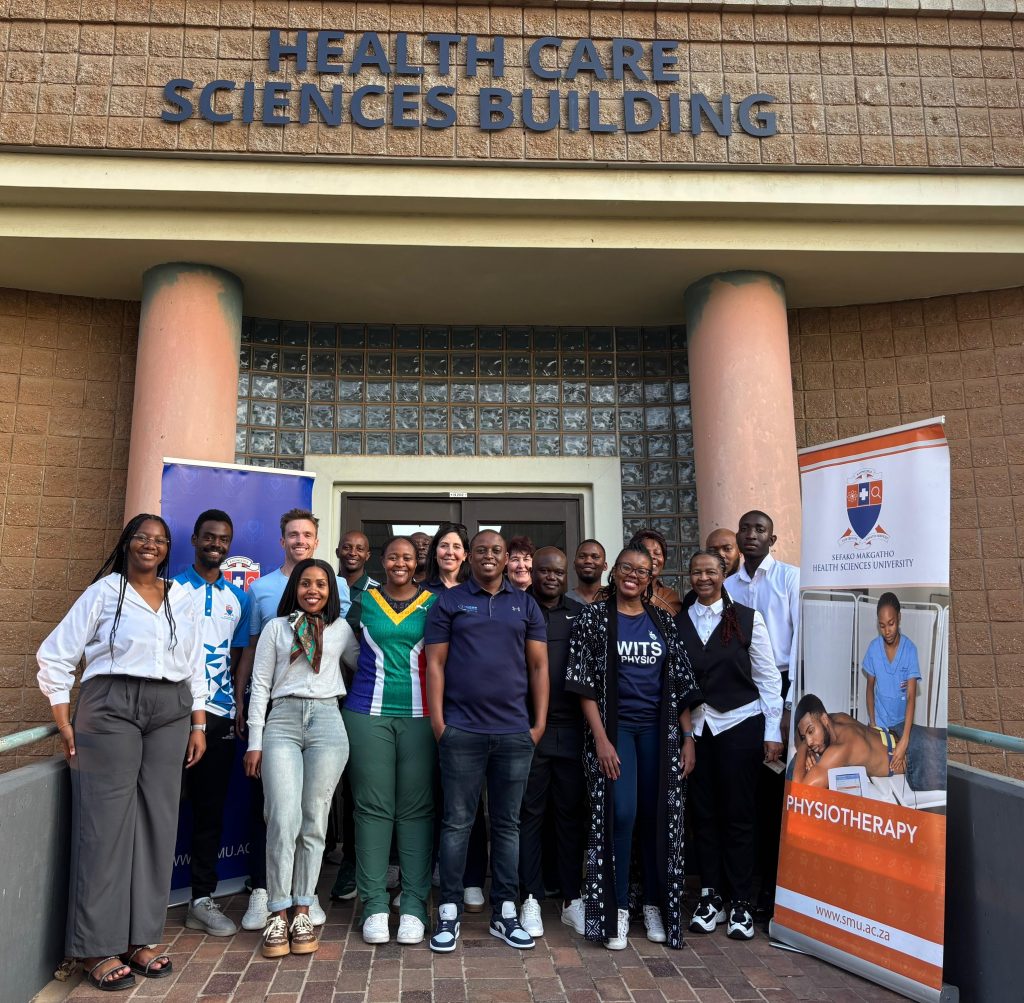
Physiotherapy students at Sefako Makgatho Health Sciences University (SMU) gained insight into the diverse opportunities in their profession at the SMU Physiotherapy Career Expo 2026, held on 28 August 2026 at the Department of Physiotherapy.
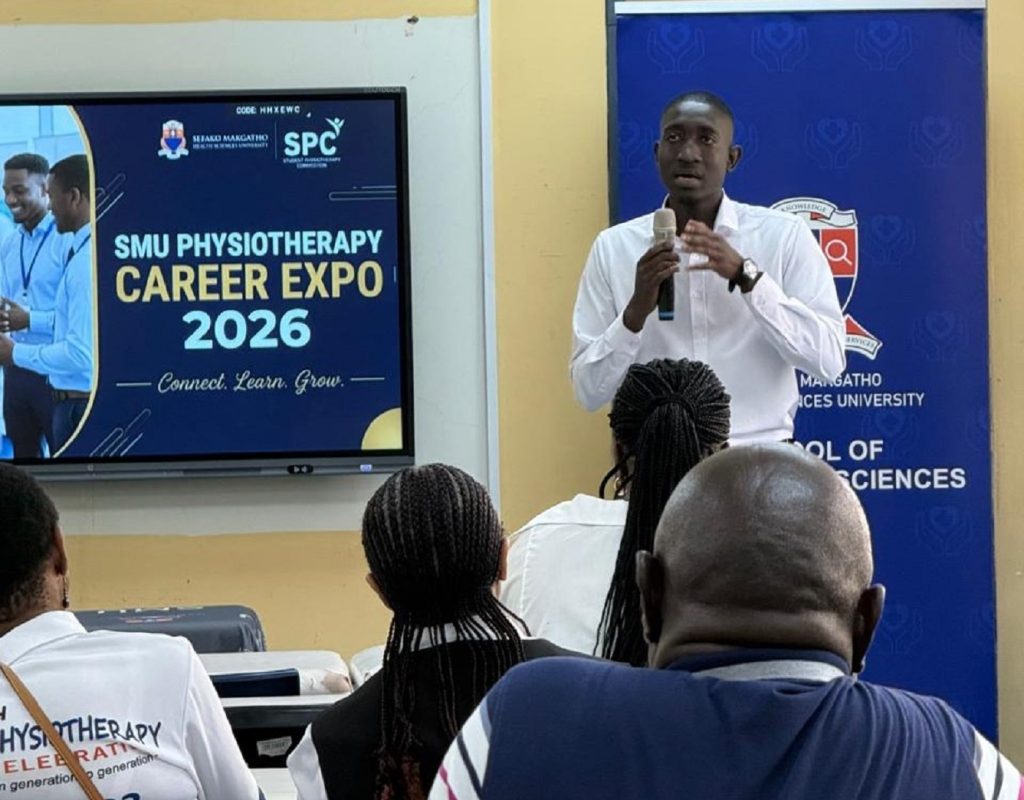 Organised by the Student Physiotherapy Consortium (SPC) under the theme “Connect. Learn. Grow.”, the Expo aimed to strengthen the relationship between students and the wider physiotherapy profession. It offered students an opportunity to engage directly with experienced practitioners and explore career pathways beyond conventional clinical practice.
Rather than following a traditional conference format, the organisers established interactive career stations in the Physiotherapy Gym Hall and Electrotherapy Hall. Students rotated between stations and joined discussions on professional development, postgraduate studies, research, entrepreneurship, leadership, and the practical realities of different areas of physiotherapy.
The event addressed an important question for students: what can they become with a physiotherapy degree? “Students need exposure to the profession beyond what they encounter in the classroom. By bringing experienced professionals into direct conversation with students, the Expo allowed them to understand the different directions their careers can take,” said Vuyelo Baloyi, Chairperson of the Student Physiotherapy Consortium.
The Expo highlighted a broad range of professional possibilities, including sports physiotherapy. Students interacted with Sekwati Thabo, Sports Physiotherapist at Thabamoopo Hospital and the Limpopo Academy of Sports, whose experience includes working with Bafana Bafana and national youth teams. Thabang Temo, a physiotherapist at Mamelodi Sundowns FC, also shared insights into elite sport and national sporting structures.
Entrepreneurship and healthcare leadership were also explored. Danny Matlou, Founding Director of the Midrand Back and Neck Centre, demonstrated how physiotherapy can intersect with business development, leadership and corporate governance.
 “Physiotherapy provides an exceptionally strong professional foundation, but practitioners can expand their impact through entrepreneurship, leadership and strategic involvement in healthcare. Students should understand that their first clinical position does not predetermine their career trajectory,” said Matlou.
Academic and research opportunities were featured prominently through the participation of Dr Prudence Moatshe, a physiotherapist, part-time lecturer at the University of Pretoria and PhD candidate.
“Students should recognise that their qualification can become the foundation for a career in research, education, leadership and specialised practice. Exposure to professionals who have taken different paths can help them make more informed decisions about their own futures,” said Moatshe.
The Expo also introduced students to rehabilitation, disability advocacy, community development and adapted sport. The participation of the Health Professions Council of South Africa added a regulatory dimension, with discussions on professional registration, Continuing Professional Development and professional responsibilities.
Through mentorship, networking and direct engagement, the initiative created opportunities for future collaboration and professional guidance. Its success may lay the groundwork for an annual career-development platform that includes mentorship programmes, internships, postgraduate information sessions, and entrepreneurship workshops.
The SMU Physiotherapy Career Expo demonstrated the value of connecting students with the profession they are preparing to enter. By promoting informed career choices and broadening professional horizons, SMU continues to support education, innovation and the development of healthcare professionals who can contribute meaningfully to society.
By Dimakatso Modise
by Lorato | Sep 16, 2026 | All News, Alumni, SMU Media, Student Media
Sefako Makgatho Health Sciences University (SMU) Library and Information Services has strengthened its commitment to digital learning and scientific research by launching AccessScience, an online scientific reference platform developed by McGraw Hill.
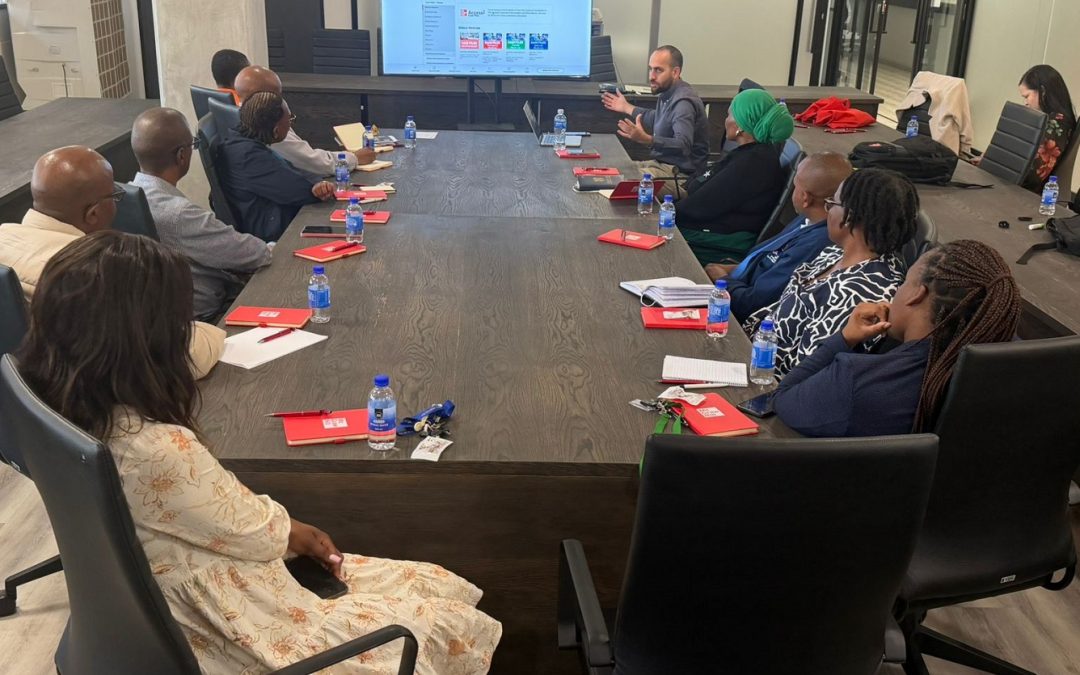
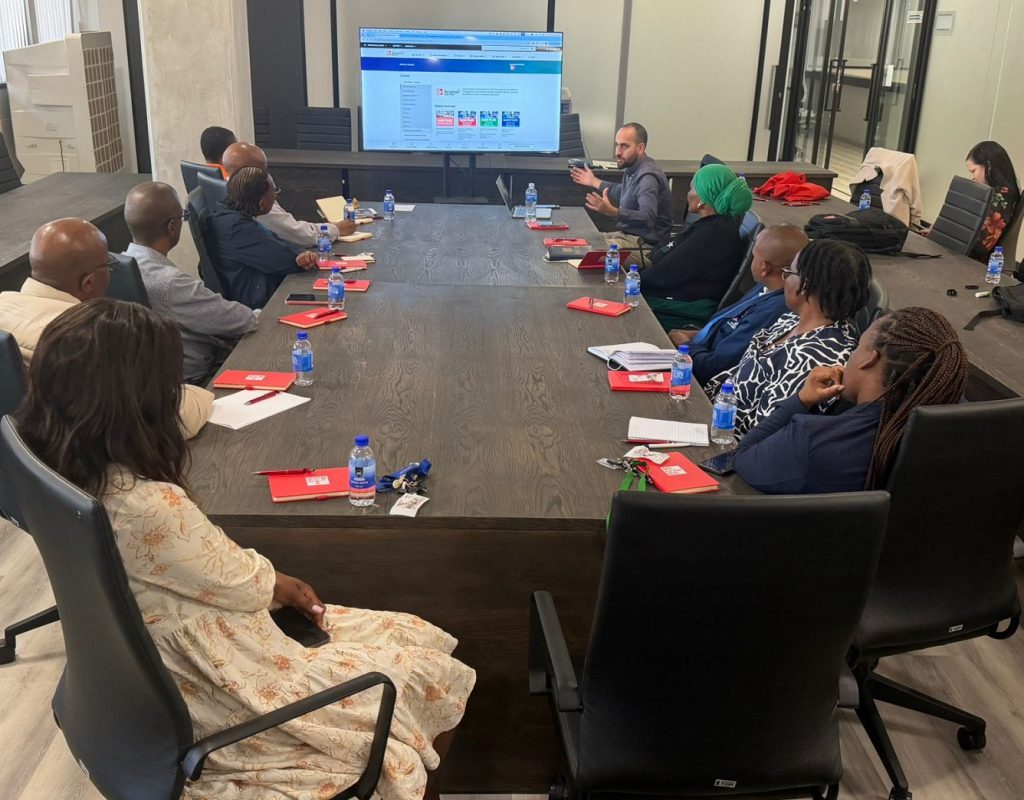 The platform was introduced during an interactive training session held on 2 September 2026, in partnership with McGraw Hill and WWIS. The session exposed students and academics to digital resources designed to support teaching, learning and research across various academic disciplines.
The training featured McGraw Hill’s specialised platforms, including AccessMedicine, AccessSurgery, AccessPhysiotherapy and AccessPharmacy. These resources provide access to authoritative information that can support students’ academic development, professional preparation and research activities.
A key highlight of the programme was the official launch of AccessScience, presented by Gabriella Govender, Senior Business Development Manager at McGraw Hill. The platform provides access to scientific articles, multimedia content, textbooks, biographies of prominent scientists and updates on developments in scientific research. It also offers links to primary literature, enabling users to explore scientific topics in greater depth.
Govender said the platform was designed to make scientific knowledge accessible to students, educators and researchers across different fields of study.
“AccessScience brings together authoritative scientific information in a format that is accessible, engaging and relevant to students, educators and researchers. We are pleased to introduce this resource to SMU and to support the University’s commitment to strengthening scientific literacy and research excellence,” she said.
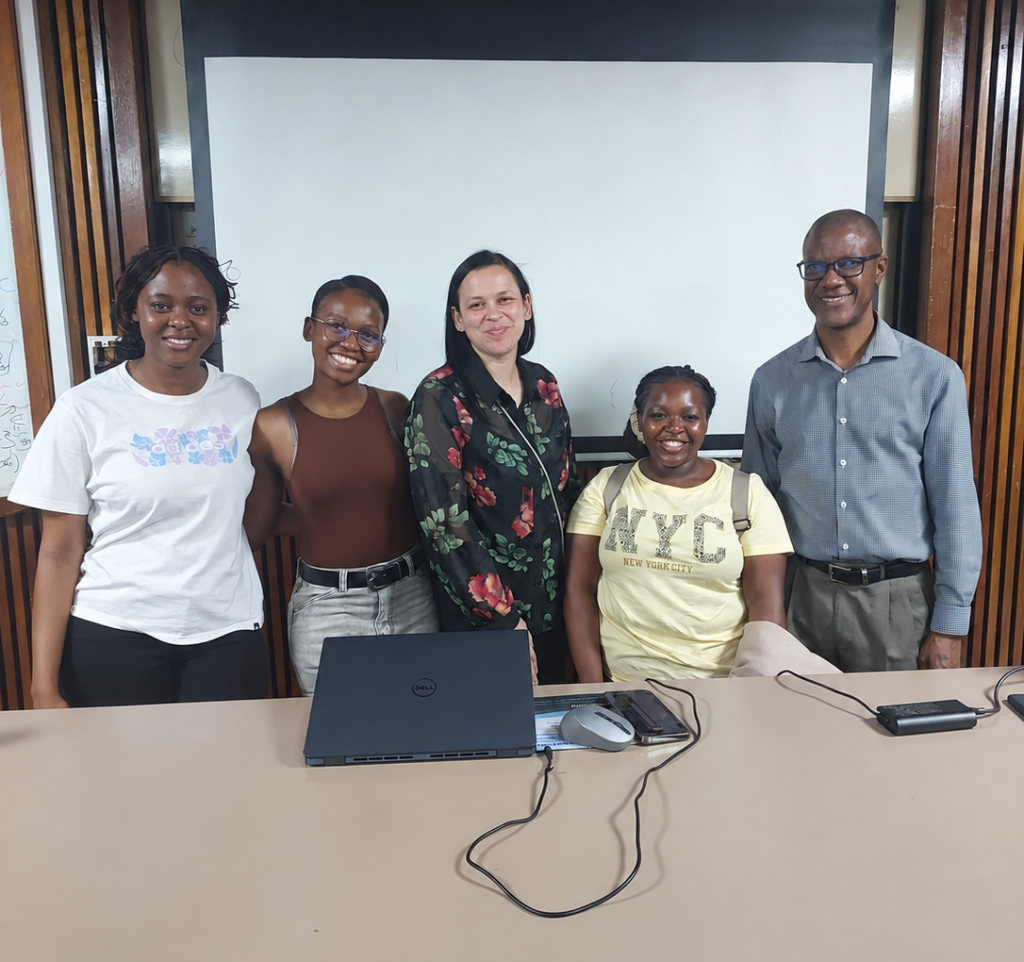 The launch was particularly significant for students from the School of Science and Technology, who participated actively in the training. Through demonstrations and guided engagement, students learned how to locate relevant information, explore scientific concepts, and access materials to support academic assignments and research projects.
Patrick Motiang, Acting Senior Librarian: Information Services, said the initiative formed part of the Library’s broader efforts to equip students with the skills and resources required to navigate an increasingly digital academic environment.
“Access to credible and current information is fundamental to successful teaching, learning and research. By introducing students to these platforms, the Library is helping them develop the confidence and information-literacy skills necessary to engage critically with scientific knowledge,” said Motiang.
For students, the training offered an opportunity to discover resources relevant to their academic journeys. Mandisa Dlamini, a final-year Bachelor of Science in Environmental Biology student, welcomed the introduction of AccessScience and its potential application in her field.
“As an Environmental Biology student, I work with scientific information that requires accuracy, depth and reliable sources. AccessScience will be valuable in helping me understand complex scientific concepts, strengthen my research and access information that can support my final-year academic work,” said Dlamini.
The collaboration between SMU Library and Information Services, McGraw Hill and WWIS highlights the importance of partnerships in expanding access to scholarly resources and supporting student success. By facilitating practical engagement with specialised digital platforms, the initiative seeks to encourage independent learning, informed academic inquiry and evidence-based research.
The launch of AccessScience represents another step in SMU’s efforts to strengthen its digital information environment and promote academic excellence, innovation and lifelong learning. Through initiatives that expand access to credible scientific knowledge, the University continues to support education, research and the development of future professionals equipped to address complex challenges in society.
By Dimakatso Modise

by Lorato | Sep 16, 2026 | All News, Alumni, SMU Media, Student Media
Sefako Makgatho Health Sciences University (SMU) horticulturist Mpho Mmako will represent South Africa and the University at a prestigious agricultural green development seminar in Beijing, China, from 15-28 October 2026, strengthening the institution’s commitment to sustainability, food security and community well-being.
 Born and raised in Mehlareng Village, Zebediela, Limpopo, Mmako has been selected to participate in a programme hosted and facilitated by the Management Institute of the Ministry of Agricultural and Rural Affairs in Beijing. The seminar brings together agricultural practitioners and leaders from Belt and Road partner countries to exchange knowledge on ecological agriculture, sustainable food systems and green development.
As the horticulturist responsible for managing SMU’s ornamental grounds and productive food gardens, Mmako will use the opportunity to explore practical approaches that can be adapted to the University’s environment and broader community needs. His participation will focus on three key areas: sustainable grounds management, intensive urban food gardening, and developing university food gardens as community training hubs.
The first area of focus is green grounds management, particularly water-saving technologies, composting of green waste and climate-resilient landscaping. These practices could support the sustainable management of SMU’s extensive estate in Gauteng, where water conservation remains an important priority.
Mmako will also examine China’s intensive urban farming techniques, including high-yield small-space farming, biofertilisers, and intercropping systems. These approaches could improve the productivity of SMU’s Student Food Garden, increase access to nutritious food, and support students experiencing food insecurity.
A further priority is exploring how university food gardens can become platforms for community learning and skills development. By transforming these spaces into training hubs for sustainable agriculture, SMU could strengthen the connection between education, food production and community engagement.
Reflecting on the seminar’s significance, Mmako said the opportunity would enable him to learn from China’s experience applying sustainable agricultural practices at scale.
“For SMU, this is about health beyond the clinic. A healthy university starts with healthy grounds and healthy food. Our Student Food Garden is already teaching students that nutrition security and environmental stewardship are part of health sciences. In China, I want to learn how these principles have been scaled to support sustainable food production in cities,” he said.
He added that the knowledge gained would help strengthen the University’s sustainability initiatives and extend their impact beyond campus.
 “This field trip directly aligns with SMU’s commitment to sustainability, community engagement and student wellness. I look forward to bringing back practical knowledge that can strengthen our food gardens, improve grounds management and support opportunities for students and surrounding communities,” Mmako said.
Mmako’s participation demonstrates how SMU’s work extends beyond conventional clinical and academic settings. Through its commitment to environmental stewardship, nutrition security, and student-centred development, the University continues to explore innovative ways to contribute to healthier communities.
The seminar gives SMU an opportunity to strengthen international knowledge exchange while advancing its broader mission of transforming health services through excellence and innovation. By integrating sustainable agriculture into the university environment, SMU is reinforcing the connection between healthy ecosystems, nutritious food, education and the well-being of the communities it serves.
By Tumelo Moila
by Lorato | Sep 10, 2026 | Accolades and Achievements, All News, Alumni, SMU Media, Student Media
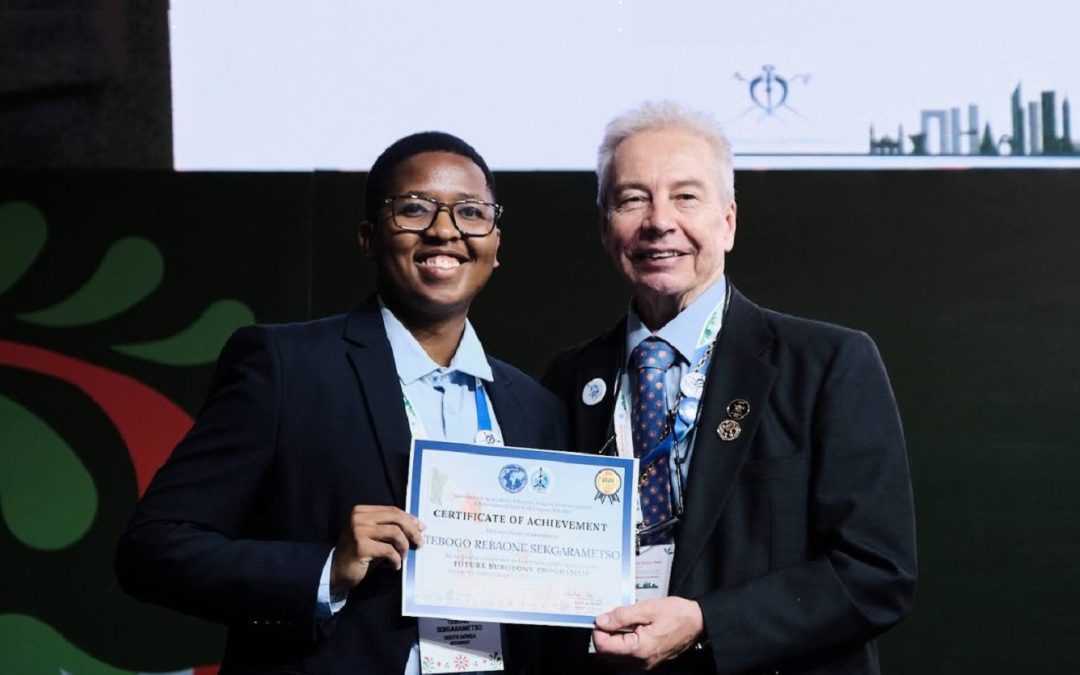
A Sefako Makgatho Health Sciences University (SMU) medical student has placed the university and South Africa on the global surgical map after being selected among only 24 students worldwide for the prestigious Future Surgeons Programme (FSP) at International Surgical Week (ISW) 2026 in Mexico City.
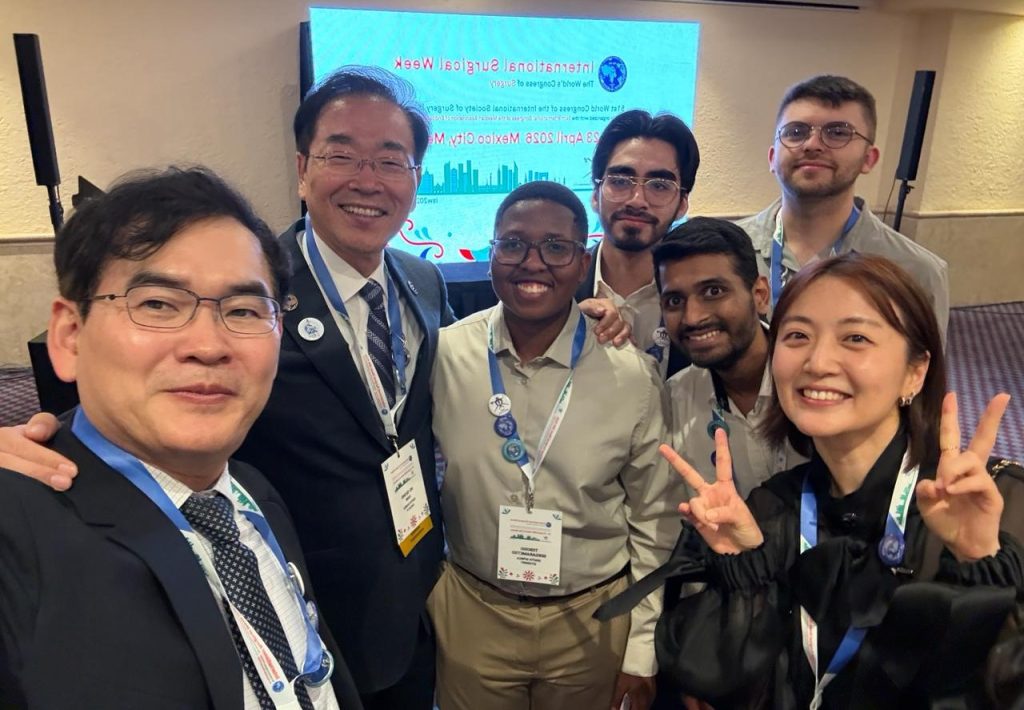
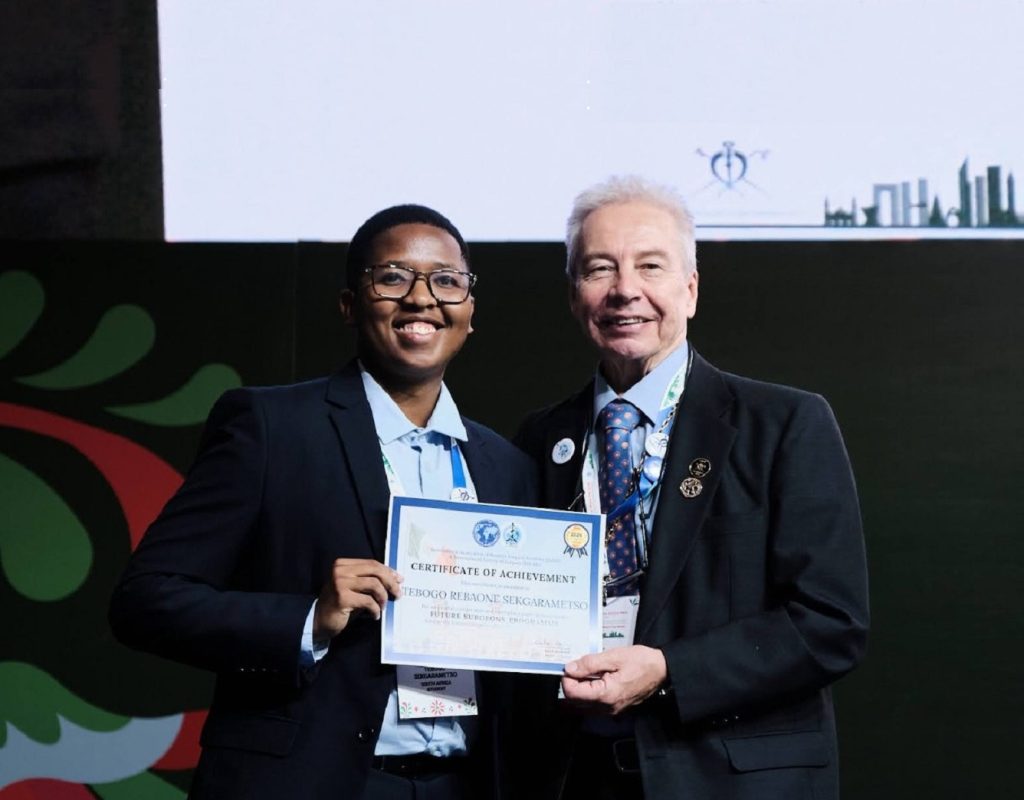 Tebogo Sekgarametso represented South Africa as the National Delegate of the International Association of Student Surgical Societies (IASSS) at the 51st World Congress of Surgery, held recently at the Hotel Camino Real Polanco. Convened by the International Society of Surgery, the congress brought together leading surgeons, researchers, policymakers and emerging professionals to address surgical disparities in low- and middle-income countries and develop the next generation of global health leaders.
Sekgarametso’s selection for the FSP placed him among an elite international cohort of emerging surgical leaders. The programme provided opportunities for mentorship, professional development and direct engagement with senior figures shaping the future of global surgery.
“It was a momentous occasion to stand alongside international peers and represent South Africa on a global platform,” said Sekgarametso. “We received certificates of achievement as members of the IASSS Future Surgeons Programme.”
His contribution extended beyond participation. Sekgarametso chaired the IASSS “Spartan Surgeon” session, facilitating discussions on resourcefulness and resilience in surgical training in resource-constrained environments. The theme has particular relevance to South Africa, where healthcare professionals continue to navigate complex demands while working to expand access to quality surgical care.
The congress also exposed him to emerging technologies and competencies that will shape the future of the profession. The session “The Digital Era of Surgery” examined the growing role of artificial intelligence and automated imaging in surgical planning, while “Looking to the Future: What Every Junior Should Know” focused on the non-technical competencies required by tomorrow’s surgeons.
Academic development was another key component. At the World Journal of Surgery’s Early Career Writers’ Workshop, Sekgarametso gained practical insight into manuscript preparation and peer review, including direct mentorship from Rowan Parks, Past President of the Royal College of Surgeons of Edinburgh.
“Having him personally guide our table through the nuances of manuscript preparation and peer review was an invaluable highlight for my academic development,” he said.
 The trauma programme aligned closely with SMU’s clinical and academic strengths, covering trauma teamwork, resuscitation and the development of resilient trauma systems. A landmark session on the 20-year collaboration between the International Association for Trauma Surgery and Intensive Care (IATSIC) and the World Health Organization examined developments in trauma training, systems strengthening and the evolution of the Surgical Safety Checklist.
Sekgarametso also engaged leading international surgical figures, including Thavam Thambi-Pillai, World President of the International College of Surgeons; Joji Kotani, President of the International Association for Surgical Metabolism and Nutrition; and Neil Wetzig, President of the G4 Alliance. Discussions covered professional development, perioperative nutrition and strengthening Surgical, Obstetric, Trauma and Anaesthesia capacity.
Wetzig’s insights, Sekgarametso said, “directly mirror the challenges we face and study within the South African healthcare framework”.
His participation further included engagements with Ari Leppäniemi and Kenneth Boffard, President and Secretary-General of the International Society of Surgery respectively.
Sekgarametso’s achievement reflects SMU’s commitment to excellence in health sciences education, research and professional development. It also strengthens the university’s contribution to international surgical discourse while enabling students to bring global knowledge and expertise back into South African healthcare.
Through opportunities such as the Future Surgeons Programme, SMU continues to equip emerging health professionals to contribute to the transformation of healthcare and advance surgical excellence in South Africa and beyond.
By Dimakatso Modise

by Lorato | Sep 10, 2026 | All News, Alumni, SMU Media, Student Media
Sefako Makgatho Health Sciences University (SMU) has recognised four outgoing Council members for their contribution to institutional governance, leadership and student representation, marking the conclusion of their respective terms of office at a Council Dinner held at Emperors Palace Hotels, Casino and Convention Resort.
 Held under the theme “Honouring and Thanksgiving”, the event brought together Council members, executive management and invited guests to reflect on the outgoing members’ service and its contribution to strengthening the university’s governance foundations. Council Chairperson Nontlaza Sizani and Acting Vice-Chancellor Professor Dini Mawela led the occasion.
Those recognised were Mthokozosi Dlamini, President-General of the Student Representative Council; Thato Mongake, Secretary-General of the Student Representative Council; Dr Nathacia Zukiswa Gonya, an additional Council member; and Japhta Phala, former President of Convocation. Each was acknowledged for a distinct contribution to the university’s governance architecture.
Reflecting on his tenure, Dlamini highlighted the complexities of student representation within a formal governance environment. He noted that working within Council’s procedural framework presented challenges when articulating student concerns but also provided valuable exposure to institutional governance and fiduciary responsibility.
Phala reflected on his tenure as President of Convocation, emphasising the value of mentorship, guidance and professional relationships developed through Council service. He described the experience as extending beyond statutory responsibilities to foster a community of practice and lasting relationships built around a shared institutional purpose.
For Dr Gonya, Council service became an important component of her leadership development. She highlighted the value of engaging with diverse perspectives, strategic deliberations and institutional oversight, saying the experience had strengthened her understanding of leadership and continued to inform her work in other spheres.
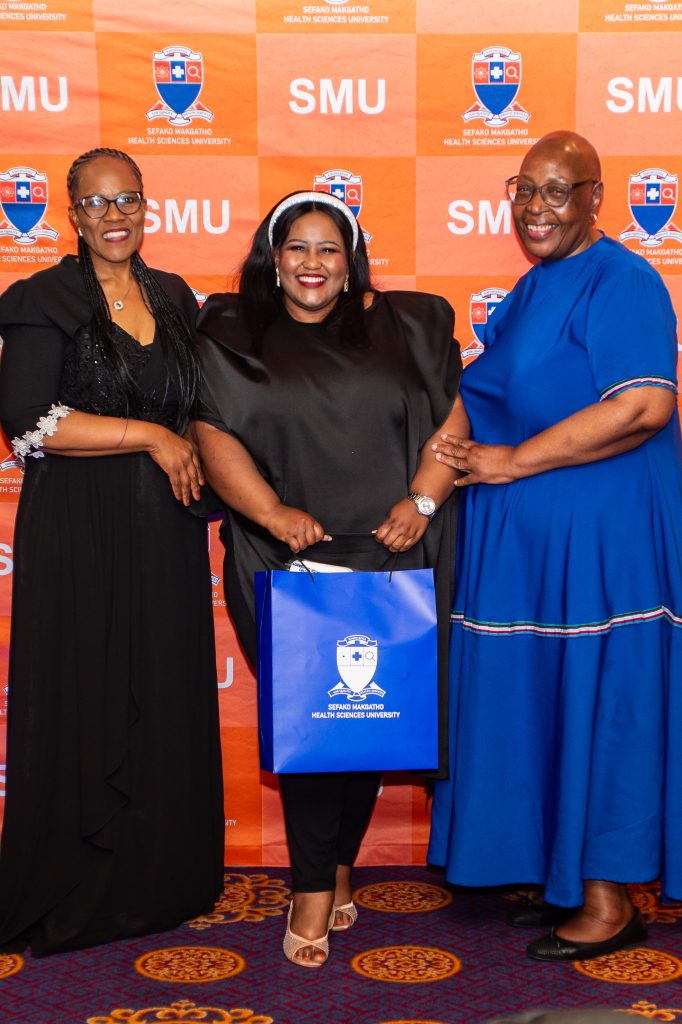 Mongake focused on representation and transformative leadership, highlighting the significance of women occupying senior leadership positions at SMU. She described this visibility as an affirmation that leadership is inclusive and attainable, reinforcing the importance of creating pathways for future leaders.
The evening’s keynote address was delivered by SMU alumnus Dr Mangaliso Mahlaba, a medical doctor, healthcare executive and entrepreneur whose experience includes healthcare management, medical scheme administration and strategic leadership. A former Council member and recipient of the Alumni Governance and Leadership Award, Dr Mahlaba placed university governance within the broader context of strengthening health systems and serving society.
He stressed that effective governance goes beyond compliance, requiring integrity, ethical stewardship and decisions that strengthen institutions for future generations.
“Effective governance is fundamentally about ethical stewardship and sustainability,” Dr Mahlaba said, underscoring the responsibility of institutions to advance equitable access to quality healthcare and educational opportunity in South Africa.
Sizani and Professor Mawela formally recognised the outgoing members during the appreciation segment, presenting tokens of appreciation and commending their diligence, collegiality and commitment to good governance.
The dinner concluded with fellowship and entertainment, while reaffirming SMU’s commitment to accountable governance, transformative leadership and institutional stewardship. The university expressed its appreciation to the outgoing members and wished them continued success in their future leadership endeavours.
By Dimakatso Modise
by Lorato | Sep 10, 2026 | All News, Alumni, SMU Media, Student Media
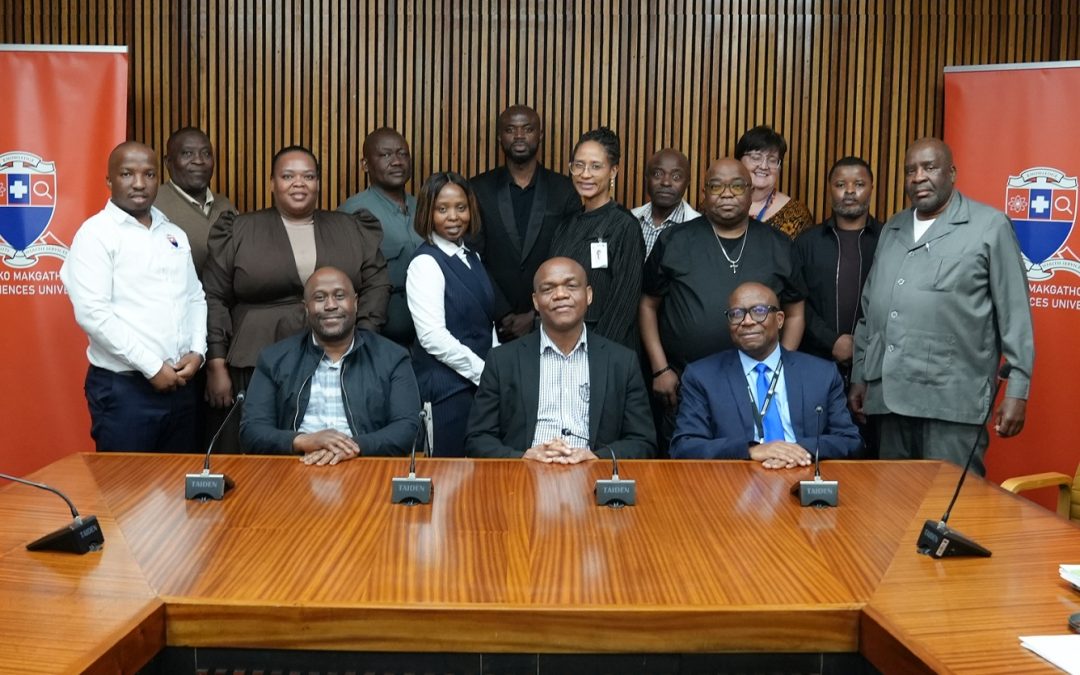
Strengthening clinical training, academic collaboration and student support took centre stage as Sefako Makgatho Health Sciences University (SMU) engaged with a delegation from Job Shimankana Tabane Provincial Hospital (JST Hospital), reaffirming a strategic partnership that continues to shape the development of future health professionals.
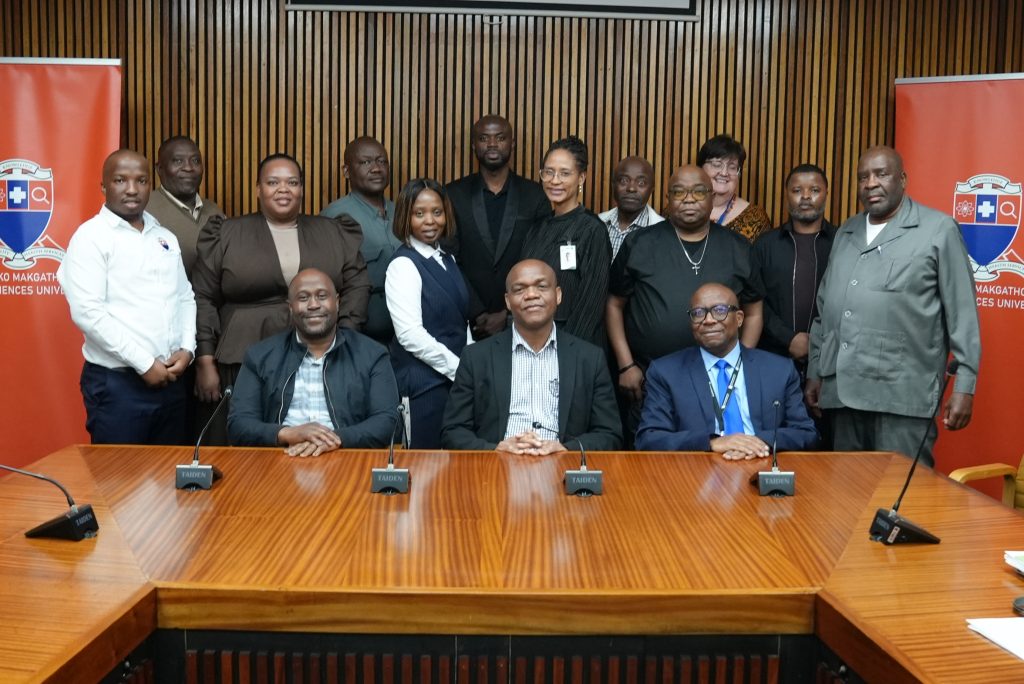 The stakeholder engagement brought together institutional leadership to reflect on the relationship between SMU and JST Hospital, assess existing areas of collaboration, and identify opportunities to strengthen further clinical training, research, community engagement, and infrastructure development.
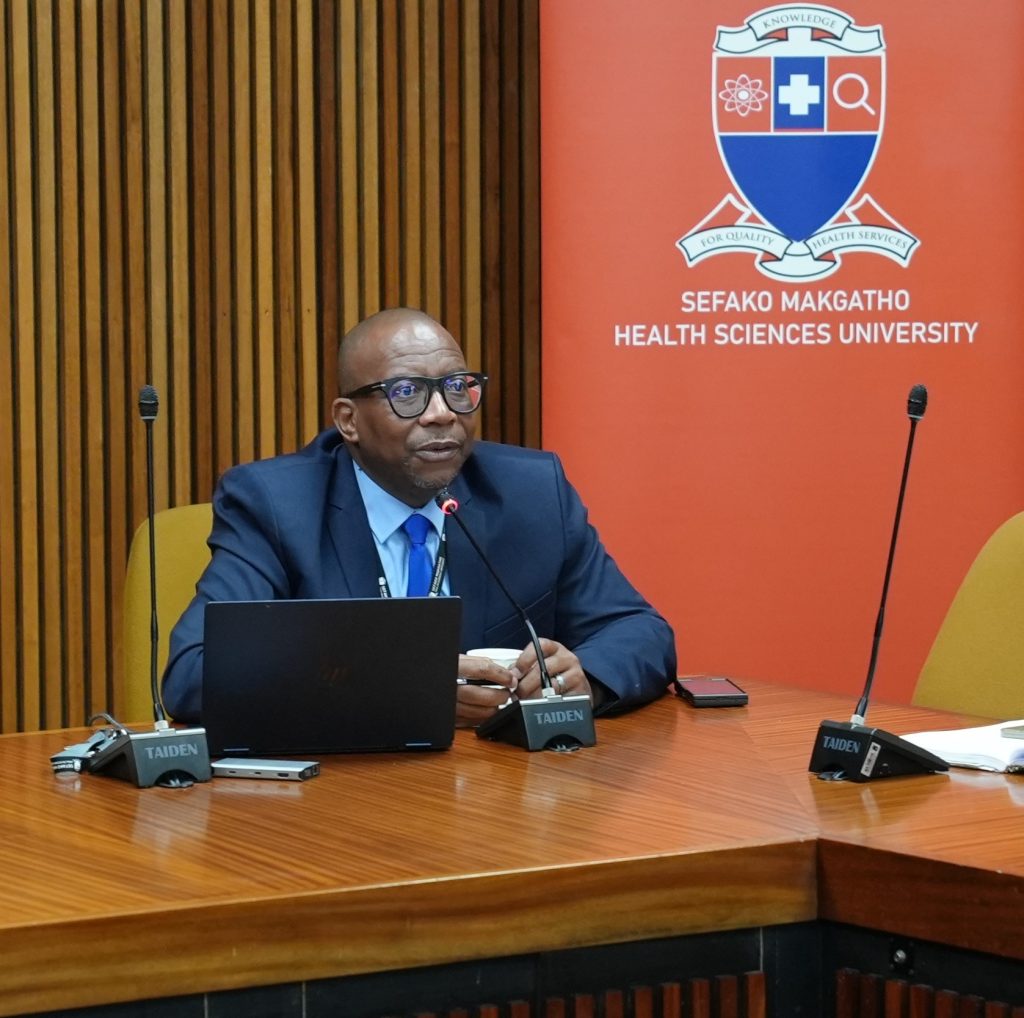
Professor Douglas Maleka, SMU’s Acting Deputy Vice-Chancellor: Academic and Community Engagement, Research, Innovation and Internationalisation, emphasised the value of strategic partnerships between higher education institutions and the public healthcare sector. Such collaborations, he noted, are central to the university’s mandate of producing competent and socially responsive health professionals whose education is grounded in practical experience and the realities of healthcare delivery.
Providing an overview of the relationship, Professor Risenga Chauke, Dean of the School of Medicine, highlighted JST Hospital’s role as an accredited clinical teaching and training platform for SMU. “The relationship between SMU and Job Shimankana Tabane Provincial Hospital is an important component of our clinical training ecosystem,” said Professor Chauke. “It provides our students with opportunities to translate theoretical knowledge into clinical practice while learning from experienced healthcare professionals within a functioning healthcare environment.”
JST Provincial Hospital, a level two regional and tertiary hospital in Rustenburg, North West, provides students from several health professions training programmes with opportunities to gain practical experience in a multidisciplinary clinical environment. These include undergraduate students from Medicine, Nursing Science, Physiotherapy and Occupational Therapy. Post graduate students include those that are specialising (Master of Medicine) as well as fellowships in sub-specialties.
Acting Chief Executive Officer of JST Provincial Hospital, George Maisela, said the engagement focused on strengthening coordination between the two institutions and ensuring that the partnership remains responsive to the needs of students, clinicians and communities. “The objective of this engagement is to strengthen the relationship between the two institutions and identify practical areas in which we can work together more effectively,” Maisela said. “We want to ensure that our partnership contributes meaningfully to teaching and learning, research, community engagement and the delivery of quality healthcare.”
The meeting was also attended by the Director of Student Affairs, Tulani Nkuntse, reflecting the importance that SMU places on student wellbeing and institutional support within the clinical training environment. Supporting students during clinical rotations remains essential to maximising the educational value of their placements while helping them adapt to the demands of professional healthcare settings.
 Infrastructure development also emerged as a significant area of discussion, particularly the planned JST Hospital student accommodation project. SMU Project Lead and Deputy Director: Infrastructure Planning and Maintenance, Qhubekile Dlamini, provided an update on the initiative, which is progressing towards advertisement, with design and implementation scheduled to commence from 1 November 2026.
The proposed accommodation is expected to provide a more sustainable solution for students undertaking clinical rotations at JST Hospital while reducing the university’s dependence on privately sourced accommodation.
According to Dlamini, the project represents a strategic investment that could deliver significant long-term benefits by reducing accommodation costs and strengthening the infrastructure supporting clinical training.
The stakeholder engagement reaffirmed the shared commitment of SMU and JST Hospital to building a robust and mutually beneficial academic-clinical partnership. As the collaboration develops, it is expected to enhance clinical learning, support healthcare delivery and advance SMU’s broader contribution to the preparation of highly skilled, socially responsive health professionals.
By Dimakatso Modise