by Lorato | Oct 8, 2026 | All News, Alumni, SMU Media, Student Media
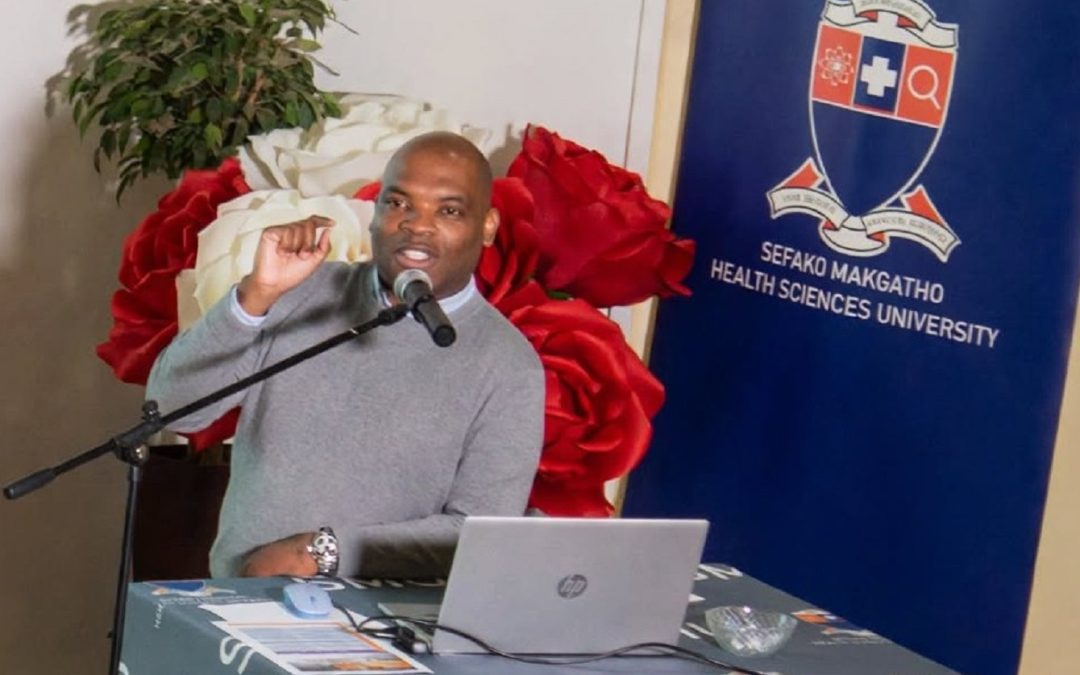
Sefako Makgatho Health Sciences University (SMU) strengthened its engagement with the business community through its 2026 Supplier Development Day, hosted by the Supply Chain Management Department. The event brought together suppliers, business support organisations and industry representatives for a day focused on procurement opportunities, business development, compliance and access to support services.
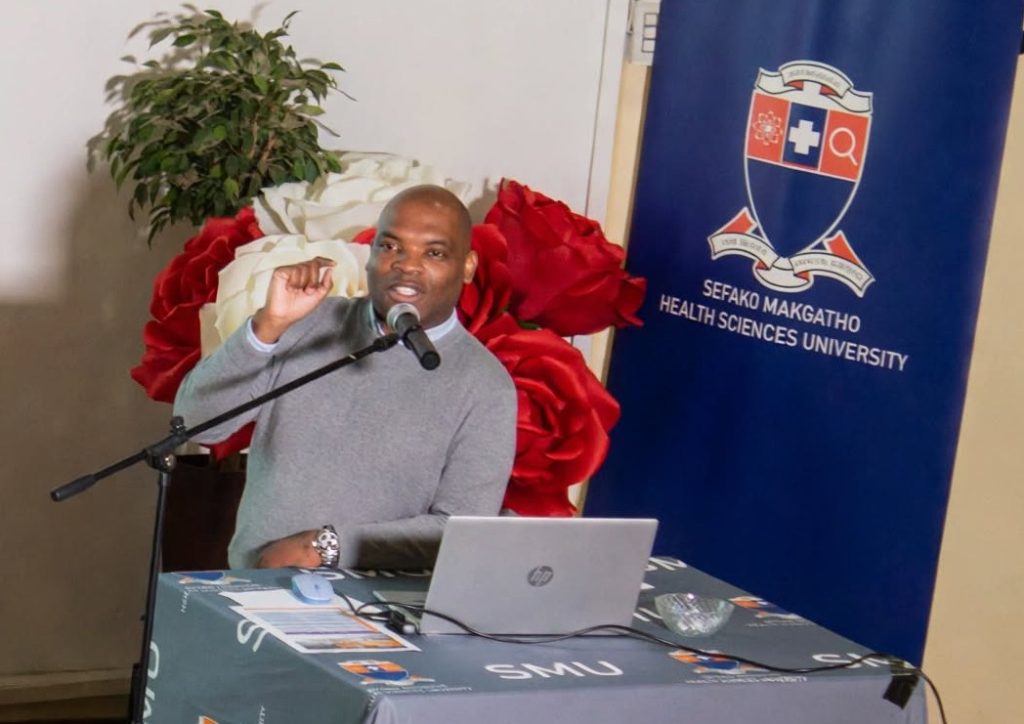 The engagement provided suppliers with an opportunity to interact directly with SMU representatives and organisations offering financial, business and procurement-related services. It also enabled participating businesses to better understand the requirements, processes and opportunities within the university’s supply chain environment.
Kishore Gobardan, Interim Director of the Supply Chain Management Department, opened the event by emphasising the importance of creating meaningful platforms for SMU and its suppliers to exchange information and strengthen their working relationships. “Supplier development is about more than procurement. It is about creating meaningful opportunities for businesses to understand the environment in which they operate, strengthen their capabilities and position themselves for sustainable growth,” said Gobardan.
The programme featured presentations from organisations providing support to businesses, with discussions aimed at helping suppliers understand available resources and improve their readiness to access business opportunities.
Enough Mmatli provided an overview of the Small Enterprise Development Finance Agency (SEDA) and the support available to small businesses. The presentation highlighted ways in which suppliers can access assistance to strengthen their enterprises and address challenges that may affect their growth. “Small businesses need more than opportunities; they also need the capacity and support to take advantage of those opportunities. It is important for suppliers to understand what support is available and how they can access it to develop sustainable businesses,” said Mmatli.
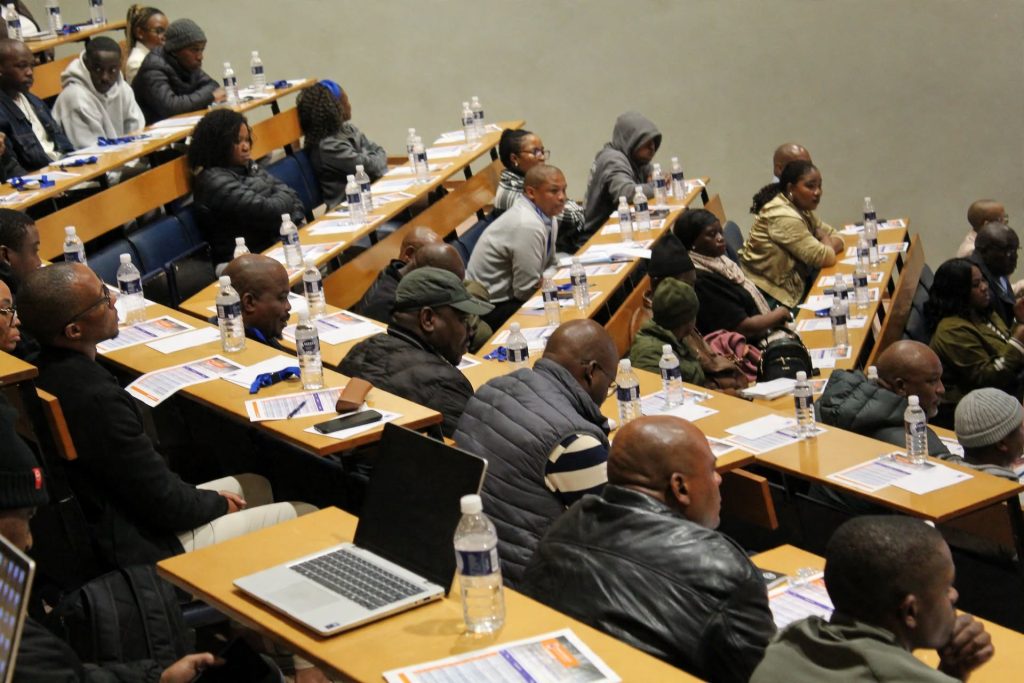 Walter Maleyana, Deputy Director: Supply Chain Management at SMU, provided insight into opportunities available through the University and stressed the importance of understanding procurement processes. “SMU has opportunities within its supply chain, but suppliers must ensure that they understand the requirements and position their businesses to participate effectively. Compliance, preparedness and understanding the procurement environment are important,” said Maleyana.
Karabo Setshedi from HuhslCap (Pty) Ltd also presented on the company’s services and how these could support business development. The programme also covered Construction Industry Development Board (CIDB) compliance, the i-Tender platform and related services available to businesses seeking procurement opportunities. Representatives from PURCO SA, the South African Revenue Service (SARS) and Absa also participated, broadening the range of expertise available to suppliers.
The interactive programme allowed suppliers to raise questions and engage with presenters on procurement, compliance, business support and available services. For SMU, the discussions also provided valuable insight into the needs and challenges facing its supplier community. “The engagement between the University and suppliers is important because it creates an opportunity for both sides to learn from one another. When suppliers understand what is expected of them and the University understands the challenges they face, we can work towards stronger relationships,” said Maleyana.
The 2026 Supplier Development Day reinforced SMU’s commitment to meaningful supplier engagement, information sharing and business development. By creating opportunities for collaboration between the University, suppliers and enterprise-support organisations, SMU is contributing to a more informed and capable supplier base while strengthening relationships that support its broader institutional objectives.
By Dimakatso Modise
by Lorato | Oct 8, 2026 | All News, Alumni, SMU Media, Student Media
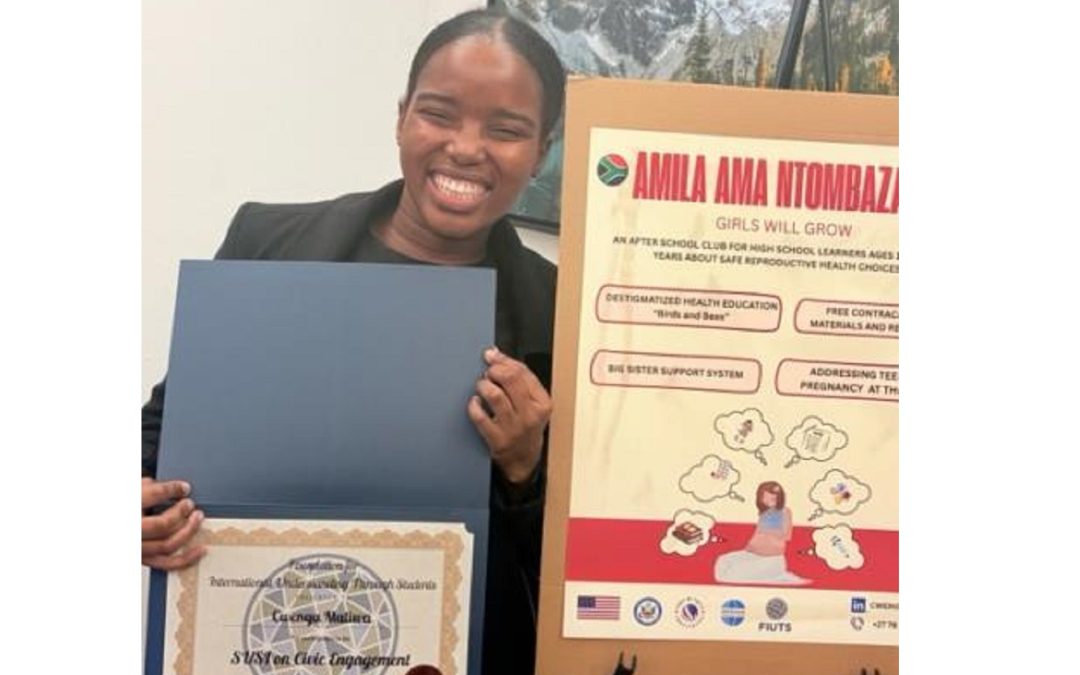
For final-year Sefako Makgatho Health Sciences University (SMU) Bachelor of Nursing and Midwifery student Cwenga Maliwa, being selected for a prestigious US international exchange programme has broadened her understanding of leadership, civic engagement and the role of healthcare professionals in serving their communities.
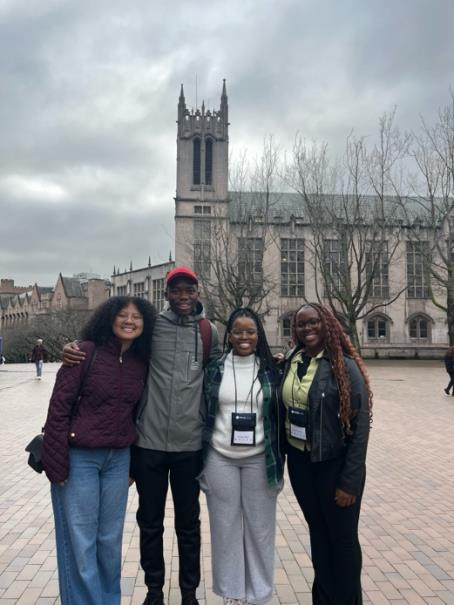
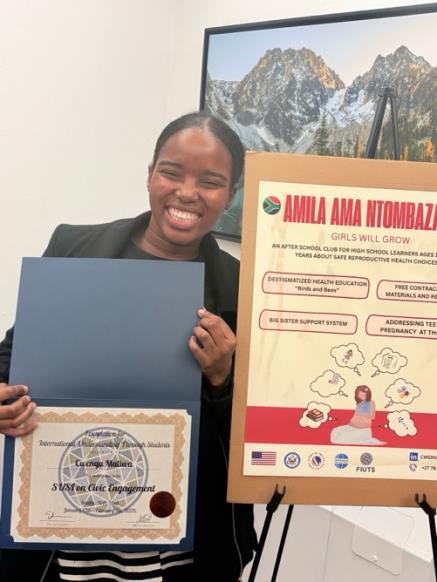 Maliwa was among 20 student leaders from Angola, Botswana, Mozambique, South Africa and Zimbabwe selected to participate in the Study of the US Institutes (SUSI) for Student Leaders programme. The highly competitive US Department of State initiative provided an intensive academic, cultural and leadership experience focused on civic engagement.
Only four students were selected from each participating country following a rigorous interview and selection process. Maliwa’s selection reflected her involvement in student leadership and civic engagement, particularly through her work with the South African Nursing Students’ Association (SANSA), as well as other leadership and community initiatives.
For Maliwa, the five-week programme, held recently, extended the leadership journey she had already begun at SMU. “I wouldn’t describe it simply as ‘I applied for a programme and went to America.’ It was really an extension of the leadership journey I was already on,” Maliwa said.
Hosted in Seattle, Washington, in collaboration with the Foundation for International Understanding Through Students (FIUTS), the programme combined academic learning with community engagement, volunteering, cultural activities and immersion in American society.
One key theme was how communities respond to social challenges, including homelessness and food insecurity. At the Treehouse Foundation, Maliwa observed a model that enables people experiencing homelessness to select essential supplies in a boutique-style environment designed to preserve dignity and choice.
The experience challenged her to think differently about community service. “Service should not only ask, ‘What do people need?’ but also, ‘How can we meet that need while respecting the person receiving it?’” she said.
Maliwa and fellow participants also volunteered at Food Lifeline, packing food parcels for people experiencing food insecurity and homelessness, and took part in community service activities, including painting schools around Martin Luther King Jr. Day.
 As a nursing student, Maliwa particularly valued opportunities to explore healthcare innovation and different healthcare environments. A visit to the Gates Foundation introduced her to the intersection of philanthropy, technology and social impact, including a prototype portable ultrasound device. A visit to an American medical centre also gave her insight into another healthcare system.
Rather than simply viewing the US healthcare system as superior, the experience deepened her appreciation of healthcare in South Africa. “International exposure isn’t necessarily about deciding that one country or system is better than another,” Maliwa said. “It is about seeing different approaches, asking questions, learning what works in different contexts and returning home with a greater appreciation of what we have and what we can continue improving.”
In the final week before returning to their respective countries, the programme took participants to Atlanta, Georgia, where they explored American history and the Civil Rights Movement, before engaging with government and civic leadership in Washington State. Earlier in the programme, within the first four weeks, participants met with Washington Secretary of State Steve Hobbs, while 36th District House Representative Julia Reed provided practical insights into governance and public service.
Reflecting on the experience, Maliwa said it had broadened her understanding of what leadership means. “Leadership isn’t always the person standing at the podium,” she said. “Sometimes it is the person volunteering in their community, painting a school, packing a food parcel, documenting a decision, writing a communiqué, asking a difficult question, creating access for others, caring for a patient, or making sure that people’s voices are represented.”
Maliwa’s SUSI experience demonstrates the value of international exposure in developing student leaders with broader perspectives and a stronger commitment to service. For SMU, such opportunities support its role in developing health sciences professionals equipped to lead, innovate, and make a meaningful contribution to the communities they serve.
By Tumelo Moila
by Lorato | Oct 1, 2026 | All News, Alumni, SMU Media, Student Media
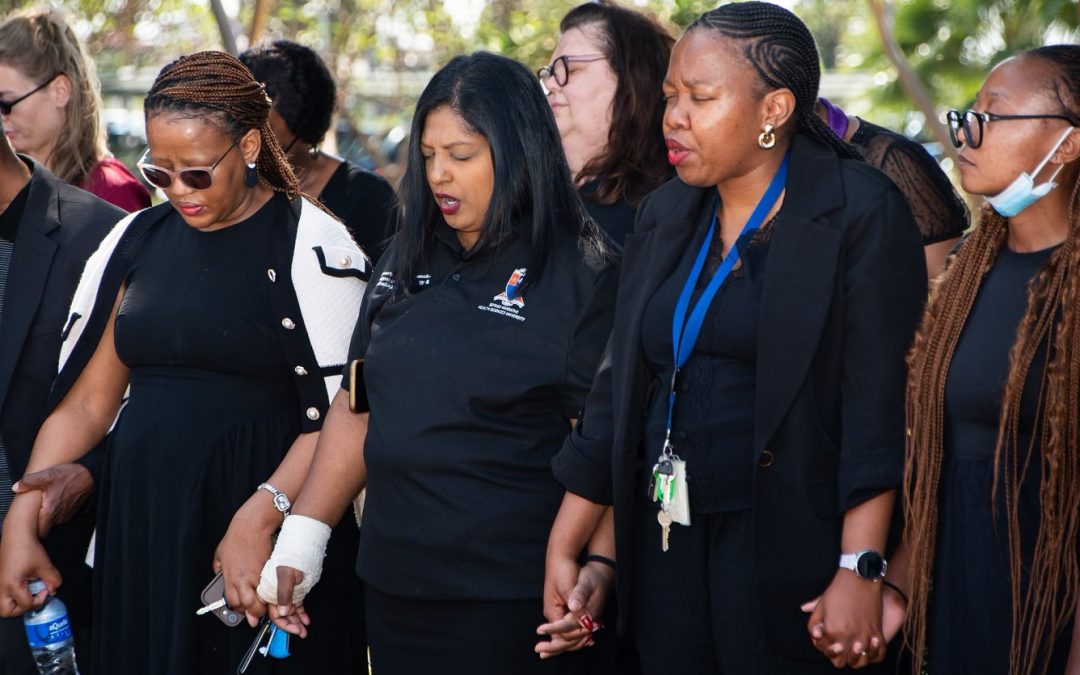
The Sefako Makgatho Health Sciences University (SMU) community has united against gender-based violence and femicide (GBVF), reaffirming the University’s commitment to promoting dignity, safety and respect across its campus community.
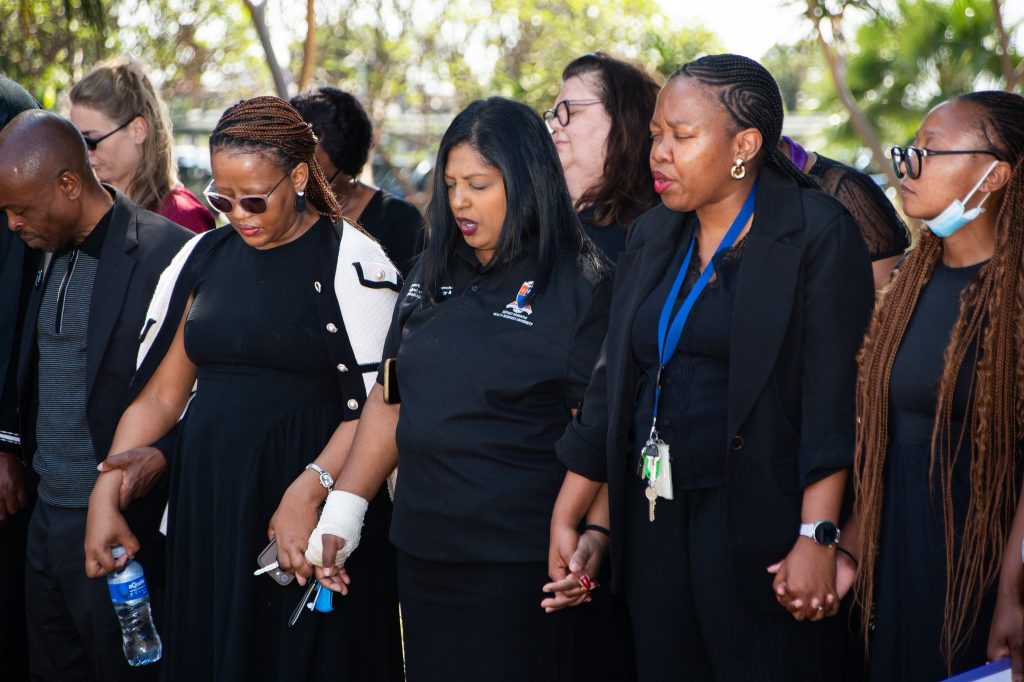 The gathering took place against a backdrop of renewed national concern over violence against women and girls, following the discovery of women’s bodies in Ekurhuleni, Gauteng. By late September, the Presidency had reported that 11 women’s bodies had been found in the area since July, while other women and girls had also been killed in different parts of the country.
The developments have intensified national discussions about the safety of women and the need for coordinated action to address GBVF. Against this backdrop, SMU staff and students gathered to reflect on their collective responsibility to challenge harmful attitudes, support those affected and contribute to a safer university environment.
Velencia Maupye, Manager: Transformation in Human Resources, opened the gathering by emphasising the importance of solidarity and collective responsibility. “This gathering reminds us that GBVF is not someone else’s problem. It affects our communities and requires all of us to take responsibility for creating an environment where people feel safe, respected and supported,” she said.
Acting Vice-Chancellor Prof Dini Mawela highlighted SMU’s responsibility to contribute to the broader response to gender-based violence and to ensure that members of the University community have access to support. “As SMU, we must continue to strengthen a culture where dignity, respect and safety are upheld. Our responsibility does not end with awareness; we must also ensure that members of our community know where to find support and feel confident to speak out,” she said.
The gathering also brought the student perspective into the conversation. Student leader, graduate and council member Thato Odirile Mongake called on students to play an active role in shaping the university’s culture.
“Students have an important role to play in shaping the culture of our University. We must speak up when we see harmful behaviour, support one another and reject the normalisation of violence in all its forms,” Mongake said.
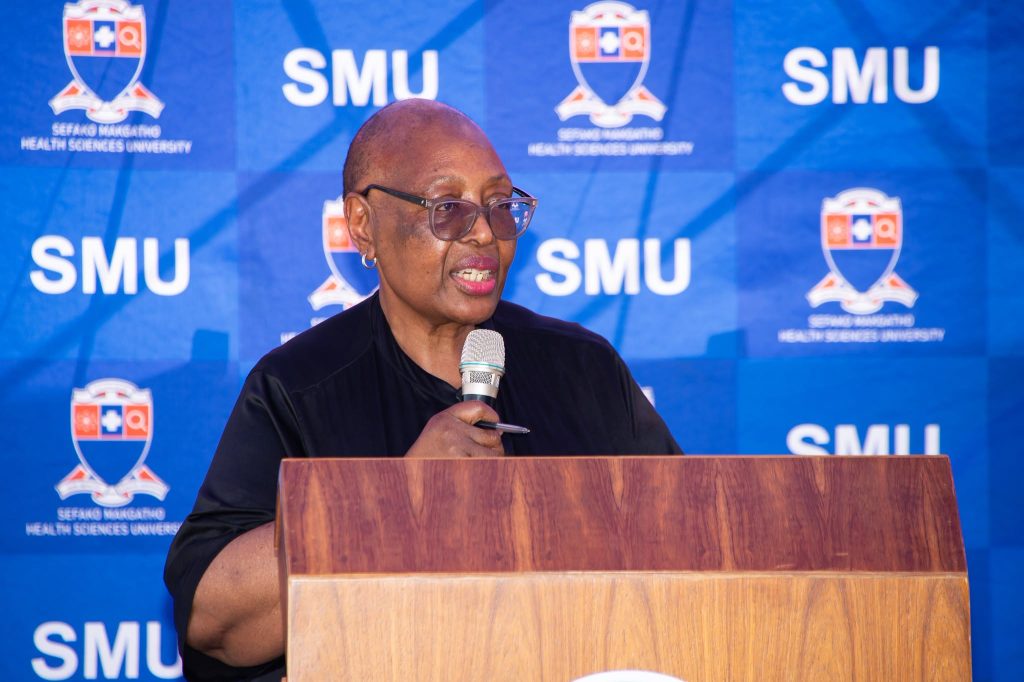 Representing organised labour, Penuel Kunene stressed that addressing GBVF requires participation across society and the University community.
“GBVF affects society as a whole, and addressing it requires everyone to play their part. Organised labour stands with the University community in promoting dignity, respect and an environment free from violence,” he said.
Positive masculinity and the role of men in preventing GBVF were also central to the discussion. SMU horticulturist Mpho Mmako encouraged men to take responsibility for challenging attitudes and behaviours that contribute to violence.
“Men must understand that preventing GBVF is also our responsibility. Positive masculinity means showing respect, taking responsibility for our actions and challenging attitudes and behaviours that contribute to violence,” Mmako said.
The programme included a prayer and a moment of silence led by Dr Esmey Baratwa Esther Moema, School Operations Manager in the School of Science and Technology, providing an opportunity to remember those affected by violence.
“As we pause in this moment of silence, let us remember those whose lives have been affected by violence and reflect on what each of us can do to contribute towards a safer society,” she said.
The programme concluded with a reminder about the importance of seeking support. Maupye encouraged members of the SMU community affected by GBVF to reach out for assistance.
“No one should feel alone when facing GBVF. It is important for our community to know that support is available and that reaching out for assistance is a sign of seeking help, not weakness,” she said.
Through the gathering, SMU reaffirmed that addressing GBVF requires sustained awareness, collective responsibility and action. As a health sciences institution, the University continues to position dignity, safety and community wellbeing as important elements of its broader contribution to society.
By Gabisile Sibeko
by Lorato | Oct 1, 2026 | All News, Alumni, SMU Media, Student Media
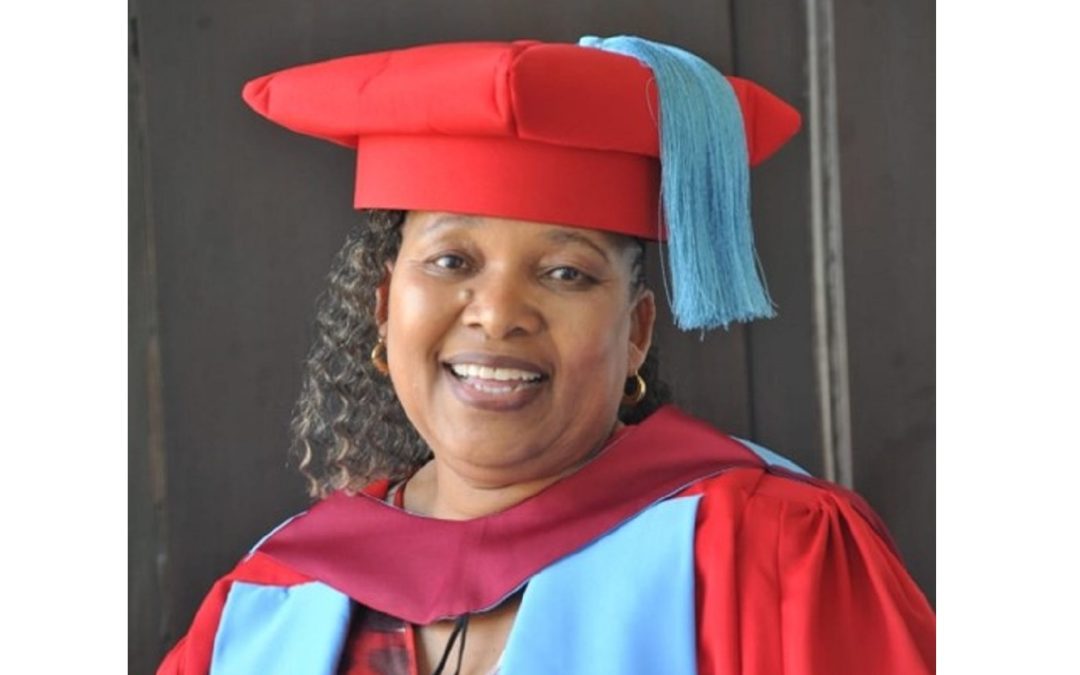
Sefako Makgatho Health Sciences University (SMU) is celebrating the doctoral achievement of Dr Ramadimetja Annah Lesunyane, Acting Head of the Department of Occupational Therapy, who has attained a Doctor of Philosophy specialising in Occupational Therapy from the University of Pretoria.
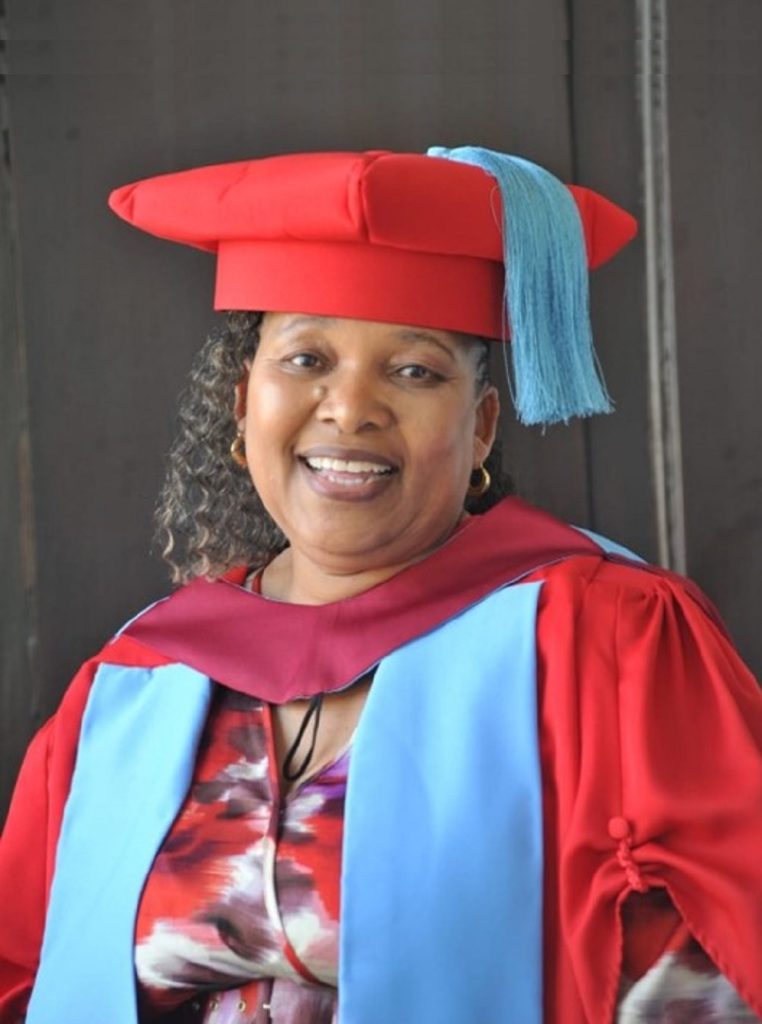 Her achievement comes as the Department of Occupational Therapy marks 50 years of existence, a milestone centred on transforming lives, empowering communities and shaping the future of the profession.
Dr Lesunyane’s doctoral research focused on an issue increasingly important to universities offering health sciences programmes: how to provide holistic support to students navigating demanding academic workloads and intensive professional training.
Her thesis, titled Development of holistic wellness guidelines for academic student support services at universities offering health sciences programmes, used a sequential exploratory four-phase methodology incorporating a scoping review, focus groups and an expert Delphi consensus study.
Grounded in the Person-Environment-Occupation-Performance (PEOP) model, the study developed a comprehensive set of wellness guideline statements designed to address the broader student experience rather than focusing on academic performance alone.
“I believe that to truly help students manage stress and safeguard their mental health, institutional support must apply integrated support frameworks that address the cognitive, emotional, spiritual, environmental, occupational, financial, and social dimensions of their student lives,” said Dr Lesunyane.
“These guidelines will provide universities with a practical roadmap to optimise resources, enhance stress management, and shape resilient, well-rounded future health professionals.”
Her motivation for the research came from her experience as an educator and mentor in occupational therapy. She said she had witnessed students experiencing increasing levels of anxiety, depression and stress, compounded by academic pressures and delays in accessing support.
“My passion for student mental health support and my experience of mentoring students in occupational therapy education are what truly inspired this research,” she said.
Dr Lesunyane said the study was ultimately about developing practical and caring interventions for vulnerable students, adding that investing in student wellness could contribute to academic success as well as longer-term benefits for society and the economy.
The journey to completing the doctorate was not without challenges. Lengthy permission and data-collection processes, rejected manuscripts, and competing responsibilities contributed to unexpected delays. “Throughout the journey, I worked consistently and was encouraged by constant reference to a quote by Mahatma Gandhi that says, ‘Strength does not come from physical capacity. It comes from an indomitable will,’” she said.
She credited her supervisors, Dr Enos Ramano and Professor Karin van Niekerk, as well as her family and SMU’s capacity development grant, for supporting her doctoral journey.
For Dr Lesunyane, the achievement also carries profound personal significance. Raised in a rural village in Limpopo by parents who did not have the opportunity to pursue education, she described education as deeply personal. “Education is personal, as learning is not just business to me; it hits home,” she said.
As Acting Head of the department, Dr Lesunyane sees her leadership role as an opportunity to support staff and students through transparent communication, collaboration and shared responsibility.
Her doctoral achievement therefore adds another milestone to a 50-year departmental legacy while reinforcing SMU’s contribution to occupational therapy education, research and the development of healthier, more resilient health professionals.
By Dimakatso Modise
by Lorato | Oct 1, 2026 | All News, Alumni, SMU Media, Student Media
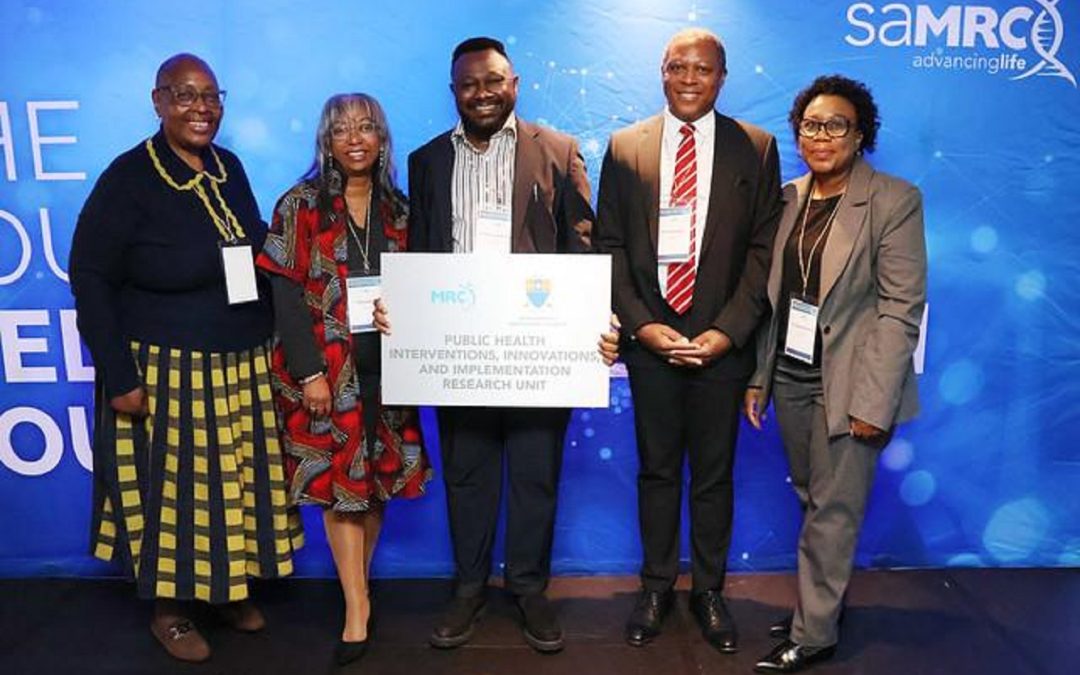
Sefako Makgatho Health Sciences University (SMU), in partnership with the South African Medical Research Council (SAMRC), has established a new multidisciplinary research unit to transform scientific evidence into practical, scalable solutions for South Africa and the African continent.
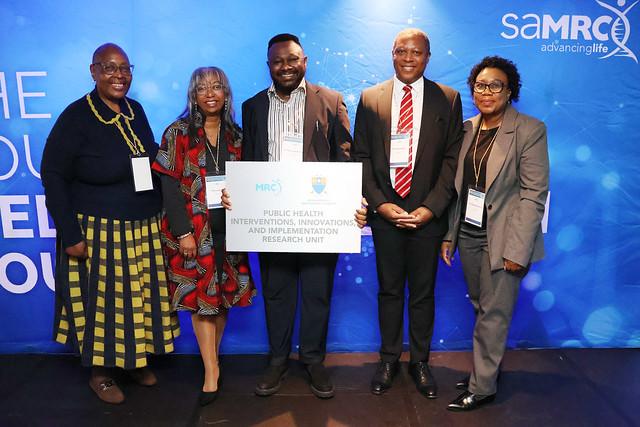 The SAMRC/SMU Public Health Interventions, Innovations and Implementation Research Unit (PHIRu) is one of seven new SAMRC Extramural Research Units launched recently as part of a strategic investment in strengthening South Africa’s health research ecosystem. Effective from 1 April 2026, the seven units have brought the SAMRC’s national portfolio to almost 30 Extramural Research Units.
Led by Professor Olanrewaju Oladimeji, the Founding Director of PHIRu, the Unit brings together researchers, communities, policymakers, healthcare practitioners, industry partners and other stakeholders. Its central purpose is to address a persistent public health challenge: ensuring proven research findings move beyond academic publications and are successfully implemented, sustained, and scaled in real-world health systems.
“Our ambition is to build a research hub where evidence does not end with a publication,” said Professor Oladimeji. “We want research to travel the full pathway, from identifying public health challenges, to co-creating solutions with communities and stakeholders, evaluating what works, and supporting implementation at scale.”
PHIRu’s research programme will focus on four interconnected areas: evidence synthesis for glocalised health interventions; artificial intelligence and health innovation; implementation research for scale and impact; and infectious diseases (TB, HIV, etc.) and non-communicable diseases (Cardiovascular Diseases, Mental Health, etc.).
The Unit will utilise artificial intelligence, digital health technologies and mobile applications to support accessible and responsive healthcare. It will also explore how effective interventions can move from confined research environments into communities, healthcare facilities and broader health systems.
A defining feature of PHIRu is its commitment to co-creation and glocalisation. Rather than developing interventions for communities, the Unit will work with communities and key stakeholders to develop solutions that are culturally appropriate, responsive to local realities and sustainable.
 “The long-term legacy of PHIRu would extend beyond the interventions and innovations we develop,” Professor Oladimeji said. “Most importantly, it would be the African scientists, postgraduate students and emerging research leaders whom we train, mentor and position to lead the next generation of public health and implementation research.”
Capacity development will therefore be central to the Unit’s mission, with opportunities for postgraduate students, postdoctoral fellows and early- and mid-career scientists to strengthen expertise in epidemiology, implementation research, and health innovation.
Although anchored at SMU, PHIRu’s ambitions extend across Africa. The Unit aims to build more partnerships with universities, governments, research institutions, communities and industry while deepening its existing collaborations with the Africa Centres for Disease Control and Prevention, Africa Research Excellence Fund, European and Developing Countries Clinical Trials Partnership and the London School of Hygiene and Tropical Medicine.
“Africa should not simply be a setting where global health solutions are tested,” Professor Oladimeji said. “Africa must increasingly be where health solutions are imagined, co-created, evaluated and scaled.”
The establishment of PHIRu marks a significant milestone for SMU and reinforces the University’s contribution to research, education and healthcare innovation. By connecting evidence, innovation and implementation to societal impact, SMU is positioning public health research to deliver measurable improvements in population health and contribute to stronger, more equitable health systems in Africa.
By Tumelo Moila