by Lorato | Aug 27, 2025 | All News, SMU Media, Student Media
Reading is a transformative tool for children and adolescents, enhancing language skills, cognitive development, emotional intelligence, and academic success. In South Africa, where literacy challenges persist—particularly among Grade 4 learners who struggle to read for meaning—targeted interventions are vital. To address this need, Dr Marguerite De Jongh, Senior Lecturer in the Department of Speech-Language Pathology at Sefako Makgatho Health Sciences University (SMU), has implemented a pioneering reading initiative at Dr George Mukhari Academic Hospital (DGMAH).
 Dr De Jongh has dedicated her academic and clinical career to advancing literacy and language development in diverse educational and healthcare contexts. Her qualifications include a PhD in Psychology focused on emergent literacy and ADHD in Grade R learners, B. Logopaedics in Speech Therapy and Audiology, an MPhil in Second Language Studies, and a Certificate in Neuro-Developmental Therapy.
Dr De Jongh has published extensively on early literacy, language stimulation, and inclusive education, including research on reading behaviour in higher education and literacy support for teachers. She has led curriculum development initiatives and facilitated training for professionals and students on literacy facilitation, language enrichment, and reading for pleasure. Her work in the hospital-based literacy initiative reflects a commitment to bridging healthcare and education, ensuring that children and adolescents, regardless of their medical condition, have access to meaningful reading experiences.
“Our goal is to ensure that children continue to grow academically, socially, and emotionally, even while hospitalised,” De Jongh explains. This initiative is rooted in the belief that literacy can serve as both an educational and therapeutic tool.
The initiative targets both young children (ages 5–8) and adolescents, offering age-appropriate materials and structured reading sessions. Through one-on-one or small group interactions, students from SMU engage with patients, guided by De Jongh and a speech-language therapist from DGMAH. The programme focuses on reading for pleasure, language stimulation, emotional engagement, and cognitive development.
“Reading gives children a sense of normalcy and comfort during difficult times,” says De Jongh. “Seeing their faces light up when they connect with a story reminds us why this work matters.”
Hospital-based reading interventions are particularly significant in South Africa, where PIRLS 2021 revealed that 81% of Grade 4 learners cannot read for meaning. By integrating literacy into healthcare settings, the initiative provides a unique opportunity to reach children outside traditional school environments. “Each session presents an opportunity to nurture both academic development and emotional well-being,” says De Jongh.
Speech-Language Pathology and Audiology students from SMU receive comprehensive training in reading facilitation, auditory perception strategies, language stimulation, and techniques to encourage reading for pleasure. Weekly sessions in orthopaedic and oncology paediatric wards are carefully structured to accommodate patients’ medical needs while maximising engagement. Optional enhancements, such as themed reading months, “Book of the Week” displays, and small rewards like certificates, further motivate participation.
“Many of the adolescents ask questions, discuss the stories, and even request books in their home languages,” says De Jongh. “It’s rewarding to see how engaged they become and how it builds their confidence.”
Collaboration with hospital staff, teachers, caregivers, and parents ensures a holistic approach, reinforcing the value of literacy as both an educational and therapeutic tool. Early feedback indicates that patients respond positively, with visible enthusiasm and active participation.
The hospital-based reading initiative at DGMAH exemplifies the power of integrating education and healthcare. “This programme is more than reading—it’s about resilience, inclusion, and lifelong learning,” says De Jongh. By promoting literacy as a tool for emotional support, cognitive development, and academic continuity, the initiative demonstrates how reading can positively impact young patients. As the pilot expands, this model offers a promising blueprint for scaling hospital-based literacy interventions nationwide, ensuring that all children, regardless of circumstance, have access to meaningful reading experiences.
By Tumelo Moila

by Lorato | Aug 27, 2025 | All News, Alumni, SMU Media, Student Media
Growing up in the rural town of Lephalale, Limpopo, Lucas Matabologa’s childhood was filled with football matches that only ended at sunset. He recalls being the “water-boy” whenever a teammate got injured, instinctively offering water as the only “medicine” available. What seemed like a simple childhood routine planted the early seeds of a lifelong passion for sport and rehabilitation.
 That passion crystallised years later when, while watching a television soap opera, Matabologa saw a character who had suffered a stroke recover through physiotherapy. “That was my light bulb moment,” he recalls. “I realised the impact physiotherapy could have on people’s lives, and I vowed it would be my career.”
His determination carried him to Sefako Makgatho Health Sciences University (SMU), where he graduated with a BSc in Physiotherapy in 2020. His hard work was recognised with the Best in Neurology Award in his final year, a milestone he describes as one of his proudest achievements. “It felt like I had taken the first step towards becoming the kind of physiotherapist I dreamt of when I saw that soapie character,” he reflects.
Matabologa’s interest in neurological rehabilitation is deeply personal, shaped by witnessing family members struggle with the aftermath of strokes. At the same time, his love of sport has driven him towards sports physiotherapy. Today, he is fortunate to work in both areas through Stepmed Physiotherapy in Nelspruit, where he continues to refine his skills. Among his most memorable cases is a patient who survived a severe brain injury and, through dedicated rehabilitation, progressed from intensive care to running marathons.
Central to Matabologa’s practice is his belief that “exercise is medicine”. He ensures that every patient under his care engages in evidence-based exercise, not just as a treatment, but also as a preventive strategy against injury and disease. “All my patients know that when they see me, they are about to exercise,” he jokes.
 In 2021, during his community service year, he launched the “Healthy Body, Healthy Mind” exercise programme to help Pretoria West Hospital staff stay active during the COVID-19 pandemic. The initiative boosted morale, improved physical well-being and reduced absenteeism. It was later recognised as a finalist in the CPSI Innovation Awards (2022), further motivating Matabologa to continue promoting health innovation.
More recently, Matabologa has ventured into the world of adaptive sports, joining Wheelchair Basketball South Africa (WBSA) in early 2024. He calls it his “new baby”, drawn by the chance to expose patients to the sport and promote opportunities for people living with disabilities. Representing South Africa at international wheelchair basketball tournaments, including the first-ever 3X3 Wheelchair Basketball World Championship at Sun City, has been a career highlight. “It was a proud moment,” he says. “Sport has a unique power to unite people across countries and being part of that was unforgettable.”
Looking ahead, Matabologa envisions establishing a wheelchair basketball league in Mpumalanga while pursuing a master’s degree in neurology. He also hopes to influence national policy on exercise and health promotion, advocating for lifestyle-based prevention to ease the burden on South Africa’s healthcare system.
To young aspiring physiotherapists, his advice is simple yet profound: “Work hard, be patient with yourself, and never stop trying until doors open. Small steps can lead to big changes.”
By Tumelo Moila
by Lorato | Aug 22, 2025 | All News, SMU Media, Student Media
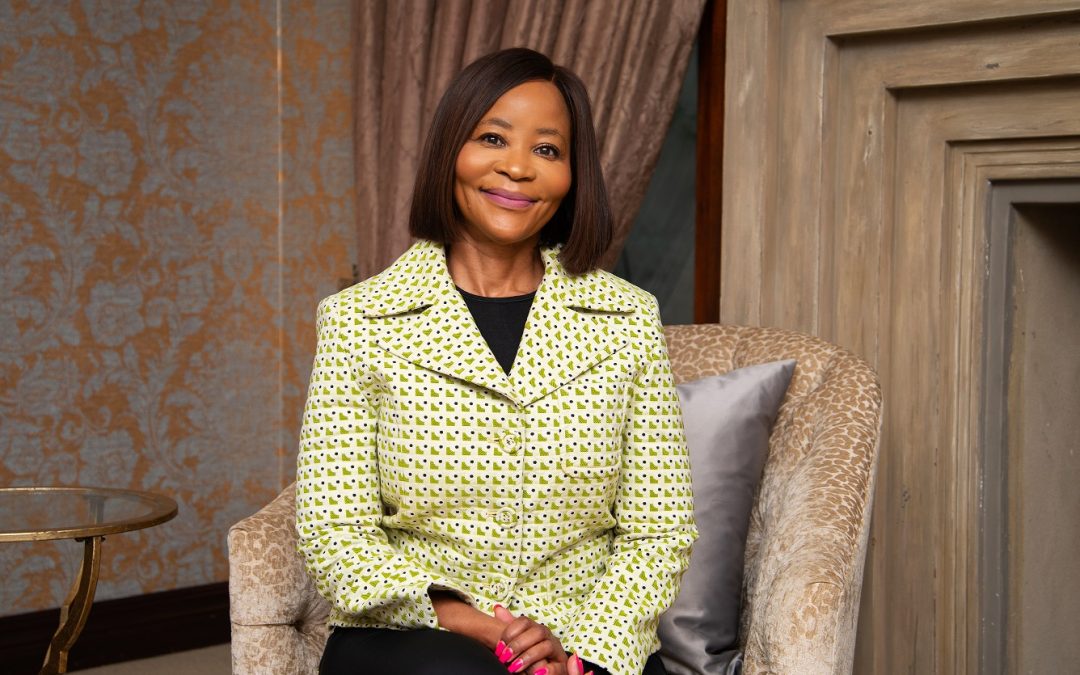
When Dr Penny Moumakwa assumed the role of Chancellor at Sefako Makgatho Health Sciences University (SMU), the significance stretched far beyond ceremonial formality. For the second time in its history, the university entrusted its highest ceremonial office to a woman. Yet, for Moumakwa, medical doctor, corporate leader, and trailblazer, the moment was less about personal triumph than it was about possibility. “What an absolute privilege and honour. SMU gave me a foundation to build my life and explore my purpose. My tenure must represent infinite possibilities for students, showing them that they can dream big, be bold, and pursue their most audacious goals.”
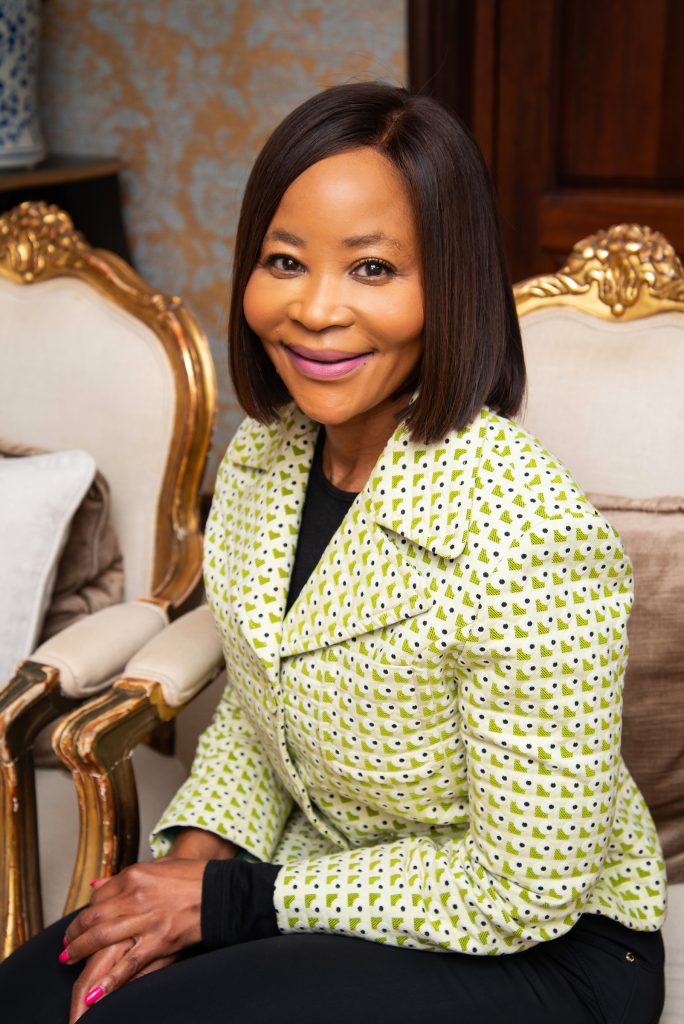 It is this fusion of humility and steel, the conviction that courage is the bedrock of all virtues, that has defined Moumakwa’s rise. From the operating theatre to the boardroom, she has consistently carved paths where few women have been allowed to walk. Now, she brings that same disruptive clarity to SMU, at a time when South African higher education is being asked not only to graduate students, but to reimagine society itself.
Although the role of Chancellor is traditionally symbolic, Dr Moumakwa insists hers will not be passive. “This is a labour of love for me. I am a proud beneficiary of this institution, and I want my tenure to have a real impact,” she says. With a vast network spanning healthcare and business, she intends to harness those relationships to open doors for SMU globally. “I hope to help the university establish mutually beneficial partnerships locally and internationally, profile the immense achievements of our alumni, and expose students to phenomenal business leaders who can demonstrate excellence and infinite possibilities.”
Her vision is clear: SMU must be a thought leader, not merely a graduate factory. It must set the agenda for healthcare in South Africa, filling the vacuum of ethical, bold, and action-oriented leadership that the sector so desperately lacks.
On transformation: More than a policy word
Few terms are as overused in South Africa as “transformation,” but for Moumakwa, it is not a catchphrase; it is a lived commitment. “Authentic transformation requires us to unlearn our own biases, blind spots, and limiting beliefs. It must be embedded in every aspect of the university, not just as policy but as practice. It’s about walking the talk.”
She sees SMU as a microcosm of South African society: diverse, complex, and deeply shaped by history. Transformation, she insists, is not about ticking boxes but about nurturing leadership that can rewrite the country’s future.
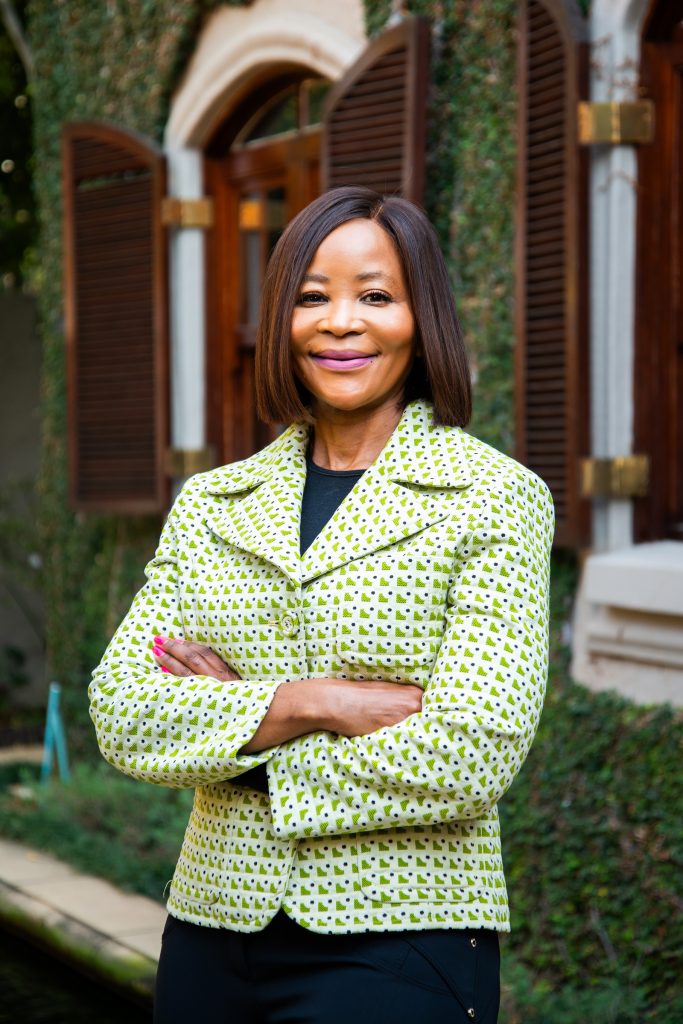 For Moumakwa, who has often found herself “the first or the only” woman in male-dominated spaces, the symbolism of SMU’s female leadership triumvirate- herself, Council Chair Nontlaza Sizani, and Vice-Chancellor Professor Tandi Matsha-Erasmus is powerful. “It is extremely significant and timely. Together, we bring unique experiences and perspectives, and that makes for a very rich partnership,” she says. “I am particularly excited to explore how our collective talents can expand SMU’s academic excellence, social agenda, and student wellbeing.”
But her advocacy goes further. She is unequivocal about the systemic neglect of women’s health in research, funding, and leadership. “There is conclusive evidence that women bring unique creativity, empathy, and collaboration to leadership. Yet healthcare has historically underinvested in women’s issues. I am passionate about changing that.”
Her own career is a testament to what happens when doors are forced open. Now, she insists, it is her responsibility to hold those doors open for others.
A message to students: Enough, worthy, unstoppable
SMU’s students, many of them first-generation scholars, occupy a special place in her heart. Her message is uncompromising: believe in your brilliance. “Firstly, you are enough. You must trust your brilliance, creativity, and resilience. You must know that you are worthy, and you must have the courage to act on your dreams. Failure is part of the journey—Maya Angelou said it best: ‘You may encounter many defeats, but you must not be defeated.’”
In her eyes, the greatest legacy of apartheid is not structural alone but psychological, the internalised racism that tricks young people into believing they are “less than.” Calling it a “scam,” she urges students, especially young black women, to rewrite their own narratives.
Redefining SMU’s place in South Africa
For SMU, Moumakwa’s appointment marks more than continuity; it signals a recalibration. With its history rooted in producing healthcare workers for underserved communities, the university now stands on the cusp of redefining itself as a continental force. Through her vision, the role of Chancellor evolves from a ceremonial to a catalytic one. By leveraging partnerships, amplifying women’s leadership, and championing authentic transformation, Moumakwa positions SMU as both a custodian of South Africa’s health sciences future and a beacon for global collaboration.
“I reflected deeply before putting my hand up for this role,” she admits. “But when I thought about what SMU has given me and what it can still give South Africa, I knew this was where I was meant to serve.”
SMU is entering a defining chapter. With Moumakwa at its helm, it has not only appointed a chancellor but also adopted a philosophy. One that insists on courage, boldness, community, and excellence as the only antidotes to South Africa’s fractured health sciences system and higher education challenges.
The appointment of SMU’s second female Chancellor is historic. But history, as Moumakwa reminds us, is not an end. It is a challenge: to be bold, to transform, and to dream audaciously.
By Tshimangadzo Mphaphuli
by Lorato | Aug 20, 2025 | All News, SMU Media, Student Media
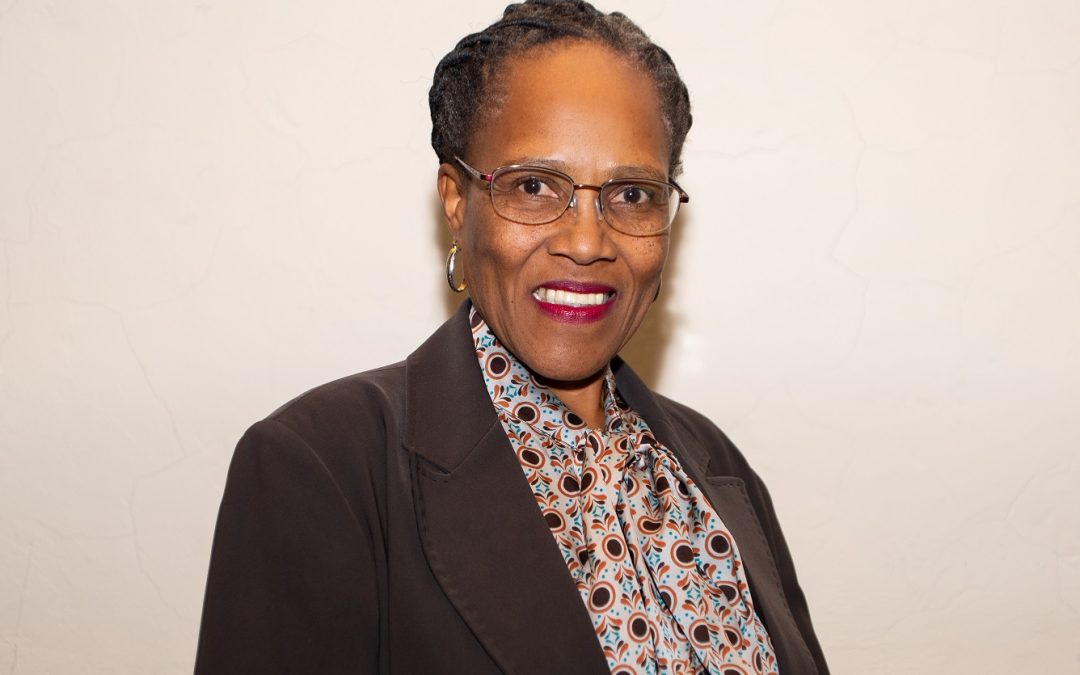
The Sefako Makgatho Health Sciences University (SMU) has announced the appointment of Nontlaza Sizani as the new Chairperson of its Council, a move expected to strengthen governance and drive the institution’s mission of academic excellence, transformation, and innovation in health sciences education.
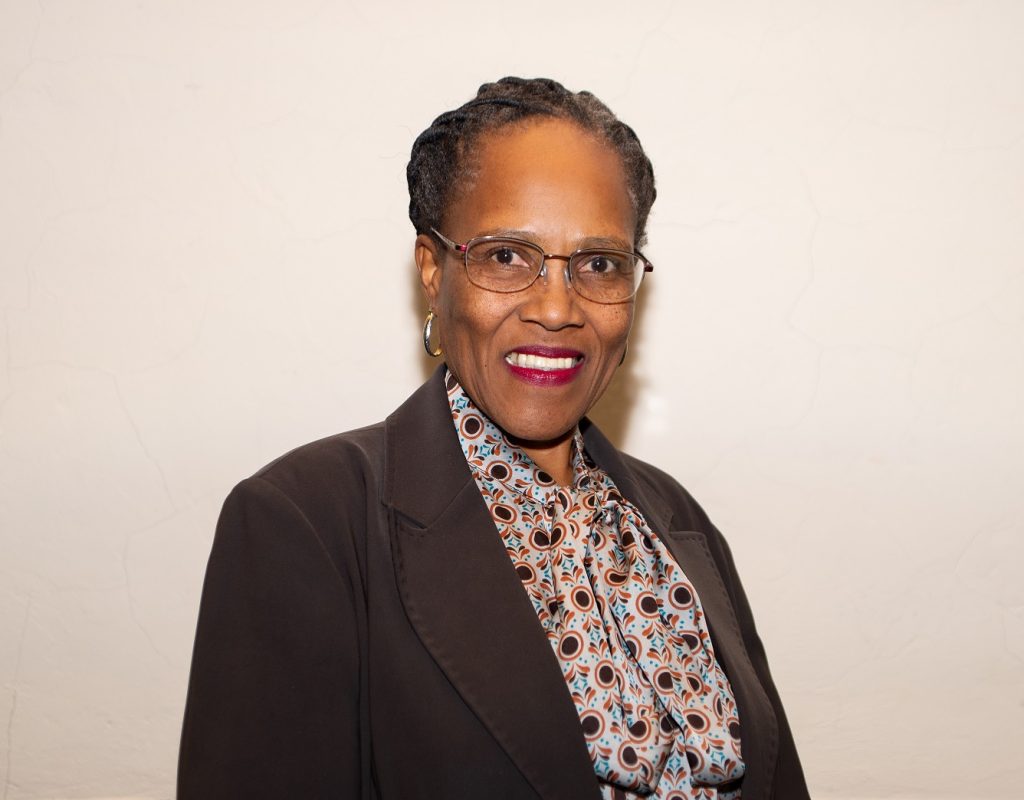 Sizani, a seasoned governance professional, brings to the role a wealth of experience spanning audit, accounting, finance, treasury, and public administration. She holds a B.Compt in Accounting, a Certificate in the Theory of Accounting (CTA), and is registered with the South African Institute of Chartered Accountants (SAICA) as an Associate General Accountant. She is also a Certified Director with the Institute of Directors of Southern Africa (IoDSA).
Her professional journey has included auditing government entities, managing structured finance for large capital projects at Transnet, and serving on audit committees across various institutions. This, she notes, has given her “a deep understanding of governance frameworks, risk management, and the dynamics of effective boards.”
Sizani’s path into higher education governance was driven by a desire to leverage her expertise in the service of academic institutions. “I saw an opportunity to contribute my governance expertise to an environment where academic excellence, institutional integrity, and long-term sustainability intersect to shape the leaders of tomorrow,” she explained.
Having served on the SMU Council since 2019, Sizani has played a pivotal role in shaping the University’s governance trajectory. She chaired sub-committees, engaged deeply with strategic oversight, and in 2024, was appointed Deputy Chairperson of Council. These experiences, she says, deepened her passion for both student success and the advancement of SMU’s academic project.
Looking ahead, Sizani’s vision is to position SMU as a leading health sciences university, centred on student success and academic excellence. She is committed to strengthening clinical platforms, enhancing teaching and research infrastructure, and fostering stronger partnerships with health facilities. “Our students are our greatest asset, and we will place them at the centre of everything we do,” she affirmed.
The Council under her leadership will focus on providing strategic oversight, ensuring sound governance, and supporting innovation in teaching and research. Transparency, ethical governance, and accountability will remain key priorities. “I will ensure our processes are open, well-documented, and aligned with good governance principles. Integrity must always be central to our deliberations,” she said.
Sizani also acknowledges the challenges facing SMU, particularly around infrastructure development and transformation. She emphasised that Council will work closely with management to address delays in infrastructure projects while ensuring transformation is a lived reality reflected in leadership, curriculum, and institutional culture.
Her leadership philosophy is rooted in integrity, fairness, accountability, and respect. She stresses the importance of collective leadership and constructive engagement between Council, management, and broader stakeholders, including students, staff, alumni, and the community.
“As I begin my term as Chairperson, I hope to leave a legacy of good governance where Council is seen as a trusted partner in advancing SMU’s mission,” she said. “Unity is the virtue we embrace, and I encourage the entire University community to hold hands together in shaping the SMU we hope for.”
By Tumelo Moila
by Lorato | Aug 20, 2025 | All News, SMU Media, Student Adverts
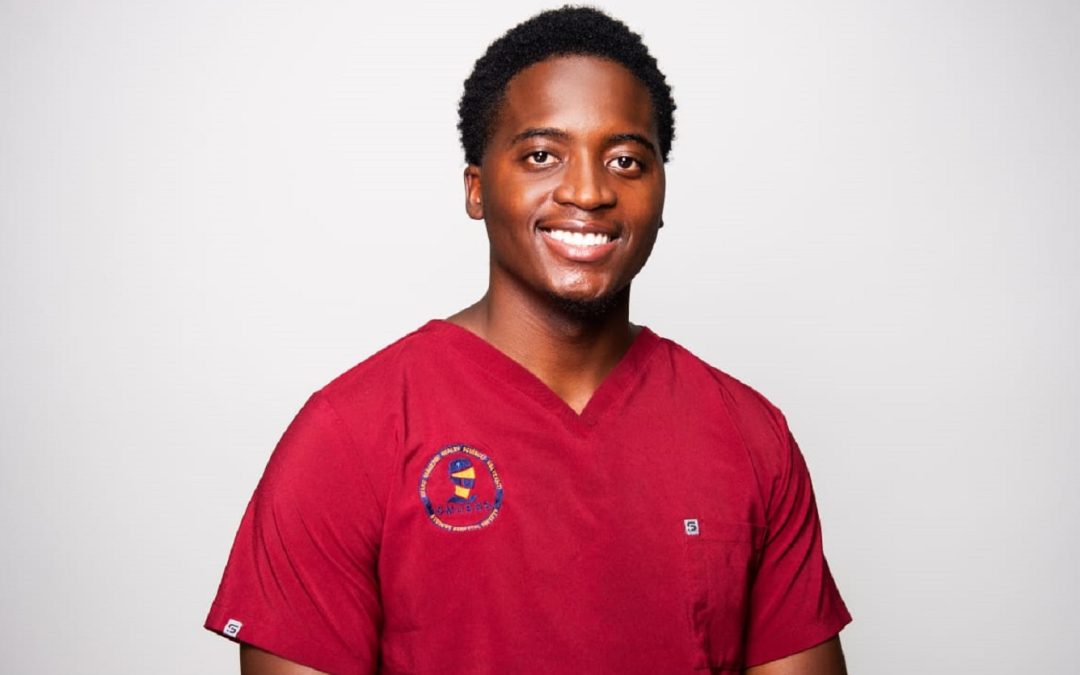
When you meet Thendo Mudau, a fifth-year Bachelor of Medicine and Bachelor of Surgery (MBChB) student at Sefako Makgatho Health Sciences University (SMU), you quickly realise that his story is one of determination, leadership, and service.
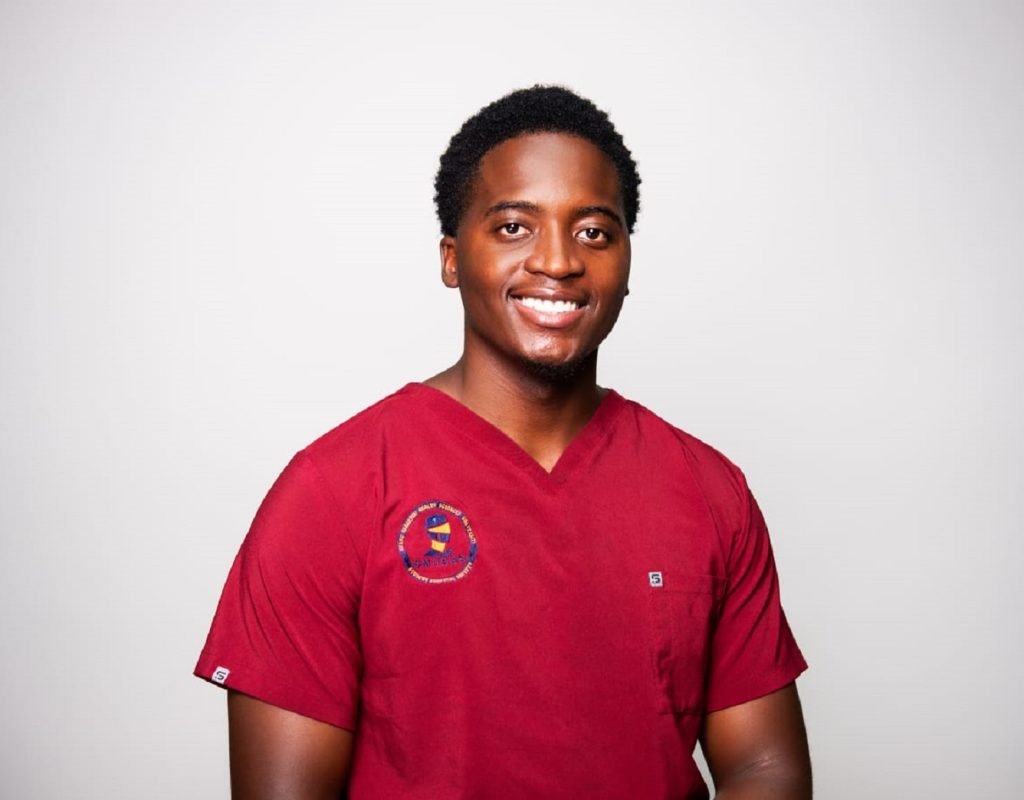 Raised in Johannesburg South by parents who both serve in the public sector — his mother a nurse and his father a policeman — Mudau grew up in an environment shaped by compassion, duty, and community. It was here that he first absorbed the value of service, a principle that continues to guide his journey.
His academic path took flight when he attended St Martin’s High School on a scholarship. He remains grateful to the late headmaster who believed in his potential and offered him an opportunity that became the springboard for his dreams.
Mudau’s aspiration to become a neurosurgeon can be traced back to when he was just seven years old. Initially fascinated by the cosmos, he stumbled upon Brain Games on National Geographic, a programme that drew striking parallels between the vastness of the universe and the intricate complexity of the human brain. “That was my Eureka moment,” he recalls. “I realised that I could channel my fascination with the brain into helping people — just as my mother has done through nursing.”
 Beyond the lecture halls, Mudau has been making a significant impact through student leadership. He currently serves as President of the SMU Student Surgical Society (SMUSSS), having been part of its executive committee since 2022. His journey within the society has included roles as Head of Anatomy in 2023 and Secretary-General in 2024.
During this time, society has achieved remarkable milestones. It was named Society of the Year at SMU and also honoured internationally as Society of the Month by the International Association of Student Surgical Societies (IASSS). Under Mudau’s leadership, the SMUSSS has spearheaded initiatives such as the annual Easter Egg Drive, surgical skills workshops, awareness campaigns, and academic collaborations that expose students to various surgical disciplines.
Among peers, Mudau has earned the affectionate nickname “The Godfather” — a nod to his long-standing involvement and commitment to mentoring younger members. On 25 April 2025, his contributions were recognised at the Dean’s Excellence Awards, where he received a certificate for his service to the School of Medicine.
Recently, Mudau received a bursary that he describes as “an incredible blessing.” Beyond easing financial pressures, the award has served as encouragement to continue striving towards his lifelong dream. “For me, leadership is about service, building others up, and leaving behind a legacy that inspires the next generation to aim even higher,” he says.
With a clear vision for the future, Mudau is determined to pursue neurosurgery and contribute to advancing healthcare in South Africa. His journey — shaped by humble beginnings, strong family values, and relentless drive — is a testament to what happens when passion meets purpose.
As he continues to balance his studies, leadership responsibilities, and community engagement, one thing is clear: Mudau is not only shaping his own future but also paving the way for others to dream bigger.
By Dimakatso Modise