by Lorato | Oct 24, 2025 | Media Statements, statements
PRESS STATEMENT
FOR IMMEDIATE RELEASE
24 October 2025
GA-RANKUWA, PRETORIA—The spotlight will fall on Sefako Makgatho Health Sciences University (SMU) this weekend as its Convocation hosts a Fundraising and Alumni Awards Gala Dinner.
The gala, taking place on Saturday, 25 October 2025, will feature a keynote address by the Premier of Limpopo, Dr Phophi Ramathuba, an SMU alumna whose life’s work exemplifies the transformative power of health-sciences education. The event will also be attended by the MEC for Health in Limpopo, Dieketseng Masesi Mashego, distinguished alumni, corporate partners, government leaders, and philanthropists.
Under the theme “SMU NextGen: Investing in South Africa’s Future of Health Sciences,” the black-tie gala will raise funds to support academically gifted but financially vulnerable students pursuing degrees in health sciences fields. The Convocation’s leadership envisions the evening as both a celebration of excellence and a call to action, urging alumni and partners to become part of a sustainable investment model for student support.
Since the launch of the Convocation’s fundraising drive, 17 students have received full-tuition sponsorships, while more than 40 others were financially unblocked to continue their studies. Building on this success, the Convocation aims to establish an Alumni Development Fund to strengthen SMU’s third-stream income and attract investment projects to the university.
According to the SMU Convocation President Japhta Phala, the initiative is a moral duty shared by all who benefited from SMU’s mission to democratise health sciences education. “We were all given a chance once,” he says. “Now it is our turn to extend that chance to those who come after us. This is about ensuring that talent is never lost to poverty but redirected toward healing and rebuilding our nation.”
Beyond the fundraising effort, the evening will include the Alumni Awards Ceremony, celebrating distinguished graduates who have contributed to medicine, innovation, and social transformation across South Africa and the world.
For event details or donations, please contact: Letsai Mashishi | Email: letsai.mashishi@smu.ac.za | Cell: 083 415 7722
For media enquiries, please contact: Tshimagadzo Mphaphuli | Email: tshimangadzo.mphaphuli@smu.ac.za | Cell: 081 015 4790
PRESS STATEMENT_LIMPOPO PREMIER, DR PHOPHI RAMATHUBA, HEADLINES SMU CONVOCATION FUNDRAISING GALA TO CHAMPION NEXT GENERATION OF HEALTH SCIENCES LEADERS
File size: 508.88 KB
Created: 24-10-2025
Updated: 24-10-2025
Hits: 34
by Lorato | Oct 23, 2025 | All News, SMU Media, Student Media
The future of science and innovation begins in the classroom — and this year, that future shone brightly as Sefako Makgatho Health Sciences University (SMU) launched its transformative Mathematics, Sciences & Technology (MST) Awards programme. More than an academic initiative, the MST Awards are a bold signal of SMU’s mission to ignite excellence, inspire ambition, and reimagine university recruitment in communities rich with talent but historically overlooked.
 In a powerful collaboration with the Limpopo Department of Education – Mopani East District and the Gauteng Tshwane West District Department of Education, SMU has taken its message of hope and opportunity directly into schools, not just to celebrate top achievers, but to reposition the university as a home for Africa’s next generation of scientists, innovators, and health professionals.
The MST Awards recognise excellence in Mathematics, Physical Sciences, and Life Sciences — foundational subjects for careers in STEM and health sciences. Yet the programme is more than a celebration of academic success. It is an intentional act of transformation, reaching into classrooms to affirm young learners that they are seen, they are capable, and they belong at institutions of higher learning.
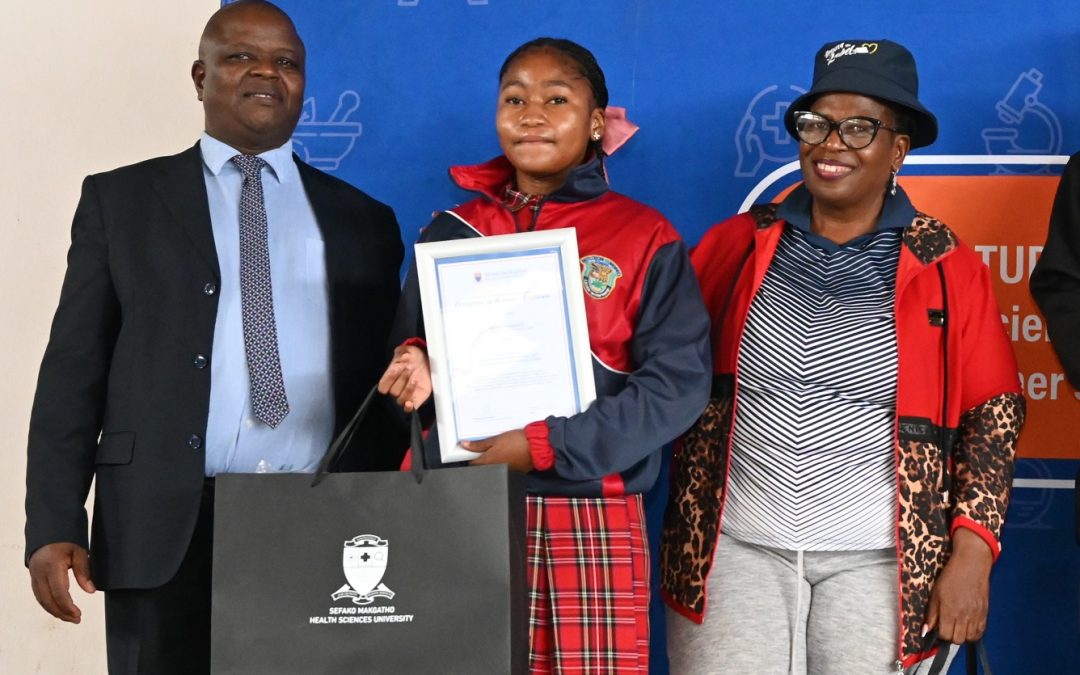
The first MST Awards ceremony was held at Sekgosese High School in Limpopo’s Mopani East District, where learners, teachers, and officials gathered in celebration of schools whose academic outcomes have defied the odds. Among the schools honoured were Sekgosese Secondary School and Motloboni Combined School, whose learners continue to rise despite systemic challenges.
 Building on this success, the programme moved to Gauteng, where Kgatoentle Secondary School hosted the second leg of the MST Awards, in collaboration with the Tshwane West District. Here, IR Lesolang and Reitumetse Secondary School were among the recognised institutions for excellence in science education.
These celebrations were not just about honouring individual learners — they were about elevating entire school communities, encouraging educators, and creating a space where academic ambition is nurtured, not marginalised.
A forward-thinking vision for student recruitment
SMU’s role in this programme is both strategic and deeply rooted in its transformative vision. For learners, the awards are a visible reminder that their dreams of becoming health sciences professionals are within reach. For teachers, it is an affirmation of their role as nation-builders. For the broader community, it is a declaration that no learner should be left behind because of geography, circumstance, or a lack of exposure.
“The MST Awards are not merely about recognising achievement, they are also about disrupting outdated models of university recruitment and rewriting the narrative of who gets to access quality higher education,” said Tshimangadzo Mphaphuli, a strategic communications leader at SMU.
Together with Ntsheu Collins Mangena, the visionary behind SMU’s progressive student recruitment strategy, Mphaphuli has been instrumental in repositioning the university as a destination of choice for top-performing STEM learners, especially those from communities historically excluded from such opportunities.
 “These awards are a deliberate, strategic investment,” Mphaphuli continues. “They affirm to high-achieving learners that SMU doesn’t just welcome them, we see them, believe in them, and are ready to walk with them all the way to graduation. This is not traditional recruitment. This is nation-building through academic transformation.”
The MST Awards are part of a broader recruitment strategy championed by Mangena, a forward-thinking student recruitment leader who is shifting the paradigm of university engagement.
“At SMU, we are not waiting for talent to find us; we are going out to find it, especially in places where it has been historically ignored or underestimated,” said Mangena. “This programme is about recognising brilliance where it exists, not just where it is expected. We are targeting the cream of the crop, yes — but also building bridges for the next generation of learners who, with the right support, will become South Africa’s future health science leaders, researchers, and innovators.”
Mangena’s vision is grounded in a belief that academic excellence should not be a privilege of proximity, but a reality for all learners with potential from township classrooms to rural school halls.
Impacting lives, shaping futures
Grade 12 learner Phomolo Rambau, an award recipient from Sekgosese High School, expressed gratitude and a renewed sense of direction. “I am very happy and grateful for this recognition. It motivates me to study even harder and to pursue my dream of studying health sciences at SMU,” she said with pride.
Through this initiative, SMU is strengthening its ties with schools and education districts, while redefining what it means to recruit — not just students, but potential, purpose, and promise.
Beyond the trophies and certificates lies a deeper message: that every learner has the power to lead, to innovate, and to contribute meaningfully to South Africa’s future. By walking into school halls and shaking the hands of tomorrow’s leaders today, SMU is living out its commitment to be a university not just of academic excellence but of transformation, access, and impact.
By Dimakatso Modise
by Lorato | Oct 23, 2025 | All News, SMU Media, Student Media
The Pharmacy Building at Sefako Makgatho Health Sciences University (SMU) was alive with innovation and energy as researchers, scholars, and postgraduate students from across South Africa convened for the South African Medical Research Council (SAMRC) Regional Research Capacity Development (RCD) Conference on 20–21 October 2025.
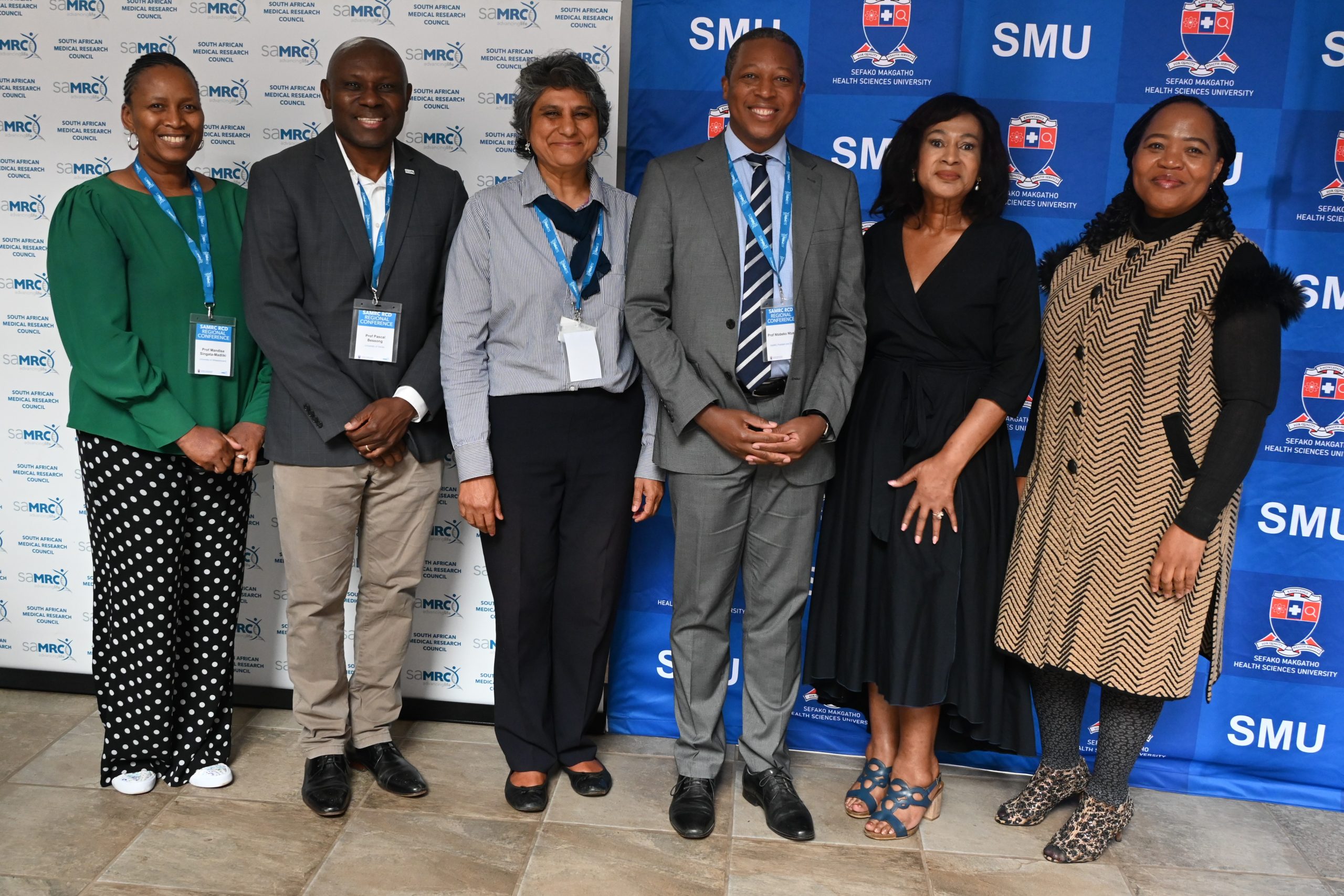 Hosted in partnership with SMU’s Research and Innovation Directorate, the two-day conference provided a vibrant platform for collaboration, learning, and the exchange of groundbreaking ideas. With over 40 oral and poster presentations, as well as keynote addresses from leading scientists, the event reinforced South Africa’s growing research excellence.
Welcoming delegates, Vice-Chancellor Professor Tandi Matsha-Erasmus commended the SAMRC for its commitment to nurturing young researchers. “At SMU, we are intentional about fostering a research culture that addresses national health priorities. This conference aligns with our vision to develop globally competitive scientists who make a real impact,” she said.
Opening the proceedings, Director: Gender and Health Research Unit at SAMRC, Professor Nwabisa Shai, chaired the first session, followed by Dr Abeda Dawood, Division Manager of the SAMRC’s RCD Division, who praised the power of collaboration. “This gathering reflects what can be achieved when institutions unite to build capacity and strengthen research ecosystems. The RCD programme transforms potential into impact,” she noted.
Delivering the first keynote, Professor Ntobeko Ntusi, President and CEO of the SAMRC, reaffirmed the Council’s mission to foster scientific excellence. “Our strength lies in collaboration, innovation, and the ability to nurture the next generation of scientists,” he said. “Health research must not only generate data—it must drive policy, improve healthcare, and change lives.”
Next, Dr Thandi Mgwebi, Group Executive for Business Advancement at the NRF, spoke on “Partnerships for Impact,” stressing that no single institution can tackle complex societal challenges alone. “Partnerships allow us to leverage strengths, share resources, and accelerate innovation that benefits all,” she said.
 Professor Pascal Bessong, Director of the SAMRC-UNIVEN Antimicrobial Resistance and Global Health Research Unit, followed with a powerful reminder that adversity often fuels innovation. “Scarcity should inspire creativity,” he urged.
A highlight of day one came from Will Rohde of Quantahub² (USA), who discussed “Transforming Health Research with AI.” “AI is not replacing scientists—it’s expanding their potential,” he said. “Data-driven insights can accelerate discovery and improve patient outcomes faster than ever.”
Day two maintained strong momentum, featuring an RCD Executive Line Address by Dr Michelle Mulder and keynote talks from Professor Keolebogile Motaung of Nelson Mandela University and Professor Johan Louw, Director of CATIR. Reflecting on her journey, Prof Motaung encouraged young researchers: “Innovation begins with a question. The more you ask, the more you learn.”
SMU academics, including Professor Hyla Kluyts and Professor Nqobile Mkolo, showcased pioneering studies on perioperative care and plant-based inhibitors against SARS-CoV-2. Their work reflected SMU’s growing influence in translational and applied health research.
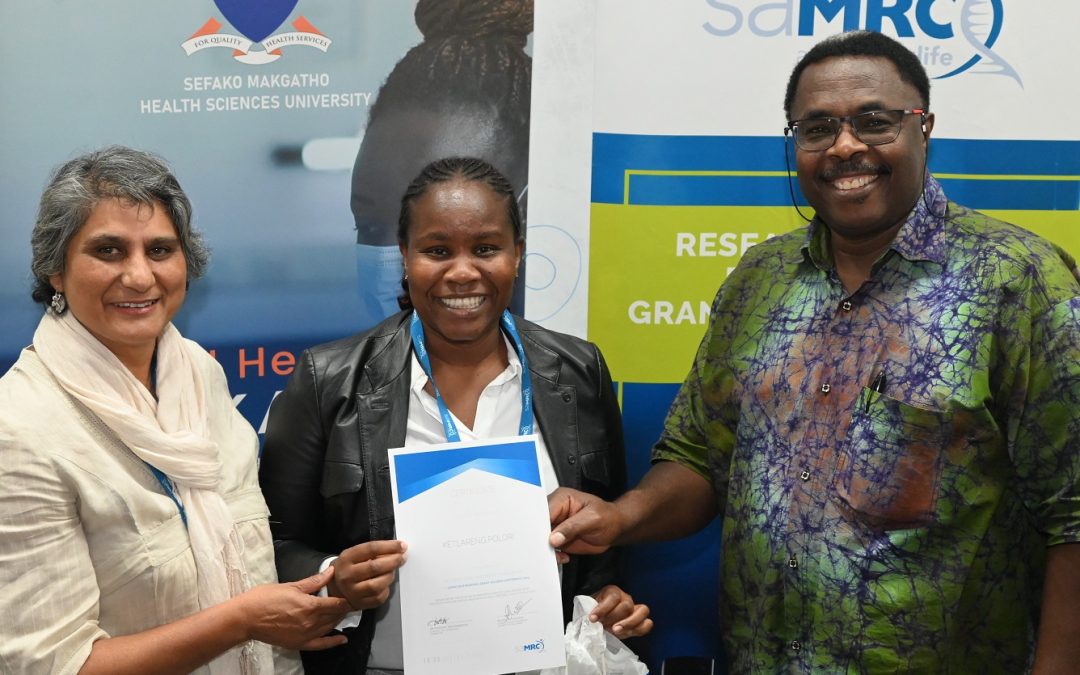
The conference closed with an awards ceremony recognising research excellence, followed by a networking dinner that celebrated collaboration, creativity, and shared purpose.
The SAMRC Regional RCD Conference at SMU not only celebrated scientific discovery but strengthened South Africa’s collective resolve to advance health research—transforming knowledge into impact.
By Dimakatso Modise
by Lorato | Oct 23, 2025 | All News, SMU Media, Student Media
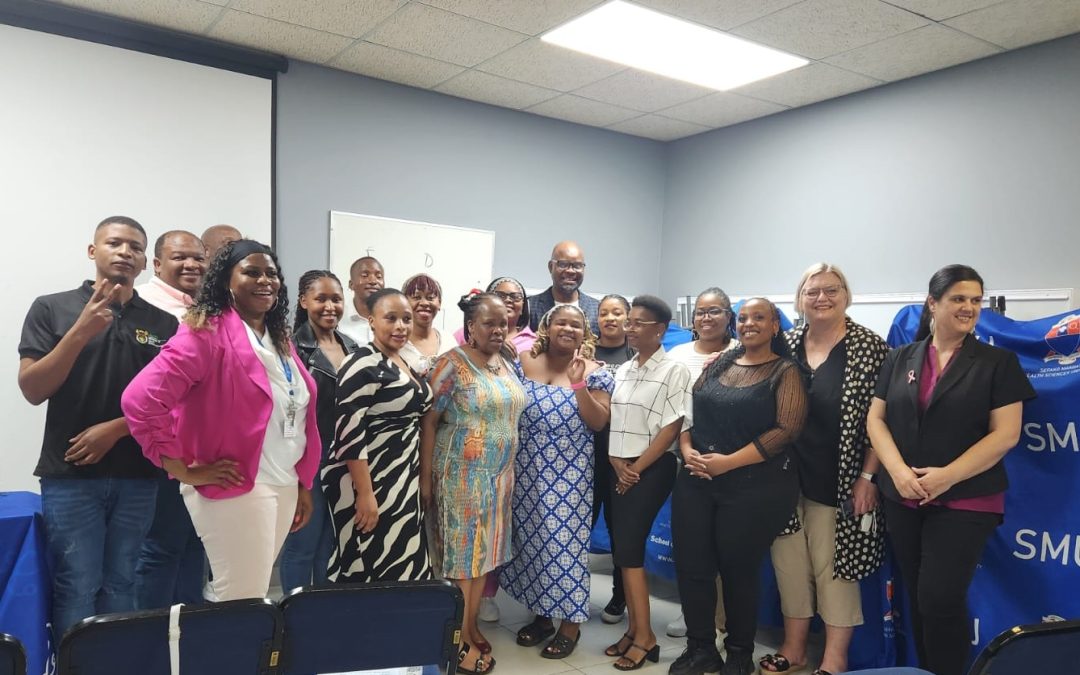
The Radiography Department at Sefako Makgatho Health Sciences University (SMU), in partnership with the University of Pretoria (UP), hosted the second annual Clinical Tutor Workshop, reaffirming a shared commitment to advancing clinical education and professional development in radiography.
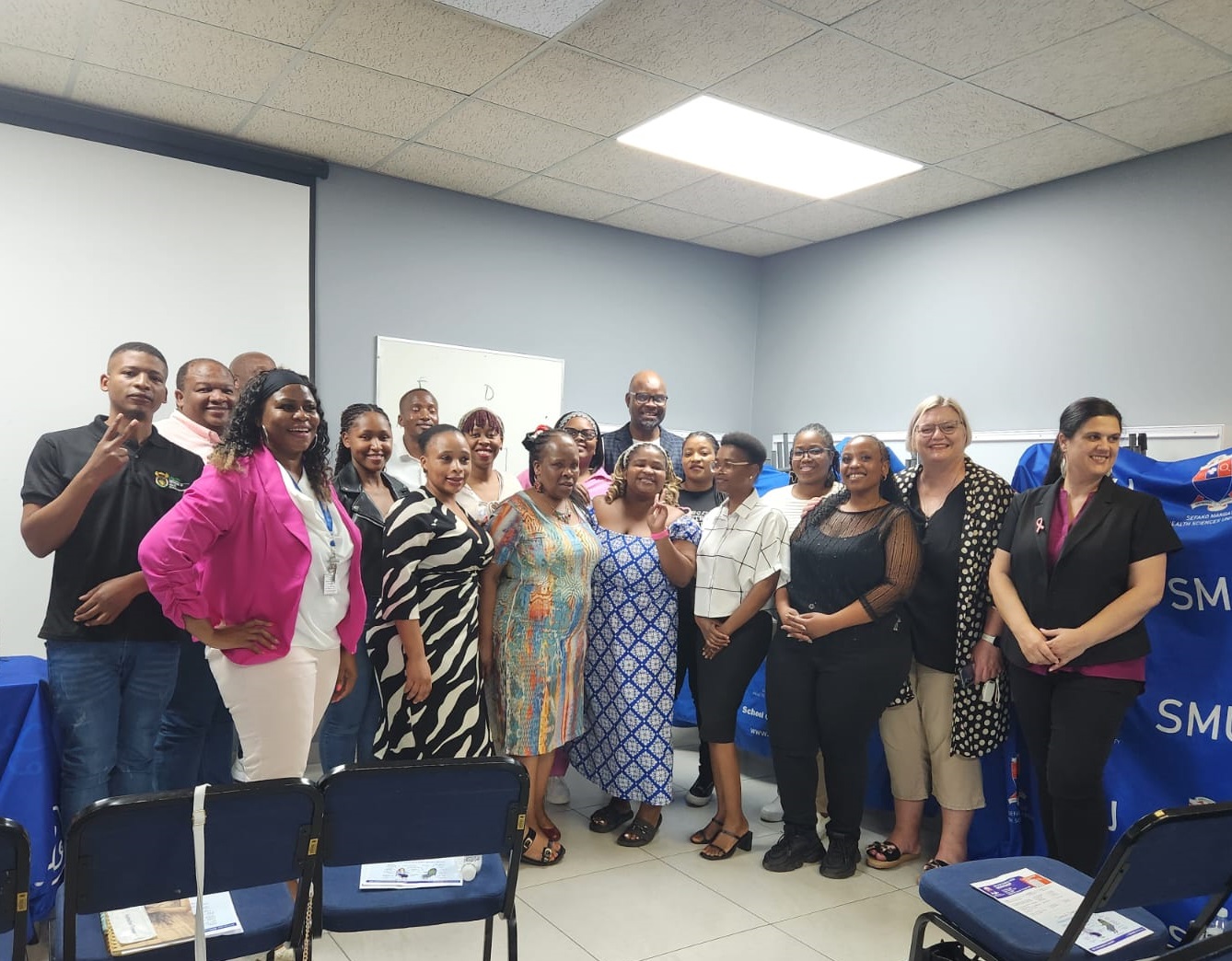 Building on the success of the inaugural workshop held at UP in 2024, this year’s event brought together clinical supervisors and lecturers from both institutions for a day of knowledge exchange, reflection, and collaboration. The initiative aims to empower the educators who serve as the vital link between university classrooms and clinical practice — ensuring that radiography students receive high-quality, hands-on training across a range of healthcare settings.
Clinical tutors and supervisors play an indispensable role in supervising and mentoring students during their clinical placements in both public and private healthcare facilities. The workshop recognised this contribution by providing a platform for professional growth and dialogue. Through presentations, discussions, and peer engagement, participants explored innovative approaches to teaching and assessment that respond to the evolving demands of the radiography profession.
The programme featured presentations by academic staff from SMU and UP on pedagogical strategies, effective assessment practices, advancements in digital radiography, image interpretation and the integration of emerging imaging technologies into clinical teaching. Each session aimed to strengthen the educators’ ability to bridge theoretical knowledge and practical application, particularly as the field continues to evolve with technological innovation.
A highlight of the workshop was an interactive sharing session where clinical supervisors and lecturers shared their lived experiences. Many reflected on the challenges of balancing heavy workloads with teaching responsibilities, limited access to professional development, and the need for stronger institutional support. Despite these obstacles, participants shared innovative practices that have improved student engagement, such as simulation-based learning and peer-assisted supervision.
Lecturer and PhD candidate, Asnath Motsepe from the Radiography Department at SMU, emphasised the importance of such collaborative initiatives. “Workshops like this one create a safe space for clinical tutors, supervisors and lecturers to share their realities and find collective solutions,” she said. “As educators, we must constantly adapt our teaching methods to keep pace with technological advancements in medical imaging while ensuring that our students develop strong ethical and professional foundations.”
Motsepe further underscored the value of investing in tutor development. “Clinical tutors and supervisors are the backbone of radiography education. Their mentorship shapes not only the competence but also the confidence of our future radiographers. Strengthening the capacity of the clinical tutors and supervisors ultimately strengthens the profession as a whole,” she added.
The workshop concluded with a call for ongoing collaboration and structured tutor development. Both SMU and UP representatives stressed the importance of sustained investment in tutor capacity-building as part of broader curriculum transformation efforts. They noted that strengthening the skills and confidence of clinical tutors is essential to ensuring that radiography graduates are both technically competent and compassionate healthcare professionals.
Participants expressed appreciation for the opportunity to network and share insights across institutional boundaries. “The event highlighted the value of a professional community of Radiography educators and reaffirmed the role of collaborative platforms in shaping the future of radiography education in South Africa,” said Mable Kekana, HOD and associate professor at UP.
The Radiography Clinical Tutor Workshop continues to serve as a model for partnership-driven professional development — one that celebrates the dedication of those at the frontline of student clinical training and upholds excellence in healthcare education.
By Tumelo Moila

by Lorato | Oct 23, 2025 | All News, SMU Media, Student Adverts
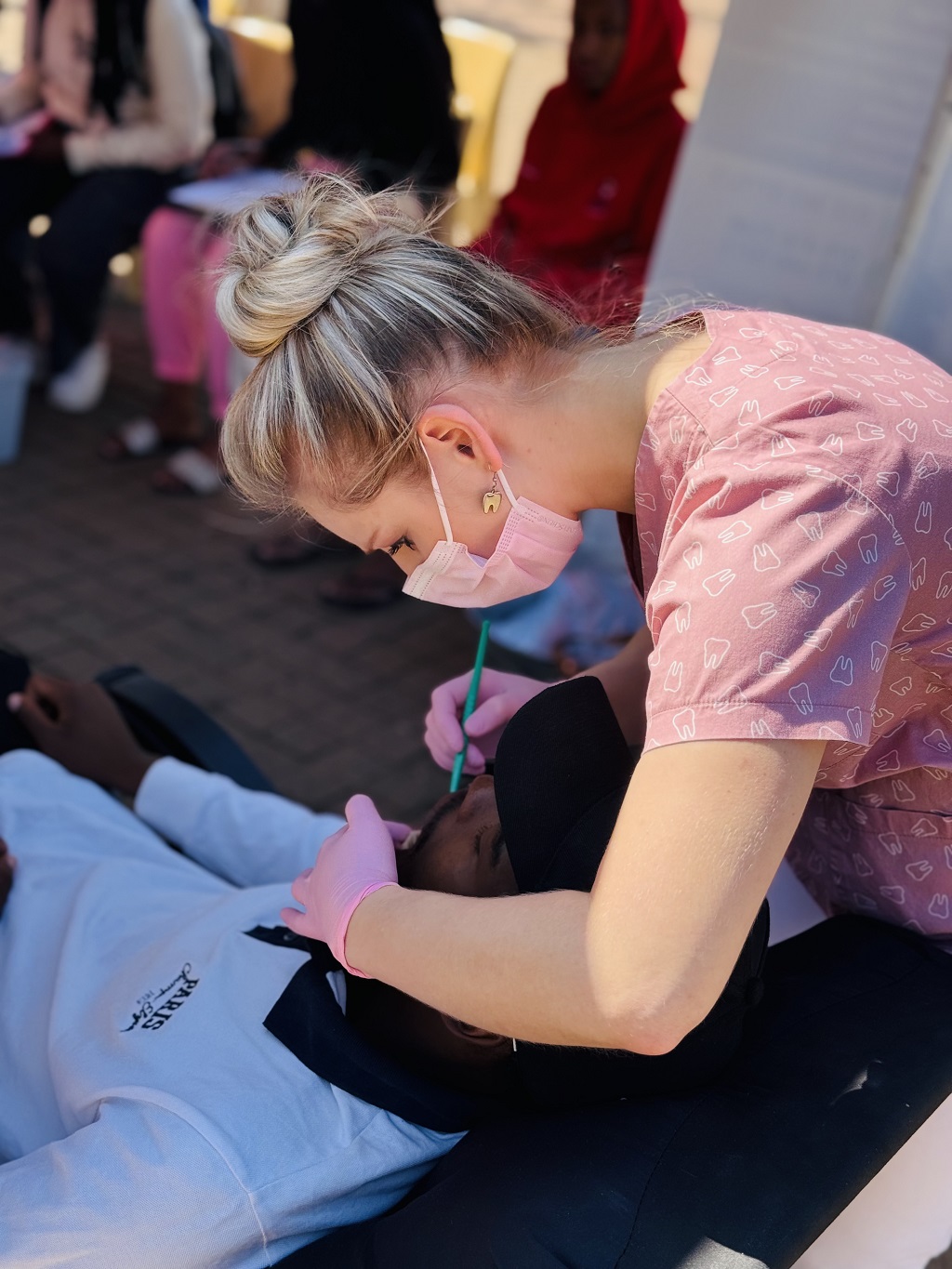
In celebration of National Oral Health Month, the Sefako Makgatho Health Sciences University (SMU) School of Dentistry joined forces with the Directorate of Student Health and Wellness at Tshwane University of Technology (TUT) to promote oral hygiene awareness and preventive care among TUT students and staff. The campaign reflected a shared mission — to prioritise holistic student wellness and integrate oral health into the broader conversation about overall well-being.
 The collaboration, now in its second year, combined clinical expertise from SMU with student outreach and logistical coordination by TUT. The event provided free oral health screenings and educational sessions to approximately 250 students and staff, addressing one of the most overlooked yet essential aspects of student health.
“Oral health is often neglected, but it’s fundamental to overall health and academic success,” said Kelebogile Mothupi-Modika, a lecturer and community engagement officer at SMU. “By partnering with TUT, we’re ensuring that students have access to preventive care and education that can make a lasting difference.”
The screenings took place under gazebos on campus, where SMU Dental Therapy and Oral Hygiene students and staff conducted assessments and provided guidance on proper oral hygiene. TUT peer educators supported the initiative by managing registration, overseeing queues, and leading awareness activities. The event was promoted through digital platforms such as TikTok, Instagram, and Facebook to effectively engage the student community.
The campaign uncovered common oral health challenges, including dental caries, gingival inflammation, plaque accumulation, and tooth sensitivity. These findings, according to organisers, emphasise the ongoing need for education and preventive intervention.
 “A healthy smile builds confidence and encourages participation,” said Kholofelo Mawela, a representative from TUT’s Directorate of Student Health. “When students feel good about their oral health, it boosts their self-esteem, attendance, and focus — all of which contribute to academic performance.”
Beyond clinical benefits, the initiative had a deeper educational and social impact. Students were taught essential oral hygiene practices such as brushing twice daily with fluoride toothpaste, reducing sugar intake, quitting tobacco, and scheduling regular dental visits. Those needing further treatment were referred to the SMU Oral Health Centre, where affordable care is available.
SMU’s School of Dentistry played a central role, offering not only screenings but also educational materials, oral care samples, and mentorship for student volunteers. The collaboration also created valuable experiential learning opportunities for dental students — reinforcing SMU’s commitment to social accountability and community engagement.
“This partnership shows how inter-institutional collaboration can make healthcare education both impactful and inclusive,” noted Mothupi-Modika. “Clinical engagement initiatives like this bridge academia and community service — shaping students into compassionate, socially responsive professionals.”
The programme also highlighted the need for continued advocacy. Despite being young adults, many participants presented untreated dental conditions, underscoring the importance of sustained awareness campaigns.
Looking ahead, both institutions plan to expand the initiative across campuses, with hopes of developing a long-term oral health promotion programme that integrates research, education, and community outreach.
As Mothupi-Modika concluded, “Your mouth is the gateway to your overall health. Taking care of your teeth and gums is an investment in your confidence, well-being, and success — both inside and outside the classroom.”
By Tumelo Moila