by Lorato | Aug 13, 2025 | All News, SMU Media, Student Media
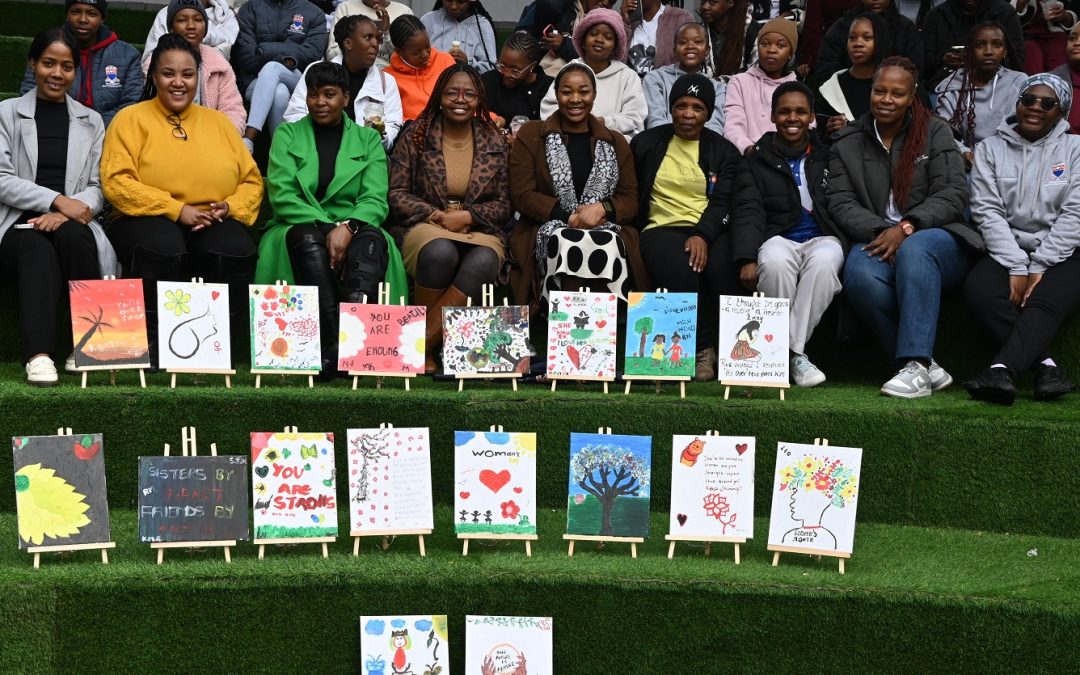
As part of Women’s Month celebrations, female students at Sefako Makgatho Health Sciences University (SMU) recently gathered for Hoop Over a Cup of Tea, an interactive event organised by the Student Affairs Department to foster connection, support, and sisterhood. With the rising pressures of academic life, social adjustment, and mental health challenges, the gathering offered students a space to relax, share experiences, and feel part of a community beyond their classrooms.
 The event was facilitated by Dr Gundo Nepfumbada, Social Worker; Sibusisiwe Komane, Educational Psychologist; Lesego Tsima, Social Worker; and Eunice Modiba, Administrative Officer. Together, they created a warm and informal atmosphere, guiding students through interactive games, painting exercises, and discussions that encouraged them to express themselves and connect meaningfully with their peers. “We wanted this to be a safe, friendly space where female students could engage freely—no pressure, no judgement—just real conversations and shared moments,” says Nepfumbada.
Students were welcomed with breakfast and invited to participate in activities that sparked creativity and conversation. Canvas painting allowed them to express their artistic sides, while writing messages of encouragement offered a way to support fellow students who might be facing challenges. The relaxed setting encouraged laughter, meaningful chats, and a sense of belonging that went beyond academic achievement. “The face-to-face interactions, the laughter during games, the quiet focus of painting together—all of this reminded students that they are not alone, that they belong, and that they are seen and heard,” says Tsima.
The primary aim of the event was to strengthen sisterhood among female students as a source of support. It encouraged collaborative thinking, improved communication skills, and created opportunities for friendships and future collaboration through study groups, joint projects, or club involvement. “Collaboration and support don’t just happen in lecture halls. Sometimes, it’s over tea, laughter, and shared creativity that the strongest bonds are formed,” says Komane.
Students left the event inspired and motivated. Musa Mulaudzi, a first-year Bachelor of Medicine and Bachelor of Surgery (MBChB) student, said: “The event was a great way to meet people and have meaningful conversations in a relaxed setting, which made the cold almost unnoticeable. I enjoyed the canvas painting the most since I got to express my artistic side.”
For Precious Betty Didintle Mangwane, also a first-year MBChB student, the highlight was seeing the impact of connection and encouragement: “For me, the highlight was seeing students open up and enjoy themselves in such a simple, friendly setting. It reminded me how important small moments of connection are, especially during stressful times. I was truly touched when one student said I was the woman they look up to because of my academic achievements—it means a lot to know that I can inspire others. I honestly would love to attend more of these kinds of events.”
Activities such as painting and writing messages of encouragement helped participants express themselves, build confidence, and strengthen empathy. Sharing personal journeys provided a sense of psychological safety, allowing students to feel valued and appreciated. The interactive games also promoted goal-setting and collaboration, showing how fun activities can foster meaningful engagement and personal growth.
The event created opportunities for genuine connection, enabling students to build friendships, support each other, and feel part of a larger community. “Creating informal yet meaningful opportunities for engagement is vital for building a strong, resilient student community,” says Modiba. Hoop Over a Cup of Tea, organised by the Student Affairs Department as part of Women’s Month, demonstrated that student engagement thrives when openness, respect, and shared humanity take centre stage. For SMU, the event highlighted the importance of sisterhood, collaboration, and connection—one cup of tea at a time.
By Dimakatso Modise

by Lorato | Aug 13, 2025 | All News, SMU Media, Student Media
At just 22 years old, Priscilla Odoom is already a shining example of what passion, discipline, and the right environment can achieve. Graduating cum laude with a Bachelor of Science in Mathematical Science from Sefako Makgatho Health Sciences University (SMU), majoring in Statistics, she embodies the University’s values of excellence, integrity, and social responsibility.
 “I am originally from Ghana,” she begins, her voice steady and confident. “My decision to pursue a Bachelor of Science at SMU was driven by my deep passion for problem-solving and my desire to apply mathematics and statistics to real-world challenges. SMU’s academic reputation, coupled with its commitment to producing graduates who can impact society, made it the ideal place for my studies.”
Her journey was not without its challenges, but SMU’s supportive environment gave her the tools to thrive. “During my second year, after consistently earning high marks in challenging modules such as Applied Mathematics and Statistics, I realised that my work ethic and determination could push me towards graduating cum laude,” she says.
A disciplined routine became the backbone of her success. “A typical day started with early morning lectures, followed by library study sessions. I would often spend afternoons in group discussions or tutoring other students, which reinforced my understanding. Evenings were reserved for assignments, research, and reviewing lecture notes.”
Applied Mathematics initially tested her resilience. “It was challenging due to its abstract concepts, but I formed study groups, sought clarification from lecturers, and practised problem sets extensively,” she recalls. Her guiding mantra was: “Success is the sum of small efforts repeated day in and day out.”
True to SMU’s emphasis on community engagement, Odoom made her mark beyond academics. “I engaged in tutoring programmes within the University, contributing to academic excellence in my community. I was also a deputy secretary in Res2A House Committee and served as a class representative from my second year until I finished my degree,” she says. These roles strengthened her leadership, teamwork, and sense of responsibility — qualities SMU nurtures in all its graduates.
She credits her success to a strong support system. “My family provided emotional support, motivation, and celebrated every milestone with me,” she says warmly. “My lecturers in the Statistics and Mathematics departments inspired me with their dedication. Their mentorship and encouragement were instrumental in my growth.”
Resilience was key in overcoming moments of self-doubt and burnout. “Whenever I felt overwhelmed, I reminded myself of my long-term goals, took short breaks, and sought encouragement from family and friends.”
Her love for statistics grew deeper each year. “Statistics bridges theory and application — it allows us to turn data into meaningful insights. Over time, my interest evolved into a passion for using statistical methods in decision-making, particularly in business and social development contexts,” she explains.
Looking to the future, Odoom says: “I am currently entering the workforce to gain practical experience, with plans to pursue postgraduate studies in statistics or data analytics. My long-term goal is to become a leading data analyst or statistician, working on impactful projects and mentoring future professionals in the field.”
Her advice to aspiring students is clear and rooted in SMU’s value of excellence: “Stay disciplined, seek help when needed, and remember that consistency is more powerful than last-minute effort.”
For her, success is more than an academic title. “It’s achieving personal growth, making a positive impact on others, and living in alignment with your values,” she reflects. With her achievements, humility, and determination, Odoom stands as a proud ambassador of SMU — a young woman who is not just graduating with honours, but carrying forward the University’s mission to make a meaningful difference in society.
“I am deeply grateful to the SMU community for providing a nurturing environment, and to my family, friends, and mentors for their unwavering support. This achievement is as much theirs as it is mine,” she concludes with a smile that says her journey is only just beginning.
By Dimakatso Modise
by Lorato | Aug 13, 2025 | All News, SMU Media, Student Media
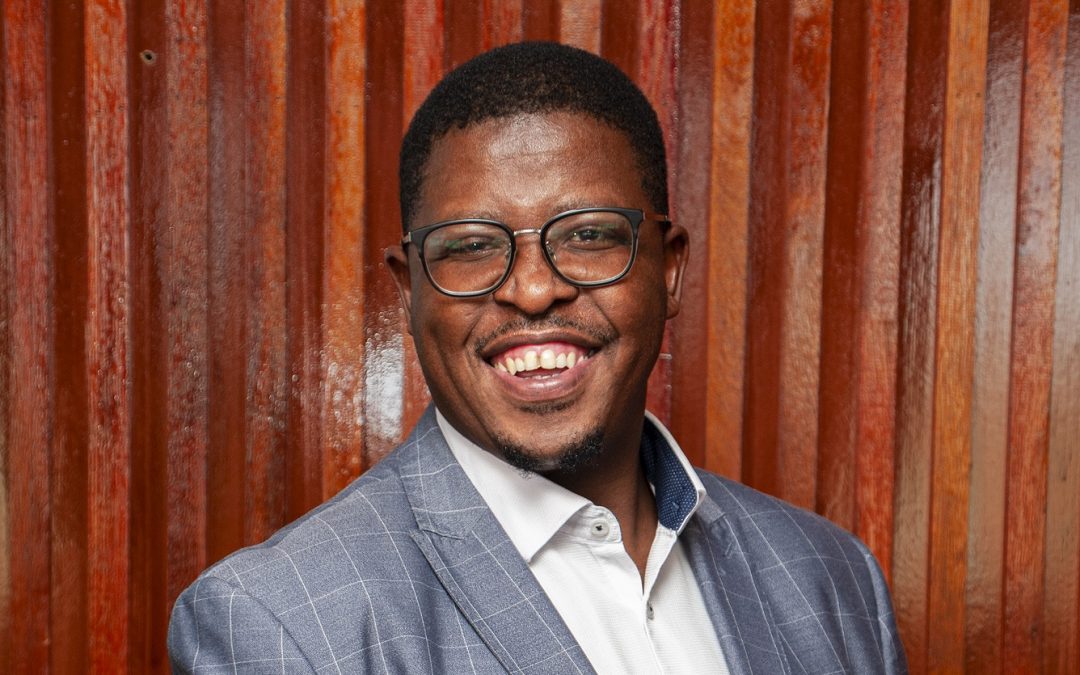
The Sefako Makgatho Health Sciences University (SMU) has once again made history on the global stage. Tshepo Mofokeng, the Director for Internal Audit and Risk Management at SMU, has been elected to serve on the Global Board of Directors of the Institute of Internal Auditors (IIA) — a significant appointment that highlights SMU and South Africa’s growing influence in the world of governance and audit.
 The announcement was made during the IIA’s Annual Business Meeting, held in Toronto, Canada, on 16 July 2025. Mofokeng was voted in as the 2025–2026 Director of Global Services, a role that places him at the forefront of the global internal audit profession, which comprises over 260,000 members across more than 104 countries.
With over 24 years of experience, Mofokeng is widely respected in the audit and risk sector for his ability to transform underperforming audit functions and his deep expertise in governance, financial reporting, and risk assurance. His professional journey began at PricewaterhouseCoopers (PwC) and has since spanned multiple industries, including minerals, energy, finance, transport, and higher education.
Reflecting on his unexpected journey into internal auditing, Mofokeng shared, “I stumbled upon internal audit by chance, having started in external audit. But it’s a profession that immediately resonated with me — it’s about providing assurance, managing risk, improving internal controls, and enhancing governance so organisations can achieve their objectives.” He added, “Organisations that embrace internal audit as a strategic partner tend to achieve long-term sustainability and earn greater public trust.”
Prior to his global election, Mofokeng served as Chairperson of the Board of the Institute of Internal Auditors South Africa (IIASA) from 2021 to 2024. During his tenure, he was a key figure in strengthening audit practices across South Africa and advocating for better governance structures within both public and private sectors.
At SMU, Mofokeng has been instrumental in embedding a culture of transparency, accountability, and sound risk management, positioning the university as a leader in institutional governance. His election to the global IIA board is a reflection not only of his personal achievements but also of the growing recognition of SMU’s commitment to ethical leadership and excellence.
Commenting on his new global role, Mofokeng noted the importance of inclusion and unity across the audit profession: “With members from different countries and cultures, it will be essential to listen to all voices and reflect their aspirations and concerns in the IIA’s global work. In particular, there is a great need to strengthen governance and controls across the African continent.”
A Certified Internal Auditor (CIA), Chartered Accountant (CA), and holder of the Certification in Risk Management Assurance (CRMA), Mofokeng also chairs the audit committee of the Department of Employment and Labour and has held senior roles in both state and private institutions, including the Department of Mineral and Energy and SekelaXabiso.
His appointment marks a proud moment for SMU and South Africa, further embedding the country’s expertise in global networks shaping ethical and effective governance.
By Tumelo Moila
by Lorato | Aug 13, 2025 | All News, SMU Media, Student Media
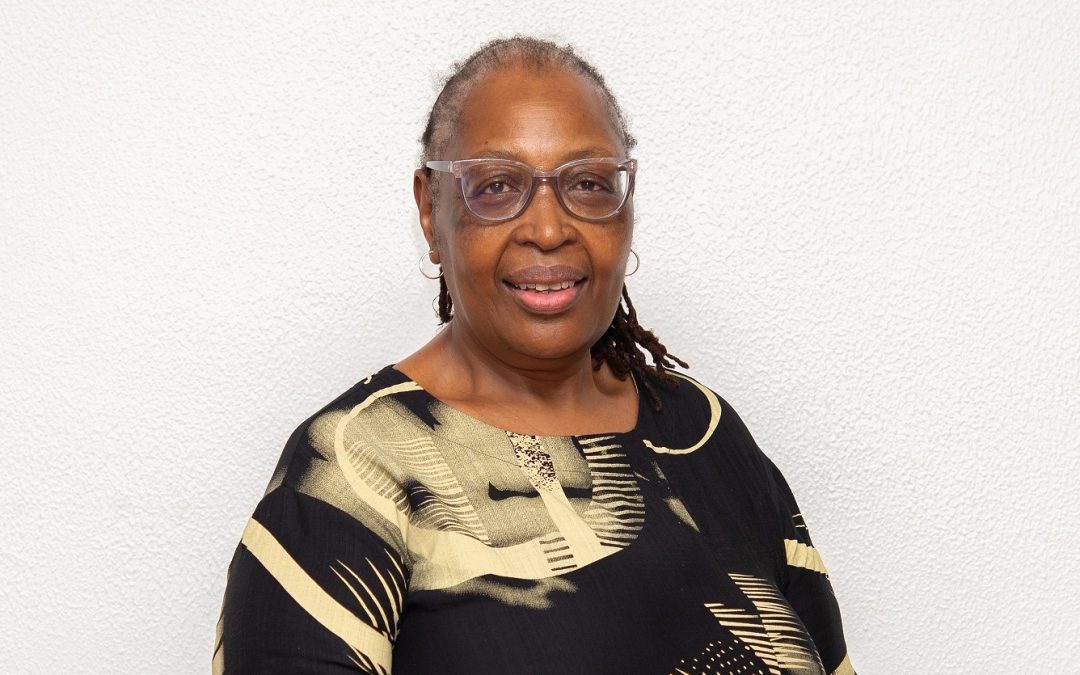
In the evolving landscape of South African higher education, Professor Dini Mawela stands as a beacon of transformational leadership and academic excellence. As the Acting Deputy Vice-Chancellor (DVC): Academic and Research at Sefako Makgatho Health Sciences University (SMU), her journey is one marked by historic milestones, a fierce commitment to equity, and a deep passion for mentorship.
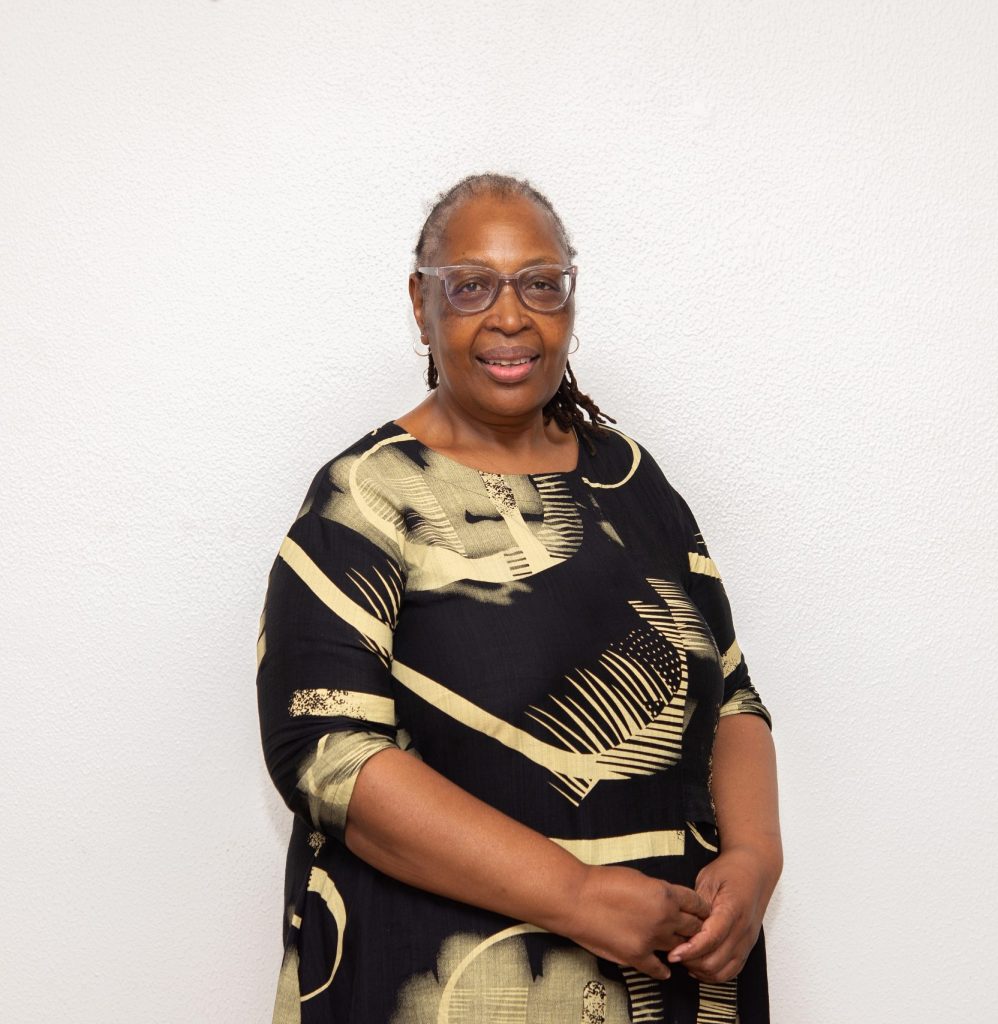 Prof Mawela’s rise through the ranks has been both inspiring and impactful. “I was appointed as Head of Department in Paediatrics and Child Health at SMU and Dr George Mukhari Academic Hospital (DGMAH) in 2016, which marked the beginning of my leadership journey,” she recalls. Her trajectory accelerated in 2020 when she joined the Dean’s Office in the School of Medicine, and then again in 2022 when she became Acting Dean of the School of Dentistry—a role that redefined her leadership path. “From 1 August 2025, I assumed the role of substantive Dean in the School of Dentistry. I am truly honoured to also join Executive Management as Acting DVC Academic and Research,” she says.
Perhaps one of her most defining moments was making history as the first female to lead the School of Dentistry at SMU—and doing so without a background in dentistry. “It’s an honour and testament to the confidence the institution has in inclusive leadership,” she notes with humility.
Balancing her academic leadership with research advancement is no small task, yet Mawela is deeply intentional in her approach. “Universities are recognised based on research outputs. That’s why we must foster collaboration, seek global funding opportunities, and promote research excellence within the institution,” she asserts. Under her guidance, SMU’s research strategy must continue to gain clarity and momentum.
Among the initiatives she has led, the transformation of the undergraduate MBChB curriculum at SMU stands out. “It’s been gratifying to see the implementation phase take shape and receive praise from regulatory bodies,” says Mawela, who chaired the initiative.
Her leadership is not just institutional but emblematic of global progress. “This position is bigger than me. It aligns with Sustainable Development Goal (SDG) 5—to achieve gender equality and empower all women and girls,” she explains. For Mawela, education, especially higher education, is central to driving sustainable development.
Women in academia, she believes, are critical agents of change. “We bring resilience, diverse perspectives, and transformational qualities essential for navigating adversity. Our full participation is necessary for progress in higher education and healthcare,” she insists.
Mentorship, she adds, is not optional—it is essential. “I’m here today because others mentored me. I now intentionally create opportunities to support students and academics, ensuring we nurture growth early and continually.”
Her contribution to research is equally impressive, having supervised over 26 Master’s students in Paediatrics and collaborated on publications in high-impact journals. Her mentorship legacy continues to shape emerging researchers nationally and internationally.
As for the next generation, Mawela urges women to believe in possibilities. “At SMU, the Vice-Chancellor is a Black woman. The path has been created. It requires investments in self-development, emotional resilience, and commitment to personal growth. Let’s rise together.”
And if there’s one legacy she wishes to leave behind? Her answer is simple yet profound: “I cared for people.”
By Tumelo Moila
by Lorato | Aug 13, 2025 | All News, SMU Media, Student Media
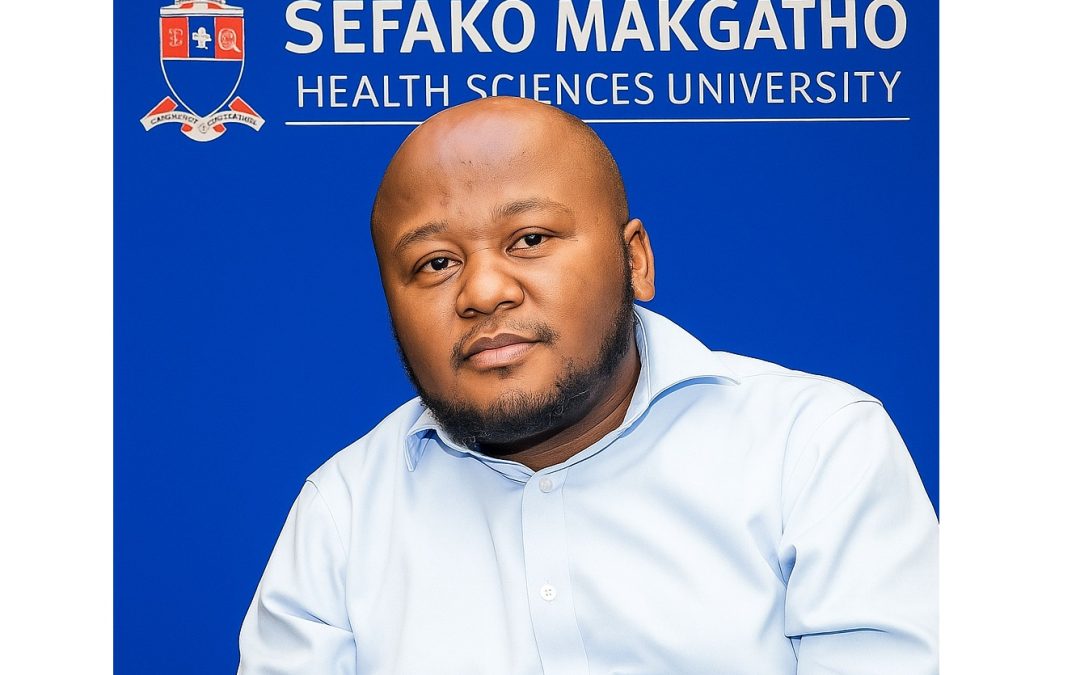
With an eye on digital innovation and a firm belief in inclusive leadership, Nkosenhle Ngongoma is bringing fresh energy and a future-focused outlook to his new role as Deputy Chairperson of the Council at Sefako Makgatho Health Sciences University (SMU).
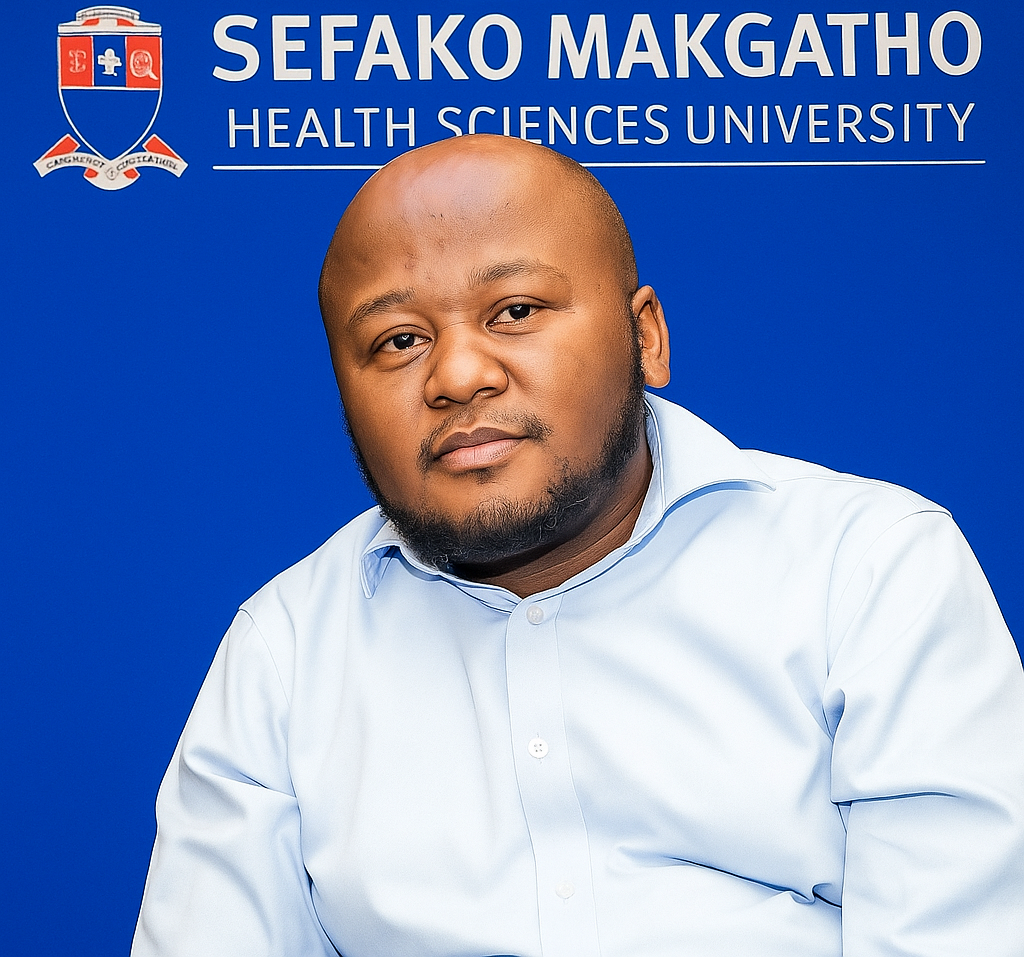 Currently serving as Information Technology (IT) Director at City Lodge Hotels, Ngongoma’s extensive background in the Information and Communication Technology (ICT) sector offers a strategic advantage to SMU’s governance. His career spans over two decades, including senior leadership positions such as Group Chief Information Officer (CIO) at Ascendis Health and CIO at Toyota Financial Services. Now, his expertise is helping shape the digital transformation of one of South Africa’s leading health sciences universities.
“One of the primary factors that drew me into higher education governance was the critical need for digital transformation in this sector,” says Ngongoma. “From modernising learning and research systems to optimising student engagement platforms, universities require bold and informed ICT leadership to thrive in the 21st century.”
Ngongoma’s election as Deputy Chair of Council reflects the confidence his peers place in his leadership. More than a technical strategist, he has evolved into a holistic governance leader committed to institutional excellence and social impact. “It is a great honour, both personally and professionally,” he shares. “My collaboration with the former Chairperson inspired me to contribute beyond my technical background.”
As Deputy Chairperson, Ngongoma envisions his role as both complementary and collaborative. “I support the Chairperson in shaping a Council that is diverse, inclusive, and impact-driven. My responsibility is to act as a sounding board, ensure the Council’s mandate is realised, and provide continuity when required.”
His leadership is grounded in accountability, stewardship, and purpose. “Leadership today is not about holding a title,” he notes. “It’s about being visionary, principled, and adaptable. I strive to lead with courage and humility.”
Ngongoma’s values are closely aligned with SMU’s mission to advance health sciences education, research, and community service. “Every decision we make must answer one question: How does this serve our students, staff, communities, and future?”
His role as an external Council member uniquely positions him to connect the University with the broader ecosystem of government, industry, and civil society. “I offer a perspective rooted in real-world demands, helping SMU maintain relevance while navigating complex challenges.”
A champion for youth leadership, Ngongoma is passionate about mentoring future Council members. “We must build a pipeline of capable and passionate future governors. Alumni, former student leaders, and community stakeholders are vital to this effort.”
Outside of SMU, he serves on several governance structures, including the Audit & Risk Management Committee at the National Credit Regulator and the ICT Strategic Committee of the Quality Council for Trades and Occupations (QCTO). He holds qualifications from Wits, TUT, and DUT, and is a member of the Institute of IT Professionals South Africa.
Closing with a message to the SMU community, Ngongoma affirms:
“Governance is not about control, but upliftment, service, and shared purpose. Transformation is a collective journey—and I thank the SMU community for the opportunity to serve.”
By Tumelo Moila

by Lorato | Aug 13, 2025 | Accolades and Achievements, All News, SMU Media, Student Media
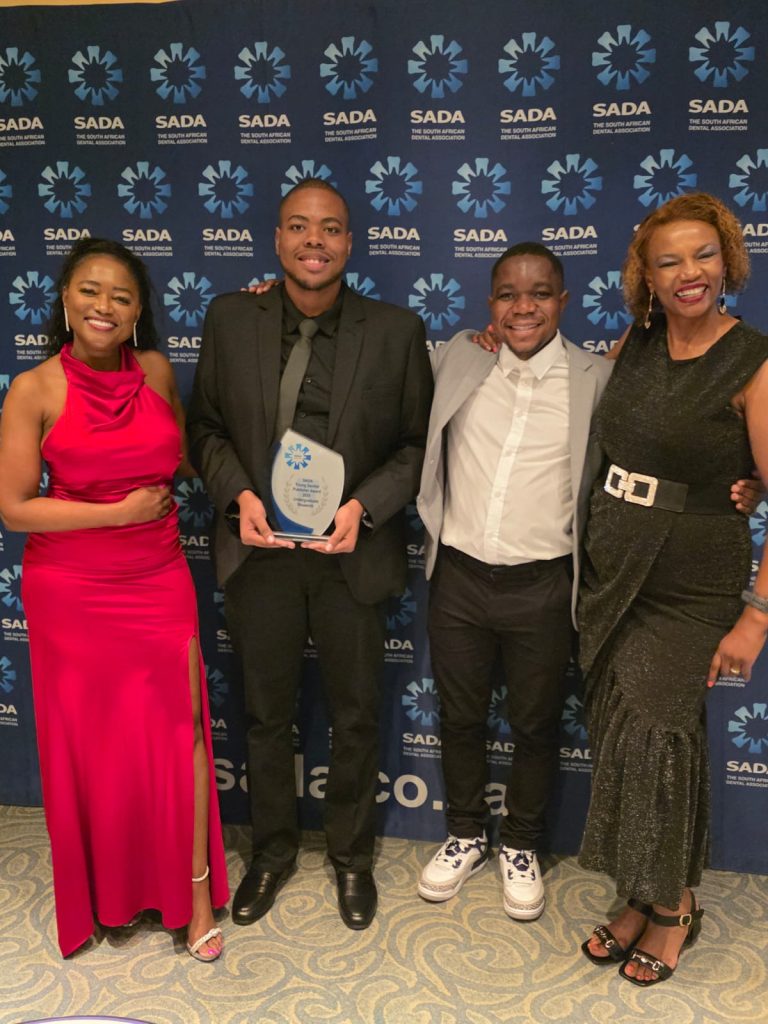
Final-year Bachelor of Dental Surgery (BDS) student, Tshepang Lenkoe, has proudly reintroduced Sefako Makgatho Health Sciences University (SMU) Dental School to the national stage after winning the prestigious 2025 South African Dental Association (SADA) Young Dentist Publisher Undergraduate Research Award.
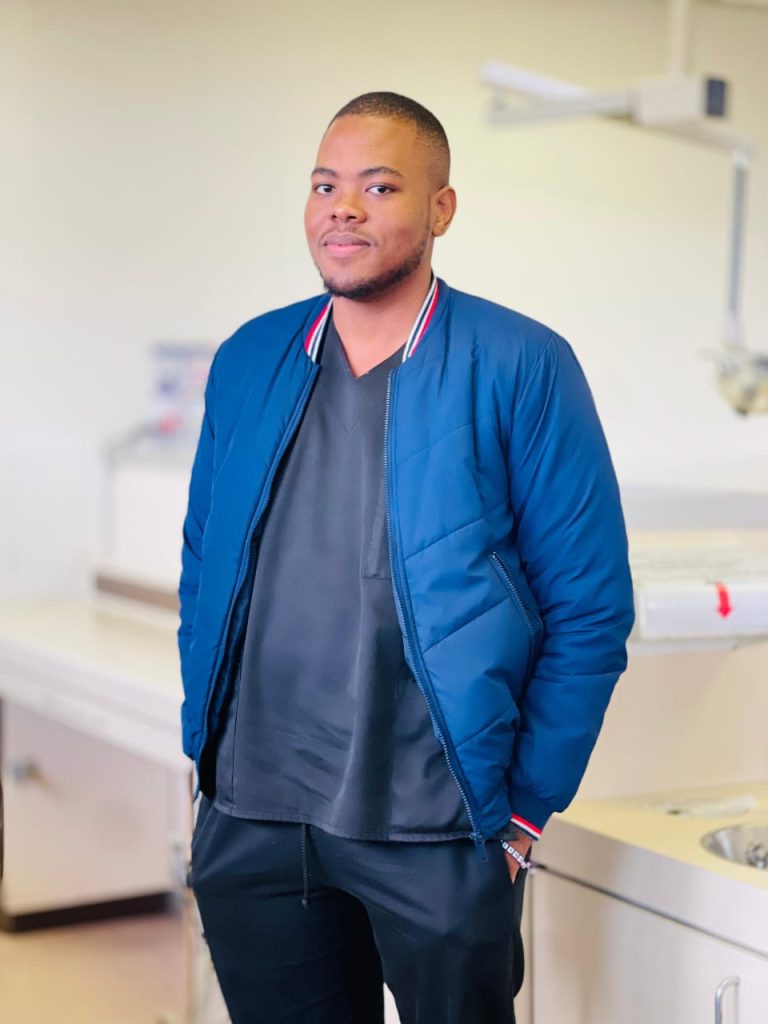 Lenkoe, who also serves as a class representative and member of the Dental Student Council, chose dentistry to address the pressing need for accessible oral healthcare in South Africa. Growing up, he witnessed countless individuals suffering from oral health problems without access to a dentist. “I wanted to bring change to my community,” he said. “Dentistry offered me the opportunity to provide a direct service that could transform lives.”
His journey through dental school has been far from easy. Balancing demanding clinical duties with student leadership roles required discipline, effective time management, and resilience. “Helping my peers while excelling academically meant structuring my time meticulously. It’s been challenging physically and mentally, but it has taught me patience and the importance of perseverance,” he reflected.
The award-winning research that earned him national recognition was titled Diagnosis and Management of a Cystic Lesion: The Use of CBCT – A Case Report. His study compared the diagnostic accuracy of Cone Beam Computed Tomography (CBCT) with conventional radiographic imaging. “SMU Dental School handles many head and neck cystic lesions, serving as a primary referral hospital for Gauteng, Limpopo, and North West. My research highlighted CBCT’s superior diagnostic capabilities, showing reduced chances of misdiagnosis compared to traditional methods,” Lenkoe explained.
 His findings also carried a broader message: the urgent need for investment in state-of-the-art diagnostic equipment to better serve South Africa’s population. While obtaining biopsy results in time posed challenges, the radiographic reports from CBCT enabled him to make a confident diagnosis and compare it to international literature.
Winning the award was a deeply personal achievement. “It was surreal,” he said. “I wanted to make my family proud and represent black students on a national platform. No SMU dental student had attended SADA or participated in the research competition for five years, and no SMU student had won in seven. This victory showed that we can compete at the highest level.”
The experience at the SADA Congress was both inspiring and affirming. An international keynote by Canadian dual specialist Dr David Chvartszaid reinforced Lenkoe’s passion for academic dentistry, while the encouragement of SMU lecturers and research mentors Dr Idah Mmutlana and Dr Ntombizodwa Zwane kept him motivated during research setbacks.
Looking ahead, Lenkoe aims to specialise in prosthodontics and remain active in academic dentistry to train future professionals. He also intends to continue research to contribute to South Africa’s growing body of dental knowledge. His advice to young dentists is simple yet powerful: “Pursue research. It enhances clinical skills, professional competence, and the quality of patient care.”
Through his dedication, Lenkoe has not only earned a national accolade but also reignited SMU’s presence in the dental research arena—an achievement that may inspire a new generation of South African dental scholars.
By Tumelo Moila