by Lorato | Aug 7, 2025 | All News, SMU Media, Student Media
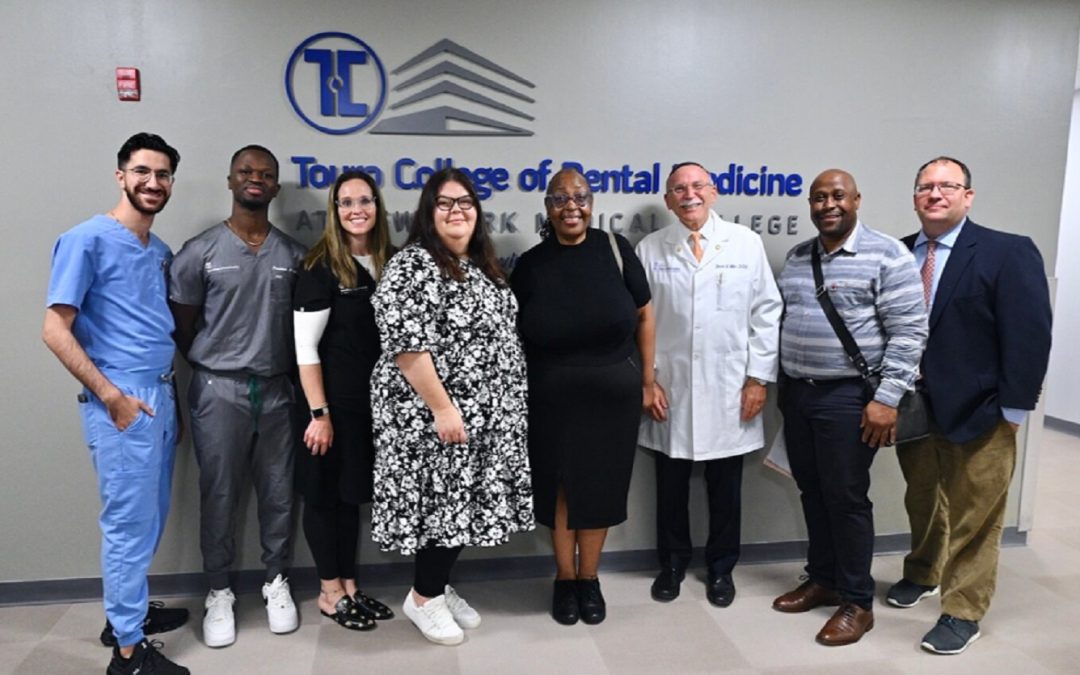
Sefako Makgatho Health Sciences University (SMU) recently hosted a joint webinar with Touro University’s School of Dental Medicine, based in New York, USA, to advance global academic exchange and promote interdisciplinary collaboration in the diagnosis and management of Temporomandibular Joint Disorder (TMD). The session was facilitated by Professor Douglas Maleka, Dean of the School of Health Care Sciences at SMU.
 This webinar forms part of a growing international partnership spearheaded by the university’s Directorate of Internationalisation. Dr Carlien Jooste, Director of Internationalisation at SMU, stated that the initiative aligns with the institution’s broader mission: “As the only dedicated health sciences university in Southern Africa, we have a responsibility to engage in meaningful cross-border collaborations that push the boundaries of knowledge and clinical innovation. This partnership allows us to benchmark against international best practices and expand our academic footprint.”
A highlight of the session was a complex case study presented by Dr Dakalo Nelwamondo from the School of Dentistry at SMU. It featured a 39-year-old male inmate experiencing persistent jaw pain, restricted mouth opening, and bilateral preauricular tenderness, years after a motor vehicle accident. The case provided real-world insight into the chronic challenges of diagnosing and managing TMD.
The webinar’s interdisciplinary format brought together specialists from a range of healthcare fields. Dr Singh Rajbaran from Maxillofacial and Oral Radiology offered insights into the importance of detailed imaging in diagnosis. Dr Sibusiso Mpungose from Prosthodontics discussed the Diagnostic Criteria for Temporomandibular Disorders (DC/TMD) Axis I and II diagnostic frameworks. He explained that Axis I focuses on the clinical physical diagnosis of TMD, including muscle and joint conditions, while Axis II assesses psychosocial factors and pain-related disability. “A systematic, patient-specific approach is essential,” he noted. “TMD is multifaceted—it requires looking beyond just mechanical symptoms.”
From physiotherapy, Ishmerelda Mabena-Segoe and Dr Muhammad Dawood explored conservative rehabilitation strategies such as movement-based therapy, postural correction, and trigger point treatment. “Our goal is to restore function while minimising invasive interventions,” said Mabena-Segoe.
Dr Rahab Mothapo from the Department of Speech-Language Pathology and Audiology highlighted oral-motor rehabilitation—an often-overlooked aspect of TMD management. “TMD affects more than jaw movement—it impacts speech, swallowing, and overall communication,” she explained.
Jacques Pretorius, Clinical Psychologist and Lecturer in the School of Medicine, addressed the psychosocial implications of TMD. “Chronic pain is never just physical,” he emphasised. “In South Africa, we must approach pain through a biopsychosocial–spiritual lens to ensure holistic care.”
In closing, Professor Irene Munzhelele, Maxillofacial and Oral Surgeon, stressed the need for collaboration across disciplines. “Effective TMD treatment is not the domain of one profession,” she said. “It requires a team-based approach, integrating dental, medical, therapeutic, and psychological care.”
This event reflects SMU’s commitment to academic excellence and global engagement. The successful webinar paves the way for further collaborative efforts and shared learning opportunities. As Jooste remarked, “This is not just about knowledge sharing—it’s about reimagining how we train future health professionals to work together, across borders and disciplines, for the benefit of our patients.”
With additional webinars and joint initiatives planned, SMU continues to position itself at the forefront of transformative health sciences education and research, both locally and globally.
By Dimakatso Modise

by Lorato | Jul 31, 2025 | All News, SMU Media, Student Media
In a significant development in South Africa’s healthcare sector, Dr Muziwakhe Tshabalala, the acting Head of the Department of Physiotherapy at Sefako Makgatho Health Sciences University (SMU), has been reappointed to the board of Tshwane District Hospital and elected as its Chairperson. This appointment marks his second consecutive term and underscores his exceptional leadership and commitment to community-oriented healthcare delivery.
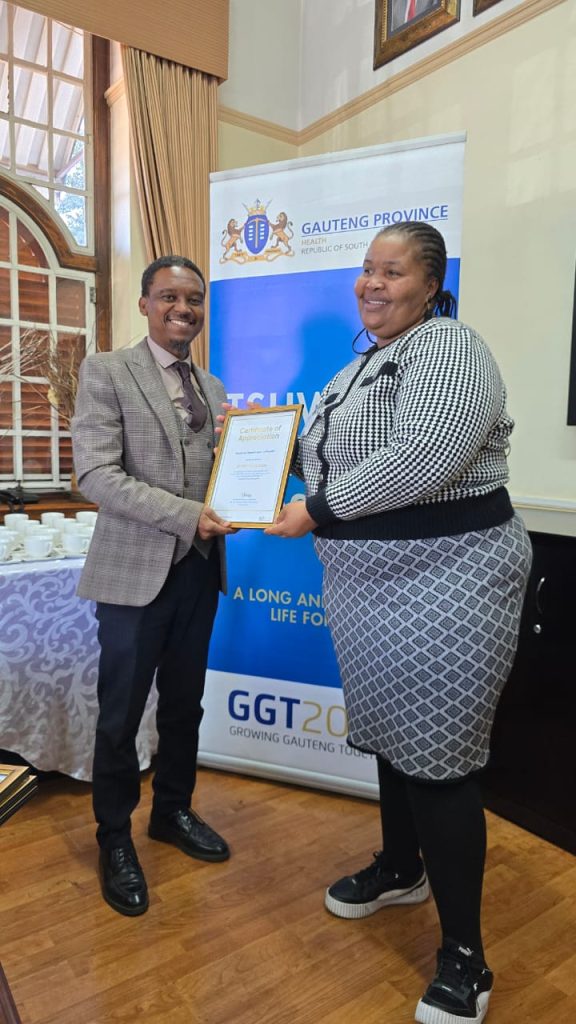 His dual recognition comes as part of a broader provincial initiative to strengthen governance, accountability, and community engagement in public health institutions. The announcement was made by Gauteng MEC for Health and Wellness, Nomantu Nkomo-Ralehoko, during an induction ceremony held at the Charlotte Maxeke Johannesburg Academic Hospital. A total of 207 board members were appointed to serve across 34 public hospitals in the province from July 2025 to March 2028.
Tshabalala’s continued presence on the board is a reflection of his exceptional leadership in health sciences and commitment to community-oriented healthcare delivery. As Chairperson, he will play a leading role in overseeing hospital operations, chairing board meetings, advising hospital management, and driving initiatives to improve service delivery. His responsibilities are guided by the National Health Act (No. 61 of 2003) and the Hospital Ordinance Act (No. 4 of 1999), which outline the critical role of board members in ensuring functional and responsive healthcare systems.
With a strong background in both academia and clinical practice, Tshabalala brings a unique perspective to hospital governance. As acting head of SMU’s Department of Physiotherapy, he has championed interdisciplinary collaboration and innovative approaches to health education. Notably, he played a key role in fostering partnerships between Tshwane District Hospital and the Pretoria School for Learners with Cerebral Palsy, helping to expand access to rehabilitative care for children with disabilities.
“This is my second term at the same hospital, and I am deeply honoured to be elected as Chairperson,” said Tshabalala. “It is a privilege to serve at a time when our healthcare system is undergoing vital reforms. I remain committed to improving governance, enhancing patient care, and building trust between public institutions and the communities they serve.”
All board members are required to formally accept their appointments and adhere to the Department of Health’s governance framework, which emphasises ethical conduct, transparency, and community involvement.
As Chairperson, Tshabalala is uniquely positioned to influence healthcare delivery in a peri-urban setting, while continuing to bridge the gap between academic institutions and the public health sector. His leadership is expected to support the province’s broader vision of a people-centred, efficient, and equitable healthcare system.
By Tumelo Moila

by Lorato | Jul 31, 2025 | All News, SMU Media, Student Media
In a heartwarming and inspiring story of grit, purpose and academic triumph, 25-year-old Dr Thobani Ngomane, born and raised in the rural community of Nkomazi in Mpumalanga, has emerged as a symbol of hope and perseverance, having completed his medical degree at Sefako Makgatho Health Sciences University (SMU) with distinction. Raised by his grandmother in a household that valued discipline, respect and hard work, Ngomane describes his journey as one deeply rooted in gratitude. “She is my rock,” he says. “Her sacrifices are the foundation of everything I’ve achieved.”
 Although he was initially nudged towards medicine due to his academic strength, it was witnessing the health struggles in disadvantaged communities and his desire to give back that solidified his calling. “I wanted to be part of the solution,” he says. “To be a kind, respectful presence in a system that often fails our people.”
Medical school was no easy feat. Ngomane recalls the long hours, intense pressure, and emotionally taxing moments. “Yes, it was as demanding as they say—physically, mentally, emotionally. But I learnt to work smart, to break things down, and above all, to pray,” he shares. Visual learning methods, group study, and resilience were key tools in his success.
Despite facing social anxiety, academic doubts, and moments of being underestimated, he graduated cum laude, fulfilling a promise he made to himself back in 2017. “It was about reclaiming my worth,” he reflects. “Proving to myself that I belonged here.” His time at SMU was more than just academic. As a member of the LGBTQ+ community, he found acceptance and safety in the university’s inclusive environment. He recalls clinical mentor Sister Florence Makena with special affection. “She reminded me so much of my grandmother—kind, patient, nurturing.”
Ngomane’s clinical experience also left a lasting impression. One standout memory involved helping stabilise a patient with an acute asthma attack. “That moment reminded me exactly why I chose medicine.” Now in his internship at Themba Hospital in Mpumalanga, he’s soaking up real-world experience and hopes to explore a passion for forensic pathology. Long-term, he envisions himself as a specialist known for excellence and compassion.
For the people of Nkomazi and his family, particularly his grandmother, his achievement is monumental. “In our community, being a doctor means everything,” he says. “To my grandmother, I say: thank you. You raised a doctor.”
His advice to aspiring medical students? “Study smart, take care of your mental health, and believe in your purpose. Distinctions are doable if you go the extra mile.”
Living by the philosophy that “God is the starter of everything,” Ngomane’s story is one of faith, courage, and purpose—a powerful reminder that one’s roots can indeed lead to greatness.
By Tumelo Moila
by Lorato | Jul 31, 2025 | All News, SMU Media, Student Media
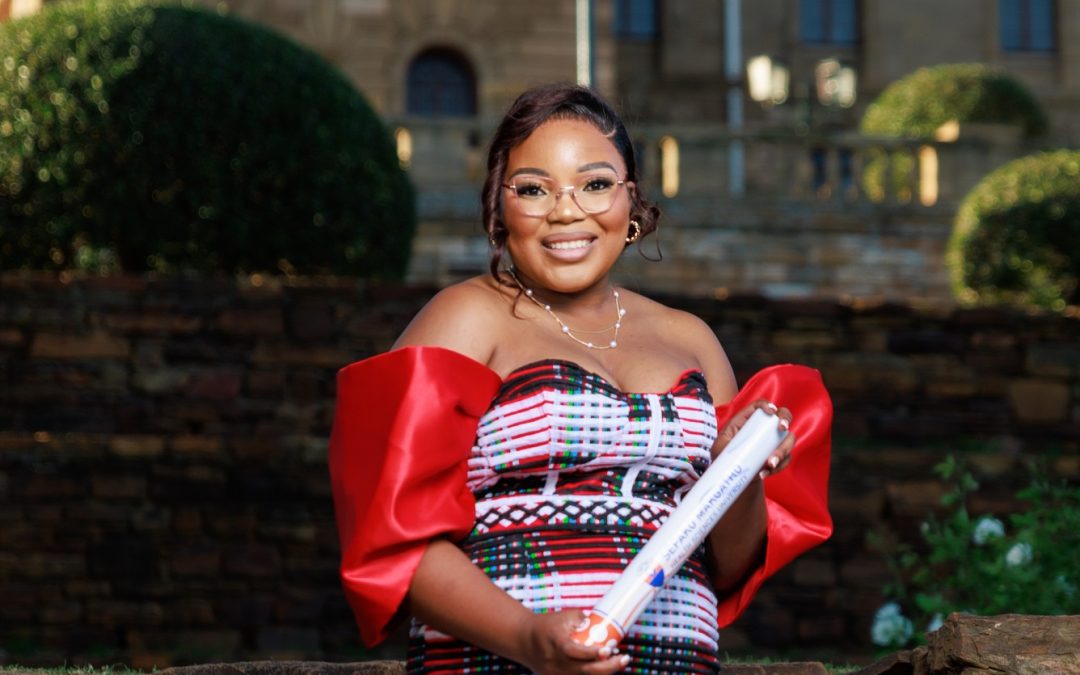
The journey to becoming a doctor is rarely smooth—but for Dr Konanani Nemakwarani, from Sibasa Mbilwi in Venda, Limpopo, it has been one marked by passion, sacrifice, and unyielding purpose. Recently graduating cum laude with a Bachelor of Medicine and Bachelor of Surgery (MBChB) from Sefako Makgatho Health Sciences University (SMU), Nemakwarani’s story is both deeply personal and profoundly inspiring.
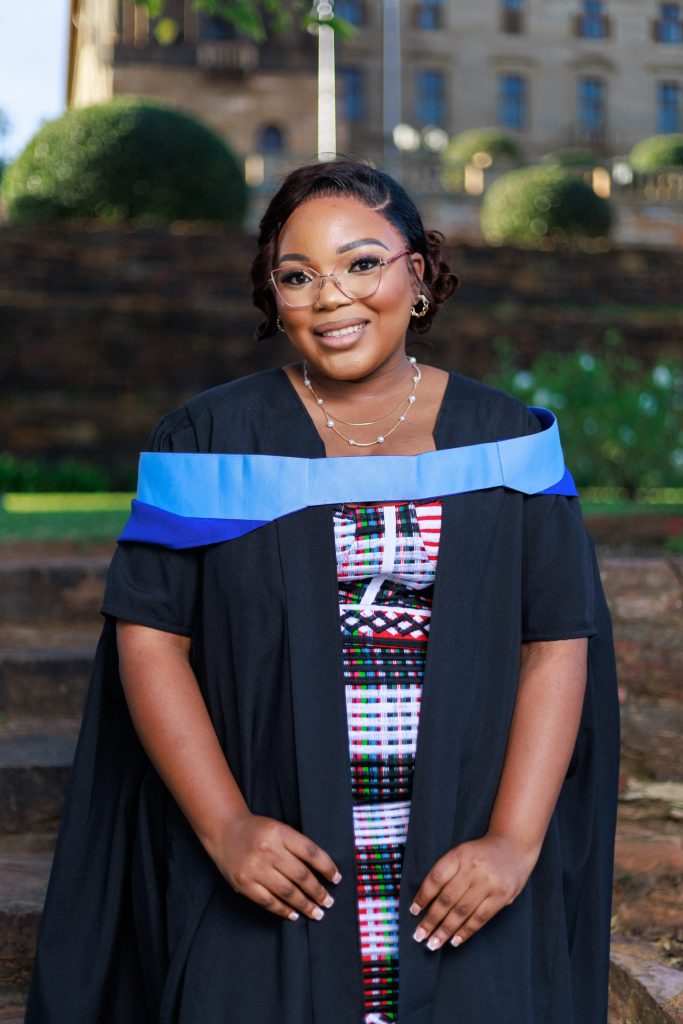 “I have always been fascinated by how the human body works,” she shares. “Watching my mother—a professional nurse—care for others inspired me to want to be part of healing and hope.” That inspiration took root during a visit to Tshilidzini District Hospital, where shadowing various departments solidified her belief that medicine was her calling. Her early academic interests, especially in Life Sciences, were nurtured by a dedicated principal who also served as her teacher. “His teachings deepened my desire to understand the human body and its functions,” she recalls.
Graduating cum laude represents more than academic achievement for Nemakwarani—it reflects years of dedication, sacrifice, and the unwavering support of family and peers. Her study strategies included “layered learning” techniques like summarised notes, spaced repetition, active recall, and, crucially, peer discussions. “Teaching others helped me apply complex information to real-life scenarios,” she says.
Despite her success, medical school was not without challenges. Obstetrics and Gynaecology proved especially demanding, both academically and physically. “The 24-hour calls and tight assessment deadlines were tough, but guidance from seniors, early study sessions, and a positive attitude kept me going.”
She credits SMU for giving her a strong academic foundation and a sense of belonging. “It was home away from home,” she says. More importantly, SMU instilled in her the values of ubuntu and equality—shaping the compassionate doctor she aspires to be. “Whether you come from a disadvantaged background or not, everyone is treated equally. That translates into how I treat my patients—with kindness and humanity.”
Her most rewarding clinical rotations were Paediatrics and Psychiatry. “Paediatrics allowed me to make a lasting impact on children’s futures, while Psychiatry taught me the value of human connection,” she explains. One particularly moving moment involved a mental health patient thanking her for simple dignity—an experience that reaffirmed her calling.
Now completing her internship, Nemakwarani is keen to explore Psychiatry, drawn by its depth and continuity of care. But her vision stretches beyond the clinic: she sees herself contributing to medical education, policy reform, and health equity in South Africa. “Young doctors must engage beyond the bedside—we are the future of our healthcare system.”
Above all, she credits her mother, Constance Makwarela, for being her unwavering source of strength. “Your sacrifices and prayers made this possible,” she says.
Her guiding philosophy? A powerful verse from Luke 12:48—“To whom much is given, much is required.” It’s a reminder that the privilege of medicine comes with a duty to serve with humility, compassion, and excellence.
By Tumelo Moila

by Lorato | Jul 31, 2025 | All News, SMU Media, Student Media
At just 24 years old, Dr Keamogetswe Sekwele has already carved out a legacy of excellence, compassion, and determination. Hailing from Hammanskraal in northern Gauteng, she recently graduated cum laude with a Bachelor of Medicine and Bachelor of Surgery (MBChB) from Sefako Makgatho Health Sciences University (SMU), marking not only a personal triumph but a historic milestone as the first doctor in her family.
 Raised by two dedicated educators, Sekwele was inspired from a young age by her parents’ unwavering commitment to their learners. “Watching them, I learnt the art of humility,” she says. “Helping someone in their time of need became natural to me.”
Her passion for medicine was sparked at the age of 12 during a school career day. “All my interest was captured by medicine,” she recalls. That spark turned into a steady flame, fuelled by her academic consistency, resilience, and a heart committed to service.
Graduating cum laude represents more than academic prestige to her—it stands as a symbol of her perseverance. “It’s a reflection of my ability to set goals, work towards them, and achieve them through sustained effort,” she explains. “It reminds me to strive for success in all areas of life.”
The journey, however, was not without difficulty. “Chemical pathology and paediatrics were challenging,” she admits. But through active engagement, diverse study methods, and peer discussions, she conquered them. “Consistently studying, asking questions, and using tools like YouTube, lecture slides, and helpful apps made all the difference.”
Her time at SMU left a lasting impression. She describes the university as a “family,” praising its supportive environment and diverse community that shaped her into a doctor who is not only skilled, but also empathetic and relatable. Among the many who impacted her journey, Prof Zach Koto, now President of the Colleges of Medicine of South Africa (CMSA), stands out. “His lectures were more than academic—they were transformational,” she says.
Sekwele’s most rewarding clinical experiences were in obstetrics and paediatrics. “Seeing a mother hold her baby for the first time or a child recover under my care gave me purpose,” she reflects. It is this passion for women’s health that now drives her ambition to specialise in obstetrics and gynaecology, a field she admires for its blend of surgery, preventative care, and ongoing innovation.
Despite moments of self-doubt, she remained anchored by her faith and supported by her parents. Bible verses like Philippians 4:13 and Isaiah 41:10 became her mantras. “I reminded myself I was accepted into medicine because I have the intellectual capacity to complete it.”
Now embracing an internship with eagerness at a Tshwane Hospital, Sekwele aims to gain hands-on experience and grow into a well-rounded doctor. In ten years, she sees herself empowering women, contributing to research, and advancing maternal care in South Africa.
To future students, she offers this wisdom: “Be consistent, surround yourself with like-minded, focused people, and be anchored in your values.”
Sekwele celebrated her graduation with an intimate dinner alongside the friends and family who stood by her. Her guiding philosophy, Colossians 3:23, reminds her to work not for praise, but with purpose: “Do your work heartily, as for the Lord.”
By Tumelo Moila

by Lorato | Jul 31, 2025 | All News, SMU Media, Student Media
Years of dedication and resilience have culminated in a remarkable achievement for Dr Katlego Dikgale, who graduated cum laude with a Bachelor of Medicine and Bachelor of Surgery (MBChB) from Sefako Makgatho Health Sciences University (SMU). Hailing from Polokwane, Limpopo, his journey into medicine began early, sparked by frequent childhood visits to healthcare facilities—whether as a patient or observer. “I was drawn to the field through regular exposure to doctors,” he recalls. “Watching them work made me realise how important they are to the wellbeing of communities.”
 However, the strongest influence came from his mother, Dr Itani Thelma Dikgale, a Maxillo-Facial and Oral Surgeon and SMU alumna. Accompanying her to work and engaging with her professional environment planted a seed that eventually blossomed into a deep calling.
Graduating cum laude is a moment Katlego describes as both “humbling and motivating.” Achieving distinction in one of the country’s most demanding programmes was no easy feat. He attributes his success to collaborative learning and a structured routine. “We had end-of-rotation discussions with friends to identify knowledge gaps. Talking through cases together made a real difference.”
Yet, the path was not without its challenges. “Pharmacology was particularly tough. As a visual learner, I relied heavily on diagrams and videos to grasp the content.” Staying focused and adapting his learning style helped him overcome hurdles. “Obstacles are part of the race—you just have to keep jumping over them.”
A particularly defining moment came during his final-year rotation in Obstetrics and Gynaecology. “I started the block feeling disheartened, but gradually regained my confidence. Earning my first distinction during that rotation reminded me of my potential.”
Reflecting on his time at SMU, Katlego says the experience helped shape him into a more empathetic and grounded clinician. “Being part of this community taught me to understand the realities of the people we serve. That perspective is priceless.”
As he embarks on his internship at Dr Pixley Ka Isaka Seme Memorial Hospital in KwaZulu-Natal, he is eager to sharpen his clinical skills. With a strong interest in the nervous system, he is exploring specialities such as neurosurgery, neurology, and psychiatry.
A guiding philosophy, Amor Fati—the love of fate—has anchored him throughout his journey. “It’s about embracing both the highs and lows because they shape who you become.” To fellow and aspiring medical students, he offers heartfelt advice: “You’re already capable. Stay grounded, do the work, and take it one day at a time. Most importantly, enjoy the process.”
He credits his parents for his success. “Everything I am is everything you taught me. Your example paved the way.” His mother proudly reflects: “I’m incredibly proud. It’s every parent’s dream to see their child succeed. I pray he chooses a speciality he loves and fulfils his heart’s desire. Glory to God and our ancestors.” With clarity, compassion, and commitment, Katlego is not only ready to serve—but to inspire.
By Tumelo Moila