by Lorato | Aug 7, 2025 | All News, SMU Media, Student Media
In a significant affirmation of his ongoing dedication to public health governance, Dev Mamabolo, Projects Coordinator in the Technology Transfer Office at Sefako Makgatho Health Sciences University (SMU), has been reappointed to the board of Bertha Gxowa Hospital. He will serve in this capacity until March 2028.
 Speaking after the announcement, Mamabolo expressed both gratitude and enthusiasm for the opportunity to continue contributing. “There were over 5,000 applicants considered, so to be reappointed is not only an honour but also incredibly reassuring,” he said. “It’s exciting to be given another opportunity to serve the people of Gauteng with integrity.”
This marks Mamabolo’s second term on the hospital board, having initially joined in 2023 through a nomination process. His reappointment is intended to ensure continuity and enhance the value brought to the institution. At SMU, his work focuses on driving innovation and research commercialisation — expertise he is keen to apply in the public healthcare space. “Personally, this is a confidence booster. Professionally, it reaffirms that my contributions are recognised by both the hospital and the Gauteng Department of Health & Wellness,” Mamabolo added.
His vision for the upcoming term is to embed innovation within the hospital’s service delivery model. “Digital health technologies such as telemedicine, mobile health applications, and data analytics can significantly enhance care, disease surveillance, and encourage healthy behaviours. Innovation must be part of the boardroom agenda,” he asserted.
Mamabolo acknowledges the demands of balancing his board duties with his role at SMU. “Strategic time management, prioritisation, and a clear understanding of the board’s role are key to succeeding in both spaces,” he said.
He also addressed some of the pressing challenges facing public hospitals, particularly the strain caused by undocumented foreign nationals seeking care.
“While Section 27(1) of the Constitution ensures everyone’s right to access healthcare, we must consider sustainable solutions. As board members, we advise the MEC and can recommend policy directions, such as requiring medical insurance for visitors, similar to international practice.”
Mamabolo sees immense value in strengthening collaboration between academic institutions like SMU and public hospitals. “These partnerships can improve research, education, and the implementation of public health initiatives. SMU’s strength in health sciences should directly support the operational needs of healthcare facilities.”
He has outlined several outcomes he hopes to achieve during his term: improved financial systems, the integration of technology, stronger community engagement, and increased collaboration with industry partners.
On the importance of community involvement, he emphasised: “Community participation enhances accountability and responsiveness. Hospitals must actively involve residents to understand barriers to care and work towards inclusive solutions.”
Looking to the future, Mamabolo believes this role positions him to make broader contributions to healthcare governance. “It provides a front-row seat to the realities of our public health system and an opportunity to shape policy beyond the university context.”
To professionals aspiring to serve in similar roles, his message is clear and encouraging: “The public health sector needs your voice. Your insights can help shape a more equitable and effective healthcare system. Together, we can build a healthier society.”
By Tumelo Moila
by Lorato | Aug 7, 2025 | All News, SMU Media, Student Media
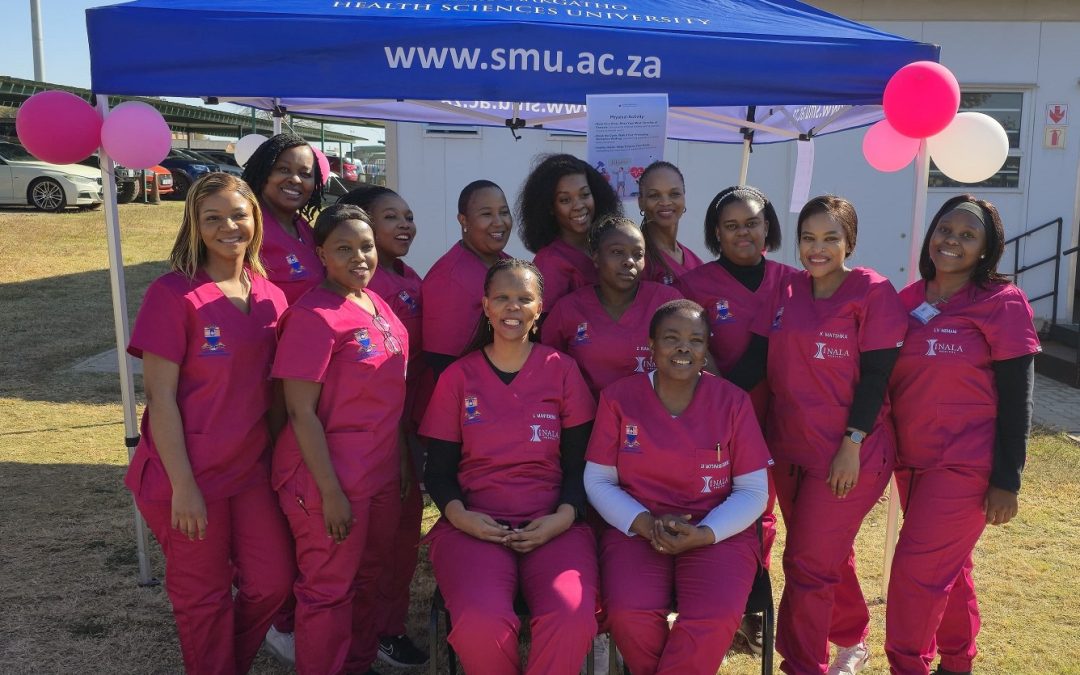
A wave of passion, purpose, and positivity swept across Sefako Makgatho Health Sciences University (SMU) during a transformative Corporate Wellness Day celebration that brought together students, lecturers, and healthcare professionals in a shared commitment to well-being. Guided by the theme #ReconnectMagenta: Recharge with Passion and Reconnect with Purpose, the event was spearheaded by students enrolled in the Postgraduate Diploma in Occupational Health Nursing, under the mentorship of Dr Sophy Moloko, Senior Lecturer and Acting Head of the Department of Nursing Science at the time of the event, and Lorato Manyeneng, Coordinator of the Occupational Health Nursing programme and lecturer in the same department.
 Far more than a scheduled calendar event, the day served as a powerful reminder that aspiring healthcare professionals must prioritise their own well-being as an essential part of their commitment to caring for others.
“We wanted this day to be more than just an event. We aimed to create a meaningful experience that would resonate with students beyond the classroom,” said Moloko. “Wellness is not a luxury — it’s a necessity for every health professional.”
The programme began with a spiritual reflection by student Lesego Matlhare, followed by a safety briefing from fellow student Luthando Mashinini. Katlego Matshika warmly welcomed guests and introduced the speakers and sponsors, while Kealeboga Phiri, Programme Director, and Nomthandazo Nkosi outlined the purpose of the gathering.
“This initiative was created to reconnect us with our passion for care — starting with ourselves,” said Phiri. A compelling lecture series followed, featuring insights from professionals across various sectors. Dr Robert Foromo, Director: Employee Health & Wellness Programme at the Department of Public Service and Administration (DPSA), spoke on achieving a healthy work-life balance.
“Being busy should not mean being burnt out,” he said. “We must build careers that don’t come at the expense of our well-being.”
Dr Obed Mpofu, Head of SMU’s Occupational Health Unit, highlighted that wellness is a daily commitment. “We are not just treating diseases; we are promoting health. That starts with how we live, think, and work every day.”
Delivering the keynote address, Elvis Mokoena, founder of Elvis Koena Konsulting, inspired attendees with a message of purpose and motivation. “You didn’t choose this career by accident. Your presence here means you have a role to play. Reconnect with that purpose and let it fuel your journey.”
Following the lecture session, Lorato Manyeneng delivered a heartfelt vote of thanks to the speakers. “We’re deeply grateful for the wisdom shared today. Your words have planted seeds of growth in SMU staff,” she said.
Dr Lilly Motswasele-Sikwane, Senior Lecturer in the Department of Nursing Science, delivered the closing remarks and applauded the students’ leadership. “Today’s event was more than a success — it was a statement of leadership and purpose.”
The celebration continued outdoors with a dynamic second session, featuring interactive learning. The open space adjacent to the Nursing Department came alive with health screenings, wellness stalls, and fitness activities.
SMU students embraced the opportunity to engage with practical wellness tools applicable to both their personal lives and future professional practice. “Having different stalls and screenings made it feel real — we could see wellness in action,” noted Manyeneng.
What stood out was not only the wealth of information shared but also the spirit of care, connection, and community that defined the event. For many students, it served as a powerful reminder that they are not just studying health sciences — they are preparing to live, embody, and advocate wellness every day.
“Wellness is not a one-time event; it’s a way of life,” concluded Moloko.
“We are proud that our students are carrying that message forward — not only for themselves but for every life they will touch in the future.”
By Dimakatso Modise
by Lorato | Aug 7, 2025 | All News, SMU Media, Student Media
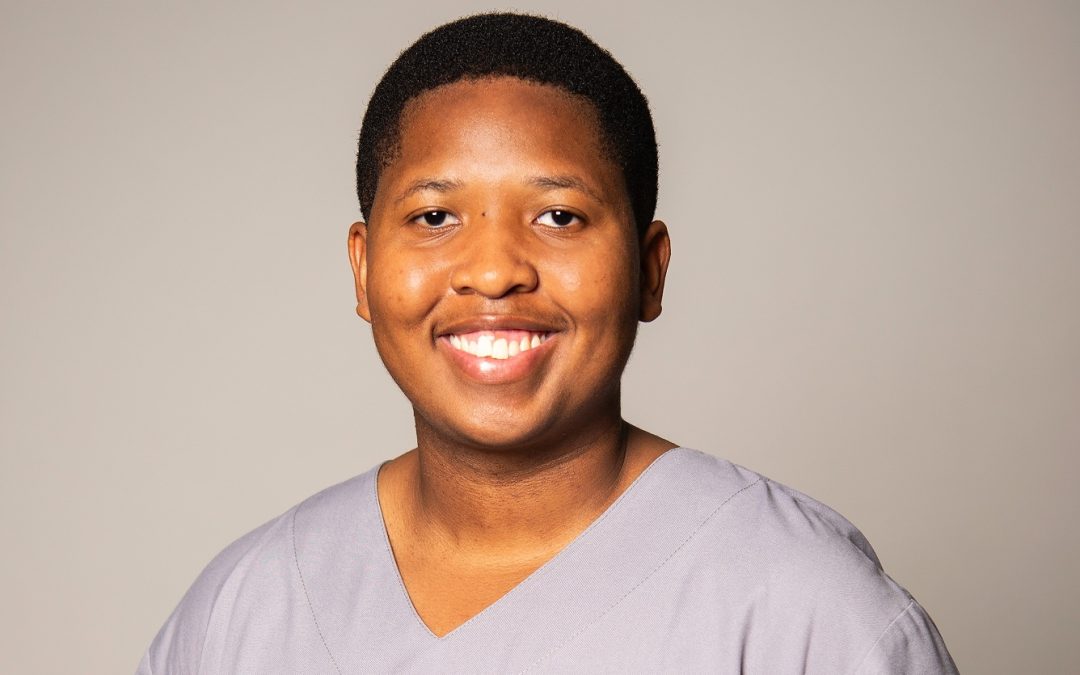
In the vibrant corridors of Sefako Makgatho Health Sciences University (SMU), one name continues to resonate across leadership circles, academic forums, and clinical settings — Tebogo Sekgarametso, a fifth-year medical student whose passion for medicine, surgical education, and peer empowerment has firmly established him as a notable changemaker.
 Sekgarametso’s leadership journey took flight in 2023 with the Medics on Motion organisation, where he initially served as Events Officer and later as Deputy Chairperson. “My earliest goal was to create platforms that equip students with practical skills while strengthening our link to the communities we serve,” he explains. One of his key achievements was organising a burn management workshop, which “provided hands-on experience and opened doors to shadowing opportunities in Plastic Surgery.”
In 2024, his interest in surgery deepened when he joined the Sefako Makgatho University Student Surgical Society (SMUSSS) as Surgical Skills Officer. “We wanted students to practise essential techniques like tendon repair and anaesthesiology in a supportive environment,” says Sekgarametso. Thanks to new collaborations he helped initiate with the Departments of Orthopaedics and Anaesthesiology, these workshops became “not just skill-building exercises but a spark that ignited long-term interest in surgery for many.”
Now in 2025, Sekgarametso serves as Deputy President of SMUSSS, where his leadership continues to shape the society’s vision. “We introduced a research support programme to assist registrars with data collection — a way to involve students meaningfully in ongoing surgical research,” he explains.
His ambitions extend beyond SMU. “Connecting with organisations such as the International Association of Student Surgical Societies (IASSS) and the South African Society of Surgeons in Training (SASSiT) has helped position SMUSSS on the global surgical education map,” he notes. Through his roles on the IASSS Surgical Education Committee and as Academic Coordinator for the IASSS South African Satellite Committee, Sekgarametso collaborates with peers worldwide. “We’re working towards more accessible and standardised surgical education globally.”
His leadership also reaches beyond surgery. To broaden academic focus, he founded The Diagnostic Society, a platform dedicated to internal medicine. “Internal medicine is often underrepresented in student organisations, yet it forms the foundation of clinical decision-making,” he says. “Through electrocardiogram (ECG) workshops and medical talks, we’re equipping future internists with vital skills.”
Sekgarametso’s passion for research is equally evident. “Research gives students a voice in global medical conversations,” he remarks. He led SMU’s student team for the Alligator Study on appendicitis outcomes, co-led the FEMUR Study at Dr George Mukhari Academic Hospital, and currently serves on the RAMPS Study Outreach Team, which investigates lower limb amputations across Sub-Saharan Africa.
Despite a demanding schedule, Sekgarametso remains grounded. “Medicine is as much about leadership and community as it is about science,” he reflects. “Every project I’ve led has been about creating systems that empower others.”
He acknowledges the support behind his success: “None of this would be possible without the unwavering support of my family, friends, and mentors.” He gives special thanks to Dr Nondumiso Makhunga, whom he describes as “a guiding light and mentor during one of the busiest years of my journey.”
Tebogo Sekgarametso is not just a student — he is a leader, teacher, and visionary. SMU proudly counts him among its future healthcare leaders, and the medical community would do well to watch this space.
By Dimakatso Modise

by Lorato | Aug 7, 2025 | All News, SMU Media, Student Media
The Department of Human Nutrition and Dietetics at Sefako Makgatho Health Sciences University (SMU) marked a historic milestone with the official launch of the Human Nutrition and Dietetics Alumni Association, a first for the department and a crucial step in fostering stronger connections between past and present students.
 The idea for the association took root in December 2024, shortly after the university celebrated its 10th anniversary. The department had hosted a well-received webinar featuring alumni success stories. This virtual gathering ignited a wave of nostalgia and a shared desire to reconnect. “The motivation was simple: creating a space to grow together, learn from one another, and give back to the field,” said Vukosi Msimeki, Chairperson of the association.
The official launch took place recently at SMU during an Academic Day, followed by a Gala Dinner at Avenue on Iris. The theme, “Celebrating 50 Years of Excellence: Past, Present & Future,” honoured the rich legacy of the discipline from its Medunsa origins to its current home at SMU.
The launch brought together former students from the Medunsa, UL-Medunsa Campus, and SMU eras, current students, academic staff, and special guests, including representatives from the National Department of Health (NDoH) and the Health Professions Council of South Africa (HPCSA). A standout moment was the keynote address by Prof Pauline Monene Nkone Kuzwayo, a former HOD, who reflected on the evolution of dietetics and its essential role in addressing malnutrition in South African communities.
The association’s mission centres on building relationships, supporting professional development, and advancing the dietetics profession through mentorship, research, curriculum collaboration, and community outreach. It plans to offer biweekly CPD webinars, promote academic growth through MSc and PhD enrolment encouragement, and foster strong mentorship ties for emerging professionals.
An elected executive committee—comprising alumni from various graduating classes—was formally introduced during the Gala Dinner. The committee includes Vukosi Msimeki (Class of 2011) as Chairperson, Leepile Mantjane (Class of 2017) as Deputy Chairperson, Thandeka Mhlanga (Class of 2011) as Secretary-General, Adelaide Matheba (Class of 2010) as Deputy Secretary, Dr Suzane Mokone (MSc Class of 2017 & PhD Class of 2022) as Treasurer, and Additional Members Ntsako Mathye (Class of 2008) and Kgomotso Kgatlhanye (Class of 2001). Over the next 12 months, the committee plans to launch a searchable alumni directory, organise networking events, and work closely with the department to ensure the curriculum remains responsive to evolving industry demands.
 “In five years, we want this association to be a national leader in professional development, a space for innovation, and a proud pillar of SMU’s legacy,” said Secretary General Thandeka Mhlanga.
For Mhlanga, the association is more than a network—it’s a return to shared roots. “Having a community that still links me to my tertiary institution feels like home,” she reflected.
To learn more or get involved, alumni are encouraged to join the WhatsApp group and watch for updates via social media and official departmental emails.
The SMU Human Nutrition and Dietetics Alumni Association is not just a platform—it’s a movement. One that promises to inspire, connect, and empower for years to come.
By Tumelo Moila
by Lorato | Aug 7, 2025 | All News, SMU Media, Student Media
Curious minds from Moshubaba Secondary School in Moletjie Mashobohleng, Limpopo, were recently given a glimpse into the future during an inspiring visit to one of South Africa’s leading health sciences institutions, Sefako Makgatho Health Sciences University (SMU).
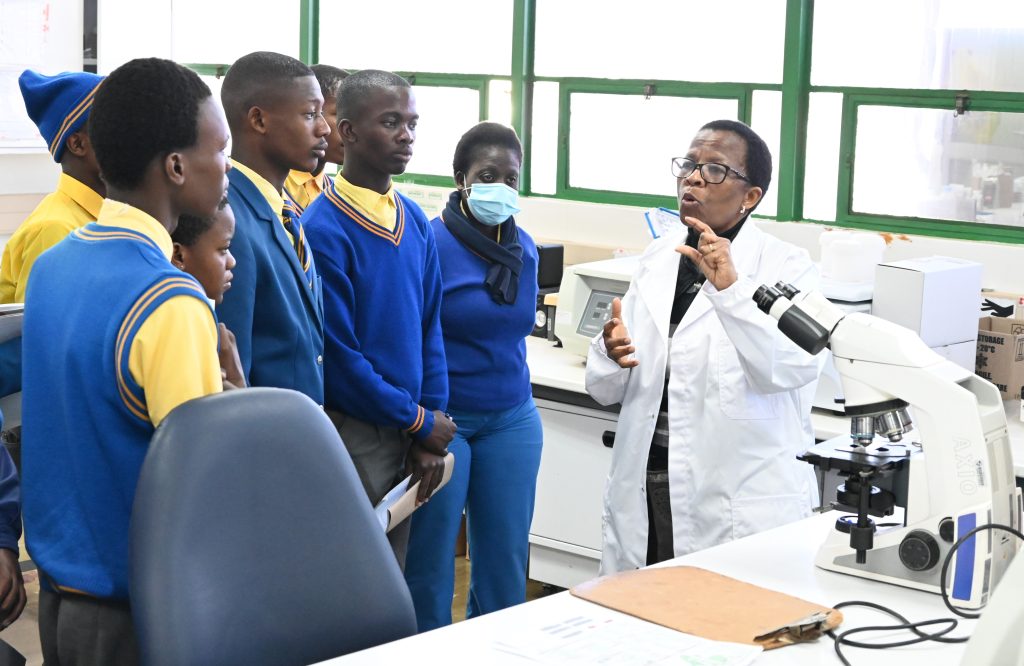 Led by caretaker principal and Mathematics teacher Thapelo Zacharia Sebe, a group of 20 learners from Grades 10, 11 and 12—specialising in the science stream—embarked on an educational journey designed to ignite curiosity and broaden horizons. The visit offered real-world exposure to the diverse possibilities within the fields of science and healthcare.
“This visit was an eye-opener for our learners,” said Sebe, who teaches Mathematics from Grade 9 to 12. “It allowed them to connect classroom theory with real scientific applications and helped many of them see that a future in health sciences is possible. We’re grateful to SMU for the opportunity.”
The visit formed part of SMU’s ongoing schools outreach programme, coordinated by the Student Recruitment Office in the Communications and Marketing Department. The initiative seeks to introduce learners from underrepresented communities to SMU’s academic offerings, helping to inform career decisions and inspire future health professionals.
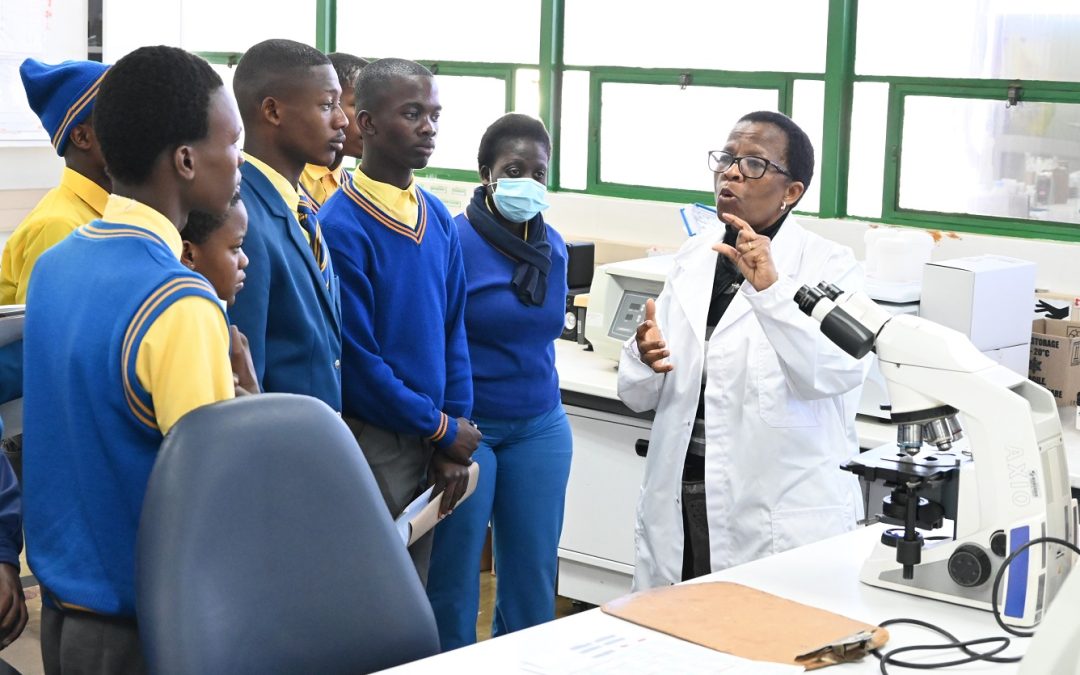
During the visit, learners were taken on a guided tour of various departments, including Virology, Microbiology, Chemistry, Biology and Environmental Sciences, and Human Anatomy. These interactive sessions gave learners a chance to witness the application of scientific theory in practical laboratory settings.
A major highlight of the visit was an engaging session with Professor Maphoshane Nchabeleng, Head of the Department of Microbiology. Nchabeleng spoke about the critical role of microbiology in public health and led the learners through her department’s lab, offering insight into ongoing research. “As a university, we have a duty to reach out and show young people that their dreams are valid. A simple visit can plant the seed for a future scientist, doctor, or researcher,” she said.
The group also had the opportunity to hear from Dr Nkosiphendule Khuthazelani Xhakaza, Lecturer in the Department of Human Anatomy and Histology. “I know the value of being exposed to opportunity. Many of us started in communities like yours. One spark of interest is all it takes to change a life,” he said, encouraging learners to pursue their goals with confidence and resilience. Academic staff from all participating departments went the extra mile to make science relatable introducing their fields of expertise, demonstrating equipment, and explaining key concepts in ways that sparked both interest and engagement.
 To mark the occasion, learners and educators received branded SMU gift bags and copies of the University’s prospectus, which outlines academic programmes, application guidelines, and campus life. For many of the learners, the experience was life changing. “I was amazed to see how much happens in a lab. I’ve always liked science, but now I can actually see myself becoming a medical scientist one day,” said Potso Senyolo, one of the Grade 12 learners.
Mosa Setelele, a Grade 11 learner, added: “Before this visit, I wasn’t sure what I wanted to do after matric. But now I know that I want to apply to SMU. It feels like a place where people like me can belong and succeed.”
This initiative reflects SMU’s core values of excellence, integrity, respect, accountability, and compassion. Through meaningful engagement with schools, SMU continues to shape a more informed and inspired generation—one learner at a time.
By Dimakatso Modise
by Lorato | Aug 7, 2025 | All News, SMU Media, Student Media
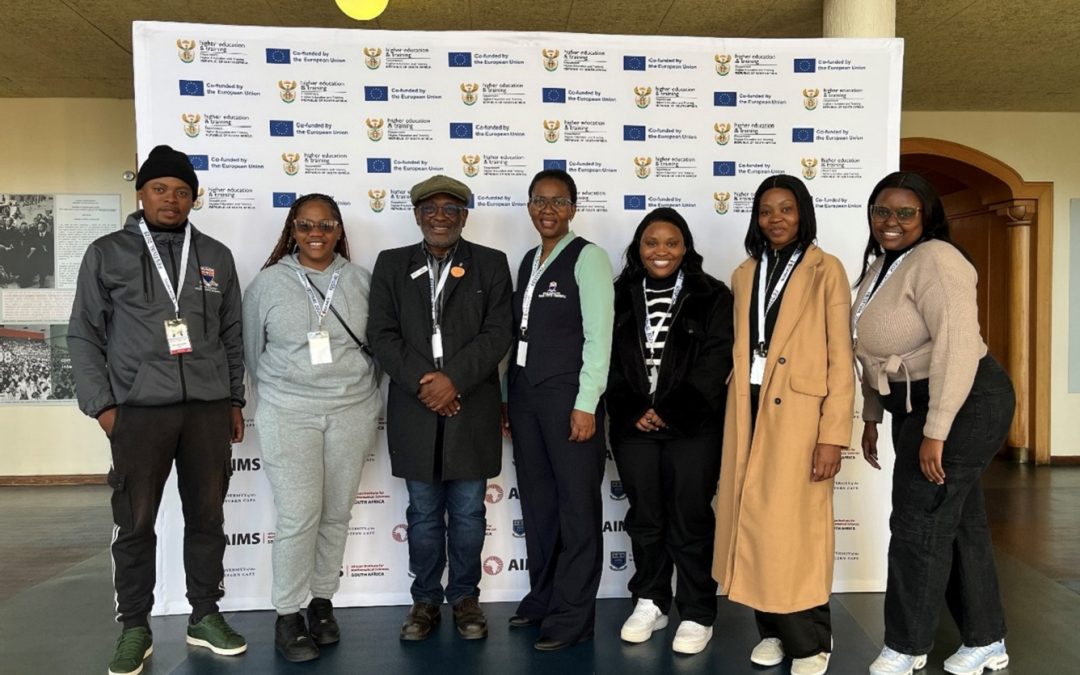
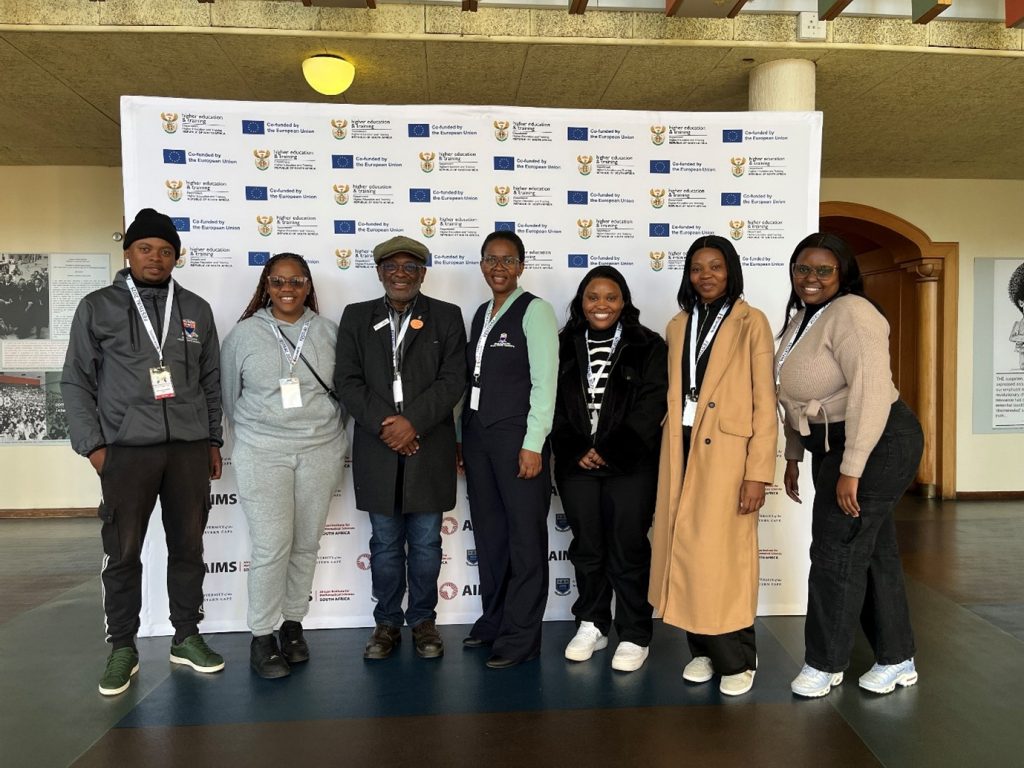
Outstanding staff members and postgraduate students from the Department of Mathematics and Applied Mathematics at Sefako Makgatho Health Sciences University (SMU) – Prof Maggie Aphane, Kelebogile Medupe, Matlhatsi Ngwepe, Koketso Malebana, Sindiswa Mnguni, Tumiso Kekana, Lesego Masilela, and Princess Shiba – proudly represented the university at the inaugural MegaMaths Festival held recently at the University of the Western Cape (UWC).
 Hosted by the Department of Higher Education and Training (DHET) in partnership with UWC and the African Institute for Mathematical Sciences (AIMS South Africa), the festival was themed “Mathematics: Our 13th National Language” and aimed to strengthen mathematics teaching, learning, and research across the educational ecosystem — from schools to universities and industry.
“It was an honour to be selected. I felt both excitement and responsibility,” said Ngwepe, lecturer. “We showcased the passion, creativity, and commitment of our department while connecting with like-minded individuals from across the country.”
The event opened with a gala dinner and a warm welcome from the UWC Vice-Chancellor, setting the tone for what would be a transformative week of learning and collaboration. “From meaningful discussions to dancing and music — it reminded us that there is joy and life even in mathematics,” reflected Ngwepe.
Key sessions focused on practical and inclusive approaches to teaching mathematics. “A keynote speaker demonstrated how simple tools like blank paper can help students visualise concepts like parallel and perpendicular lines. It reminded us that maths must be taught beyond words — through experience and application,” said Malebane, an MSc student.
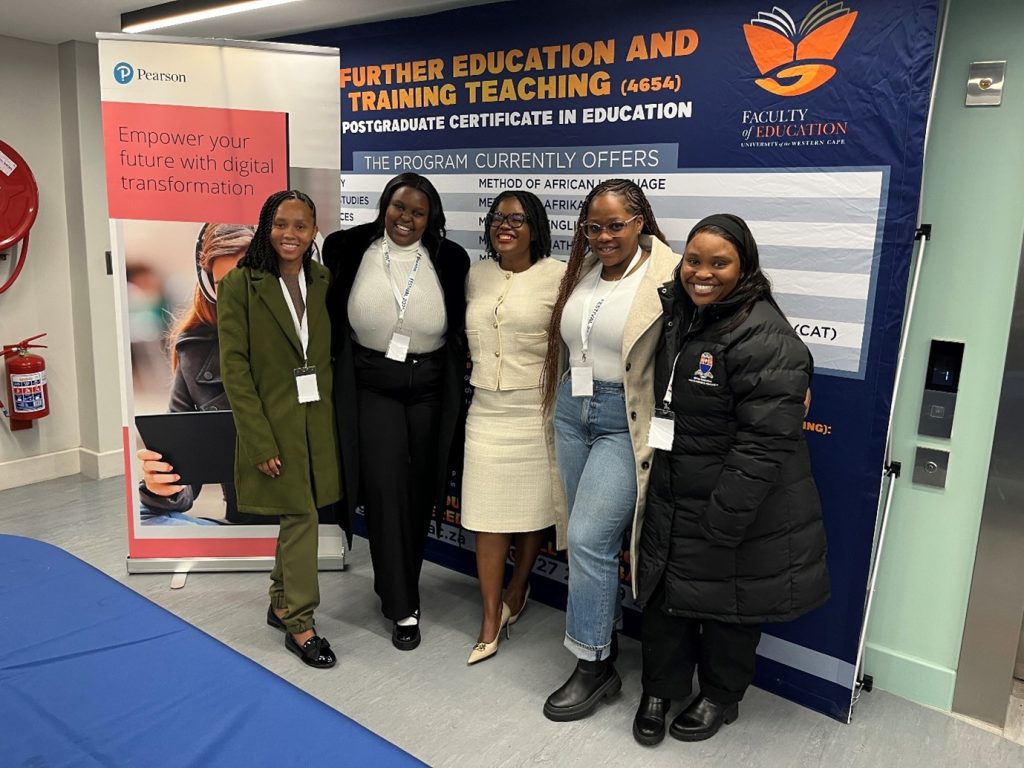 The festival also highlighted how mathematics research intersects with real-world issues. Topics such as graph theory, topology, inclusive education, and digital tools in learning were explored. Lecturer, Kekana, whose research focuses on complex-valued topological indices, found the graph theory discussions especially meaningful. “They not only validated my work but also opened possibilities for future collaborations,” he said.
As women in a male-dominated field, Medupe and Ngwepe both emphasised how empowering the festival was. “Events like these break stereotypes and reaffirm that women have a critical role to play in the mathematical sciences,” Ngwepe shared.
Another powerful highlight was the focus on African mathematical heritage — including indigenous counting systems, beadwork, and cultural patterns — as tools for more relevant and inclusive mathematics teaching. “It was a reminder that maths is not foreign to African communities; it has always been part of our way of understanding the world,” said Malebane.
While networking mainly involved educators and students, the SMU team connected with organisations such as Capitec Foundation, Vodacom Foundation, and Zenex Foundation, opening doors for outreach and mentorship initiatives that bridge school and university-level mathematics.
Reflecting on the experience, Shiba concluded: “Mathematics is for everyone. It’s a tool for empowerment, and we need to make it accessible, engaging, and culturally relevant.”
The team plans to present their insights to colleagues at SMU and continue building partnerships that support curriculum transformation, learner support, and community-based outreach. “This is just the beginning,” they agreed. “We’re excited to help shape the future of mathematics in South Africa — one student, one breakthrough at a time.”
By Tumelo Moila