by Lorato | Sep 10, 2026 | All News, Alumni, SMU Media, Student Media
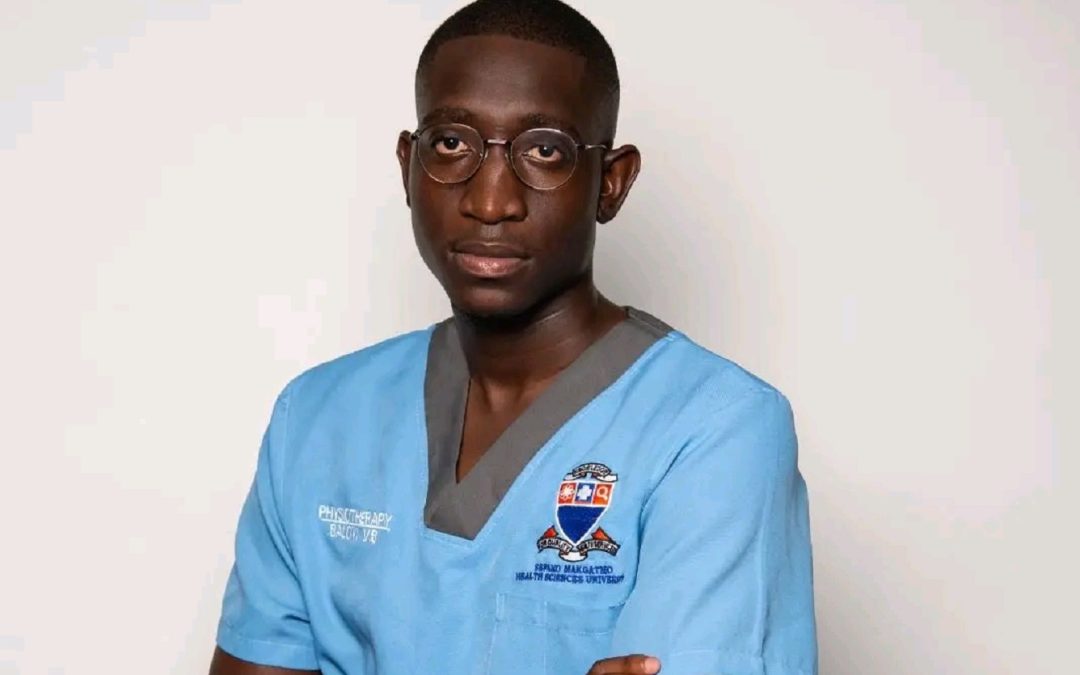
Sefako Makgatho Health Sciences University (SMU) 4th-year physiotherapy student Vuyelo Baloyi (23) is using student leadership to advance professional development, mentorship, and community-based healthcare. Baloyi has taken his leadership journey to the national level after being appointed National Student Council Chairperson of the South African Society of Physiotherapy (SASP) for 2026.
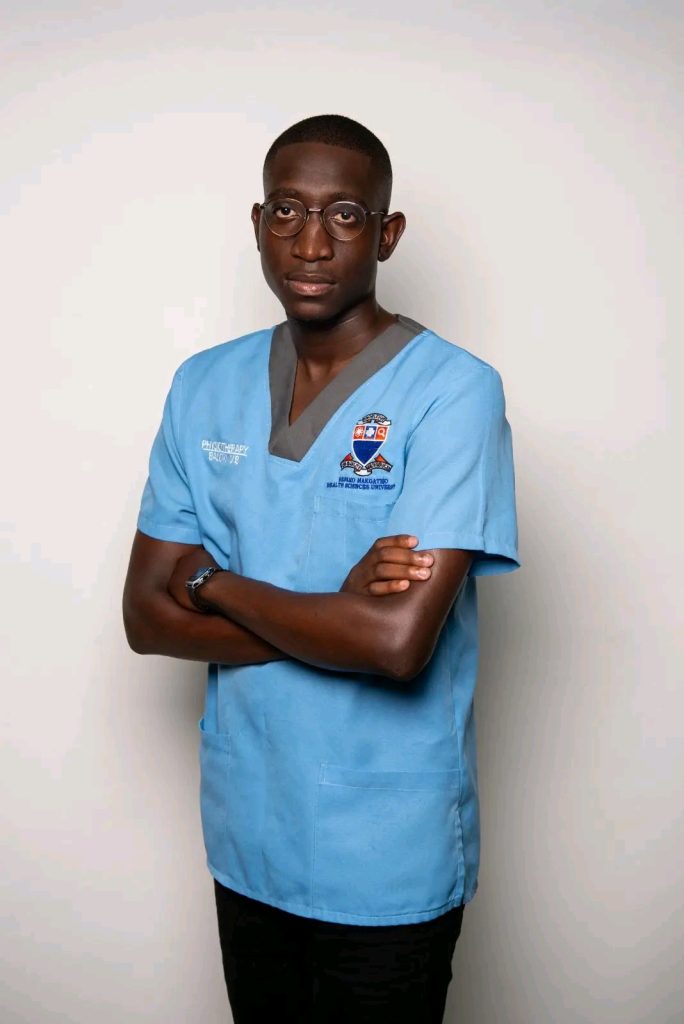 The physiotherapy student, emerging healthcare leader, entrepreneur, and community advocate previously served as Student Physiotherapy Consortium (SPC) Chairperson for the 2025/2026 term, during which he focused on student representation, engagement, professional development, and creating opportunities for physiotherapy students.
Baloyi’s leadership journey began in Mukhomi Village in Malamulele, Limpopo, where his experiences of rural healthcare and educational inequalities influenced his commitment to service and community development. “Leadership is not about the position you hold. It is about the opportunities you create, the doors you open, and the institution you leave behind,” he said.
At SMU, Baloyi has developed a diverse leadership portfolio that includes serving as a class representative and head class representative, South African Physiotherapy Association (SAPA) Chairperson, treasurer of SMU Corner Hustlers and chairman of the SMU Volleyball Club. He is also the founder of a drama theatre initiative, Dream Theatre and has participated in sport and community-focused activities.
His involvement with the Catch-ball South Africa Association has further enabled him to connect physiotherapy with sport, rehabilitation and athlete wellbeing. A key focus of Baloyi’s leadership is preparing physiotherapy students for the realities of the profession. He advocates for greater exposure to career opportunities in private practice, public healthcare, sports, academia, research, community rehabilitation, leadership and entrepreneurship. “Students should not graduate with only a qualification. They should graduate with an understanding of the many possibilities available within the profession,” he said.
As National Student Council Chairperson, Baloyi aims to strengthen the national network connecting physiotherapy students across South Africa. His priorities include mentorship and career-development programmes, collaboration between student structures, student participation in professional activities, research-informed advocacy and leadership development.
He is also passionate about strengthening the relationship between physiotherapy and underserved communities. Through his vision for REHAB RISE and his proposed rural rehabilitation initiatives, Baloyi seeks to expand access to rehabilitation services and raise community awareness of physiotherapy and multidisciplinary healthcare.
His entrepreneurial interests, including Nkwetsimo Ventures, complement his healthcare leadership by exploring opportunities in transport, book rental and real estate. This reflects his belief that health professionals can contribute to society not only through clinical practice, but also through innovation and entrepreneurship.
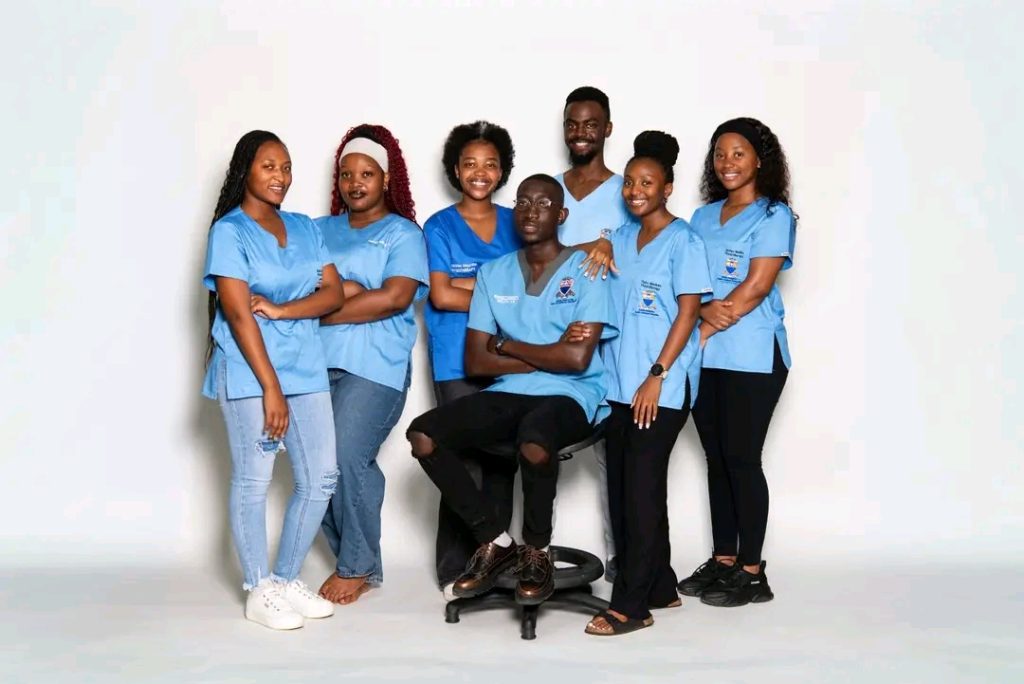 Baloyi’s approach aligns with SMU’s institutional values of effective leadership, excellence, integrity, student-centredness and Ubuntu. His leadership philosophy emphasises continuity, ensuring that student structures create sustainable programmes and leave stronger foundations for future leaders.
Reflecting on his journey from rural Limpopo to national physiotherapy leadership, Baloyi said: “Where you come from may shape your story, but it does not have to limit your destination.”
His journey demonstrates the value of SMU’s health sciences education in developing professionals who can combine academic knowledge with leadership, innovation, community engagement and service.
As Baloyi continues his physiotherapy training and national leadership responsibilities, his work contributes to SMU’s broader mission of transforming health services through excellence and innovation and developing graduates who can make a meaningful contribution to healthcare and the communities they serve.
By Tumelo Moila
by Lorato | Sep 10, 2026 | All News, Alumni, SMU Media, Student Media
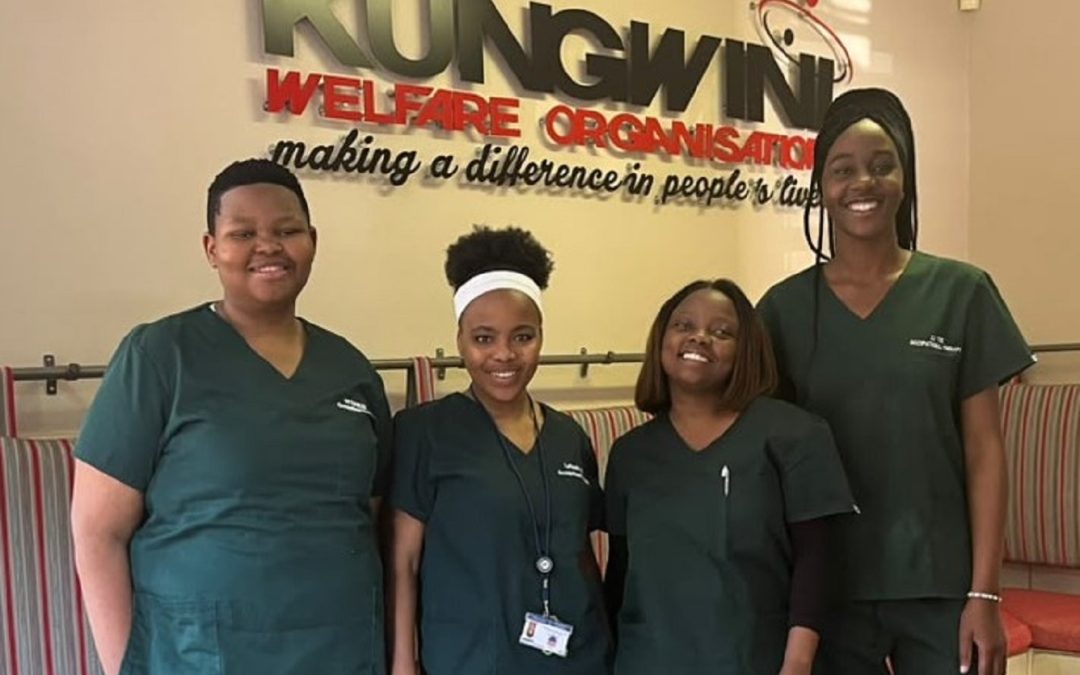
Fourth-year Occupational Therapy students from Sefako Makgatho Health Sciences University (SMU) are strengthening community-based support for people living with disabilities through caregiver training at Kungwini Welfare Organisation in Zwavelpoort, Pretoria East.
 Four students, namely Neo Mathabe, Jessica Tsie, Otshepeng Letsoalo and Sphelile Mohlala, are currently completing their psychosocial block at the organisation, focusing on promoting independence, meaningful participation, and empowerment among residents with disabilities. The initiative forms part of their practical training, allowing students to apply their professional knowledge in a community setting while contributing to improved quality of life for residents.
The training placed particular emphasis on helping caregivers understand how to provide support without unnecessarily taking over activities that residents can perform themselves. “Our presentation explored what Occupational Therapy is and the important role it plays in supporting individuals to participate in meaningful everyday activities,” said Neo Mathabe, a fourth-year Occupational Therapy student at SMU. “We also discussed the shared roles of residents and caregivers, emphasising that while support and assistance are important, residents should be encouraged to do as much as they can do for themselves.”
A central focus of the session was addressing the potential effects of over-assistance. Although caregivers may provide support with the best intentions, doing too much for residents can unintentionally reduce opportunities to practise skills, make choices and participate actively in daily life.
The students encouraged caregivers to assess each resident’s abilities and provide the appropriate level of assistance. This includes allowing residents time to attempt tasks, observing their abilities, providing appropriate prompts, and adapting activities or environments as necessary.
“Occupational Therapy looks beyond simply helping someone complete a task. It is about identifying abilities, removing barriers and creating opportunities for people to participate meaningfully in their everyday lives,” said Lebogang Lefine, Lecturer in the Department of Occupational Therapy at SMU.
The students also highlighted the role of Occupational Therapy in promoting independence and participation in self-care, leisure, social, spiritual and other meaningful activities. Occupational therapists can assess functional abilities and recommend appropriate assistive equipment, including wheelchairs, to enhance mobility, comfort, safety and participation.
The training further addressed the importance of maintaining residents’ existing abilities and preventing unnecessary dependence. Caregivers were encouraged to support residents in developing confidence and skills rather than completing tasks on their behalf.
“Small opportunities to participate can make a significant difference in a person’s confidence and sense of ownership,” said Jessica Tsie, a fourth-year Occupational Therapy student at SMU. “Our role is to help caregivers recognise what residents can do and support them to achieve as much independence as possible.”
Guided by the principles of inclusion, ownership, lifelong learning, empowerment, and self-help, the session fostered an environment in which residents can make choices, develop skills at their own pace, and participate meaningfully in their communities.
The collaboration also reinforces the importance of multidisciplinary teamwork. Occupational therapists work alongside caregivers, nurses, social workers and other professionals to provide holistic support that responds to residents’ individual needs.
A representative of Kungwini Welfare Organisation, Corlia Schutte, Occupational Therapist, welcomed the engagement and highlighted the value of strengthening caregivers’ knowledge and practical skills to support residents.
The SMU students will return to Kungwini Welfare Organisation for a second caregiver training session. The follow-up engagement will provide an opportunity to reinforce the principles discussed and further equip caregivers with practical strategies for promoting independence and participation.
The initiative demonstrates SMU’s commitment to experiential learning that connects health sciences education with community needs. Through initiatives such as this, the University equips future healthcare professionals to translate academic knowledge into practical interventions that promote dignity, inclusion, independence and wellbeing.
For SMU, the engagement represents more than a practical training exercise. It demonstrates the University’s broader contribution to developing compassionate, skilled and community-responsive health professionals who can help transform health and wellbeing through excellence and innovation.
By Tumelo Moila
by Lorato | Sep 10, 2026 | All News, Alumni, SMU Media, Student Media
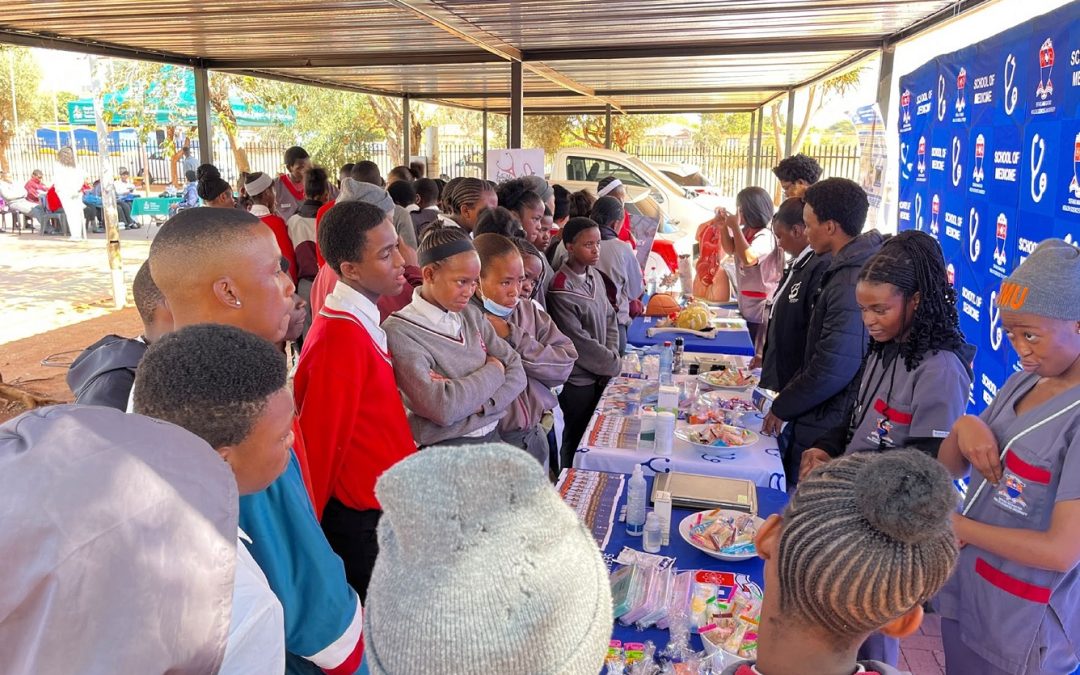
Sefako Makgatho Health Sciences University (SMU) has strengthened its commitment to community engagement and developing future health professionals through a Grade 9 Career Expo and Subject Choice Guidance Programme held in collaboration with Royal Bafokeng Health and Social Development Services (HSDS).
 The programme brought together Grade 9 learners from Molotlegi Secondary School and Thithi Secondary School, along with 27 SMU delegates from Radiography, Emergency Medical Care (EMC), and the Department of Physiology.
The programme was designed to expose learners to health sciences careers and help them make informed decisions about subject choices and potential academic pathways. Grade 9 is an important stage in learners’ education, as subject choices can influence their future studies and career opportunities.
During the programme, SMU representatives introduced learners to the university and provided insight into the various opportunities available within the health sciences. Learners were divided into smaller groups of approximately ten and rotated between interactive stations, allowing them to engage directly with SMU students and facilitators.
James Sambo, a third-year Bachelor of Diagnostic Radiography student, said “Early career guidance is important because it helps learners understand different career options and make informed choices about their futures. It also helps them identify the high school subjects they need to qualify for their chosen careers. Exposure to the healthcare sector gives learners a better understanding of the different health professions, their roles and their contributions to hospitals and communities.”
The Radiography, EMC, and Physiology stations gave learners an opportunity to explore different health professions and understand how school subjects connect with university programmes and potential career pathways. Current SMU students also offered learners relatable perspectives on university life, academic preparation, and pursuing a career in the health sciences.
Career information displays and take-home materials further supported engagement by providing information on programmes, admission considerations, subject requirements, and possible pathways into the health sciences. These resources were intended to provide learners with information they could revisit after the expo as they consider their academic choices.
 “Interacting with learners helps us build a connection and show them that we are people who have faced challenges too. Sharing our university experiences makes it easier for them to ask questions, relate to our journeys and consider careers in health sciences they may not have known about,” said Mukovheli Gemeli, third-year B Rad student.
In addition to the career guidance activities, Royal Bafokeng HSDS arranged for an Adolescent Youth Friendly Services (AYFS) nurse from a nearby clinic to engage learners on health-related matters, including a brief information session on Lenacapavir. The nurse also made consultations available at the Youth Centre clinic space.
The initiative strengthened collaboration between SMU, Royal Bafokeng HSDS and participating schools, while creating a foundation for continued engagement. Future initiatives could include annual or periodic career expos, subject-choice guidance, application information sessions, school-based talks, mentorship programmes and health awareness activities.
The programme demonstrates SMU’s broader commitment to using education, community engagement, and multidisciplinary collaboration to support the development of future health professionals. By taking health sciences education beyond the university campus and directly into communities, SMU continues to support informed educational choices while contributing to a stronger pipeline of health professionals for South Africa.
By Tumelo Moila

by Lorato | Sep 3, 2026 | All News, Alumni, SMU Media, Student Media
Sefako Makgatho Health Sciences University (SMU) celebrated women whose leadership, resilience and achievements continue to shape the University and wider society at the VC’s SMU Women in Leadership Dinner 2026, held as part of Women’s Month.
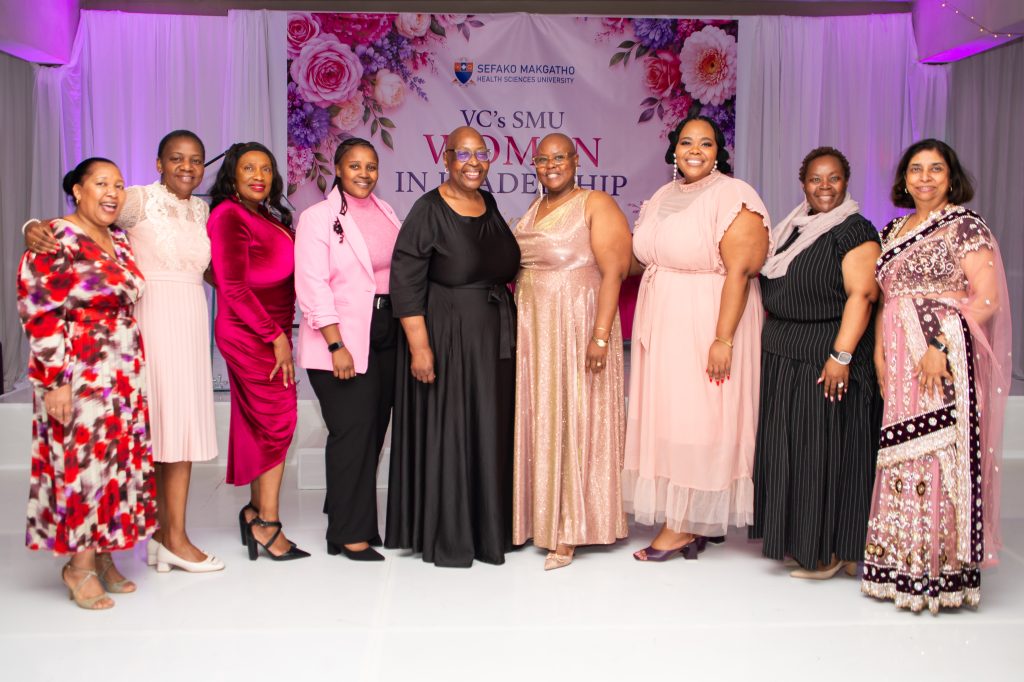 Hosted by Acting Vice-Chancellor and Principal Professor Dini Mawela, the intimate gathering brought together women from across SMU to celebrate achievement, strengthen connections and reflect on the importance of women supporting one another in leadership and professional spaces.
The evening provided an opportunity for attendees to exchange perspectives on leadership while recognising the challenges and responsibilities that accompany positions of influence. In her opening words and message of appreciation, Professor Mala Singh, Interim Executive Director: Human Capital and Transformation, emphasised the importance of solidarity among women. “As much as leadership might be difficult sometimes, we need to stick together and work together,” said Professor Singh. Her message reinforced the value of collaboration and collective strength in creating workplaces where women can succeed and contribute meaningfully.
The programme also featured a Women’s Month leadership reflection by Odette Ramsingh, Acting Executive Director: Institutional Support. Her reflection paid tribute to the late SMU Vice-Chancellor and Principal, Professor Tandi Matsha-Erasmus, whose recent passing left a lasting impact on the university community.
Ramsingh reflected on Professor Matsha-Erasmus’ leadership and the legacy she left at SMU, providing a poignant moment of remembrance during an evening dedicated to recognising women who have made significant contributions to the institution and society.
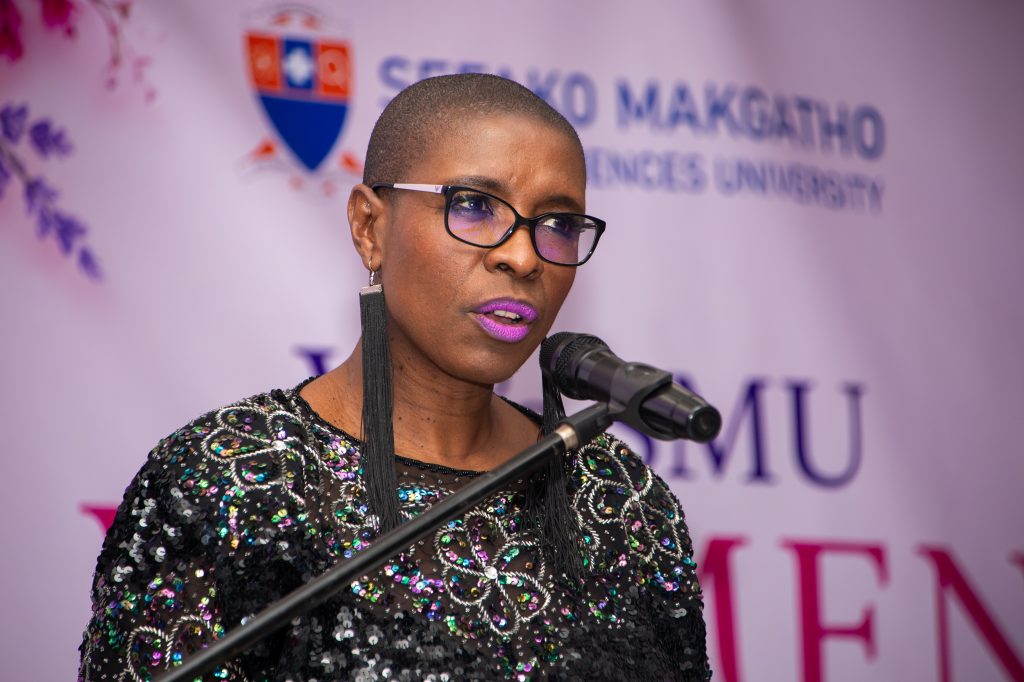 The keynote address was delivered by Zetu Makandela-Mqudulwa, Ombudsman for the City of Cape Town, who Professor Mawela introduced. Drawing on her personal and professional experiences, Makandela-Mqudulwa highlighted the responsibility women have to nurture, empower and advance one another.
She stressed that meaningful leadership is strengthened when women deliberately create opportunities for others to grow and succeed. She also reflected on her mother’s influence on her personal development and career, demonstrating how women’s support and guidance can shape future generations of leaders.
Makandela-Mqudulwa further drew on her experience in Parliament, where she engaged with prominent women leaders, including struggle stalwarts Albertina Sisulu and Lindiwe Sisulu. Her reflections underscored the importance of learning from women who helped shape South Africa’s history and applying those lessons to contemporary leadership.
An engaging question-and-answer session allowed attendees to interact directly with Makandela-Mqudulwa and Professor Mawela. Discussions focused on leadership, mentorship, resilience and the need to create supportive environments in which women can flourish.
Delivering the vote of thanks, Tshimangadzo Mphaphuli, Acting Director: Advancement and Communications, thanked the speakers and attendees for contributing to an evening centred on connection, reflection and celebration.
The dinner reaffirmed SMU’s commitment to cultivating leadership, collaboration and excellence across its community. It also highlighted a broader understanding of leadership — one that extends beyond individual achievement to empowering others, building meaningful relationships and creating opportunities for future generations.
Through initiatives that recognise and strengthen women’s leadership, SMU continues to advance its institutional values while contributing to a more inclusive and empowered health sciences sector.
By Dimakatso Modise

by Lorato | Sep 3, 2026 | Accolades and Achievements, All News, Alumni, SMU Media, Student Media
Sefako Makgatho Health Sciences University (SMU) researcher Dr Vusani Muswa Maphiri has received a Y2 rating from the National Research Foundation (NRF), recognising his potential to establish himself as a researcher based on the quality and productivity of his research.
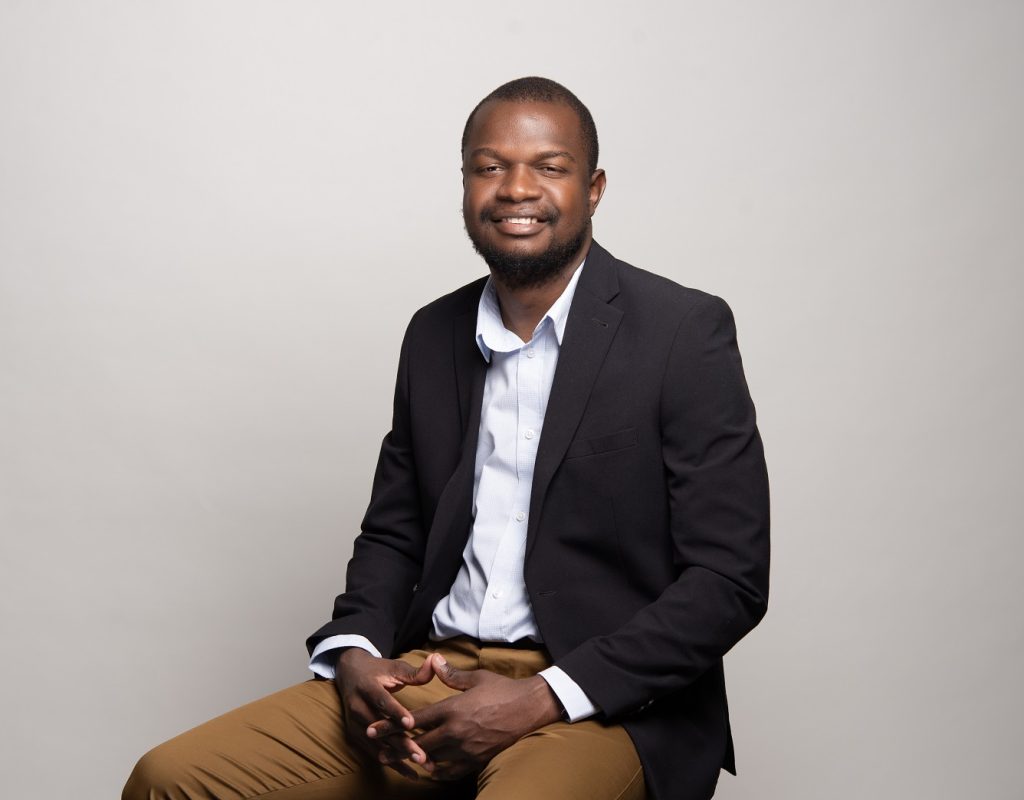 Dr Maphiri, a senior lecturer in the Department of Physics in SMU’s School of Science and Technology, specialises in energy storage, materials science and advanced materials characterisation. His research focuses particularly on supercapacitors, microsupercapacitors and nanomaterials, with applications in energy storage and related technologies.
Reflecting on the recognition, Dr Maphiri said the rating represented an important milestone in his academic journey. “This Y2 rating is an important recognition of my research potential and the work I have undertaken in the field of energy storage and materials science.”
The Y2 rating places Dr Maphiri among young researchers recognised for their potential to establish themselves as researchers within five years of evaluation. The NRF category applies to researchers aged 40 or younger who have held a doctorate or equivalent qualification for less than five years at the time of application.
Dr Maphiri earned his PhD in Physics from the University of Pretoria in 2022. His doctoral research investigated thermally reduced graphene oxide using an atmospheric-pressure tube furnace for microsupercapacitor applications. He previously obtained an MSc in Physics, cum laude, from SMU in 2018, following undergraduate studies in physical and mineral science and physics at the university. “This achievement motivates me to continue pursuing research that can contribute to addressing energy-storage challenges while creating opportunities for young scientists,” he said.
His research record reflects a sustained focus on developing and characterising advanced materials for energy storage. His publication portfolio includes studies on graphene oxide, porous carbon, metal oxides, nanophosphors and electrode materials for supercapacitors. His work has appeared in journals including the Journal of Energy Storage, Journal of Alloys and Compounds, Carbon and Materials Chemistry and Physics.
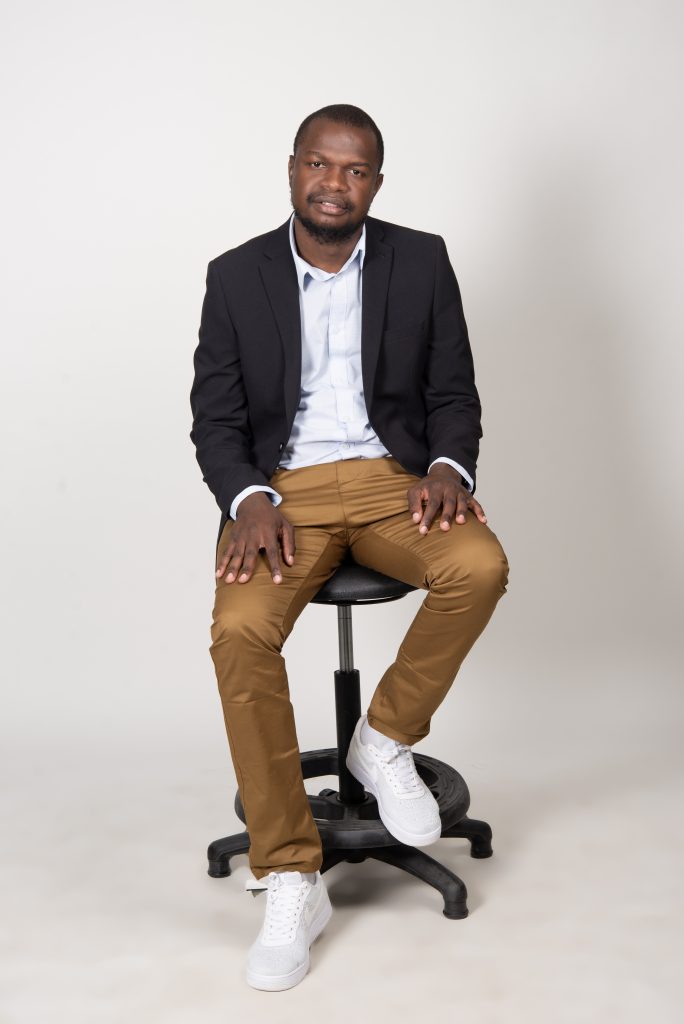 One strand of his research examines materials that could improve the performance of supercapacitors, energy-storage devices capable of rapid charging and discharging. His work includes investigations into thermally reduced graphene oxide, activated carbon and metal-based nanostructures.
Beyond publishing research, Dr Maphiri is actively involved in postgraduate supervision and mentorship. He currently supervises doctoral and master’s students working on projects involving supercapacitors, water purification, graphene-based materials and advanced electrode materials. “I believe research should not only generate publications but also develop people and create knowledge that can have a meaningful impact,” Maphiri said.
His professional responsibilities extend to research leadership. Since May 2026, he has served as deputy chairperson of SMU’s School of Science and Technology Research Committee, contributing to research governance, quality assurance and postgraduate research. He also collaborates with the University of Pretoria’s SARChI in Nanomaterials for Energy Storage and Water Purification Applications.
Dr Maphiri has accumulated 50 peer-reviewed publications and has an h-index of 17 on Google Scholar, according to his profile.
The Y2 rating highlights SMU’s contribution to the development of emerging researchers whose work addresses contemporary challenges in energy storage and advanced materials. Through research, teaching, postgraduate supervision and collaboration, Dr Maphiri’s work supports the university’s commitment to excellence and innovative research.
By Tumelo Moila

by Lorato | Sep 3, 2026 | Accolades and Achievements, All News, Alumni, SMU Media, Student Media
Sefako Makgatho Health Sciences University (SMU) senior lecturer and researcher Dr Amos Nhlapo has received a C3 rating from the National Research Foundation (NRF), marking a significant milestone in his academic career and in his research on magnetic materials and their potential applications in healthcare and technology.
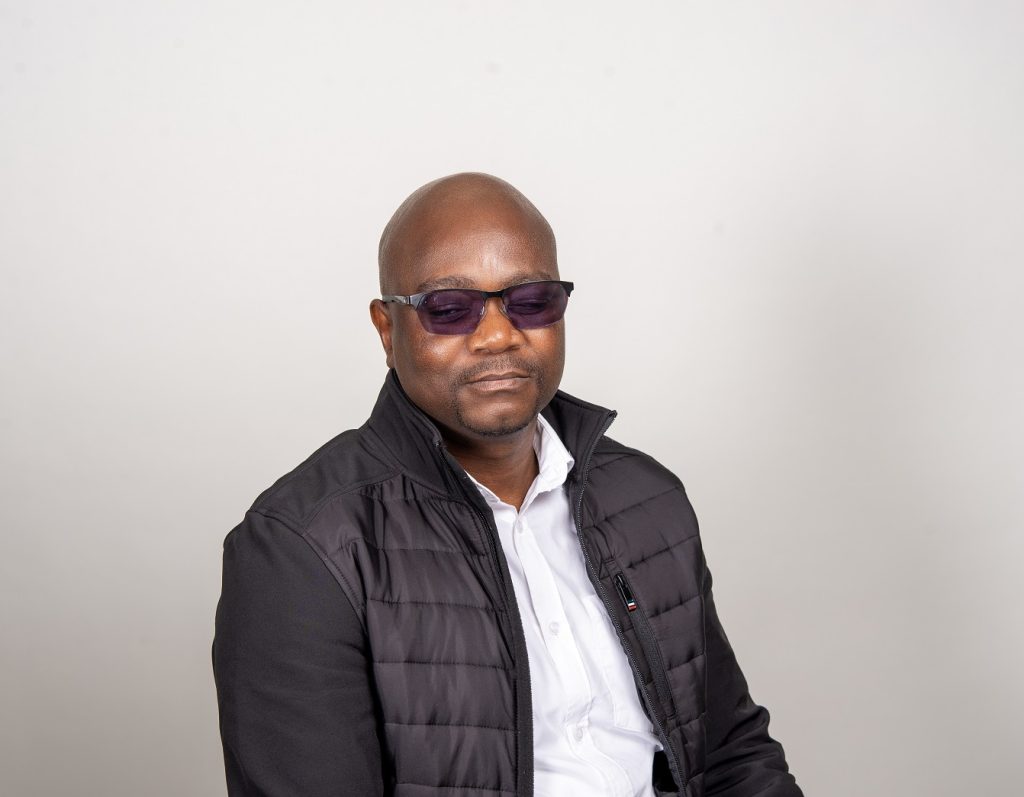 The NRF assessment recognised Dr Nhlapo as an established researcher with a sustained recent record of productivity. According to the assessment, reviewers concurred that he had developed “a body of quality work” with coherence and demonstrated the ability to conceptualise research problems and apply appropriate methods to investigate them.
Dr Nhlapo, a senior lecturer in SMU’s Department of Medical Physics, described the rating as recognition of years of research, innovation and academic commitment. “This significant milestone is a testament to my dedication, perseverance, and outstanding contribution to academic excellence,” Nhlapo said. “It’s an honour, and I am proud to have received the C3 NRF rating.”
He said the recognition was particularly meaningful because his research sits at the intersection of academic investigation and practical innovation. His work focuses on experimental and condensed matter physics, particularly the magnetic and electrical properties of bulk and nanosized spinel ferrite materials.
Dr Nhlapo’s research includes the development of novel magnetic nanoparticles for advanced electronic devices and medical applications. He collaborates with local and international researchers and has contributed to numerous peer-reviewed publications. His stated research ambition is to ensure that scientific discoveries move beyond laboratories and contribute to practical solutions.
“It is heartening to be recognised for my efforts in navigating the complicated intersection between rigorous academic research and innovation,” he said. “I am enthusiastic about ensuring that novel magnetic material technologies can move beyond research into practice.”
 Nhlapo’s academic record includes a PhD in Physics from the University of KwaZulu-Natal, a Postgraduate Diploma in Higher Education from the University of Johannesburg, and earlier qualifications in physics and chemistry from the University of the Free State. He joined SMU as a lecturer in 2017 and became a senior lecturer in January 2023.
His research output is complemented by postgraduate supervision, conference participation and research funding. The record lists an NRF Equipment Travelling-Related Grant awarded in 2025, as well as previous support for the University Capacity Development Grant and the DST-NRF Innovation Doctoral Scholarship.
Nhlapo has also supervised students at honours, master’s and doctoral levels, with several projects completed and others currently underway. His publication record includes studies of nanoferrites, magnetic properties, photoluminescence, electron spin resonance and materials with potential medical and technological applications.
Reflecting on the achievement, Nhlapo expressed gratitude to colleagues and the university community. “Above all, I am very grateful to the Department of Medical Physics, the Department of Physics at SMU, and everyone who contributed to this milestone,” he said.
The C3 rating strengthens SMU’s profile as a health sciences university committed to innovative research and academic excellence, while highlighting the potential for its researchers to translate scientific advances into solutions that benefit healthcare and society.
By Tumelo Moila