by Lorato | Oct 29, 2024 | All News, SMU Media, Student Media
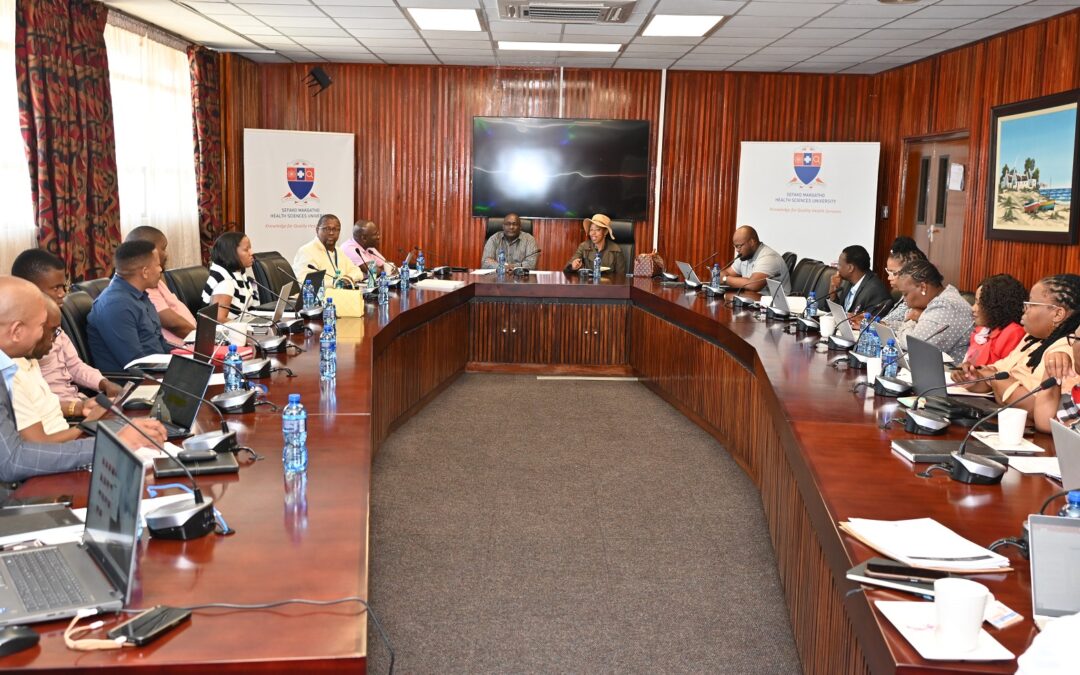
Sefako Makgatho Health Sciences University (SMU) recently welcomed a pivotal earmarked grants oversight visit led by the Department of Higher Education and Training (DHET). This visit signified a key assessment of the progress SMU has achieved with the Clinical Training Grant (CTG) and the Sibusiso Bengu Development Programme (SB-DP), two major initiatives supporting SMU’s mission to develop skilled healthcare professionals and build capacity as a historically disadvantaged institution (HDI).
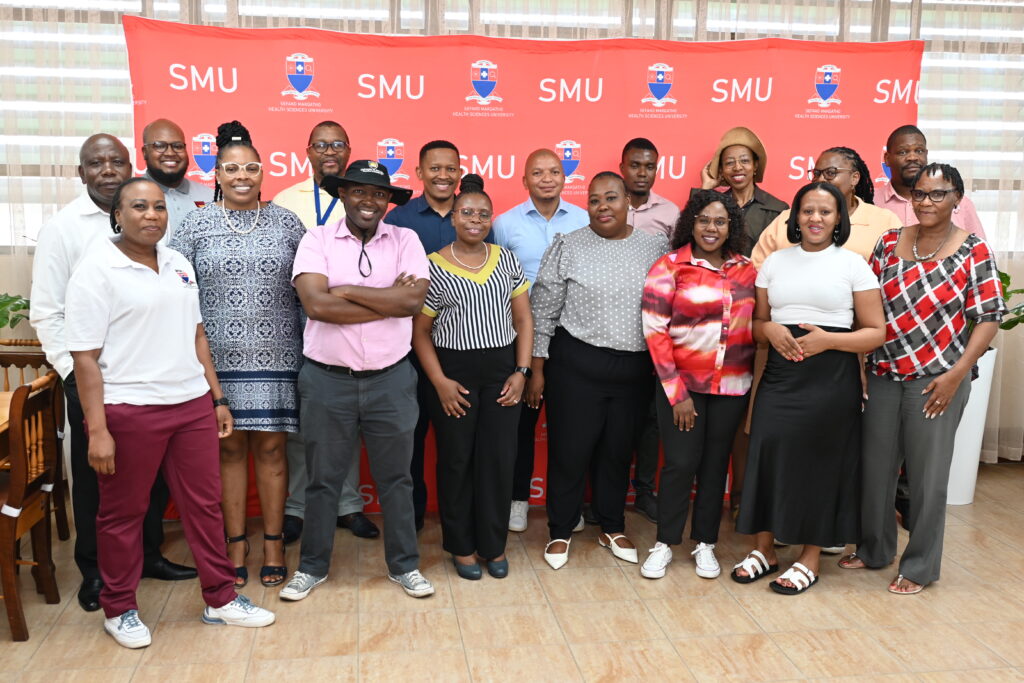 Dr Marcia Socikwa, Deputy Director-General of DHET, spearheaded the delegation, accompanied by SMU’s Vice-Chancellor, Professor Peter Mbati, and senior officials. Their aim was to evaluate the tangible impacts of these targeted grants on SMU’s health sciences education. Socikwa remarked: “The DHET is dedicated to addressing historical inequalities in the higher education sector. By investing in targeted programmes like the CTG and SB-DP, we are empowering institutions such as SMU to enhance their capabilities and produce world-class healthcare professionals.”
Theo Bhengu from the Grants Office presented the achievements and challenges of the CTG and SB-DP. Supported by Professor Mapaseka Seheri, SMU’s Director of Research and Innovation, Bhengu highlighted how the funding has fortified critical training facilities, facilitated the recruitment of clinical staff, and modernised infrastructure. “These grants have been a lifeline for our institution,” Bhengu stated, noting: “While we celebrate our achievements, we acknowledge the hurdles we face, particularly with infrastructure development.”
A highlight of the visit included extensive site inspections, granting DHET officials a first-hand view of the outcomes of CTG and SB-DP funding. The delegation toured several state-of-the-art facilities, including:
- Midwifery Unit: Equipped with advanced mannequins, this facility allows students to gain invaluable experience in maternal and neonatal care.
- Centre for Interprofessional Education and Collaborative Practice (IPECP): Promoting teamwork across various health disciplines, this centre underscores the importance of collaborative patient care.
- 2,000-Bed Student Residence: Addressing the needs of a growing student body, this new residence fosters an environment conducive to academic success and community engagement.
- Centre for Entrepreneurship Rapid Incubator (CfERI): This initiative nurtures student entrepreneurship, aiding them in developing sustainable, innovative projects that benefit SMU and its surrounding communities.
- Pharmaceutical Chemistry Laboratory: Here, students engage in advanced drug research and development, equipping them with the skills necessary for the healthcare industry.
Reflecting on the site tours, Socikwa affirmed: “Our goal is to empower institutions like SMU to provide world-class training to health professionals, achievable through sustained partnerships and strategic investments.”
Following the inspections, DHET and SMU engaged in discussions on fiscal responsibility and resource allocation. Socikwa emphasised the need for financial accountability amid ongoing budgetary constraints. “There is no room for complacency,” she cautioned. “Institutions must demonstrate a commitment to service delivery and effective expenditure, as the funds we allocate are essentially borrowed money.”
Mbati echoed this sentiment, reinforcing SMU’s commitment to transparent financial practices. “At SMU, accountability is paramount,” he asserted. “Every rand we spend must reflect our commitment to integrity and excellence, ensuring our institution’s long-term success and reputation.”
The oversight visit also celebrated SMU’s recent accomplishments, particularly its entry into global academic rankings—a significant milestone for the university. Socikwa praised SMU’s growing presence in the global academic arena, stating: “The strides made here are commendable. However, maintaining this excellence requires an ongoing commitment to research performance and global standing.”
Both DHET and SMU highlighted the necessity of continued collaboration and strategic investment to build on SMU’s successes and address emerging challenges. Mbati concluded: “This oversight visit has illuminated our progress and the challenges ahead in transforming SMU into a leader in health sciences education. Our path forward demands teamwork, transparency, and an unwavering focus on quality. Together, we can position SMU as a benchmark for healthcare training and a pillar of South Africa’s health future.”
The oversight visit reaffirmed DHET and SMU’s shared dedication to cultivating well-trained healthcare professionals and establishing a resilient health sciences education system. Through strategic investment and unwavering accountability, SMU stands poised to continue shaping the future of healthcare education in South Africa.
by Lorato | Oct 28, 2024 | All News, SMU Media, Student Media
To affirm itself as a frontrunner in higher education and research, Sefako Makgatho Health Sciences University (SMU) continues to make strides, championing intellectual excellence and global relevance in the mathematical sciences.
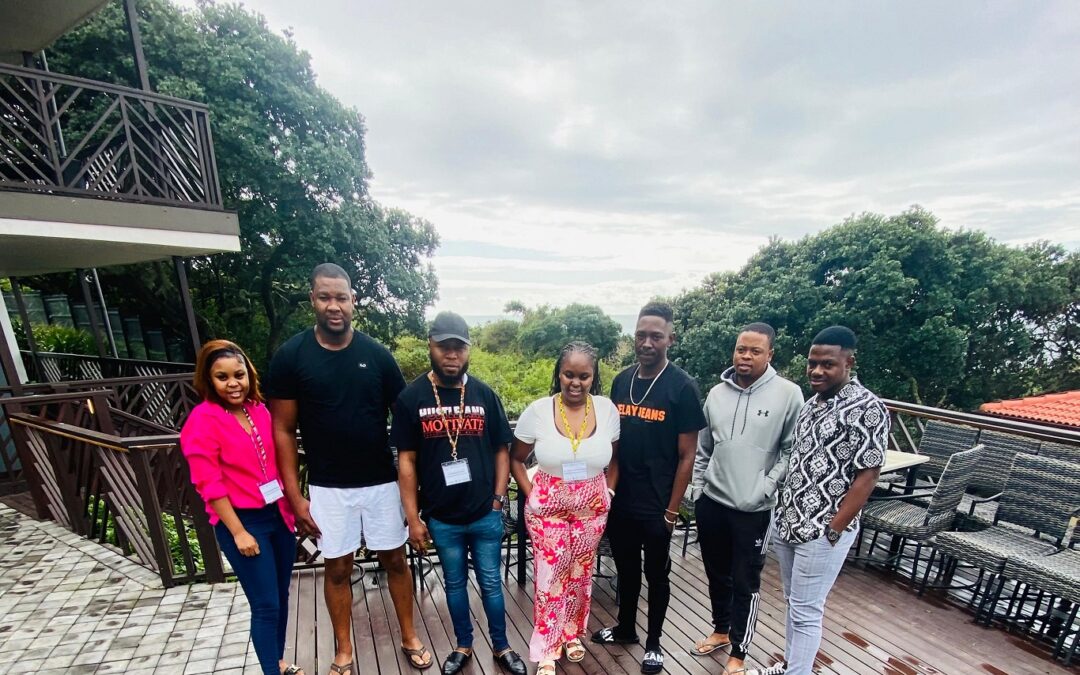
Recently, seven distinguished members of SMU’s Department of Mathematics and Applied Mathematics attended the highly-regarded 5th Analysis and Differential Equations with Applications (ADEANS) Conference, hosted at the Anew Hotel Ocean Reef in Zinikwazi, Durban. This annual gathering serves as a key intellectual hub, bringing together prominent mathematicians and researchers to explore advancements in analysis and differential equations.
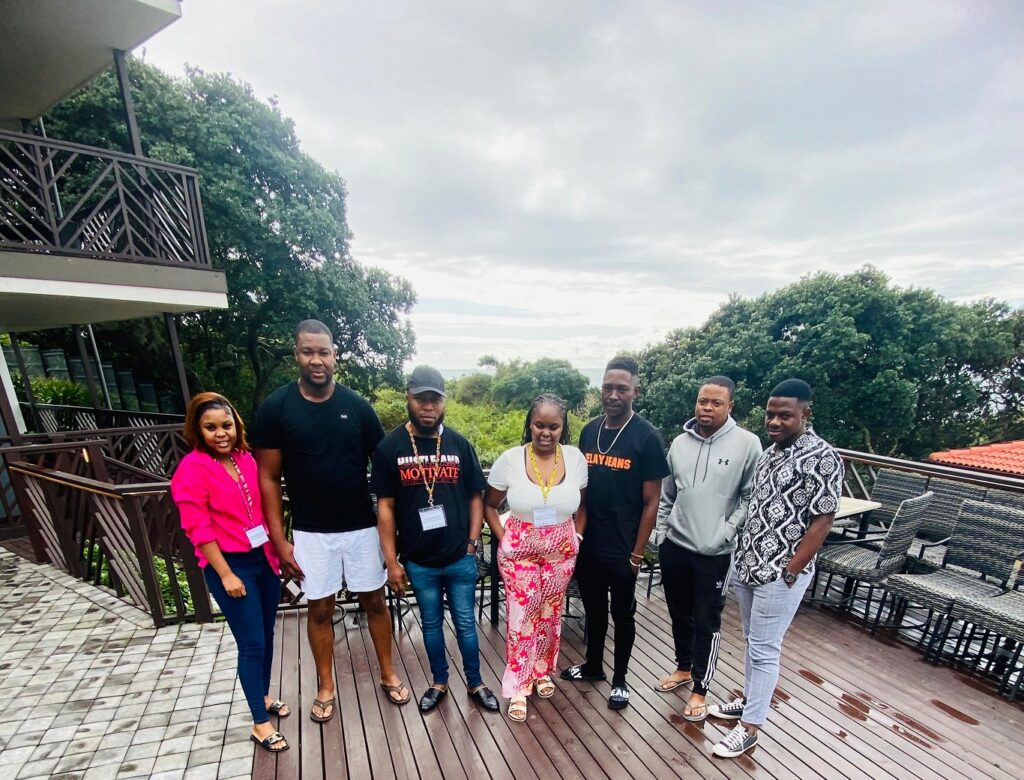 SMU’s delegation took full advantage of this elite platform, showcasing research that reflects SMU’s commitment to applied, cutting-edge scholarship. Over the course of the three-day conference, SMU scholars presented innovative solutions to complex mathematical problems, with three members taking centre stage.
Dr Hammed Abass presented on the: “Two-Step Inertial Method for Solving Equilibrium Problems on Hadamard Manifolds,” unveiling a forward-thinking approach that tackles equilibrium issues in non-Euclidean spaces—a field essential to advanced scientific applications, from physics to engineering. Professor Ndlovu followed with his insights on: “A Strong Convergence Theorem for Finding a Common Solution of Convex Minimization and Fixed-Point Problems in CAT(0) Spaces,” providing rigorous solutions to optimisation problems in specialised geometric settings. Mongezi Banda presented his exploration of: “Approximating Solutions of Resolvents of Monotone Operators and Convex Functions in Hadamard Spaces,” addressing challenges in approximations within metric spaces with curvature constraints.
On the final day, Tumiso Kekana delivered a groundbreaking presentation titled “Exploring a Novel Approach for Computing Topological Descriptors of Graphene Structure Using Neighbourhood Multiple M-Polynomial,” a research piece positioned at the intersection of mathematics and materials science. His work on analysing graphene structures using innovative polynomial techniques underscored the practical applications of mathematics in new material sciences.
Also attending from SMU were Lehlogonolo Mokaba, Sindiswa Mnguni, and Molwantwa Kanyane. Their active engagement in discussions and networking highlighted SMU’s dedication to fostering a collaborative research environment within the university and extending to global academic circles.
Reflecting on the experience, Ndlovu remarked: “Being at the ADEANS Conference was transformative. It was more than academic—it was about understanding how our research contributes to a larger, dynamic field of mathematical inquiry.” His sentiment was echoed by fellow attendees, who recognised the conference as an unparalleled opportunity to engage with the latest in mathematical theory and innovation.
The ADEANS 2024 Conference fortified SMU’s reputation as a leader in advanced mathematics and empowered its students and faculty to push the boundaries of their disciplines. This experience equips SMU scholars with an expansive network and fresh insights, driving them forward in their research journey. By supporting its scholars’ presence at such prominent conferences, SMU underscores its dedication to fostering high-impact research and maintaining a competitive edge in the higher education landscape.
As SMU’s mathematicians return to campus, they bring with them enhanced knowledge and the inspiration and connections that enrich SMU’s academic environment, helping build a foundation for future advancements in South Africa’s science and technology sectors.
by Lorato | Oct 28, 2024 | All News, SMU Media, Student Media
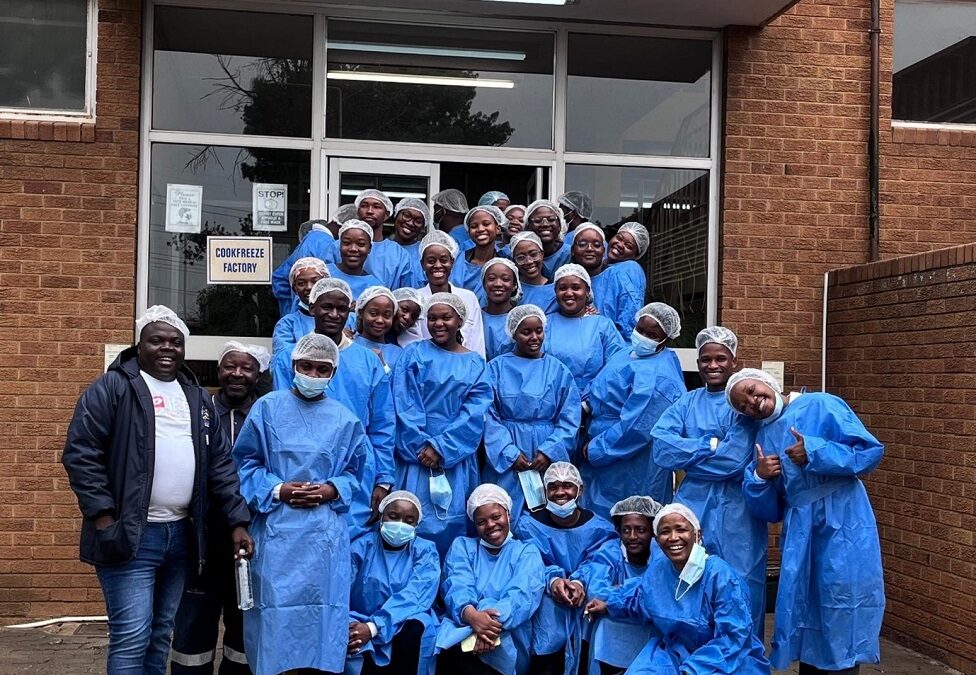
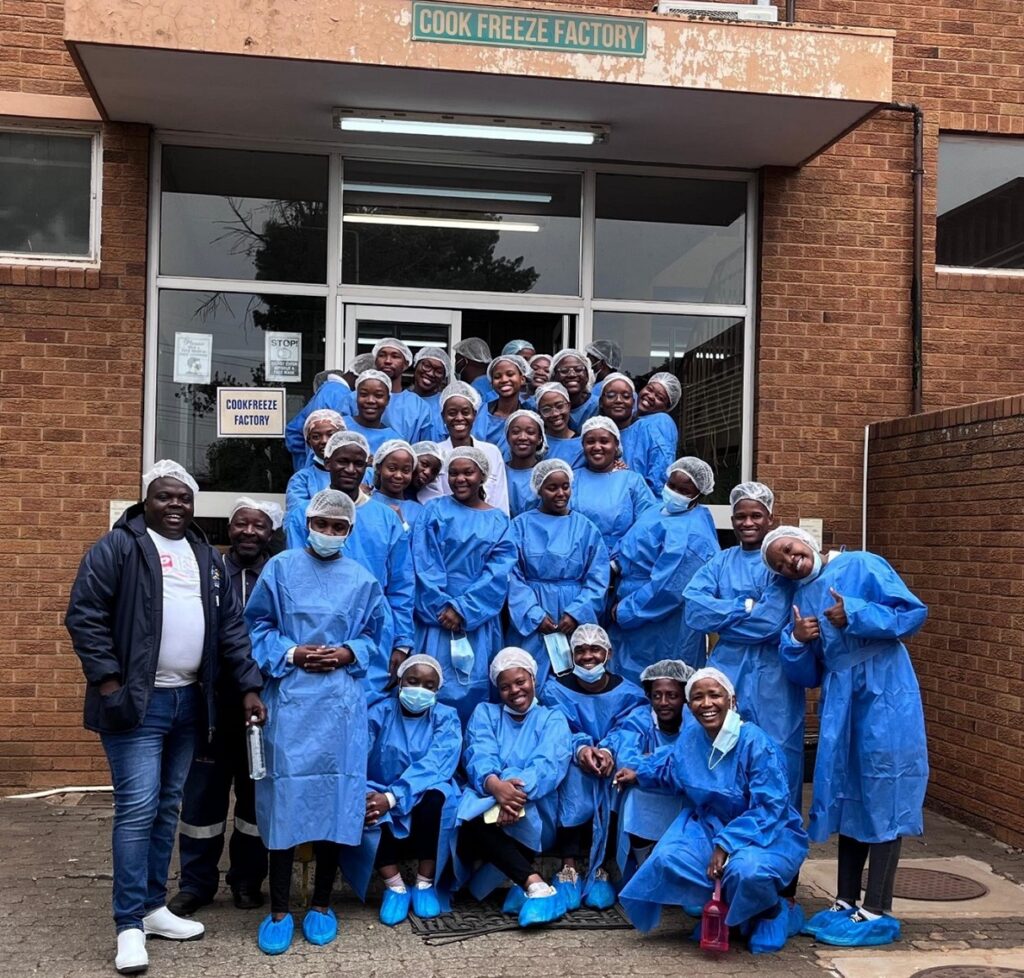
As healthcare continues to grapple with challenges to patient safety, Sefako Makgatho Health Sciences University (SMU) is at the forefront of engaged scholarship, shaping future leaders ready to tackle real-world issues. A group of third-year Dietetics students from SMU recently marked World Patient Safety Day with a vital educational visit to the Masakhane Cook Freeze factory in Rosslyn. This initiative, a part of their Food Service Administration module, offered these future dietitians a hands-on experience with one of the most critical components of patient care—food safety.
Masakhane Cook Freeze, the largest facility of its kind in Southern Africa, supplies meals to over 22 hospitals in Gauteng. It is a critical player in the region’s healthcare system, and food safety is non-negotiable when dealing with patients who often have compromised immune systems. Any lapse in safety protocols can lead to severe health complications, and it is here that SMU’s mission to empower through education finds its full expression.
 For hospitals, ensuring that every meal is prepared, stored, and delivered under the strictest safety protocols is as crucial to patient recovery as medical treatment. This visit served as a wake-up call for the students about the life-saving role dietitians play in safeguarding food from contamination and ensuring that meals meet the specific dietary needs of vulnerable patients.
Food safety: A pillar of patient care
The visit was far more than a factory tour—it was an immersive lesson on the interconnectedness of healthcare. The students were guided through the entire food service process, from receiving raw ingredients to observing how dietitians, food technologists, and kitchen staff collaborate to maintain the highest safety and nutritional standards. Dr Heather Legodi, Module Coordinator, highlights the importance of this experience: “The students witnessed how proper meal planning and safe food preparation directly impact patient outcomes. This is a real-world application of what we teach in class.”
A pivotal moment came when the students observed the freezing tunnel, where liquid nitrogen is used to rapidly freeze meals. This process extends the shelf life of meals up to twelve months, ensuring that hospitals have access to safe, nutritious food year-round. With twenty-three different therapeutic diets offered, the Masakhane Cook Freeze factory exemplifies the role of dietitians in managing diverse dietary needs that can make or break a patient’s recovery.
A collaborative effort for safe healthcare
At every step of the process, the SMU students were reminded of the collaborative nature of healthcare. Food Service Managers like Tebogo Rangwato and Meisie Maimela, who welcomed the students, play a pivotal role in maintaining strict hygiene standards, from ingredient sourcing to packaging and delivery. The students, clad in personal protective equipment, experienced firsthand the factory’s stringent safety protocols, learning that food safety is a critical aspect of patient care that cannot be overlooked.
The Masakhane facility management expressed their enthusiasm for future collaborations with SMU, recognising the importance of exposing students to the operational challenges of large-scale food production.
Engaged scholarship in action
This visit goes beyond academic learning; it is part of SMU’s broader commitment to engaged scholarship, where students apply their theoretical knowledge to solve pressing societal problems. In this case, ensuring food safety in healthcare settings is not just about nutrition—it’s about preventing harm and promoting recovery.
By participating in this experiential learning opportunity, SMU students are taking the first steps toward becoming healthcare professionals who understand that patient safety begins long before medical treatment—it starts with safe, nutritious food. World Patient Safety Day served as a powerful reminder that food safety is an integral part of the healthcare ecosystem, and SMU’s future dietitians are ready to uphold this critical standard.
Legodi aptly concludes: “Seeing the process in action reinforces the concepts we teach in class. This deepens their understanding and prepares them for their future roles as dietitians.” SMU is not just educating students but cultivating empowered professionals ready to lead with knowledge and compassion, ensuring that patient care is comprehensive, from the hospital bed to the kitchen.
In a world where healthcare challenges are growing more complex, SMU’s approach to engaged scholarship is more vital than ever, shaping the future of patient-centred, solution-driven healthcare professionals.
by Lorato | Oct 25, 2024 | All News, SMU Media, Student Media
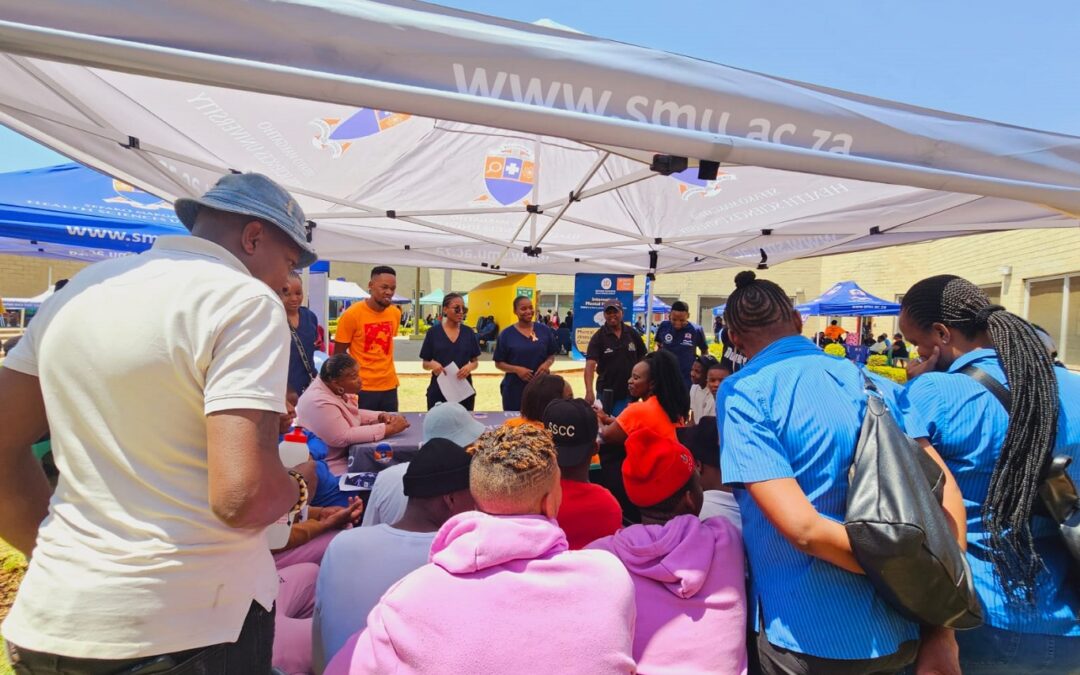
Sefako Makgatho Health Sciences University (SMU) is continually reaffirming its role as a catalyst for societal change. The Nursing Science Department recently commemorated International Mental Health Day with a transformative outreach to the Soshanguve Secure Care Centre (SSCC). By focusing on “Mental Health at Work,” SMU demonstrated its commitment to addressing critical societal challenges, providing support to both vulnerable communities and the professionals who care for them. This initiative attests to SMU’s mission to educate and empower, driving meaningful impact through health-focused solutions.
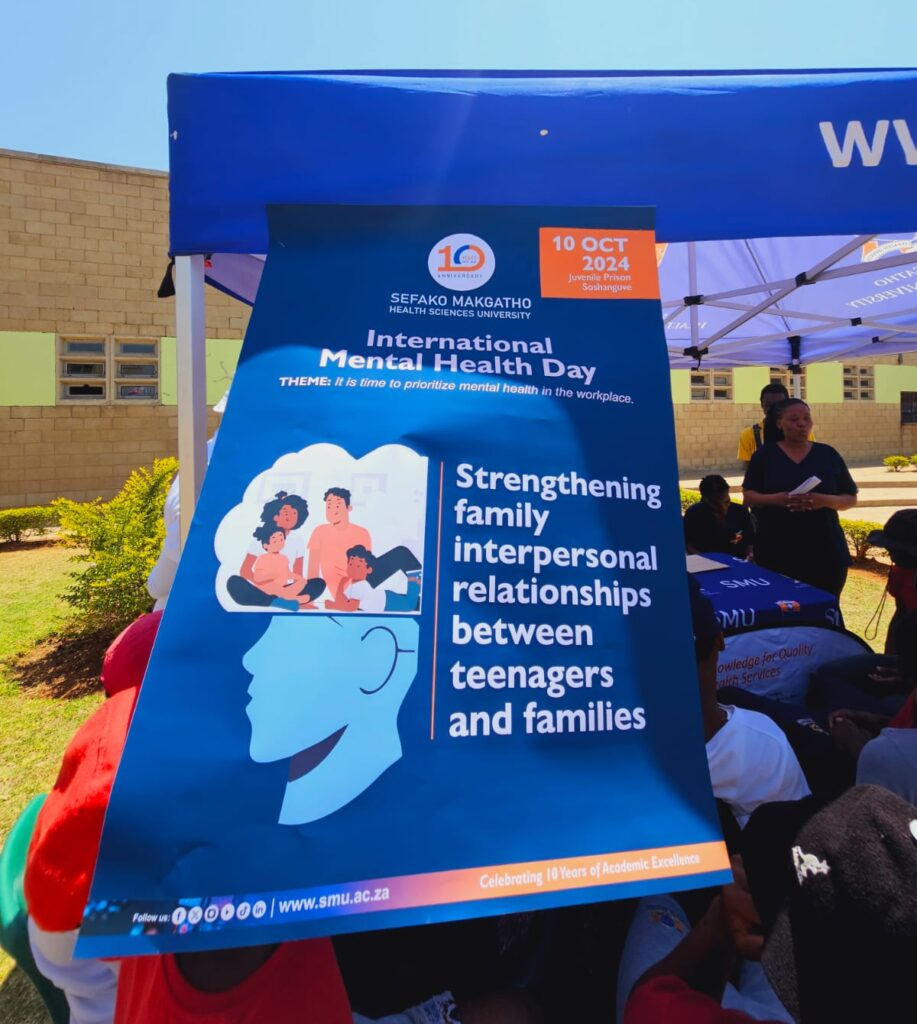
The visit to the SSCC was not only a symbolic gesture but a critical intervention in an environment where staff face significant emotional and psychological pressures daily, caring for children in conflict with the law. Led by psychiatric nursing lecturer Dikeledi Maphake and fourth-year nursing student Ntsako Makondo, the visit centred on raising awareness of the mental health challenges inherent in such high-pressure workplaces. As Maphake noted: “It was vital for us to come here and create a space for workers to openly discuss their mental health challenges, offering support where it’s needed most.”
This initiative was driven by SMU’s ethos of combining academic excellence with tangible community engagement. Students from the Bachelor of Nursing Science and Art (BNSA) and Bachelor of Nursing and Midwifery (BNAM) programmes attended the event, engaging directly with the SSCC staff and the children they care for. The students shared practical strategies for managing stress and mental wellness, promoting a culture of self-care in the workplace.
Moreover, SMU’s engagement extended beyond the staff. The nursing students interacted with the young residents of the SSCC, many of whom struggle with mental health conditions such as oppositional defiant disorder, conduct disorder, and antisocial personality disorder. These conditions are often overlooked, but SMU’s intervention highlighted their significance, particularly in children facing legal and social difficulties. By offering insights into managing these disorders, the students reinforced the importance of mental health care in both personal and professional development.
Fourth-year nursing student Keletso Ngoetjane reflects on the impact of the visit: “The initiative wasn’t just successful; it was transformative. It allowed us to connect on a human level, opening up important conversations about mental health and creating a space of mutual support and understanding.”
This initiative underscores SMU’s broader mission—to produce healthcare professionals who excel in their fields and actively contribute to societal well-being. The event’s success was bolstered by the support of sponsors such as Cardiomed, Old Mutual, Metropolitan, and PEP Store, who provided essential items, including water, soft drinks, comfort packs, and sanitary towels. Nursing Science students further enhanced the sense of care and community by gifting goodie packs to the SSCC staff and children.
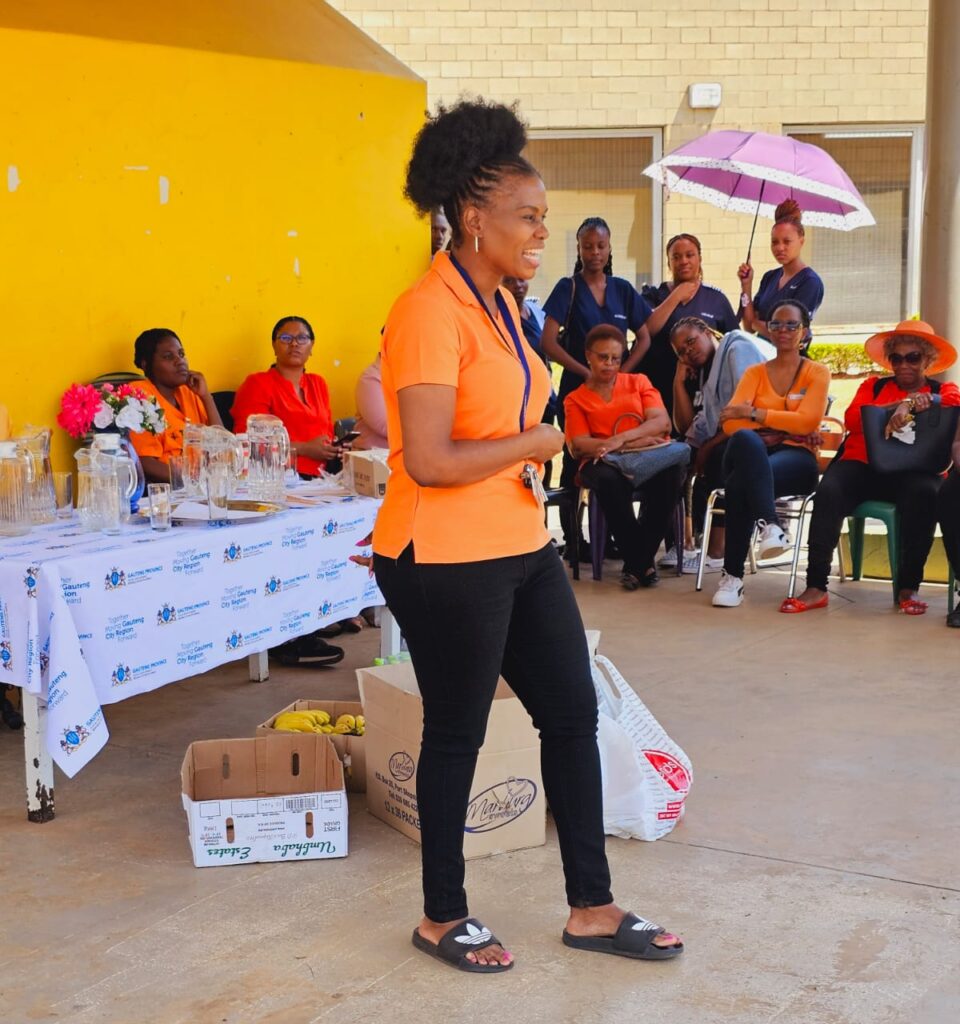 For Sister Tshuma, Acting Operational Manager at the SSCC, the visit was deeply appreciated: “We are truly grateful for the mental awareness programme provided. The health education, donations, and overall support have made a lasting impact, and we look forward to a long-term partnership with SMU.”
The event represents more than just a one-off International Mental Health Day celebration. It is part of a sustained effort by SMU to foster long-term collaborations with the SSCC, creating scholarly community engagement opportunities that will benefit staff and children alike. Through these partnerships, SMU is helping to address mental health issues early, potentially preventing behavioural problems and reducing the likelihood of reoffending.
As Dr Mokoena-de Beer of the Nursing Science Department aptly concludes: “Mental health is the cornerstone of a productive life. By prioritising it—whether for ourselves or others—we have the power to transform lives, create healthier communities, and build a brighter future for all.”
In all its endeavours, SMU is a university committed to educating future leaders and actively contributing to solutions for South Africa’s most pressing societal challenges.

by Lorato | Oct 24, 2024 | All News, SMU Media, Student Media
Sefako Makgatho Health Sciences University (SMU) is solidifying its reputation as a forward-thinking institution in higher education, championing leadership development and gender equity. By actively participating in the esteemed Higher Education Resources Services South Africa Academy (HERS-SA), SMU is not only nurturing the next generation of female leaders but also reinforcing its position as a truly supportive and empowering employer.
The recent HERS-SA conference, held in a hybrid format in Cape Town, marked the academy’s 21st annual gathering of women leaders in higher education. The event attracted attendees from across Africa and the United States of America (USA), including directors, heads of departments, managers, and aspiring leaders, all united by the mission to empower women in the sector. SMU proudly nominated two rising stars, Nonhlanhla Sindane, Acting Manager: Organisational Development, and Busisiwe Mbanjwa, Acting Manager: Gender-Based Violence, to represent the university.
Both Sindane and Mbanjwa praised the programme for its exceptional quality, noting that the insights they gained would be invaluable in their roles at SMU. Mbanjwa, an aspiring leader with a passion for human resources (HR), reflected on the global challenges facing higher education institutions, including the increasing demands on academic and administrative staff and the quest for work-life balance. Her participation in HERS-SA solidified her belief in the importance of strategic HR initiatives that prioritise employee well-being, growth, and professional development.
“One of the key takeaways for me is that the challenges we face at SMU are not unique. Institutions worldwide are grappling with similar issues, and the need for HR strategies that support staff and promote continuous growth is paramount,” says Mbanjwa. Her perspective underscores the crucial role of HR in driving institutional success and ensuring that universities remain adaptable to the evolving demands of the sector.
SMU’s commitment to professional development is further highlighted by the involvement of its Senior Director of Human Resources, Odette Ramsingh, a distinguished alumna of the HERS-SA Academy. As a keynote speaker, Ramsingh led a thought-provoking session on succession planning within higher education, urging institutions to focus on creating a credible talent pipeline. “Performance will always distinguish you in the quest for better opportunities,” she advised the audience, emphasising the importance of personal branding in leadership success.
The conference, enriched by contributions from international speakers, vice-chancellors, and prominent figures from the UK, USA, and East Africa, provided a platform for knowledge exchange and collaboration on strategies for sustainable higher education. The insights shared extended beyond local concerns, offering a global perspective on women’s experiences in leadership roles.
As SMU continues to send its leaders to platforms like HERS-SA, the university demonstrates its dedication to cultivating a workforce that not only excels in its current environment but is prepared to lead future generations. The participation of women like Sindane, Mbanjwa, and Ramsingh reflects SMU’s broader commitment to gender equity and professional growth.
The conference concluded with a prestigious awards ceremony attended by the Honourable Deputy Minister of Higher Education, Dr Mimmy Martha Gondwe, who lauded the contributions of women in the sector and encouraged others to follow in their footsteps.
For SMU, its involvement in such high-calibre initiatives speaks to its broader strategy of empowering staff and creating opportunities for personal and professional growth. In doing so, SMU not only fosters future leaders but also positions itself as an employer of choice in the competitive landscape of higher education.

by Lorato | Oct 23, 2024 | All News, SMU Media, Student Media
In the dynamic field of healthcare, young professionals are stepping up to shape the future of their respective fields, and graduates from Sefako Makgatho Health Sciences University (SMU) are leading the charge. The recent formation of the South African Young Pharmacists’ Association (SAYPA) is a powerful example of this, with many of its executive members being SMU alumni. This trailblazing initiative reflects the outstanding quality of education at SMU and the university’s commitment to nurturing leadership and advocacy beyond the classroom.
 SAYPA was born out of a vision to create a unified platform for young pharmacists, allowing them to advocate for their professional development while addressing critical challenges within South Africa’s healthcare system. SAYPA’s focus is on empowering pharmacists to lead with purpose and professionalism, ensuring that the role of pharmacists in medicine dispensing and healthcare delivery is not only recognised but also strengthened.
A key driver behind this vision is the training and leadership experience that SAYPA’s founding members gained during their time at SMU. “SMU equipped us with both a strong academic foundation and essential leadership skills,” says Luyanda Khumalo. He explains that the university’s focus on community health and public engagement instilled in them a deep sense of responsibility to effect meaningful change in the healthcare sector.
For SMU, this achievement is a testament to its legacy of developing healthcare professionals who are equipped with knowledge and prepared to lead and innovate. The university’s holistic approach to education has consistently produced graduates who are making significant strides in various healthcare fields, demonstrating leadership, integrity, and a commitment to public service.
SAYPA’s goals include providing young pharmacists with professional development opportunities, mentorship, and networking platforms. By tackling pressing issues such as unemployment and limited career advancement opportunities, SAYPA aims to empower the next generation of pharmacists to take charge of their careers while improving healthcare outcomes for all South Africans. The association is already engaging with healthcare employers, government agencies, and professional bodies to push for fair recruitment practices and advocate for better employment prospects for young pharmacists.
As SMU continues to shine on the global stage—recently breaking into the Top 10 of the World University Rankings 2025—its alumni are playing a pivotal role in advancing healthcare innovation and policy. SAYPA’s founding members see their involvement in this initiative as an extension of the legacy that SMU has built, one that fosters leadership, advocacy, and social responsibility.
“SMU’s focus on collaboration across healthcare professions gave us a holistic view of how we can contribute to the broader healthcare system,” says Khumalo. “This understanding has helped shape our vision for SAYPA to ensure that pharmacists are at the forefront of healthcare solutions, improving access to medicine and patient care.”
The formation of SAYPA is also an inspiring call to current SMU students, encouraging them to seize leadership opportunities within their fields. The founders believe that young professionals, including students still in training, can profoundly impact the healthcare landscape by being proactive, collaborative, and innovative. SAYPA’s work serves as a beacon for aspiring leaders, showing them that they, too, can be catalysts for change.
The influence of SMU’s alumni-led initiatives like SAYPA cannot be overstated. By offering support for such initiatives, SMU continues to play a vital role in bridging the gap between academic learning and professional practice, ensuring that its graduates are prepared to meet the challenges of the healthcare industry head-on.
“SMU has been instrumental in shaping me as both a pharmacist and a leader,” says Khumalo, reflecting on the association’s journey. “The university provided a world-class education and the mentorship and critical thinking skills necessary to lead in the healthcare sector. I’m proud to be an SMU graduate, and I hope our work at SAYPA inspires current students to dream big and take on leadership roles that drive positive change.”
As SAYPA works to address broader healthcare challenges, including improving access to medication and integrating pharmacists more fully into primary healthcare services, it is clear that SMU’s influence extends far beyond its campus walls. Its graduates are not only shaping the future of healthcare in South Africa, but they are also reinforcing SMU’s reputation as an institution that nurtures leaders—leaders who are committed to making a lasting impact on the world.