by Lorato | Jun 3, 2026 | All News, Alumni, SMU Media, Student Media
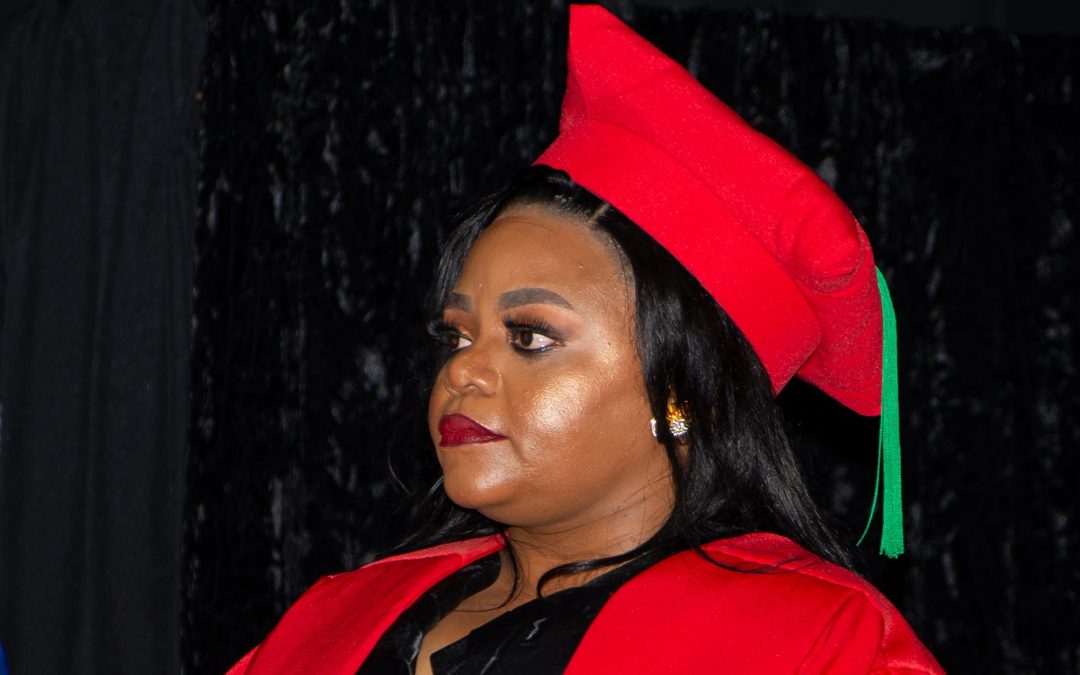
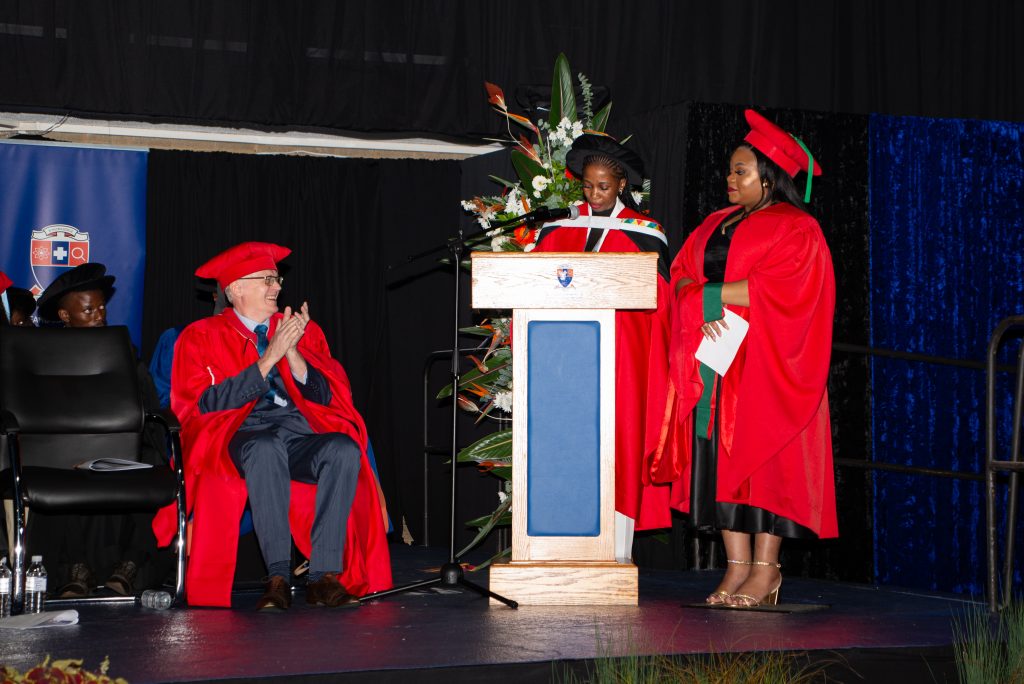
Sefako Makgatho Health Sciences University (SMU) continues to strengthen its position as a leading contributor to health sciences research through groundbreaking doctoral work that has uncovered promising antiviral compounds from South African medicinal plants. Newly graduated Doctor of Philosophy (Botany) graduate, Dr Mmamudi Anna Makhafola, has developed an innovative drug-discovery framework that combines metabolomics, computational biology and laboratory analysis to identify potential treatments targeting SARS-CoV-2 and future coronavirus threats.
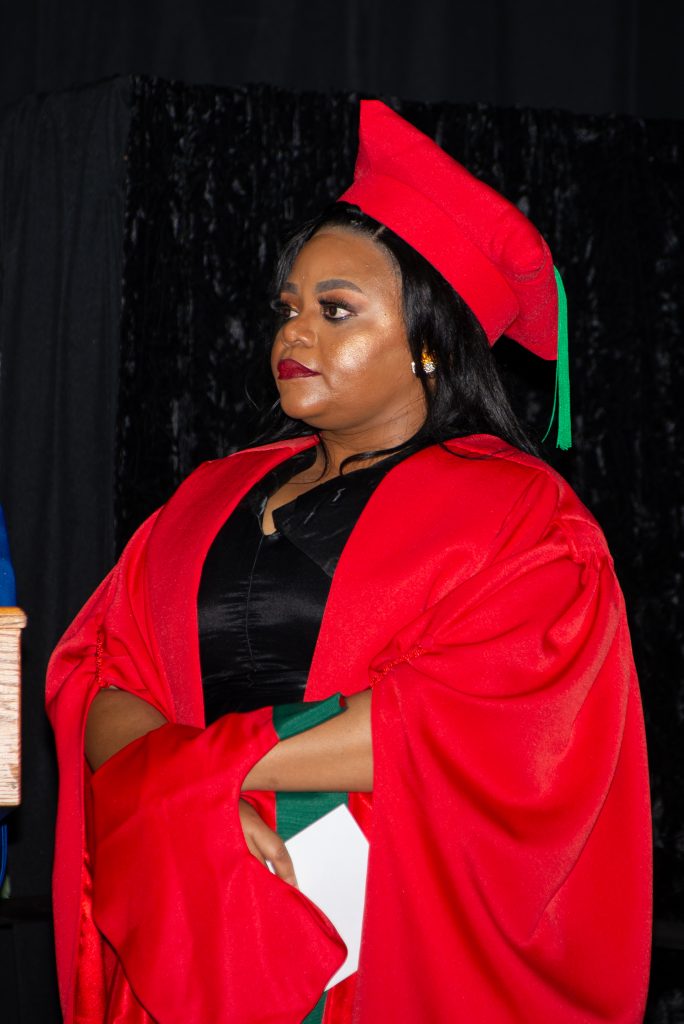 At a time when the world continues to seek new strategies to combat emerging infectious diseases, Dr Makhafola’s research highlights the untapped therapeutic value of indigenous medicinal plants. It demonstrates how African scientific knowledge can contribute to global health solutions.
Her doctoral study, titled Metabolomics approaches with in silico molecular docking and dynamics, and in vitro analysis for the discovery of South African plant-derived target drugs focusing on SARS-CoV-2 Papain-like Protease (PLpro) inhibitors, focused on the SARS-CoV-2 papain-like protease (PLpro), a critical enzyme involved in both viral replication and immune evasion.
The study explored two medicinal plants widely used in South African traditional medicine for respiratory ailments, Lippia javanica and Acorus calamus. Using an advanced untargeted UPLC-MS/MS metabolomics approach, Dr Makhafola successfully identified key bioactive compounds within the plants, including flavonoids, iridoid glycosides, phenylpropanoids and jasmonate derivatives.
“The objective was to establish and validate an integrated metabolomics-guided drug-discovery framework capable of identifying antiviral compounds from South African medicinal plants,” said Dr Makhafola. “Our findings demonstrate that traditional medicinal plants remain a valuable source of bioactive molecules that can be developed into future therapeutic agents.”
Following phytochemical profiling, the study employed advanced computational techniques to assess the therapeutic potential of compounds identified in medicinal plants. Among the most promising were catechin-7-glucoside and S-adenosyl-methionine, which emerged as leading candidates due to their strong and stable interactions with the viral target. The findings underscore the value of South Africa’s rich medicinal plant heritage as a source of novel bioactive compounds that may contribute to the development of future therapies against emerging health challenges.
Laboratory-based analyses further confirmed the antiviral activity of these compounds. The findings demonstrated that selected plant-derived compounds, especially Catechin-7-glucoside, possess promising therapeutic potential and warrant further investigation as candidates for future drug development.
“One of the most exciting aspects of the research was observing how plant-derived compounds could influence multiple biological pathways associated with disease processes,” said Dr Makhafola. “These findings highlight the potential of medicinal plants as valuable sources of bioactive compounds for future therapeutic development.”
 The findings were further supported by cellular and metabolic analyses, which demonstrated measurable biological responses associated with the investigated compounds. These results provide additional evidence of the value of integrating metabolomics, computational approaches and laboratory-based validation in natural product drug discovery.
Dr Makhafola gratefully acknowledges the financial support received through the South African Medical Research Council (SAMRC) Research Capacity Development Initiative (RCDI) Nested Scholarship Programme, which funded her doctoral studies. This support played a significant role in enabling the successful completion of the research.
Beyond the scientific discoveries, the research has already generated significant academic impact. Dr Makhafola has published multiple peer-reviewed articles arising from her doctoral work and continues to contribute to teaching, community engagement, postgraduate supervision and research as a part-time lecturer in SMU’s Department of Biology and Environmental Sciences. Her work spans metabolomics, medicinal plant research, drug discovery and infectious disease biology.
The study provides an important scientific foundation for the development of novel therapies against SARS-CoV-2 and future emerging coronaviruses while showcasing the value of South Africa’s rich biodiversity. It also demonstrates the growing importance of interdisciplinary approaches that combine traditional knowledge with cutting-edge technologies.
Dr Makhafola’s achievement reflects SMU’s commitment to excellence in teaching, learning and innovative research. By advancing scientific discovery, nurturing emerging researchers and translating knowledge into solutions that address global health challenges, the university continues to strengthen its research footprint and contribute meaningfully to improving health outcomes in South Africa and beyond.
By Tumelo Moila

by Lorato | Jun 3, 2026 | All News, Alumni, SMU Media, Student Media
Sefako Makgatho Health Sciences University (SMU) PhD candidate and part-time junior lecturer, Bontle Jessica Sibiya, has achieved remarkable recognition on both international and institutional platforms for her research addressing critical gaps in our understanding of human papillomavirus (HPV) among men who have sex with men (MSM) in South Africa.
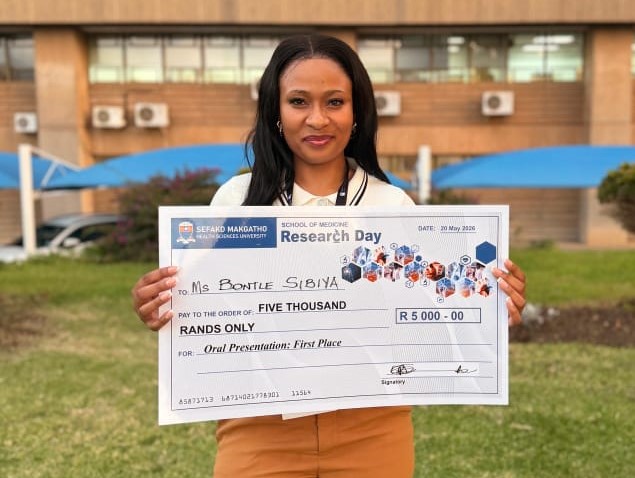
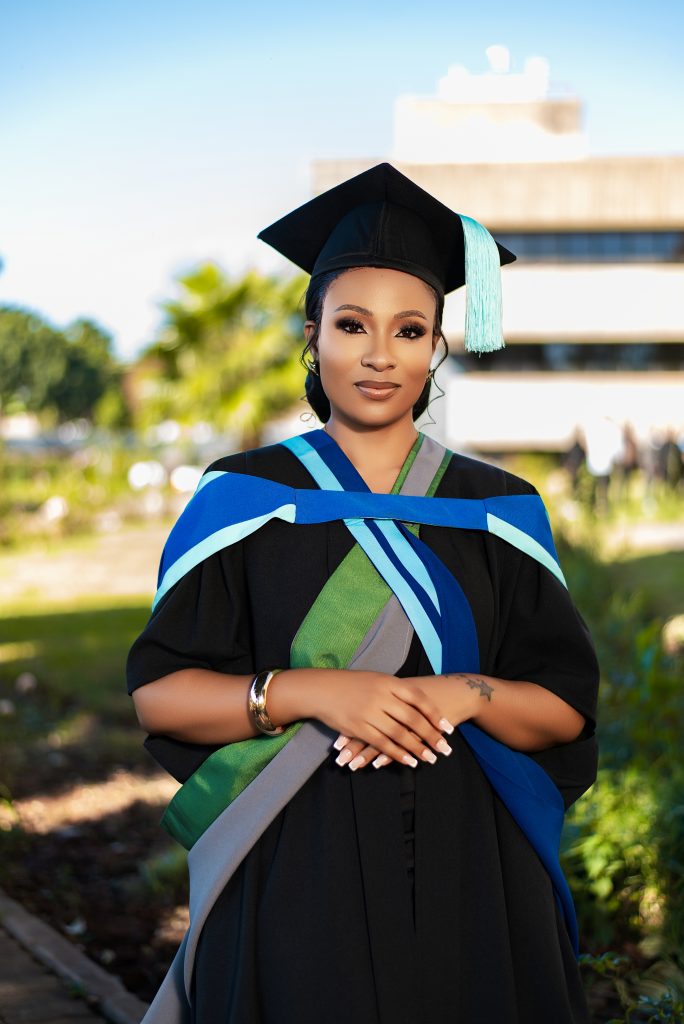 Sibiya was honoured as one of four best oral presenters sponsored by The FEBS Journal at the prestigious International Centre for Genetic Engineering and Biotechnology (ICGEB) “Translational Virology of Oncogenic Viruses: From Epidemiology to Intervention in Sub-Saharan Africa” Symposium, hosted recently by the University of KwaZulu-Natal (UKZN) in Durban. She further cemented her success by securing first place in the Best Oral Presenter (Student Category) at the SMU School of Medicine Research Day, where she presented the same study to a home audience.
The accolades coincide with another major milestone in her academic journey. Sibiya graduated as part of the SMU 2026 Autumn Graduation cohort after completing her MSc in Medicine (Medical Virology), with the award-winning research forming the basis of her master’s degree.
“This recognition is deeply meaningful because it validates years of hard work and highlights the importance of addressing overlooked public health challenges,” said Sibiya. “I am honoured that this research has resonated with both international experts and my colleagues at SMU.”
The symposium was co-hosted by UKZN’s Discipline of Virology at the Nelson R. Mandela School of Medicine and the ICGEB, one of the world’s leading intergovernmental organisations dedicated to life sciences research. The event brought together renowned virologists, oncologists and public health experts from across the globe.
Sibiya’s presentation, titled “Translating Epidemiology into Intervention: Urethral High-Risk HPV Burden and HIV-Associated Immunosuppression Among Men Who Have Sex with Men in South Africa,” examined the relationship between HIV-related immunosuppression and urethral HPV infection in MSM.
The cross-sectional study enrolled 199 participants from Gauteng and North West provinces, settings where no prior published data existed on urethral HPV prevalence among MSM. HIV prevalence in the cohort was 66.3%, and urethral HPV infection was detected in 20.9% of participants, with 16.2% of the cohort co-infected with both HIV and urethral HPV. High-risk HPV genotypes accounted for more than half of all urethral infections, with HPV 16, 18 and 68 among the most common. Notably, 60.0% of urethral infections were caused by genotypes targeted by the nonavalent Gardasil®9 vaccine, highlighting a substantial prevention opportunity for MSM. In South Africa, where HPV vaccination is currently offered only to adolescent girls through the national programme using the bivalent Cervarix® vaccine, these findings underscore the need to consider broader-valent vaccines and gender‑inclusive HPV vaccination strategies that explicitly include MSM in high HIV‑burden settings.
Importantly, the research demonstrated a clear association between declining CD4+ T-cell counts and an increased likelihood of HPV infection, highlighting the impact of HIV-associated immunosuppression on vulnerability to oncogenic HPV.
 “The urethra has largely been overlooked as a potential reservoir for high-risk HPV,” explained Sibiya. “Our findings suggest that it may play a significant role in ongoing transmission and cancer risk, particularly in settings with a high burden of HIV.”
The research calls for the integration of urethral HPV screening into routine sexual health services for MSM and the expansion of HPV vaccination programmes, particularly the use of the nonvalent vaccine, among high-risk populations. The study was supervised by Dr Ramokone Lisbeth Lebelo and Dr Varsetile Varster Nkwinika from the Department of Virology at SMU.
SMU researchers believe the study contributes critical evidence needed to inform public health policy and strengthen prevention strategies.
“This work exemplifies the kind of impactful, translational research that addresses pressing health challenges in South Africa,” said Sibiya. “Ultimately, our goal is to ensure that scientific evidence translates into interventions that improve health outcomes and reduce the burden of HPV-associated diseases.”
By Tumelo Moila
by Lorato | Jun 3, 2026 | All News, Alumni, SMU Media, Student Media
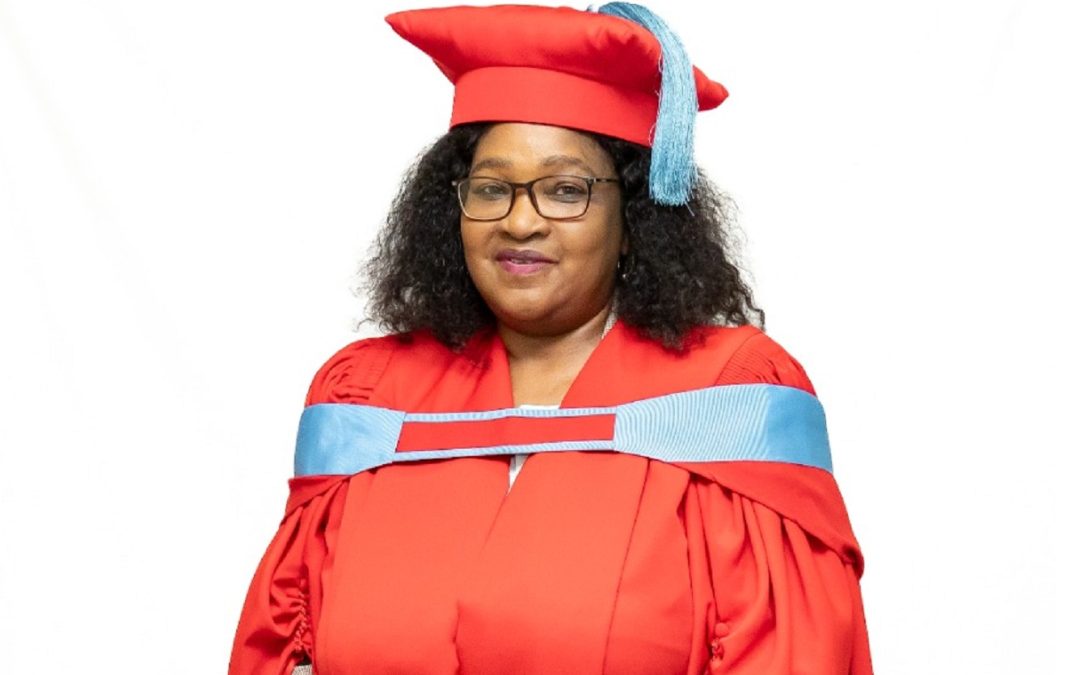
Sefako Makgatho Health Sciences University (SMU) continues to demonstrate its commitment to advancing health systems innovation through impactful doctoral research aimed at solving some of South Africa’s most persistent healthcare challenges. A newly completed PhD study by Dr Mmabatho Miriam Ndwandwe has introduced a comprehensive governance framework designed to address chronic medicine shortages in public health facilities across the Eastern Cape Province, a problem that continues to undermine patient care and delay progress towards universal health coverage.
 Medicine stock-outs remain one of the most critical barriers to effective healthcare delivery in South Africa’s public sector. Despite existing procurement policies and regulatory frameworks, many facilities continue to experience frequent shortages of essential medicines, exposing deep structural weaknesses in governance, accountability and supply chain coordination. Dr Ndwandwe’s research responds directly to this challenge by proposing a practical, evidence-based framework to strengthen medicine governance from provincial to facility level.
At the heart of the study is a clear warning about the systemic nature of the problem. “Medicine shortages in the public health system are not only a supply chain issue, but a governance failure that requires coordinated leadership, transparency and accountability at every level of the system,” said Dr Ndwandwe, highlighting the urgency for structural reform.
Her doctoral research adopted a sequential explanatory mixed-methods design, combining quantitative data from 394 healthcare professionals with qualitative insights drawn from 20 in-depth interviews with healthcare managers operating at both facility and provincial levels. The study included nurses, pharmacists and medical officers across clinics, community health centres and hospitals in the Eastern Cape, ensuring a comprehensive view of the health system.
The quantitative findings revealed that more than 70 per cent of respondents reported frequent medicine stock-outs that severely disrupted service delivery. Statistical analysis further showed significant associations between perceptions of stock management and professional category, indicating inconsistencies in how shortages are experienced across different healthcare roles.
The qualitative phase provided deeper insight into the structural drivers of these shortages. Participants identified weak pharmaceutical supply chain systems, fragmented communication channels, poor budget transparency, limited functionality of Pharmacy and Therapeutics Committees (PTCs), and inadequate accountability mechanisms as key contributors to ongoing challenges.
“Health professionals consistently highlighted the lack of coordination between procurement processes and facility-level needs,” Dr Ndwandwe explained. “Without functional governance structures and clear accountability systems, even well-designed policies fail to translate into reliable medicine availability.”
Using the World Health Organization’s Good Governance for Medicines (GGM) Model as a guiding framework, the study developed a four-pillar governance model. This includes strengthened leadership and accountability mechanisms, improved transparency in procurement and financial systems, enhanced functionality of governance structures such as PTCs, and improved capacity-building alongside compliance monitoring.
Stakeholder validation confirmed that the framework is both practical and aligned with the National Health Act and international governance standards. Experts noted its strong potential to improve coordination between provincial authorities and frontline healthcare facilities, thereby strengthening the overall efficiency of medicine supply systems.
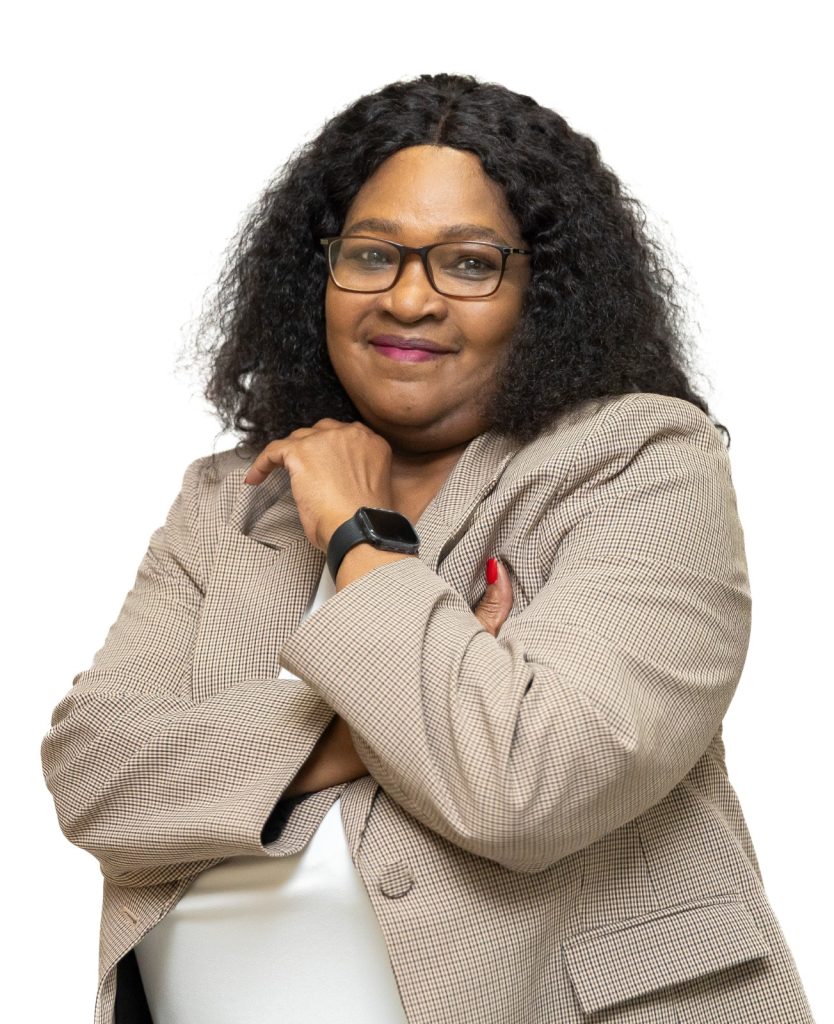 Dr Ndwandwe, who brings extensive experience in public health leadership, including roles as a hospital Chief Executive Officer and senior provincial health manager, said her work is grounded in practical experience. Her background in pharmacy, supply chain management and health systems governance adds critical depth to the study’s findings and recommendations.
The research concludes that resolving medicine shortages requires more than logistical fixes; it demands a transparent, accountable and fully integrated governance system that connects policy with implementation. The proposed framework offers a realistic and scalable pathway towards achieving this transformation.
SMU emphasised that research of this nature reflects its broader mission to produce knowledge that directly responds to national health priorities. Through rigorous academic inquiry and innovation, the university continues to strengthen South Africa’s health systems and improve access to essential medicines.
As the country works towards achieving universal health coverage, Dr Ndwandwe’s research stands as a significant contribution, demonstrating how SMU continues to shape solutions that improve healthcare delivery and ultimately enhance the well-being of communities across South Africa.
By Tumelo Moila.
by Lorato | Jun 3, 2026 | Accolades and Achievements, All News, Alumni, SMU Media, Student Media
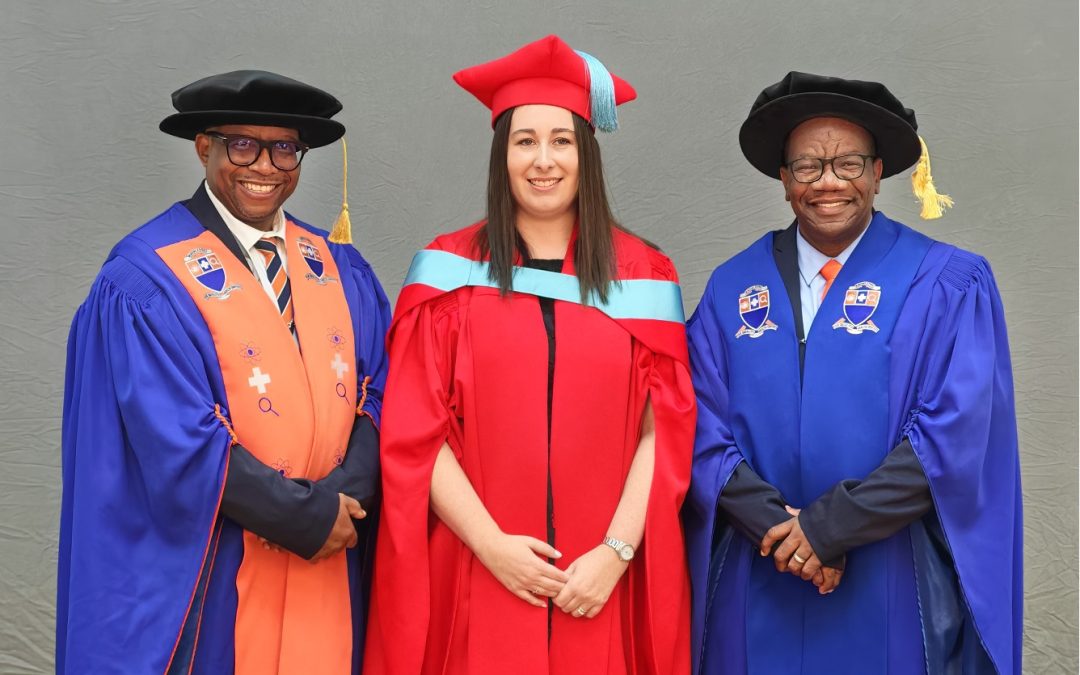
As cardiovascular disease continues to place an increasing burden on South Africa’s healthcare system, groundbreaking research from Sefako Makgatho Health Sciences University (SMU) is providing new insights into one of the country’s most complex and under-recognised heart conditions. Newly graduated Doctor of Philosophy (Physiology) graduate, Dr Marilet van Hoogland-van Heerden, has produced significant findings that could help improve the diagnosis, management and treatment of heart failure with preserved ejection fraction (HFpEF) among black South Africans.
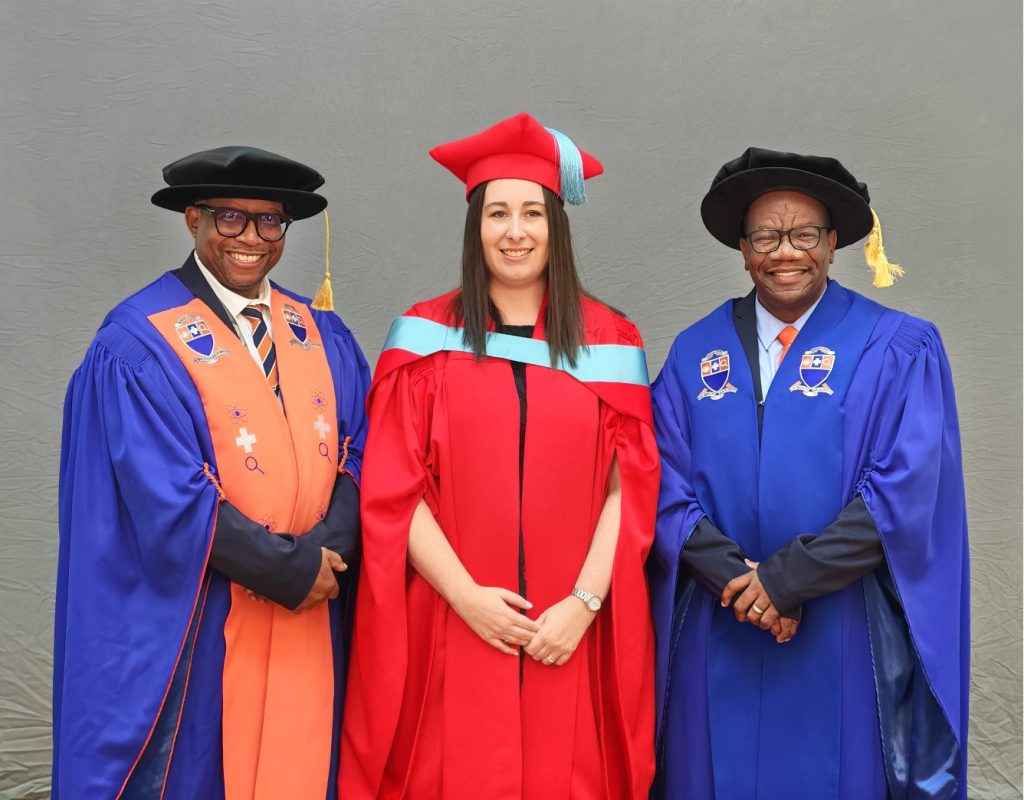 Dr van Hoogland-van Heerden’s doctoral study investigated the relationship between hypertension, diabetes mellitus, renal function and treatment in a young-to-middle-aged HFpEF population. The research examined 125 patients diagnosed with HFpEF and compared them with 510 participants without the condition, making it one of the most comprehensive community-based studies of HFpEF conducted in South Africa.
HFpEF is a growing form of heart failure closely associated with hypertension and other cardiometabolic disorders. Through detailed anthropometric, echocardiographic, haemodynamic and pulse wave velocity assessments, the study identified significant cardiovascular abnormalities among affected patients.
“The findings revealed that HFpEF in black South Africans is characterised by markedly increased arterial stiffness and concentric left ventricular hypertrophy, alongside a high burden of hypertension, diabetes mellitus and chronic kidney disease,” said Dr van Hoogland-van Heerden.
“These results highlight the urgent need for earlier intervention, improved risk-factor management and treatment strategies that are tailored to the realities of South African communities.”
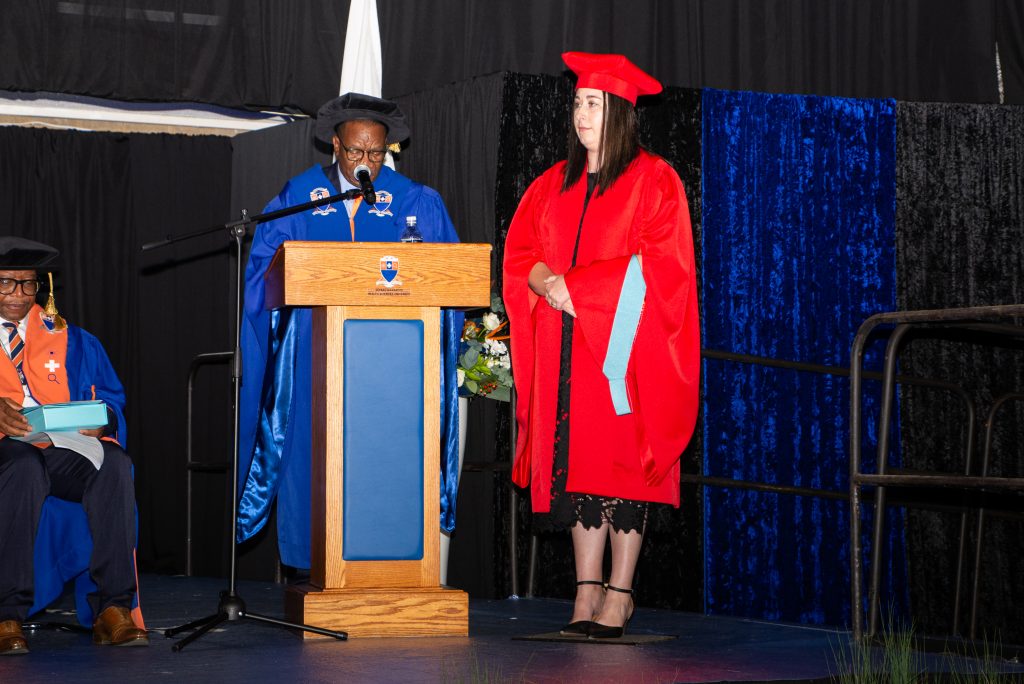 The study found that both HFpEF and non-HFpEF participants were predominantly middle-aged and obese. However, patients with HFpEF who also suffered from hypertension showed stronger associations with arterial stiffness and structural changes in the heart. Diabetic HFpEF patients demonstrated more severe cardiovascular disease and related complications, underscoring the compounded impact of multiple chronic conditions.
Importantly, the research revealed that current treatment approaches had limited effects on several key clinical markers, suggesting that more targeted interventions may be required to improve patient outcomes.
“The burden of cardiovascular risk factors identified in this population demonstrates the importance of prevention and early management,” Dr van Hoogland-van Heerden explained. “Addressing these risk factors before heart failure develops could significantly reduce disease progression and improve quality of life.”
The findings contribute valuable evidence to a field that remains under-researched in African populations. By providing detailed data on HFpEF within a South African context, the study offers important guidance for clinicians, researchers and policymakers seeking to improve healthcare outcomes.
Among its recommendations, the study advocates for greater emphasis on lifestyle interventions and consideration of newer therapies, including sodium-glucose co-transporter 2 (SGLT-2) inhibitors, glucagon-like peptide-1 (GLP-1) receptor agonists, thiazide diuretics and angiotensin II receptor blockers (ARBs) for high-risk patients.
Beyond the doctoral research itself, Dr van Hoogland-van Heerden has already published two peer-reviewed articles arising from the study and received several prestigious awards from the Physiological Society of Southern Africa and the South African Medical Research Council, including a Best Oral Presentation Award. She currently serves as a lecturer in SMU’s Department of Physiology, where she combines teaching, postgraduate supervision and research focused on heart failure, hypertension and cardiovascular risk factors in African populations.
Her achievement reflects SMU’s growing research footprint and its commitment to generating knowledge that addresses South Africa’s most pressing health challenges. Through innovative, community-focused scholarship, the university continues to advance scientific discovery that not only strengthens healthcare practice but also contributes to improving the health and well-being of communities across the country.
By Tumelo Moila
by Lorato | Jun 3, 2026 | All News, Alumni, SMU Media, Student Media
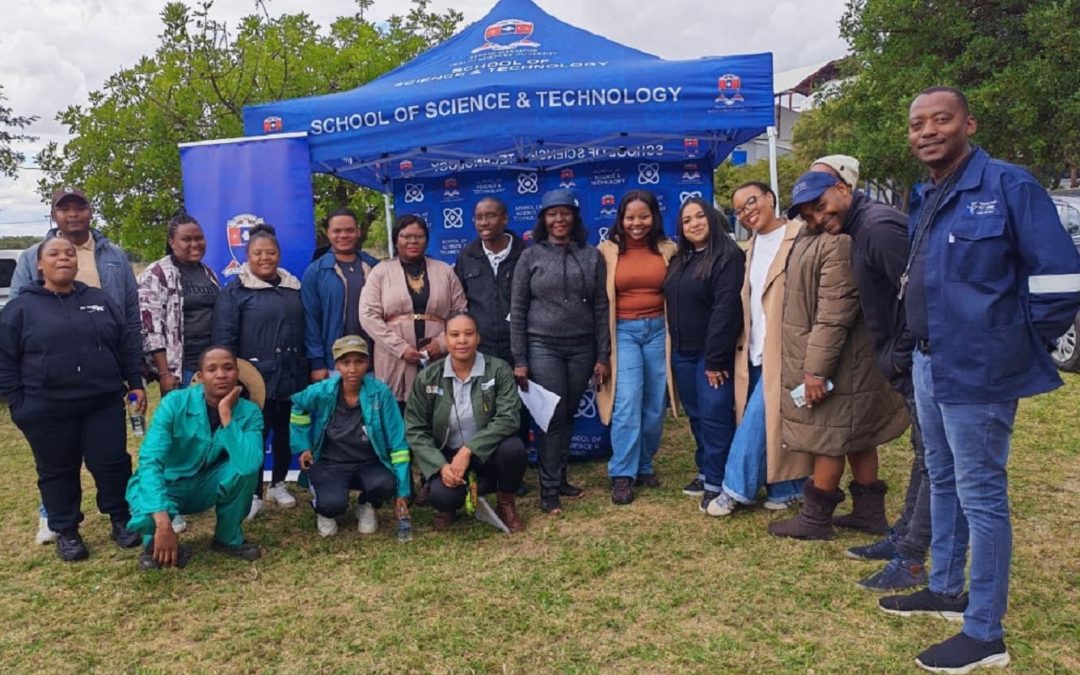
The Sefako Makgatho Health Sciences University (SMU) played a central role in the International Day for Biological Diversity 2026 celebrations held at Tshwane South TVET College’s ODI Campus and the Toloane Catchment Area in Hebron/Mabopane. The programme, themed “Skills for the River, Impact for the Planet,” brought together government, academia, and community partners to advance biodiversity conservation, citizen science, and integrated catchment management. The event aligned with Africa Day and marked the soft launch of the Ecological Infrastructure Rehabilitation for Sustainable Livelihoods (EIR4SL) Programme, reinforcing a shared commitment to environmental restoration and sustainable livelihoods.
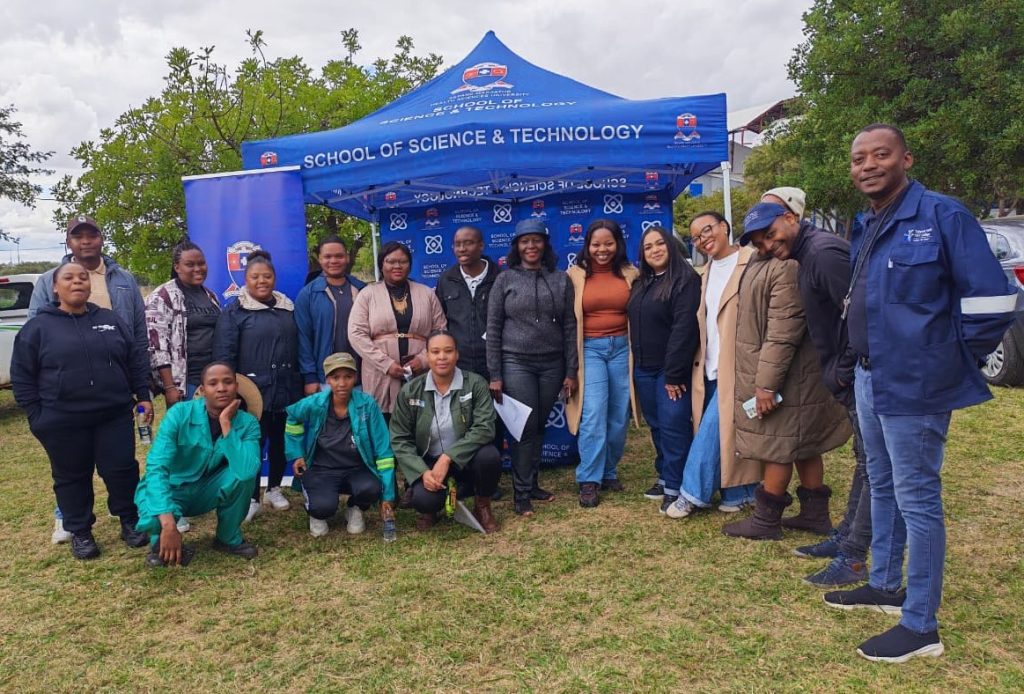 Stakeholders included the Department of Water and Sanitation, South African National Biodiversity Institute, Magalies Water, the Gauteng Department of Environment, the City of Tshwane Water and Sanitation Unit, Tshwane South TVET College, Friends of Toloane NPC, and community structures such as the Toloane Youth Water Network. SMU representatives from the Department of Biology and Environmental Sciences, including Dr Clarissa Naidoo, Dr Ntebo Lion, Tshegofatso Modise, Letlhogonolo Ntshimane, Pitso Hoffman, Sphiwe Joseph Skosana, and Trevor Bongani Bvuma, contributed across planning sessions, field activities, and public engagement platforms, strengthening multi-sector collaboration in the catchment.
“Biodiversity protection is not theoretical for us—it is a lived responsibility,” said Dr Naidoo. “Through partnerships like this, we are translating science into action that improves water systems, public health, and community resilience.”
SMU contributed significantly to environmental education and citizen science activities, supporting the “Skills for Nature” learning stations, water quality testing, and ecological awareness exhibitions. Students and staff participated in both indoor discussions and outdoor field demonstrations, including river monitoring, invasive species identification, and ecological restoration activities. The university also extended public outreach through SMU FM 97.1 and its institutional communication platforms, ensuring wider community participation and awareness.
“Working in the catchment area allows students to connect environmental science with real-world public health outcomes,” said Dr Lion. “This experience strengthens the link between academic learning and community impact in a meaningful way.”
The programme featured a structured indoor stakeholder session at Tshwane South TVET College, where presentations focused on integrated catchment management, biodiversity conservation, and invasive species control. Outdoor field activities in the Toloane Catchment Area enabled participants to apply theory in practice through environmental clean-ups, river health assessments, and citizen science monitoring. Learning stations showcased water quality monitoring tools, ecological restoration methods, and environmental education resources, while Magalies Water demonstrated a pilot water treatment truck as part of the exhibition.
Modise highlighted the importance of youth participation, stating: “When young people are actively involved in environmental monitoring and restoration, they become long-term custodians of our natural resources. This programme is building that generation.”
Key outcomes included strengthened stakeholder collaboration, increased biodiversity awareness, enhanced youth engagement in environmental programmes, and improved understanding of integrated catchment management approaches. Participants also emphasised the value of indigenous knowledge systems and community-led environmental stewardship as essential components of sustainable ecological rehabilitation.
The International Day for Biological Diversity 2026 programme demonstrated the power of collaborative environmental action across government, academia, and communities. It also reinforced SMU’s growing role in advancing environmental health education, citizen science, and interdisciplinary engagement in real-world ecosystems. Through its active participation, SMU strengthened its contribution to environmental sustainability and public health linkages.
The initiative laid a strong foundation for the expansion of the EIR4SL Programme, positioning SMU and its partners at the centre of future efforts to restore ecological infrastructure, build climate resilience, and promote sustainable community livelihoods across the Tshwane catchment region.
By Tumelo Moila
by Lorato | Jun 3, 2026 | All News, Alumni, SMU Media, Student Media
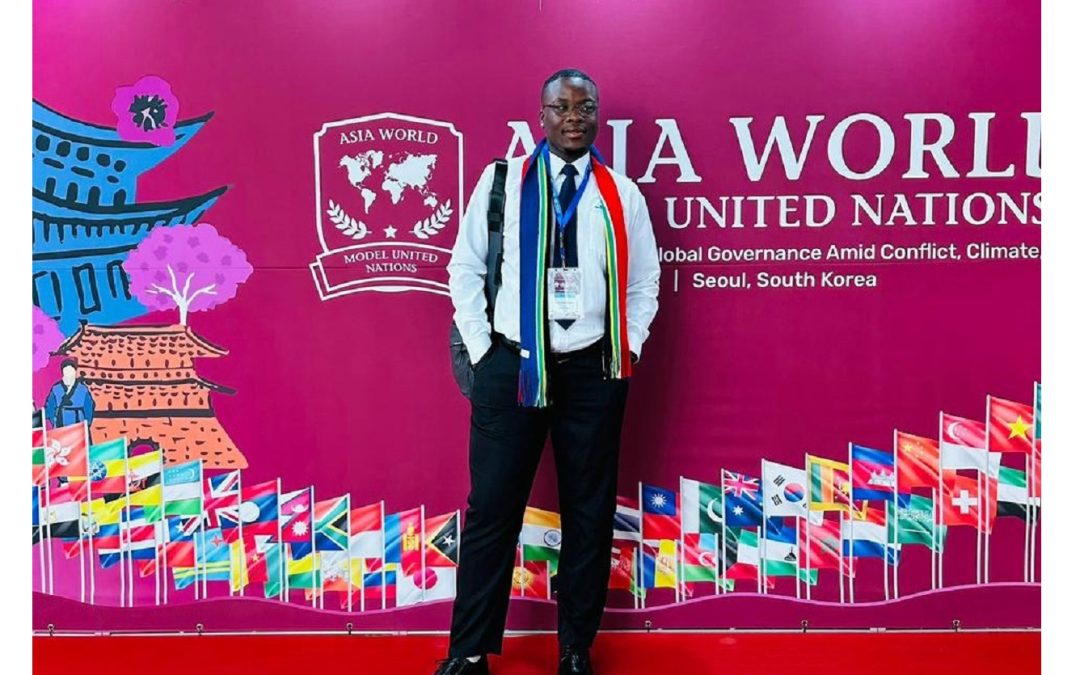
Sefako Makgatho Health Sciences University (SMU) continues to assert its growing global footprint, as MBChB IV student Freddy Kunene returns from a transformative international experience at the Asia World Model United Nations (AWMUN), held in Seoul, South Korea. His participation marks a significant milestone not only in his personal academic journey but also in SMU’s broader mission to produce globally engaged health sciences graduates capable of shaping international dialogue.
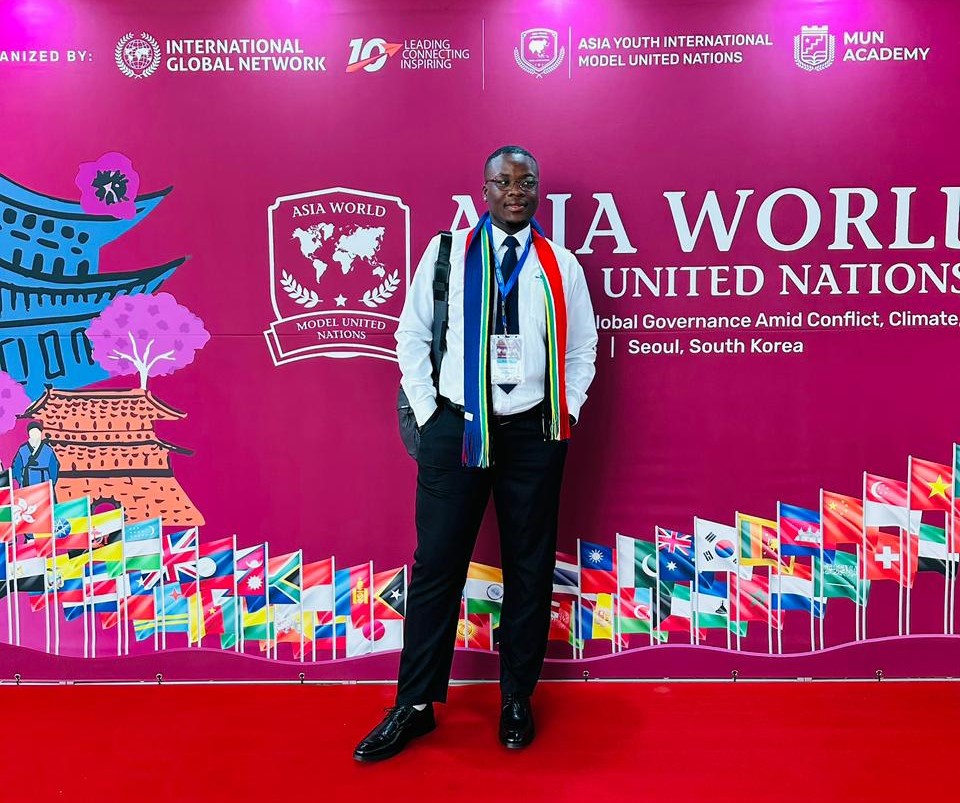 Kunene was selected through a competitive process that considered both academic excellence and leadership capacity, making him one of only two South Africans in the programme and the sole representative from SMU. Supported by the School of Medicine, the Student Affairs Directorate, and the Internationalisation Directorate, his selection reflects SMU’s commitment to expanding access to high-impact global learning opportunities.
Organised by the International Global Network (IGN), AWMUN brings together young leaders aged 15 to 25 from across the world to simulate United Nations councils and debate urgent global challenges such as disease outbreaks, climate change, and international development. The programme is designed to strengthen diplomacy, public speaking, negotiation, and cross-cultural collaboration skills in future global leaders.
Reflecting on the experience, Kunene described it as a defining moment in his academic and personal development.
“AWMUN is a global programme that brings together student leaders from across the world to engage in dialogue on pressing global issues, including disease outbreaks, climate change, and other challenges affecting humanity. I was fortunate to be selected to participate in this programme, an opportunity made possible through the support of the Office of the School of Medicine Deanery under the leadership of Prof Chauke, the Office of Student Affairs under Mr Nkuntse, and the Office of Internationalisation under Dr Jooste,” he said.
At just 20 years old, Kunene experienced international travel for the first time, navigating unfamiliar environments while representing both South Africa and SMU on a global stage. The experience, he said, pushed him far beyond his comfort zone and reshaped his confidence.
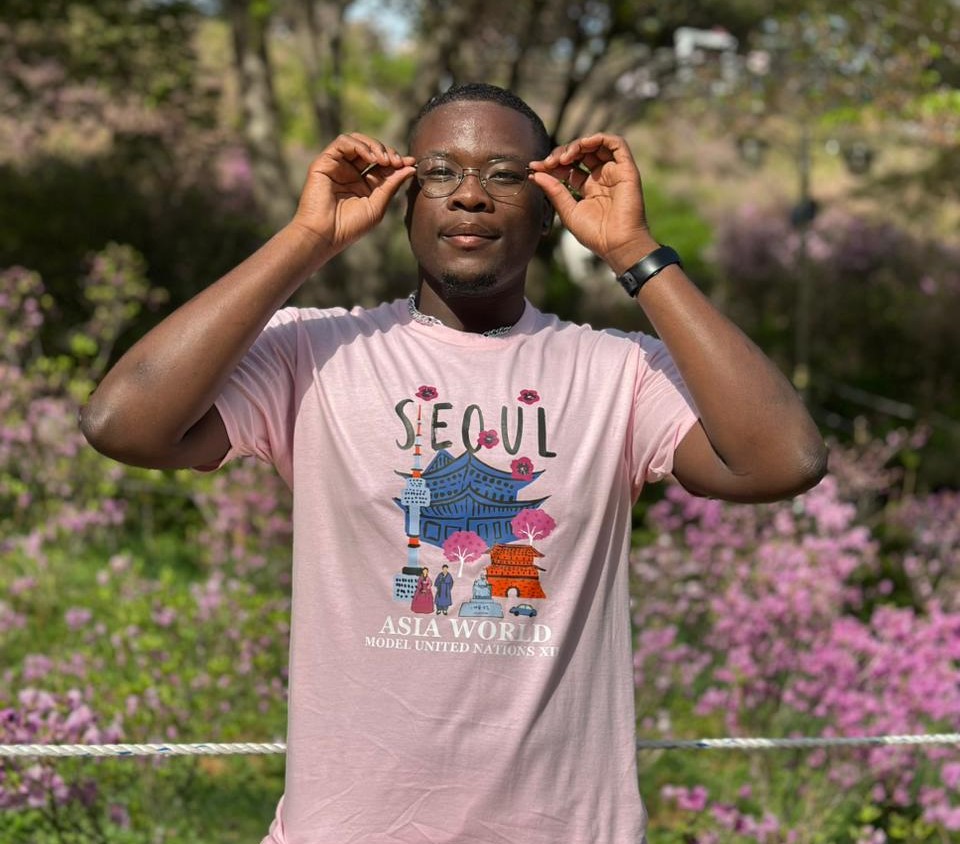 “This experience was truly life-changing. It pushed me far beyond my comfort zone — navigating new languages, unfamiliar food, and an entirely different environment. Even the memory of my first flight still stands out as a moment of both excitement and disbelief. Through it all, I learned, adapted, and grew,” he added.
Beyond formal debates, Kunene highlighted the value of building international networks with fellow delegates, noting that these connections will continue to influence his academic and leadership journey.
One of the most memorable highlights came during the closing gala dinner, where he received recognition for best dressed after proudly wearing IsiXhosa traditional attire. The choice, he said, was intentional and deeply symbolic.
“For the event, I carefully selected IsiXhosa traditional attire after reflecting on South Africa’s rich cultural diversity and asking myself which outfit would stand out while honouring my identity. Wearing it made me feel confident and deeply connected to my roots,” he explained.
He added that the moment carried broader significance. “Standing on that stage meant more than recognition — it symbolised a dream realised. It felt like I was carrying the hopes of my ancestors, proving that our voices belong in global spaces too.”
Kunene’s achievement reinforces SMU’s vision of transforming health services through excellence and innovation, while strengthening its institutional values of leadership, excellence, and ubuntu. His journey demonstrates how SMU continues to empower students to transcend local boundaries and engage meaningfully in global academic and professional spaces.
As SMU advances its mission of producing socially responsive and globally competitive health professionals, stories such as Kunene’s affirm that its students are not only participants in global conversations — they are active contributors shaping them.
By Tumelo Moila
by Lorato | Jun 3, 2026 | All News, Alumni, SMU Media, Student Media
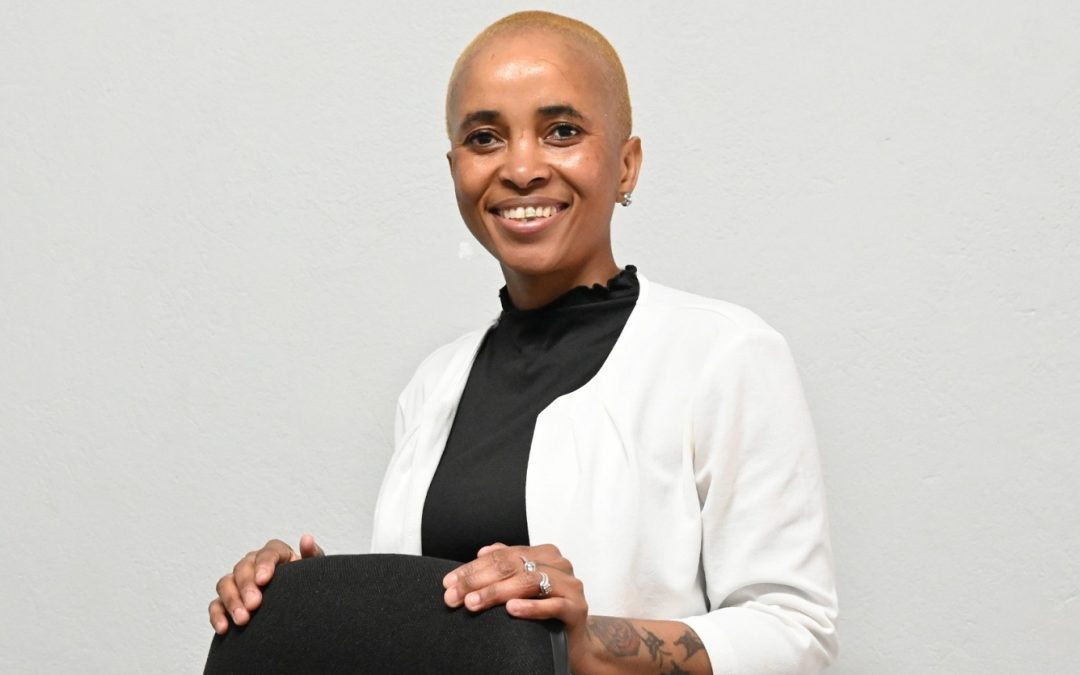
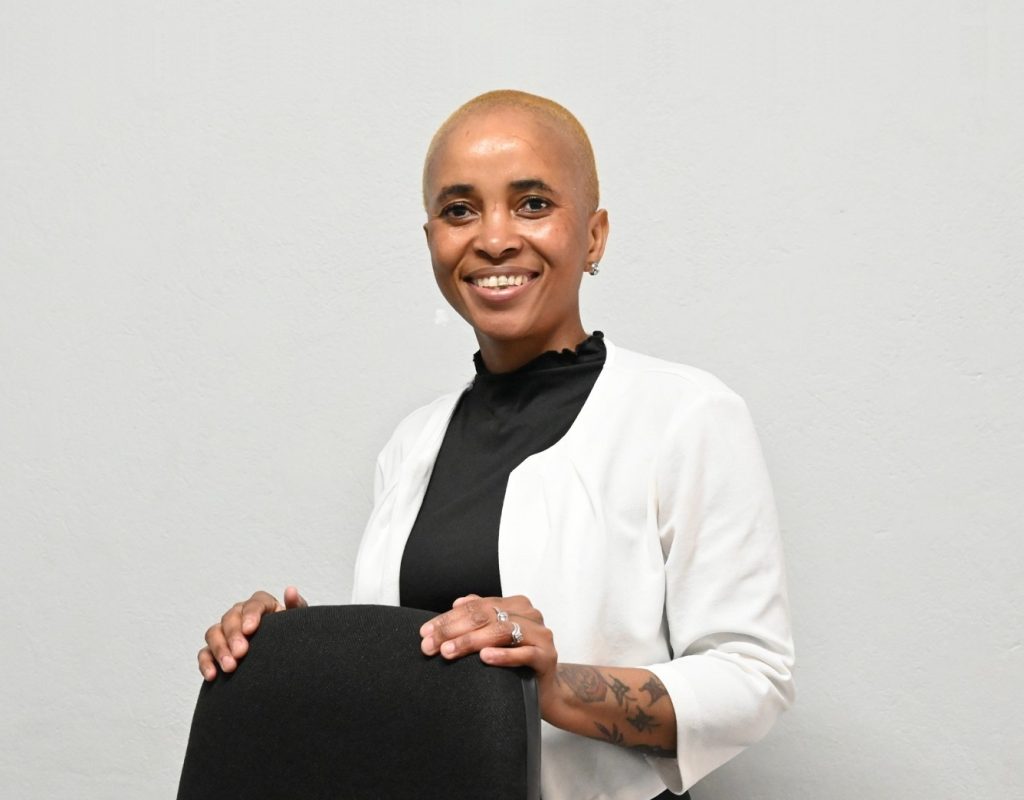
Sefako Makgatho Health Sciences University (SMU) is celebrating a significant achievement following the appointment of its Department of Intensive Care secretary and SMU women’s football team coach, Dorah Thorisa Mashigo, as Head Coach of Team SA Women’s Football for the upcoming Confederation of Universities and Colleges Sports Association (CUCSA) Games.
The tournament will take place in Gaborone, Botswana, from 28 June to 6 July 2026 and will be hosted by the Botswana Tertiary Student Sport Association (BOTESSA). The regional competition will bring together tertiary student-athletes from across Southern Africa.
Affectionately known as Coach Dee, Mashigo’s appointment marks a proud moment for both the university and South African university sport. It reflects SMU’s commitment to developing excellence in leadership, sport and student development. Her selection to lead the national women’s university football team highlights the growing influence of SMU in nurturing talented professionals who excel both on and off the field.
For Mashigo, the appointment was met with a mixture of excitement and responsibility. “At first, I felt scared because coaching a national team is very different from coaching a club or university team. You work with players from different backgrounds, and expectations are much higher,” she said. “At the same time, I felt very honoured and grateful to be trusted with this role. It is a big step in my coaching journey, and I do not take it lightly.”
Born and raised in Ga-Rankuwa, Mashigo’s football journey began on the dusty fields of her community. What started as a childhood passion evolved into a lifelong commitment to the sport. She recalls beginning not as a coach, but as a young football enthusiast determined to pursue her dreams despite limited resources. “I didn’t start as a coach. I started as a young girl with a dream, worn-out boots and a deep love for football,” she reflected.
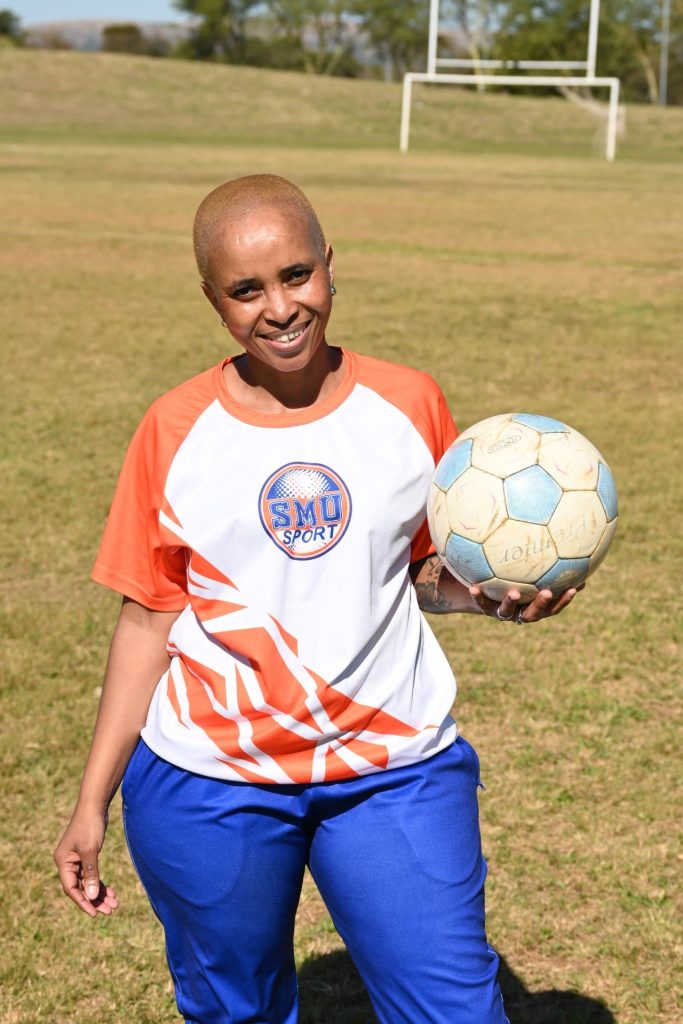 Football became a powerful teacher, instilling discipline, resilience, teamwork and perseverance. Her coaching career began while she was playing for Juventus FC, where she assisted with training sessions under Coach Fana Makhudu. Those early experiences ignited a passion for coaching that would ultimately shape her future.
Over the years, Mashigo has built an impressive coaching portfolio. She guided the SMU men’s staff football team to success at the South African University Sports Association (SAUSSA) Games, obtained both CAF D and CAF C Coaching Licences, and led Titans FC Women’s Team to promotion to the SAFA Tshwane Women’s Regional League. She currently serves as Head Coach of the SMU Ladies Football Team while also fulfilling administrative responsibilities within the university.
Reflecting on her journey, Mashigo credited SMU for supporting her development as both a coach and a leader. “My experience at SMU has played a significant role in my growth as a coach and leader. Working with student-athletes from diverse backgrounds has strengthened my leadership, communication and athlete development skills,” she said.
As she prepares for the CUCSA Games, Mashigo remains focused on building a united and competitive team capable of representing South Africa with distinction. “I hope this appointment not only contributes to my own growth but also inspires other women who aspire to pursue leadership roles within football,” she said.
Her appointment embodies SMU’s values of excellence, leadership and empowerment. As Team SA prepares for Botswana, the university proudly celebrates one of its own whose journey demonstrates how talent, perseverance and opportunity can produce leaders capable of making an impact on the international stage.
By Rose Moreki

by Lorato | May 28, 2026 | All News, Alumni, SMU Media, Student Media
Sefako Makgatho Health Sciences University (SMU) has strengthened its position as a continental leader in health sciences education following a landmark clinical benchmarking session with Botswana’s private institution, Boitekanelo College.
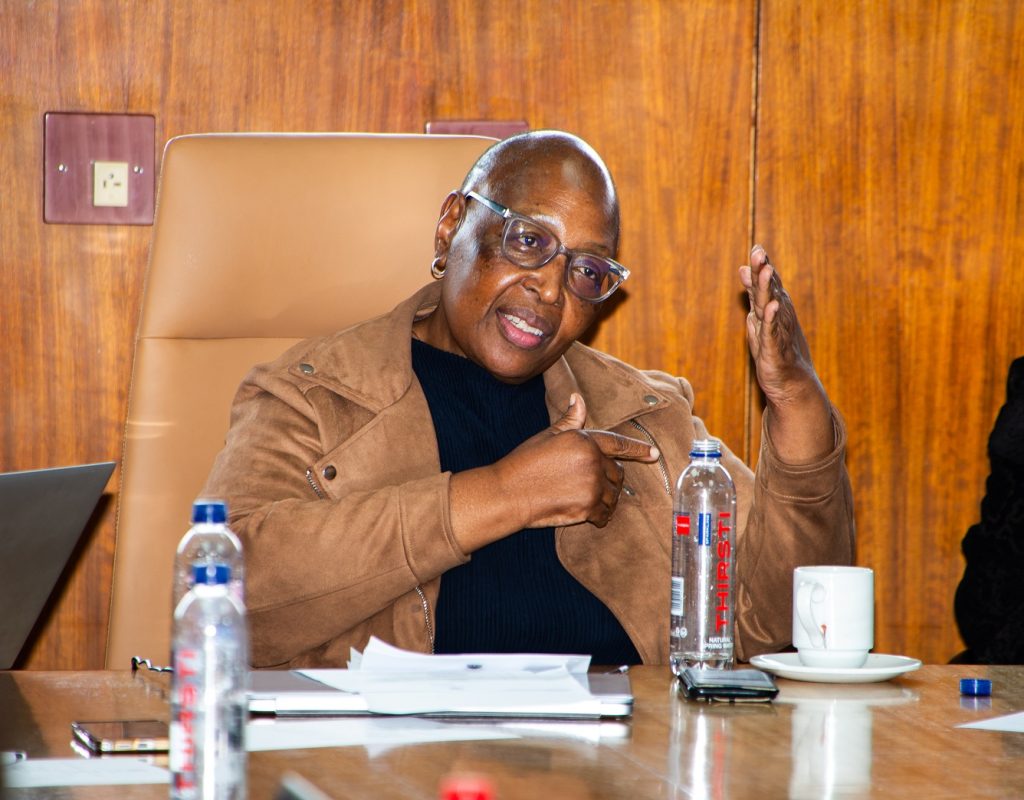 Hosted at SMU and led by acting Deputy Vice-Chancellor Professor Dini Mawela, the engagement operationalised the Memorandum of Understanding (MOU) signed between SMU and Boitekanelo College in September 2025. The visit marked a major step towards expanding African-led healthcare education partnerships across the SADC region.
Leading the Botswana delegation was Dr Tiro Mampane, SMU alumnus and founder and president of Boitekanelo College, who graduated from the university’s School of Medicine in 2003. Returning to his alma mater more than two decades later, Dr Mampane arrived with an ambitious vision to establish a school of dentistry in Botswana inspired by the SMU model.
“Of course, the journey has been very difficult but fulfilling because obviously I’m very passionate about it. It’s really close to my heart,” said Dr Mampane. “When I was here, I didn’t just learn medicine. I also saw what was going on in SMU. And basically, I want to replicate SMU in Botswana.”
Dr Mampane emphasised that health sciences programmes remain critical in addressing unemployment and strengthening healthcare delivery across the region. “Health programmes… the advantage about them is that currently, the sought-after employment rate with them is very high compared to other programmes,” he said.
The visit was coordinated through SMU’s Internationalisation Directorate under the leadership of Dr Carlien Jooste, who highlighted the university’s commitment to active and mutually beneficial African partnerships.
“My department advocates for partnerships that are mutually beneficial and active, which means that we do not enter into partnerships without evidence of collaboration already taking place,” Dr Jooste explained.
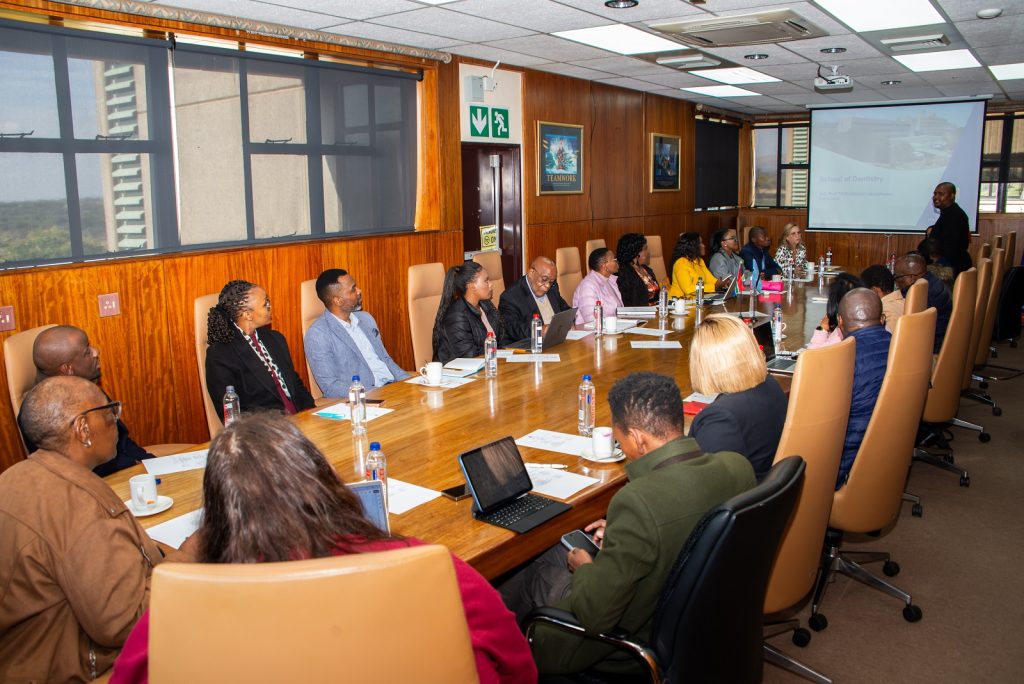 She added that the benchmarking visit followed extensive engagements in Gaborone earlier this year, where SMU academics and leadership interacted with Boitekanelo College and other institutions in Botswana. Those discussions showcased the strength of SMU’s dentistry programmes and inspired the current collaboration.
Importantly, Dr Jooste described the partnership as part of a wider shift toward African-centred academic development. “For years, universities in the Global South were dictated to by the Global North on how to internationalise,” she said. “Partnerships with SADC and other African countries now allow us to develop mutually beneficial partnerships on our terms.”
Boitekanelo College plans to implement the project through a phased academic rollout beginning with Oral Hygiene, progressing to Dental Therapy, and eventually introducing a full Dentistry degree programme. Dr Jooste stressed that benchmarking should promote adaptation rather than duplication.
“Benchmarking is not a copy-and-paste exercise,” she noted. “It is a learning exercise that allows you to take and implement what works for your programme and institution.”
The partnership framework also includes student clinical rotations, staff exchanges, collaborative teaching opportunities, and joint research initiatives aimed at strengthening healthcare systems across borders.
Following tours of the SMU Dental Hospital, the Botswana delegation acknowledged the scale of investment required to establish a world-class dental programme. However, the engagement reinforced confidence in the partnership’s long-term impact.
As discussions expanded into future regional community dentistry projects and collaborative healthcare initiatives, the benchmarking session reaffirmed SMU’s growing reputation as a premier African institution advancing excellence, innovation, and transformation in health sciences education.
By Rose Moreki
by Lorato | May 28, 2026 | All News, Alumni, SMU Media, Student Media
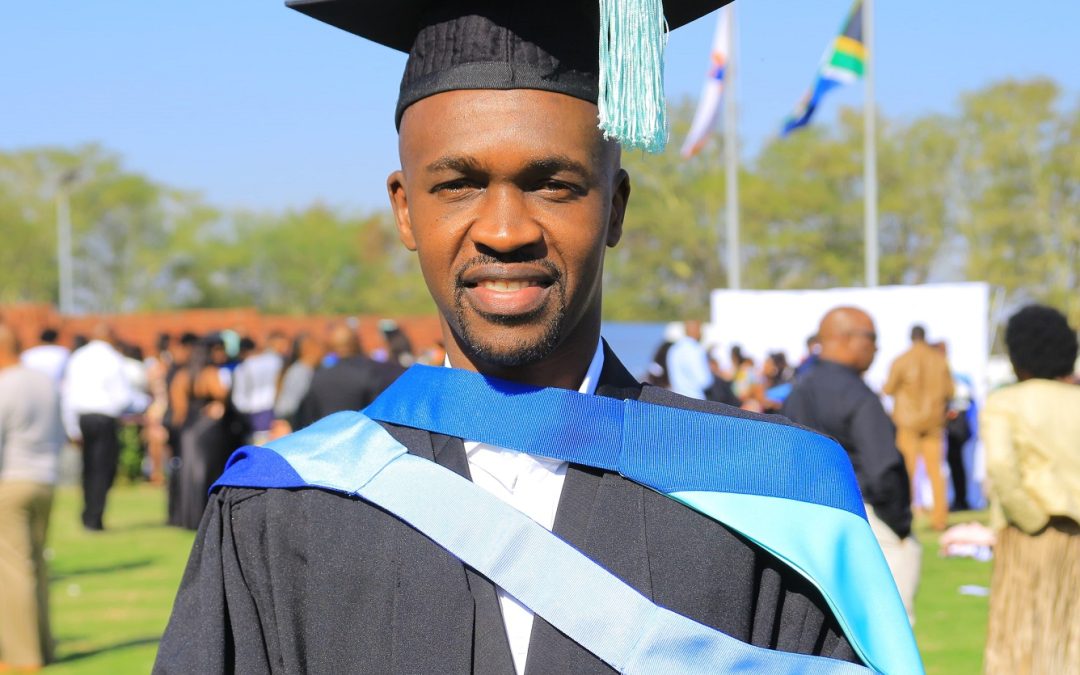
From a small village situated 10 kilometres west of Makhado, formerly known as Louis Trichardt, in Limpopo, to the forefront of organised medicine in South Africa, Dr Tshilidzi Sadiki continues to embody the values of excellence, leadership, and service that define Sefako Makgatho Health Sciences University (SMU).
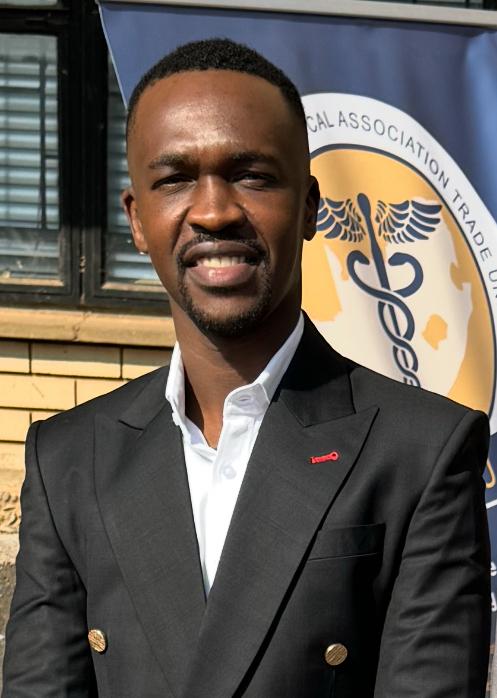
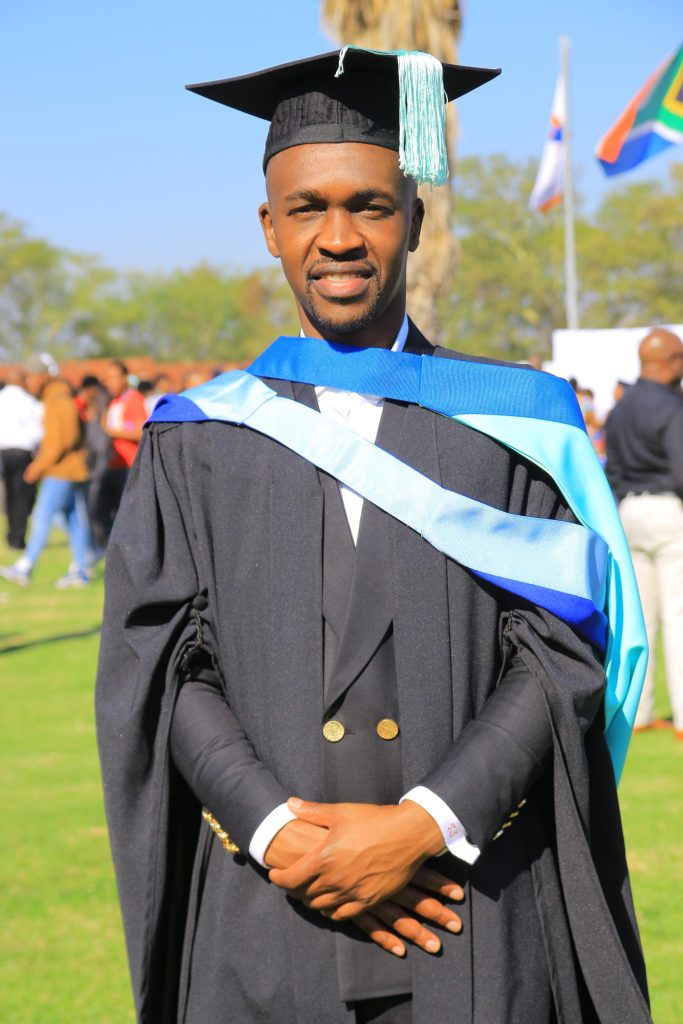 The accomplished neurosurgeon, academic, and healthcare advocate has recently been elected President of the South African Medical Association Trade Union (SAMATU), marking another significant milestone in a career dedicated to advancing healthcare delivery and advocating for medical professionals across the country.
Dr Sadiki completed his MBChB at SMU, then known as Medunsa, where his passion for medicine and leadership first began to flourish. Over the years, he has built an impressive career in neurosurgery, becoming widely respected for his expertise in complex cranial and spinal procedures, as well as his compassionate and patient-centred approach to care.
Currently serving as a Specialist Neurosurgeon, Acting Head of Clinical Unit for Neuro-Oncology at Dr George Mukhari Academic Hospital (DGMAH), and lecturer in the Department of Neurological Surgery at SMU, Dr Sadiki has consistently balanced clinical excellence with academic leadership and healthcare advocacy.
His professional journey reflects a longstanding commitment to academic achievement and public service. During his student years, he served as Deputy Secretary of the Student Representative Council in 2009/2010 and was selected as part of the prestigious Abe Bailey Scholars Programme in 2008. These early leadership roles laid the foundation for his continued influence within the healthcare sector.
Dr Sadiki’s academic credentials include a Fellowship in Neurosurgery from the Colleges of Medicine of South Africa and a Master of Medicine in Neurosurgery from SMU. He also serves as an examiner for the Colleges of Medicine of South Africa and has participated in numerous international endoscopic skull base surgery courses. In 2025, he was selected for the prestigious WFNS-AESCULAP Adult Neurosurgery Fellowship in Germany at Universitätsklinikum Tübingen, further cementing his standing as one of South Africa’s highly trained neurosurgical specialists.
Despite opportunities beyond the public healthcare system, Dr Sadiki has remained committed to serving economically marginalised communities through the public sector. At a time when South Africa’s healthcare system continues to face immense pressures, his dedication to providing specialised neurosurgical services at DGMAH reflects a deep commitment to equitable healthcare access.
His election as SAMATU President follows four years of service as the union’s second Deputy President from September 2022 to May 2026. Established in 1996 in accordance with the Labour Relations Act 66 of 1995, SAMATU represents more than 8 000 medical practitioners across South Africa and advocates for the rights, empowerment, and professional interests of doctors.
Over recent years, the union has emerged as a key stakeholder in healthcare policy discussions, engaging extensively with the National Department of Health on critical reforms affecting healthcare practitioners and service delivery nationwide.
 Dr Sadiki succeeds fellow SMU alumnus Dr Langanani Mbodi, continuing a growing legacy of SMU-trained healthcare professionals assuming influential leadership positions within national healthcare organisations.
Reacting to his election, Dr Sadiki described the appointment as both an honour and a significant responsibility. “It is a profound honour to serve as President of SAMATU. I accept this responsibility with humility and a firm commitment to advancing the interests of healthcare practitioners while strengthening healthcare delivery for all South Africans,” he said.
“Our healthcare professionals continue to face immense pressures within the public and private sectors. SAMATU must remain a united and credible voice that advocates for fair working conditions, professional development, and healthcare systems that allow doctors to deliver the highest standard of patient care.”
Beyond clinical practice and union leadership, Dr Sadiki has also contributed extensively to neurosurgical research and postgraduate supervision, with scholarly publications focusing on neurosurgical conditions and patient outcomes in South Africa.
Reflecting on the role played by SMU in shaping his leadership journey, he acknowledged the institution’s enduring influence on his professional and personal development. “SMU laid the foundation for my professional and personal growth. The university instilled values of excellence, accountability, integrity, and service to humanity. I remain proud to be part of an institution that continues to produce healthcare professionals who lead with competence and compassion,” he said.
Dr Sadiki’s election further strengthens SMU’s reputation as a leading producer of healthcare leaders committed to transforming health services through excellence, innovation, ethical leadership, and community-centred care. Through its continued investment in specialist training, teaching and learning, innovative research, and public healthcare advancement, SMU continues to shape healthcare systems and improve lives in South Africa and beyond.
By Tumelo Moila

by Lorato | May 27, 2026 | All News, Alumni, SMU Media, Student Media
Sefako Makgatho Health Sciences University (SMU) came alive with colour, music, and cultural pride as students, staff, alumni, diplomats, and international guests gathered to commemorate Africa Day under the theme, “Celebrating Africa’s Resilience and Innovation.”

SMU strengthens global ties on Africa Day
The day-long celebration transformed the campus into a vibrant showcase of African unity, academic collaboration, and cultural exchange, reinforcing SMU’s vision of developing globally connected healthcare professionals grounded in African excellence and innovation.
Proceedings began at the University Library with a live countdown marking the official opening of SMU’s new International Information Corner — a strategic hub designed by the Internationalisation Directorate and Library and Information Services to connect students and researchers with global academic resources while strengthening international partnerships.
The launch attracted several distinguished diplomats and representatives, including Hassene Hellal, Deputy Ambassador Algerian Embassy; Dr Ming Guo, Second Secretary Chinese Embassy; Dr Jingquan Chen, Minister Counsellor Chinese Embassy; Lucy Musau, Education Attache Kenyan High Commission; Aurélien Leynet, Science and Technology Attache French Embassy; and Dr Francis Chishala, Firs Secretary Education Zambian High Commission. Delegates expressed appreciation at seeing their national flags proudly displayed within the new space, symbolising SMU’s growing international footprint and commitment to fostering global academic relationships.
Dr Rirhanzu Mhinga, Director of Library and Information Services, described the launch as a defining milestone for the university. “The launch of the International Information Corner on Africa Day is deeply symbolic,” said Dr Mhinga. “We are creating a dedicated hub that empowers our researchers, staff, and students with seamless access to global insights, ensuring that our local academic community is equipped to address global health and societal challenges.”
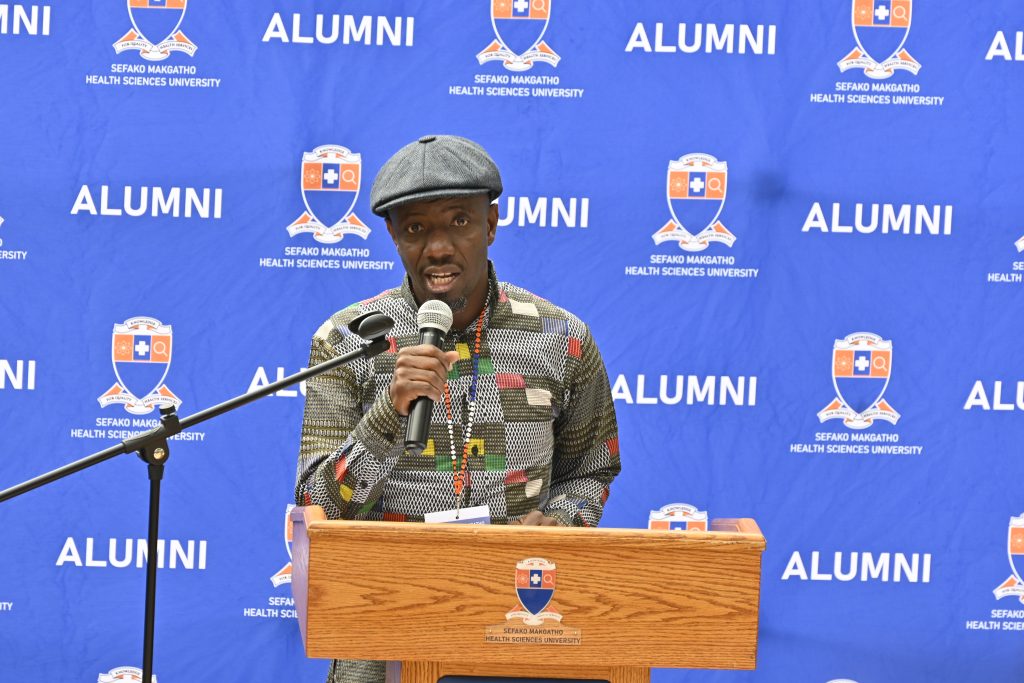 Celebrations later moved to the campus amphitheatre, where SMU alumnus and founder of Boitekanelo College, Dr Tiro Mampane, delivered a keynote public lecture titled, “Time to Be BOLD.” Reflecting on his years as a student at SMU, Dr Mampane shared fond memories of campus life while encouraging students to pursue their ambitions fearlessly.
“Staying at Residence 4B remains a long-lasting memory for me,” he said warmly before challenging students to embrace resilience and leadership. “Students should take the big bet and be bold, and today, start where you are with what you have, and be resilient in pursuit of your dreams. Let us be the generation that finally unlocks everything Africa’s always meant to be.”
SMU’s Internationalisation Directorate also invited Boitekanelo College’s Traditional Dance Group to perform at the Africa Day Celebrations. Their energetic Setswana performances electrified the amphitheatre and highlighted the spirit of continental unity and cultural pride.
Delivering her remarks, Acting Deputy Vice-Chancellor for Academic and Research, Prof Dini Mawela, emphasised the importance of positioning African scholarship within the global academic landscape. “To bring the global to the local means to elevate our African narratives and research findings to the international stage while drawing international knowledge to improve our communities,” said Prof Mawela.
Vice-Dean of the School of Science and Technology, Prof Stanley Gololo, praised the university for investing in initiatives that strengthen academic excellence and international collaboration, while also encouraging students to reflect on broader societal challenges facing the continent.
The celebrations continued with a spirited campus march led by the SMU drummies and cheerleaders from the main gate to the student cafeteria, symbolising 63 years of African liberation and leadership. At the student cafeteria, the campus was transformed into a bustling cultural marketplace where food vendors served traditional dishes from across the continent, creating a shared experience through cuisine, music, and conversation.
One of the most anticipated highlights was the inter-residence cultural showcase. According to Dr Carlien Jooste, Director of Internationalisation at SMU, residences randomly selected African countries and spent weeks researching their assigned nation’s traditions, attire, music, and cultural identity. Some residences were also hosted by the specific country’s High Commission in Pretoria and could thus give a more authentic representation of the culture. “At SMU, our Africa Day Celebrations not only celebrate who we are, but also offer our local students the opportunity to learn about another African Culture,” said Dr Jooste.
The showcase featured performances by celebrated artist Shandesh and SMU performer Nzuzo, whose heartfelt tribute to Nelson Mandela moved many in attendance.
After a closely contested inter-residence competition, Arebeng 2 Residence, representing Zambia, claimed first place with a synchronised dance and theatrical performance that captivated the audience. Accepting the trophy on behalf of the residence, first-year medical student Lindokuhle Sambo said the experience had broadened their understanding of the continent. “Before Africa Day, I knew very little about Zambia,” she said.
“The research process and support we received from the High Commission of Zambia helped us understand the culture deeply, and it made us proud to represent the country in such a meaningful way. “Second place was awarded to 1B Residence, while Third place went to Madeira Residence.
The celebration reflected SMU’s commitment to academic excellence, Ubuntu, cultural pride, and global engagement. Through initiatives promoting international understanding, collaboration and student-centred learning, the university continues to strengthen its reputation as a leading African institution in health sciences, shaping future healthcare leaders for the continent and beyond.
By Rose Moreki