by Lorato | Jun 20, 2026 | All News, SMU Media, Student Media
Sefako Makgatho Health Sciences University (SMU) Physiotherapy students gained invaluable practical experience at the 2026 Comrades Marathon, reinforcing the University’s commitment to academic excellence, experiential learning and community service. Through their participation in one of the world’s most prestigious ultramarathons, students applied their classroom knowledge in real-world settings while supporting athletes before and after the demanding race.
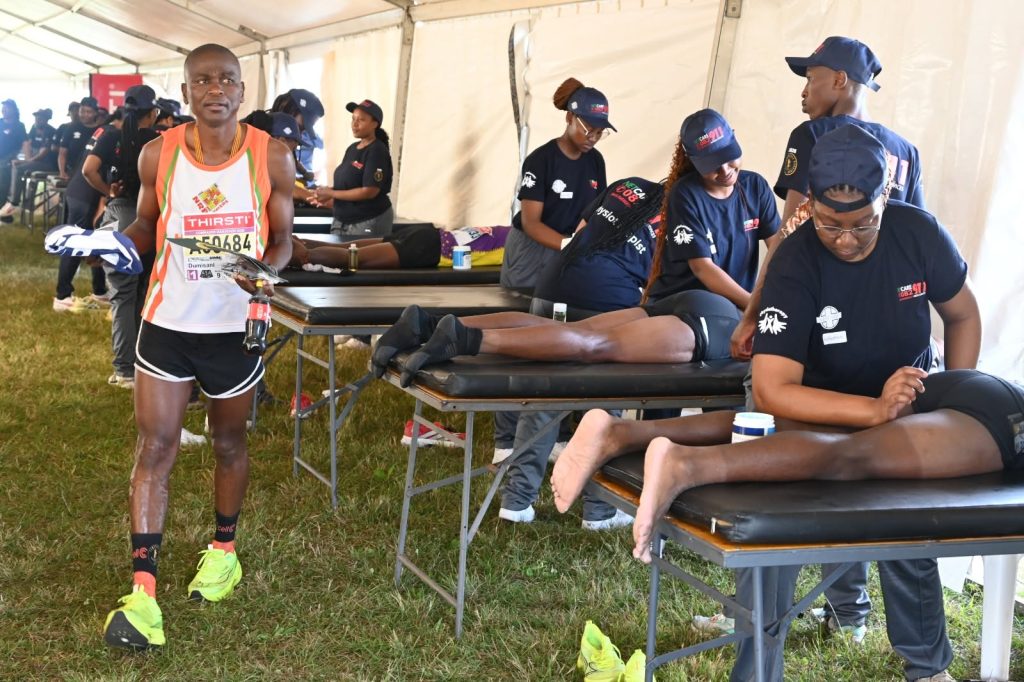 The students’ Comrades Marathon journey began at the Durban International Convention Centre (ICC), where they participated in the GEMS-sponsored pre-marathon massage station. Working alongside qualified healthcare professionals, the students assisted runners with pre-race preparation, providing massage therapy and support aimed at helping athletes perform at their best on race day.
The ICC activities formed an important part of the students’ work-integrated learning experience. By interacting with runners from diverse backgrounds and participating in a high-performance sporting environment, students gained valuable exposure to sports physiotherapy and athlete care. The experience also offered an opportunity to explore Durban and engage with the vibrant atmosphere surrounding the iconic event.
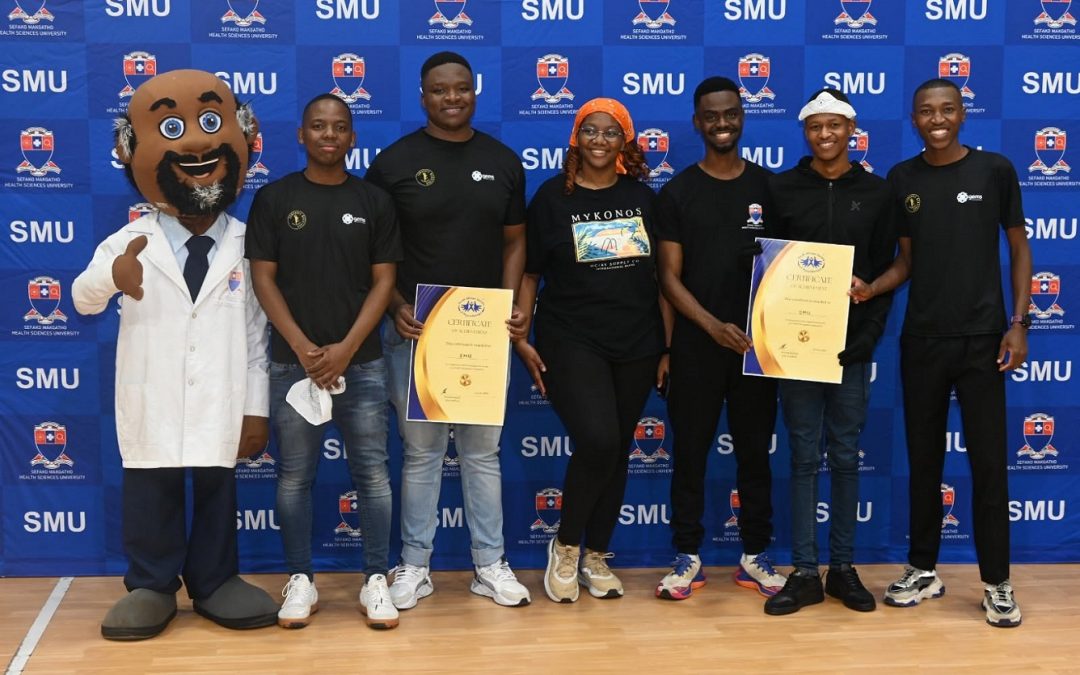
Adding to an already memorable experience, SMU students excelled in the South African Society of Physiotherapists (SASP) student competition. Their teamwork, professionalism and enthusiasm earned them an impressive third-place overall finish, while they also secured first place in the Spirit Award category. The achievement reflected the dedication and excellence that continue to distinguish the SMU Physiotherapy community.
Fourth-year Physiotherapy class representative Lebogang Mahlangu said the experience had a lasting impact on the student cohort.
“The trip was an incredible experience for our class. We had the opportunity to learn, gain practical exposure and work alongside professionals in a real sporting environment. Winning third place overall and receiving the Spirit Award at the SASP student competition made the experience even more special. The achievement boosted our confidence and brought the class even closer together. We are proud to have represented SMU and grateful for the opportunity to be part of such a prestigious event.”
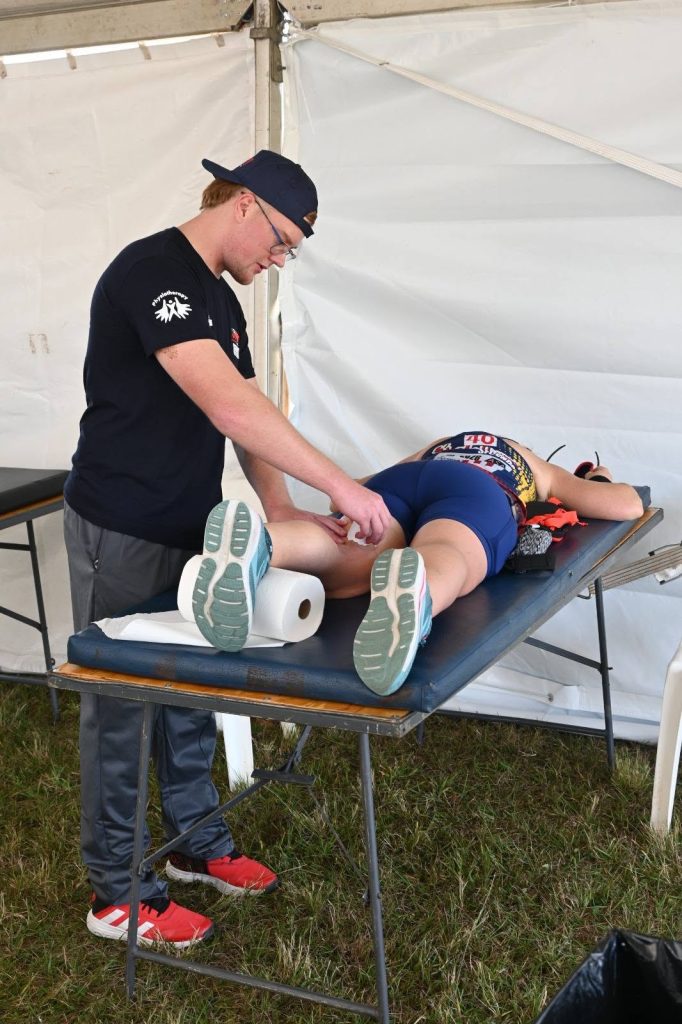 Race day marked the culmination of months of preparation and learning. From the early hours of the morning, SMU Physiotherapy students were stationed at the rub tent at the Hollywoodbets Scottsville Racecourse in Pietermaritzburg, where they provided post-race physiotherapy support to runners crossing the finish line. Working tirelessly alongside healthcare professionals, students assisted with recovery interventions and athlete care as participants completed the gruelling ultramarathon.
According to SMU Physiotherapy lecturer Karabo Raphokoane, the event provides a unique learning platform for future healthcare professionals.
“The Comrades Marathon allows students to experience the realities of physiotherapy in a major sporting event. It gives them exposure to athlete care, professional teamwork and the demands of working in a high-performance environment.”
Fellow lecturer Ntombenkosi Sobantu highlighted the value of experiential learning in preparing students for professional practice.
“Experiential learning opportunities such as the Comrades Marathon bridge the gap between theory and practice. Students gain confidence, develop clinical skills and learn the importance of teamwork while contributing to athlete wellbeing.”
The experience also contributed to a research initiative led by SMU Physiotherapy lecturer Moitheki Evah Molapisi, which seeks to evaluate the role and impact of SMU Physiotherapy students at the Comrades Marathon and assess the benefits of their involvement for both students and runners. In addition, the successful completion of the race by Mr Alfred Matlhasedi Makgato, SMU’s Acting Director: Built Environment, inspired students and staff through his demonstration of determination and resilience.
More than a sporting event, the 2026 Comrades Marathon served as a platform for learning, service, research and achievement. Through initiatives such as these, SMU continues to advance its mission of transforming health services through excellence, innovation and hands-on training, while producing healthcare professionals equipped to make a meaningful impact in communities across South Africa and beyond.
By Dimakatso Modise
by Lorato | Jun 17, 2026 | Media Statements, statements
PRESS STATEMENT
FOR IMMEDIATE RELEASE
17 JUNE 2026
GA-RANKUWA, PRETORIA – Sefako Makgatho Health Sciences University (SMU) announces with profound sadness the passing of its Vice-Chancellor and Principal, Professor Tandi Matsha-Erasmus.
Professor Matsha-Erasmus was a distinguished academic, an accomplished leader, and a passionate advocate for the transformative power of higher education. Her passing represents an immeasurable loss not only to the SMU community but also to the higher education sector, the health sciences fraternity, and the many communities whose lives were touched by her leadership, scholarship, and service.
Since assuming office as Vice-Chancellor and Principal, Professor Matsha-Erasmus dedicated herself to advancing the university’s academic mission, strengthening research and innovation, and positioning SMU as a leading institution committed to excellence, equity, social justice, and meaningful community impact. She championed a vision of a university that not only produces graduates and knowledge but also actively contributes to nation-building and social transformation.
Her tenure was characterised by courage, integrity, compassion, and a steadfast commitment to accountability. She led with conviction during a period of significant institutional reflection and renewal, consistently demonstrating a willingness to engage difficult issues openly and place the long-term interests of the university above personal or organisational comfort.
As the SMU community mourns this profound loss, it also celebrates a life of exceptional achievement, dedicated service, and enduring impact. Professor Matsha-Erasmus leaves behind a legacy that will continue to inspire students, academics, researchers, professional staff, alumni, and partners for generations to come.
The university extends its deepest condolences to the family, loved ones, friends, colleagues, and all who had the privilege of knowing and working alongside Professor Matsha-Erasmus during her distinguished career.
Further details regarding memorial and funeral arrangements, as well as opportunities for members of the university community and the broader public to pay tribute to Professor Matsha-Erasmus, will be communicated in due course.
Sefako Makgatho Health Sciences University honours the life, leadership, and legacy of Professor Tandi Matsha-Erasmus. May Professor Tandi Matsha-Erasmus be remembered with honour, gratitude, and respect, and may her soul rest in peace.
For media enquiries, please contact Tshimangadzo Mphaphuli, Acting Director: Advancement and Communications, at tshimangadzo.mphaphuli@smu.ac.za
Cell: 081 015 4790
ENDS
ANNOUNCEMENT OF THE PASSING OF THE VICE-CHANCELLOR AND PRINCIPAL, PROFESSOR TANDI MATSHA ERASMUS
File size: 797.38 KB
Created: 17-06-2026
Updated: 17-06-2026
Hits: 172
by Lorato | Jun 11, 2026 | All News, Alumni, Research, SMU Media, Student Media
The School of Medicine at Sefako Makgatho Health Sciences University (SMU) continues to cement its position as a leading centre for medical education, healthcare training and interdisciplinary research, with a growing number of doctoral graduates contributing innovative solutions to some of South Africa’s most pressing health challenges.
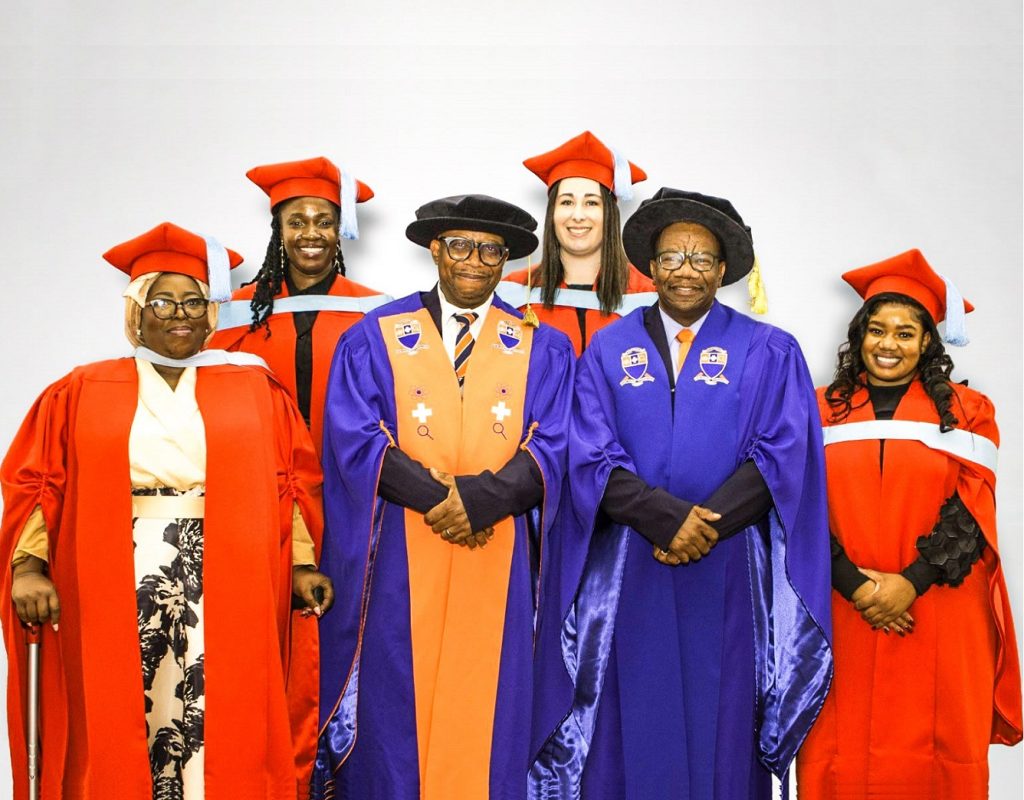 Comprising 39 academic and clinical departments, the School of Medicine plays a pivotal role in developing healthcare professionals, advancing scientific knowledge and addressing complex healthcare needs across South Africa and the African continent. Its strength lies in its ability to integrate expertise across disciplines and collaborate across the University’s five Schools, creating an environment where teaching, research and clinical practice intersect to drive meaningful impact.
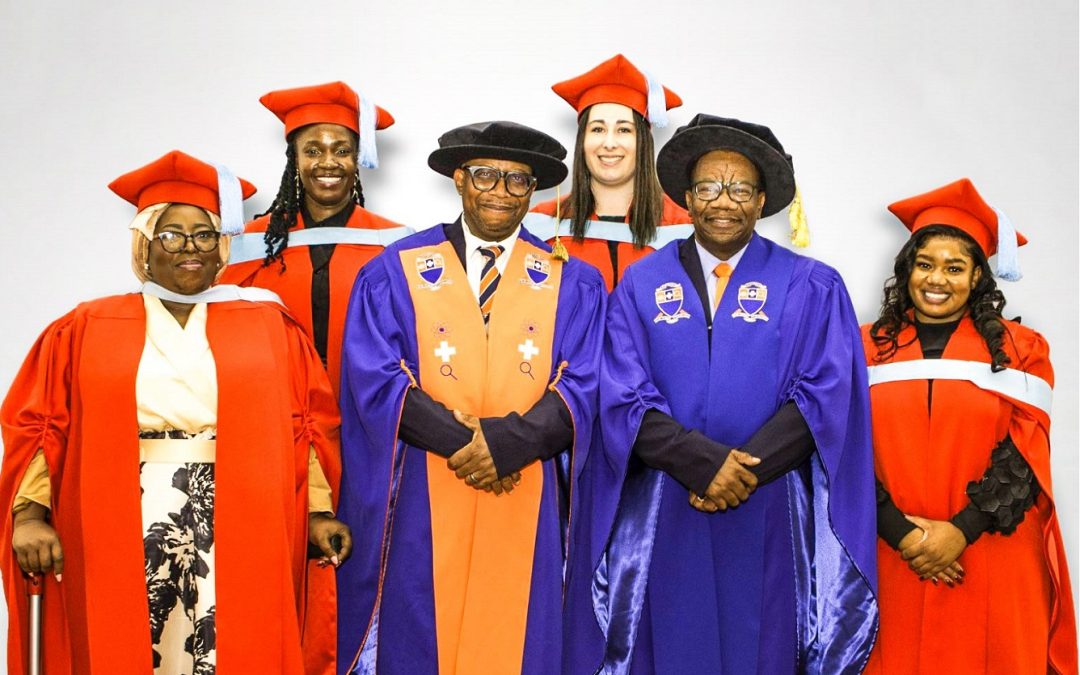
A significant milestone was achieved recently when five PhD candidates graduated from the School of Medicine, reflecting the institution’s expanding research capacity and commitment to developing highly skilled researchers. The growing number of staff members holding doctoral qualifications further aligns with SMU’s vision of transforming health services through excellence and innovation while strengthening the University’s research profile and academic standing.
“The growth in doctoral graduates demonstrates the School of Medicine’s commitment to producing research that is scientifically rigorous, socially relevant and capable of addressing real-world healthcare challenges,” said a School representative. “Our research agenda is increasingly interdisciplinary, collaborative and focused on improving health outcomes for the communities we serve.”
Among the departments contributing significantly to this success is the Anatomy and Histology Department, which provides foundational anatomical and histological training across numerous health sciences programmes while supporting interdisciplinary research in medical imaging, forensic sciences, dentistry, orthopaedics and biomedical sciences.
Recent doctoral achievements emerging from the Department highlight the breadth and relevance of research being undertaken within the School. Dr Vaughan Perry, who graduated in September 2025, investigated the combined effects of diabetes, chronic alcohol use and antiretroviral therapy on rat bone structure. His findings contribute to a deeper understanding of chronic disease and skeletal health, offering valuable insights into conditions that remain highly prevalent within South African healthcare settings.
Graduating on 13 May 2026, Dr Ruth Kobedi explored cephalometric variation in Black South African adults using conventional lateral cephalograms and cone-beam computed tomography. Her research established population-specific craniofacial standards that can improve orthodontic diagnosis, treatment planning and forensic identification.
“This study demonstrates the importance of developing locally relevant scientific data that reflects the diversity of South African populations,” said Dr Kobedi. “Such research has the potential to improve both healthcare delivery and forensic practice while strengthening collaboration across disciplines.”
Further showcasing the School’s research innovation, Daniële Kristen is set to graduate later this year following her investigation into knee joint morphology in South African populations using computed tomography and geometric morphometric analyses. Her work established population-specific standards with applications in forensic anthropology and orthopaedic implant development, creating opportunities for the future design of anatomically compatible implants tailored to local populations.
These achievements reflect the School of Medicine’s growing stature as a hub of academic excellence, research innovation and postgraduate development. Through interdisciplinary collaboration, impactful research and a commitment to addressing local healthcare needs, SMU continues to advance scientific knowledge while developing the next generation of health professionals and researchers. As the University pursues its vision of transforming health services through excellence and innovation, its contributions to education, research and healthcare remain central to improving lives across South Africa and beyond.
By Tumelo Moila
by Lorato | Jun 11, 2026 | All News, Alumni, SMU Media, Student Media
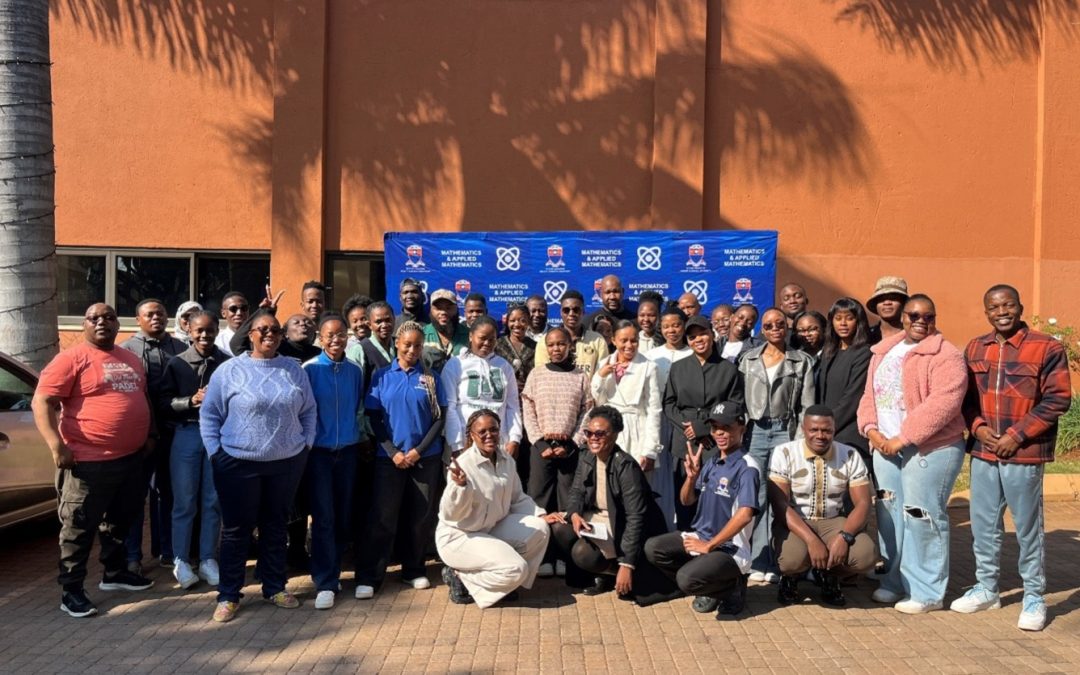
Sefako Makgatho Health Sciences University (SMU) reaffirmed its commitment to research excellence and innovation when its Department of Mathematics and Applied Mathematics hosted the “Optimal Control and Optimisation: Theory, Algorithms and Applications” research workshop recently at the Batter Boys Boutique Hotel in Pretoria. Supported by the DSTI-NRF Centre of Excellence in Mathematical and Statistical Sciences (CoE-MaSS), the workshop brought together postgraduate students, postdoctoral researchers, academics, and industry stakeholders to explore cutting-edge developments in mathematical sciences and their applications to real-world challenges.
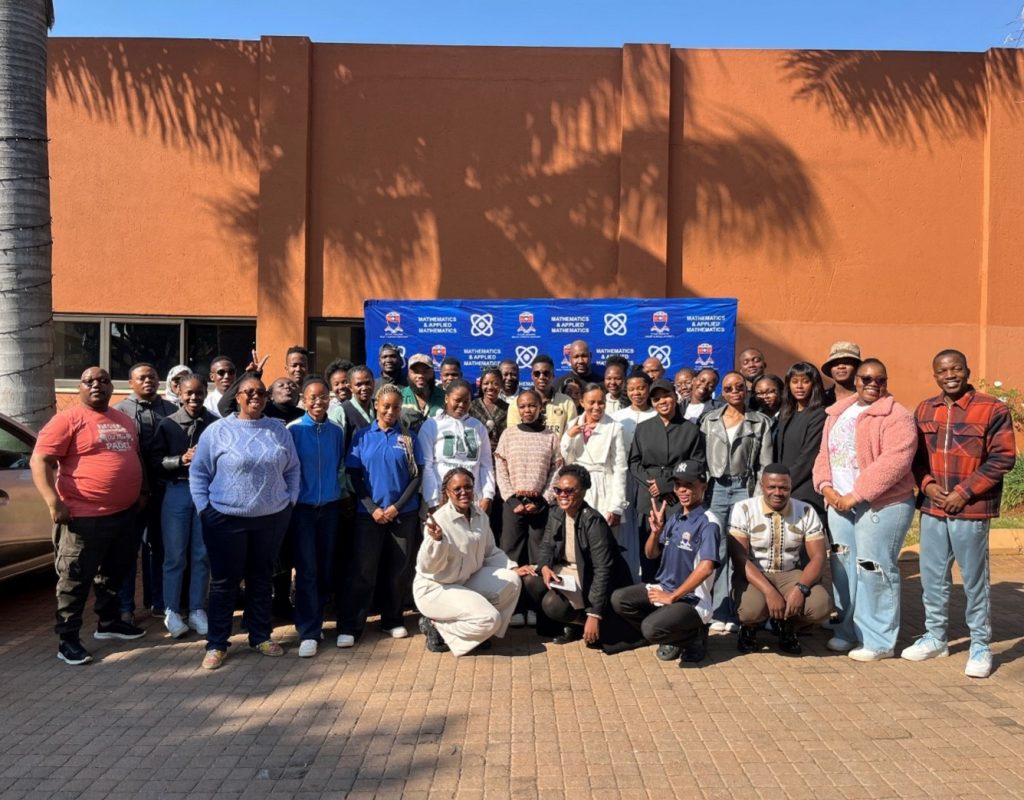 Opening the event, Professor Maggie Aphane, Head of the Department of Mathematics and Applied Mathematics, welcomed delegates and emphasised the importance of research collaboration, innovation, and academic excellence in advancing mathematical knowledge and its societal impact.
The first day focused on postgraduate research, providing emerging scholars with a platform to present their work and engage with experts in the field. The keynote address was delivered by Dr Simo Mthethwa, who presented a lecture titled The Lattice of Ideals and its Applications to Topology. His presentation introduced participants to key concepts in lattice theory and demonstrated their relevance to topology and broader mathematical thinking.
Highlighting the importance of linking theory to practice, Dr Mthethwa remarked: “If you define a mathematical concept and you cannot give an example, it does not exist.” His message resonated strongly with participants, reinforcing the value of applying abstract mathematical concepts to practical problems.
Research presentations covered a diverse range of topics, including optimisation theory, fixed-point theory, numerical analysis, mathematical finance, and machine learning. Presenters included Koketso Malebana, Malose Jim Mokonyama, Lerato Zelda Riba, Mbali Precious Phama, and Tumelo Fortunate Maloka, whose work reflected the breadth and growing impact of mathematical research within the department. Robust discussions following each presentation created opportunities for critical engagement, scholarly feedback, and professional development.
The second day shifted focus towards advanced research seminars and interdisciplinary dialogue. Doctoral candidates and postdoctoral researchers presented studies demonstrating the expanding role of mathematics across scientific and technological disciplines. Presentations explored applications in material science, metric space theory, optimisation algorithms, image restoration, variational inequalities, and computational mathematics.
Among the featured speakers were Tumisho Kekana, who examined topological indices of β12 borophene using mathematical modelling techniques, Anele Bokodisa, who presented new developments in bipolar quasi-metric spaces, Dr Austine Efut Ofem from the Tshwane University of Technology, and Dr Olawale Kazeem Oyewole, an NRF Postdoctoral Fellow at SMU, whose presentation highlighted contemporary advances in variational inequality theory.
A major highlight of the workshop was an interactive research dialogue involving Professor Aphane, Dr Mthethwa, academic staff, and postgraduate students. Discussions addressed research funding opportunities, publication strategies, academic career pathways, and the importance of collaborative research.
Dr Mthethwa encouraged students to build strong research networks and pursue interdisciplinary partnerships. He explained that collaboration strengthens research quality, expands access to funding opportunities, and creates pathways for international engagement and professional growth.
The workshop also provided valuable guidance on teaching and learning mathematics, emphasising conceptual understanding, problem-solving, analytical thinking, and proficiency in modern computational tools. Participants were encouraged to develop advanced software skills to enhance both their research capabilities and future employability.
Most presentations aligned with the workshop theme of optimal control and optimisation, showcasing how mathematical methods continue to drive innovation in fields such as finance, machine learning, computational modelling, and operations research.
The successful workshop highlighted SMU’s growing contribution to mathematical sciences research and its commitment to developing the next generation of scholars. By creating opportunities for knowledge exchange, collaboration, and professional development, SMU continues to strengthen its position as a leading institution advancing research excellence, innovation, and societal impact in South Africa and beyond.
By Tumelo Moila
by Lorato | Jun 11, 2026 | All News, SMU Media, Student Media
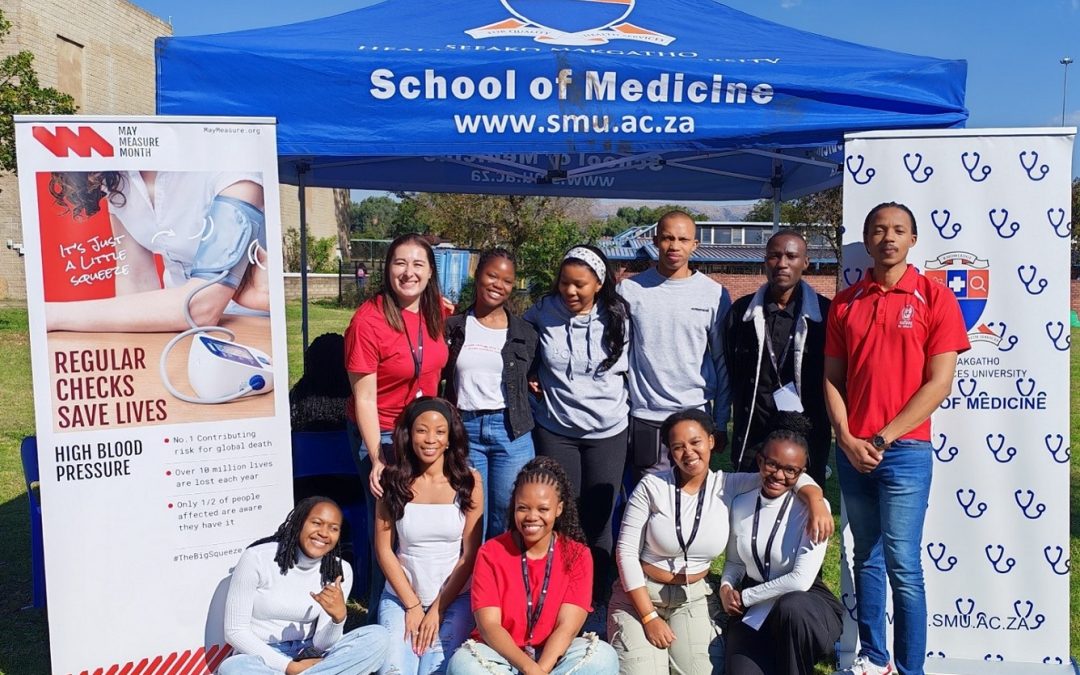
Sefako Makgatho Health Sciences University (SMU), in partnership with Dr George Mukhari Academic Hospital (DGMAH), has completed its first participation in the global May Measurement Month (MMM) campaign, reaching hundreds of people through blood pressure screening, education, and awareness activities aimed at tackling hypertension in local communities.
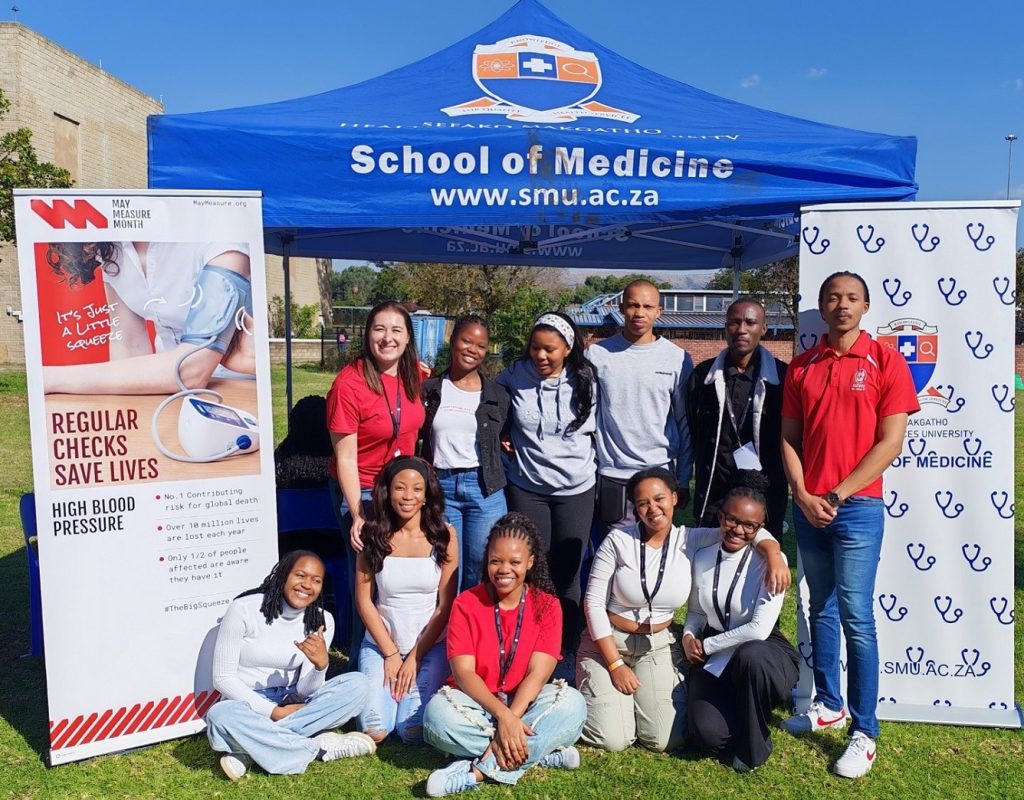 May Measurement Month is an international initiative led by the International Society of Hypertension to raise awareness of high blood pressure and improve access to screening worldwide. Since its launch in 2017, the campaign has become one of the largest public health awareness programmes globally, helping to identify undiagnosed cases of hypertension and encouraging early intervention to reduce the risk of cardiovascular disease, stroke, and kidney failure.
Throughout May 2026, SMU’s Department of Physiology and DGMAH’s Department of Family Medicine and Primary Health Care coordinated a series of screening and awareness activities across the university campus and the surrounding Ga-Rankuwa community. A total of 365 individuals, including students, staff, patients, and community members, participated in the initiative.
Screening activities were hosted at key locations on the SMU campus, including the Student Cafeteria Lawn and Library Lawn, while additional outreach took place at the DGMAH Hospital Clinic in support of World Hypertension Day. Participants received blood pressure assessments and educational information on hypertension risk factors, prevention, treatment adherence, and the importance of routine monitoring.
Dr Marilet van Hoogland-van Heerden, Co-Investigator and Site Coordinator from the Department of Physiology, said the campaign demonstrated the value of early detection and community engagement in addressing non-communicable diseases.
“Hypertension is often called the silent killer because many people are unaware that they have it until serious complications develop. Through this campaign, we were able to provide screening, education and practical health information to individuals who may otherwise not have had access to these services,” she said.
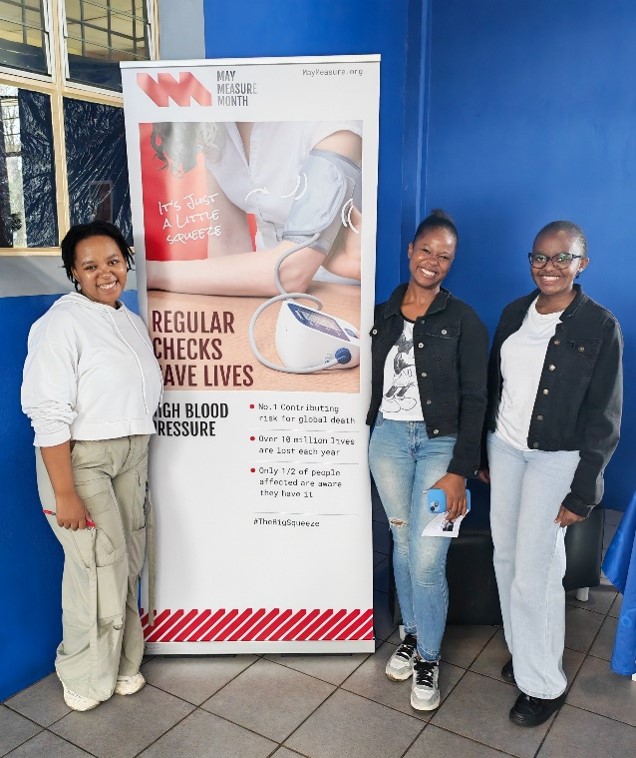 The initiative also highlighted the major lifestyle-related risk factors associated with hypertension in South Africa, including poor nutrition, physical inactivity, obesity, smoking, and excessive alcohol consumption. By focusing on prevention and awareness, the campaign aimed to empower individuals to make informed decisions about their health.
A dedicated team of postgraduate student volunteers and staff from the Department of Physiology played a central role in the campaign’s success. Their participation not only strengthened community outreach efforts but also provided valuable experiential learning opportunities aligned with SMU’s commitment to socially responsive education.
In addition to the screening programme, SMU hosted an online lunch-hour awareness session for staff on 27 May 2026. The event featured presentations by Dr Siluleko Mkhize on hypertension awareness, Dr Tsakani Rasakanya on treatment and management, and Sithabile Mathunjwa on dietary and lifestyle modifications.
Dr van Hoogland-van Heerden noted that collaboration was key to the initiative’s impact. “The support of our postgraduate students, university staff, DGMAH nursing personnel and community participants made this campaign possible. Their commitment reflects a shared responsibility to improve public health and promote healthier communities,” she said.
The success of MMM 2026 reinforces SMU’s growing role in advancing health promotion, community engagement, and preventative healthcare. As a leading health sciences university, SMU continues to contribute to national and global efforts to address non-communicable diseases while strengthening the link between education, research, and improved health outcomes for the communities it serves.
By Tumelo Moila
by Lorato | Jun 11, 2026 | All News, Alumni, SMU Media, Student Media
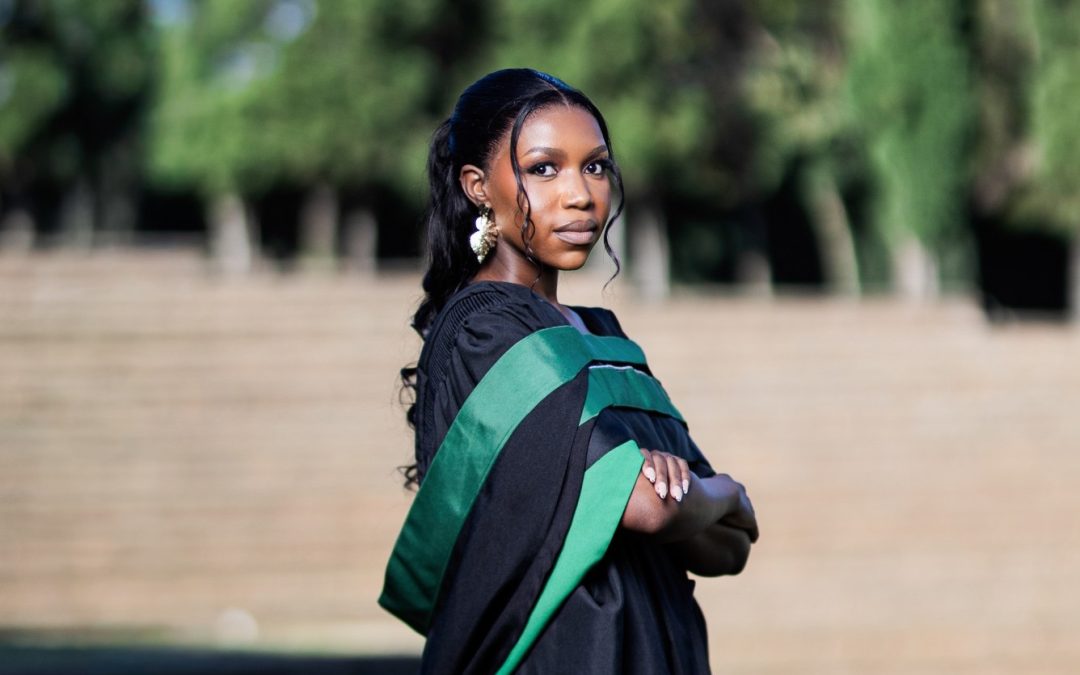
A passion for scientific discovery and a commitment to solving real-world energy challenges have earned Tshedza Rasilingwani a Master of Science in Physics degree cum laude from Sefako Makgatho Health Sciences University (SMU), where her groundbreaking research explored ways to improve the performance and longevity of next-generation solar cells.
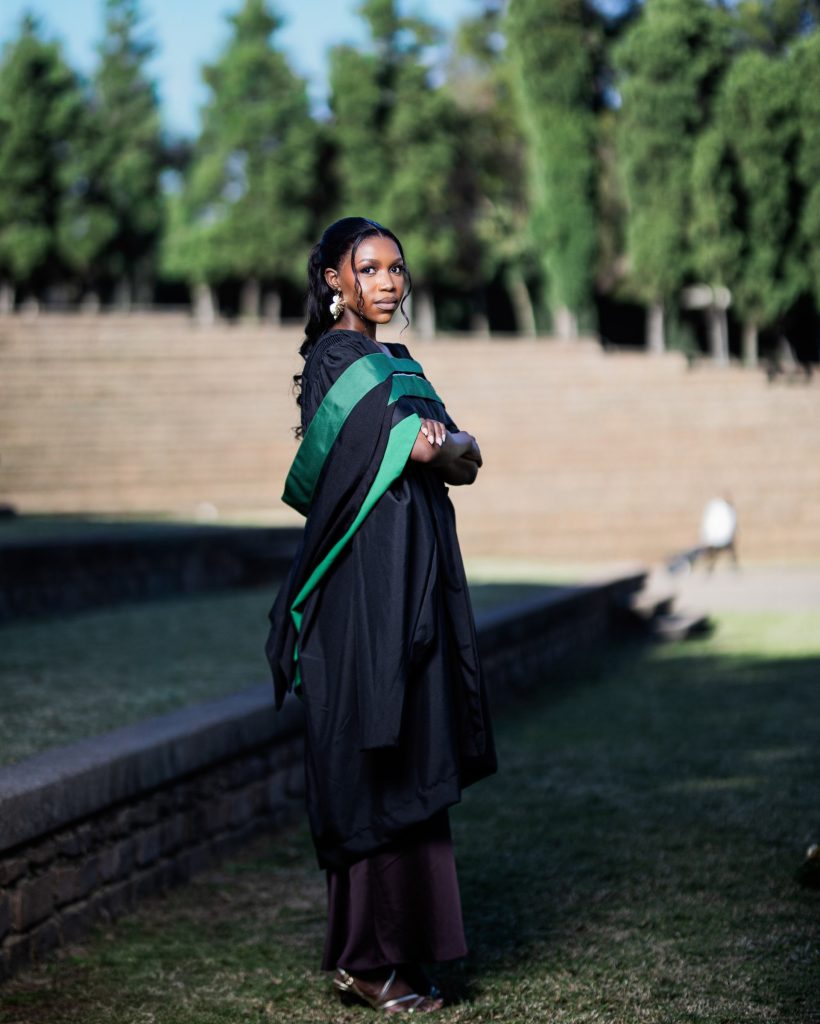 Rasilingwani’s MSc dissertation, titled Thermal stability/degradation of dye-sensitised solar cells with perovskite material, investigated one of the key challenges facing renewable energy technologies: the thermal instability and degradation of solar cells over time. Her research contributes to the growing body of knowledge aimed at improving the efficiency, durability, and commercial viability of solar energy systems.
Conducted through the Department of Physics at SMU, the study focused on dye-sensitised solar cells (DSSCs), a promising alternative to conventional solar technologies due to their relatively low production costs and high power-conversion potential. Despite these advantages, DSSCs continue to face limitations related to thermal degradation, which can significantly reduce their lifespan and performance.
“Renewable energy technologies are essential for addressing global energy demands and environmental challenges,” said Rasilingwani. “My research sought to understand how thermal conditions affect the stability of dye-sensitised solar cells and to identify ways of improving their performance through material optimisation.”
As part of the study, titanium dioxide (TiO₂) was synthesised using the sol-gel method and subjected to different annealing temperatures ranging from 450°C to 1200°C. Advanced analytical techniques, including X-ray diffraction, scanning electron microscopy, transmission electron microscopy, infrared spectroscopy, and photoluminescence analysis, were used to evaluate the structural and optical properties of the material.
The findings revealed that increasing the annealing temperature improved the crystallinity and structural properties of titanium dioxide, making it more suitable for photovoltaic applications. Rasilingwani also fabricated perovskite-sensitised solar cells using titanium dioxide annealed at 600°C and evaluated their performance under simulated solar illumination.
“The results demonstrated that annealing temperature plays a significant role in enhancing the properties of titanium dioxide used in solar cell fabrication,” she explained. “This knowledge could contribute to the development of more stable and efficient photovoltaic devices in the future.”
Beyond her academic achievements, Rasilingwani gained extensive research experience during her postgraduate studies. Through her MSc research, she developed strong competencies in cleaning, transforming, and analysing experimental datasets, identifying patterns and trends, and producing clear visual reports to support scientific interpretation. She also served as a part-time laboratory demonstrator, mentoring undergraduate students, facilitating practical experiments, and contributing to the development of future scientists.
 Her academic journey reflects a consistent record of excellence, having completed a BSc in Physics, followed by a BSc Honours degree in Physics, before progressing to her MSc studies. Throughout her training, she developed strong analytical, problem-solving, communication, and research skills that position her well for a future career in scientific research and innovation.
Rasilingwani said achieving her MSc cum laude serves as motivation to continue contributing to research that addresses pressing societal challenges. “I am passionate about advancing scientific knowledge and developing solutions that can make a meaningful impact,” she said. “This achievement encourages me to pursue further opportunities in research and innovation.”
Her success highlights the growing contribution of SMU graduates to scientific advancement and underscores the university’s commitment to excellence in teaching, learning, and innovative research. Through graduates such as Rasilingwani, SMU continues to strengthen its reputation as a leading health sciences university that produces skilled researchers capable of addressing national and global challenges through science and innovation.
By Tumelo Moila
by Lorato | Jun 11, 2026 | All News, Alumni, SMU Media, Student Media
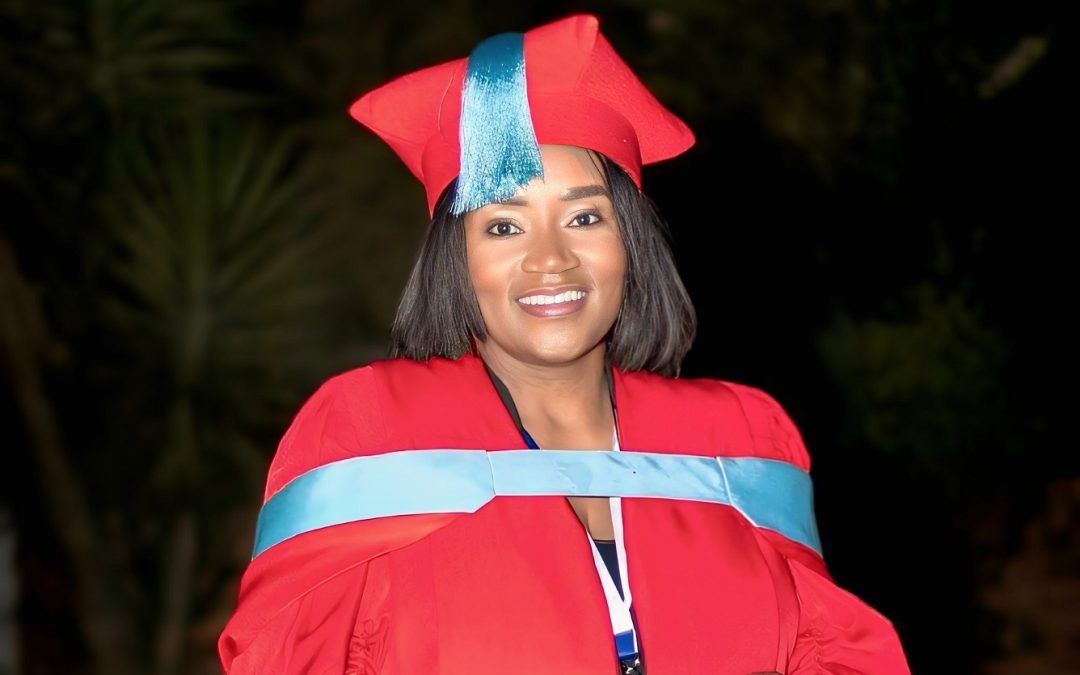
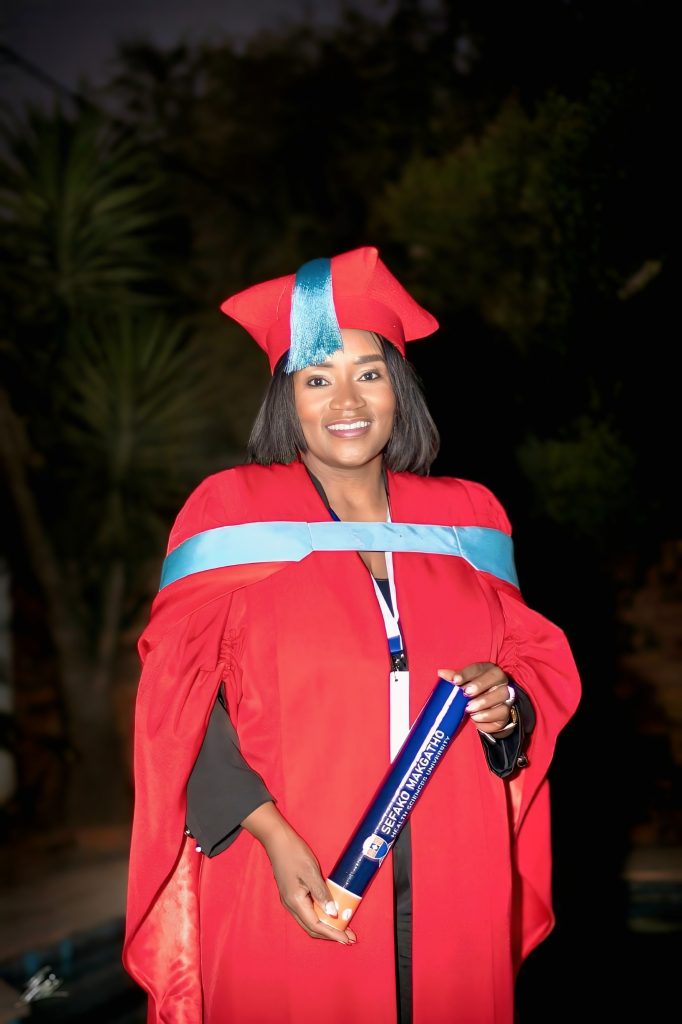
Sefako Makgatho Health Sciences University (SMU) has celebrated the doctoral achievement of Dr Letta Mathebula, whose research offers practical, evidence-based solutions to improve the work–life balance of nurse educators in Gauteng. Her study, supervised by Dr Rirhandzu Mathevula and co-supervised by Dr Tshiamo Ramalepa, was conducted within SMU and focuses on strengthening nursing education systems through institutional reform and staff wellbeing interventions.
 Dr Mathebula’s doctoral work, titled Strategies to support work-life balance of nurse educators in a selected nursing education institution of Gauteng province, South Africa, was executed in three rigorous phases combining evidence synthesis, qualitative inquiry, and expert validation.
“The reality is that nurse educators are expected to perform in increasingly demanding environments without proportional institutional support,” Dr Mathebula said during a research presentation. “My study aimed to translate evidence into actionable strategies that institutions can implement immediately.”
Phase one of the study involved a scoping review that identified four key drivers of poor work–life balance: occupational stress, understaffing coupled with heavy workloads, the growing influence of technology, and limited institutional support systems. These findings provided a foundation for deeper investigation into lived experiences within nursing education environments.
In phase two, Dr Mathebula conducted a qualitative, exploratory study involving 16 nurse educators from two campuses of the Gauteng College of Nursing. Thematic analysis revealed four major themes: work–life balance challenges, managerial influence, psychosocial impacts, and coping mechanisms. She integrated spillover theory and SWOT analysis to develop targeted support strategies.
One participant reflected during the interviews: “We are constantly torn between teaching responsibilities, clinical supervision, and administrative demands. The emotional toll is rarely acknowledged, but it is deeply felt.”
Phase three focused on validating these strategies through a Delphi process involving nine experts from nursing education institutions and the Gauteng Department of Health. The resulting recommendations emphasise wellness programmes, stress management workshops, mental health support services, reduced administrative workload, and flexible work arrangements.
Dr Mathevula, one of the supervisors, noted: “This work is not only academically rigorous but also highly relevant to the current crisis in higher education nursing environments. It provides a roadmap for sustainable institutional reform.”
 The study further recommends integrating work–life balance content into nursing curricula and strengthening collaborative institutional cultures to improve staff retention and well-being.
Beyond the dissertation, Dr Mathebula has established a strong scholarly footprint, presenting at the DGMAH Gauteng Annual Research Summit and the International Research Forum at the University of Johannesburg. Her research consistently highlights the psychosocial burden faced by nurse educators, including burnout risk, emotional strain, and role conflict.
“She has demonstrated that these challenges are not isolated but systemic,” said co-supervisor Dr Ramalepa. “Her contribution pushes nursing education towards evidence-driven policy and practice.”
Dr Mathebula’s doctoral output has also resulted in eight DHET-accredited publications, including one high-impact international journal article, with additional manuscripts accepted and under review.
SMU emphasised that her work aligns strongly with its mission of advancing health sciences education, research excellence, and innovation. The university highlighted that her findings have the potential to strengthen institutional resilience across nursing education systems in South Africa.
In conclusion, Dr Mathebula’s research represents a significant advancement in nursing education scholarship, offering practical strategies to improve wellbeing, strengthen institutional policy, and enhance the sustainability of the nursing education workforce in Gauteng and beyond.
By Tumelo Moila
by Lorato | Jun 11, 2026 | Accolades and Achievements, All News, Alumni, SMU Media, Student Media
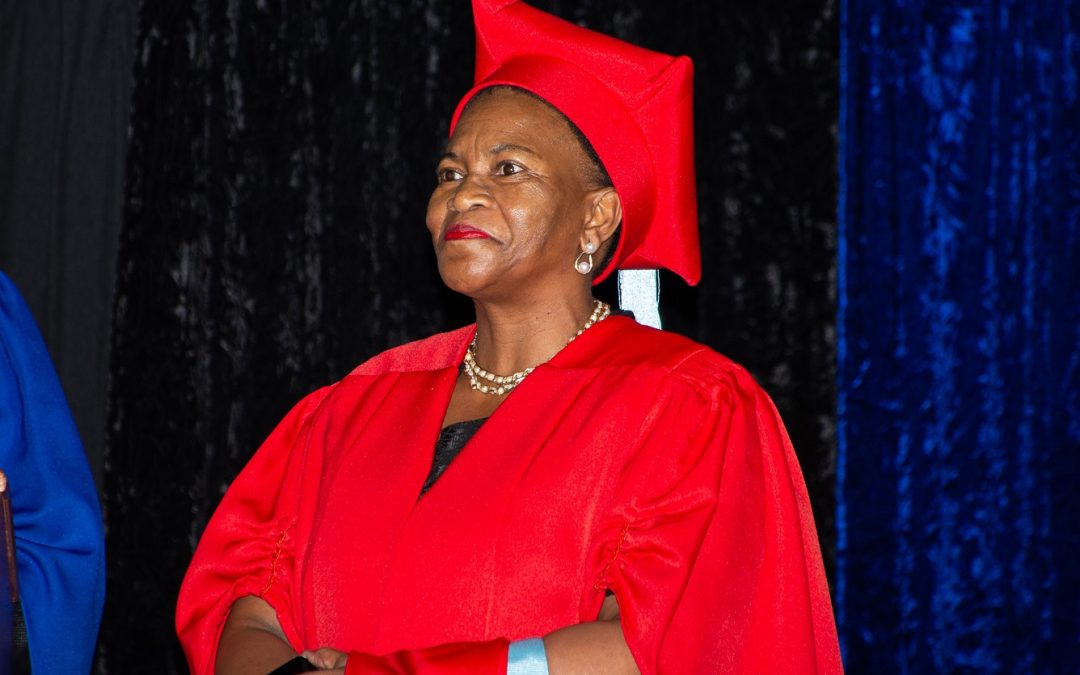
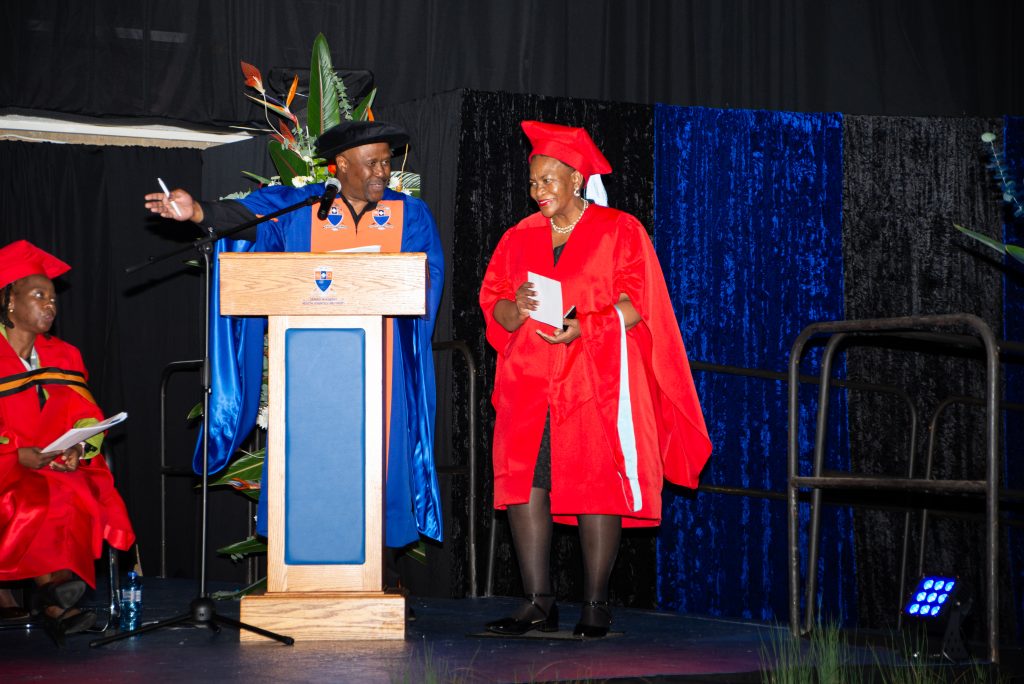
A groundbreaking study by Dr Tshepiso Sharlotte Kepadisa, a newly graduated PhD physiotherapist from the Department of Physiotherapy at Sefako Makgatho Health Sciences University (SMU), has demonstrated that a structured home-based vestibular rehabilitation programme can significantly improve balance, gait and visual function in stroke survivors living with vestibular dysfunction.
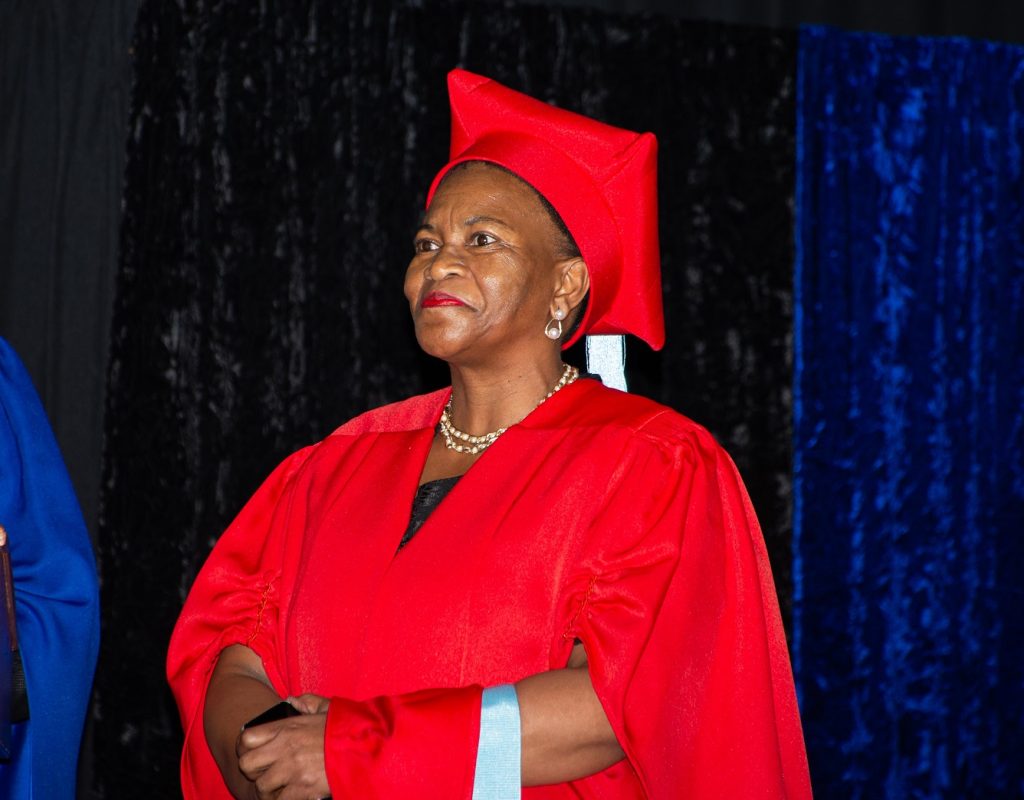 The research, titled The effect of a home-based central vestibular system rehabilitation programme on nystagmus, smooth-pursuit, balance and gait following stroke, offers promising evidence for improving stroke rehabilitation outcomes, particularly in resource-constrained healthcare settings where access to specialised rehabilitation services remains limited.
Conducted under the supervision of Professor Douglas Maleka and Professor Veronica Ntsiea, the study investigated both the current management of vestibular dysfunction in stroke rehabilitation and the effectiveness of a six-week home-based intervention programme.
Stroke remains one of the leading causes of disability worldwide, with dizziness, balance impairment and falls affecting up to 70% of survivors. While vestibular rehabilitation therapy has been shown to improve recovery, its implementation within many public healthcare settings has remained inconsistent.
“The findings demonstrate that a structured home-based vestibular rehabilitation programme can make a meaningful difference in the lives of stroke survivors,” said Dr Kepadisa. “Participants who received the intervention showed improvements in balance, gait and visual tracking, while also experiencing a reduction in symptoms associated with vestibular dysfunction.”
The study was conducted in two phases. The first phase surveyed physiotherapists working in public hospitals across the North West province to assess their knowledge and management practices relating to vestibular dysfunction after stroke. The survey revealed significant gaps in training and practice. Although 26 physiotherapists participated, none had received formal vestibular rehabilitation training or reported using standardised vestibular rehabilitation protocols.
“These findings highlighted an important need for professional development and capacity building among rehabilitation practitioners,” Dr Kepadisa explained. “Physiotherapists are often managing complex stroke cases, yet many have not been equipped with specialised vestibular rehabilitation skills.”
The second phase involved a randomised controlled trial with 31 stroke survivors diagnosed with central vestibular dysfunction. Participants were assigned to either a control group receiving conventional stroke rehabilitation or an experimental group receiving conventional rehabilitation combined with a structured home-based vestibular rehabilitation programme.
 Results showed that participants in the experimental group achieved greater improvements in smooth-pursuit eye movements, balance performance and walking ability. The intervention group also demonstrated significantly better scores on the Dynamic Gait Index, indicating enhanced mobility and reduced risk of falls.
According to Prof. Maleka, the research provides practical solutions for healthcare systems facing resource limitations. “One of the most important aspects of this study is that the programme can be implemented within patients’ homes, making rehabilitation more accessible and sustainable. This has significant implications for improving long-term recovery outcomes following stroke.”
Prof. Ntsiea added that the study contributes valuable evidence to the growing body of knowledge on neurological rehabilitation in South Africa. “The research demonstrates that evidence-based interventions can be adapted to local healthcare realities while still producing meaningful clinical outcomes.”
Beyond her doctoral research, Dr Kepadisa brings more than two decades of experience in neurological rehabilitation, healthcare management, community-based rehabilitation and physiotherapy leadership across public healthcare, private practice, academia and the non-profit sector. Her work reflects a longstanding commitment to improving rehabilitation services and strengthening healthcare systems in South Africa.
The study further found that improvements achieved during the six-week intervention were sustained beyond the completion of the programme, suggesting successful consolidation of vestibular compensation and long-term functional benefits for participants.
This research underscores the critical role of innovative, evidence-based rehabilitation strategies in improving the quality of life for stroke survivors. It also reflects SMU’s commitment to advancing health sciences research that addresses pressing healthcare challenges and contributes to better patient outcomes. Through research excellence and innovation, SMU continues to strengthen its contribution to transforming healthcare delivery in South Africa and beyond.
By Tumelo Moila
by Lorato | Jun 11, 2026 | Accolades and Achievements, All News, Alumni, SMU Media, Student Media
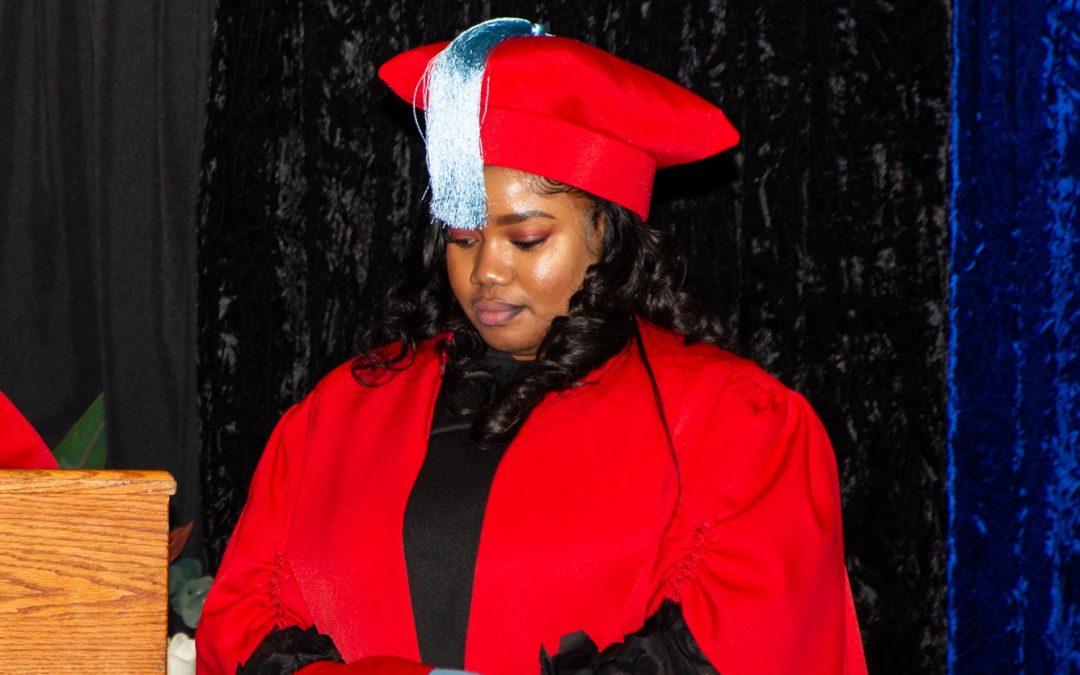
Research at Sefako Makgatho Health Sciences University (SMU) continues to demonstrate how locally driven scientific inquiry can generate solutions with far-reaching benefits for healthcare and society. Through innovative research that addresses South Africa’s unique health challenges, the university is strengthening its position as a leader in producing knowledge with both national and international relevance. This commitment to research excellence was recently highlighted by the graduation of Dr Ruth Kobedi, who was awarded a Doctor of Philosophy (PhD) in Anatomy. Her doctoral study has produced findings that could improve orthodontic diagnosis, treatment planning and forensic identification practices in South Africa.
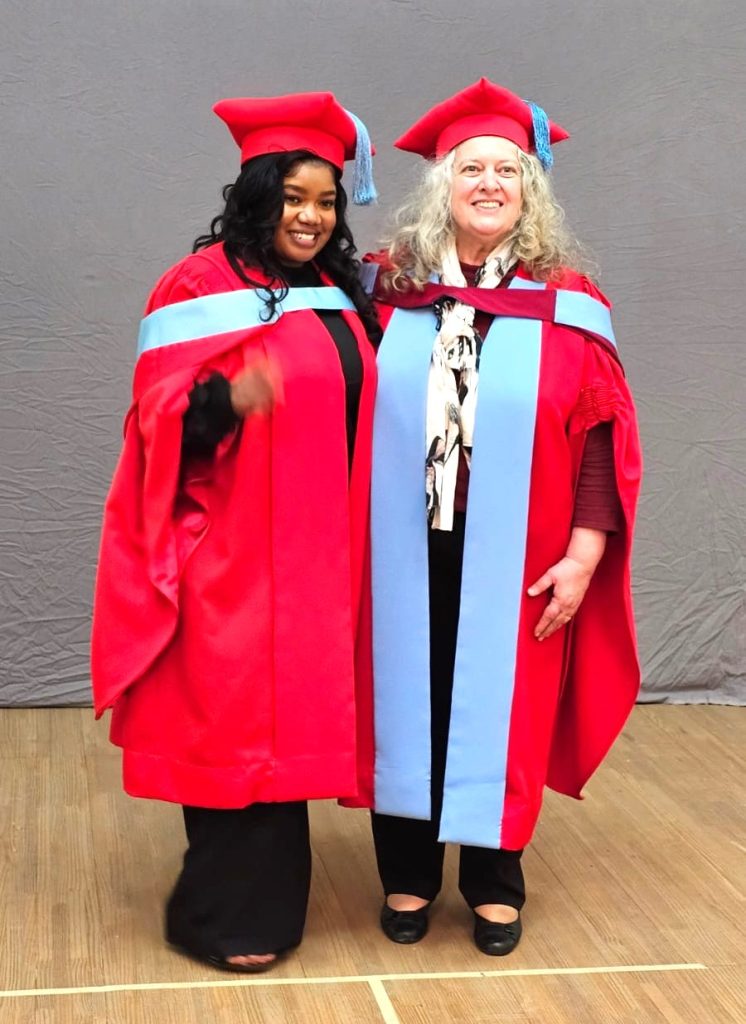 Conducted within the Department of Anatomy and Histology under the supervision of Professor Anna Oettlé, Dr Sandeepa Rajbaran Singh and Dr Franci Swanepoel from TUT, Dr Kobedi’s research, Assessment of Cephalometrics in a South African Sample, addressed a longstanding gap in healthcare research by establishing population-specific cephalometric standards for Black South African adults.
Cephalometry is a key diagnostic tool used in the assessment and management of dentoskeletal conditions such as malocclusion. However, many of the standards currently used in clinical practice are based on international populations and may not accurately reflect South African craniofacial characteristics. Dr Kobedi’s study demonstrated that craniofacial morphology differs across populations, highlighting the need for locally relevant diagnostic benchmarks.
By providing evidence-based data tailored to South African patients, the research has the potential to improve diagnostic accuracy, strengthen treatment planning and enhance orthodontic treatment outcomes.
“Developing population-specific cephalometric standards is essential for improving diagnostic accuracy and ensuring that treatment planning reflects the unique characteristics of the patients we serve,” said Dr Kobedi. “This research highlights the importance of generating locally relevant scientific evidence that can directly benefit healthcare delivery in South Africa.”
The study also examined the relationships between malocclusion, prognathism, age and sex using both conventional lateral cephalograms and cone-beam computed tomography-derived lateral cephalograms (LC-CBCTs). One of its key findings was that reconstructed LC-CBCT images can be used reliably and interchangeably with conventional cephalograms for cephalometric analysis. This finding may support the wider adoption of advanced imaging technologies in clinical practice while maintaining diagnostic accuracy.
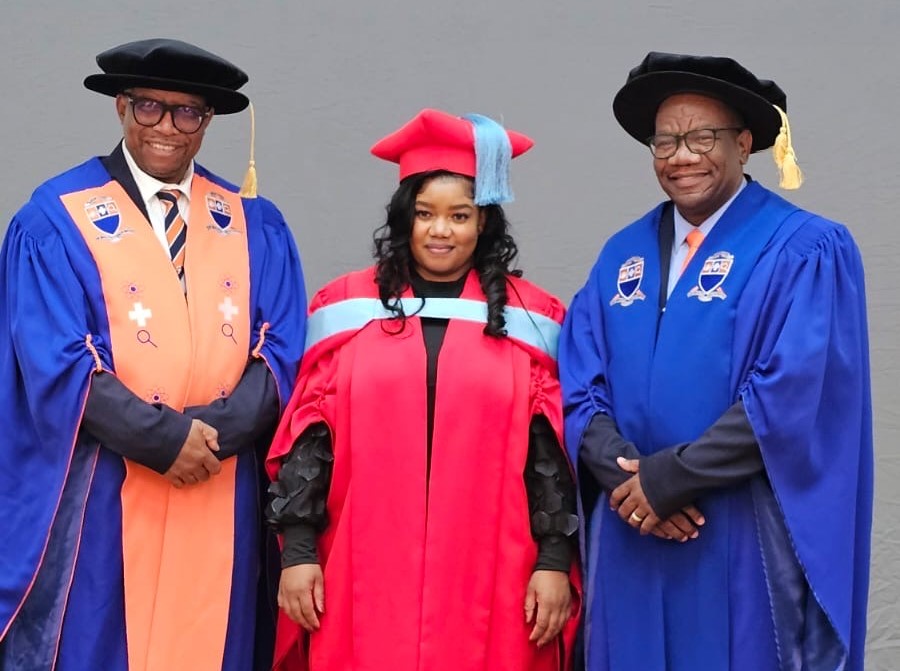 Beyond orthodontics, the research offers valuable contributions to forensic anthropology and forensic science. Dr Kobedi’s findings demonstrated the potential use of cephalometric models in forensic sex estimation, providing an additional tool for biological profiling and the identification of unknown individuals. As South Africa continues to face increasing demands for forensic investigations, such innovations could strengthen identification processes and support justice and public safety initiatives.
“This work demonstrates how interdisciplinary research can address both clinical and societal challenges,” said Prof Oettlé. “The findings not only advance orthodontic knowledge but also create opportunities for innovation in forensic science and craniofacial research.”
Dr Kobedi’s work has already gained national and international recognition. Her research has been presented at the 29th International Symposium on Morphological Sciences, the 50th and 51st Conferences of the Anatomical Society of Southern Africa, the SMU Research Day and the School of Dentistry Research Day. In 2025, she received the First Place Research Presentation Award at the 3rd School of Dentistry Research Day. Her doctoral research has also resulted in two peer-reviewed publications in the South African Dental Journal and one in Forensic Imaging.
Dr Kobedi’s achievement reflects more than individual academic success; it exemplifies the impact of SMU research in addressing real-world challenges through scientific innovation. By generating knowledge that improves patient care, informs clinical practice and contributes to forensic science, her work demonstrates how research conducted at SMU continues to advance healthcare and strengthen the university’s reputation as a leading centre of research excellence.
By Tumelo Moila
by Lorato | Jun 3, 2026 | All News, Alumni, SMU Media, Student Media
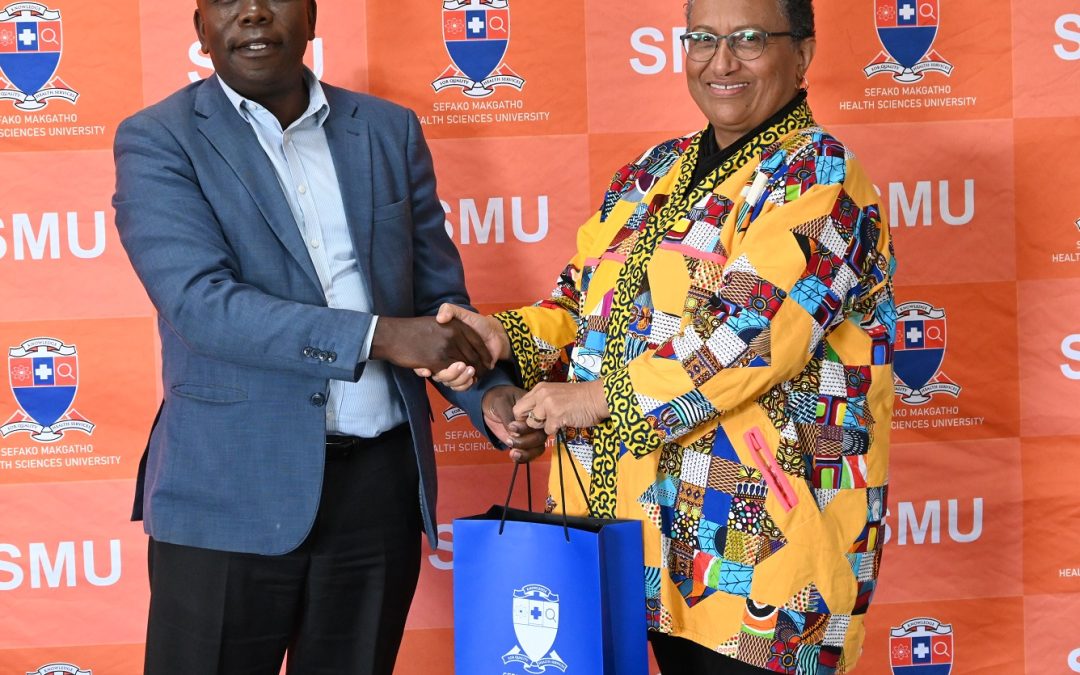
Sefako Makgatho Health Sciences University (SMU), through its Technology Transfer Office (TTO), recently hosted a World Intellectual Property (IP) Day Workshop that highlighted the growing connection between innovation, intellectual property protection, and the global sports industry.
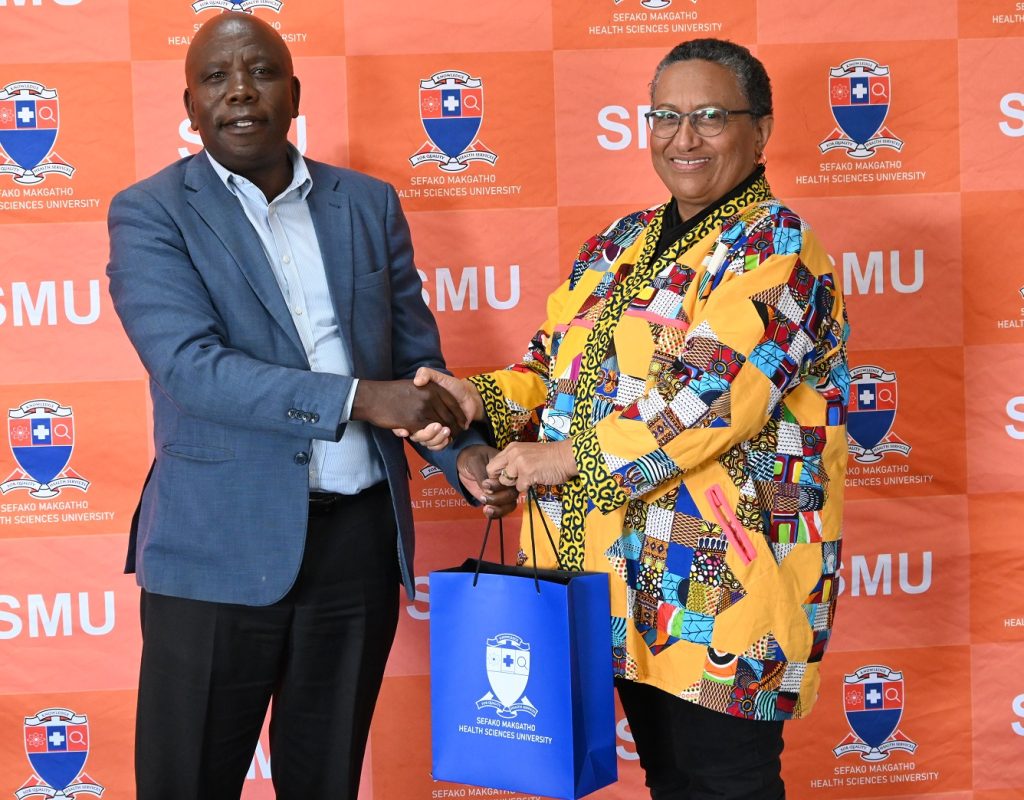 Held under the theme “Ready, Set, Innovate”, the workshop brought together researchers, academics, students and industry experts to explore how intellectual property drives scientific advancement, commercialisation, and technological transformation across sectors.
Among the featured speakers was celebrated SMU inventor Emmanuel Kiyonga, whose patented breast cancer drug discovery research was supported by the university’s TTO. Drawing parallels between sports innovation and scientific research, Kiyonga explained how technological advances continue to reshape industries worldwide.
“Just like the introduction of video assistant referee (VAR) transformed football, innovation continues to change the way we live and work. Research and development are creating solutions that improve lives every day, and intellectual property protection ensures that these innovations can reach society,” he said.
Kiyonga urged researchers and students to take ownership of their ideas and pursue innovation despite challenges.
“Do not wait for permission to innovate. Do not wait for resources. Resources are limited but innovate anyway. It is important that African researchers develop, protect and commercialise solutions that address our own challenges,” he added.
SMU patent holder Nondumiso Nkosi also shared her innovation journey, explaining how gaps in Hepatitis B testing in resource-constrained settings inspired her to develop a point-of-care diagnostic tool. Her invention became one of the School of Medicine’s early patents, demonstrating the value of transforming research into practical healthcare solutions.
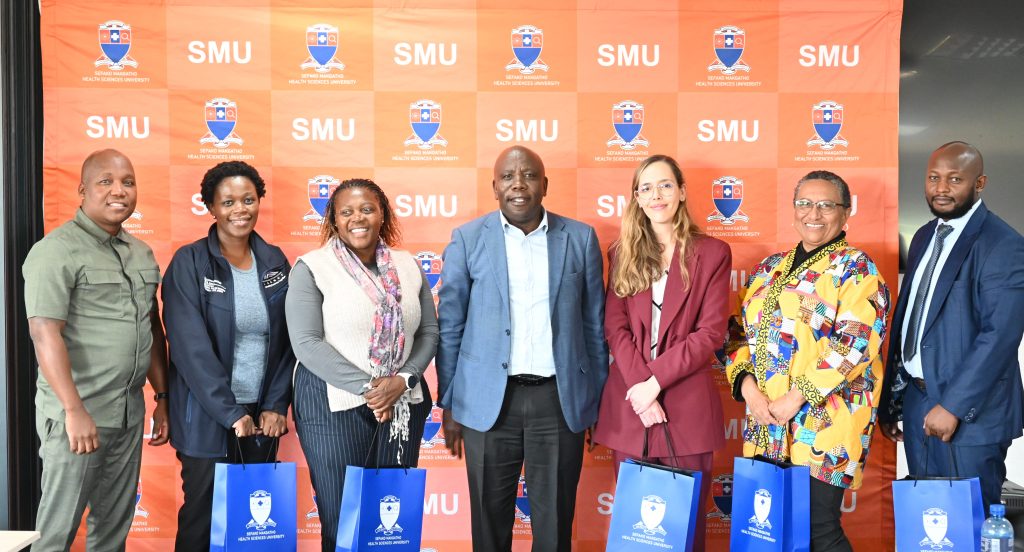 The workshop also provided valuable insight into South Africa’s intellectual property landscape. Dr Elmary Buis from the National Intellectual Property Management Office outlined the significance of the Intellectual Property Rights from the Publicly Financed Research and Development Act, which safeguards innovations arising from publicly funded research.
Bridging intellectual property and sport, Daniella De Fiqueiredo from Adams & Adams Attorneys highlighted examples of trademarks, copyrights and patents shaping the modern sports industry. She highlighted how assets such as the 2010 FIFA World Cup logo, Zakumi (mascot) and official tournament music are protected through intellectual property laws.
She further noted that elite athletes increasingly protect their personal brands through trademarks, while technological innovations, including sensor-equipped footballs, continue to influence the future of officiating and sports performance.
The event resonated strongly with students, including second-year BSc Physical Sciences student and SRC Sports and Recreation Officer’s committee member Pule Mawasha. “I learned the importance of protecting original ideas and recognising the value of creativity. The workshop showed how intellectual property can empower young people to develop, protect, and commercialise their innovations,” said Mawasha.
Representatives from the Technology Innovation Agency and the Department of Trade, Industry and Competition also outlined funding opportunities and incentive programmes designed to support innovators from concept development through to commercial production.
Closing the session, TTO acting manager, Mohlatlego Sebola, encouraged researchers and students to continue pursuing innovative solutions that address societal challenges.
The workshop demonstrated SMU’s commitment to fostering a culture of innovation, entrepreneurship, and knowledge transfer, while equipping future scientists and innovators with the tools needed to transform research into meaningful social and economic impact.
By Rose Moreki
