
by Lorato | Sep 10, 2025 | All News, SMU Media, Student Media
A convoy of colourful Jeeps rumbled onto the campus of Sefako Makgatho Health Sciences University (SMU), attracting attention—but this was no parade. Members of the Capital Jeep Foundation, led by Chairperson Karabo Mokwena and co-founders Tiyane Hlongwane and Kgomotso Madisa, arrived with a purpose: to restore dignity and support young women through a sanitary pad drive in partnership with SMU’s School of Science and Technology (SST).
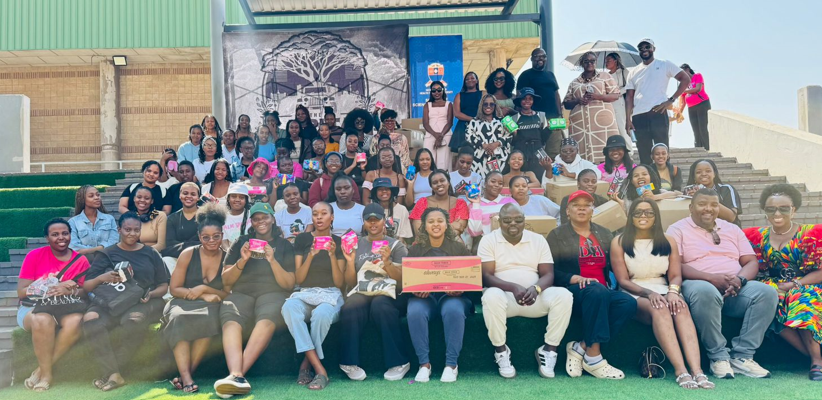 “Our vision is simple but transformative,” explained Mokwena. “No girl child should miss classes or lose confidence due to lack of access to sanitary pads. Small, consistent acts of kindness can restore dignity and open doors for future leaders.”
For SST, hosting the drive aligned with its commitment to holistic student success. SST Operations Manager Dr Esmey Moema reflected: “The well-being of our students is as important as their academic performance. Hosting this drive affirms our commitment to supporting students in every aspect of their lives.”
The initiative coincided with Women’s Month, a deliberate choice to highlight the urgent need for access to sanitary products. Hlongwane said, “Women’s Month was the perfect time to take action. It is not enough to celebrate women in words; we must also demonstrate our commitment in practical, life-changing ways.”
Approximately 3,000 packs of sanitary pads were donated, benefiting around 1,500 female students, both undergraduate and postgraduate. For many, the donations carried symbolic significance. Thandi Caroline Sebola, a postgraduate recipient, said: “Sometimes we think no one notices the challenges we go through quietly. Today, this drive reminded us that we matter and that our dignity is worth protecting.”
 The Jeep convoy added extra impact. Dozens of vibrant vehicles lined up, creating a striking visual across campus. Madisa explained, “The convoy symbolises unity. When people and communities move in the same direction with one purpose, the impact becomes impossible to ignore.” The vehicles became metaphors for collective strength and action.
The collaboration also highlighted the power of partnerships between academic institutions and community organisations. Mokwena emphasised, “When universities and civil society groups unite, the results speak for themselves. We are stronger together, and initiatives like this show that everyone has a role in creating equal opportunities.”
The initiative inspired both students and staff, sparking conversations about dignity, equality, and breaking barriers to education. Dr Moema noted, “What we witnessed is more than charity. It is empowerment. It is equal opportunity in action. It demonstrates that no challenge is too small to address when we care about students’ futures.”
For the Capital Jeep Foundation, this drive is just the beginning. Hlongwane said, “We want to build on this momentum and ensure that young women never feel excluded or disadvantaged due to circumstances beyond their control.”
As the Jeeps departed, they left behind more than donations—they left a reminder of what can be achieved when compassion drives action. For SMU SST and the Capital Jeep Foundation, this was more than a drive; it was a movement.
By Dimakatso Modise
by Lorato | Sep 10, 2025 | All News, SMU Media, Student Media
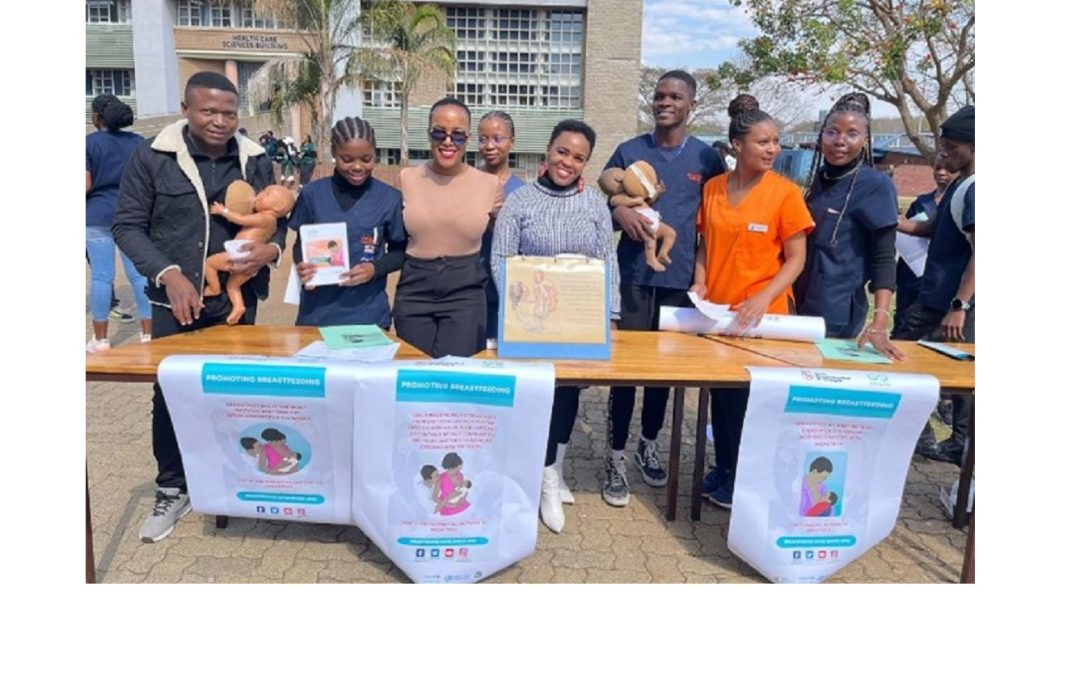
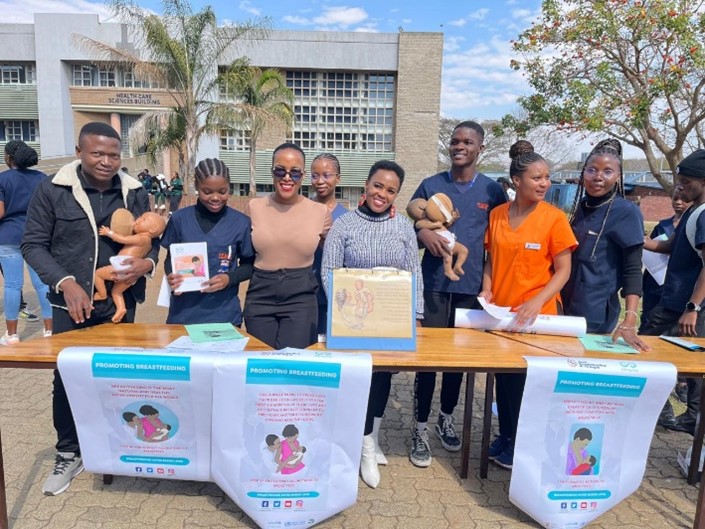
The Sefako Makgatho Health Sciences University (SMU) Dietetics Department recently held a series of events to mark World Breastfeeding Week, engaging with communities across multiple platforms, including primary healthcare (PHC) training clinics, the University campus, and a local media house. The activities were led by Dietetics lecturers and students, highlighting the department’s commitment to promoting maternal and child health.
 World Breastfeeding Week is observed globally to raise awareness about the significance of breastfeeding and the vital role it plays in child development and maternal health. It is a week where health professionals, institutions, and communities come together to promote, protect, and support breastfeeding. SMU’s Dietetics Department has consistently participated in this international observance, organising educational and outreach activities aimed at both the public and the university community.
Recently, the department hosted a campaign on the University premises led by senior lecturer Dr Cornelia Phetla, targeting staff and students alike. The initiative involved approaching members of the university community while walking around campus to provide them with information on breastfeeding practices, benefits, and support mechanisms. The campaign deliberately targeted the general university community, emphasising that breastfeeding is a shared responsibility and not solely a concern for women.
“Breastfeeding is a public health priority; everyone has a role to play, not just the breastfeeding mother. said one of the Dietetics lecturers, Ria Mehlape. “By engaging both men and women, students and staff, we aim to create an informed community that supports breastfeeding mothers and encourages healthier early childhood development.”
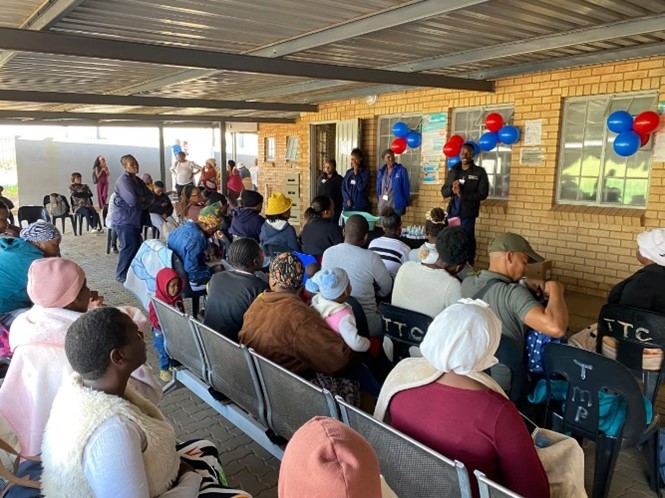 The activities extended beyond the campus environment. At various PHC training clinics in Ga-Rankuwa, Soshanguve and Hammanskraal, final year dietetics students and lecturers interacted with patients and healthcare staff, providing practical demonstrations and educational material on breastfeeding. These sessions included discussions on proper nutrition for both mother and child, managing breastfeeding challenges, and addressing common misconceptions about infant feeding.
The department also collaborated with SMU FM to extend the reach of the campaign. Ntsako Mboweni, a newly appointed lecturer in the department, together with third-year Dietetics students, shared key messages on the benefits of breastfeeding, nutritional guidance, and the importance of community support. This media engagement ensured that the awareness drive reached a broader audience, including members of the surrounding communities who may not be directly connected with the University.
Students involved in the campaign described the experience as both educational and rewarding. “Participating in World Breastfeeding Week allows us to apply our classroom knowledge in real-world settings,” said Dimakatso Makgai, a 3rd-year dietetics student. “It also helps us develop communication and advocacy skills that are essential for our future careers as healthcare professionals.”
Notably, the involvement of Mboweni, a male lecturer, in promoting breastfeeding encouraged greater participation from male students in the campaign.
Through these initiatives, SMU Dietetics not only commemorates World Breastfeeding Week but also underscores its commitment to community health, student engagement, and practical learning. The department aims to continue such outreach programmes, fostering a culture of awareness and support that extends beyond the University and into the broader public.
By involving the University community and local healthcare networks, SMU’s Dietetics Department demonstrates that breastfeeding promotion is a collective effort that requires the participation of families, educators, healthcare professionals, and society at large.
By Tumelo Moila
by Lorato | Sep 10, 2025 | All News, SMU Media, Student Media
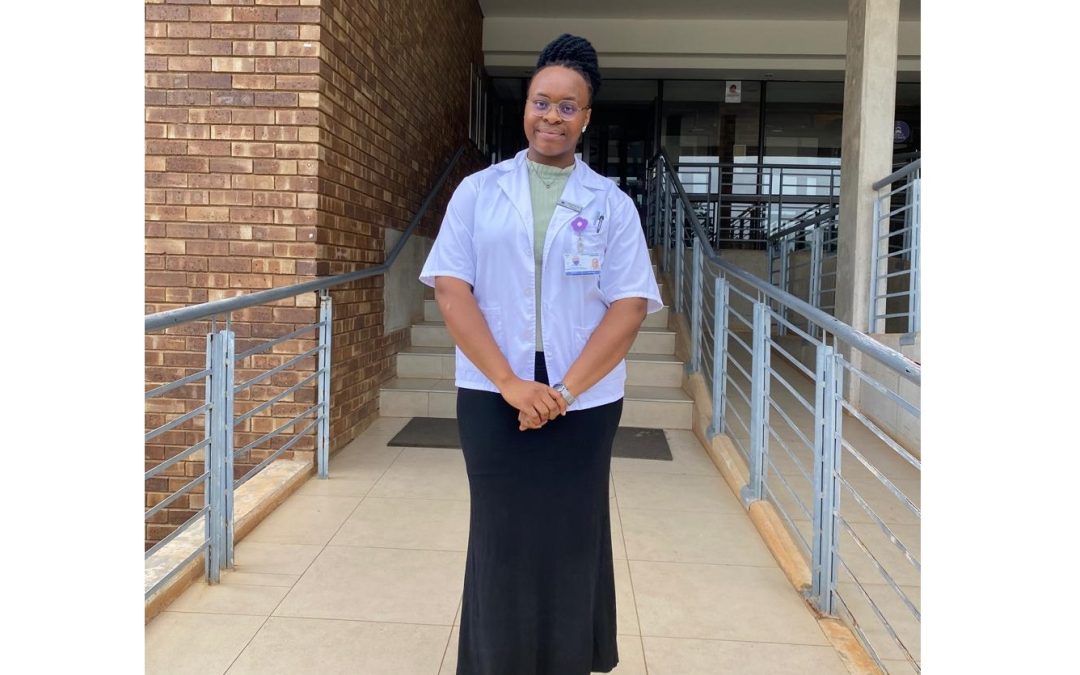
For Jennifer Chiamaka Emeh, a sixth-year medical student at Sefako Makgatho Health Sciences University (SMU), the journey to becoming a doctor has been defined by resilience, determination, and an unwavering commitment to her dream. Born in Nigeria and raised in Johannesburg, Emeh grew up with her mother and four siblings, carrying from an early age the vision of making a difference in healthcare.
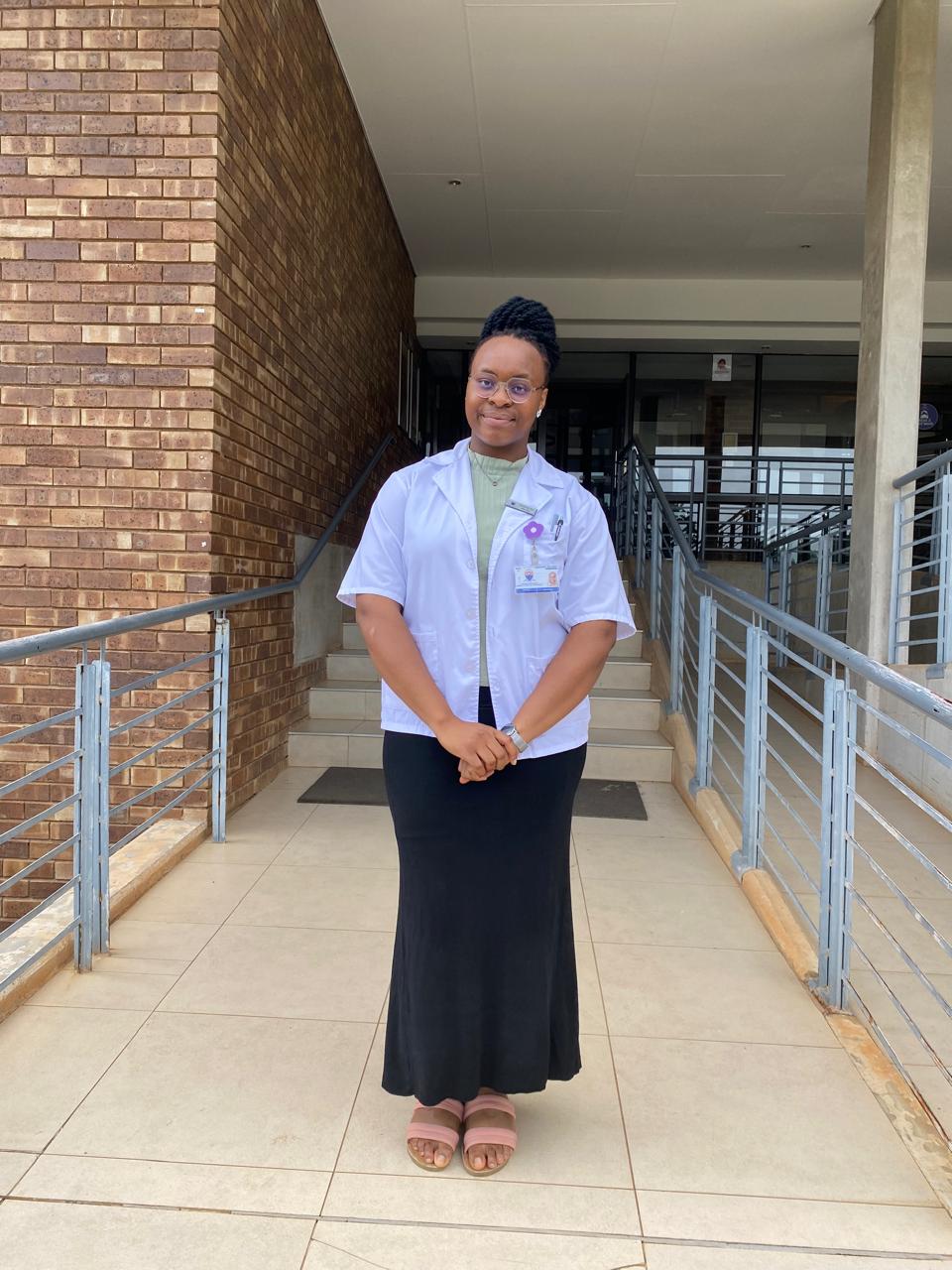 Her academic journey reflects dedication and focus. At Cyrildene Primary School, her dream of becoming a doctor began to take shape, and at Sandringham High School, she pursued it with diligence. Graduating in 2019 with six distinctions, Emeh’s achievements stemmed not only from hard work but also from her desire to contribute to healthcare in areas where access is limited. “From the very beginning, I knew I wanted to become a doctor. It was never just about a career, but about making a real impact where it is needed most,” she reflects.
Initially inspired by maternal health, Emeh once considered specialising in Obstetrics and Gynaecology. However, her clinical training revealed new interests, particularly in Neurosurgery. “The brain holds so many secrets,” she explains. “The more I learn, the more I realise how much there still is to discover. That challenge excites me.”
Outside her studies, Emeh enjoys reading, painting, exercising, journaling, and spending time with family and friends. These activities help her maintain balance in the demanding life of a medical student, reminding her of the importance of nurturing both mind and soul.
Despite her strong academic record, Emeh faced severe financial hardship in her final year, threatening to derail her progress. “I had almost lost hope,” she recalls. It was at this moment that she learned of bursary opportunities through the partnership between Gift of the Givers and Bonitas Medical Fund.
Since 2018, Gift of the Givers and Bonitas have worked together to improve healthcare accessibility in South Africa, from installing boreholes at health facilities to providing bursaries for medical students. Emeh was awarded a Bonitas bursary, which transformed her circumstances. “When I received the news, it was as though light had pierced through one of my darkest moments. The bursary lifted the burden off my family and gave me the final push I needed to complete my degree,” she says.
Grateful for the support, Emeh describes Bonitas and Gift of the Givers as “beacons of light” in her journey. Their belief in her potential inspires her to pay it forward. “They invested in my future, and because of that, I will always strive to support others. The cycle of giving strengthens communities and shapes futures.”
Looking ahead, Emeh hopes to specialise in neurosurgery while pursuing her passion for education and mentorship. “A person is not only a body but also a mind and soul. Recognising the entirety of a human being is what truly makes a great doctor,” she says.
To students facing challenges, she offers encouragement: “Every obstacle shapes your strength. Never be afraid to seek help. Always take care of your mental, emotional, and physical well-being—these are the foundations of your dreams.”
Emeh’s journey demonstrates that hope, perseverance, and the right support can overcome even the most difficult challenges. As she prepares to enter the medical profession, she carries not only the skills of a future doctor but also the lived experience of resilience, compassion, and determination to serve.
By Dimakatso Modise
by Lorato | Sep 10, 2025 | All News, SMU Media, Student Media
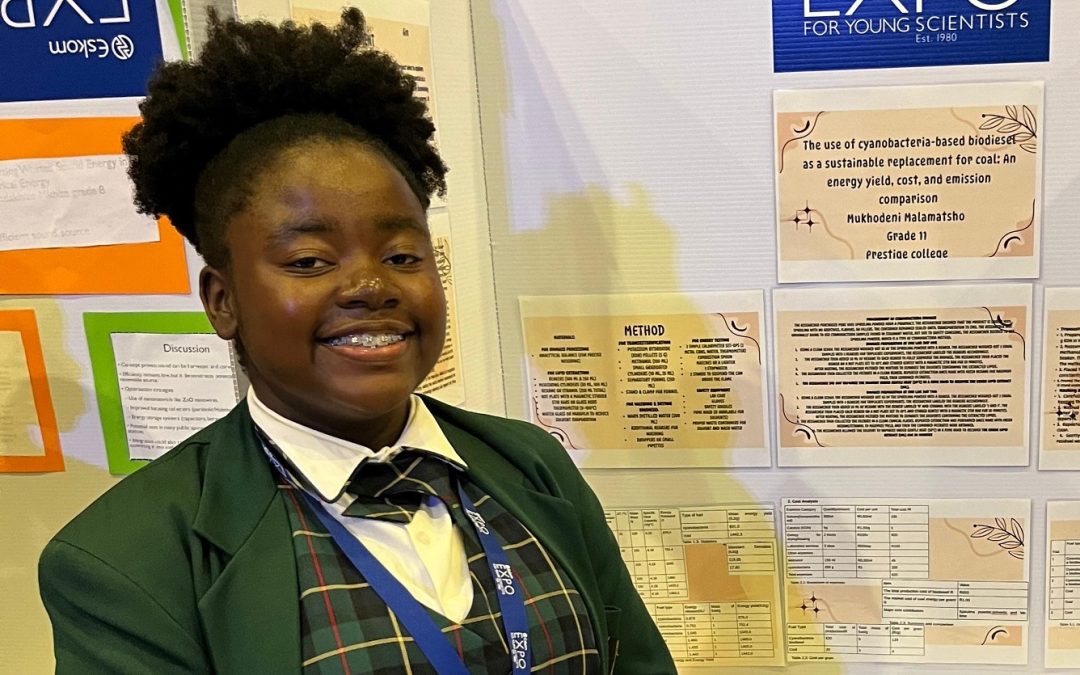
Mukhodeni Blessing Malamatsho, a Grade 11 learner at Prestige College in Hammanskraal, has won a Gold Medal at the prestigious Eskom Expo for Young Scientists, showcasing innovation, dedication, and a commitment to addressing environmental challenges—values strongly shared by Sefako Makgatho Health Sciences University (SMU).
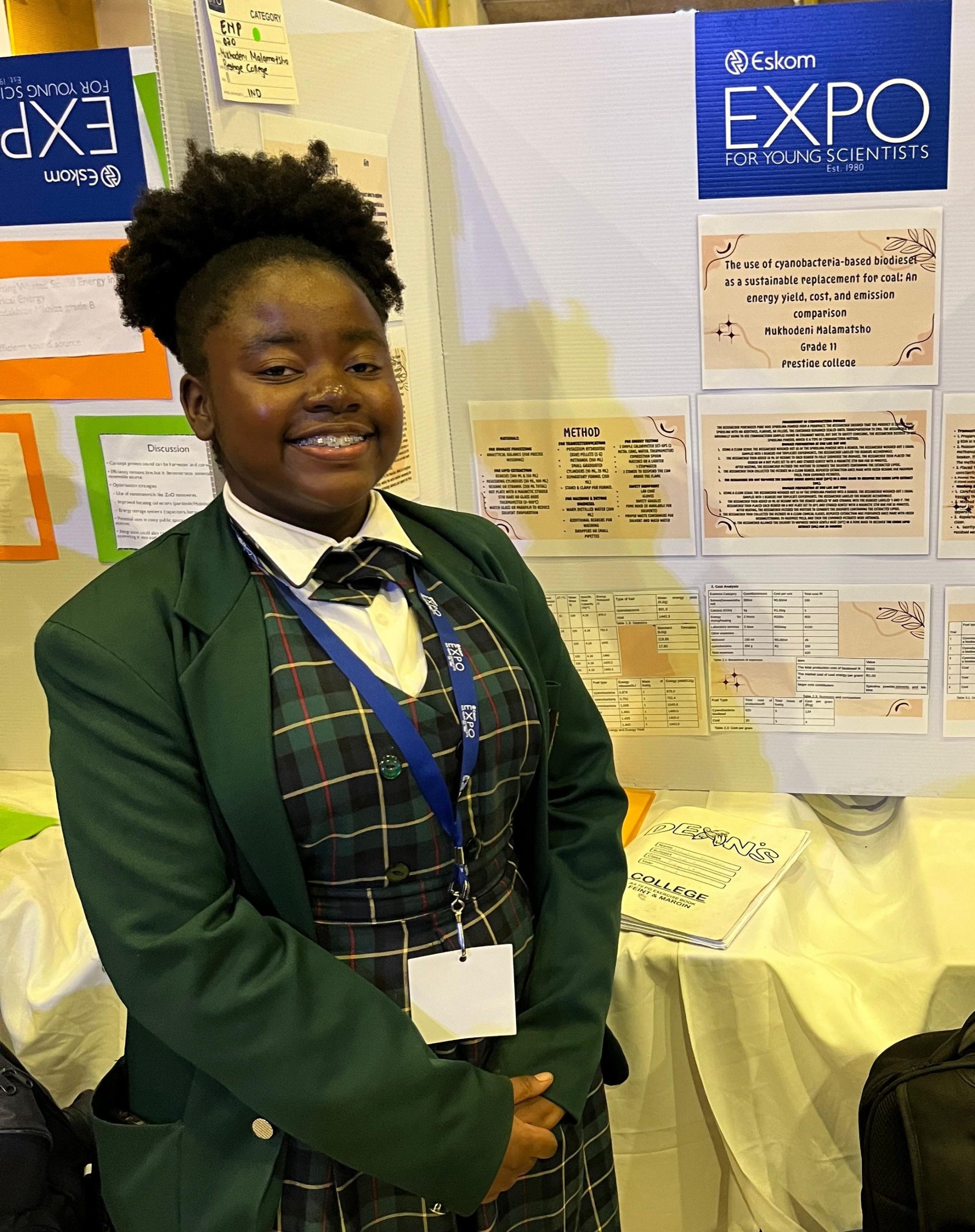 The Eskom Expo is a premier competition that requires learners to design and implement original research projects in fully equipped laboratories under qualified supervision. For her project, Malamatsho gained access to SMU’s Chemistry Department, working closely with experts who provided mentorship and technical guidance. Supervisors included Florence Christicia Seseng from the School of Science and Technology Mobile Science Bus and Professor Liziwe Lizbeth Mugivhisa from SMU’s Department of Biology and Environmental Sciences.
Her project, titled “The Use of Cyanobacteria-Based Biodiesel as a Sustainable Replacement for Coal: An Energy Yield, Cost and Emission Comparison”, investigated whether biodiesel derived from cyanobacteria (Spirulina) could be a viable, environmentally friendly alternative to coal. South Africa generates over 80% of its electricity from coal, which, despite its energy efficiency, produces harmful emissions contributing to air pollution, climate change, and negative health outcomes.
“I wanted to explore a renewable energy source that could reduce environmental harm while being practical for South Africa,” said Malamatsho. “Working in SMU’s labs gave me the tools and guidance I needed to turn my idea into a real project.”
The research focused on Spirulina because it is fast-growing, lipid-rich, and does not compete with crops, making it a sustainable feedstock for biodiesel production. Malamatsho compared energy yield, emissions, and production costs between Spirulina-based biodiesel and coal, aiming to determine whether cyanobacteria-based biofuels could support South Africa’s transition to cleaner energy.
Professor Mugivhisa commented, “This project demonstrates the incredible potential of young scientists to address real-world problems. Malamatsho’s work embodies SMU’s values of excellence, innovation, collaboration, and social responsibility.”
Seseng added, “It was inspiring to guide Malamatsho. Her curiosity, dedication, and scientific rigour set a great example for other students aspiring to make a difference.”
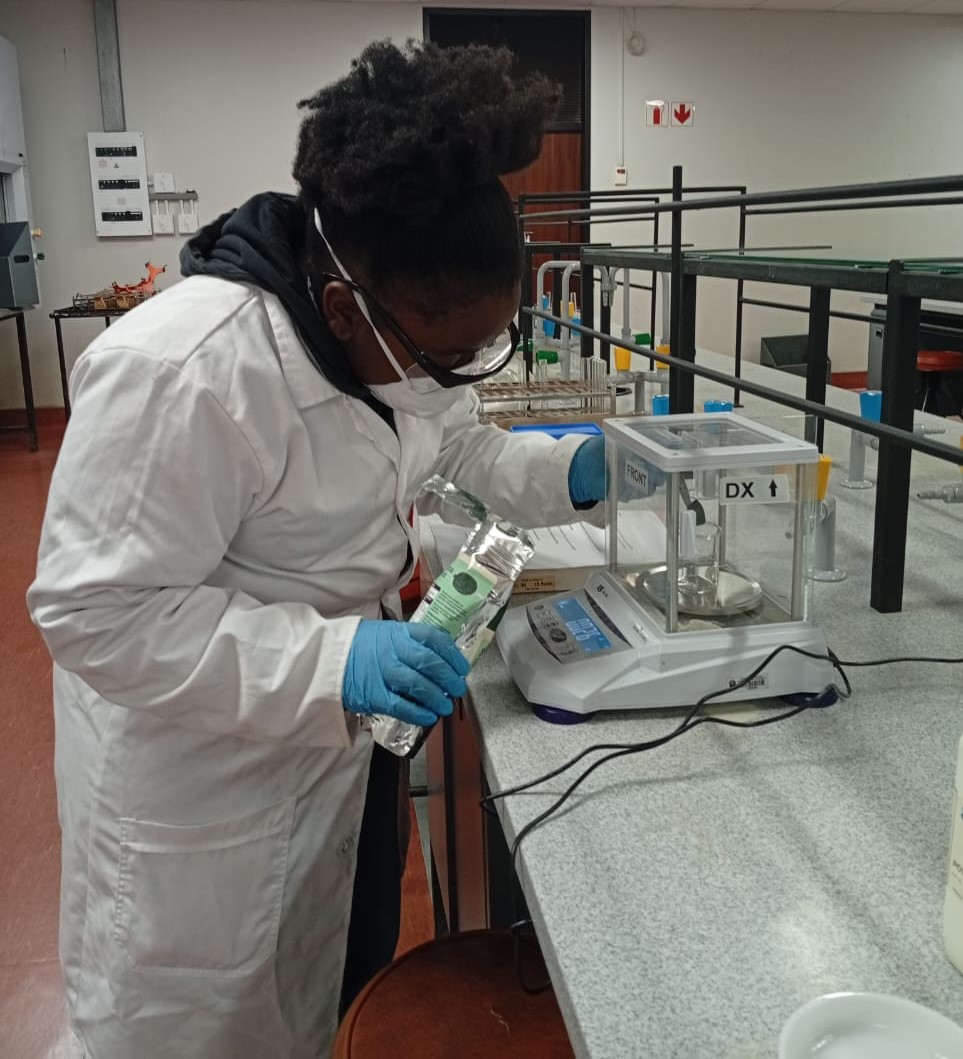 The study highlighted the potential of cyanobacteria-based biodiesel as a cleaner energy alternative, with promising implications for energy policy and environmental sustainability. Beyond the scientific findings, Malamatsho’s achievement illustrates the importance of mentorship, access to resources, and collaboration between educational institutions. SMU’s support provided a professional environment for high-quality experimental research, reflecting the university’s commitment to nurturing talent and fostering social responsibility.
Malamatsho’s success exemplifies how young innovators can transform ideas into impactful scientific solutions, inspiring peers, educators, and future scientists to pursue research addressing local and global challenges.
By celebrating this achievement, SMU reaffirms its commitment to excellence, innovation, and social responsibility, emphasising its mission to shape leaders, advance science, and promote sustainable development. Malamatsho’s acquisition of a gold medal at the Eskom Expo is a shining example of what can be achieved when talent meets opportunity, mentorship, and institutional support.
By Dimakatso Modise

by Lorato | Sep 10, 2025 | Accolades and Achievements, All News, SMU Media, Student Media
Sefako Makgatho Health Sciences University (SMU) has once again made its mark on the global academic stage through the leadership of its Senior Lecturer in the Department of Public Health, Dr Moreoagae Randa, who has played a pivotal role in an international collaboration funded by the British Academy.
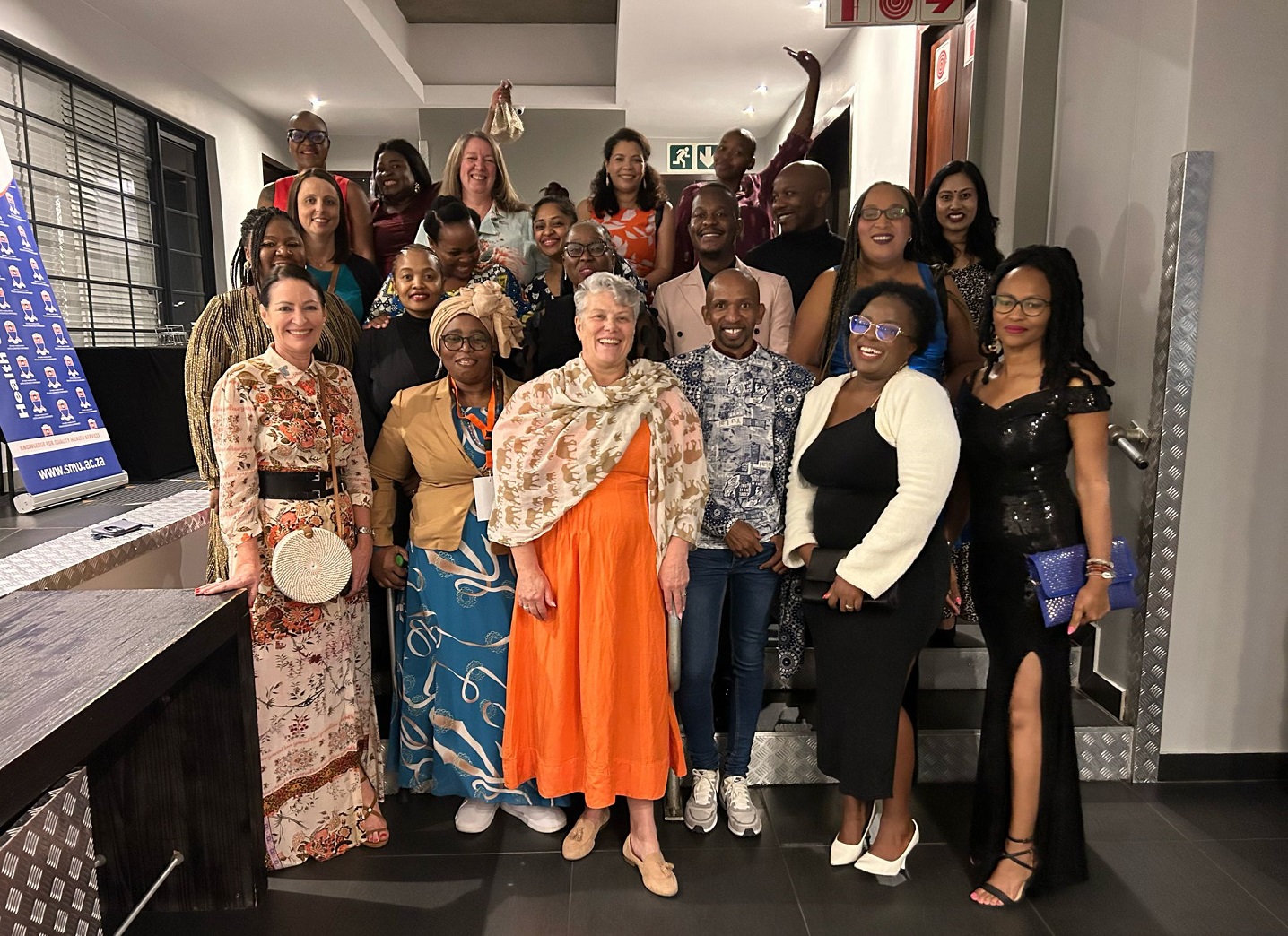 The programme, valued at £29,577 and running from 2023 to 2025, was awarded to De Montfort University (DMU) in the United Kingdom as the lead applicant. Dr Randa serves as the principal South African partner, ensuring the effective disbursement and accountability of funds to SMU. The project, themed “Strengthening South African Writing for Academic Outputs”, reflects her longstanding commitment to advancing research and innovation at SMU and beyond.
The initiative represents a strategic partnership between SMU, Stellenbosch University, DMU, the University of Sheffield, and the University of Nottingham. Co-led by Dr Kathyrn Hinsliff-Smith of DMU and Dr Randa, the project has supported 22 Early Career Researchers (ECRs) drawn from six South African public universities, including 11 from SMU. These researchers, either completing their PhDs or engaged as postdoctoral fellows, were provided with a two-year structured, mentored writing experience.
Reflecting on the collaboration, Randa said: “This programme has strengthened the capacity of early career researchers to publish, secure grants, and engage globally. Its impact will continue to resonate across institutions, disciplines, and the country’s research agenda.”
Workshops, mentoring sessions, and virtual engagements have enabled participants to strengthen their writing capabilities, expand professional networks, and produce tangible research outputs. Activities included an inaugural three-day workshop in November 2023 at Stellenbosch, online group sessions focusing on academic search strategies, and a recorded open forum with representatives of the National Research Foundation (NRF). These interventions provided participants with crucial insights into academic publishing, grant writing, and the South African promotion system for academics.
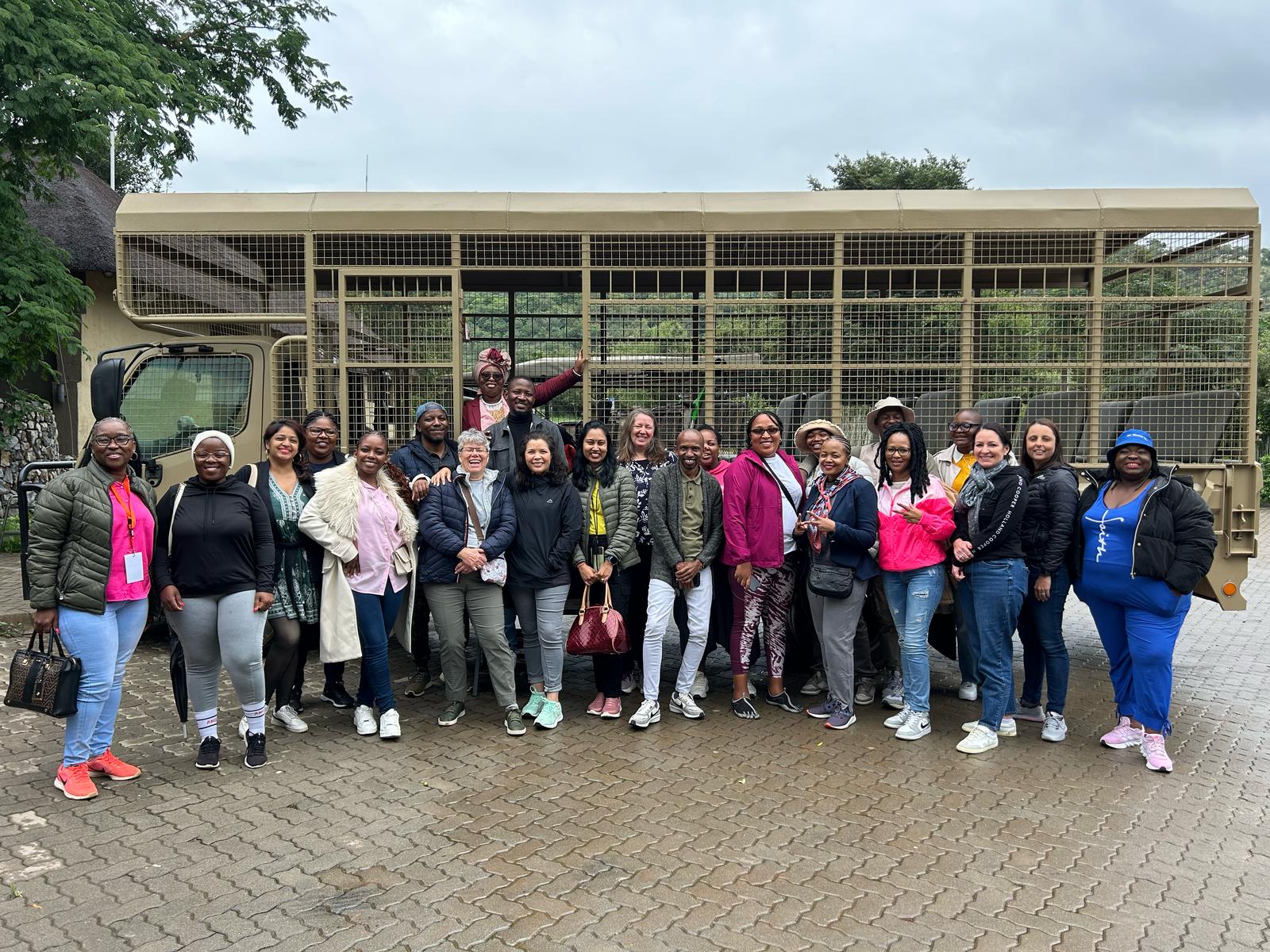 The outcomes of the programme are already evident. Participants have delivered successful journal publications, completed doctoral studies, secured research grants, and forged international collaborations. According to co-lead Dr Hinsliff-Smith: “The progress of these researchers has been remarkable. This project has not only improved their writing skills but has also created new opportunities for collaboration across borders.”
The diversity of disciplines represented by the cohort further amplified the programme’s impact. Researchers came from fields as varied as public health, pharmacy, cultural and political studies, radiotherapy, psychology, and optometry. This breadth fostered interdisciplinary learning and exchange, creating a platform for cross-pollination of ideas and methodologies that enriched the experience for all involved.
The collaboration culminated in the “Road to Success Conference” hosted at the Protea Hotel OR Tambo International Airport from 18–20 February 2025. Here, the ECRs showcased their progress, shared experiences, and celebrated achievements alongside mentors and international collaborators.
One of the participants, Portia Ramashia, Lecturer and PhD candidate in the Department of Radiation Therapy at the University of Johannesburg, noted: “The mentorship provided a safe, supportive environment to learn and grow. I now feel equipped to publish confidently and to position myself for future academic opportunities.”
The recognition of Randa’s leadership in this programme builds upon her earlier work in collaborative projects addressing pressing social issues, such as gender-based violence, where she partnered with UK counterparts and local organisations to develop training materials for health professionals.
Through her vision and dedication, Randa exemplifies the values of academic excellence, international collaboration, and societal impact, positioning SMU as a key contributor to research and innovation both nationally and globally.
By Tumelo Moila
by Lorato | Aug 27, 2025 | All News, Research, SMU Media, Student Media
Sefako Makgatho Health Sciences University (SMU) recently hosted its flagship Research Days 2025, a three-day celebration of discovery, excellence and innovation under the theme “Advancing Innovation and Entrepreneurship for Sustainable Health.” The event brought together academics, researchers, students and policymakers in a dynamic exchange of ideas aimed at shaping the future of health sciences and developing solutions that matter.
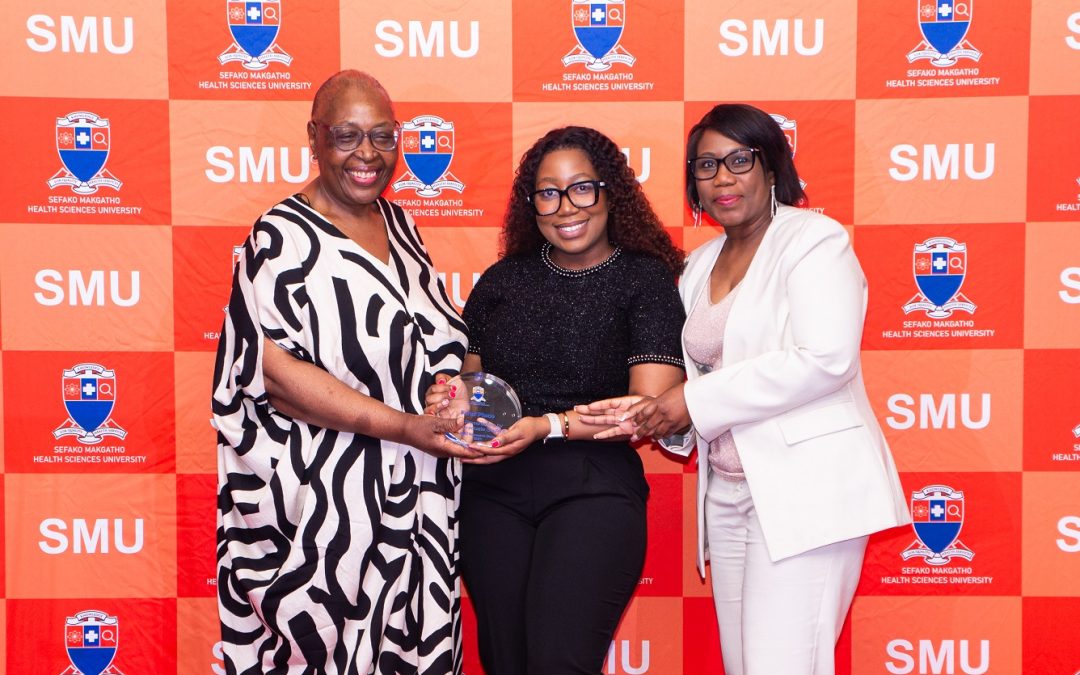
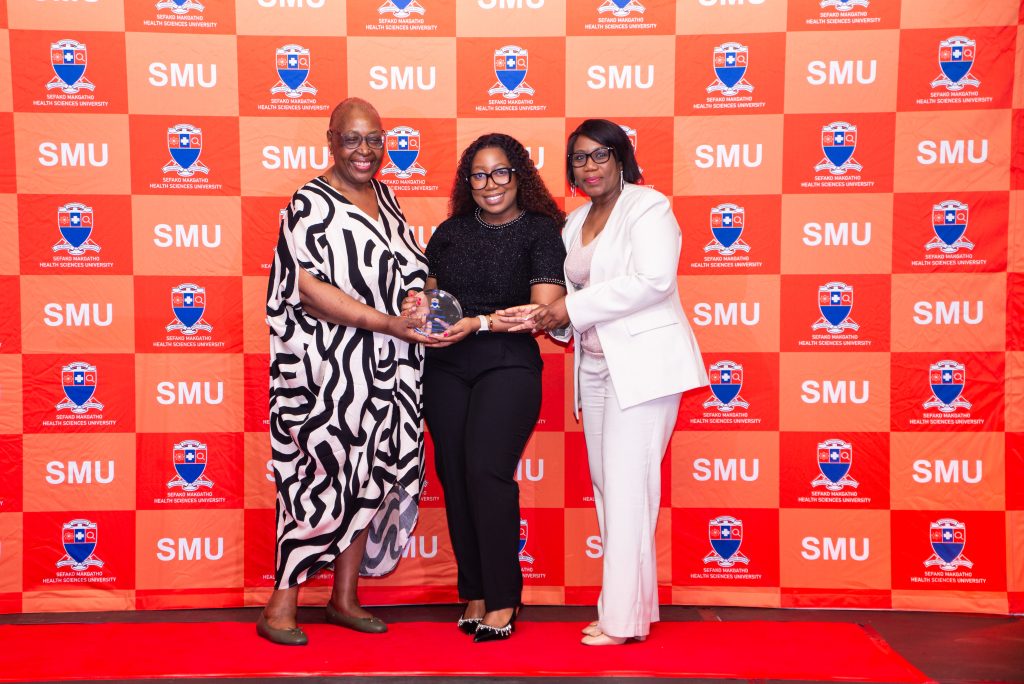 The occasion culminated in a prestigious gala dinner, where exceptional researchers and students were honoured for their groundbreaking contributions. More than an awards ceremony, the evening reflected SMU’s vision: to be a hub of research-driven innovation and a catalyst for transformation across the African continent.
Opening the event, Professor Dini Mawela, Acting Deputy Vice-Chancellor for Academic and Research, emphasised the power of research in driving meaningful change. “Research Days provide an essential platform for showcasing our university’s intellectual prowess and for forging partnerships that drive impactful solutions to the pressing health challenges of our time,” she said. Her words set the tone for an inspiring programme, blending intellectual depth with a shared commitment to improving lives.
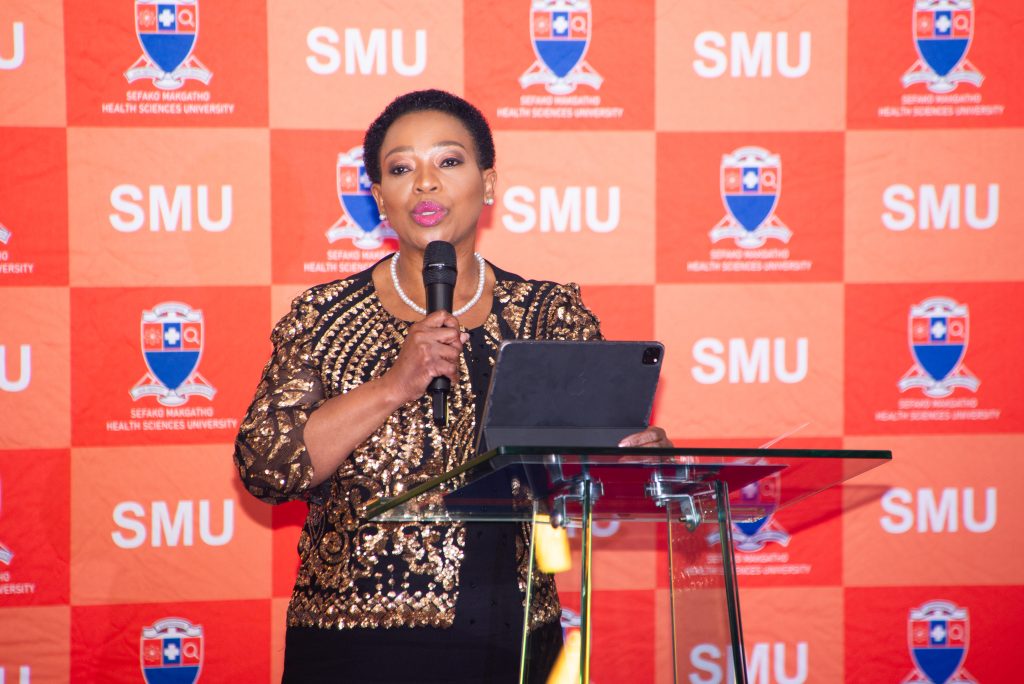 Delivering the keynote address, Deputy Minister of Higher Education and Training, Dr Nomusa Dube-Ncube, highlighted the transformative role of education and research in building resilient societies. “Education is the foundation for empowering women to drive innovation. Tonight, as we gather, we are not merely here to hand over awards but to bear witness to the extraordinary power of science, service and humanity,” she said. She urged researchers to ensure that their work extends beyond laboratories to make tangible impacts in clinics, villages, operating theatres, classrooms and policy spaces. “Research is the bridge between knowledge and societal progress,” she affirmed.
Quoting Ghana’s founding president, Kwame Nkrumah, she added: “We face neither East nor West. We face forward.” This philosophy, she explained, is at the heart of SMU’s ethos— “Boldly African, unapologetically excellent and radically future-facing.” She described the university as a sanctuary of imagination and a crucible of African pride, where the dreams of rural children meet the cutting edge of medical science.
This year’s Research Days attracted over 160 participants daily, both in person and online, with nearly 80 oral and 80 poster presentations across multiple disciplines. From molecular biology and pharmacology to neuroscience, public health and health education, the research showcased SMU’s breadth of expertise. Studies explored subjects such as antimicrobial resistance, genetic characterisation of pathogens, innovative teaching strategies in anatomy and the medicinal potential of indigenous plants. Each presentation reflected a shared vision: research that is globally competitive yet deeply rooted in African relevance.
At the gala dinner, first place in the Poster Presentation category was awarded to Sdady Lucas Kgwete for his research on rotavirus strain characterisation in Pretoria. Second place went to Kabo Masego Moletsane for a study on the anti-inflammatory properties of Drimia sanguinea, while third place was awarded to Oreoluwa Olufunmilayo Priscila Ojobaro for her work on the anti-cancer properties of Schinus molle fruit isolates.
In the Oral Presentation category for undergraduates, Enos Motaka Malatji took first prize for a study on MRI diagnosis of spinal TB and thoracic aneurysm. Among postgraduate students, first prize went to Mahlogonolo Refilwe Motswiane for research on antimicrobial resistance and genome characterisation of A. baumannii, second prize to Senzeni Sandy Hadebe for a morphometric analysis of the thoracodorsal artery, and third prize to Tokologo Prudence Ramothloa for work on Ricinus communis metabolite distribution.
Independent researchers also shone. Dr Tshilidzi Sadiki won first prize for a study on the implication of the updated WHO classifications of CNS tumours on pediatric brain tumours diagnosis: A South African perspective. Daniële Kristen secured second prize for exploring student perspectives on instructional design in anatomy, while Dr Clarissa Marcelle Naidoo received third prize for research into the antibacterial properties of biogenic silver nanoparticles.
Closing the event, Professor Mapaseka Seheri, Director of Research and Innovation, praised the quality and diversity of research. “This year’s Research Days attracted more than 160 participants daily, both physical and online. We had nearly 80 oral presentations and 80 posters. The quality of work underscores the depth of talent and dedication within SMU,” she said. She called on researchers to build on this momentum, reinforcing SMU’s role as a leader in health sciences research, entrepreneurship and knowledge creation.
The 2025 SMU Research Days were not simply an academic gathering—they were a movement. A declaration that Africa’s health future will be shaped by African scholars, innovators and visionaries. As the applause faded and conversations continued, one message echoed clearly: SMU will remain steadfast in its mission to advance health and well-being for all through research that is relevant, impactful and unapologetically African.
By Dimakatso Modise

by Lorato | Aug 27, 2025 | Accolades and Achievements, All News, Alumni, SMU Media, Student Media
It began with a vision: to open doors, build bridges and connect South African universities to the world. That vision has now become a reality, as Sefako Makgatho Health Sciences University (SMU) has secured prestigious funding from the German Academic Exchange Service (DAAD) to deliver a transformative internationalisation training programme for higher education institutions across South Africa.
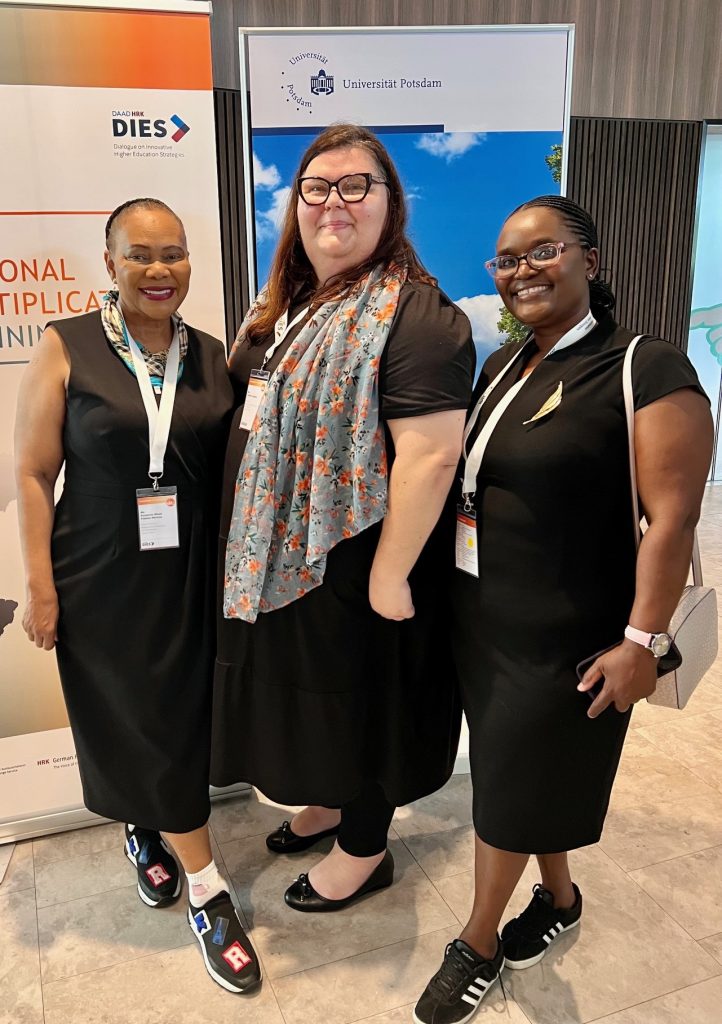 This milestone reflects SMU’s enduring commitment to excellence, integrity, diversity, respect and accountability—the values that guide the University’s growth and global engagement. For a directorate that is only in its third year, the achievement highlights SMU’s ability to make a meaningful impact on the international higher education landscape.
At the heart of this success is Dr Carlien Jooste, Director of Internationalisation at SMU and an alumna of DAAD’s Dialogue on Innovative Higher Education Strategies (DIES) programme. Drawing on her expertise, Dr Jooste collaborated with Dr Mbali Mkhize and Dr Zamaqwabe Sishi from Mangosuthu University of Technology to develop an innovative proposal entitled Building Bridges: Developing Internationalisation Skills for Professional Staff in South African Universities. Their concept impressed adjudicators in the highly competitive National Multiplication Training (NMT) programme, jointly initiated by DAAD and the German Rectors’ Conference (HRK) and funded by the German Federal Ministry for Economic Development and Cooperation (BMZ).
The NMT programme, coordinated by the Centre for Quality Development at the University of Potsdam, enables DIES alumni to deliver capacity-building initiatives in their regions. Applications were received from Africa, Latin America and Southeast Asia. Out of dozens of submissions, only thirteen proposals were approved globally, seven from Africa. The SMU–MUT collaboration proudly emerged as the only South African project selected, highlighting the strength and originality of their approach.
Reflecting on the achievement, Dr Jooste said: “As two Historically Disadvantaged Institutions and a female-led training team, we were ecstatic when we received the news that our proposal had been accepted. This is not just a personal victory, but an important milestone for SMU and a step forward for higher education in South Africa.”
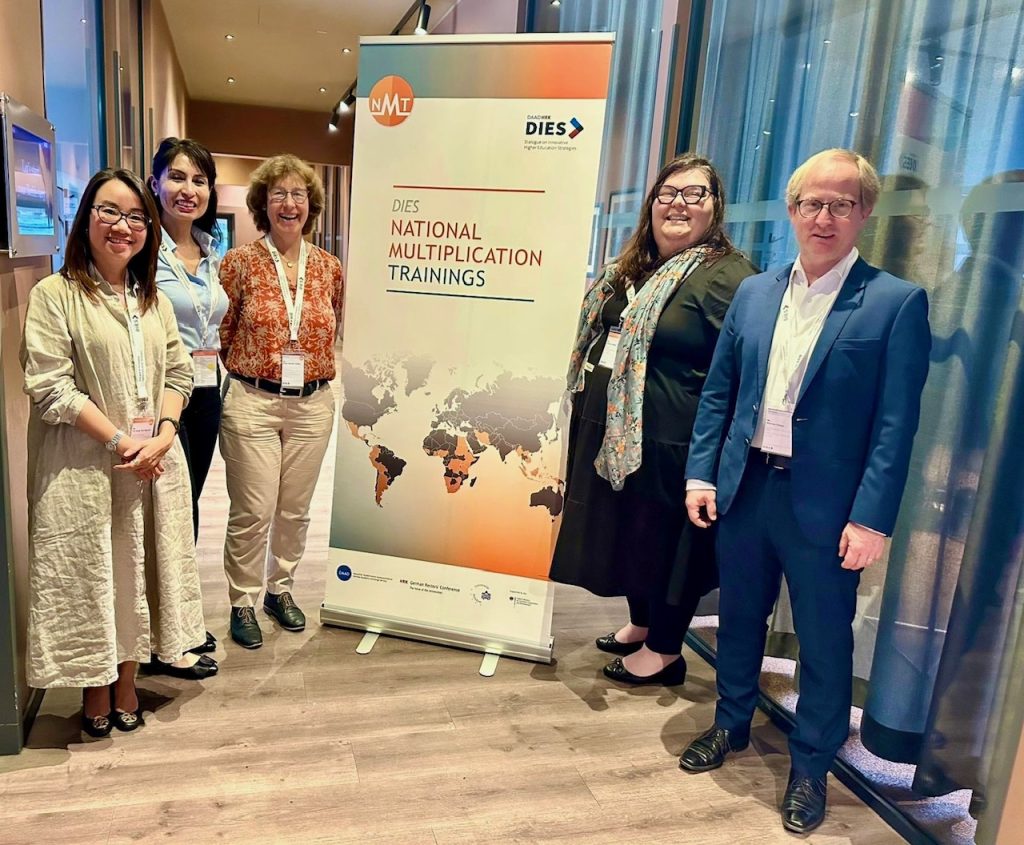 The training programme, due to open applications in September 2025, will focus on empowering professional staff—the operational backbone of universities—with the knowledge and skills required to advance internationalisation. These staff members, working in areas such as admissions, finance, student affairs, marketing, communications and human resources, play a vital role in implementing a university’s international strategy, yet their impact is often overlooked.
Jooste explained: “Most of the work in International Offices across South Africa is carried out by administrative staff. They keep internationalisation moving, yet many colleagues in other departments do not realise how important they are to this ecosystem. Our goal is to build capacity, foster collaboration and make internationalisation a shared responsibility across the university.”
She added, “As a team from Historically Disadvantaged Institutions, we understand the gaps and challenges that exist. This training aims to address those gaps and promote excellence, diversity, respect and accountability—values that SMU stands for. This initiative is about more than training; it is about creating a culture of integrity and innovation that positions South African universities on the global stage.”
This achievement underscores SMU’s growing role as a leader in shaping internationalisation within higher education. Beyond the funding and recognition, it reflects the University’s determination to embrace innovation, cultivate partnerships and create opportunities that transcend borders. By empowering professional staff, SMU is investing in the people who drive its mission forward, ensuring that internationalisation is understood, valued and embedded across campuses.
From a young directorate to international recognition, SMU is charting a bold course for the future. This milestone demonstrates that vision, collaboration and commitment to core values can transform institutions, empower individuals and position South African universities as global players in higher education.
By Dimakatso Modise

by Lorato | Aug 27, 2025 | All News, SMU Media, Student Media
In the quiet streets of Tzaneen, a small town in Limpopo, a young boy once watched patients wait for hours at clinics with too few doctors. It was here, amidst the struggles of rural healthcare, that Raymond Mabulana discovered his calling. Today, as a fifth-year medical student at Sefako Makgatho Health Sciences University (SMU), Mabulana is transforming that early inspiration into a mission: to improve healthcare access and outcomes for underserved communities.
 Growing up in an area with limited medical services, Mabulana witnessed first-hand the consequences of inadequate healthcare. These experiences shaped both his character and career ambitions, instilling resilience, compassion and a deep sense of responsibility. “From a young age, I knew I wanted to become a doctor—not just to treat illness, but to improve access to quality care for communities like mine,” he recalls.
His journey from public schools in resource-limited settings to SMU is a story of determination and perseverance. SMU’s focus on community-oriented healthcare has provided the ideal environment to nurture his vision. Here, Mabulana has combined academic excellence with practical experience, preparing to make a meaningful difference in society.
Mabulana’s commitment to medicine extends well beyond the classroom. He actively participated in data collection at Dr George Mukhari Academic Hospital for the Femur Study, a global cohort study on femur fracture management. In addition, he co-founded the Diagnostic Society, an internal medicine society aimed at promoting early clinical exposure and fostering interest in internal medicine. As Research Coordinator, he facilitates student involvement in faculty-led research projects, helping his peers develop academic curiosity and the skills required for modern healthcare.
The support he has received has also been instrumental. Receiving a bursary from Gift of the Givers, in partnership with Bonitas, has been both humbling and empowering. “Their support is not just financial—it is a vote of confidence in my potential and the work I aspire to do. It reinforces my determination to complete my studies and become a compassionate, capable medical professional,” he explains. This opportunity has strengthened his commitment to serve others and ensured that the impact of this generosity extends far beyond himself.
Mabulana’s ambitions extend well beyond personal achievement; he is determined to return to rural and underserved communities as a source of inspiration and care. “I want young people from similar backgrounds to know that their dreams are valid and achievable. Through surgery, research and community outreach, I hope to contribute to building a more equitable healthcare system and be part of a generation of doctors who do not merely treat illness but transform lives,” he says.
His journey is a testament to the power of passion, perseverance and community-focused education. It shows how an individual, supported by institutions and organisations that believe in talent, can aspire to make a lasting impact. From the small town of Tzaneen to the halls of SMU, Mabulana is proof that dedication, vision and heart can transform not just one life, but the lives of countless others in communities that need it most.
As he progresses towards his goal of becoming a doctor, researcher and advocate for equitable healthcare, Mabulana exemplifies the potential of young South Africans to drive meaningful change. His story inspires not only his peers at SMU but also a wider audience, demonstrating that access to education, coupled with determination, can empower individuals to overcome challenges and shape the future of healthcare in the country.
By Dimakatso Modise

by Lorato | Aug 27, 2025 | All News, SMU Media, Student Media
Healthcare professionals, academics and policymakers gathered at Sefako Makgatho Health Sciences University (SMU) for the Advanced Airway Management Symposium, a landmark event designed to strengthen life-saving skills in emergency and clinical settings. Jointly hosted by the SMU Skills Centre, Dr George Mukhari Academic Hospital (DGMAH) and Lebone College of Emergency Care (LCOEC), the symposium placed strong emphasis on advanced techniques that can mean the difference between life and death in critical care.
 Formally opening the proceedings, Gauteng MEC for Health and Wellness, Nomantu Nkomo-Ralehoko, hailed the gathering as a breakthrough in collaborative healthcare. She remarked: “Today I was opening the Airway Management Symposium, which, for me, is one of the best symposiums we’ve held since I’ve been in the Department of Health. Because now we’re integrating our work, we can see that we have the nurses, the Emergency Medical Services (EMS) teams and our students who are being empowered with knowledge. What is critical is that SMU and the EMS, through Lebone College, are working closely together. This partnership shows that when we collaborate, we can change the country and the province. We are motivating students today by bringing them together so that even if some are first years, they will end up being like yourselves – senior, skilled professionals serving our citizens.”
The morning programme, held at the SMU Sports Complex, featured a series of specialist presentations. Reuben Ruiters, Director of Emergency Medical Services, set the tone with an overview of the EMS perspective. He was followed by Dr Becky Kgole, who outlined the essentials of basic ventilation – a cornerstone of airway support. Dr Ntebatje Phala then addressed the vital subject of “resuscitation before intubation”, while Cassie van der Walt delivered a lecture on managing one of the most complex scenarios clinicians face in airway emergencies.
 Beyond theory, the symposium strongly emphasised practice. Delegates participated in hands-on sessions in smaller breakaway rooms, where doctors, nurses and paramedics practised advanced techniques under expert supervision. This approach bridged the gap between classroom knowledge and the realities of high-pressure emergencies.
“The symposium was meant to uplift and refresh skills in primary health providers. With so many in attendance, we believe the skills acquired will be transferred to their facilities, thereby expanding reach and strengthening healthcare delivery,” explained Dr Phala.
For many participants, the experience was transformative. Dr Clementine Bjang reflected: “This symposium helped me identify gaps in my practice, particularly in procedures such as cricothyrotomy, which I had not previously been confident to perform. I also learned about video laryngoscopy intubation, a modern technique that improves visualisation and enhances safety. My take-home message is that ‘practice makes permanent’, so it is crucial to refine our skills continuously.”
Students also found immense value in the event. Simamkele Talatala, a third-year SMU medical student, noted: “I gained practical knowledge in managing the upper airway across all age groups and exposure to advanced hospital equipment such as laryngoscopy and bronchoscopy. This strengthened my clinical confidence while also making me reflect on the inequalities faced by under-resourced hospitals.”
By uniting academics, healthcare providers and policymakers, the Advanced Airway Management Symposium proved to be more than a training event – it was a declaration of intent to enhance emergency care and save lives in Gauteng and beyond.
By Tumelo Moila

by Lorato | Aug 27, 2025 | All News, SMU Media, Student Media
Imagine a hall alive with ideas, curiosity and ambition—a place where tomorrow’s scientists and technologists meet today’s industry leaders. This was the atmosphere at the Sefako Makgatho Health Sciences University (SMU) Sports Complex during the 2025 Career Fair, hosted by the School of Science and Technology (SST) in collaboration with the Department of Student Affairs under the theme “Developing and Supporting the Next Generation of Scientists and Technologists.”
 The theme captured the purpose of the event: to equip students with the knowledge, skills and networks needed to succeed in science and technology fields. The Career Fair provided a launchpad for students to explore career pathways, internships and postgraduate opportunities. This year, the fair welcomed a diverse mix of industry players, research institutions and government agencies, including the South African Professional Regulators Association (SARPRA) and Standard Bank, who engaged with students through presentations, interactive stalls and one-on-one discussions.
The event opened with a warm and motivating address by Professor Piet King, Head of the Department of Biology and Environmental Sciences. “Our responsibility is to prepare you not just academically, but for the real-world challenges that await. Explore, ask questions and seize every chance to grow. Today’s theme reminds us that we are here to develop and support the next generation of scientists and technologists,” he said, setting the tone for a day focused on curiosity, exploration and professional growth.
Following this, Professor Liziwe Mugivhisa, Work Integrated Learning (WIL) Champion, shared insights from the WIL office, emphasising the value of experiential learning. “Work-integrated learning bridges the gap between theory and practice. Use this platform to discover where your passion meets purpose. The theme of today is about developing and supporting your potential as the next generation of innovators,” she stated.
 Adding a student voice, Mahlatse Maphiri, Chairperson of the School of Science and Technology Student Representative Council, delivered an inspiring message to peers. “The future of science and technology lies in your hands. Engage with these companies, learn from them, and let your curiosity drive you forward. Today’s Career Fair is designed to develop and support you—the next generation of scientists and technologists,” he affirmed.
Postgraduate students were represented by Siphesihle Mkhwanazi, Chairperson of the SMU Postgraduate Students’ Committee, who encouraged graduates to pursue advanced research and career opportunities. “Even at the postgraduate level, your journey is only beginning. These connections can define your career trajectory. Today’s theme is a reminder that SMU is here to support you every step of the way,” he said.
Students eagerly navigated interactive stalls, explored career pathways and attended workshops focused on CV writing, interview techniques and professional branding. The blend of undergraduate and postgraduate participants created a vibrant environment for networking and mentorship.
For companies such as the South African Professional Regulators Association and Standard Bank, the fair was an opportunity to identify promising talent. They showcased programmes, engaged students at their stalls and highlighted what employers expect from graduates entering the workforce.
The 2025 Career Fair at SMU demonstrated the university’s commitment to developing a workforce that is both academically grounded and professionally prepared. Beyond classroom learning, the event emphasised curiosity, networking and practical experience—aligning perfectly with the theme of developing and supporting the next generation of scientists and technologists.
As students departed the Sports Complex, they carried with them not only brochures and business cards but also a renewed sense of purpose and direction. Events like this illustrate that when academia and industry collaborate, they do more than educate—they inspire, equip and shape the innovators of tomorrow.
By Dimakatso Modise