by Lorato | Jul 22, 2026 | All News, Alumni, SMU Media, Student Media
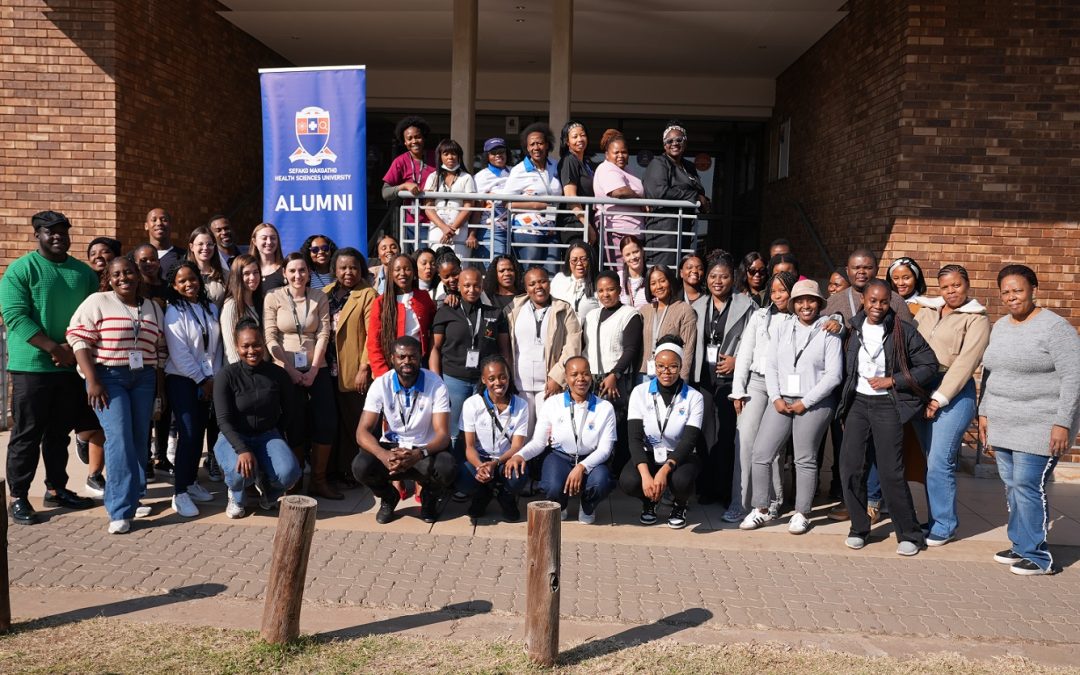
The Human Nutrition and Dietetics Alumni Chapter at Sefako Makgatho Health Sciences University (SMU) reinforced its commitment to advancing healthcare education by hosting a two-day Tube Feeding Workshop on 16 and 17 July 2026. Bringing together dietitians, doctors, nurses, psychologists, speech therapists, students and alumni, the workshop equipped healthcare professionals with the latest evidence-based knowledge and practical skills to improve enteral nutrition and patient care. The programme was held at the POME Boardroom II, followed by supervised clinical sessions at Dr George Mukhari Academic Hospital (DGMAH).
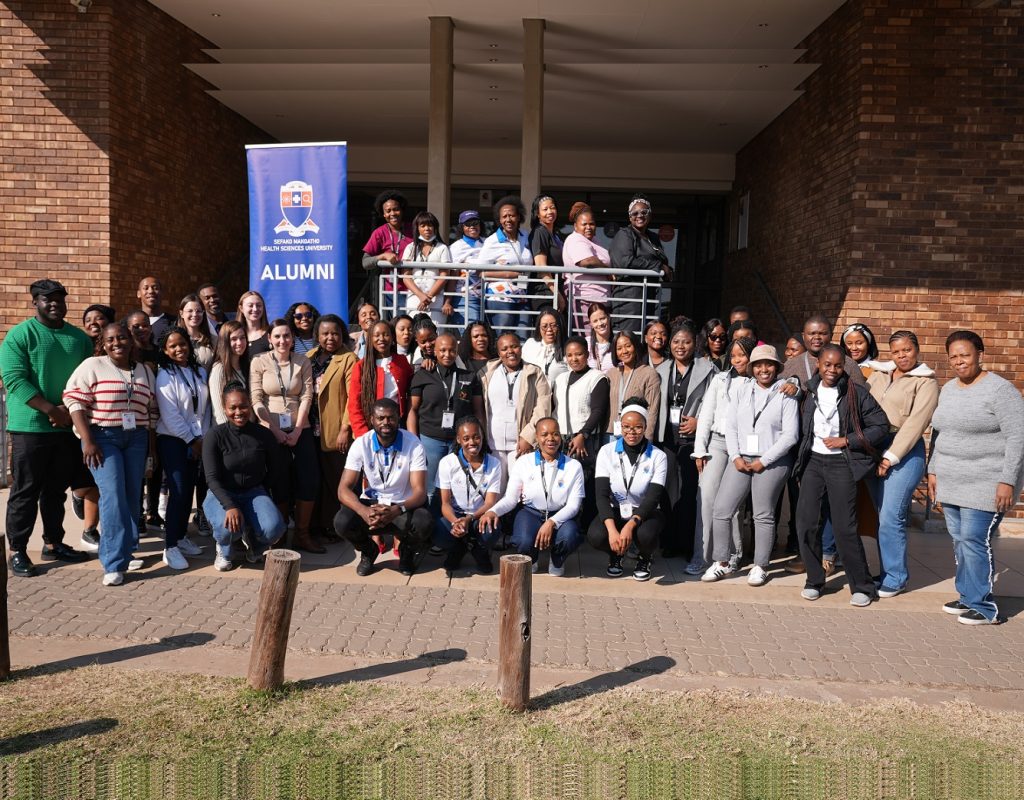 Designed to bridge the gap between theory and clinical practice, the workshop highlighted the importance of multidisciplinary collaboration in managing patients requiring tube feeding. Delegates explored the scientific, ethical and psychological aspects of enteral nutrition while gaining hands-on clinical experience under the guidance of experienced facilitators. The initiative reflects SMU’s ongoing commitment to producing highly skilled healthcare professionals capable of delivering quality, patient-centred care.
Opening the workshop, Head of the Department of Human Nutrition and Dietetics, Dr Mashudu Manafe, welcomed participants and underscored the importance of continuous professional development in an evolving healthcare environment. The programme began with a pre-test, followed by expert presentations on nutrition support, digestive anatomy and physiology, metabolic and gastrointestinal complications, gastrostomy tube placement, nutrition administration, speech therapy interventions, and stoma care. Participants also examined the ethical dimensions of tube feeding, psychological support for patients and caregivers, and heard a moving patient testimony illustrating the life-changing impact of compassionate clinical care.
The workshop concluded with supervised practical sessions at DGMAH, where participants applied their newly acquired knowledge in real clinical settings. A post-test demonstrated improved understanding, reinforcing the value of combining theoretical learning with practical application to strengthen clinical competence and improve patient outcomes.
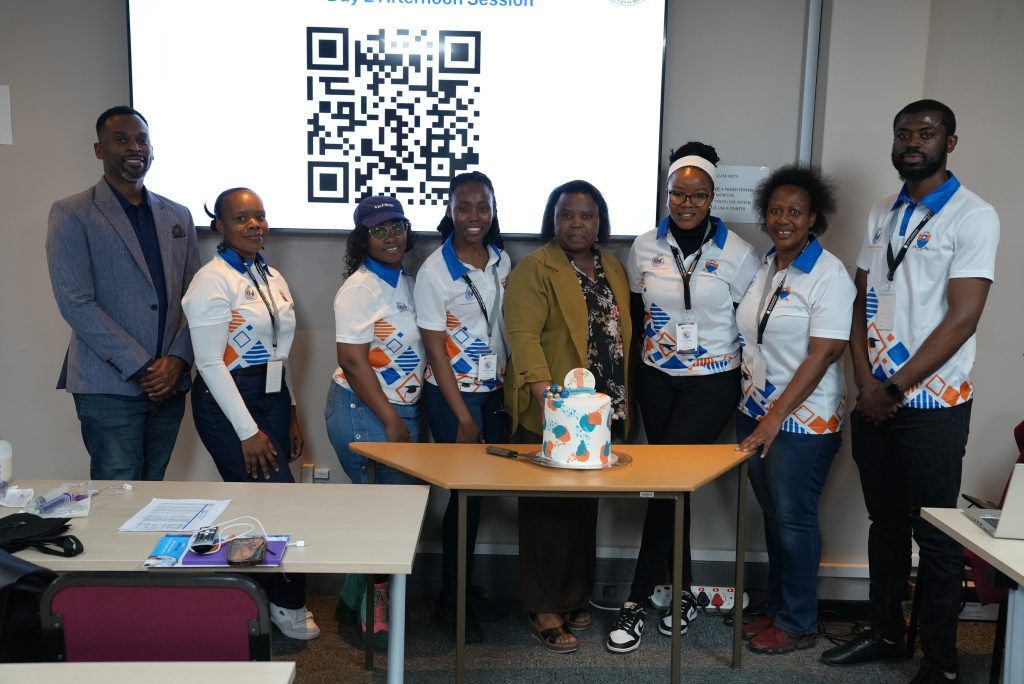 Senior Officer: Alumni Coordination, Benedict Masenamela, praised the Human Nutrition and Dietetics Alumni Chapter for creating a platform that promotes lifelong learning while strengthening professional networks across the healthcare sector. “This workshop, organised by the Human Nutrition and Dietetics Alumni Chapter, is an excellent initiative. It gave students and healthcare professionals a chance to gain evidence-based knowledge, develop practical hands-on skills and learn from experienced facilitators,” said Masenamela.
He said initiatives of this nature demonstrate how continuous professional development directly contributes to improved healthcare services. “Focusing on tube feeding and improving patient outcomes shows how continuous learning in healthcare leads to better results and best practices. Every healthcare professional has a responsibility to remain current with emerging knowledge so that patients receive the highest standard of care,” he added.
Masenamela also highlighted the important role alumni play in supporting the university community. “I also appreciate how the alumni continue to support one another and current students by creating platforms for professional growth, networking and knowledge sharing. Workshops like this strengthen the bond between graduates and the university while contributing to better healthcare services and patient care.”
By bringing together experienced practitioners, students and graduates to share knowledge and develop practical expertise, the Human Nutrition and Dietetics Alumni Chapter continues to advance SMU’s mission of excellence in health sciences education. Through initiatives such as the Tube Feeding Workshop, the university is strengthening professional competence, fostering lifelong learning and contributing to improved healthcare outcomes for communities across South Africa.
By Dimakatso Modise
by Lorato | Jul 22, 2026 | All News, Alumni, SMU Media, Student Media
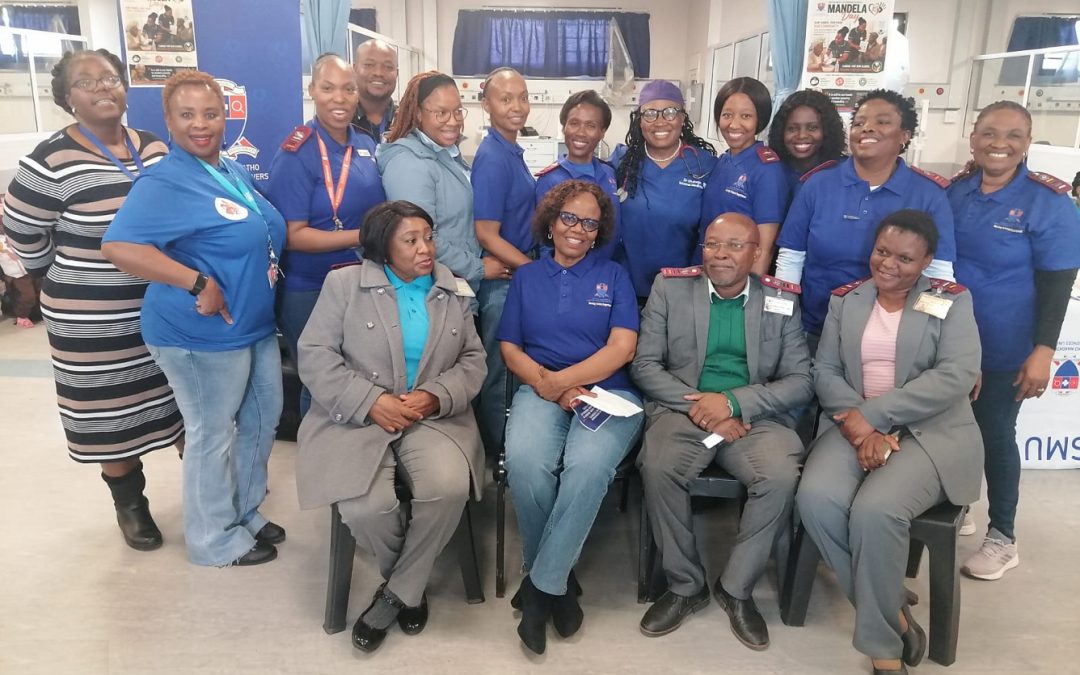
The Department of Nursing Sciences at Sefako Makgatho Health Sciences University (SMU) celebrated Nelson Mandela International Day by bringing compassion, health education and joy to older persons at Dr George Mukhari Academic Hospital (DGMAH). Guided by the Mandela Day theme, “It is Still in Our Hands to Combat Poverty and Inequality,” the Department’s Community Engagement and Interprofessional Education and Collaborative Practice (IPECP) Committee organised a community outreach programme focused on “Caring for Our Elders.” The initiative united academics, clinical facilitators, healthcare professionals and nursing students in a shared commitment to promoting dignity, healthy ageing and community service.
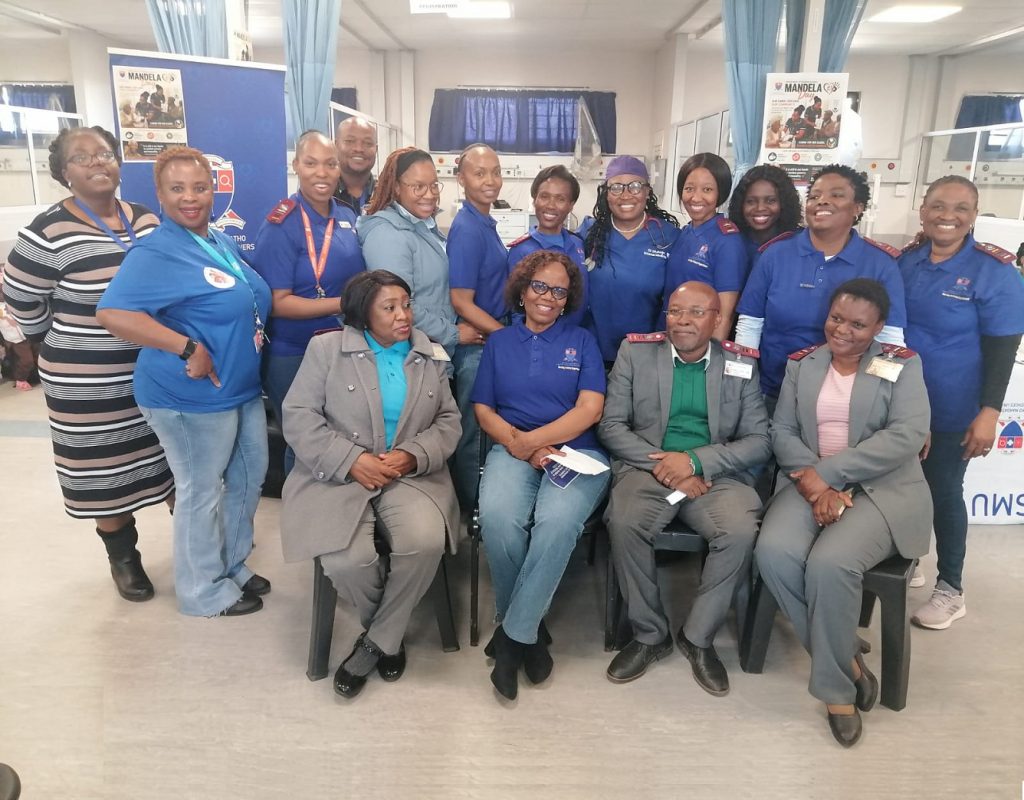 Hosted at the hospital’s Geriatric Clinic in the Alternative Building Technologies (ABT) Section and Medical Outpatient Department (MOPD), the outreach combined health education with meaningful human interaction. Music, dancing and conversation transformed the clinic into a welcoming space where older patients felt valued and appreciated. While health promotion remained central to the programme, it was the warmth and compassion shown by students and staff that embodied the spirit of Nelson Mandela International Day.
Chairperson of the Community Engagement and IPECP Committee, Dr Rirhandzu Friddah Mathevula, said the initiative demonstrated that quality healthcare extends beyond clinical treatment.
“Mandela Day reminds us that service is not measured only by what we give, but by how we make people feel. Today we celebrated our older persons by educating them, listening to them, dancing with them and reminding them that they remain valued members of our communities. This is exactly the kind of compassionate healthcare professionals we strive to develop at SMU.”
Dr Mathevula said the outreach reflected the University’s commitment to producing graduates who combine clinical competence with empathy, compassion and a genuine desire to serve their communities.
The educational programme featured a range of health promotion sessions tailored to the needs of older persons. Dr Mantsebeng Ditshego, Medical Officer in the Geriatric Department at DGMAH and lecturer in Internal Medicine at SMU, delivered an informative presentation on bone health and healthy ageing. She encouraged patients to maintain a balanced diet, remain physically active, and attend regular medical check-ups to reduce the risk of osteoporosis and other age-related conditions.
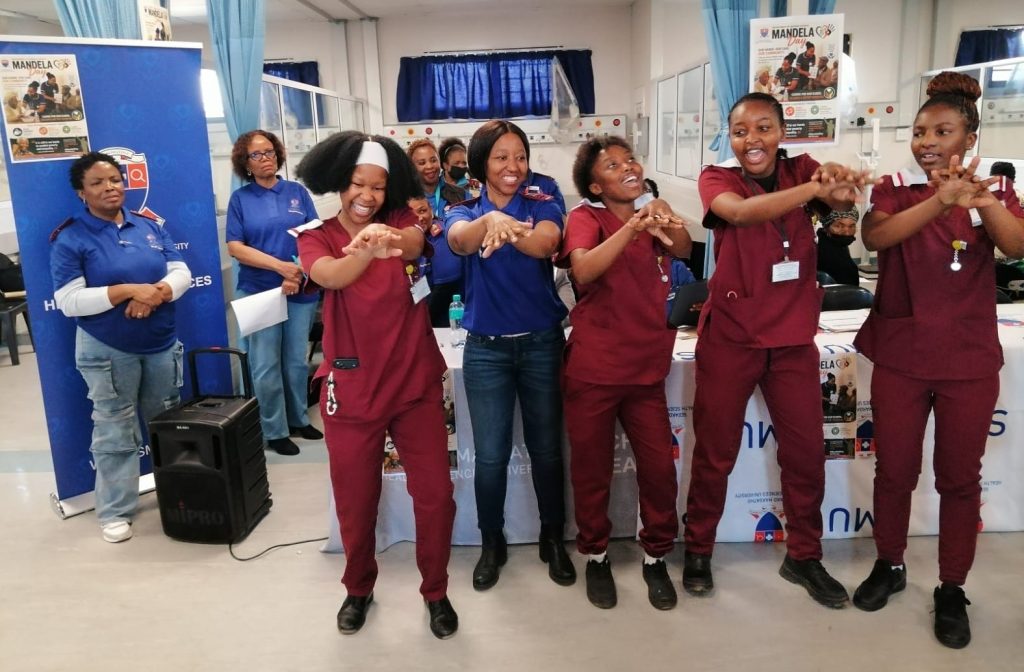 “Our clinic primarily serves patients aged 65 years and above, although we also see younger patients with significant comorbidities requiring specialised geriatric care. Healthy bones are essential for maintaining mobility, independence and quality of life, which is why education on bone health is so important.”
The outreach also created valuable experiential learning opportunities for nursing students. First-year students, under the guidance of Clinical Facilitator Level 1 Rhudzani Bakali, demonstrated effective hand hygiene through the theme “Clean Hands, Healthy Lives.” In contrast, third-year students, supported by Clinical Facilitator Levels 2 and 3, Tumisho Mokwele, led discussions on healthy eating, medication adherence, chronic disease management, physical activity, and preventive healthcare.
Reflecting on the experience, third-year nursing student Palesa Mofokeng said the initiative reinforced the human side of healthcare. “Today reminded us that nursing is about caring for the whole person. Seeing our patients smile, dance and laugh with us while learning about their health was incredibly rewarding. It showed us that compassion, respect and kindness are just as important as clinical skills.”
As the programme concluded, the smiles shared between patients, students and staff reflected the lasting impact of compassionate service. By honouring Nelson Mandela’s legacy through community engagement, health education and genuine human connection, SMU continues to demonstrate that excellence in nursing education is built on service, Ubuntu and a commitment to improving the wellbeing of the communities it serves.
By Dimakatso Modise
by Lorato | Jul 22, 2026 | All News, SMU Media, Student Media
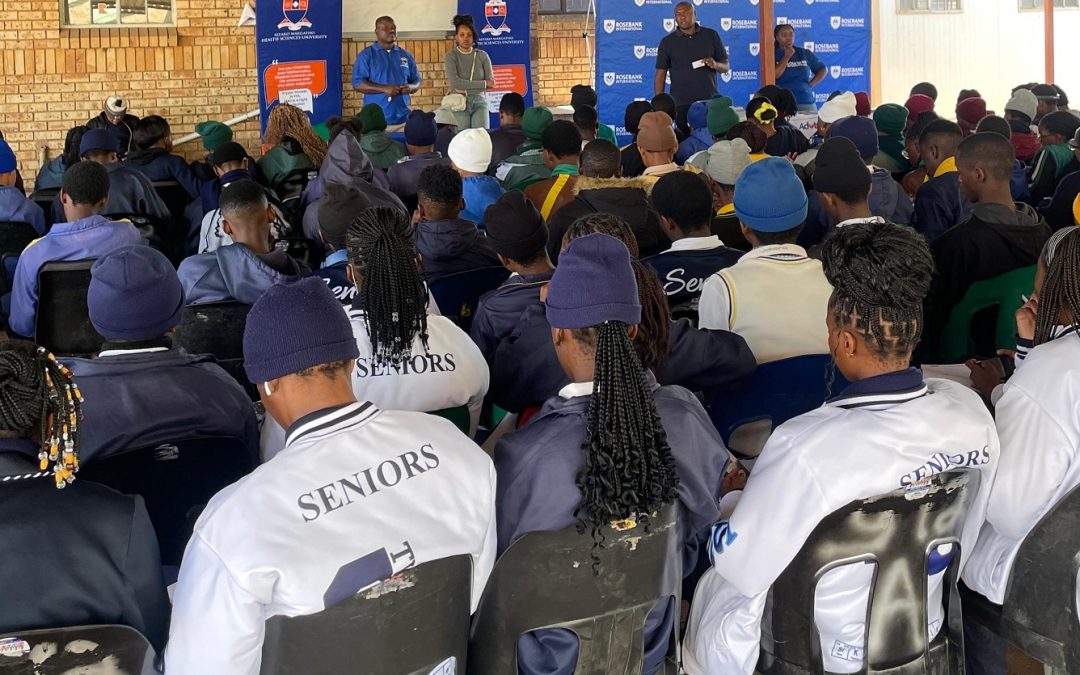
Sefako Makgatho Health Sciences University (SMU) has strengthened its commitment to developing South Africa’s future healthcare workforce through its participation in the Kutlwanong Investec Maths and Science Initiative Winter School, an outreach programme that inspires high-performing Grade 12 learners to pursue careers in science and the health professions.
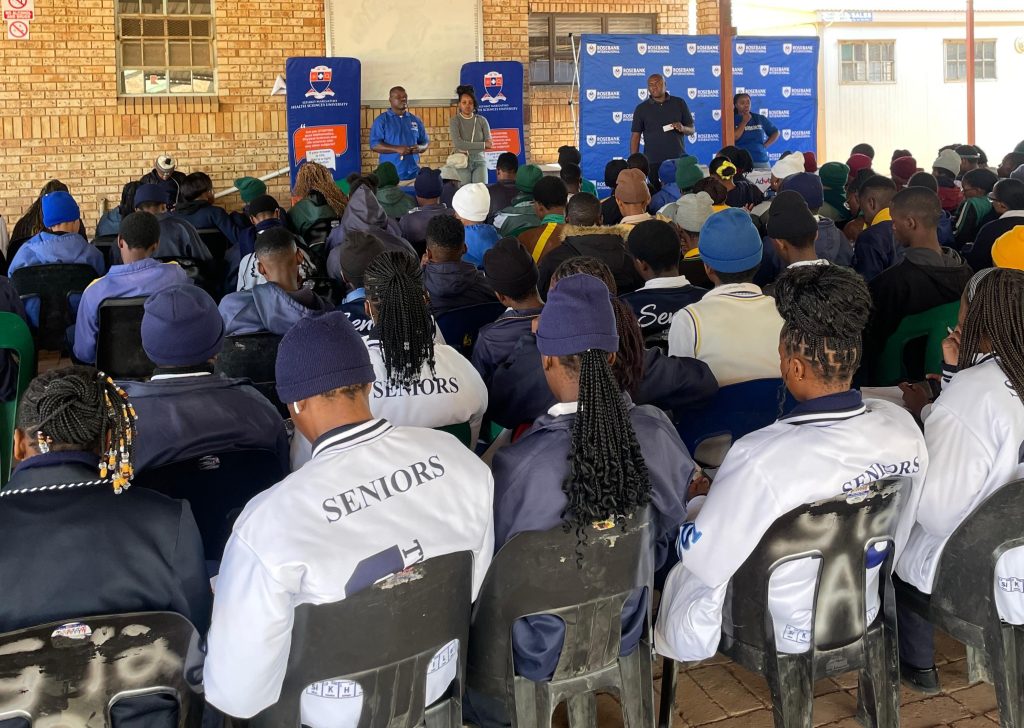 Recently held at Makgetsi High School in Hammanskraal, the winter school brought together top-performing learners from 22 high schools across the Tshwane North District. The programme focused on improving competencies in Mathematics and Physical Sciences while exposing learners to higher education opportunities and career pathways in critical skills sectors.
Representing SMU were the Coordinator: Student Recruitment, Collins Mangena, and two recent graduates, Unathi Ndhlovu and Kgothatso Malebane. Ndhlovu graduated with a Bachelor of Science in Physiotherapy in 2025, while Malebane completed a Bachelor of Diagnostic Radiography in the same year. Both are currently undertaking their community service at Jubilee District Hospital in Hammanskraal. In a poignant full-circle moment, Ndhlovu returned to the programme as a former beneficiary of the Investec Kutlwanong initiative.
During the engagement, SMU provided learners with information on its academic programmes, admission requirements, bursary opportunities and student support services. Learners also gained valuable insights into careers in dentistry, health care sciences, medicine, pharmacy and science & technology.
Edith Seabi, Centre Manager of the Kutlwanong Maths, Science and Technology Centre, said the winter school forms part of the renowned Promaths Programme, an award-winning national initiative launched in 2005 through a partnership between Investec and the Kutlwanong Centre.
“Over the past two decades, the programme has empowered thousands of learners by improving Mathematics and Science performance, strengthening critical thinking skills and opening doors to higher education opportunities,” said Seabi. “It continues to play a vital role in developing South Africa’s future professionals, innovators and leaders.”
Mangena said SMU’s participation extended beyond student recruitment and reflected the university’s commitment to investing in the country’s future healthcare workforce.
“By connecting with academically gifted learners at an early stage, we are helping to bridge the gap between potential and opportunity,” he said. “We want young people to see themselves as future doctors, nurses, physiotherapists, radiographers, pharmacists, scientists and public health professionals who will one day serve their communities.”
South Africa continues to face a growing demand for skilled healthcare professionals, making initiatives that encourage learners to pursue careers in health sciences increasingly important. Through strategic partnerships and targeted engagement initiatives, SMU continues to expand access to health sciences education and attract academically strong, service-oriented students.
The event also highlighted the aspirations of learners who have already applied to study at SMU in 2027. Onalenna Mokhabelai from Steve Bikoville Secondary School has applied for the Bachelor of Diagnostic Radiography, while Lesedi Malatjie from Botse Botse Secondary School has applied for the Bachelor of Medicine and Bachelor of Surgery (MBChB).
“Studying at SMU has always been one of my goals,” said Mokhabelai. “I am excited about the opportunity to pursue Diagnostic Radiography and look forward to becoming part of the SMU family in 2027.”
Malatjie said pursuing medicine at SMU would bring her closer to achieving her dream of serving communities through healthcare.
“Applying for the MBChB programme is the first step towards making a meaningful contribution to society,” she said. “I will continue working hard academically to achieve my goal.”
As applications for the 2027 academic year approach the 31 July closing date, SMU remains steadfast in its mission to transform health services through excellence and innovation, while nurturing the next generation of healthcare professionals who will contribute to a resilient and equitable healthcare system in South Africa.
By Tumelo Moila
by Lorato | Jul 22, 2026 | All News, SMU Media, Student Media
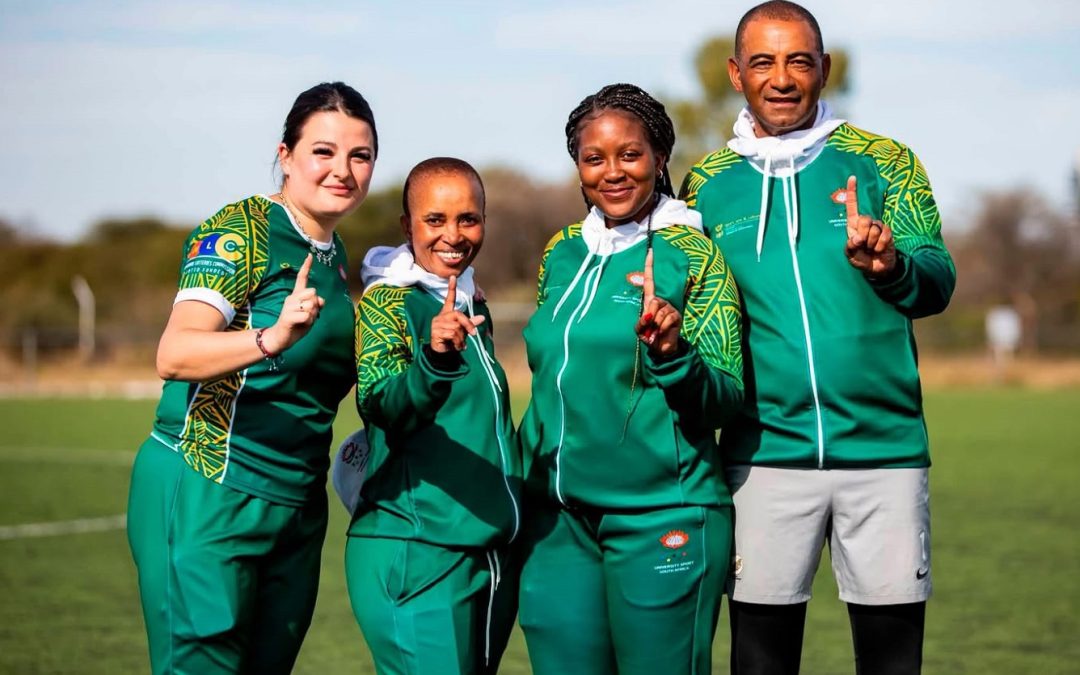
Sefako Makgatho Health Sciences University (SMU) is celebrating a major sporting achievement after SMU Ladies Football Head Coach, Dorah Thorisa Mashigo, guided Team SA Women’s Football to a gold medal at the 2026 Confederation of Universities and Colleges Sports Association (CUCSA) Games in Gaborone, Botswana.
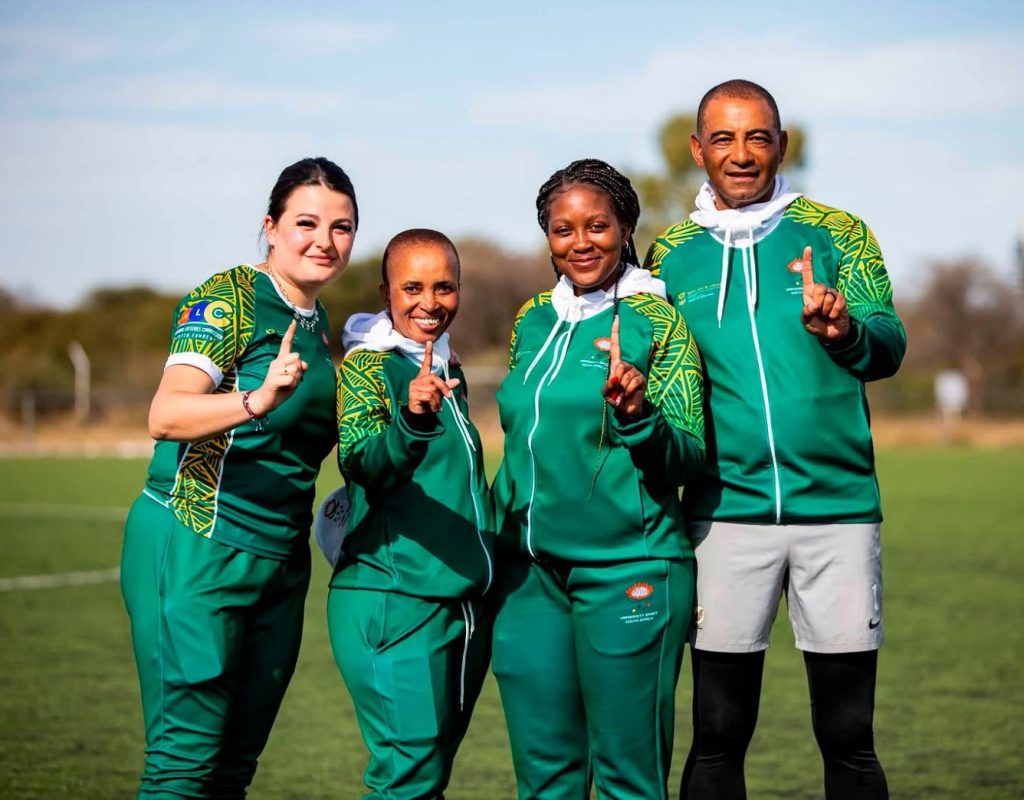 South Africa claimed a hard-fought 2–1 victory over Zambia in the final at the Lekidi Sports Complex, capping an impressive tournament campaign and reaffirming the country’s strength in university women’s football. The triumph marks another milestone in Mashigo’s coaching career and further enhances SMU’s reputation for developing leaders who excel beyond the university’s borders.
The women’s football competition featured six teams divided into two groups. Stream A consisted of hosts Botswana, Lesotho and Zimbabwe, while Stream B featured South Africa, Zambia and Malawi.
Team SA began their campaign in emphatic fashion with a 12–1 victory over Malawi before playing to a goalless draw against Zambia in their second group match. The results saw South Africa progress to the semi-finals, where they produced another commanding performance to defeat Botswana 3–0 and book their place in the gold medal match. In the final, Team SA faced Zambia once again and delivered an outstanding performance to secure a 2–1 victory and claim the CUCSA title.
Appointed as head coach only weeks before the tournament, Mashigo successfully united a squad comprising some of South Africa’s top university footballers and steered them to regional glory. The achievement highlights not only the quality of the players but also the discipline, professionalism and leadership that have become synonymous with her coaching philosophy.
Reflecting on the victory, Mashigo paid tribute to everyone who contributed to the team’s success.
“Firstly, I would like to thank God, the players, the technical team, and everyone who supported Team SA. Winning in Botswana was a proud moment for all of us. This victory is a testament to the hard work, discipline and commitment that the team displayed from the beginning of the tournament until the final whistle. We represented South Africa with pride, and bringing the trophy home is something we will always cherish.”
The road to the championship was far from straightforward. Team SA faced formidable opponents throughout the competition and had to adapt to unfamiliar conditions while maintaining focus under pressure. According to Mashigo, those challenges ultimately strengthened the squad and fostered an even greater sense of unity.
“The journey was not without challenges. We faced strong opposition, had to adapt to varying playing conditions, and endured moments of pressure when we had to remain mentally strong. However, every challenge became an opportunity for us to grow, and the players responded with courage and determination.”
 Mashigo believes teamwork was the defining factor behind the team’s success, crediting every player, member of the technical team and support staff for embracing their responsibilities and working towards a shared goal.
“Teamwork was the foundation of our success. Every player, every member of the technical team, and every support staff member understood their role. We trusted one another, communicated well, and worked towards one common goal. Football is never about one individual; it is about the collective effort, and this victory belongs to everyone who contributed.”
The final against Zambia proved to be Team SA’s toughest assignment of the tournament, demanding resilience, tactical discipline and unwavering belief.
“The toughest game was the final against Zambia, where we were truly tested both physically and mentally. Our opponents pushed us to our limits, but our resilience, tactical discipline and belief in one another helped us overcome the challenge.”
Looking ahead, Mashigo sees the gold medal as the beginning of a new chapter for women’s football in South Africa.
“This victory is only the beginning. We want to continue building on this success, develop more talented players and ensure that Team SA remains competitive on the international stage. We hope this achievement inspires young athletes across South Africa to believe in themselves, work hard and pursue excellence.”
The achievement is a proud moment for the entire SMU community and reflects the university’s commitment to excellence, leadership and student development. By producing coaches and athletes who continue to excel on regional and international platforms, SMU is strengthening its reputation as a university that transforms lives through education, sport and innovation.
By Rose Moreki
by Lorato | Jul 22, 2026 | All News, SMU Media, Student Media
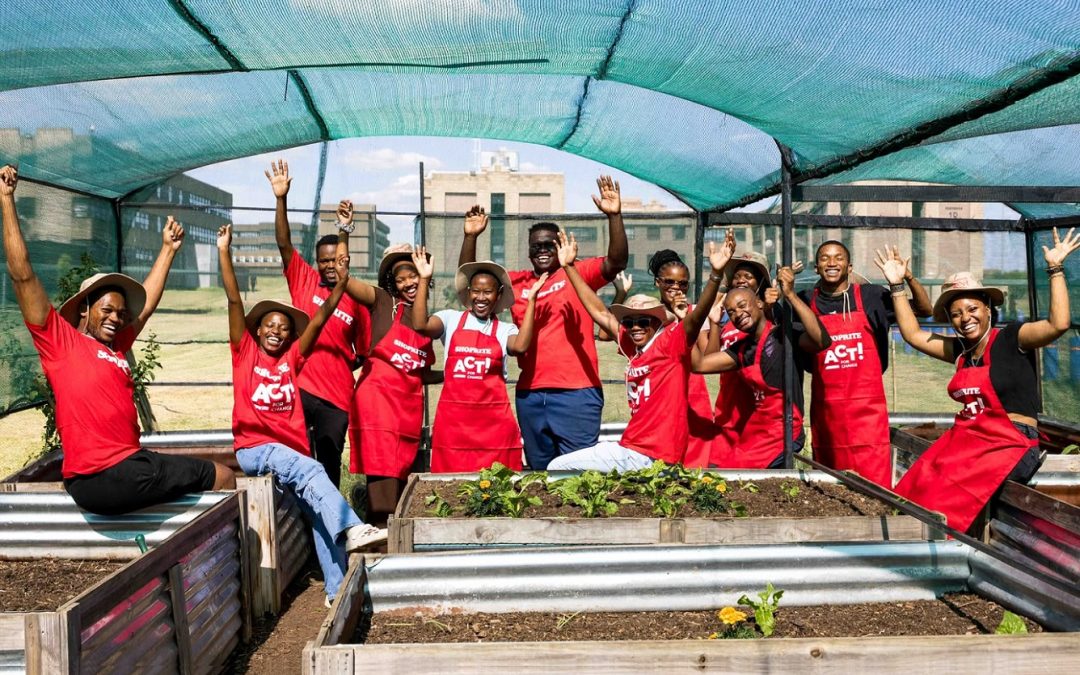
Sefako Makgatho Health Sciences University (SMU) has received support from retail giant Shoprite to expand its Student Gardening Project through a partnership with Food & Trees for Africa (FTFA), a move aimed at strengthening food security and empowering students and surrounding communities.
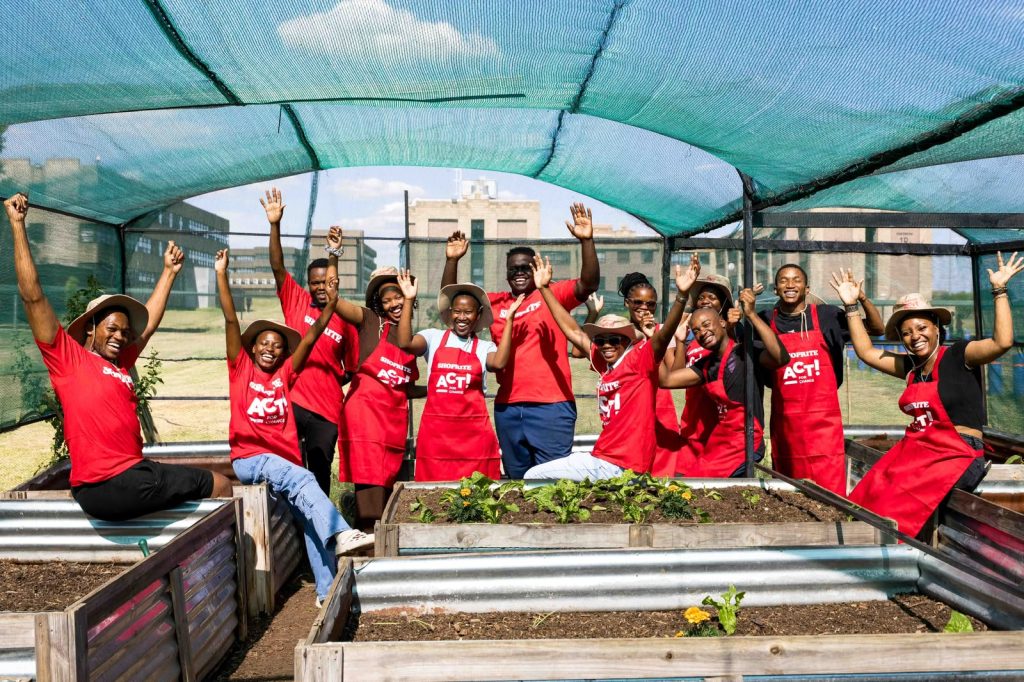 The partnership will see the university establish and develop a sustainable community food garden at its campus, with Shoprite providing support through FTFA, its implementing partner. The initiative forms part of Shoprite’s broader efforts to combat hunger and promote sustainable food production across South Africa.
Under the agreement, the SMU Student Gardening Project will receive training, resources, equipment and technical support to develop a flourishing permaculture garden that is expected to serve as both a source of food and a centre for learning and community engagement.
A Shoprite representative, Msizi Hlongwane, said the project aligns with the retailer’s long-standing commitment to addressing food insecurity. “As part of our commitment to fight hunger, the Shoprite Group partners with a number of community food gardens to take them from small gardens to flourishing, sustainable food sources. This is one of the ways in which we Act for Change,” the representative said.
The project is being spearheaded by SMU horticulturist Mpho Mmako, who will serve as the primary contact person and coordinator for the initiative.
According to the agreement, all participants in the Student Gardening Project will undergo training and contribute their time voluntarily to ensure the long-term sustainability of the garden. Any income generated from the sale of produce will be reinvested in the project to support reconstruction, restocking, equipment purchases, and further training opportunities.
Mmako said the initiative had the potential to create meaningful change beyond the university campus. “Together we’re helping to bring about change, one food garden at a time,” he said.
Beyond food production, the project seeks to position the SMU garden as a demonstration site that can inspire and support similar initiatives in neighbouring communities. The university has also committed to hosting project events, inviting schools and community organisations to visit the garden and offering permaculture training opportunities.
FTFA will oversee the management of funds provided by Shoprite and will be responsible for implementing the project in accordance with the approved proposal and budget. The organisation will also design and implement the garden, procure materials and equipment, provide educational resources and facilitate a series of workshops and training sessions.
As part of its responsibilities, FTFA will monitor and evaluate the project throughout its implementation and provide regular progress reports to Shoprite.
The university, in turn, will provide written reports, photographs and feedback to demonstrate the project’s impact and raise awareness of food security interventions in South Africa.
The project is scheduled to commence in July 2026, following the signing of the agreement, and will run until August 2026. Shoprite and FTFA will also be invited to attend the official launch of the garden and may visit the site at any time during the implementation period.
The partnership is expected to make a meaningful contribution to food security, environmental sustainability and community development while equipping students with practical agricultural skills and experience.
Through this collaboration, SMU joins a growing network of community food gardens supported by Shoprite and Food & Trees for Africa, highlighting the importance of partnerships in addressing hunger and creating sustainable livelihoods across the country.
By Tumelo Moila
by Lorato | Jul 9, 2026 | All News, Alumni, SMU Media, Student Media
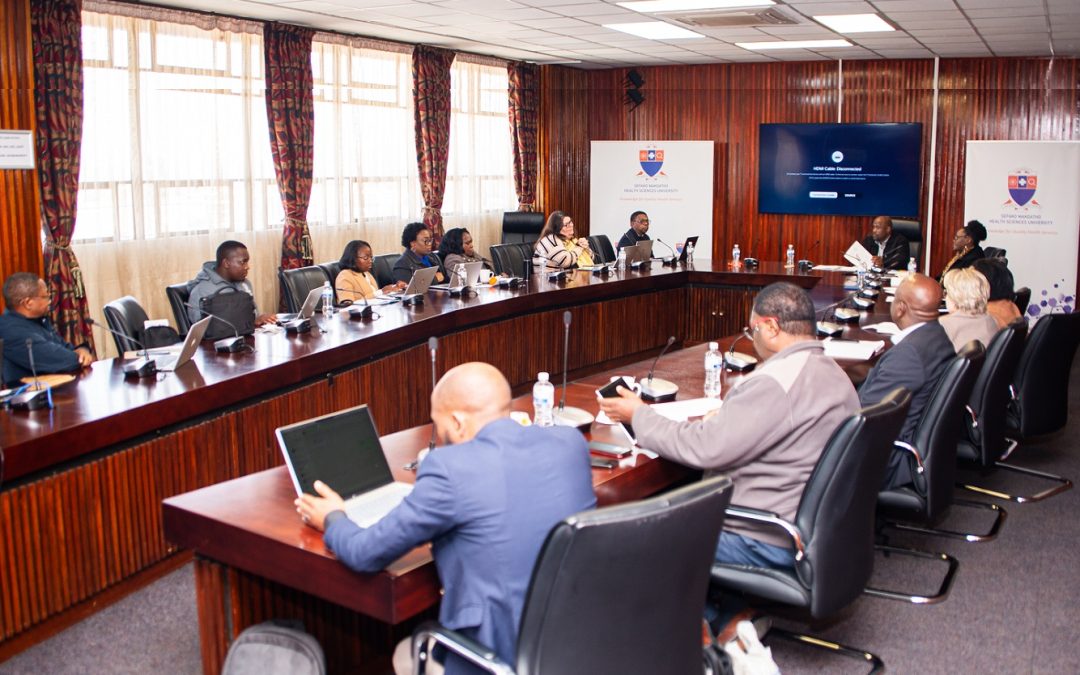
Sefako Makgatho Health Sciences University (SMU) has reaffirmed its commitment to global engagement and academic excellence following an internationalisation oversight visit by the Department of Higher Education and Training (DHET) on Wednesday, 8 July 2026.
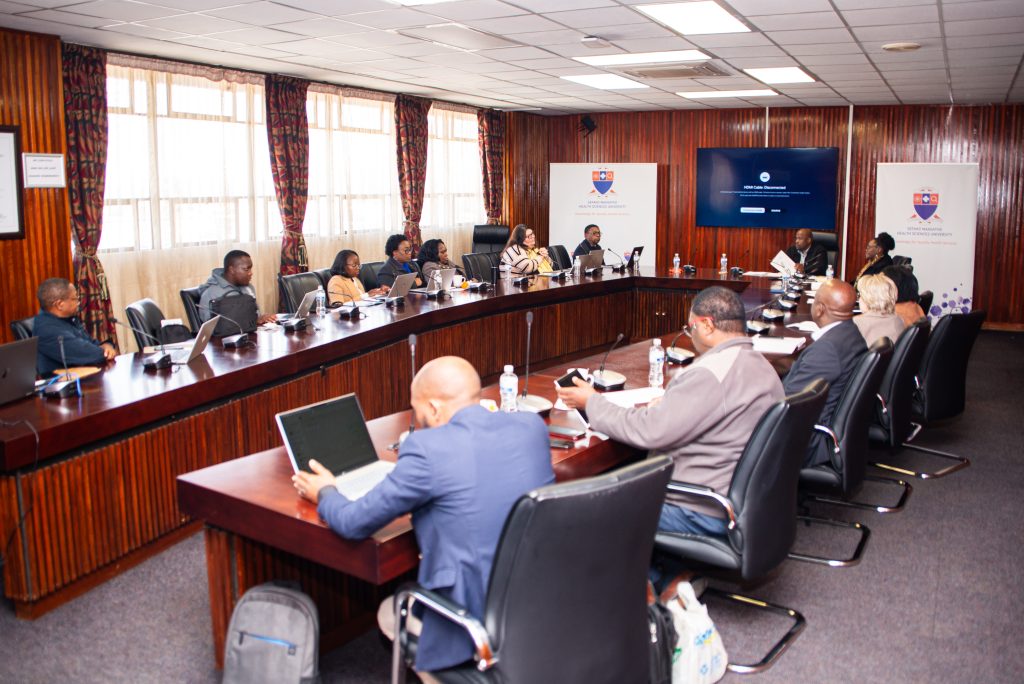 Held in the Vice-Chancellor’s Boardroom, the visit brought together representatives from DHET and SMU’s executive leadership to assess the University’s internationalisation strategy, review progress in implementing national policy and explore opportunities for greater collaboration across the higher education sector.
The engagement also coincided with the appointment of SMU’s Director of Internationalisation, Dr Carlien Jooste, to the DHET Reference Group tasked with developing the implementation strategy for South Africa’s Policy Framework for Internationalisation of Higher Education.
Welcoming the delegation, Acting Deputy Vice-Chancellor: Academic and Research Professor Douglas Maleka said internationalisation had become a critical pillar of institutional development and a key driver of academic and research excellence.
“Internationalisation is no longer optional for universities seeking to remain relevant in a rapidly changing world. It provides opportunities to strengthen academic quality, expand research collaborations and prepare graduates to contribute meaningfully in an interconnected global society,” he said.
Professor Maleka added that SMU’s internationalisation agenda remains firmly aligned with the University’s mandate of producing socially accountable healthcare professionals while responding to national and continental development priorities.
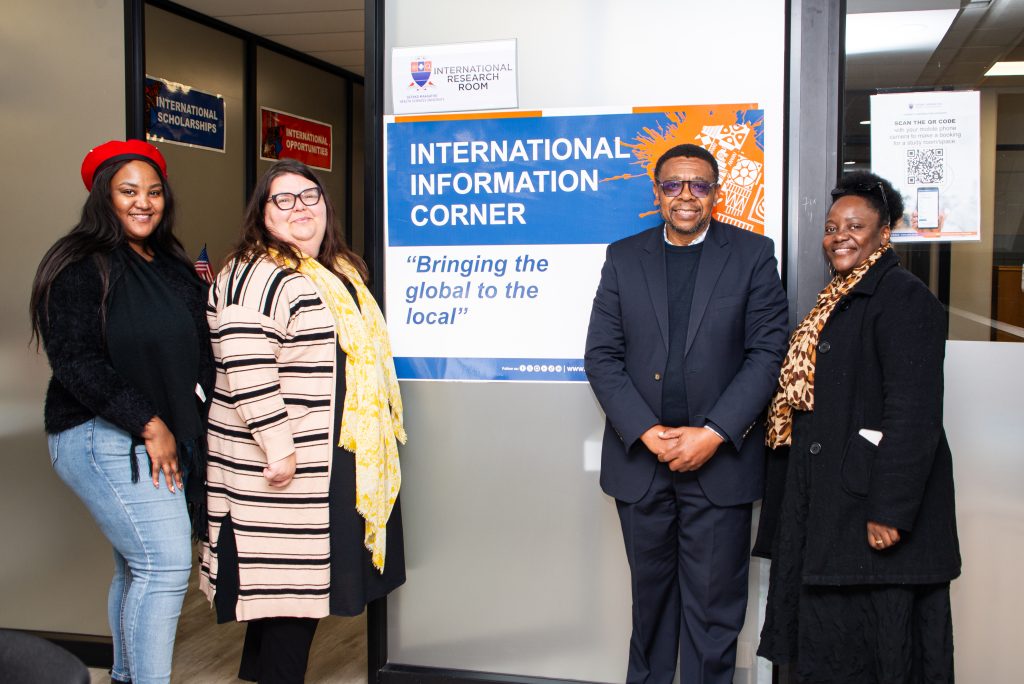 Presenting an overview of the University’s internationalisation strategy, Dr Jooste highlighted the work of the Directorate of Internationalisation and its contribution to advancing SMU’s global engagement agenda. She outlined the University’s expanding network of international partnerships, collaborative research initiatives and academic mobility programmes that continue to position SMU as an emerging global health sciences institution.
“Our internationalisation strategy is centred on creating meaningful partnerships that advance teaching, learning and research while ensuring that our initiatives contribute to both national priorities and global knowledge exchange,” she said.
Dr Jooste also reflected on the University’s progress in implementing the DHET Policy Framework for Internationalisation of Higher Education and identified opportunities for closer collaboration between universities and the Department to maximise the impact of international partnerships.
Leading the delegation was DHET Deputy Director for University Research Support and Policy Development, Dr Idah Makukule, who engaged with University leadership on policy implementation, governance and institutional readiness. Discussions focused on how higher education institutions can collectively strengthen internationalisation and ensure that global partnerships contribute to teaching and learning, research, innovation and community engagement.
Professor Mapaseka Seheri, SMU’s Director of Research and Innovation, underscored the importance of international research partnerships in addressing complex health challenges.
“International collaborations create valuable opportunities for knowledge exchange and scientific advancement. They enable researchers to work across borders and disciplines to develop solutions to some of society’s most pressing healthcare challenges,” she said.
The delegation also included Geoffrey Letsoalo, Executive Managing Director of Ywait Solutions and former CAS Pilot Operations Manager for DHET. Drawing on his extensive experience in higher education operations, Letsoalo engaged University representatives on various operational aspects of SMU’s internationalisation processes, prompting valuable discussions on governance and institutional systems.
A significant highlight of the visit was the recognition of Dr Jooste’s appointment to the DHET Reference Group. Her inclusion in this strategic advisory structure reflects national recognition of her expertise and affirms SMU’s growing contribution to shaping the future of higher education internationalisation in South Africa.
The appointment positions SMU at the forefront of national policy development and ensures that the University’s experiences and best practices will contribute to implementing the country’s internationalisation agenda.
The oversight visit concluded with a shared commitment between DHET and SMU to deepen collaboration in support of a coordinated, inclusive and sustainable approach to internationalisation. As the University continues to expand its global partnerships and contribute to national policy development, SMU remains steadfast in its mission of transforming health sciences education through innovation, collaboration and international excellence.
By Dimakatso Modise
by Lorato | Jul 9, 2026 | Accolades and Achievements, All News, Alumni, SMU Media, Student Media
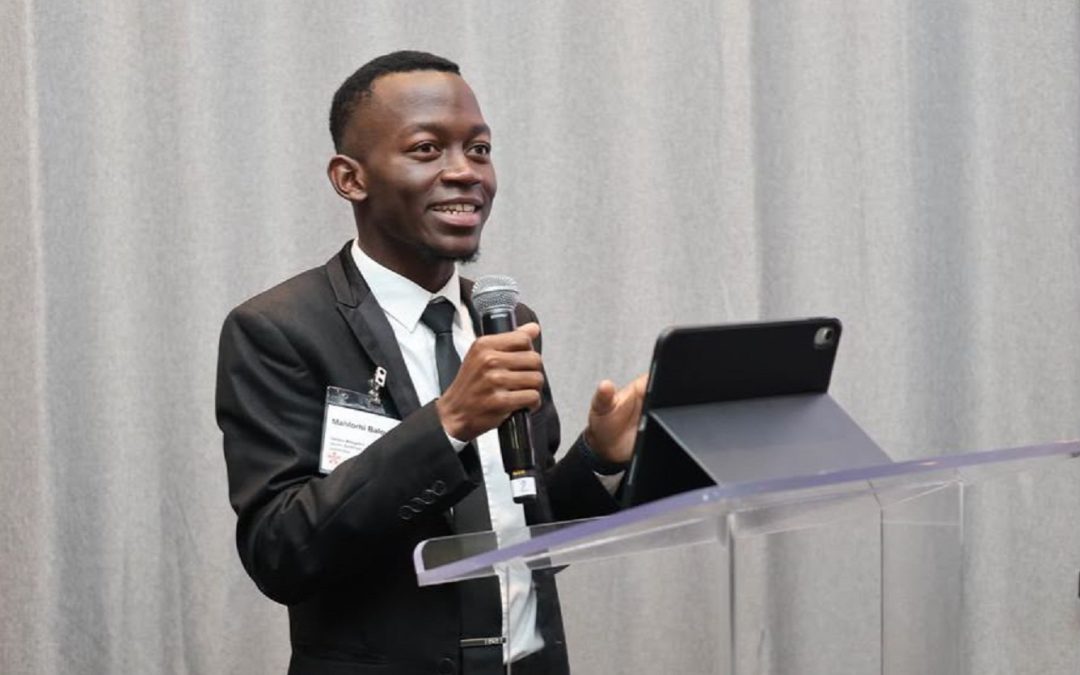
Sefako Makgatho Health Sciences University (SMU) Master of Pharmacy student Mahlorhi Baloyi has earned national recognition after representing the University with distinction at the prestigious Siyaphumelela 2026 Conference, recently held at the Birchwood Hotel and OR Tambo Conference Centre in Boksburg.
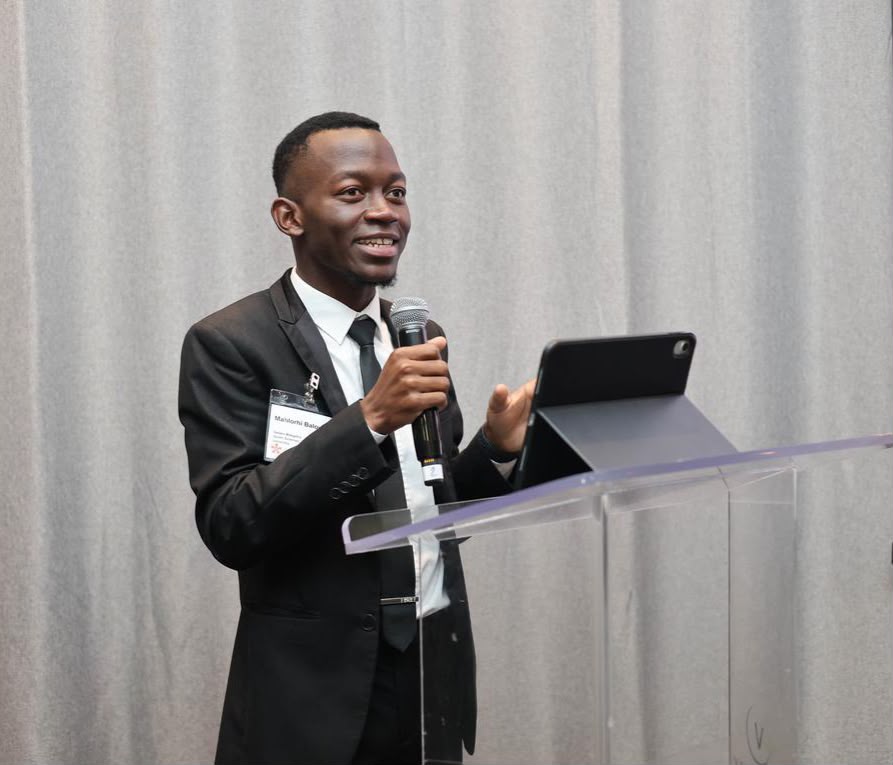 Hosted under the theme, “Reimagining Student Success and Expanding Opportunity for All,” the conference brought together more than 500 delegates, including university executives, academics, researchers, policymakers, student success practitioners and development partners to share evidence-based strategies that strengthen student success and institutional transformation across South Africa’s higher education sector.
Baloyi was selected to deliver a 30-minute Evidence-Based Sharing presentation titled “Problem-Based Learning in Health Sciences for Student Success and Equity.” His presentation was accepted through a rigorous peer-review process in which more than 200 proposals were submitted nationally, with only about 100 selected for the conference programme.
His presentation demonstrated how Problem-Based Learning can strengthen critical thinking, collaborative learning, student engagement and academic success in health sciences education. It further highlighted how innovative teaching approaches can create more equitable learning environments while preparing future healthcare professionals to address increasingly complex health challenges.
In recognition of his contribution, Baloyi received a Speaker Recognition Badge for contributing to the national dialogue on student success.
His impact extended beyond the presentation room. Throughout the conference, he actively participated in plenary discussions, workshops, networking sessions and collaborative learning activities. His exceptional engagement earned him the Number One position on the Siyaphumelela Leadership Board, recognising his active participation and leadership throughout the conference.
The conference also provided opportunities to engage with distinguished scholars, university leaders, policymakers and student success practitioners from institutions across the country. These interactions fostered valuable professional networks and laid the foundation for future collaborations aimed at strengthening teaching, learning and student success.
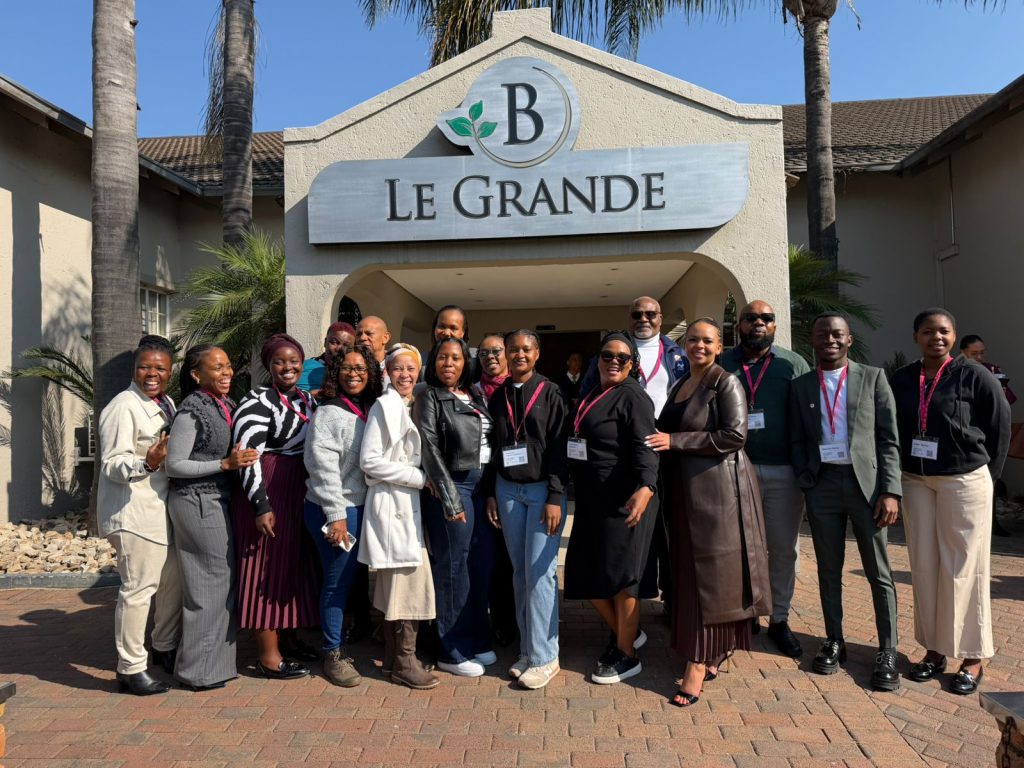 SMU also received institutional recognition during the conference for the successful administration of the Institutional Capacity Assessment Tool (ICAT), reflecting the University’s commitment to strengthening institutional capacity and embedding evidence-based initiatives that enhance student success.
Reflecting on the experience, Baloyi said, “The Siyaphumelela Conference was an inspiring platform that brought together individuals who are passionate about transforming higher education. Presenting my research while learning from leading experts across the country reinforced my belief that student success is achieved through collaboration, innovation, evidence-based practice and listening to the student voice. The meaningful conversations and professional connections established during the conference have inspired me to continue contributing towards strengthening health sciences education and advancing SDG 4: Quality Education.”
Baloyi expressed appreciation to Dr Joshua Maliavusa and the sponsorship for enabling him to attend and present at the conference. He also thanked everyone who supported and encouraged him throughout the event.
Baloyi’s achievements reflect the calibre of SMU’s postgraduate students and the University’s commitment to academic excellence, research, leadership and innovation. By showcasing his research, contributing to national discussions on student success and building meaningful collaborations, he has further strengthened SMU’s reputation as a leading institution in health sciences education while demonstrating the transformative impact of postgraduate scholarship.
This version follows a professional media style suitable for publication on a university website, in newspapers, and for distribution as a press release. It prioritises the news, reduces repetition, improves flow, and concludes with a strong institutional significance statement.
By Tumelo Moila

by Lorato | Jul 9, 2026 | Accolades and Achievements, All News, Alumni, SMU Media, Student Adverts
Sefako Makgatho Health Sciences University (SMU) continues to demonstrate its global impact in health sciences education through the remarkable achievements of alumnus and current PhD candidate Thabo Sekwati, who recently served as the physiotherapist for the South Africa national football team, popularly known as Bafana Bafana, during the 2026 FIFA World Cup.
 Sekwati was part of the national team’s medical staff as Bafana Bafana made history by reaching the last 32 knockout stage of the tournament co-hosted by Canada, Mexico and the United States.
Originally from Mamone village in Limpopo’s Sekhukhune district, Sekwati’s journey to the world’s biggest football stage began at Tenyane Secondary School, where he completed his matric in 2006. He enrolled at the then University of Limpopo’s Medunsa Campus in 2007 before pursuing a Bachelor of Science in Physiotherapy in 2009. He later completed a Master of Science in Physiotherapy in 2019 and is currently pursuing a PhD at SMU, focusing on the development of a physiotherapy fatigue management protocol for footballers.
Reflecting on his academic journey, Sekwati credited SMU for laying the foundation for his professional success.
“The education I received at SMU played a crucial role in shaping my career by equipping me with the essential knowledge, skills and experience needed for the sports industry,” he said.
His rise to the national team is the result of years of dedication and continuous professional development. After joining the South African Football Association (SAFA) database in 2016, he completed specialised training, including the FIFA Online Football Medicine Diploma, while balancing other professional commitments.
His breakthrough came in 2018 when he received a call-up to serve the South African under-17 men’s team. Between 2018 and 2021, he worked with the under-17 and under-20 national teams before earning promotion to the senior Bafana Bafana squad under coach Hugo Broos.
“I was excited but also nervous. The pressure is immense at the senior national level, but once you understand that anatomy and physiology remain the same regardless of the level, everything falls into place,” he explained.
 As part of the national team’s medical staff, Sekwati plays a vital role in ensuring players remain fit and match-ready. His responsibilities include injury assessments, treatment interventions, rehabilitation planning and working closely with team doctors, coaches and nutrition specialists to optimise player performance.
“Our day starts early with meetings to review player health, treatment plans and nutrition strategies. We conduct clinical assessments, provide treatments and ensure that players are physically prepared to perform at their best,” he said.
Among the greatest challenges he faces is managing multiple injuries during major tournaments while balancing the emotional well-being of athletes eager to compete.
“Players want to play, but sometimes their bodies do not cooperate. Managing their emotional and psychological well-being is just as important as treating the injury itself,” he noted.
Representing South Africa at the FIFA World Cup remains the pinnacle of his professional journey.
“It is a privilege to contribute to the success of our national team and to showcase the expertise that South African physiotherapists can offer on the global stage,” he said.
Despite his achievements, Sekwati remains focused on the future.
“I want to continue contributing to sports physiotherapy through research, innovation and mentorship. I also hope to establish a sports recovery centre that will help athletes reach their full potential while advancing the profession in South Africa,” he said.
Sekwati’s accomplishments embody SMU’s vision of transforming health services through excellence and innovation. His journey from a small village in Limpopo to the global stage of the FIFA World Cup highlights the University’s commitment to producing highly skilled healthcare professionals who continue to advance research, healthcare and human performance around the world.
By Tumelo Moila
by Lorato | Jul 9, 2026 | Accolades and Achievements, All News, Alumni, SMU Media, Student Media
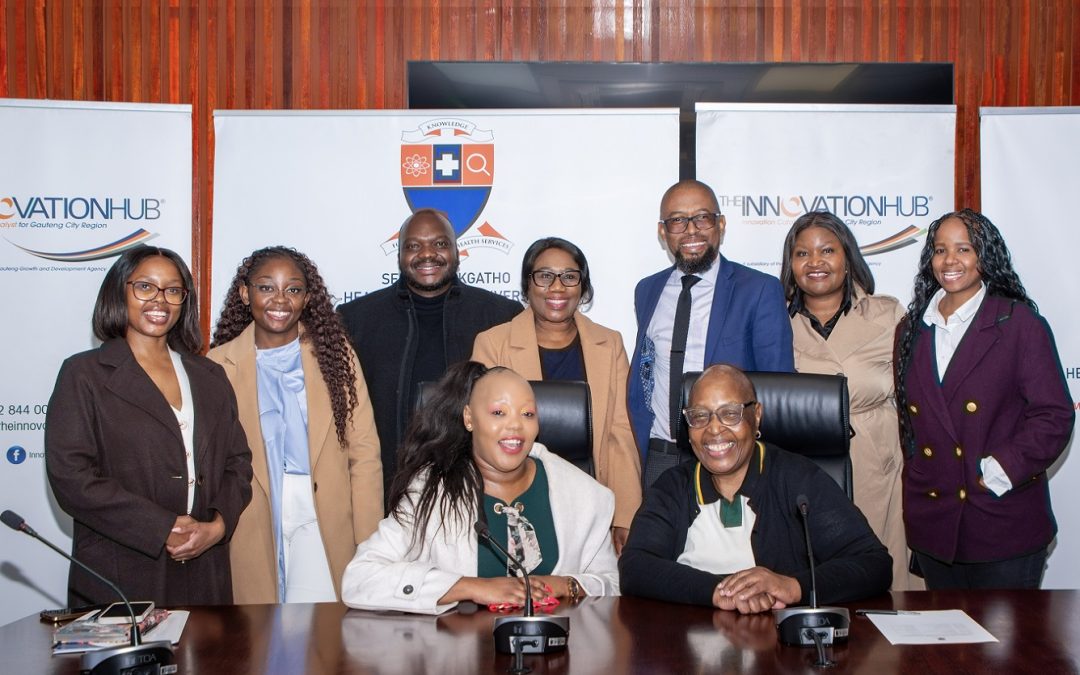
Sefako Makgatho Health Sciences University (SMU) and The Innovation Hub Management Company (TIHMC) have signed a landmark Memorandum of Understanding (MoU) that will strengthen innovation, entrepreneurship and healthcare technology development within South Africa’s township economy.
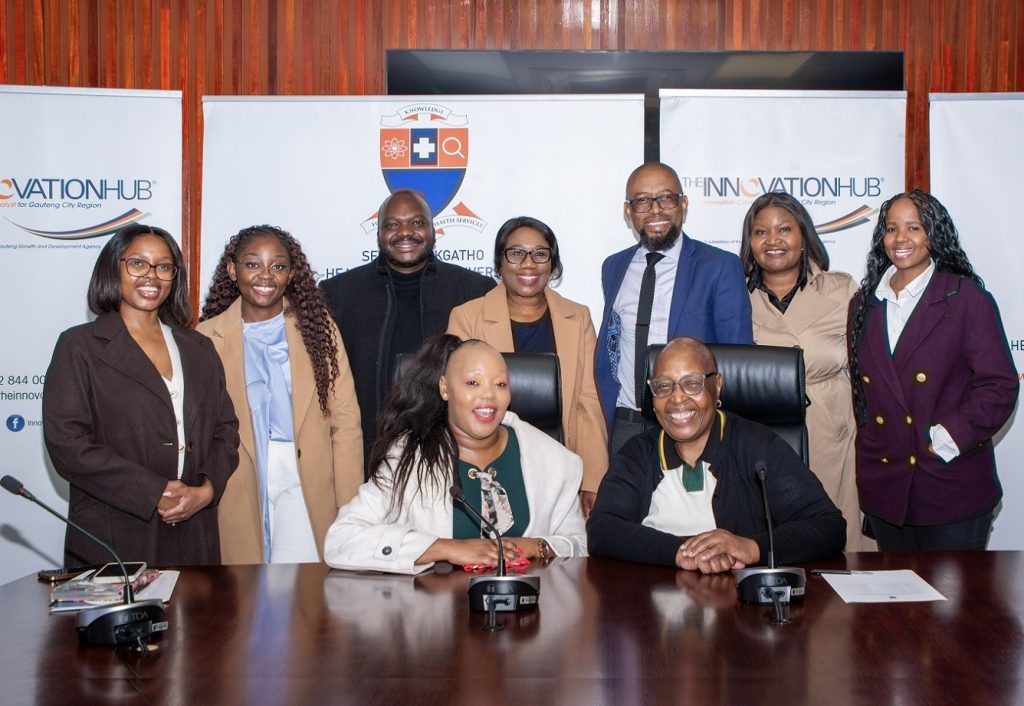 The three-year agreement establishes the physical presence of The Innovation Hub’s eKasiLab Ga-Rankuwa programme within the SMU ecosystem, creating a collaborative platform that connects academia, industry and government to accelerate enterprise development, skills training and the commercialisation of healthcare, medical and biotechnology innovations.
The partnership will leverage shared facilities, research and development resources, and innovation networks to transform research outcomes into practical solutions that address both healthcare and broader societal challenges. The initiative will be jointly overseen by Ms Naledi Mathole who currently oversees activities at SMU’s Centre for Entrepreneurship Rapid Incubator (CfERI), and TIHMC Manager for Partnerships, Mpho Mbonani.
Speaking at the signing ceremony, Mathole described the agreement as a strategic step towards strengthening innovation and entrepreneurship within the university and surrounding communities.
“The MoU establishes a strategic partnership between Sefako Makgatho Health Sciences University and The Innovation Hub Management Company to strengthen innovation, entrepreneurship, skills development and the commercialisation of solutions that address healthcare and societal challenges,” she said.
Mathole added that the collaboration would provide students and staff with enhanced access to innovation programmes, mentorship opportunities, industry networks and incubation support.
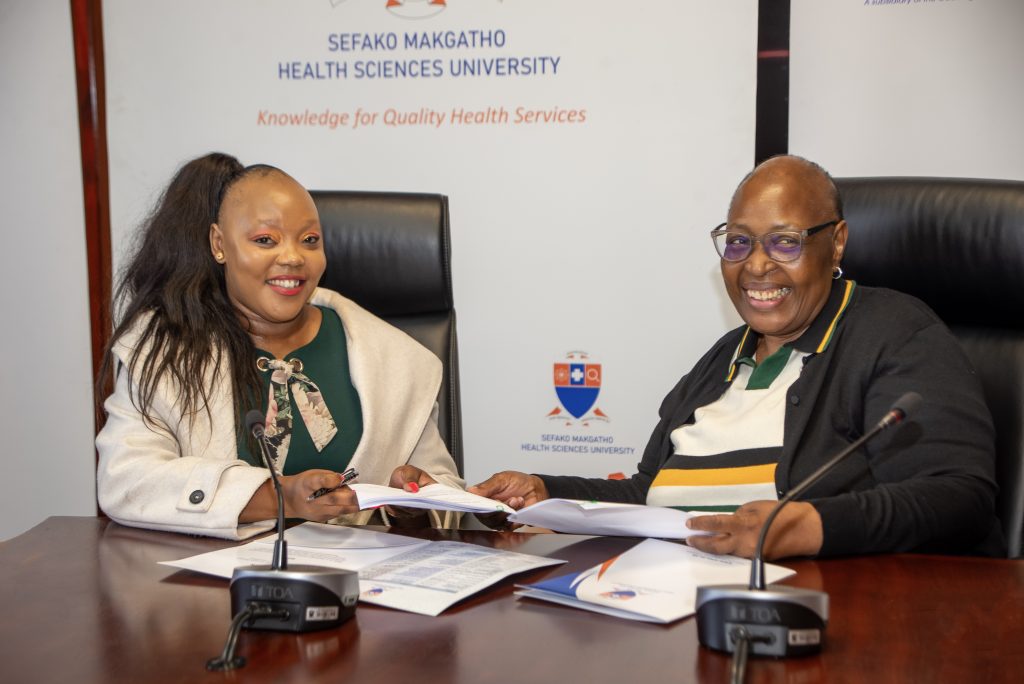 “The partnership will support the development of student and staff start-ups, the commercialisation of research and intellectual property, and greater access to innovation ecosystems through investors and industry partners,” she said.
Professor Dini Mawela, SMU Acting Vice Chancellor, said the agreement aligns with the university’s vision of becoming an entrepreneurial institution that equips graduates with practical skills alongside academic excellence.
“We want all activities at SMU to point towards being an entrepreneurial university so that our students graduate with tangible, practical skills,” said Mawela. “Our students are discovering incredible things, and through initiatives such as innovation hackathons and programming competitions, we are encouraging them to transform creative ideas into solutions that can make a meaningful impact in society.”
A key objective of the partnership is to stimulate socio-economic development in Ga-Rankuwa, Mabopane and surrounding communities by creating pathways for local innovation and sustainable business growth.
TIHMC Area Innovation Manager for Township Economic Revitalisation, Buti Makama, highlighted the importance of building a self-sustaining healthcare innovation ecosystem that reduces reliance on imported interventions.
“SMU is producing the scientists, while we provide access to laboratories, capital and business expertise. Together, we are building an ecosystem that can develop local healthcare solutions and strengthen South Africa’s innovation capacity,” he said.
Acting Executive for Township Economy Revitalisation at The Innovation Hub, Kgaugelo Tsoka, said the partnership would expand opportunities for aspiring entrepreneurs and innovators.
“By bringing together the strengths of SMU and eKasiLab, we are creating opportunities for young people, innovators and entrepreneurs to access the skills, support and networks they need to transform ideas into sustainable businesses and impactful solutions,” said Tsoka.
The agreement also promotes joint intellectual property development, strengthens compliance with data privacy requirements under the Protection of Personal Information (POPI) Act, and creates opportunities for new revenue streams through innovation and commercialisation.
As South Africa commemorates 50 years since the 1976 Youth Day uprisings, the partnership reflects SMU’s ongoing commitment to transforming health services through excellence and innovation. By empowering future scientists, entrepreneurs and healthcare leaders, the university continues to advance solutions that improve lives, strengthen communities and contribute to the country’s long-term development.
By Rose Moreki
by Lorato | Jul 9, 2026 | All News, Alumni, SMU Media, Student Media
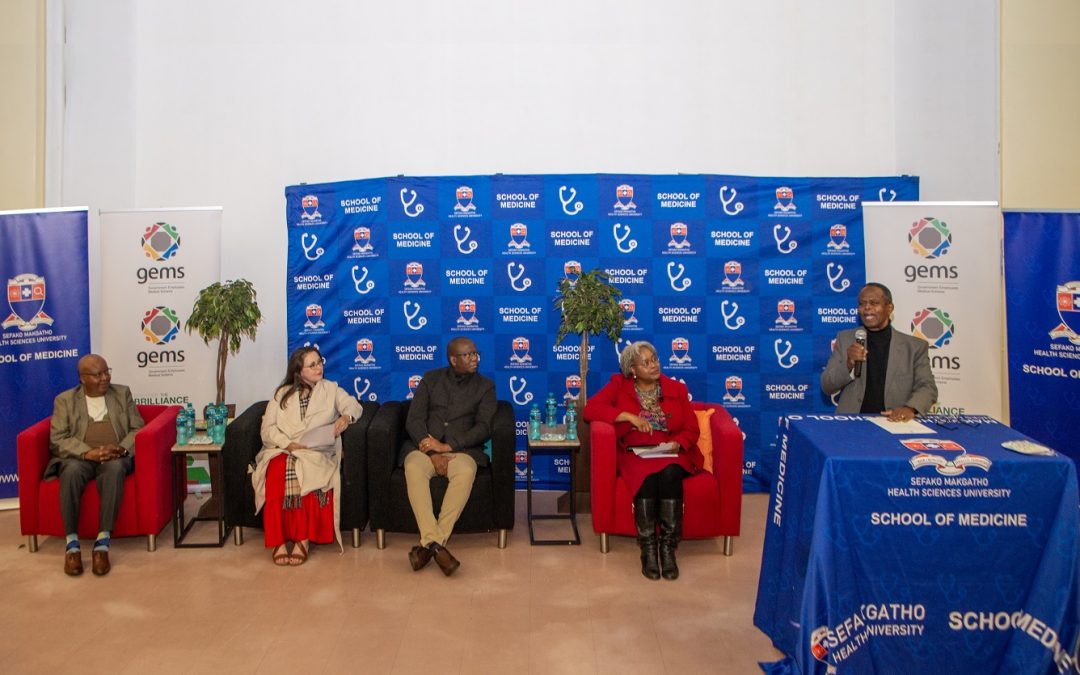
Sefako Makgatho Health Sciences University (SMU) reaffirmed its commitment to developing socially accountable and resilient healthcare professionals by hosting the I LEAD Panel Discussion Programme recently at the University’s New Auditorium. Held under the theme, Leading Together, Building Resilient Minds, Collaborative Teams, and Future Healthcare Leaders, the event brought together accomplished alumni, students, academics and healthcare professionals for an afternoon of meaningful dialogue on leadership and professional development.
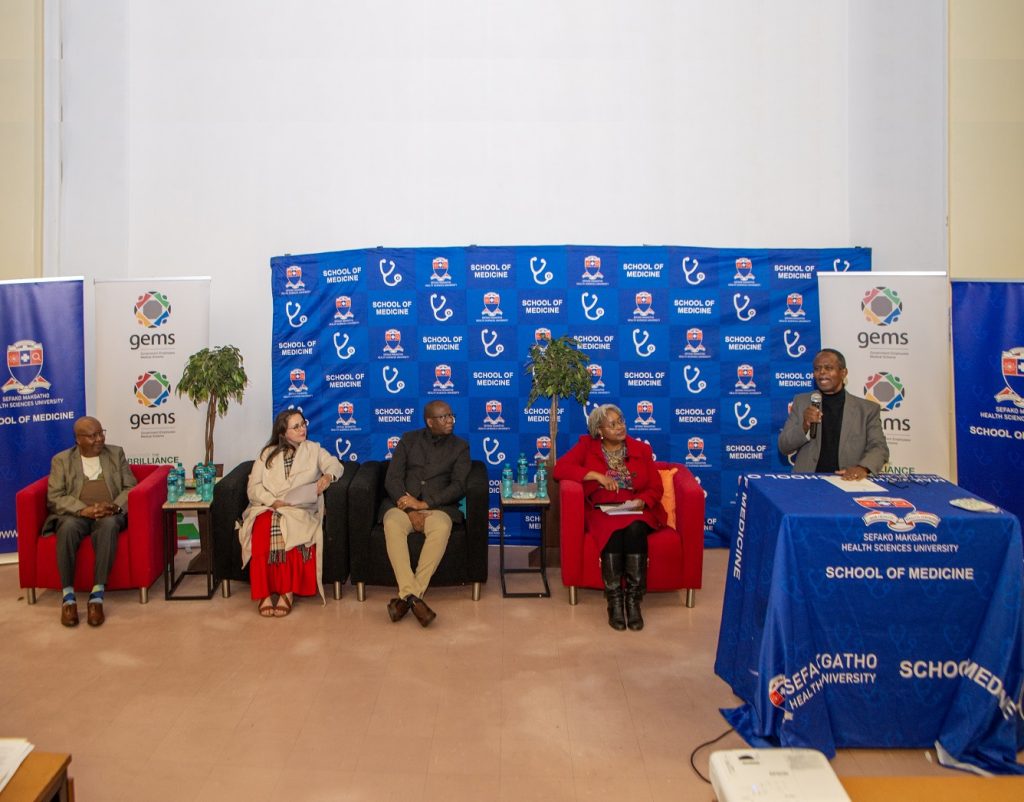 The programme highlighted SMU’s dedication to producing graduates who are not only academically accomplished but also equipped with the leadership skills, emotional intelligence and collaborative mindset needed to navigate increasingly complex healthcare environments.
Welcoming attendees, Professor Honey Mabuza, Head of the Department of Professionalism, Medical Ethics and Clinical Integrated Programmes (POME) in the School of Medicine, emphasised the importance of nurturing healthcare professionals who lead with integrity and compassion.
“Technical competence alone is no longer sufficient in today’s healthcare landscape. We must develop professionals who can lead ethically, work collaboratively and respond effectively to the challenges facing our health systems,” she said.
Dr Nokufa Mnguni, POME 2 Coordinator, provided an overview of the programme and encouraged students to embrace opportunities for mentorship and continuous learning.
“Leadership is not developed overnight. It is cultivated through curiosity, meaningful engagement and the willingness to learn from those who have walked the path before you,” she said.
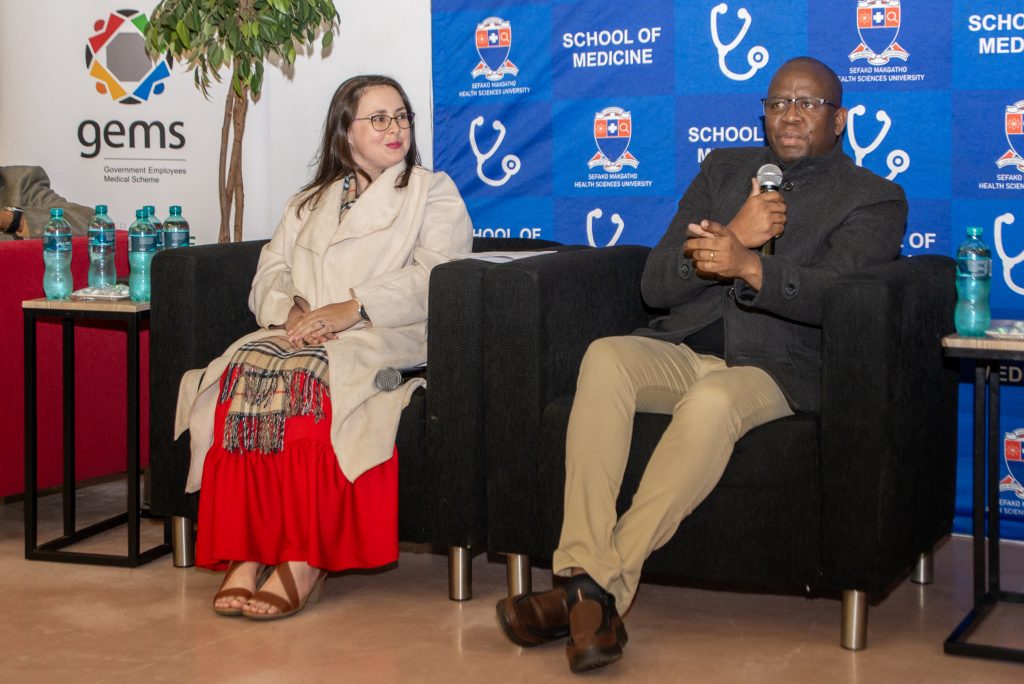 The highlight of the event was an engaging panel discussion facilitated by Dr Brenda Kubheka-Chauke, featuring four distinguished SMU alumni whose careers span various sectors of the healthcare industry. The panel comprised Dr Stan Moloabi, Principal Officer of the Government Employees Medical Scheme (GEMS); Dr Inge Kleinhans, Public Health Medicine Specialist at SMU; Major General Dr Nsizwa Skosana, Deputy Surgeon General of the South African National Defence Force (SANDF); and Dr Molapane Chueu, Public Health Medicine Specialist at the Auditor-General of South Africa.
Drawing from their professional journeys, the panellists shared valuable lessons on resilience, ethical leadership and lifelong learning. They stressed that effective leadership extends beyond positions of authority and is rooted in accountability, empathy and a commitment to serving communities.
“The healthcare sector needs leaders who can work across disciplines and build partnerships that improve patient outcomes and strengthen health systems,” one panellist remarked.
One of the programme’s most impactful moments came during the interactive question-and-answer session, where students sought advice on career development, overcoming adversity and maintaining well-being in demanding professional environments. The panellists responded candidly, encouraging students to remain resilient, seek mentorship and continuously develop both their clinical and interpersonal skills.
Representing the student body, second-year MBChB POME Student Leader Mogau Matlanyane expressed gratitude for the opportunity to engage with accomplished alumni.
“Hearing the experiences of these professionals has broadened our understanding of leadership and inspired us to pursue excellence in every aspect of our future careers,” he said.
The programme also acknowledged the valuable partnership with GEMS, whose support reinforced the importance of collaboration between academia and industry in advancing healthcare education and leadership development.
Certificates were presented to student leaders in recognition of their commitment to academic excellence, peer support and responsible leadership within the University community.
As the event concluded, attendees continued networking over refreshments in an atmosphere of optimism and inspiration. The I LEAD Panel Discussion Programme served as a powerful reminder that leadership is shaped through mentorship, shared experiences and collaboration. By connecting students with accomplished alumni and industry leaders, SMU continues to strengthen its mission of developing visionary healthcare professionals who are prepared to lead meaningful change in South Africa’s healthcare sector and beyond.
By Dimakatso Modise