by Lorato | Jul 9, 2026 | All News, Alumni, SMU Media, Student Media
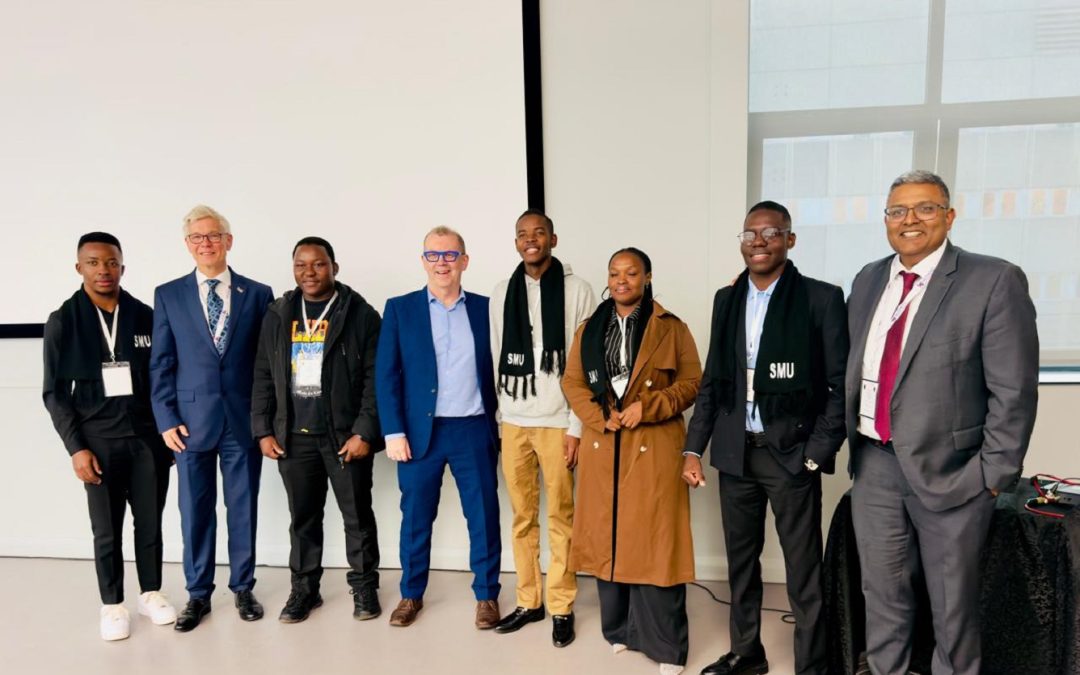
A delegation of MBChB students from Sefako Makgatho Health Sciences University (SMU) has returned inspired after attending the 53rd Surgical Research Society of Southern Africa (SRSSA) Conference, hosted by the University of the Witwatersrand’s Department of Surgery.
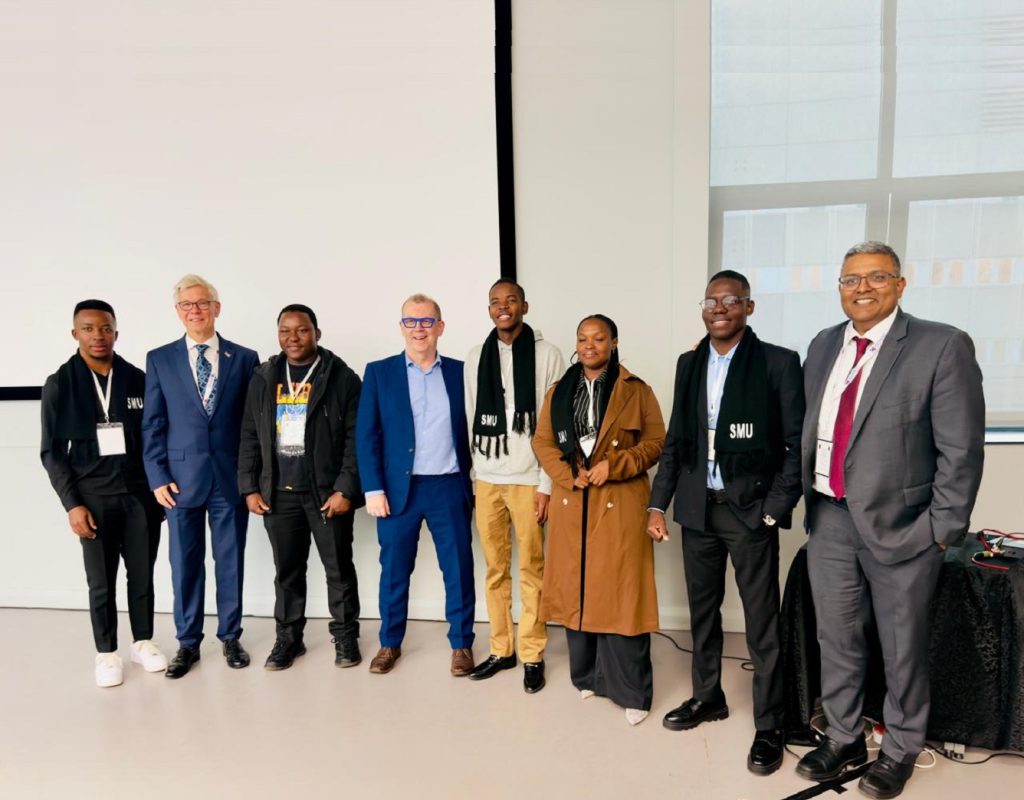 The delegation comprised third-, fourth- and fifth-year medical students who attended through the support of the School of Medicine Deanery Office under the leadership of Professor Risenga Chauke. Their participation reflects SMU’s commitment to developing future clinician-scientists, researchers and healthcare leaders.
The annual SRSSA Conference is one of Southern Africa’s premier academic surgical gatherings, bringing together surgeons, researchers, clinician-scientists and medical students to present and discuss original surgical research. This year’s scientific programme covered trauma, gastrointestinal, vascular, paediatric, breast, hepatopancreatobiliary and orthopaedic surgery, among other specialities, while providing a dedicated platform for medical student research presentations.
Representing SMU were fifth-year students Vumbhoni Mahlaule and Tshepiso Maredi, fourth-year students Albert Sebulela and Thapelo Mthimunye, and third-year student Thabiso Seerane.
The students had the opportunity to learn from internationally respected experts, including Professor Zach Koto, President of the Colleges of Medicine of South Africa; Professor Thifhelimbilu Luvhengo, President of the SRSSA; Professor Tom Varghese from the United States; Professor Craig McBride from Australia; Dr Daryll Baker from the United Kingdom; and Professor Rachel Hargest from the United Kingdom.
Addressing delegates, Professor McBride encouraged aspiring surgeons to remain steadfast in their pursuit of excellence, saying, “We’ve not gotten this far to only get this far.” Professor Luvhengo welcomed the strong participation of medical students, describing them as the future of surgery.
Dr Mthembu also commended SMU’s representation, saying: “The future of Surgery at SMU is in the correct trajectory. It was heartwarming to see SMU Medical Students from 3rd year, 4th year and 5th year of study participating in the scientific programme of the Surgical Research Society.”
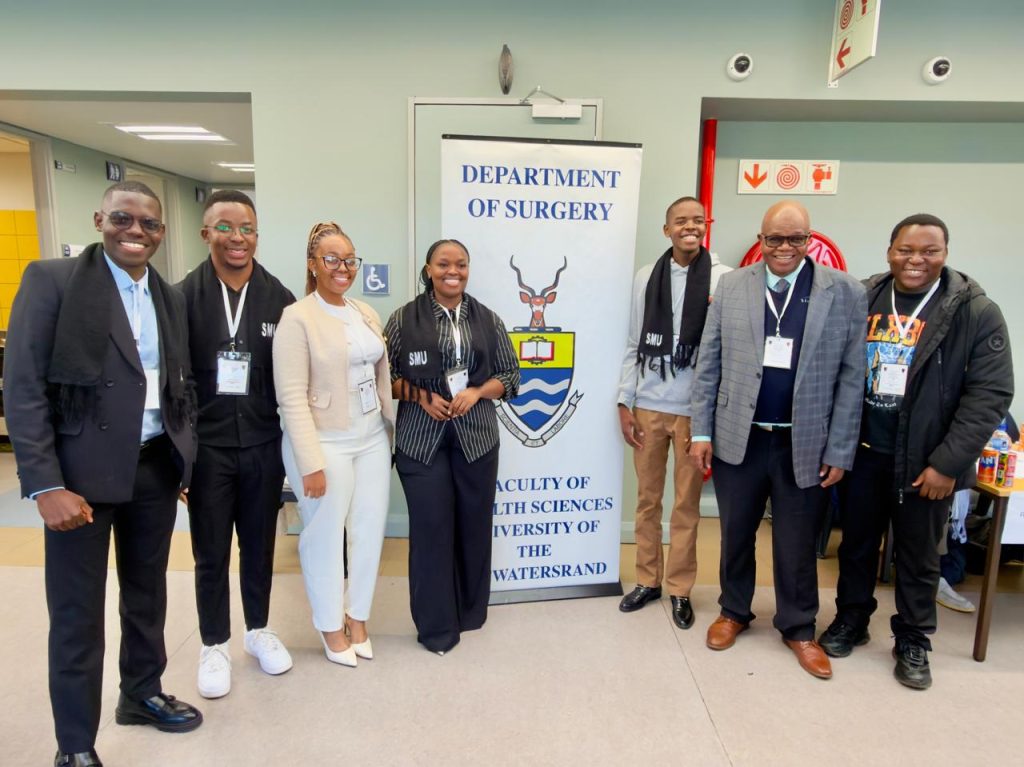 Adding to the University’s achievements, SMU-trained general surgeon Dr W. Vosloo received an award for his presentation on the patient profile and socioeconomic impact of chronic venous disease at a tertiary hospital in Gauteng, highlighting the quality and impact of SMU alumni in surgical research.
For the students, the conference provided invaluable exposure to cutting-edge research and evidence-based surgical practice.
Fifth-year student and School of Medicine SRC Chairperson Vumbhoni Mahlaule said, “The conference serves as an inspiration of what I aspire to become: an exceptional clinician surgeon with a strong passion for research and academia. The future of surgery is safeguarded by research and evidence-based medicine.”
Fourth-year student Albert Sebulela said the conference reinforced that research remains the cornerstone of surgical practice and strengthened his aspiration to make a meaningful contribution through surgery and research.
Reflecting on the experience, fourth-year student Thapelo Mthimunye said the conference broadened his understanding of surgical innovation and reinforced the importance of integrating research, leadership and lifelong learning into clinical medicine.
Third-year student Thabiso Seerane said the conference strengthened his ambition to become a surgeon who combines clinical excellence with research and academic leadership, adding that he left inspired by surgeons who continue to seek better answers while investing in the next generation.
The conference reaffirmed that the future of surgery depends on innovation, collaboration and evidence-based medicine. Through continued support from the School of Medicine Deanery, SMU remains committed to producing graduates who are not only skilled clinicians but also researchers, academics and healthcare leaders dedicated to improving patient care in South Africa and beyond.
By Tumelo Moila
by Lorato | Jul 9, 2026 | All News, SMU Media, Student Media
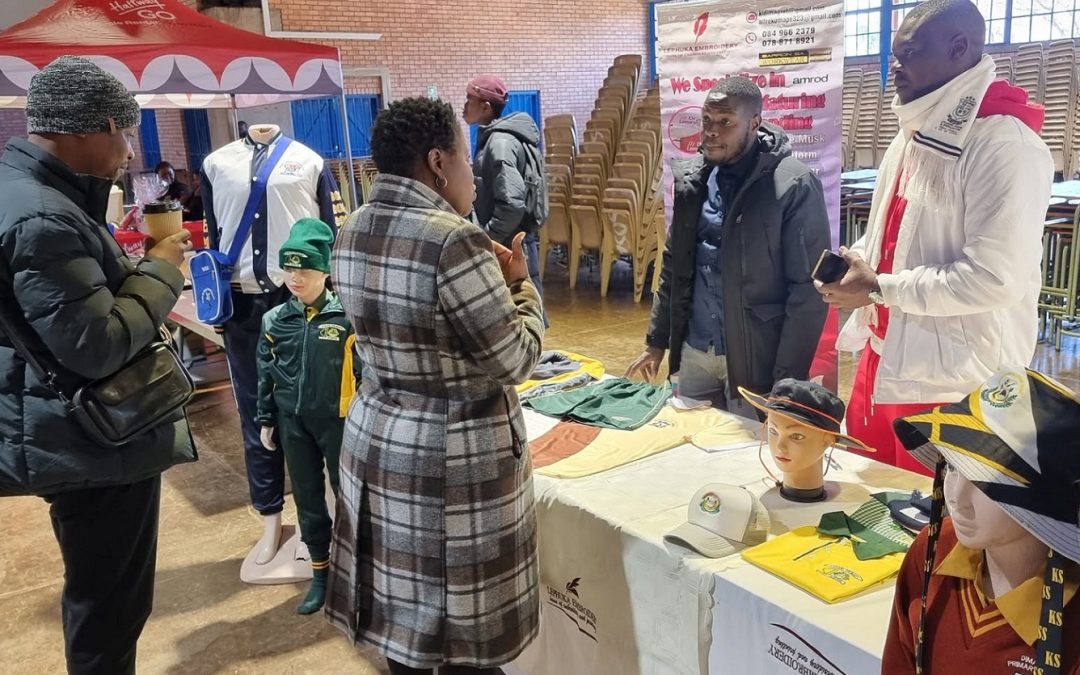
Sefako Makgatho Health Sciences University (SMU) reinforced its commitment to community engagement, entrepreneurship and innovation through its participation in the Soshanguve Business Expo and Summit, held on 3 July 2026 at the Tshwane University of Technology Soshanguve South Campus.
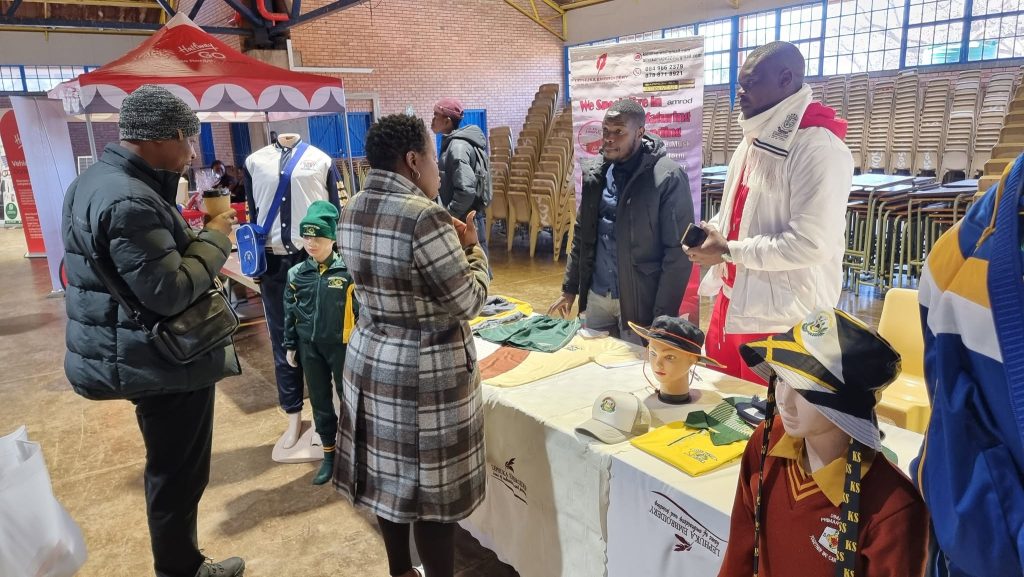 Organised by the Youth in Business Network, the summit brought together entrepreneurs, policymakers, industry leaders, students and innovators to explore practical strategies for stimulating township economies and creating sustainable opportunities for young people.
The expo created a platform for knowledge sharing, networking and collaboration, with a strong emphasis on empowering youth-led enterprises and driving local economic development. Through its participation, SMU demonstrated its continued support for initiatives that advance entrepreneurship, innovation and socio-economic transformation.
Delivering the keynote address, Ntsako Mogobe highlighted the critical role of young entrepreneurs in addressing unemployment and strengthening township economies.
“Young people are not only the future of our economy; they are its present drivers of innovation and growth. We must create environments that allow their ideas to flourish and become sustainable businesses,” he said.
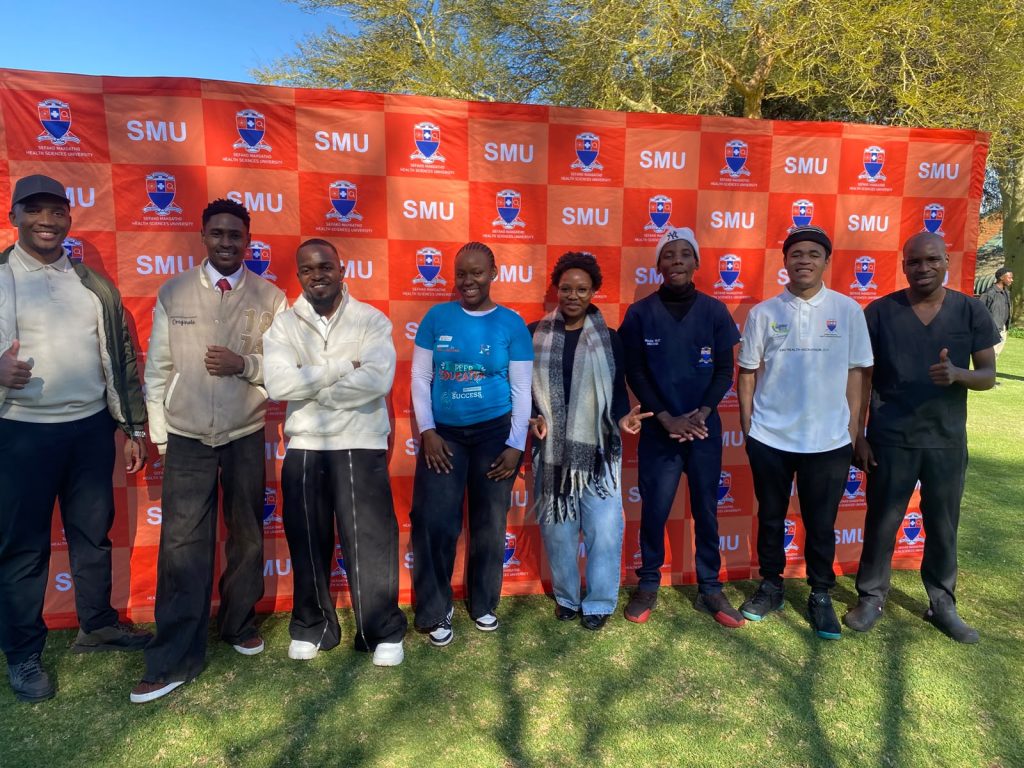 A key highlight of the summit was the presentation by Emmanuel Kiyonga, an accomplished SMU alumnus and founder of pharmaceutical start-up Emmaceutics. Kiyonga shared his journey from student researcher to internationally recognised innovator, inspiring aspiring entrepreneurs in attendance.
His pioneering work led to the development of a breast cancer and osteoporosis treatment that became SMU’s first registered patent, marking a significant milestone in the University’s research and innovation journey. Since founding Emmaceutics, he has continued developing novel therapeutic molecules, including treatments targeting substance dependence, period pain and certain forms of cancer.
“SMU provided the foundation that enabled me to transform research into solutions that can improve lives and contribute to economic development,” Kiyonga said.
Representing the University’s student community were SMU Brand Ambassadors, Didintle Mangwane, an MBChB student, and Lebohang Mogano, a Physiotherapy student. They engaged with visitors throughout the event, promoting the University’s academic offerings and its commitment to community development and entrepreneurial advancement.
The exhibition also showcased several emerging businesses. Among the exhibitors was SMU student Fhulufelo Ntsieni, founder of Shatter the Silence, a creative arts enterprise that promotes emerging talent through poetry, creative writing, acting, music and dance.
The summit concluded with an exciting business pitching competition sponsored by Absa Group, where aspiring entrepreneurs presented innovative business concepts before a panel of judges.
Among the participants was Oreneile Hlalethwa, founder and chief executive officer of Optify Solutions, who recently secured third place at the Huawei ICT Competition Global Finals in China.
Also competing was Samkhelo Khoza, founder of SmartFreez, a start-up providing affordable refrigeration solutions for students through accessible fridge rental and delivery services.
The summit underscored SMU’s growing role as a catalyst for innovation, entrepreneurship and community development. By supporting initiatives that empower young entrepreneurs and create practical solutions to societal challenges, the University continues to advance its vision of transforming health services through excellence and innovation while strengthening its contribution to South Africa’s socio-economic development.
By Dimakatso Modise
by Lorato | Jul 9, 2026 | All News, SMU Media, Student Media
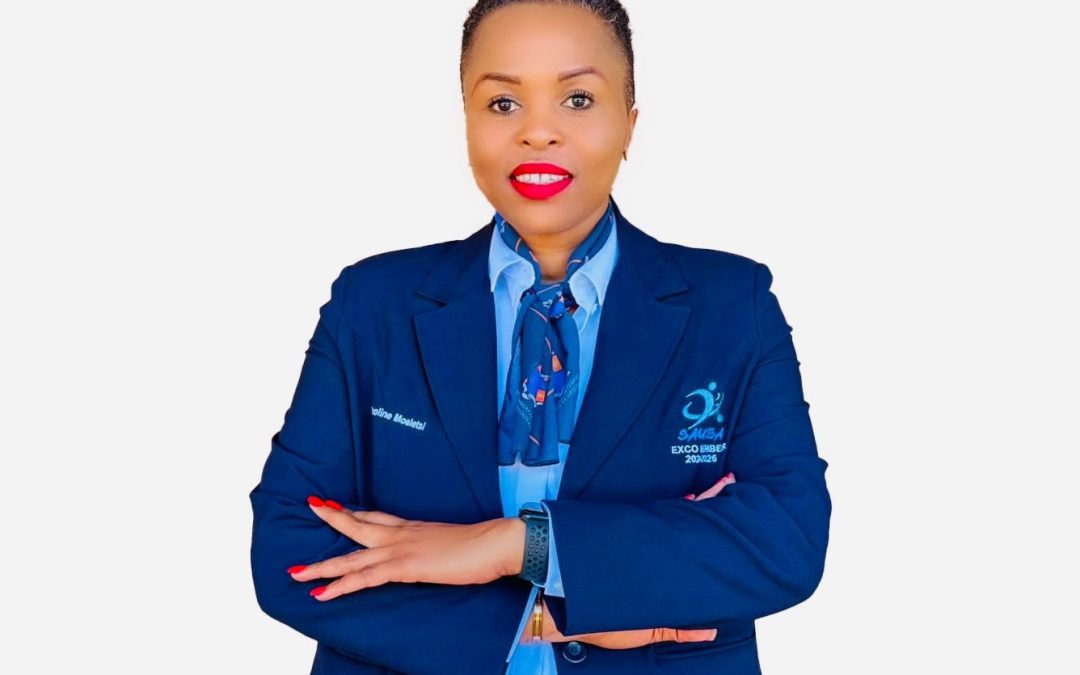
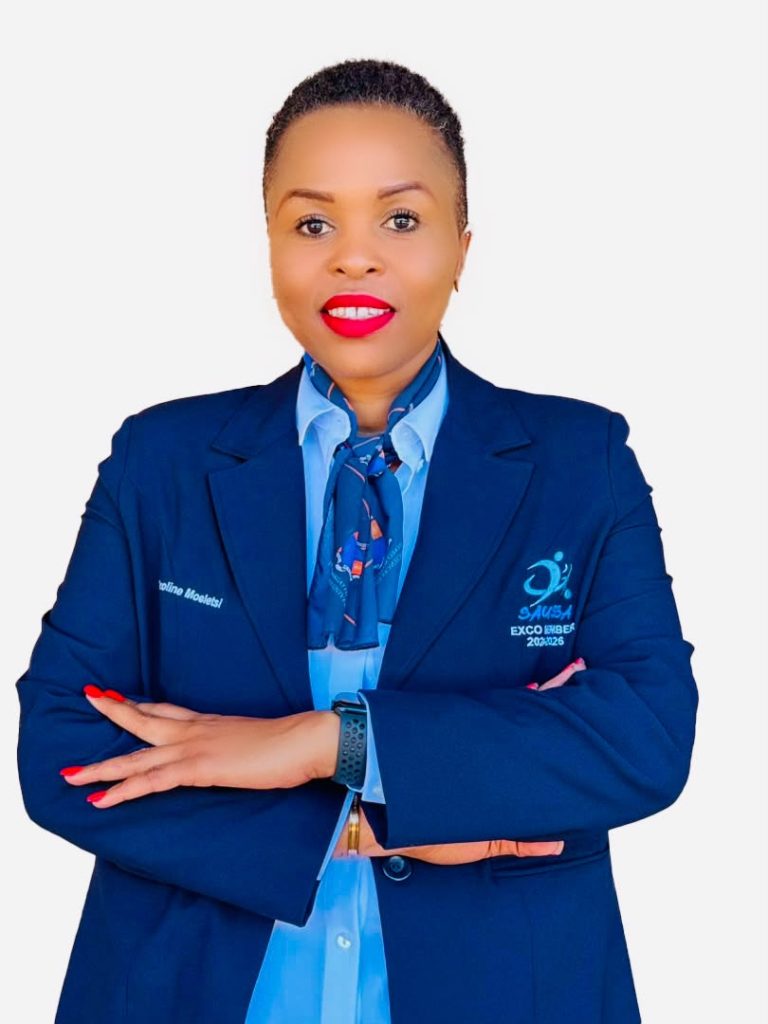
Sefako Makgatho Health Sciences University (SMU) has strengthened its presence in regional university sport following the election of SMU Staff Sports Association (SMUSSA) Chairperson, Caroline Moeletsi, as Deputy Secretary General (DSG) of the Southern Africa Universities Staff Sports Association (SAUSSA).
 The election took place during the SAUSSA Annual General Meeting (AGM), recently hosted by the Botswana University of Agriculture and Natural Resources (BUAN) in Gaborone. The meeting brought together representatives from universities across Southern Africa to review the Association’s activities, elect new leadership and discuss strategic priorities aimed at advancing staff sport in the region.
Moeletsi’s appointment marks a significant milestone for both SMUSSA and SMU, further cementing the University’s growing influence in regional university sport. Her election to the SAUSSA Executive Committee reflects the confidence member institutions have in her leadership, experience and commitment to promoting staff wellness, institutional collaboration and sporting excellence.
The appointment follows the successful hosting of the 2025 SAUSSA Games by SMU from 7 to 13 December 2025. Under Moeletsi’s leadership, the University welcomed delegates and participants from 19 member institutions across Southern Africa, delivering a well-organised and memorable tournament that earned widespread praise from participating universities.
Throughout the Games, Moeletsi demonstrated exceptional leadership and an unwavering commitment to ensuring the well-being and positive experience of every participant. Her contribution further enhanced SMU’s reputation as a capable host of major regional sporting events and a champion of university staff development through sport.
As Chairperson of SMUSSA, Moeletsi has played a pivotal role in expanding staff participation in sport and promoting initiatives that encourage healthy lifestyles, teamwork and institutional pride. Under her stewardship, the Association has strengthened its contribution to university sport through successful participation in regional competitions and wellness programmes that support staff development beyond the workplace.
Speaking on her election, Moeletsi expressed gratitude to member institutions for entrusting her with the responsibility of serving on the SAUSSA Executive.
“It is a great honour to have been nominated and elected by fellow member institutions. I look forward to working closely with the SAUSSA Executive and all member universities to strengthen staff sport, promote collaboration and create opportunities that will benefit our institutions across the Southern African region,” she said.
Beyond the elections, delegates conducted an inspection of sporting facilities at the University of Botswana as part of preparations for the proposed hosting of the 2027 SAUSSA Games by BUAN. Following the inspection and deliberations, the AGM confirmed BUAN as the prospective host institution, subject to the fulfilment of several requirements, including venue readiness, accommodation, transportation, medical services and security arrangements.
Reflecting on the significance of the appointment, Moeletsi said regional collaboration through sport creates valuable opportunities for institutions to learn from one another and build lasting partnerships.
“Sport has the power to unite institutions, promote wellness and strengthen relationships across borders. I am committed to contributing to initiatives that advance staff sport and create meaningful opportunities for our member universities,” she said.
Moeletsi’s election aligns with SMU’s broader commitment to leadership, partnership and community engagement. Through its active participation in regional organizations such as SAUSSA, the University continues to contribute meaningfully to the advancement of university staff sport while strengthening relationships across Southern Africa.
The appointment further positions SMU as an institution that not only excels in health sciences education and research but also champions staff development, wellness and regional collaboration through sport. As preparations for the next SAUSSA Games gather momentum, SMU remains committed to supporting initiatives that inspire excellence, strengthen partnerships and demonstrate the transformative power of sport in higher education.
By Rose Moreki

by Lorato | Jul 2, 2026 | All News, Alumni, SMU Media, Student Media
Sefako Makgatho Health Sciences University (SMU) alumna and accomplished audiologist, speech therapist and entrepreneur Amogelang Emerlda Bunu has been named among the Top 24 finalists in the Miss South Africa 2026 competition, adding another milestone to a career defined by academic excellence, healthcare advocacy and community service.
 The 27-year-old from Mabopane, Gauteng, is a graduate of SMU, where she completed both her Bachelor of Speech-Language Pathology and Audiology in 2019 and a Master of Audiology in 2024. She currently serves as a speech therapist, audiologist, entrepreneur and part-time clinical educator at the University of the Witwatersrand, while also leading her own private practice, Bunu Speech Therapy and Audiology, which focuses on improving access to communication and hearing healthcare across underserved communities.
Bunu’s selection among the country’s leading pageant finalists reflects not only her professional achievements but also her commitment to improving the lives of children through early intervention, communication health and inclusive development. Through the Miss South Africa Organisation’s Empower Youth Africa (EYA) framework, she is championing her advocacy initiative, Communication, Access and Safety Through Playground, which promotes safe play spaces alongside mandatory communication and hearing screenings in schools.
“Every child deserves the opportunity to communicate, learn and thrive,” said Bunu. “I believe that play is far more than recreation. It supports cognitive, emotional and social development, while early hearing and communication screening allows children to receive the support they need before challenges become lifelong barriers. My goal is to ensure that every child, regardless of where they live, has access to quality communication, healthcare and safe environments that nurture their potential.”
Her advocacy is informed by years of clinical practice in both the public and private healthcare sectors. Before establishing her private practice, Bunu worked at Heidelberg Hospital, where she provided comprehensive speech therapy and audiology services and later served as Acting Head of Department. Today, her practice delivers screening, assessment and treatment services while conducting community outreach programmes at schools, churches and other community organisations.
 Alongside her healthcare career, Bunu has distinguished herself as a martial artist. A former Junior World Karate Champion, she has represented South Africa internationally and continues to compete while balancing motherhood, entrepreneurship and academia. She credits karate with instilling the discipline and resilience that have shaped both her professional and personal journey.
Reflecting on her journey, Bunu said her education at SMU laid the foundation for her success.
“My years at SMU equipped me with the knowledge, clinical skills and confidence to serve communities with compassion and excellence. The university challenged me to become a healthcare professional who not only treats patients but also advocates for meaningful change. I am proud to carry those values into every aspect of my work and this Miss South Africa journey,” she said.
Voting for the Miss South Africa 2026 finalists is currently open and closes on 6 July 2026, with supporters able to cast their votes through the Miss South Africa website or mobile application.
Bunu’s achievement once again showcases the calibre of SMU graduates who continue to make meaningful contributions beyond the healthcare sector. By combining academic excellence with leadership, advocacy and service, she embodies the university’s mission of transforming lives through education, innovation and community engagement while inspiring a new generation of health professionals to create lasting social impact.
By Tumelo Moila
by Lorato | Jul 2, 2026 | All News, Alumni, SMU Media, Student Media
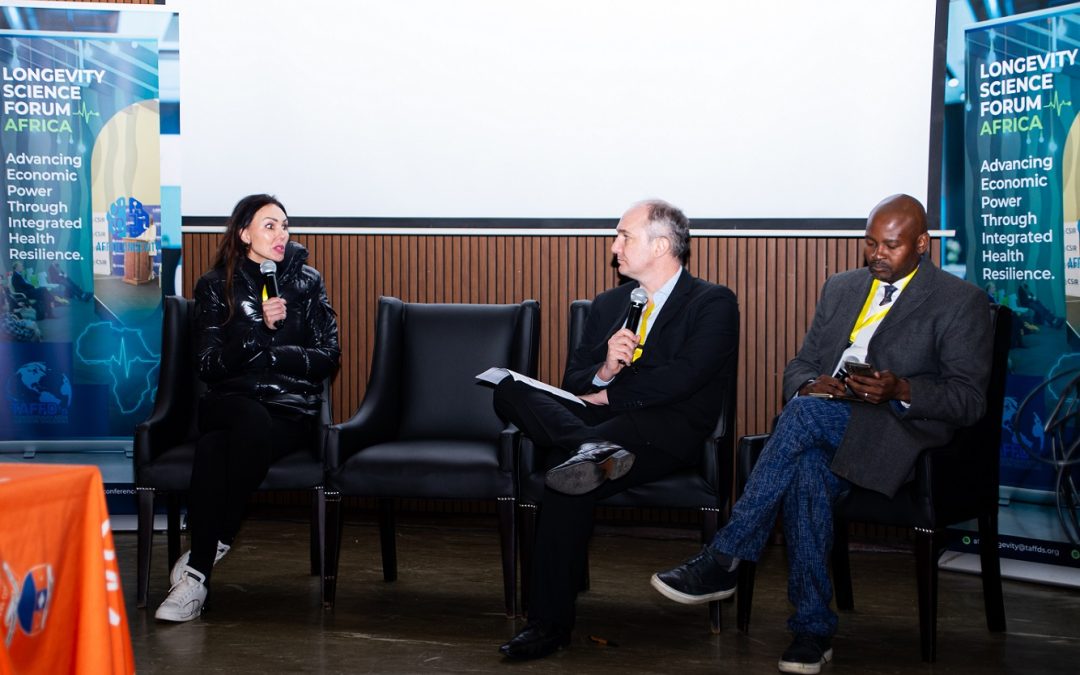
Sefako Makgatho Health Sciences University (SMU) has strengthened its position as a leader in health research and innovation by hosting the inaugural Longevity Science Forum Africa 2026, bringing together leading scientists, policymakers, healthcare professionals, innovators, traditional leaders and researchers to explore how healthy ageing can transform Africa’s future.
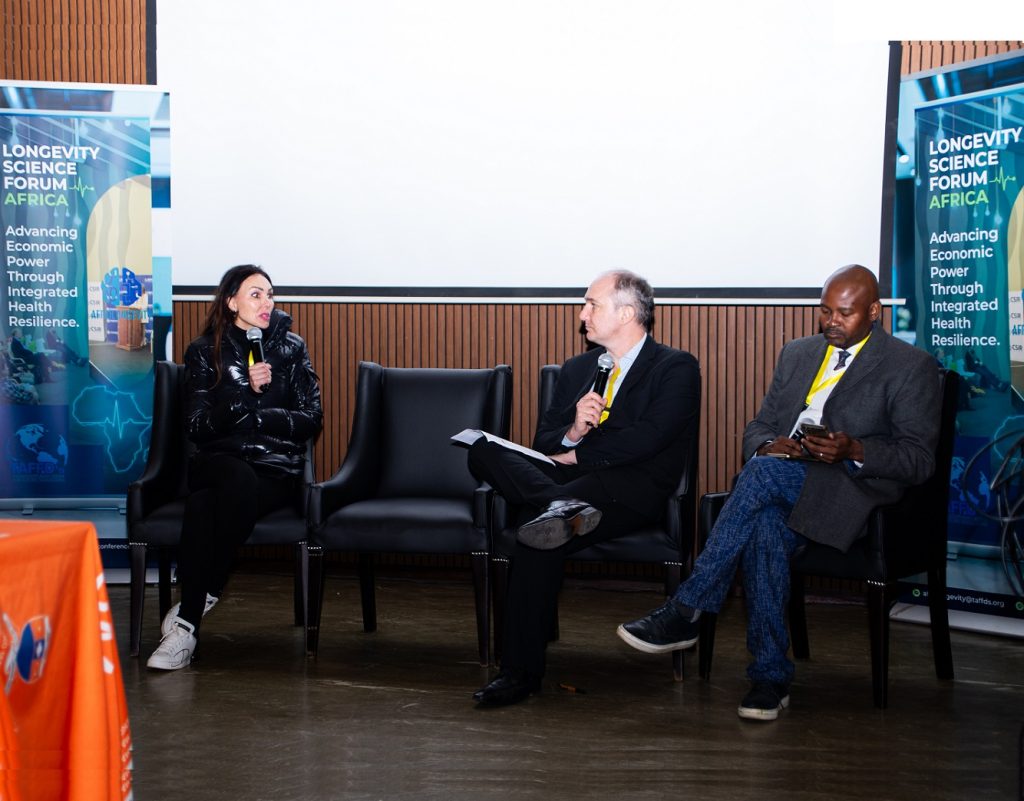 Held recently under the theme, “Advancing Economic Power Through Integrated Health Resilience,” the two-day forum combined an in-person programme at the SMU campus with a virtual platform that enabled participation from experts and delegates across Africa and beyond.
Convened by Brenda Ramokopelwa, Chief Executive Officer of Afrolongevity and TAFFD’s, the forum created a multidisciplinary platform for discussions on longevity science, predictive healthcare, Indigenous Knowledge Systems (IKS), policy development and innovation aimed at increasing healthy life expectancy while strengthening Africa’s economic resilience.
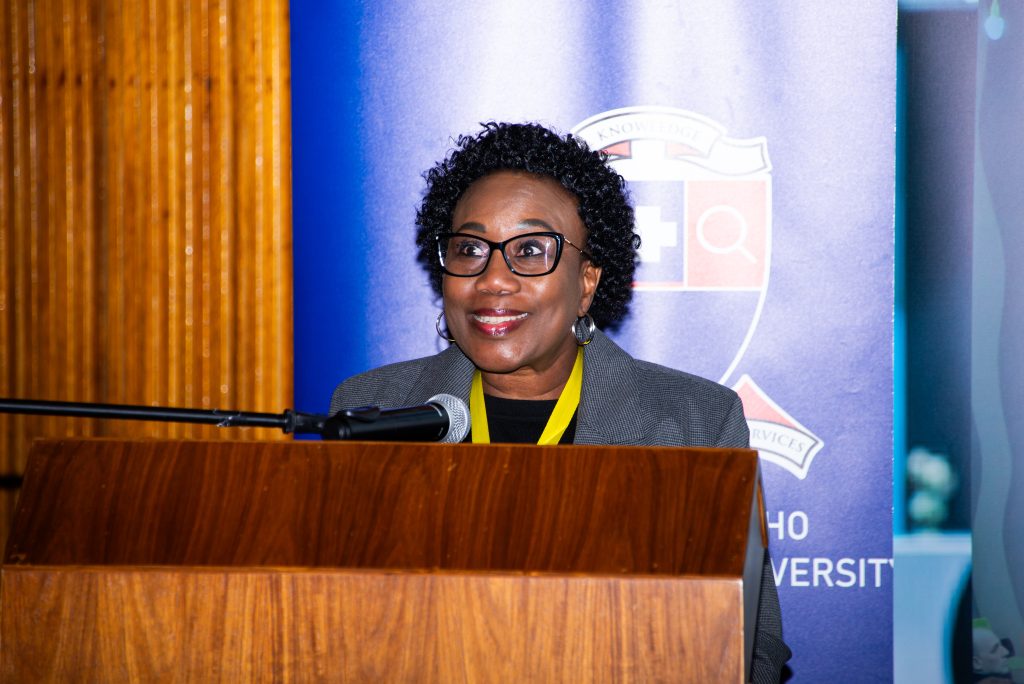
Welcoming delegates, SMU Director of Research and Innovation, Professor Mapaseka Lucy Seheri, reaffirmed the University’s commitment to producing research that responds to Africa’s health priorities.
“Hosting the inaugural Longevity Science Forum Africa reflects SMU’s commitment to research excellence and innovation that addresses Africa’s healthcare challenges. Healthy longevity is not simply about extending life expectancy—it is about ensuring people live healthier, more productive and dignified lives. Through partnerships such as these, we continue to advance research that transforms communities and contributes to sustainable development,” said Professor Seheri.
The scientific programme featured internationally renowned experts who examined the biology of ageing, healthy longevity medicine and the growing importance of preventative healthcare. Presentations explored cutting-edge research on cellular rejuvenation, predictive medicine and evidence-based interventions that can improve healthspan while reducing the burden of chronic disease.
 Delegates also examined the economic value of healthy ageing, with discussions highlighting how increasing healthy life expectancy can enhance workforce productivity, reduce healthcare costs and stimulate sustainable economic growth across African countries.
A major focus of the forum was translating scientific discoveries into practical healthcare solutions. Researchers emphasised stronger collaboration between universities, healthcare systems and industry to accelerate the implementation of innovations that improve quality of life for African communities.
The forum further celebrated the role of Indigenous Knowledge Systems in advancing modern medicine. Experts explored how African medicinal knowledge and indigenous herbal medicine can complement scientific research, contribute to disease prevention and support future pharmaceutical discoveries while preserving cultural heritage.
Recognising the importance of nurturing future scientific leaders, the programme showcased presentations by emerging researchers, including winners of the SMU 2026 Hackathon, who demonstrated innovative health technologies and solutions developed to address pressing healthcare challenges.
Traditional leaders also joined policymakers and academics in discussions on indigenous leadership, land stewardship, medical tourism and Africa’s growing health economy, underscoring the value of integrating traditional knowledge with contemporary scientific research.
Forum Convenor Brenda Ramokopelwa described the gathering as a landmark moment for African science.
“Africa possesses world-class scientific talent, rich indigenous knowledge and innovative communities capable of shaping the future of healthy longevity. The conversations held during this forum demonstrate that by working together across disciplines and sectors, we can create African solutions that improve health outcomes, stimulate economic growth and position the continent as a leader in longevity science,” she said.
The forum concluded with a collective commitment to strengthen partnerships, promote interdisciplinary research and develop a continental roadmap for healthy longevity and integrated health resilience. By hosting the inaugural Longevity Science Forum Africa, SMU reaffirmed its role as a leading African health sciences university advancing research, innovation and community impact in pursuit of healthier, more resilient societies.
By Dimakatso Modise
by Lorato | Jul 2, 2026 | Accolades and Achievements, All News, Alumni, SMU Media, Student Media
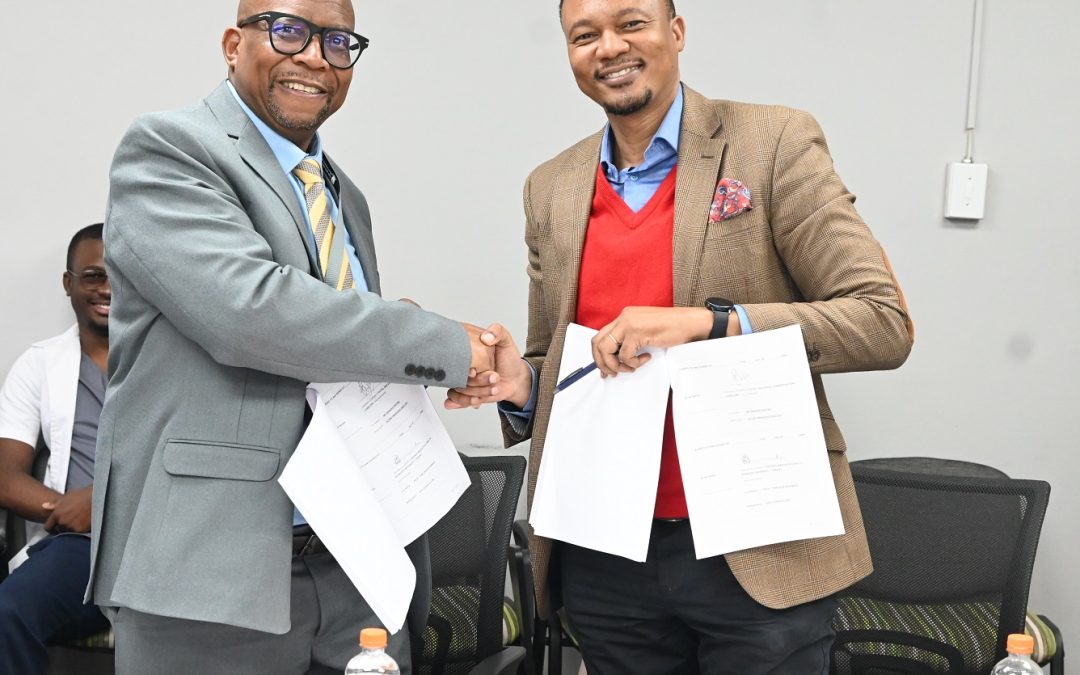
Sefako Makgatho Health Sciences University (SMU) and the Royal Bafokeng Nation have strengthened their shared commitment to improving healthcare access, advancing medical education and empowering communities through the renewal of their longstanding Memorandum of Agreement (MOA).
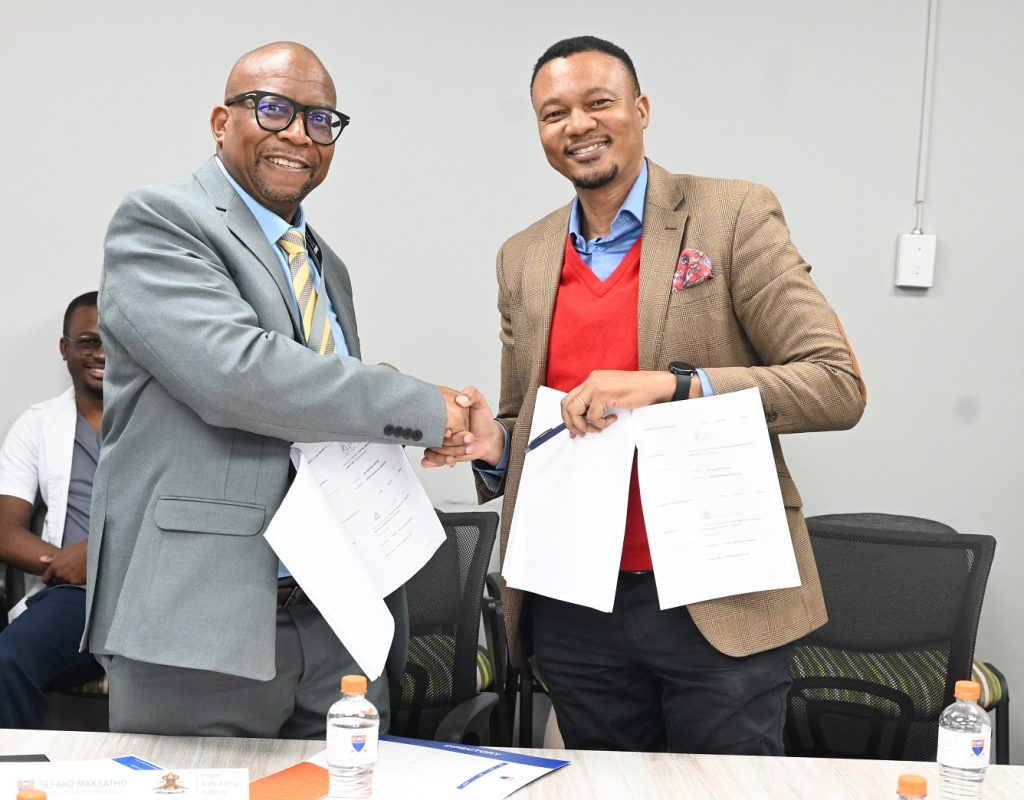 The renewed partnership reinforces a strategic collaboration focused on expanding quality healthcare services, strengthening clinical training opportunities for future healthcare professionals and deepening community engagement initiatives that respond to the evolving health needs of communities served by the Royal Bafokeng Nation. It also aligns with SMU’s mission of transforming health services through excellence, innovation and socially accountable healthcare education.
The renewal discussions were led by the Dean of the SMU School of Medicine, Professor Risenga Chauke, and the Acting Managing Director of the Royal Bafokeng Nation, Mr Obakeng Petwe. The meeting reaffirmed both institutions’ shared vision of building healthier communities through sustainable partnerships that combine education, service delivery and community development.
Discussions centred on practical strategies to extend healthcare services to underserved communities while ensuring that SMU medical students receive high-quality clinical training in real-world healthcare environments. Both institutions agreed that strengthening academic-healthcare partnerships is essential for producing competent healthcare professionals capable of addressing South Africa’s growing healthcare challenges.
Professor Chauke said the renewed agreement reflects SMU’s unwavering commitment to developing healthcare professionals who are equipped to serve communities with compassion, competence and professionalism.
“This partnership demonstrates our shared commitment to improving the health and well-being of communities through collaborative action. By combining our expertise and resources, we are not only expanding access to quality healthcare services but also creating meaningful learning opportunities for our students. Community-centred healthcare remains at the heart of our mission, and this renewed agreement strengthens our ability to make a lasting impact.”
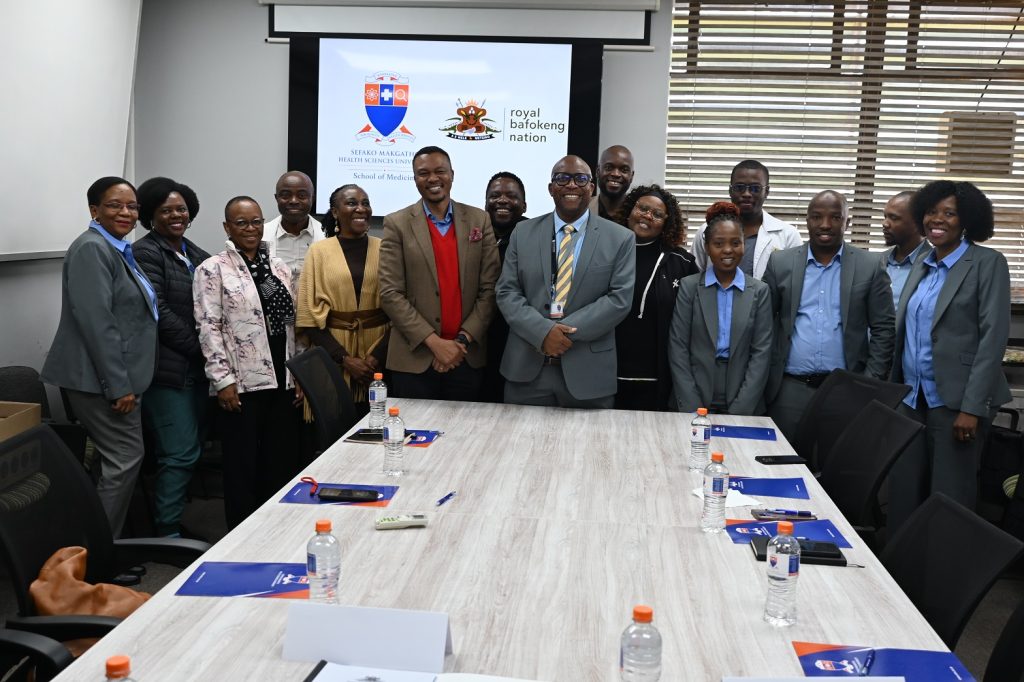 A key priority identified during the discussions was the expansion of primary healthcare services by bringing essential healthcare closer to communities. Both parties agreed that improving access to preventative healthcare, early diagnosis and primary care services is fundamental to reducing health inequalities, improving patient outcomes and strengthening community health over the long term.
The meeting also highlighted the importance of meaningful community engagement that places patients at the centre of healthcare delivery. Future collaboration will include career exhibitions designed to inspire learners to pursue careers in the health sciences, public health awareness campaigns promoting disease prevention and healthy lifestyles, and community-based screening programmes that support the early detection and management of common health conditions.
Recognising the shortage of healthcare professionals in many rural and underserved areas, SMU and the Royal Bafokeng Nation will also explore opportunities to expand specialised medical services into communities where access remains limited. This approach will not only improve healthcare equity but also expose students to diverse clinical environments that strengthen their practical skills, professional confidence and understanding of community healthcare.
The discussions further underscored the importance of maintaining existing and securing additional Health Professions Council of South Africa (HPCSA) accreditation for clinical training platforms. Expanding accredited training sites will ensure compliance with national healthcare education standards, strengthen clinical supervision and create additional placement opportunities for SMU students.
Mr Petwe said the Royal Bafokeng Nation values its longstanding relationship with SMU and remains committed to initiatives that create lasting benefits for local communities.
“Our partnership with Sefako Makgatho Health Sciences University is founded on a shared responsibility to improve the quality of life of our communities. Renewing this agreement enables us to strengthen healthcare services, invest in the development of future healthcare professionals and ensure that our people continue to benefit from accessible, quality healthcare. Together, we are building a sustainable model of community healthcare that will serve future generations.”
The meeting concluded with a mutual commitment to renew the Memorandum of Agreement and continue strengthening collaboration in healthcare delivery, medical education and community engagement. As SMU continues to build strategic partnerships with key stakeholders, the university remains steadfast in its mission of advancing healthcare, producing highly skilled health professionals and driving sustainable solutions that improve the health and well-being of communities across South Africa.
By Dimakatso Modise
by Lorato | Jul 2, 2026 | All News, SMU Media, Student Media
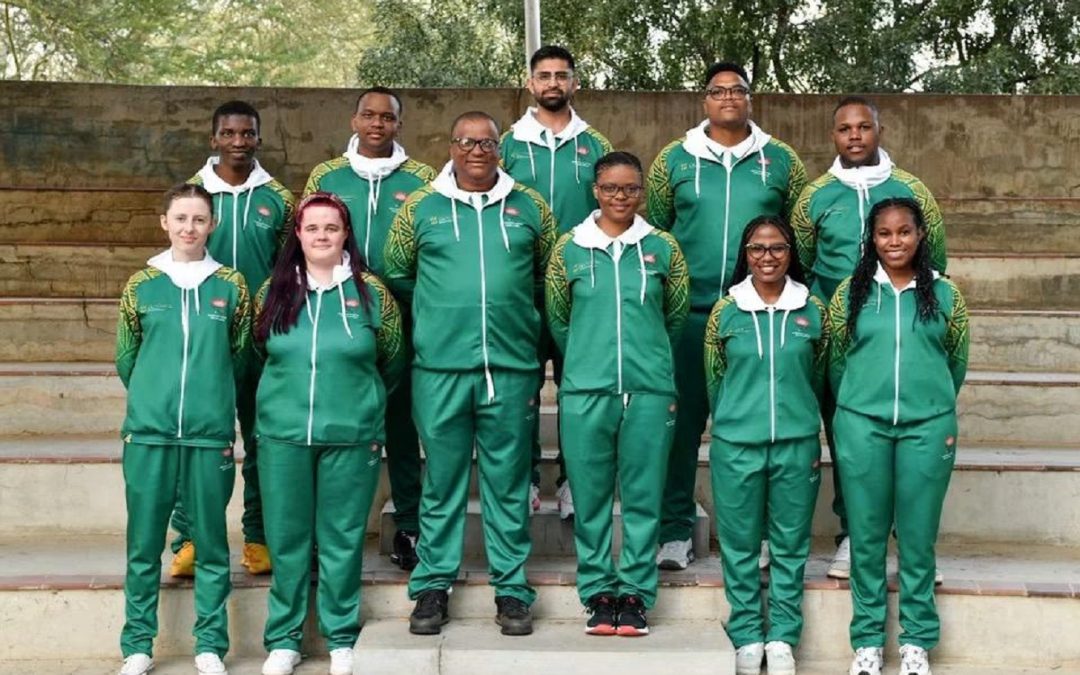
The Sefako Makgatho Health Sciences University (SMU) community is celebrating the appointment of its Head Chess Coach, Johannes Manyedi Mabusela, to the University Sports South Africa (USSA) National Chess Team management for the 2026 Confederation of University Sports and Colleges’ Sports Association (CUCSA) Games.
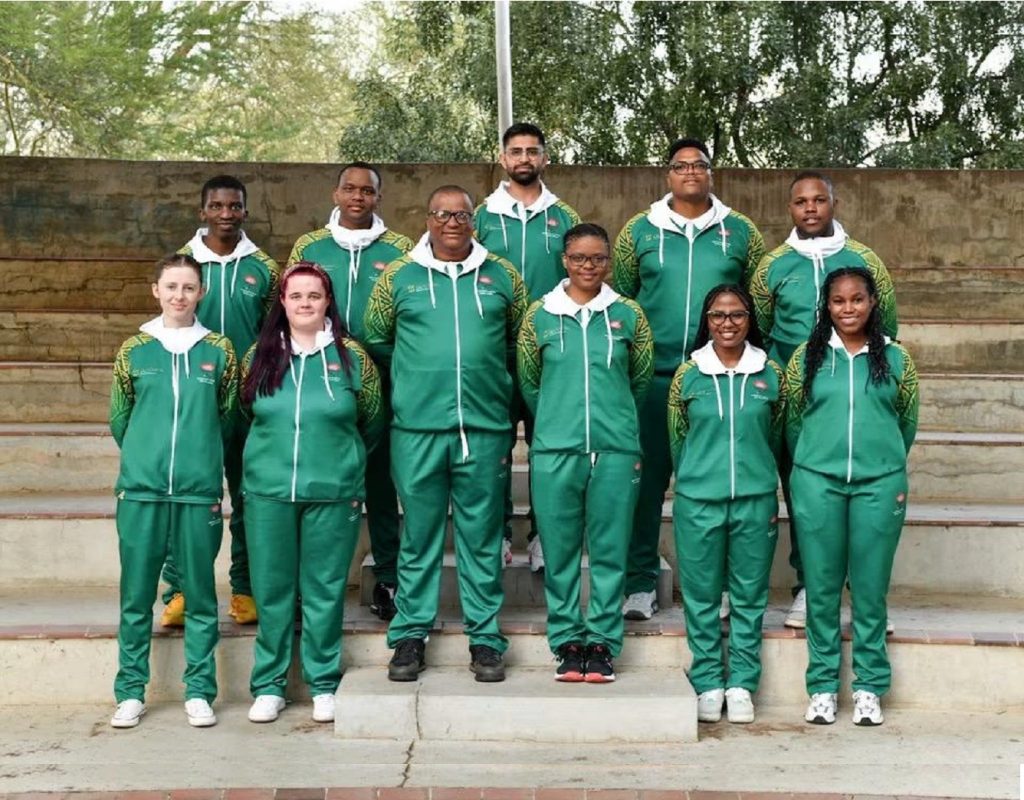 The 2026 CUCSA Games are currently underway in Gaborone, Botswana, from 28 June to 5 July, bringing together the finest university athletes, coaches and officials from across the Southern African region. Coach Mabusela’s appointment marks another significant milestone in a distinguished career that has been defined by excellence, leadership and an unwavering commitment to the development of university chess in South Africa.
Born and raised in Atteridgeville, Pretoria, Mabusela has earned recognition as one of South Africa’s most accomplished chess professionals. His rise to prominence began in 2002 when he claimed the African Junior Chess Championship title in Gaborone, Botswana. Two years later, he achieved the prestigious International Master (IM) title, cementing his place among the country’s elite chess players. Today, he is also a certified FIDE Trainer, combining his competitive experience with a passion for nurturing the next generation of chess talent.
At SMU, Mabusela serves as the Head Coach of the university’s chess team, where he has played a pivotal role in developing student-athletes capable of excelling both academically and competitively. Under his guidance, many students have gained opportunities to compete at national and international tournaments while maintaining strong academic performance.
Reflecting on his appointment, Coach Mabusela expressed gratitude for the opportunity to once again represent South African university sport on the regional stage.
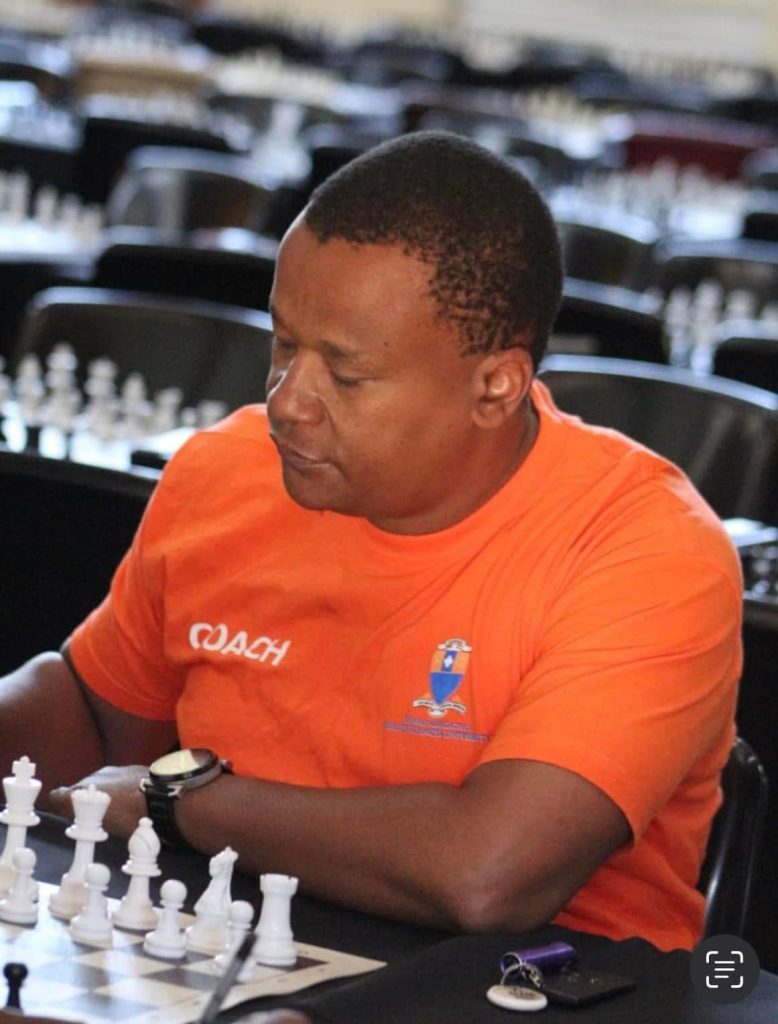 “It is a great honour to be entrusted with this responsibility by University Sports South Africa. Representing our country’s university chess community is a privilege, and I look forward to working with talented student-athletes as we strive for excellence at the CUCSA Games. I am equally grateful to SMU for its continued support in creating an environment where both coaches and students can thrive.”
Beyond his responsibilities at SMU, Mabusela occupies several influential leadership positions within the chess fraternity. He serves as Vice-President and Head Coach of Tshwane Chess, while also chairing the University Sports South Africa Chess National Executive Committee. These roles have enabled him to make a lasting contribution to the strategic growth and governance of chess at both provincial and national levels.
Over the years, Mabusela has represented USSA with distinction, leading South African university chess teams at prestigious international competitions, including the FISU World University Championships and the FISU World Student Games. His wealth of experience continues to strengthen South Africa’s presence on the global university chess stage.
An SMU Sport representative congratulated Mabusela on his latest achievement.
“Coach Johannes Manyedi Mabusela’s appointment is a well-deserved recognition of his exceptional leadership, experience and dedication to developing university chess. His achievements continue to inspire our student-athletes and reinforce SMU’s commitment to sporting excellence. We are immensely proud of his accomplishments and wish him every success as he represents USSA at the 2026 CUCSA Games.”
Mabusela’s appointment further enhances SMU’s reputation as an institution that continues to produce outstanding coaches and student-athletes who excel on regional and international platforms while promoting excellence both on and off the chessboard.
By Rose Moreki
by Lorato | Jul 2, 2026 | Accolades and Achievements, All News, Alumni, SMU Media, Student Media
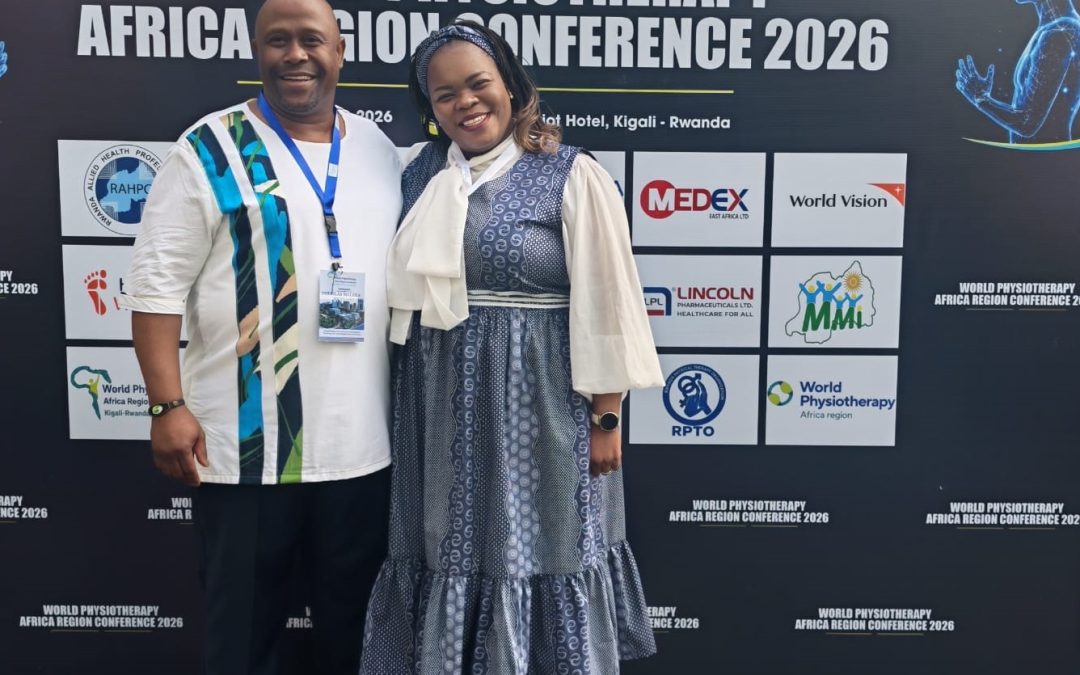
Groundbreaking research by Sefako Makgatho Health Sciences University (SMU) exploring the role of exercise in supporting recovery from Nyaope addiction has earned continental recognition after being showcased at the prestigious World Physiotherapy Africa Region Congress 2026 in Kigali, Rwanda.
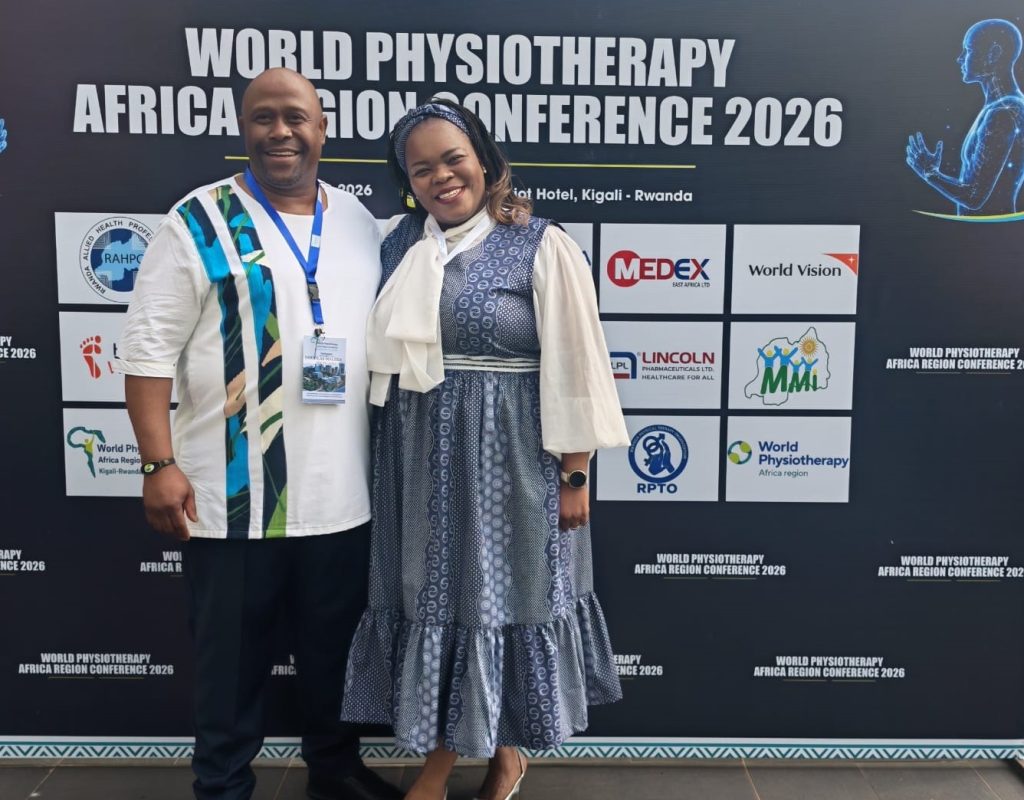 SMU Physiotherapy Lecturer Moitheki Evah Molapisi represented both the University and South Africa at the biennial congress, held recently, where she presented her research poster titled, From Addiction to Action: Restoring Physical Function in Nyaope Recovery through Exercise. She was accompanied by Professor Douglas Maleka, Dean of the School of Healthcare Sciences at SMU and her doctoral research supervisor.
The congress brought together physiotherapists, researchers, clinicians, educators, policymakers and healthcare leaders from across Africa to share knowledge, showcase innovative research and strengthen collaboration aimed at improving rehabilitation services throughout the continent.
Molapisi’s study addresses one of South Africa’s most pressing public health challenges by investigating how structured exercise programmes can enhance the physical functioning, mental well-being and overall quality of life of individuals recovering from Nyaope addiction. Her findings demonstrate that physiotherapy can play a vital role alongside conventional medical treatment and psychosocial support in promoting holistic recovery.
The research found that appropriately designed exercise interventions can significantly improve cardiovascular endurance, muscular strength, functional capacity and social participation, helping individuals rebuild their health, confidence and independence after addiction.
Reflecting on the opportunity to present her work on an international platform, Molapisi described the experience as both professionally rewarding and personally meaningful.
“Representing Sefako Makgatho Health Sciences University and South Africa at the World Physiotherapy Africa Region Congress was both an honour and a privilege. Sharing research that addresses one of our country’s most complex health challenges allowed me to demonstrate how physiotherapy can contribute meaningfully to addiction recovery. It was encouraging to see strong interest from delegates across Africa who recognised the value of exercise as an evidence-based intervention that complements existing rehabilitation programmes.”
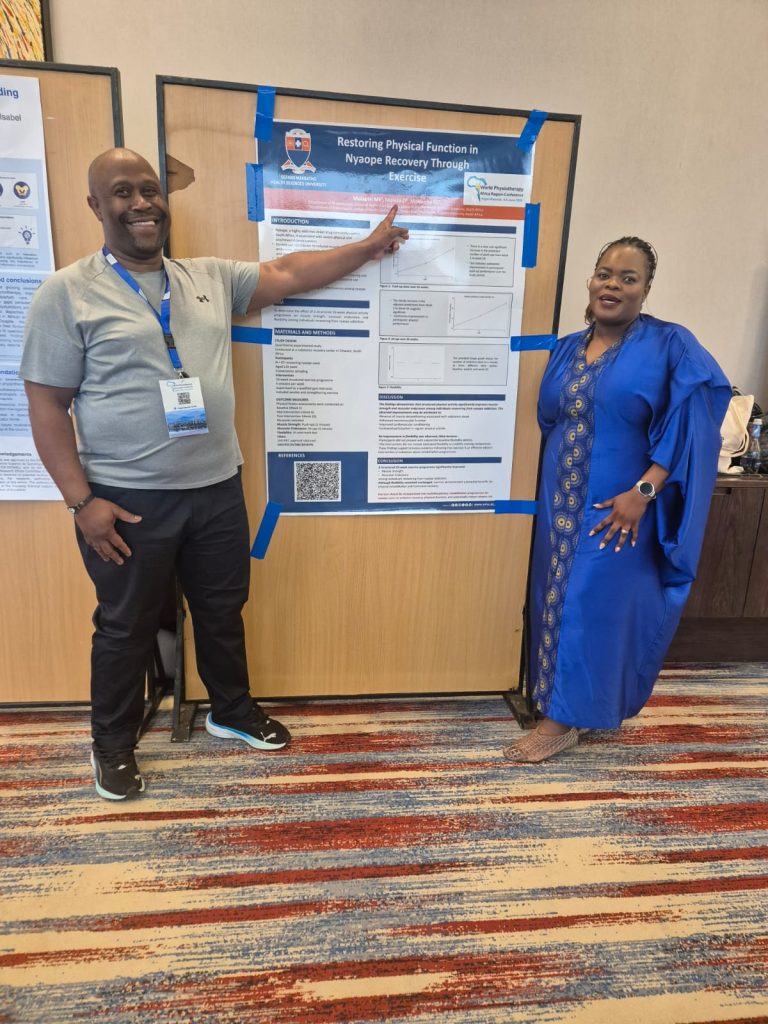 Her presentation generated significant interest among delegates and sparked discussions on the importance of multidisciplinary approaches to addiction rehabilitation. Participants emphasised the growing need to integrate physiotherapy into comprehensive treatment programmes that address both the physical and psychological effects of substance use disorders.
Beyond presenting her research, Molapisi participated in scientific sessions covering neurological rehabilitation, musculoskeletal care, community-based rehabilitation, digital health, leadership, education, workforce development and public health. The congress also created opportunities to engage with leading rehabilitation experts and establish research collaborations across the African continent.
Professor Douglas Maleka said the recognition reflects the quality of scholarship emerging from SMU and the University’s commitment to solving real-world healthcare challenges through impactful research.
“Ms Molapisi’s work exemplifies the type of impactful research that Sefako Makgatho Health Sciences University seeks to produce. By exploring innovative rehabilitation approaches for individuals recovering from substance use disorders, this research contributes not only to physiotherapy practice but also to broader public health interventions. We are proud to see our researchers representing South Africa on international platforms and contributing to scientific knowledge that has the potential to improve lives.”
The congress further highlighted Africa’s growing commitment to strengthening rehabilitation services, expanding research capacity and advancing evidence-based physiotherapy practice.
For Molapisi, the experience reaffirmed the importance of collaboration in addressing Africa’s healthcare priorities.
“This experience has strengthened my commitment to conducting research that translates into meaningful improvements in patient care and community health. It has also inspired future collaborations with colleagues across Africa as we continue exploring innovative rehabilitation strategies for vulnerable populations. Together, we can transform lives by moving people from addiction to action through the power of physiotherapy.”
The presentation further strengthens SMU’s international research profile and underscores the University’s commitment to advancing rehabilitation science, fostering innovation and improving health outcomes for communities in South Africa and across the African continent.
By Dimakatso Modise
by Lorato | Jun 30, 2026 | Accolades and Achievements, All News, Alumni, SMU Media, Student Media
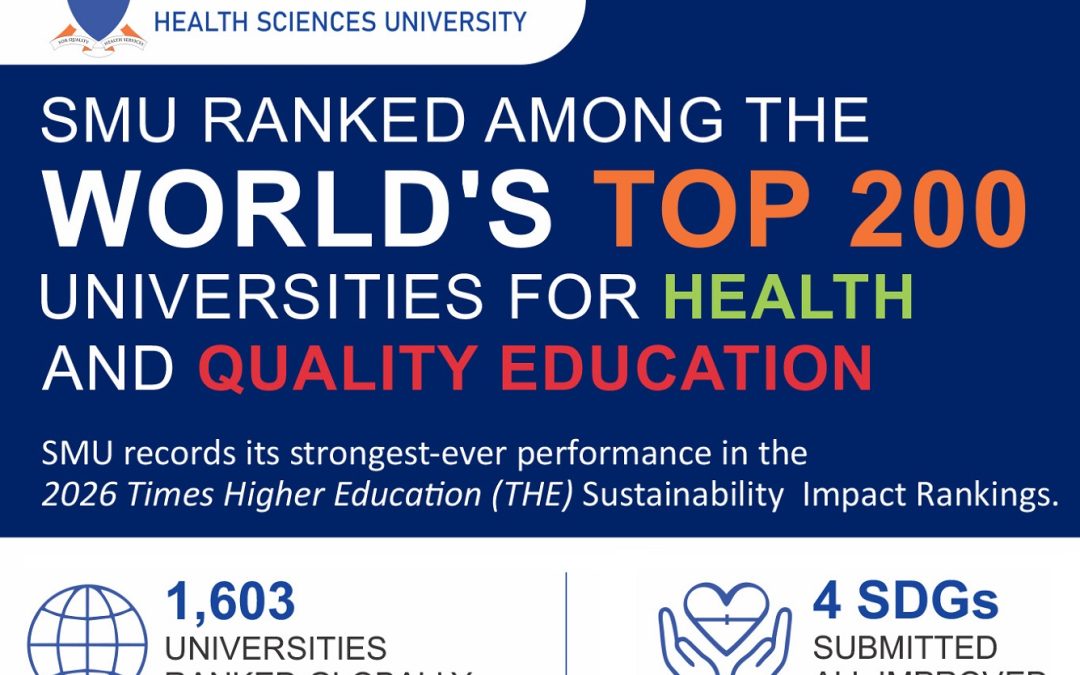
Sefako Makgatho Health Sciences University (SMU) has earned global recognition for its contribution to advancing health and education after being ranked among the world’s Top 200 universities for Good Health and Well-being and Quality Education in the 2026 Times Higher Education (THE) Sustainability Impact Rankings.
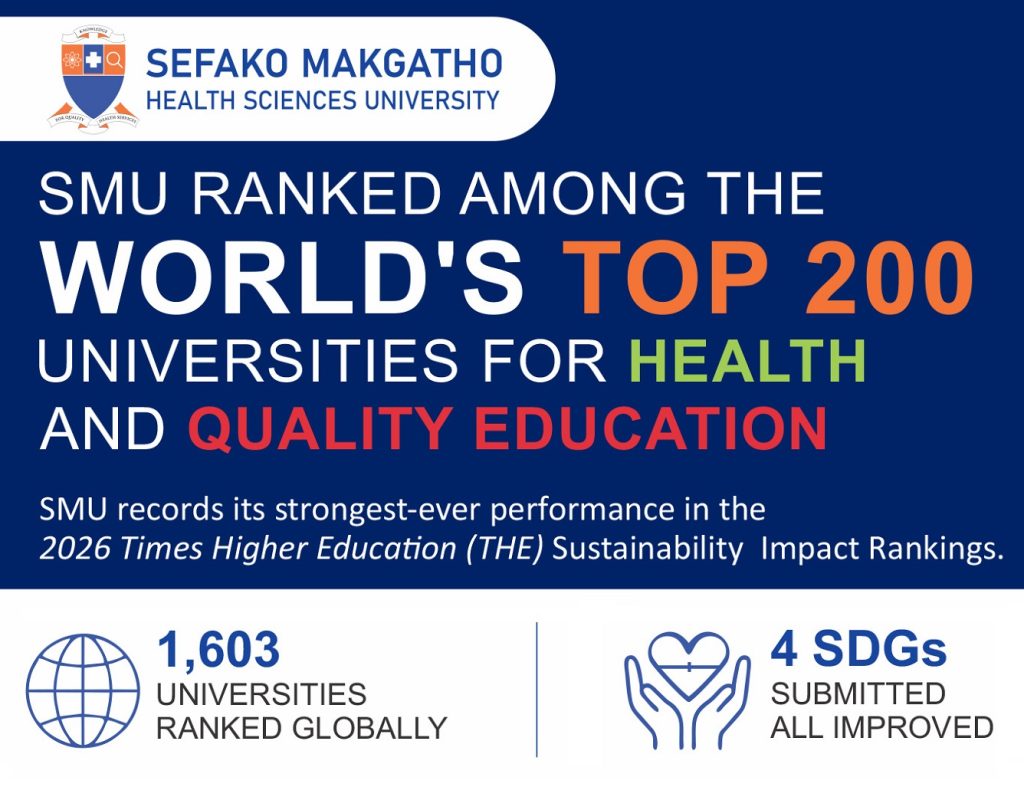 Released on 24 June 2026, the latest rankings mark SMU’s strongest performance to date and affirm its growing global impact in health sciences education and sustainable development. The achievement underscores the university’s rising international reputation for producing healthcare professionals, expanding access to quality education and creating meaningful impact in communities across South Africa and beyond.
SMU also improved its overall global position, advancing from the 1001–1500 band in 2025 to the 801–1000 band in 2026, with every Sustainable Development Goal (SDG) ranked recording an improvement over the previous reporting cycle.
Acting Vice-Chancellor and Principal, Professor Dini Mawela, says the rankings affirm SMU’s commitment to improving lives through health sciences education, research and community impact. “This recognition is an affirmation that our work is making a meaningful difference in society. As a specialised health sciences university, our purpose has always been to educate healthcare professionals, generate knowledge that addresses real-world challenges, and contribute to healthier, more equitable communities.”
Mawela adds: “Being recognised among the world’s Top 200 universities for Good Health and Well-being and Quality Education demonstrates that the impact of our staff, students, researchers, clinicians and partners extends far beyond our campuses. It reflects the collective commitment of the entire SMU community to excellence, innovation and service.”
The THE Sustainability Impact Rankings measure how universities contribute to the United Nations Sustainable Development Goals (SDGs) through teaching, research, stewardship and community engagement. For a specialised health sciences university established just over a decade ago, SMU’s performance demonstrates that focused excellence can compete on the global stage.
The university’s strongest performance was recorded in SDG 3: Good Health and Well-being, recognising its contribution to strengthening healthcare systems through the education of doctors, nurses, pharmacists, dentists and allied health professionals. SMU also achieved a Top 200 global ranking for SDG 4: Quality Education, reflecting its commitment to widening educational access, developing future educators within the health professions and promoting lifelong learning.
 Beyond these milestone achievements, SMU improved across all four SDGs ranked, including Decent Work and Economic Growth (SDG 8) and Partnerships for the Goals (SDG 17), while increasing its overall score to 59.7 out of 100—its highest Sustainability Impact Rating to date.
Dr Carlien Jooste, Director: Internationalisation, says the rankings provide more than international recognition. “The THE Sustainability Rankings provide SMU with a valuable global benchmark that helps us measure our progress, identify areas for improvement, and strengthen our commitment to academic excellence and growth. The process encourages continuous reflection and innovation, ultimately helping us deliver a better experience for our students, staff and broader community.”
The achievement reflects SMU’s sustained investment in producing highly skilled healthcare professionals, advancing research that addresses national and global health priorities, strengthening partnerships and expanding educational opportunities that improve lives. It also reinforces the university’s vision of becoming a leading African health sciences university distinguished by excellence in teaching, research, innovation and community engagement.
Acting Director: Advancement and Communications, Tshimangadzo Mphaphuli, says the results provide an important opportunity to strengthen the University’s international reputation. “Independent global rankings provide credible evidence of institutional excellence. These results tell a powerful story of improved performance and a university whose impact is increasingly being recognised on the international stage,” she explains.
“For our students, alumni, staff, partners and prospective students, this achievement reinforces confidence that SMU is delivering education and research that matters globally while remaining deeply committed to addressing South Africa’s healthcare priorities. It is a story of purpose, progress and growing international recognition,” adds Mphaphuli.
As the world increasingly looks to universities to address society’s most pressing challenges, SMU’s latest global recognition affirms that its greatest contribution is not simply its ranking, but the lives it changes. From educating the next generation of healthcare professionals to advancing research that transforms communities, SMU continues to demonstrate that purpose-driven excellence can achieve global impact.
by Lorato | Jun 25, 2026 | All News, Alumni, SMU Media, Student Media
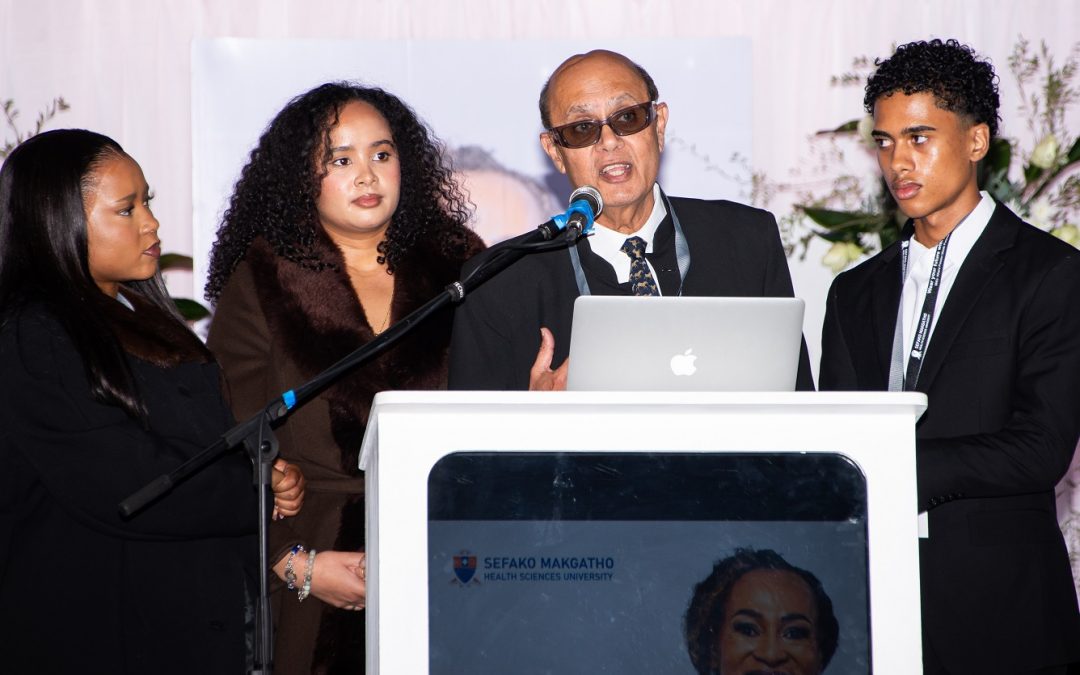
On Wednesday, 24 June 2026, the Sefako Makgatho Health Sciences University (SMU) community, joined by leaders from higher education, government, the health sector, and partner institutions, gathered at the SMU Sports Complex for a memorial service honouring the life and legacy of Vice-Chancellor and Principal, Professor Tandi Matsha-Erasmus. A profound sense of reflection and collective gratitude marked the occasion as mourners paid tribute to a pioneering academic leader, renowned researcher, and the University’s first female Vice-Chancellor, whose vision, leadership, and service left an enduring mark on both the institution and South Africa’s higher education landscape.
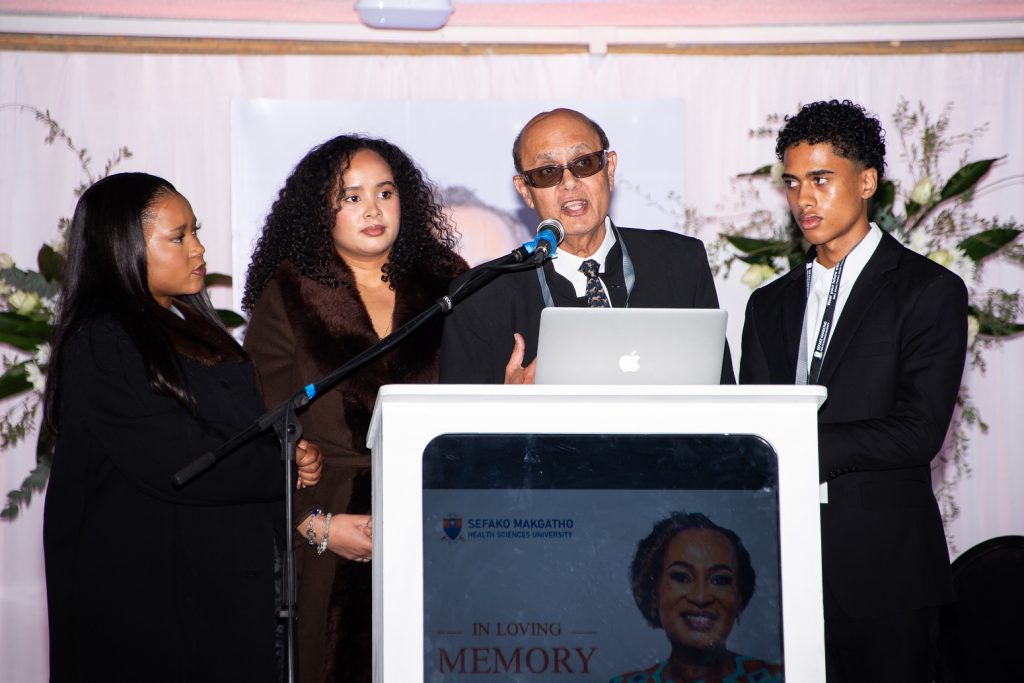 The memorial service brought together staff, students, alumni, family members, friends, and national and international stakeholders in a solemn yet celebratory atmosphere. It was a moment defined not only by grief but also by deep appreciation for a life marked by intellectual excellence, scientific contribution, and transformative leadership in higher education.
Opening the service, Acting Vice-Chancellor of SMU, Professor Dini Mawela, paid tribute to Matsha-Erasmus as a visionary leader whose impact is permanently embedded in the university’s identity and trajectory. “We are not only gathered to mourn a loss, but to honour a legacy that continues to define who we are as a university,” said Mawela.
She reflected on Matsha-Erasmus’ pivotal role in shaping SMU during its formative years, noting that her leadership provided stability, direction, and an uncompromising commitment to excellence.
“Professor Matsha-Erasmus led with conviction and quiet strength. She carried this institution with a sense of purpose that never wavered, even in the most challenging moments,” she said. Mawela emphasised that the late Vice-Chancellor set exceptional academic and institutional standards that continue to guide the university.
“She reminded us that building a university is not about structures alone, but about people, values and a shared commitment to excellence. Those standards remain our responsibility to uphold,” she added.
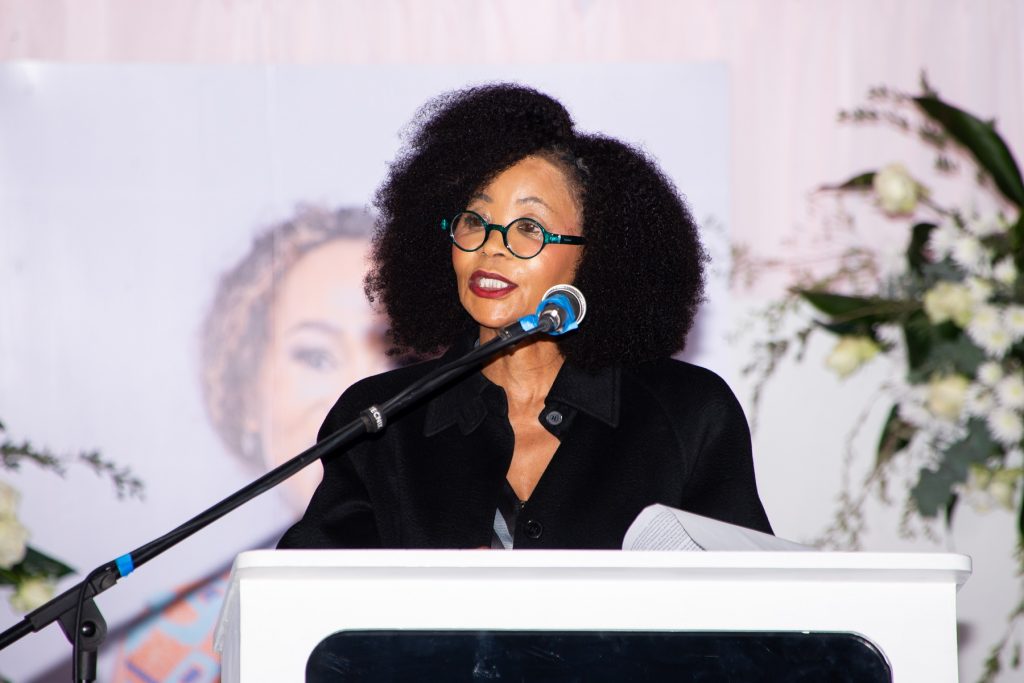 SMU Chancellor, Dr Penny Moumakwa, described her as a principled and resilient leader who ensured institutional stability while advancing a long-term vision for the university’s growth and sustainability.
The University Council acknowledged her strong governance leadership, highlighting her commitment to transformation, accountability, and institutional development. A distinguished scholar and internationally respected researcher, Matsha-Erasmus supervised and mentored more than 60 postgraduate and postdoctoral researchers, including honours, master’s, doctoral, and postdoctoral students—leaving a generational academic footprint across the health sciences field.
Her scholarly contribution was equally remarkable. She published over 180 peer-reviewed scientific papers, which have collectively received more than 43,000 citations, positioning her as a leading voice in cardiometabolic and vascular health research.
Beyond SMU, her research leadership extended across institutions. According to her husband, Emeritus Professor Rajiv Erasmus, she established the Vascular and Metabolic Health Study and the MRC Research Unit on Cardiometabolic Health at the Cape Peninsula University of Technology, strengthening South Africa’s research capacity in chronic disease and metabolic health.
Sectoral and stakeholder tributes further reflected her far-reaching influence. Universities South Africa (USAf), represented by CEO Dr Phethiwe Matutu, recognised her contribution to strengthening collaboration within the national higher education system. The University of Limpopo, represented by Vice-Chancellor Dr Jeffery Mabelebele, described her as a respected colleague whose collegial spirit strengthened institutional partnerships and advanced cross-university collaboration.
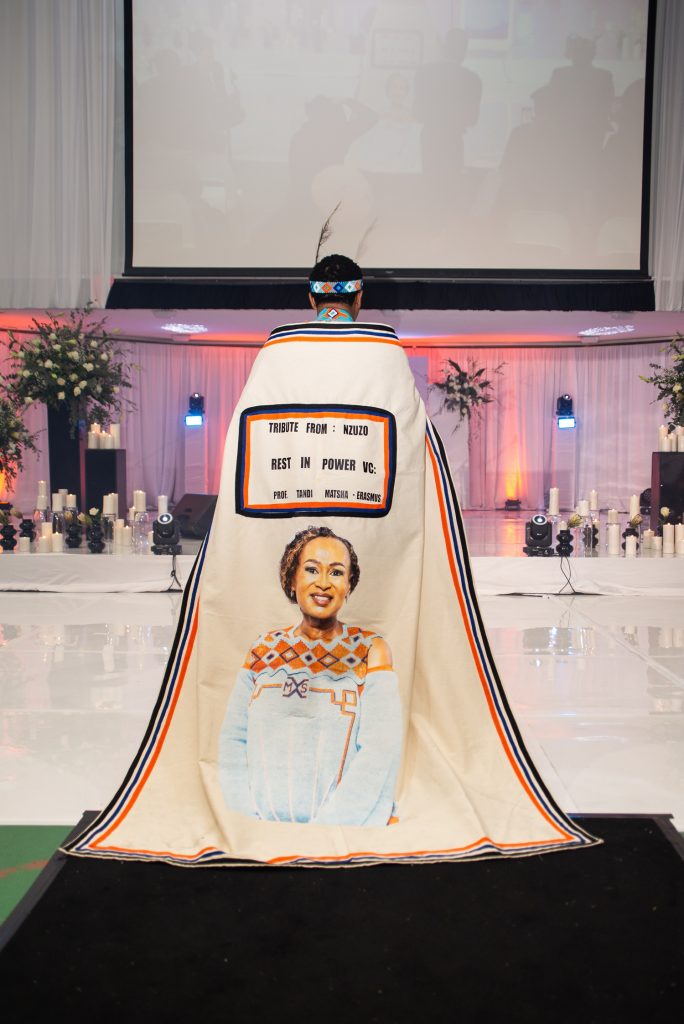 International tributes from Universidade Wutivi (UniTiva), delivered by Vice-Chancellor Dr Domingos Tivane, highlighted her role in advancing African academic cooperation. The Department of Higher Education and Training acknowledged her contribution to policy engagement and sector development.
The SMU Senate tribute, delivered by Professor Risenga Chauke, honoured her dedication to academic excellence and research advancement. The Institutional Forum, represented by Dr Abongile Bele, reflected on her inclusive leadership style and her commitment to participatory governance.
A deeply moving family tribute was delivered by Emeritus Professor Rajiv Erasmus, husband of Professor Tandi Matsha-Erasmus, who offered a personal reflection on her life beyond academia. “She was full of life,” he said, describing her as a woman of warmth, strength, humour, and deep devotion to family.
“To many, she was a Vice-Chancellor, a leader and a trailblazer. To us, she was a loving wife, mother, grandmother and the heart of our family.” His words revealed a deeply personal dimension of a leader widely admired in academia, leaving a lasting impression on all who attended.
Across all tributes, a consistent narrative emerged: the late VC was a transformational leader whose legacy is defined by both institutional impact and scientific excellence. Her contributions to research, mentorship, and higher education leadership continue to shape disciplines and institutions far beyond SMU.
As the university moves forward, her legacy remains firmly embedded in its identity, culture, and future direction. The foundations she built continue to guide SMU’s pursuit of excellence, innovation, and global relevance.
The Sefako Makgatho Health Sciences University extends its deepest gratitude to all who participated in the memorial service and to those who continue to honour her life and legacy. Professor Tandi Matsha-Erasmus leaves behind a legacy defined not only by leadership but also by knowledge, humanity, and an enduring contribution to science and society.
By Dimakatso Modise
