
SEA2026

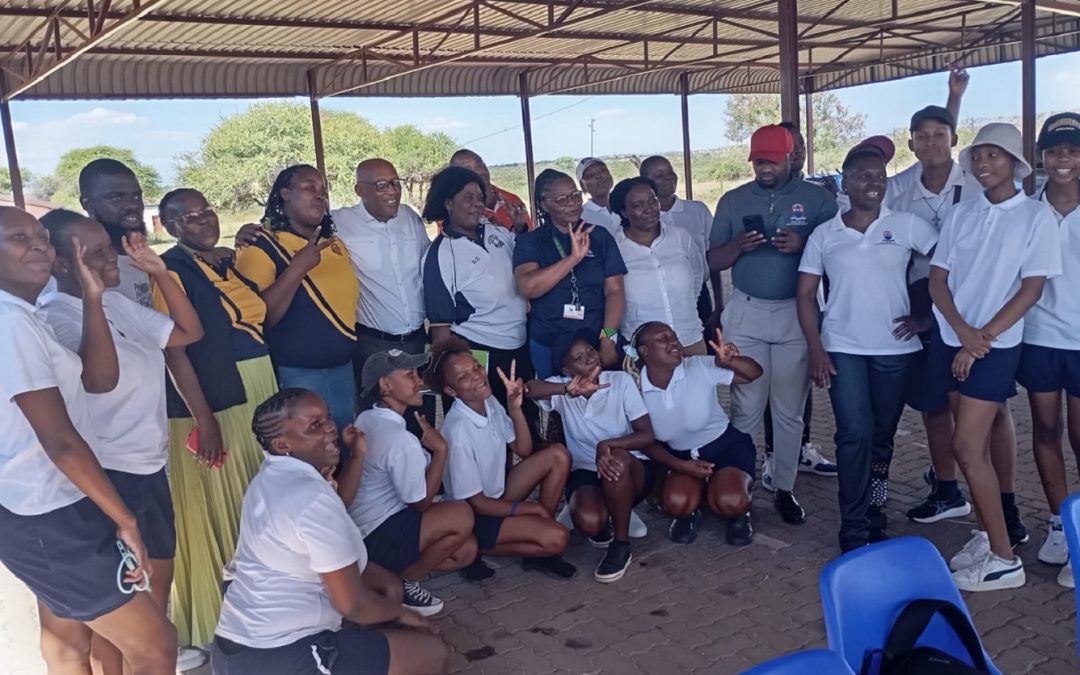
Sefako Makgatho Health Sciences University (SMU) has intensified its collaboration with Diphetogo Secondary School, transforming what began as outreach into a structured, multi-departmental development strategy. The first visit of the year took place recently, marking the continuation of a partnership designed to strengthen literacy, academic performance and holistic learner growth.
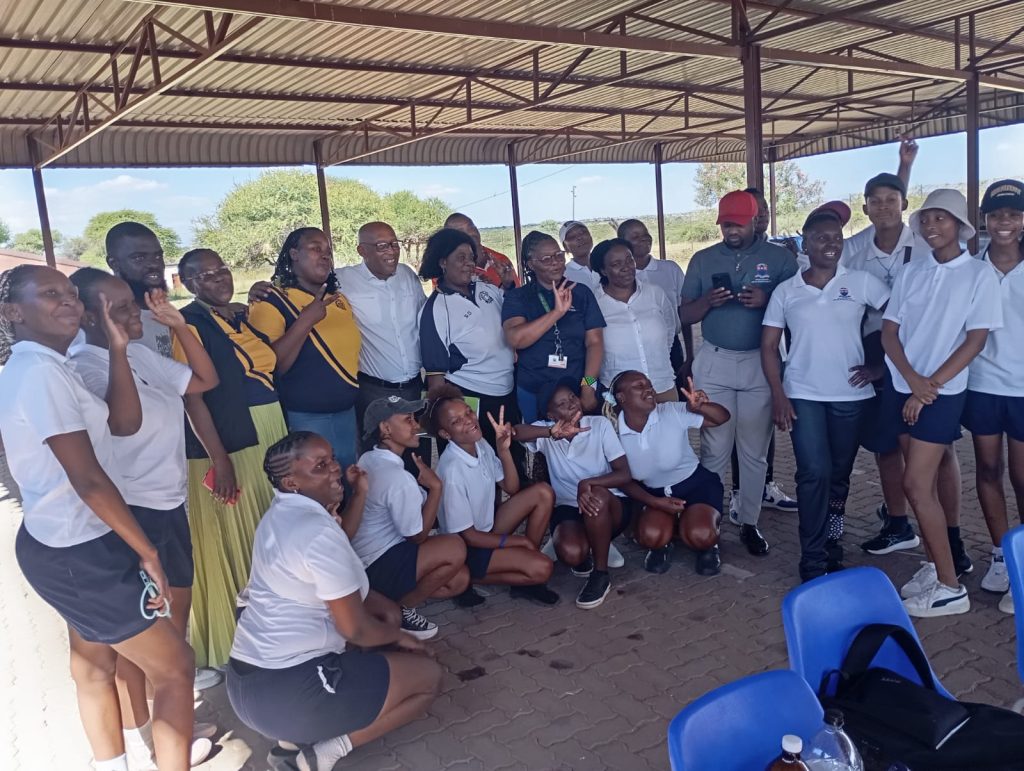 Sixteen second-year Physiotherapy students joined staff from the Departments of Physiotherapy, Academic Literacy, and Library and Information Services — a coordinated team with one objective: deliver measurable, sustainable impact.
The mission is direct and disciplined:
Geoffrey Nkgadima from the Academic Literacy Department explained: “If we strengthen reading and comprehension early, we change academic trajectories. This is about long-term progress, not short-term optics.”
The school has committed to co-managing the development of its library space, sourcing quotations and ensuring transparency in resource allocation. For Mmakgoshi Reetseng from Library and Information Services, the approach is deliberate. “We are not donating books and walking away. We are building systems that the school can sustain.”
Academic excellence alone is not enough. The Diphetogo Mission integrates physical and cognitive development through structured sport and recreation. Learners are actively participating in soccer, netball, skipping rope, drum majorettes and chess — activities designed to cultivate discipline, teamwork and resilience.
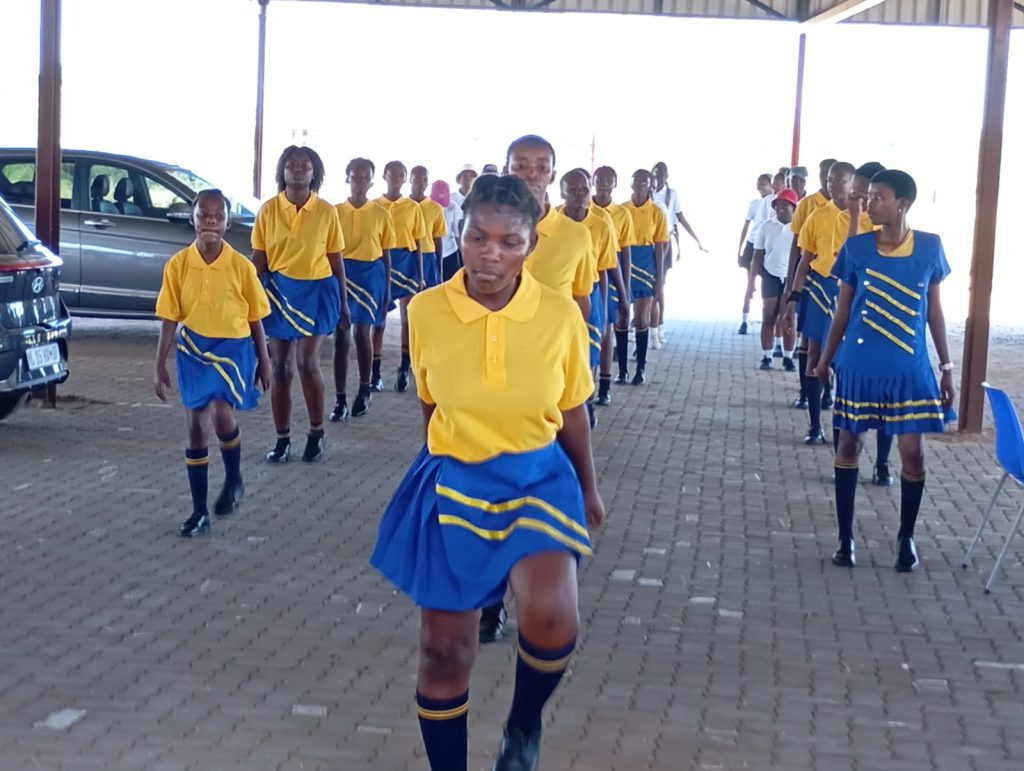 Ntombenkosi Sobantu of the Physiotherapy Department, who chairs the project, emphasised the broader vision: “Physical movement strengthens mental focus. When learners engage in sport, we see confidence grow. That confidence translates into the classroom.”
Second-year Physiotherapy student Xitshembhiso Baloyi described the experience as transformative. “You realise community engagement is not theory. It is a responsibility. When we assist learners with posture, movement or simple exercises, we are investing in their future.”
The partnership also confronts structural realities. Donated materials, including wooden doors and windows, are being assessed as potential fundraising resources for the school. Solutions are evaluated collectively to ensure safety, practicality and alignment with the school’s needs.
SMU and Diphetogo are building a replicable model for sustainable school support. The project team is inviting broader departmental participation — from tutoring and mentorship to health promotion, research collaboration and infrastructure support. Addressing fellow academics and professionals, Reetseng said, “If you are asking how your expertise can make a difference beyond campus, this is your answer. Partner with us. Bring your discipline into the community.”
Scheduled visits throughout 2026 will monitor progress, refine strategy and culminate in a celebration of milestones achieved. This is not an outreach box ticked for compliance. It is a sustained investment in literacy, dignity and opportunity.
As Sobantu concluded, “Community engagement is not an event. It is a commitment. And we intend to honour it.” In 2026, the Diphetogo Mission is no longer an initiative. It is in motion.
By Tumelo Moila
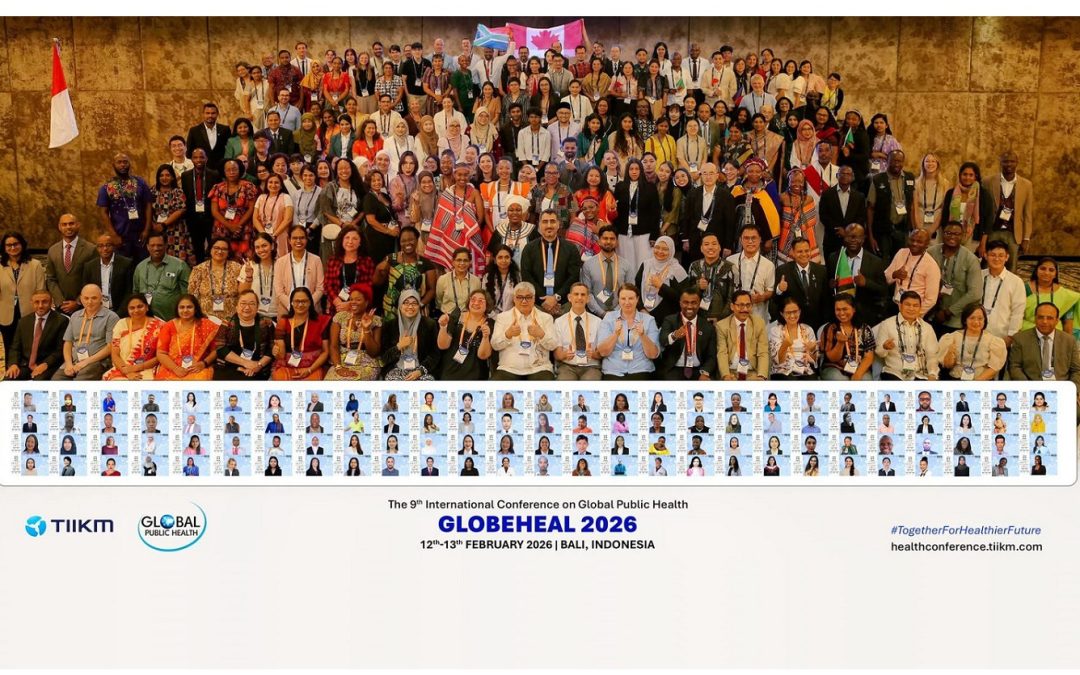
Sefako Makgatho Health Sciences University did not attend GLOBEHEAL 2026 to observe. It arrived to lead. Within two days, its academics delivered plenaries, chaired critical debates and secured top awards, confirming SMU as a serious global force in public health. Hosted in partnership with The International Institute of Knowledge Management, the 9th Global Public Health Conference convened leading scholars and practitioners from across the world. SMU’s presence was decisive, visible and influential.
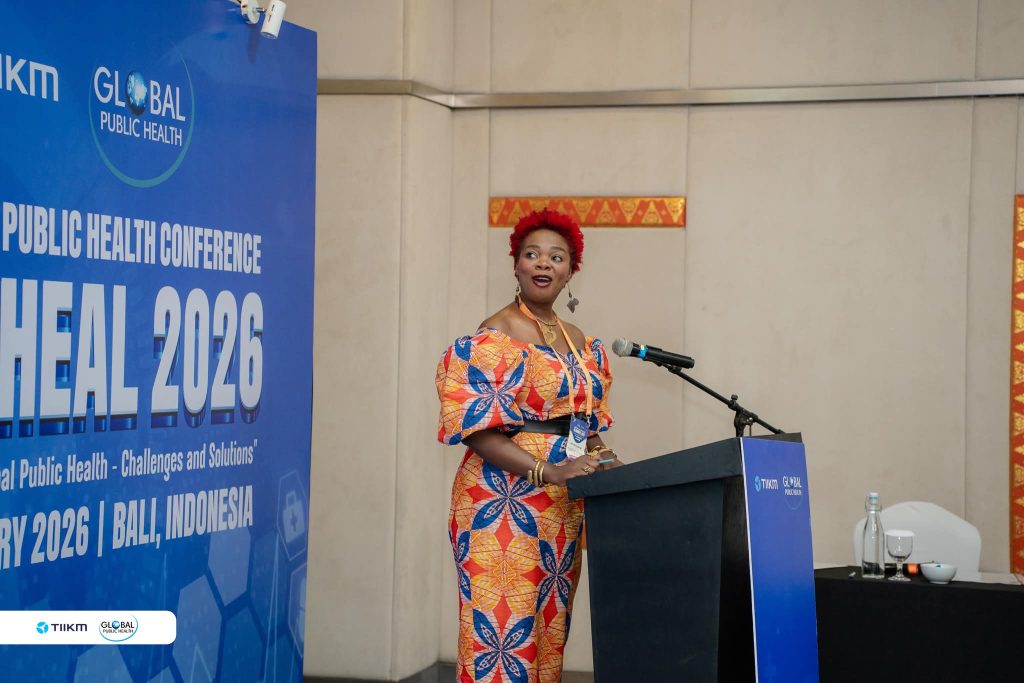 Professor Martha Chadyiwa, Professor of Public Health, and Professor Olanrewaju Oladimeji, Professor of Public Health and Researcher, were invited as Plenary Speakers, a distinction reserved for recognised thought leaders. Their invitation sent a clear message: SMU scholarship commands international respect. “Being invited to deliver a plenary address at a conference of this calibre reflects the strength of our research and its relevance to global health priorities,” said Professor Chadyiwa. “SMU contributes solutions, not noise.”
Professor Chadyiwa also chaired a high-level session on research innovation and health systems strengthening, steering robust dialogue that challenged assumptions and sharpened policy thinking.
Professor Oladimeji described the engagement as strategic. “Global platforms like GLOBEHEAL are where partnerships are forged, and ideas are stress-tested. We are here to shape the agenda.”
SMU’s delegation advanced research with precision and purpose:
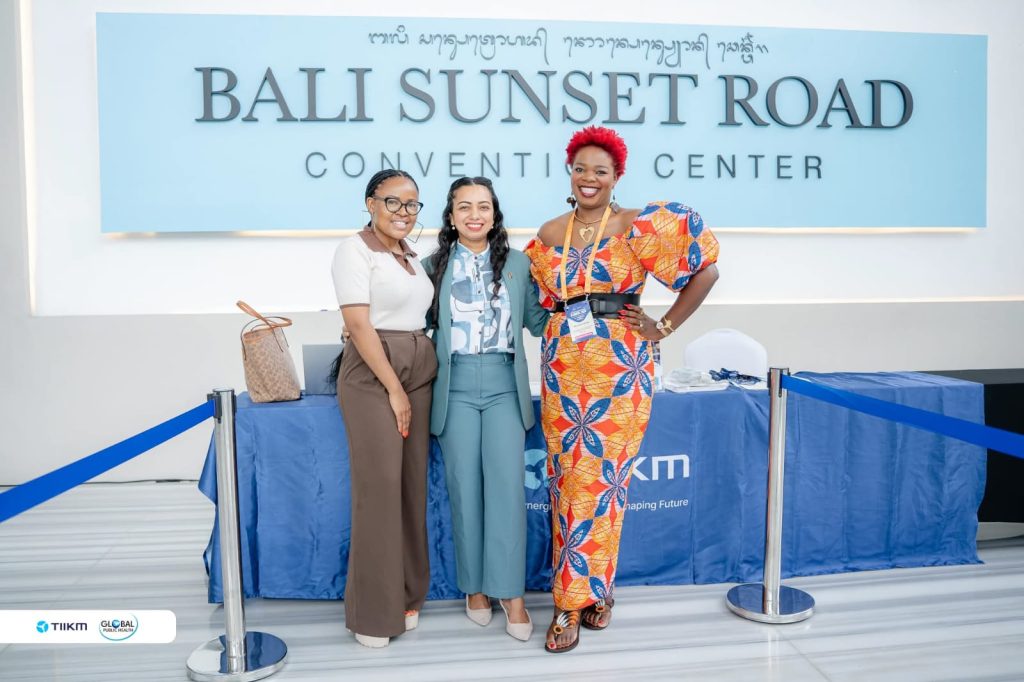 Each presentation tackled a pressing systems problem: access, data intelligence and resilience. The message was consistent regarding public health reform, which must be evidence-led and community-driven.
Evah Molapisi, a PhD candidate in Public Health at SMU and emerging researcher, secured the Session Best Presenter Award for “Exercise as Medicine: Improving Cardiovascular Endurance and Global Function in Nyaope Recovery”. She received an official award certificate, formal recognition during the closing ceremony, and consideration for publication in the conference proceedings. “This recognition affirms the calibre of mentorship and academic training at SMU,” said Molapisi. “It strengthens our resolve to produce research that improves access for vulnerable communities.”
Tebogo Shivuri, a Master of Public Health graduate, won first prize for poster presentation for his research on perinatal depression among HIV-positive women. His award included a certificate, commemorative trophy and formal recognition before international delegates. “Our research highlights the urgent need to integrate mental health screening into routine maternal HIV care,” said Shivuri. “The evidence is clear. The time to act is now.”
These achievements underscore a research culture built on clarity, rigour and urgency. Stronger, clearer, sharper: SMU has built a research engine that converts evidence into influence. GLOBEHEAL 2026 confirmed what partners and policymakers increasingly recognise SMU’s active participation in global public health conversations. As Professor Chadyiwa concluded: “When SMU steps onto the global stage, we do so with confidence and with solutions.”
By Tumelo Moila