
by Lorato | May 27, 2026 | All News, Alumni, SMU Media, Student Media
A groundbreaking cancer research study by Sefako Makgatho Health Sciences University academic Dr Mmei Cheryl Motshudi is positioning African medicinal plant research at the forefront of innovative cancer treatment discovery, following her graduation with a PhD in Botany during the university’s recent autumn graduation ceremony.
 Dr Motshudi, a lecturer in the Department of Biology and Environmental Sciences, completed her doctoral research titled Integration of multi-omics approaches with in silico analysis for novel therapeutic target discovery: Focus on neuroblastomas as a model. Her study explored new therapeutic strategies for neuroblastoma, an aggressive paediatric cancer that remains one of the leading causes of cancer-related deaths among children worldwide.
Conducted through collaborative partnerships with institutions including Rhodes University, Inqaba Biotechnologies and Universitas Tadulako, the research combined transcriptomics, plant metabolomics, computational modelling, and laboratory validation to identify plant-derived compounds with anti-neuroblastoma potential.
The study focused on medicinal plants such as Acorus calamus and Lippia javanica, both recognised for their traditional medicinal value. Dr Motshudi’s findings revealed promising therapeutic compounds capable of targeting stress-adaptive signalling and redox metabolism pathways linked to tumour survival and treatment resistance.
Among the compounds identified, Amino(1H-indol-2-yl) acetic acid emerged as the strongest lead candidate due to its significant anti-neuroblastoma activity and stable molecular interactions with key therapeutic targets.
Reflecting on the achievement, Dr Motshudi said the completion of her doctorate represented years of dedication and a commitment to advancing scientific innovation rooted in African biodiversity.
“This research demonstrates the potential of integrating advanced multi-omics technologies with indigenous medicinal plant knowledge to address critical global health challenges,” she said.
“I remain passionate about contributing towards translational cancer research that can ultimately improve treatment outcomes, particularly in low- and middle-income settings where survival rates remain poor.”
She added that the multidisciplinary nature of the study strengthened both her scientific expertise and leadership capabilities.
 “The study allowed me to collaborate with leading academic and research institutions locally and internationally. It reinforced the importance of innovation, collaboration, and scientific excellence in addressing complex diseases such as neuroblastoma,” said Dr Motshudi.
Her doctoral study received funding support from the National Research Foundation through the DSI-NRF Full Cost of Study funding programme, as well as the prestigious Sibusiso Bengu Development Grant.
Beyond her research achievements, Dr Motshudi has spent nearly five years lecturing within the Bachelor of Science Extended Curriculum Programme at SMU, where she teaches Biology and mentors students enrolled in the MBIB000: Introduction to Life Science Studies module. Her responsibilities include curriculum support, practical supervision, academic administration, and student consultations aimed at strengthening scientific learning and academic success.
She has also contributed extensively to community engagement and science outreach initiatives, including environmental awareness programmes, science demonstrations for school learners, and postgraduate student mentorship.
Dr Motshudi has authored and co-authored several peer-reviewed scientific publications spanning metabolomics, medicinal plants, virology, environmental biology, and cancer research, further establishing her growing contribution to biological and biomedical sciences.
Her achievement reflects SMU’s continued commitment to research excellence, innovation, and the advancement of health and scientific knowledge. Through pioneering scientific discovery, academic development, and transformative health sciences education, the university continues to strengthen its position as a leading institution dedicated to improving healthcare outcomes and advancing impactful research for communities in South Africa and beyond.
By Tumelo Moila
by Lorato | May 20, 2026 | Accolades and Achievements, All News, Alumni, SMU Media, Student Media
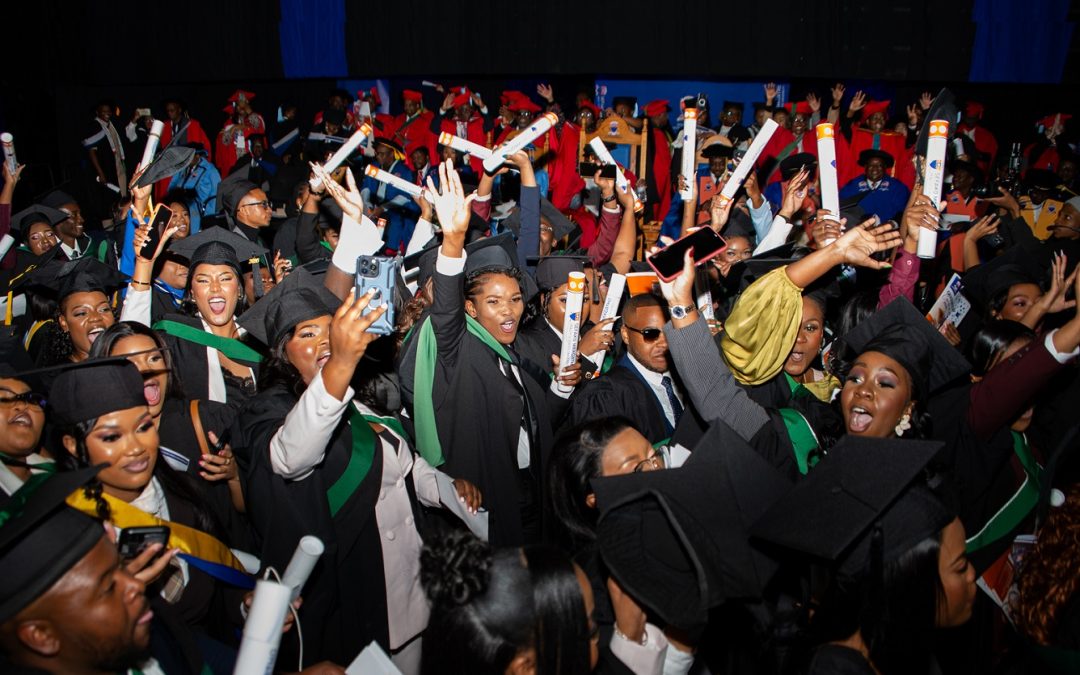
Sefako Makgatho Health Sciences University (SMU) has conferred qualifications on a record 1 525 graduates during its 2026 Autumn Graduation Ceremonies, marking the highest number of graduates in the institution’s autumn graduation cycle and reinforcing its growing role in strengthening South Africa’s health sciences sector.
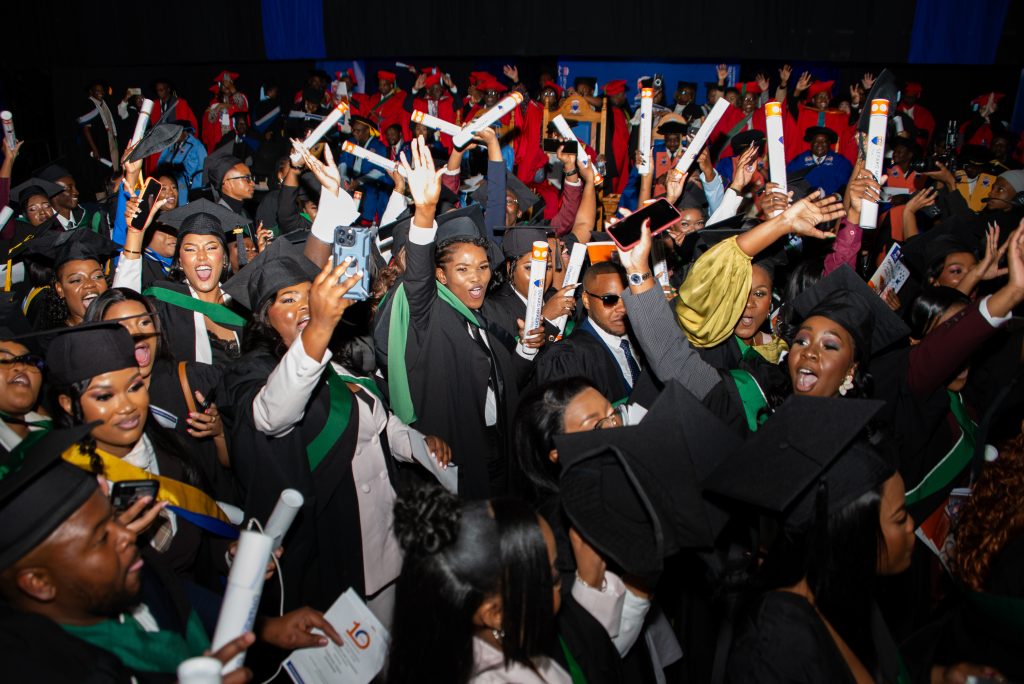 Held over three days at the university’s sports complex, the ceremonies celebrated academic achievement across all five schools of the institution, including the School of Dentistry, School of Health Care Sciences, School of Medicine, School of Pharmacy, and School of Science and Technology. The milestone reflects SMU’s continued commitment to producing healthcare professionals, scientists, researchers and innovators equipped to contribute meaningfully to national development and the advancement of the African continent.
Of the 1 525 graduates, 1 033 (67.7%) received undergraduate qualifications, while 492 (32.3%) graduated with postgraduate qualifications. The postgraduate cohort included 122 Postgraduate Diploma recipients, 188 Honours graduates, 168 Master’s graduates and fourteen doctoral candidates who were awarded Doctor of Philosophy (PhD) degrees.
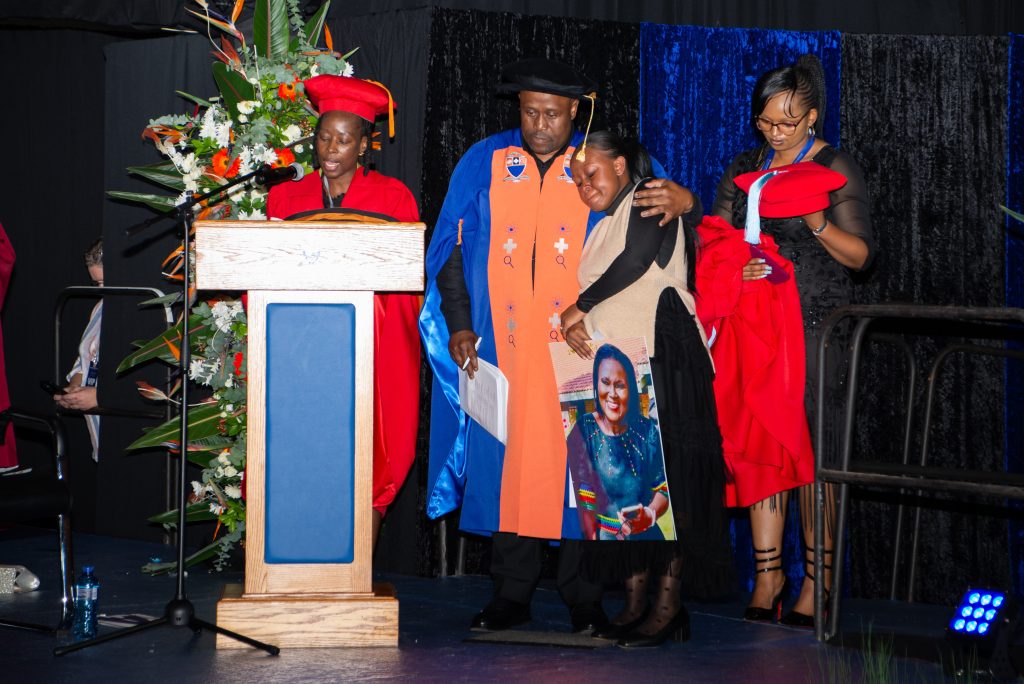 A deeply emotional moment during the ceremonies was the posthumous conferment of a Doctor of Philosophy in Nursing to the late Moroti Elizabeth Mahlangu. The qualification was accepted on her behalf by her daughter, SMU alumna Dr Busi Msikinya, née Mahlangu.
“Receiving this degree on behalf of my mother is both heartbreaking and inspiring,” said Dr Msikinya. “She dedicated her life to nursing, education and uplifting communities through healthcare. This achievement is a reminder that perseverance, sacrifice and purpose can leave a lasting legacy for future generations.”
The graduating class also reflects the University’s ongoing commitment to transformation and widening access to higher education. African graduates constituted 1 444 graduates, representing 94.6% of the cohort, while the class included ten Coloured graduates, 24 Indian graduates and 47 White graduates. Women continued to dominate the graduating cohort, with 1 052 graduates, accounting for 69% of all graduates.
A standout feature of the 2026 Autumn Graduation Ceremonies was the success of SMU’s Extended Curriculum Programme (ECP), which supports students from diverse educational backgrounds in accessing and succeeding in higher education. This year, 153 undergraduate students who entered the University through the programme graduated, highlighting the impact of SMU’s academic support and student development initiatives.
Benedict Masenamela, Senior Officer: Alumni Coordination at Sefako Makgatho Health Sciences University, said the graduation ceremonies reflected the University’s growing impact in transforming lives and strengthening the country’s healthcare and science & technology workforce.
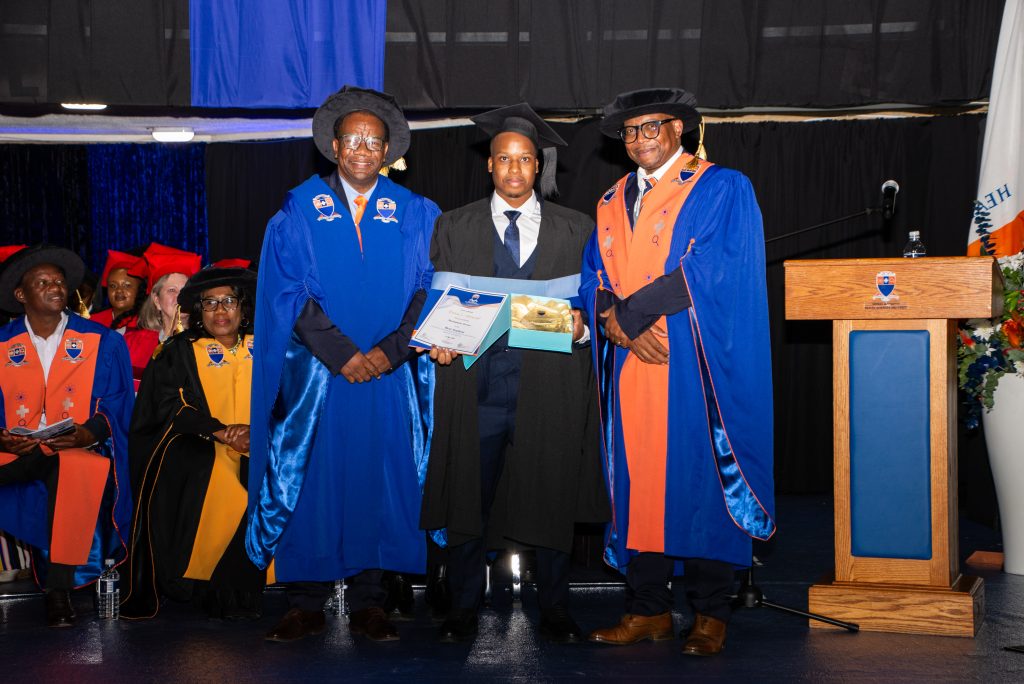 “Every graduate represents a story of resilience, determination and hope. As SMU, we take pride in producing professionals who are not only academically equipped, but who also embody compassion, leadership and a commitment to serving communities across South Africa and the continent,” Masenamela said.
The ceremonies also celebrated academic excellence, with 64 graduates receiving summa cum laude distinctions in recognition of exceptional academic performance. Among them was Bachelor of Medicine and Bachelor of Surgery graduate Trevor Mashabela, who also received the School of Medicine Dean’s Award.
“This achievement represents years of discipline, sacrifice and support from my family, lecturers and peers,” said Mashabela. “SMU gave me the opportunity to grow academically and personally, and I am proud to join a generation of healthcare professionals committed to serving communities with excellence and compassion.”
According to the graduation statistics, the School of Medicine produced the highest number of graduates at 497, followed by the School of Health Care Sciences with 383 graduates and the School of Science and Technology with 366 graduates. The School of Dentistry produced 144 graduates, while the School of Pharmacy conferred qualifications on 135 graduates.
The record-breaking graduation ceremonies reaffirm SMU’s position as a leading institution in health sciences education, research, innovation and community engagement. Through the graduation of professionals across healthcare, science and technology disciplines, the university continues to strengthen South Africa’s healthcare system while advancing socio-economic development and transformation.
SMU congratulated all graduands and their families on this milestone achievement and wished them success as they embark on the next chapter of their academic and professional journeys.
By Tumelo Moila
by Lorato | Mar 19, 2026 | Accolades and Achievements, All News, Alumni, SMU Media, Student Media
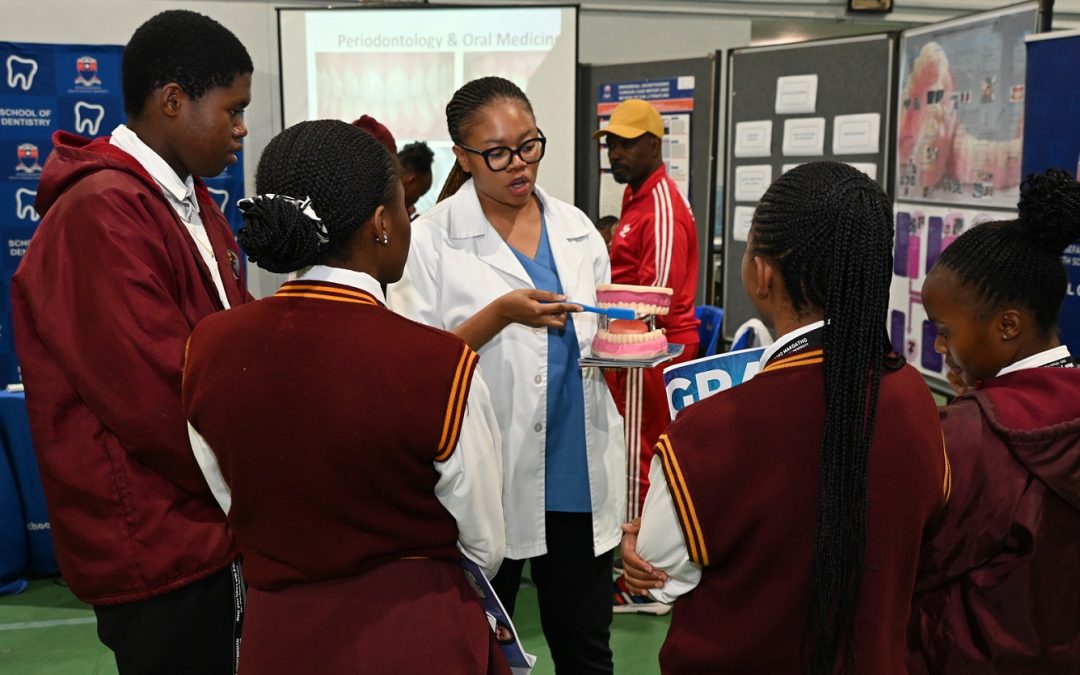
Sefako Makgatho Health Sciences University (SMU) continues to strengthen its position as one of South Africa’s leading health sciences institutions as applications for the 2026 academic year surged to 89,384 prospective students competing for just 1,265 first-year undergraduate spaces.
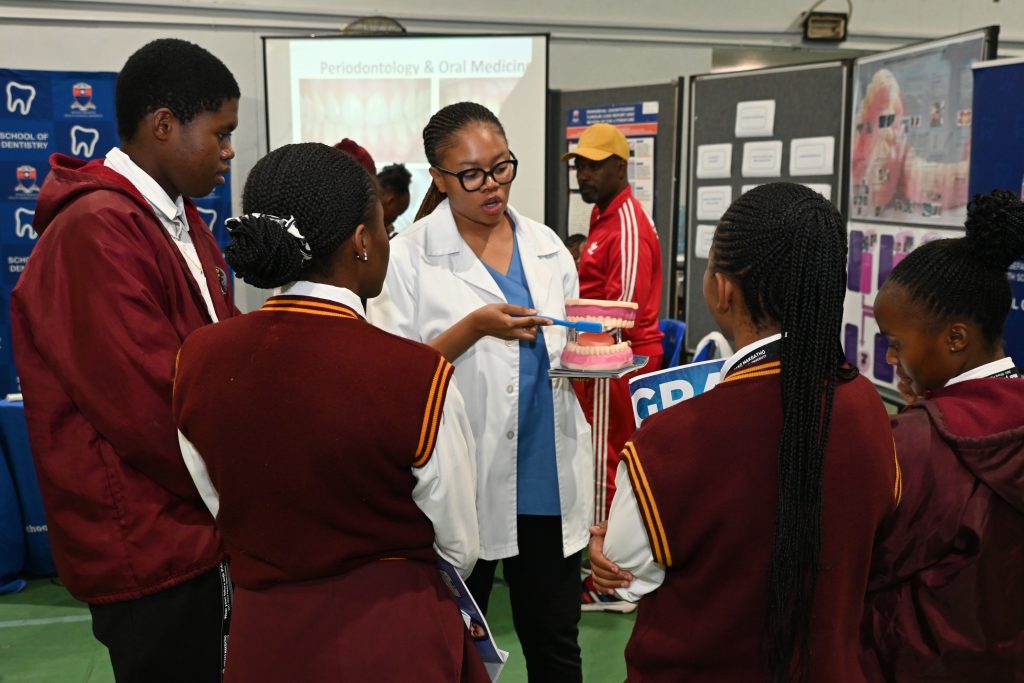 The overwhelming response reflects the growing demand for specialised health sciences education and underscores SMU’s reputation for academic excellence, innovative research, and a vibrant student experience. As a dedicated health sciences university, SMU remains committed to transforming health services through excellence and innovation while preparing the next generation of healthcare professionals to serve communities locally and nationally.
According to the university’s approved enrolment plan, SMU aims to accommodate 7,596 students in 2026, including 5,641 undergraduate students and 1,955 postgraduate students. Among the postgraduate cohort are 1,307 master’s candidates and 202 doctoral students, reinforcing the university’s expanding role in developing advanced health sciences expertise.
Student Recruitment Officer Ntsheu Collins Mangena said the unprecedented number of applications signals strong public confidence in the university’s programmes and its mission to transform healthcare through education.
“Receiving nearly 90,000 applications for the 2026 intake is both encouraging and humbling,” said Mangena. “It demonstrates the trust that learners, parents and educators place in SMU as a specialised institution dedicated to training future healthcare professionals. Our goal is to attract top achievers in Mathematics and Science while strengthening relationships with teachers and career guidance counsellors across the country.”
Several programmes remain highly competitive due to national shortages of skilled healthcare professionals.
- Bachelor of Nursing and Midwifery: 15,058 applications for 60 spaces
- Bachelor of Medicine and Bachelor of Surgery (MBChB): 12,758 applications for 155 spaces, plus 50 Extended Curriculum Programme places
- Bachelor of Pharmacy: 11,977 applications for 71 spaces
- Diagnostic Radiography: 8,297 applications for 30 spaces
 School of Health Sciences programmes have also recorded strong interest. Physiotherapy attracted 4,898 applications for 60 spaces, while Occupational Therapy received 3,358 applications for 40 places.
Meanwhile, the School of Science and Technology continues to contribute to the multidisciplinary health sciences ecosystem by offering programmes in Life Sciences, Mathematical Sciences, Environmental Biology, and Microbiology and Immunology. The school will enrol 476 students across its programmes, strengthening the scientific foundation that supports healthcare innovation.
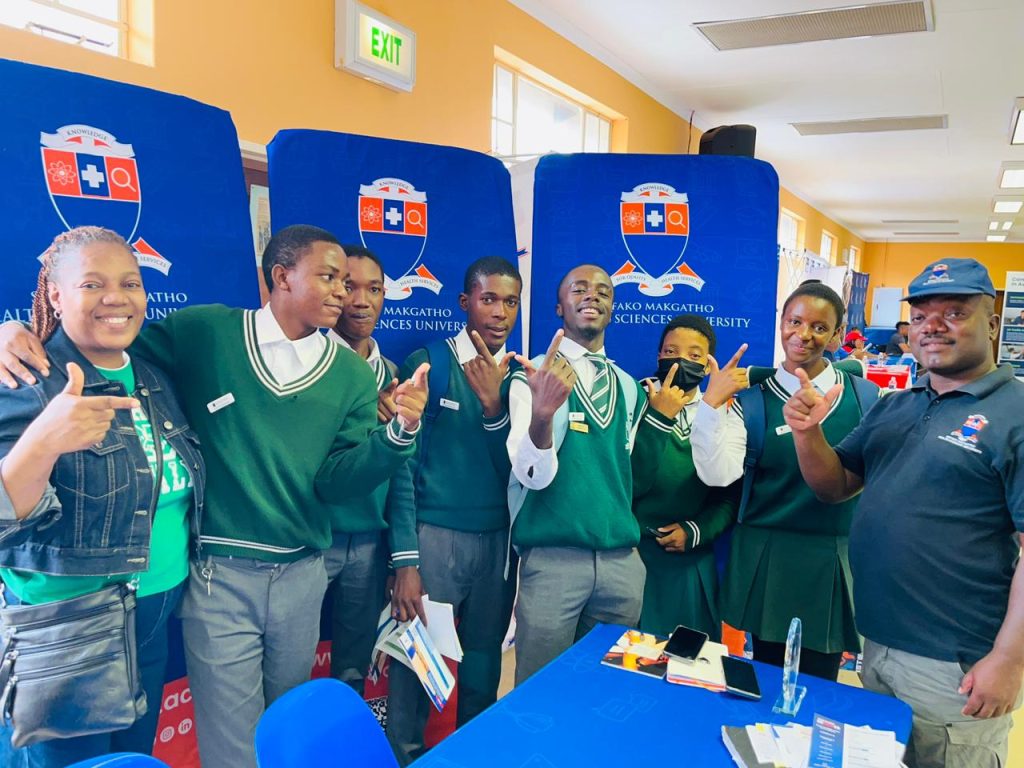
Mangena explained that SMU’s recruitment strategy has become increasingly proactive, combining school outreach, national exhibitions and regional partnerships to reach talented learners earlier in their academic journeys.
“Student recruitment is no longer passive. We actively engage learners, parents and educators through school visits, exhibitions, and information sessions so that talented students understand both the opportunities and the application process at SMU.”
The university’s 2026 Schools Liaison and Student Recruitment Plan focuses on expanding SMU’s visibility across South Africa while building a stronger regional pipeline of students. Key initiatives include monthly school visits in Gauteng, participation in major national career exhibitions, and targeted information sessions in provinces such as Mpumalanga, KwaZulu-Natal, the Free State and the Eastern Cape.
The recruitment strategy also extends beyond South Africa’s borders, with outreach planned in neighbouring countries such as Mozambique and Zambia to strengthen the university’s presence in the Southern African region.
Parents and educators are also central to the recruitment strategy. Through engagement with School Governing Bodies and education associations, the university aims to ensure that families understand programme offerings, admission requirements, and career opportunities within the health sciences.
These initiatives are supported by strategic partnerships with organisations such as the Moses Kotane Local Municipality, the Limpopo Institute of Mathematics and Science Academy, SAICA, and Future SA STEM, which help promote science, technology and healthcare careers among high-performing learners.
Guided by values that include excellence, integrity, accountability, respect, student-centred learning and Ubuntu, SMU continues to position itself as a transformative institution that responds directly to the country’s healthcare workforce needs.
As the university prepares to welcome the 2026 intake, its growing application numbers reflect more than popularity—they signal SMU’s expanding impact on health sciences education, research innovation, and community-focused healthcare across South Africa and the region.
By Tumelo Moila
by Lorato | Nov 6, 2025 | All News, SMU Media, Student Media
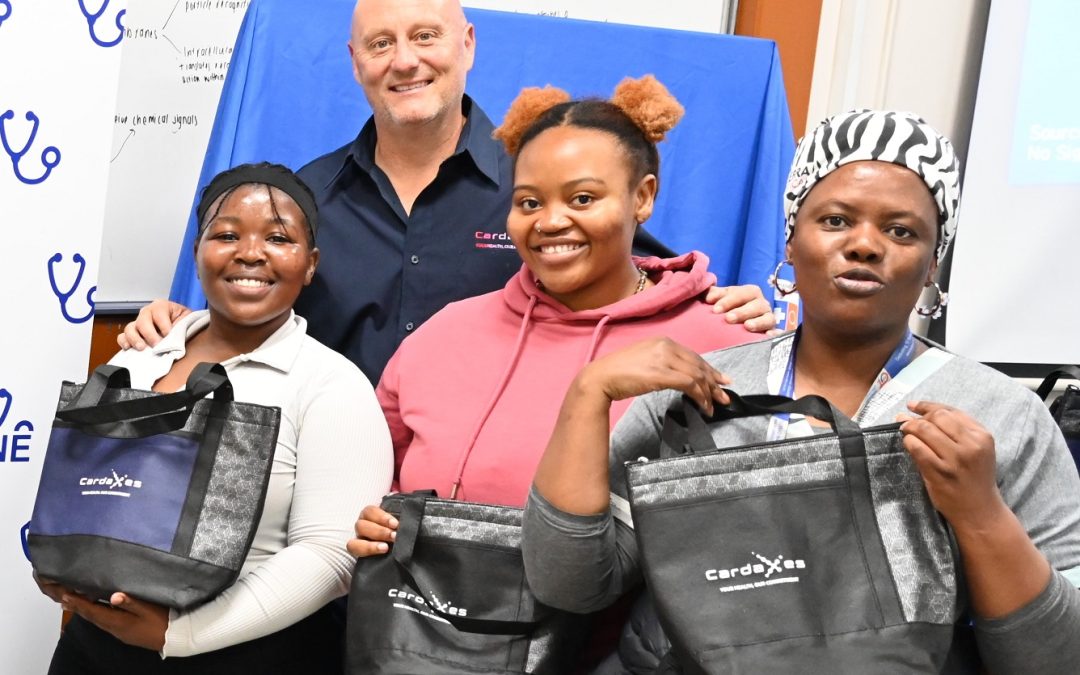
Sefako Makgatho Health Sciences University (SMU) Radiography students received an inspiring show of support from CardaXes, a company at the forefront of Cardiology, Neuro Intervention, Radiology, and Peripheral Vascular technology. The visit formed part of CardaXes’s ongoing drive to strengthen healthcare education and patient care through training, mentorship, and practical support.
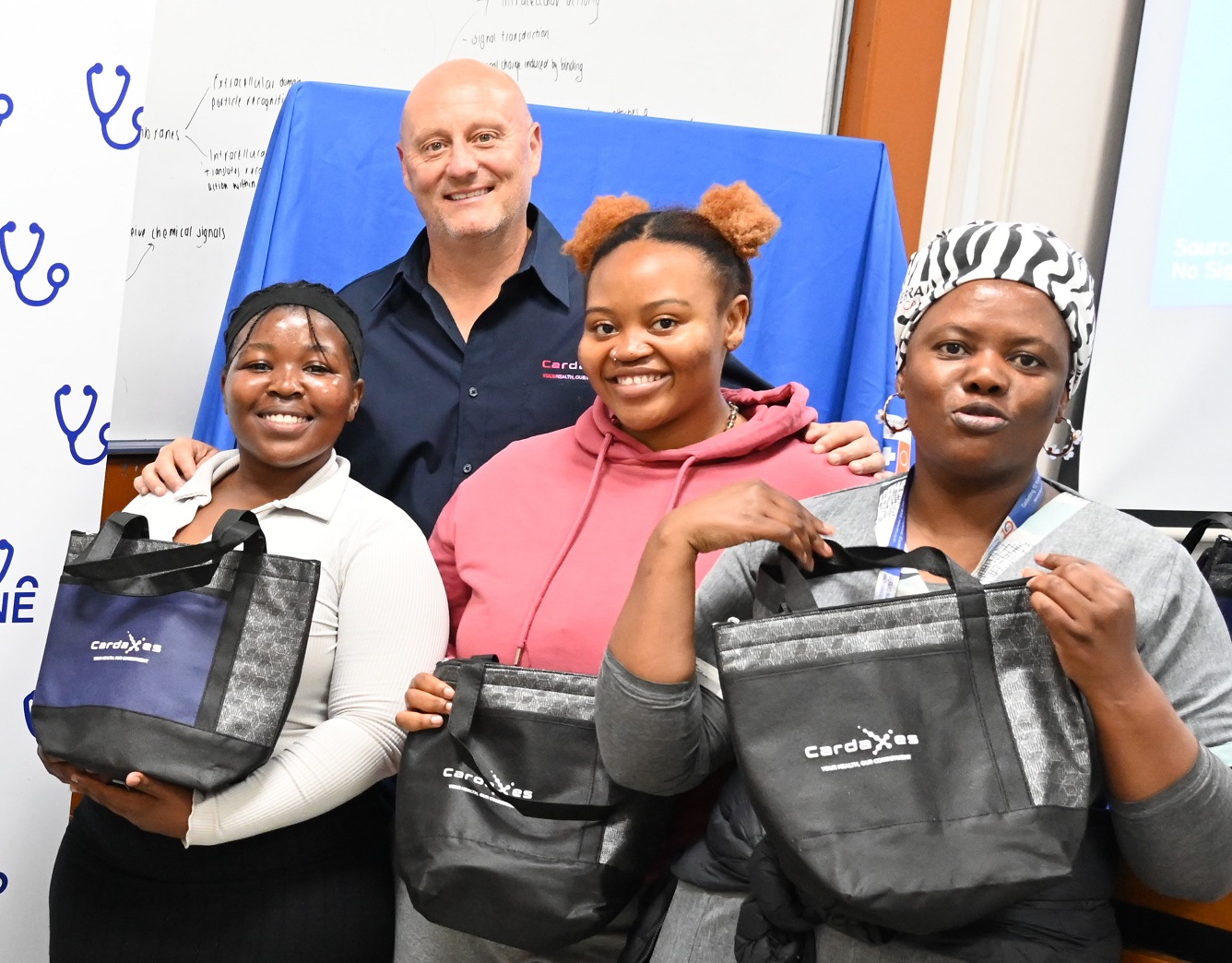 CardaXes representatives visited the Radiography Department to donate lead markers—essential tools for clinical practice—and to motivate students preparing for their final examinations. The gesture, complete with gifts and words of encouragement, highlighted the private healthcare sector’s recognition of young professionals entering the field.
“Our purpose goes beyond technology,” said Marlene Birkholtz, Sales Representative at CardaXes. “We’re committed to supporting the next generation of healthcare professionals. By donating lead markers and engaging with students, we hope to boost their confidence as they approach their exams and future careers. Investing in students today ensures better healthcare tomorrow.”
The department welcomed the contribution with heartfelt appreciation. Portia Tebogo Baloyi, part-time lecturer and clinical tutor, described the donation as both practical and symbolic. “These lead markers represent more than equipment—they’re an investment in our students’ training. CardaXes went further by meeting them personally, offering encouragement and reminding them that their efforts are valued. It lifted morale at a crucial time.”
Lead markers are vital in radiography, helping practitioners ensure accuracy and uphold professional standards in imaging. For students, access to such tools sharpens their technical skills and builds clinical confidence—an essential foundation for their professional growth.
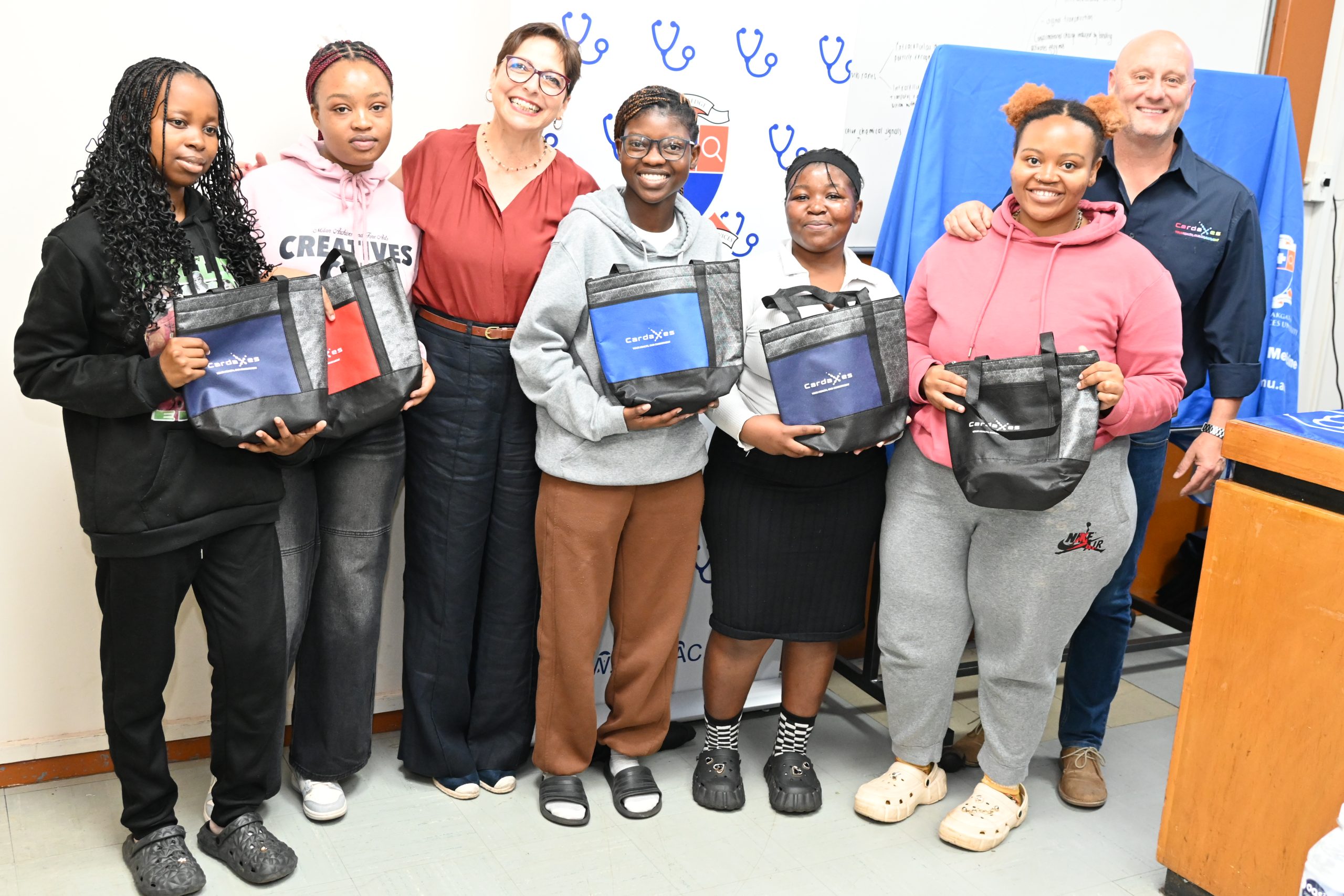 “This partnership reflects our belief in education and mentorship,” Birkholtz added. “We hope our contribution inspires students to keep striving for excellence and assures them that the healthcare industry stands behind them.”
Students were equally moved by the visit. Bachelor of Diagnostic Radiography first year student Bophelo Seroma remarked, “It wasn’t just about the gifts—it was about being seen and supported. Having professionals take time to motivate us before exams renewed our confidence and drive.”
Collaborations like this reinforce SMU’s mission to produce skilled, compassionate healthcare practitioners ready to meet real-world challenges. Partnerships with industry leaders such as CardaXes bridge the gap between classroom learning and clinical application, exposing students to the expectations and values of the healthcare environment.
Baloyi emphasised the importance of such engagements: “When companies invest in our students, they invest in the future of healthcare. CardaXes’s visit was inspiring, educational, and deeply appreciated. It strengthened our commitment to preparing graduates who are competent, confident, and compassionate.”
The SMU Radiography Department expressed sincere gratitude to CardaXes for their generosity and commitment to student development. The company’s contribution not only equipped students with essential tools but also reinforced the value of collaboration, innovation, and shared purpose in advancing healthcare education.
As SMU continues to build partnerships that empower its students, the encouragement and resources from CardaXes will remain a powerful reminder that the future of healthcare is built through shared effort and genuine investment in people.
By Dimakatso Modise
by Lorato | Sep 17, 2025 | All News, SMU Media, Student Media
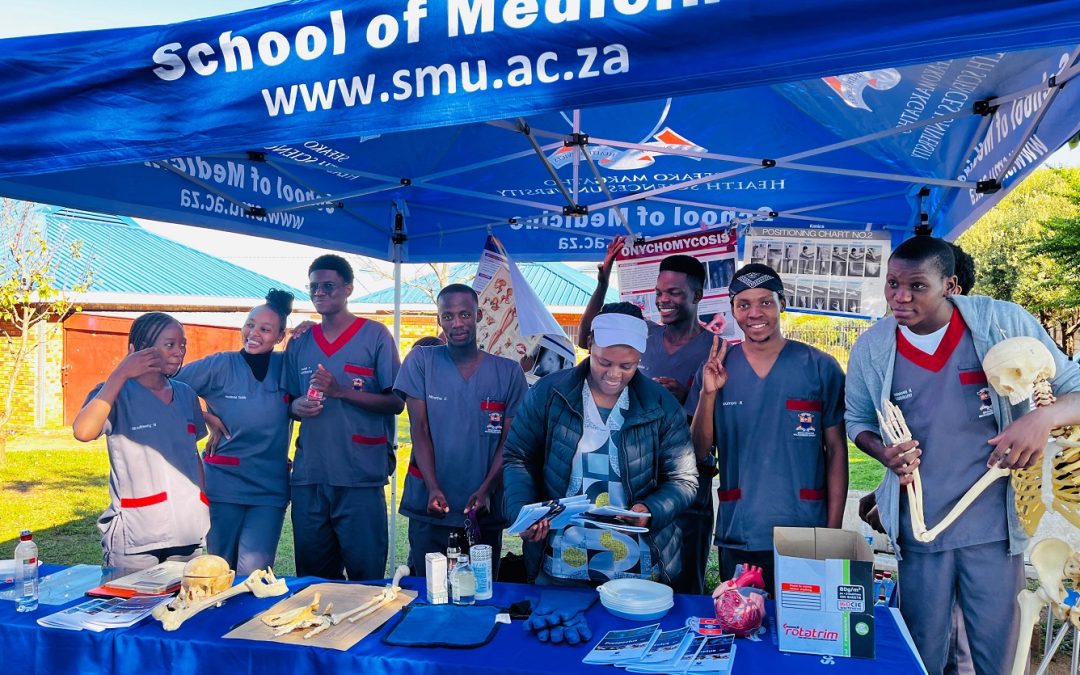
The Department of Radiography at Sefako Makgatho Health Sciences University (SMU) has made 2025 a landmark year for community engagement, blending academic rigour with meaningful service. With projects spanning health awareness campaigns, career outreach, student wellness, and industry collaboration, the department has positioned itself as a leader in socially responsive education.
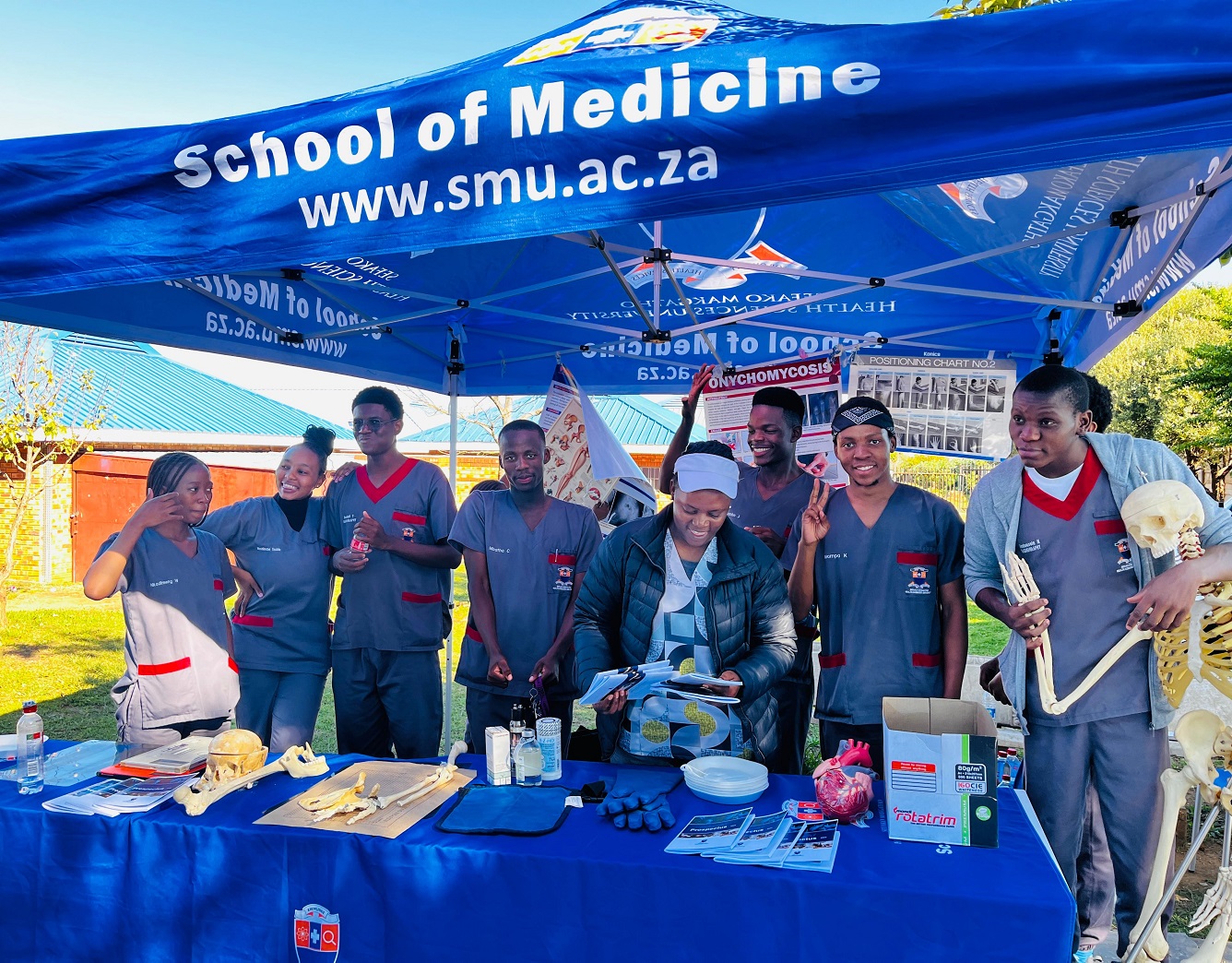 Clarity and confidence drive the message. As lecturer, Tebogo Baloyi, explains: “Education does not stop at the classroom door. Our mission is to ensure that students graduate not only with technical expertise, but also with a sense of purpose and responsibility to the communities they will serve.”
Among the year’s highlights was the department’s participation in the Gauteng Health Radiography Career Expo and school outreach visits to Raymond Mhlaba School. These events aimed to demystify radiography and inspire learners to pursue careers in science, technology, engineering, and mathematics (STEM). By directly engaging with young audiences, students themselves became ambassadors for the profession, gaining confidence while motivating the next generation.
Health awareness was another central theme. The Breast Cancer Awareness campaign, a testament to the department’s ongoing commitment, together with the World Radiography Day initiative led by the Radiography Student Organisation, brings life-saving knowledge to underserved communities. Held annually in October, these events shine a spotlight on the indispensable yet often overlooked role of radiographers — working behind the scenes to enable accurate diagnoses and effective treatment.
The department also placed strong emphasis on student well-being and belonging. The innovative B RAD I Coffee Date, held recently, created a safe space for first-year students to connect, reflect, and share challenges. Ice-breakers, storytelling sessions, and mentorship activities turned a simple coffee gathering into a powerful intervention for mental health and academic adjustment. One student, Bophelo Seroma, described it as “the first time I felt truly seen and supported at university.”
 Support extended beyond conversation. In collaboration with the School of the Kingdom Ministry, the department distributed 12 grocery hampers to financially vulnerable students. Such gestures, though modest, have a tangible impact on retention, concentration, and morale. “You cannot expect a student to excel academically when they are hungry,” Baloyi noted. “Our responsibility is holistic: mind, body, and spirit.”
In terms of professional development, the department’s partnership with industry leaders stood out. A Contrast Media Workshop, delivered with GE Healthcare and TecMed, gave third-year Bachelor of Diagnostic Radiography students rare hands-on exposure to advanced imaging technologies and patient safety protocols. Similarly, Siemens Healthineers sponsored the Beauty of Radiography workshop, where both staff and students explored emerging innovations such as artificial intelligence in imaging. These collaborations bridged theory and practice, aligning curriculum with the rapidly evolving demands of healthcare.
The department measures success not only by participation numbers but also by transformation. Feedback from final year students Neo Makgota and Allison Pepler reveals greater confidence, improved clinical skills, and a stronger sense of belonging. Community partners, too, have praised the department’s consistent presence and professionalism.
Looking ahead, the department plans to expand industry partnerships, increase outreach frequency, and introduce specialised workshops in interventional radiology and AI applications. Baloyi sums it up best: “Every initiative we launch is designed to answer a single question: how can we make radiography education more relevant, impactful, and humane?”
In 2025, the Department of Radiography has shown that great writing advice also applies to great teaching: clarity signals confidence, relevance beats cleverness, and one strong intervention can transform everything.
By Tumelo Moila
