by Lorato | Oct 2, 2025 | All News, SMU Media, Student Media
Clarity signals confidence. That principle could easily describe the career of Dr Khomotjo Comfort Mothata-Motswaledi, a trailblazer who has redefined the story of Clinical Pharmacology in South Africa. She is the first to complete both the Master of Medicine (MMed) and the Fellowship of Clinical Pharmacology of South Africa [FC Clin Pharm (SA)] at Sefako Makgatho Health Sciences University (SMU) and Dr George Mukhari Academic Hospital (DGMAH), as well as in Gauteng Province.
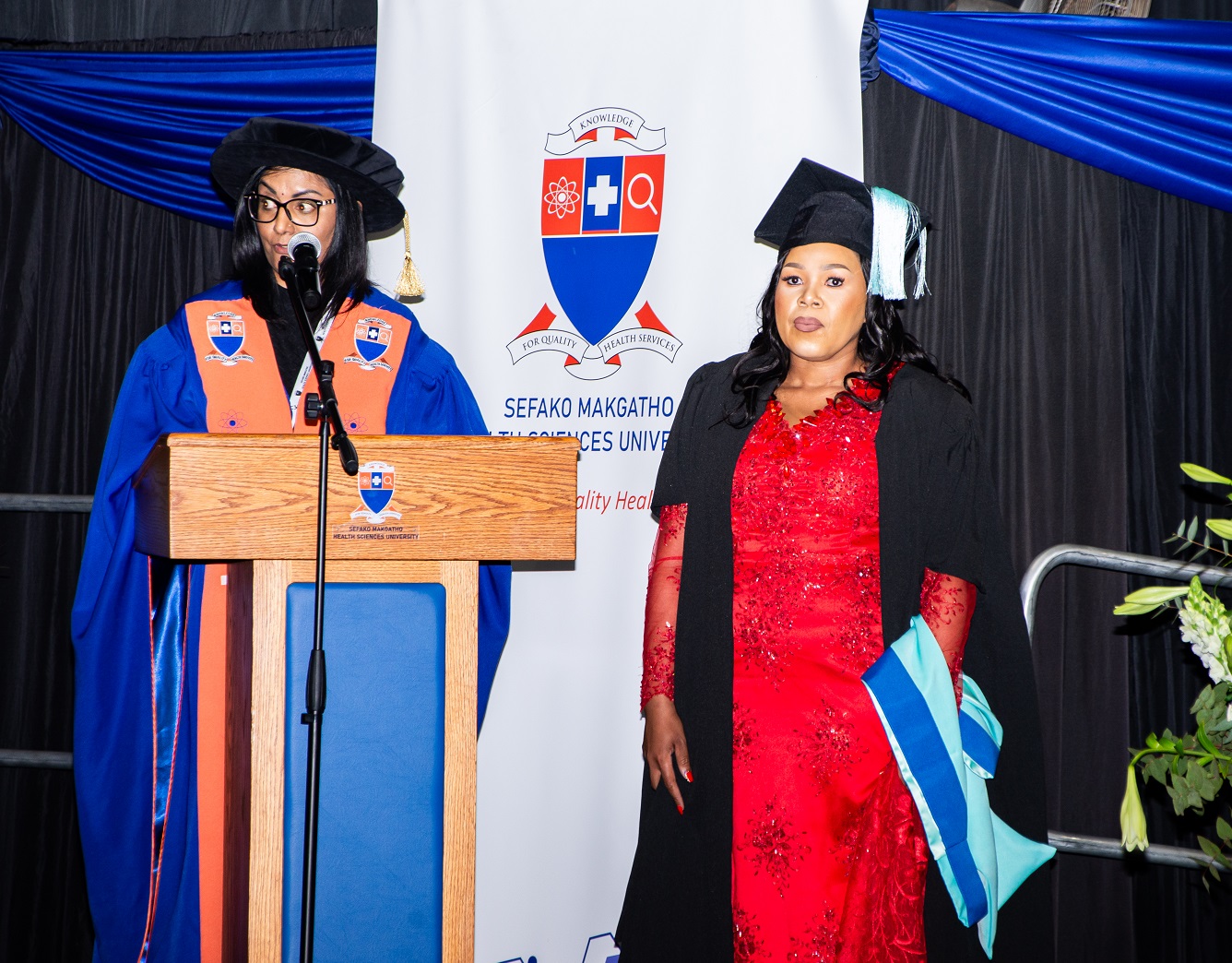 Her journey began far from the lecture halls of SMU. Growing up in Mmotong wa Perekisi (Limpopo), she faced the challenges of childhood obesity and the teasing that came with it. “I thought if I became a doctor, I’d find the miracle cure for obesity,” she recalls. While that cure never materialised, the determination to make a difference in health never left her. Books became her track, medicine her race.
It was while working in anaesthesia that she discovered her true calling. An article by the late Professor Andrew Walubo on the emergence of Clinical Pharmacology as a speciality struck her like lightning. “It was like God saying: Khomotjo, this is your lane. Please stay in it,” she says. From then on, the course was set.
Being the first student of a brand-new programme came with its fair share of turbulence and joyrides, she remembers. “It felt like boarding a brand-new aircraft as the only passenger. At times, I was tempted to reach for the emergency exit, but with my mentors (Dr Memela Makiwane and Prof Elżbieta Osuch) at the controls, the journey touched down smoothly.”
Her dissertation, conducted at a tertiary hospital in Gauteng, examined the knowledge, attitudes and perceptions of medical doctors and pharmacists towards pharmacogenetics. The study found that while attitudes and perceptions were positive, knowledge levels were inadequate, particularly among medical doctors. These results highlight the urgent need for structured education and supportive policy to advance pharmacogenetics in South Africa – a country where genetic diversity and disease burden make its integration into clinical practice especially valuable. For Dr Mothata-Motswaledi, the message is clear: pharmacogenetics holds the potential to transform healthcare, but only if healthcare professionals are adequately prepared and the health system is strengthened to support its implementation.
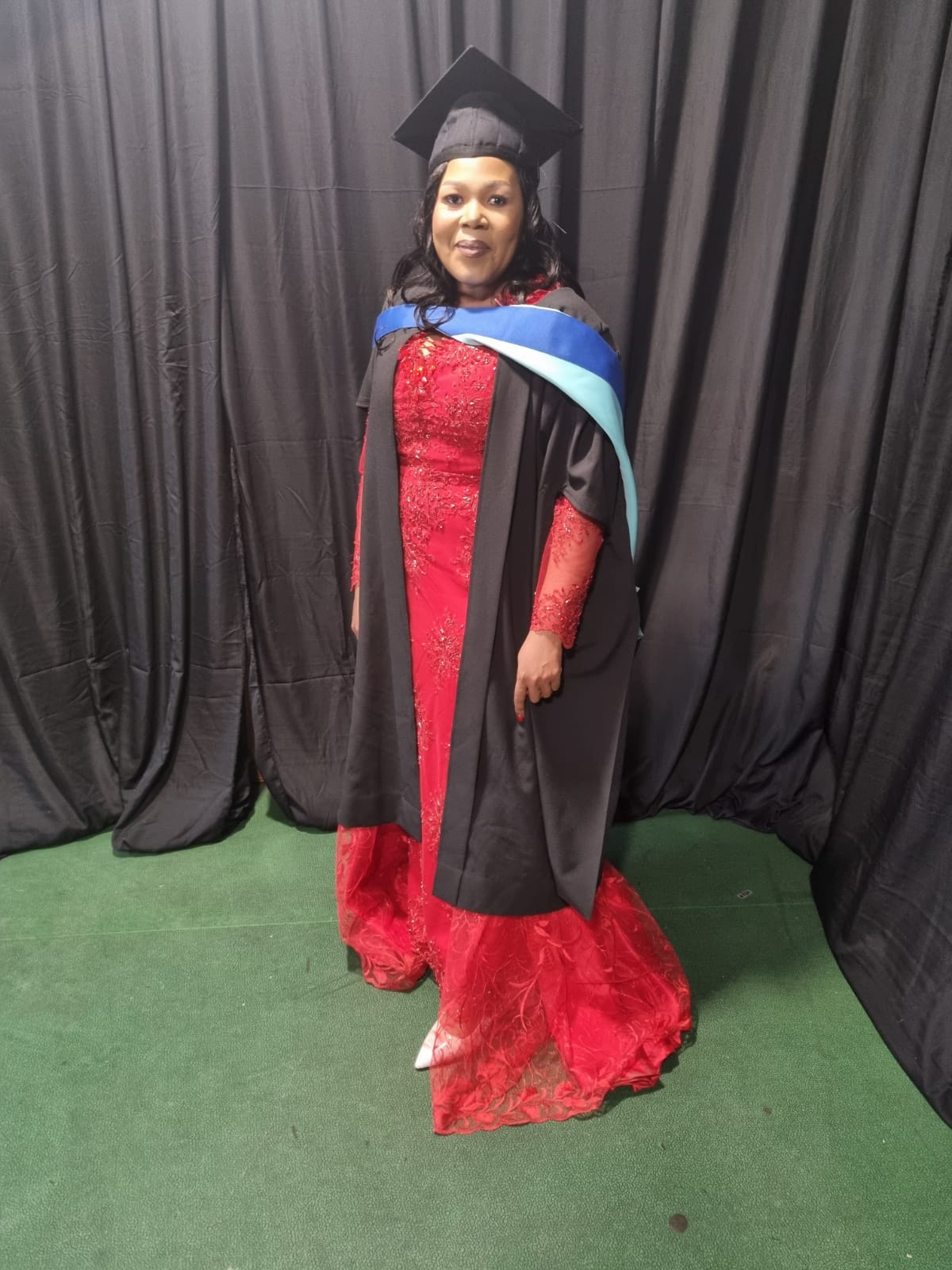 Her achievements, however, are not hers alone. She credits God, her mentors, colleagues, and most of all, her family. “My partner, Prof Hendrick Motswaledi, and our children endured the long nights, the sighs, and the endless question: ‘Mum, are you still reading pharmacology?’ Their love and patience made this journey possible.” She adds: “I also extend my gratitude to Professor Robert Summers and Dr Mabina Mogale for the strong foundation they instilled during my research/academic journey. I would not be where I am today without that grounding.”
Today, she lectures both undergraduate and postgraduate students, drives discussions at weekly academic meetings, and advocates for stronger pharmacogenetics education and pharmacovigilance. Her mission is both urgent and personal: safer prescribing, fewer adverse drug reactions, and confidence in personalised medicine.
Her advice to aspiring healthcare professionals is both practical and motivating: “Remain curious and committed to learning. Medicine evolves constantly, and engaging with research ensures you stay at the forefront of your field.”
From Limpopo’s dusty classrooms to the forefront of Clinical Pharmacology, Mothata-Motswaledi’s story proves one thing: clarity, persistence, and passion can change the course of medicine in South Africa.
By Tumelo Moila

by Lorato | Sep 23, 2025 | Accolades and Achievements, All News, SMU Media, Student Media
A new era of healthcare education has begun at Sefako Makgatho Health Sciences University (SMU). Fifty-six second-year nursing students recently participated in Africa’s first virtual reality (VR)–based assessment, a ground-breaking pilot that redefines how future healthcare professionals are trained. SMU’s initiative demonstrates a bold commitment to innovation, blending technology and education to prepare students for the demands of modern clinical practice.
 The Department of Nursing, in partnership with Rekindle Learning and SMU’s Centre for University Teaching and Learning (CUTL), introduced students to a fully immersive VR experience. In a safe, controlled environment, learners applied theoretical knowledge to simulated real-world scenarios. From the first moment, the atmosphere was electric, students engaged actively, made clinical decisions, and honed skills in ways traditional assessments cannot match.
“VR is more than a novel tool; it challenges students to think differently and enhances their confidence as practitioners,” said Thandokazi Ikedinobi, Manager of the eLearning and Instructional Technologies Unit at CUTL. Students embraced the technology with enthusiasm, demonstrating adaptability and eagerness to explore this new dimension of learning.
For the School of Health Care Sciences (SHCS), the programme is a source of pride. Dr Vuyokazi Soga, School Operations Manager, highlighted the significance of being the first African university to implement VR-based assessments. “This pilot is a testament to visionary leadership and a commitment to equipping students for the evolving realities of healthcare,” she noted.
 Rekindle Learning’s Chief Executive Officer (CEO), Sally Nhlanhla, echoed the sentiment, emphasising the broader vision: to make VR a mainstream educational tool across Africa. “Partnering with SMU allows us to empower students not just with knowledge, but with the tools to shape the future of healthcare delivery,” she said.
Though currently focused on nursing, the potential of VR assessments extends across disciplines. Feedback from students, lecturers, and administrators will refine the programme and may pave the way for adoption in pharmacy, dentistry, and medicine. If scaled, VR could become a cornerstone of SMU’s teaching model, offering risk-free, engaging, and accelerated learning experiences that bridge the gap between theory and practice.
What sets this achievement apart is not only the technology itself but the culture of support within the Department of Nursing. The presence of the full team during the assessments reflected a dedication to excellence, innovation, and student development. By embracing new teaching methods and standing alongside learners, the department set a benchmark in leadership that inspires both students and colleagues.
This milestone signals more than innovation—it represents a bold statement that African universities can lead in redefining education through technology. For the 56 nursing students who participated, the experience extends beyond the VR headset: it equips them with practical skills, confidence, and a pioneering spirit that will guide their journey as healthcare professionals.
SMU’s VR pilot marks a transformative step in African higher education, showing that when ambition meets technology, learning is limited only by imagination.
By Dimakatso Modise

by Lorato | Sep 23, 2025 | All News, SMU Media, Student Media
Dr Ntsieni Teresia Dzhugudzha is not only a lecturer and researcher—she is a barrier breaker. Her academic journey tells a story of resilience, purpose, and groundbreaking research in occupational therapy that is already shaping the future of inclusive education and employment in South Africa.
 In 2025, she completed her PhD at the University of Pretoria, producing a conceptual framework designed to help learners with mild intellectual disability (MID) transition from school into meaningful work. The framework, created for use by occupational therapists, teachers, and employers, promotes strength-based, individualised approaches to employability and advocates for equitable opportunities in the labour market.
Her doctoral journey, which began in 2019, was not without challenges. She faced delayed site access, employers reluctant to participate, and personal health setbacks that cost her nearly a year. Yet she persevered with determination. “I recognise that success for women in academia often comes with considerable obstacles,” she reflects. “But I learned patience, resilience, and problem-solving along the way.”
Her decision to pursue this research stemmed from concern about the limited employment opportunities available to learners with intellectual disabilities. In South Africa, many young people leave Learners with Special Educational Needs (LSEN) schools between the ages of 18 and 21, only to face unemployment at home. Determined to change this reality, she set out to design practical, inclusive solutions that could transform how society prepares these learners for the workplace.
Her academic promise showed early. Born in the rural village of Mashamba Mukondeni in Venda, she excelled in mathematics at Tshikhuthula Secondary School. After matriculating, she entered MEDUNSA (now SMU) with hopes of studying Medicine through the BSc (Special) programme. When she was not admitted into Medicine, she chose Occupational Therapy, a path that revealed itself as her true calling. Between 2003 and 2006, she completed her Bachelor of Occupational Therapy with merit awards and soon after entered clinical practice. For nearly a decade, she worked across health facilities, earning recognition such as the Best Allied Health Professional Award at Odi District Hospital in 2014.
Alongside her practice, she pursued further studies and, in 2015, completed a master’s in public health at SMU under the mentorship of Professor Simphiwe Madiba. This experience cemented her passion for research. Her transition into academia began naturally while working at Weskoppies Hospital, where she supervised occupational therapy students from both SMU and the University of Pretoria. Discovering her love for teaching, she joined SMU’s Department of Occupational Therapy in 2017 as a Lecturer. Since then, she has taught across undergraduate levels, supervised postgraduate research, contributed to committees on community engagement and research, and served as an external examiner for universities across the country.
Balancing her academic and personal life has been one of her proudest achievements. A wife and mother of three daughters, she completed her master’s degree while pregnant with twins and working full-time. Her ability to balance teaching, research, and family responsibilities speaks to her determination. In 2025, she published two journal articles from her PhD and presented her findings at national conferences, extending her influence into scholarly and policy spaces.
She credits SMU for providing crucial support during her doctoral journey, including funding, study leave, writing retreats, and research grants. “The institution created the environment I needed to thrive,” she says with gratitude. Looking ahead, she envisions her PhD as the foundation for greater societal impact. She aspires to influence policy, mentor future occupational therapists, and advocate tirelessly for inclusive employment practices.
Her message to aspiring SMU students is inspiring: “A PhD is achievable, but it requires discipline, patience, and resilience. Write consistently, even a paragraph a day. The journey is about growth and impact, not just the qualification.”
For Dzhugudzha, completing her PhD represents more than the culmination of years of effort. It marks the beginning of a broader mission: breaking barriers, transforming lives, and paving the way for inclusive opportunities in education and employment.
By Dimakatso Modise
by Lorato | Sep 23, 2025 | All News, SMU Media, Student Media
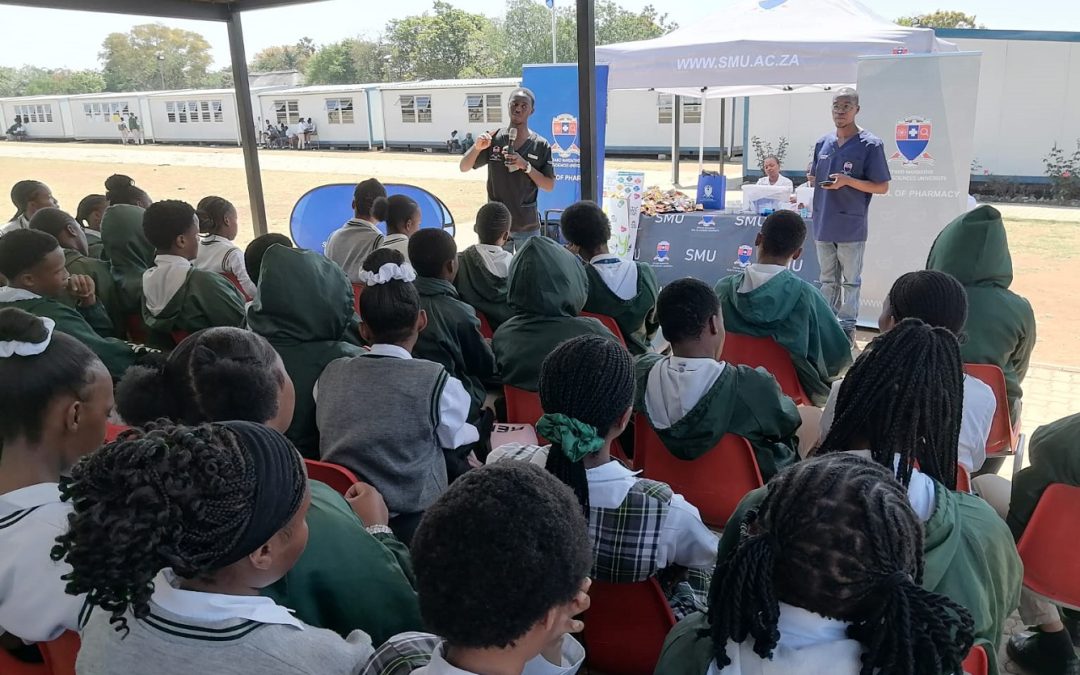
The open-air shelter at Theresa Park Secondary School was buzzing with excitement as Grade 10 learners stepped into a world beyond textbooks. On this sunny day, the Clinical Pharmacy Department at Sefako Makgatho Health Sciences University (SMU) transformed the space into a lively science hub, sparking curiosity about careers in Pharmacy and showing students that the field reaches far beyond pills and prescriptions.
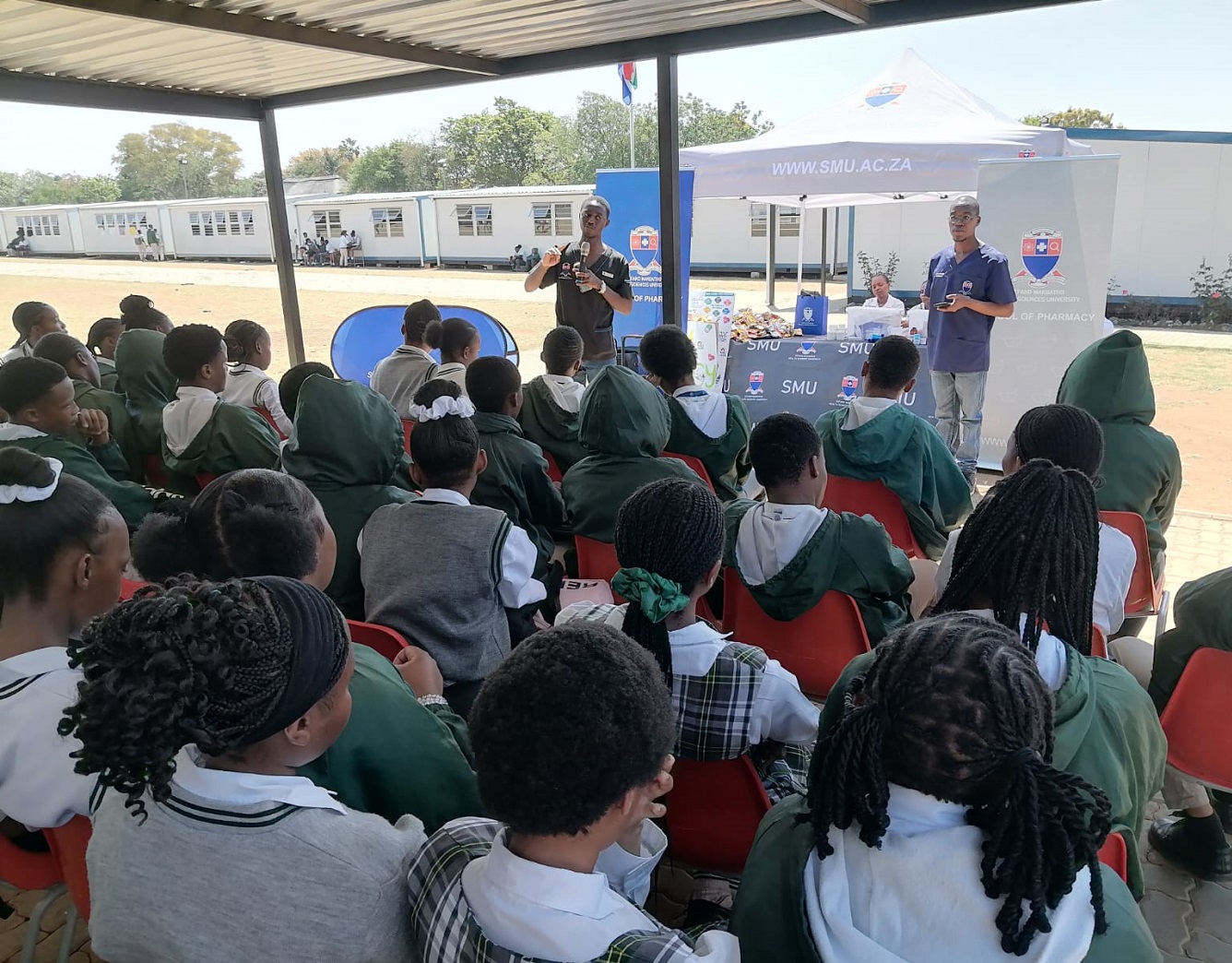 Theresa Park Secondary is a young school—just two years old—but it is already making strides in Mathematics and Science. The visit from SMU gave learners more than information; it gave them a vision. Instead of passively listening, they engaged, asked questions, and began to picture themselves as future healthcare professionals.
Leading the session was Justice Luvhimbi, a PhD candidate in SMU’s School of Pharmacy. With energy and conviction, he told learners: “Pharmacy is about more than medicines—it’s about research, problem-solving, and improving lives. The choices you make today will shape the opportunities you can seize tomorrow. Stay curious, work hard, and believe in your potential.” His message was clear: success is built on focus and determination.
The interactive format kept the learners on their toes. Presenters introduced them to Pharmacy’s many branches—hospital and community practice, pharmaceutical research, regulatory affairs, and academia—painting a picture of a career rich with possibilities. The outdoor setting encouraged honest conversations as students asked about study requirements, real-world applications, and the difference pharmacists make in communities.
For the school, this was more than a career talk; it was a milestone. Deputy Principal Judith Nketlepe Maduwe praised the initiative: “Career guidance is essential for our learners. SMU’s visit informs and inspires. It shows our students what is possible when ambition meets education and motivates them to aim high in their studies and their future.”
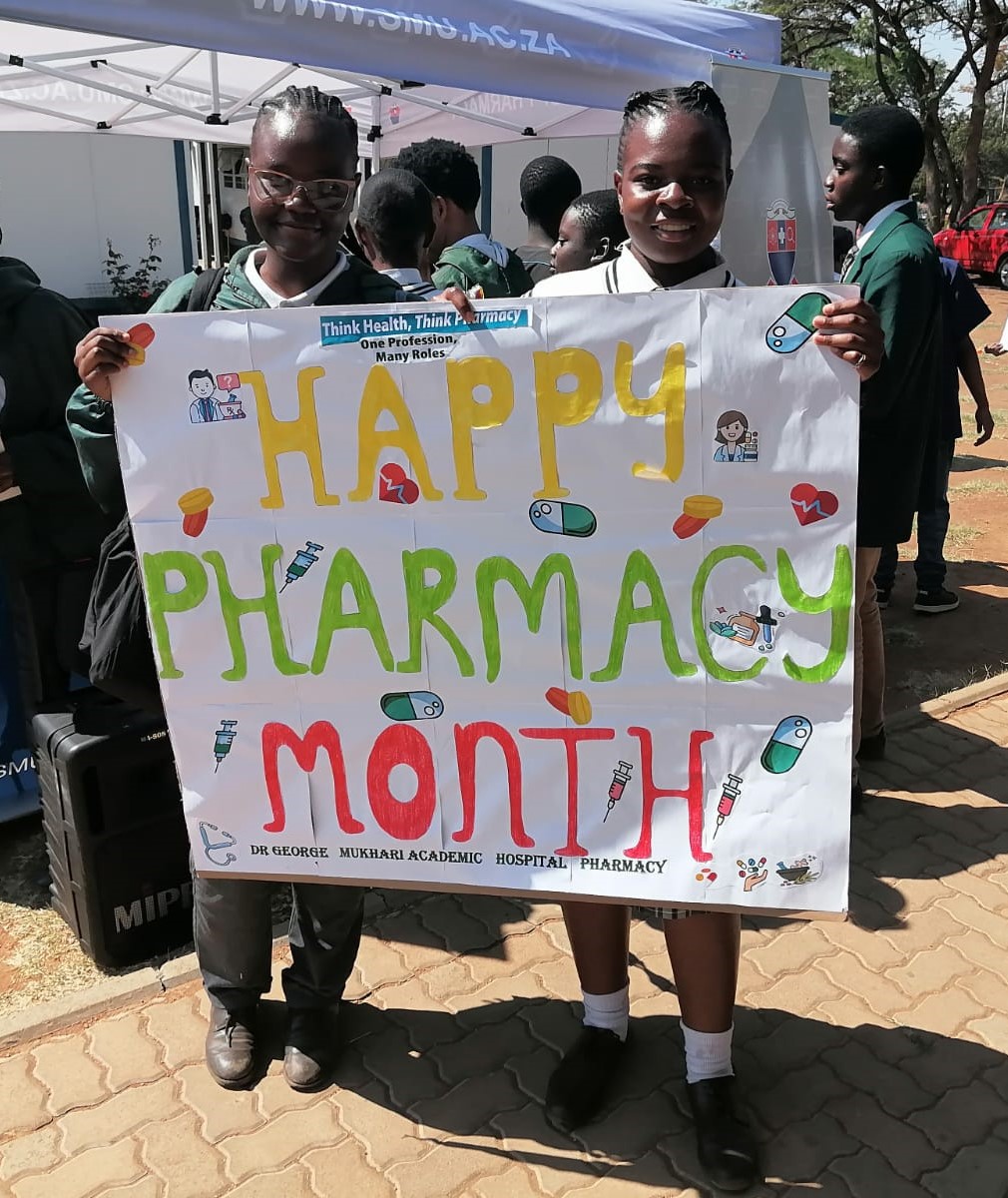 The learners’ enthusiasm told its own story. Grade 10 student Shalomiele Middleton left with a new perspective: “I now see that Pharmacy is about helping people, doing research, and even teaching. This session has motivated me to work harder in Maths and Science so I can achieve my dreams.”
The outreach reflects SMU’s broader mission: to connect universities with communities and spark ambition in the next generation of scientists and healthcare professionals. By stepping into schools, SMU creates real-world opportunities for learners to see, ask, and dream. These interactions bridge the gap between classroom theory and professional practice, inspiring students to shape futures in health sciences.
For Theresa Park Secondary, hosting SMU’s Pharmacy team underscored its commitment to holistic education. Though still young, the school is laying solid foundations by exposing its learners to meaningful career pathways. For the learners, the day was a glimpse of possibility: a reminder that dedication to Maths and Science today can shape the healthcare solutions of tomorrow.
Through initiatives like this, SMU proves that education is not confined to lecture halls. By blending culture, curiosity, and community engagement, the university is nurturing future pharmacists and scientists who are not only knowledgeable but motivated to make a lasting impact on society.
By Dimakatso Modise

by Lorato | Sep 15, 2025 | All News, Alumni, SMU Media, Student Media
Sefako Makgatho Health Sciences University (SMU) marked a proud academic milestone on Friday, 12 September, as 110 students graduated at a ceremony held at its Sports Complex. The event not only celebrated individual achievement but also highlighted the University’s growing contribution to health sciences education in South Africa.
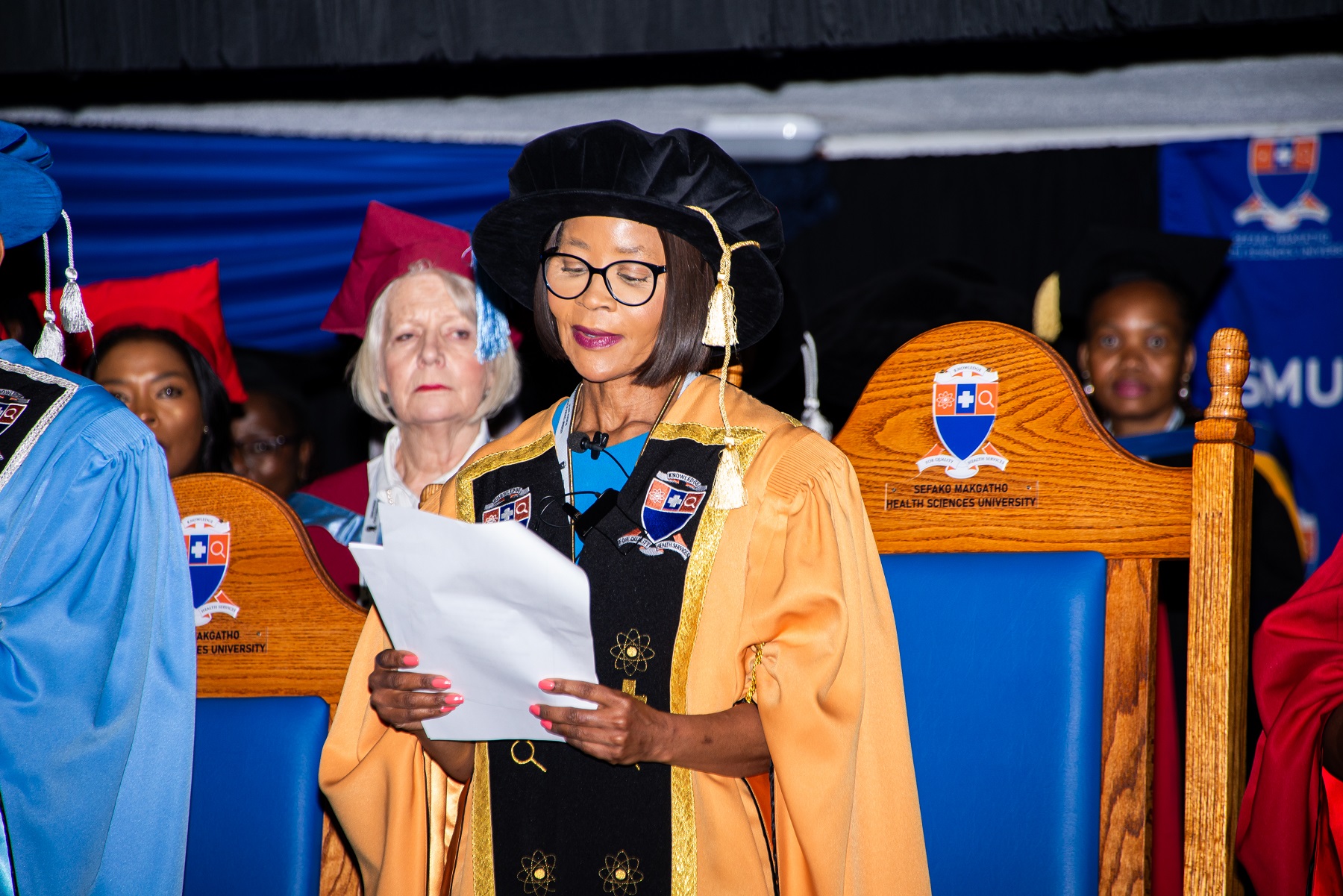 Among the undergraduates, nine students (8%) had entered the University through the Extended Curriculum Programme (ECP), underlining SMU’s commitment to widening access to higher education. One student also graduated cum laude, underscoring the high academic standards at the institution.
The recently appointed SMU Chancellor, Dr Penny Moumakwa, formally conferred degrees to the graduates at SMU’s Spring Graduation Ceremony, marking her first official act in this prestigious role. Her presence added gravitas to the event as she personally recognised the achievements of the graduates across disciplines, including dentistry, health care sciences, medicine, pharmacy, and science and technology.
The results reflect the University’s strength across disciplines:
- School of Dentistry – 3 undergraduates, 5 Master’s (8 total)
- School of Health Care Sciences – 16 Master’s, 2 Doctorates (18 total)
- School of Medicine – 10 undergraduates, 1 Honours, 33 Master’s, 2 Doctorates (46 total)
- School of Pharmacy – 2 undergraduates, 9 Master’s (11 total)
- School of Science & Technology – 14 undergraduates, 8 Honours, 3 Master’s, 2 Doctorates (27 total)
The figures reveal a strong postgraduate output, with Master’s graduates forming the largest group. This reflects SMU’s dual focus on preparing practitioners and building research capacity and academic leadership.
Graduates shared moving reflections on their journeys. Lehlogonolo Mokaba, who graduated Master of Science (Mathematics) cum laude with a dissertation titled Self-adaptive technique with two-step inertia for monotone variational inclusion problem in real Hilbert space, reflected: “Resilience, faith, and countless hours of dedication carried me through. Hard work, when guided by passion, always bears fruit.”
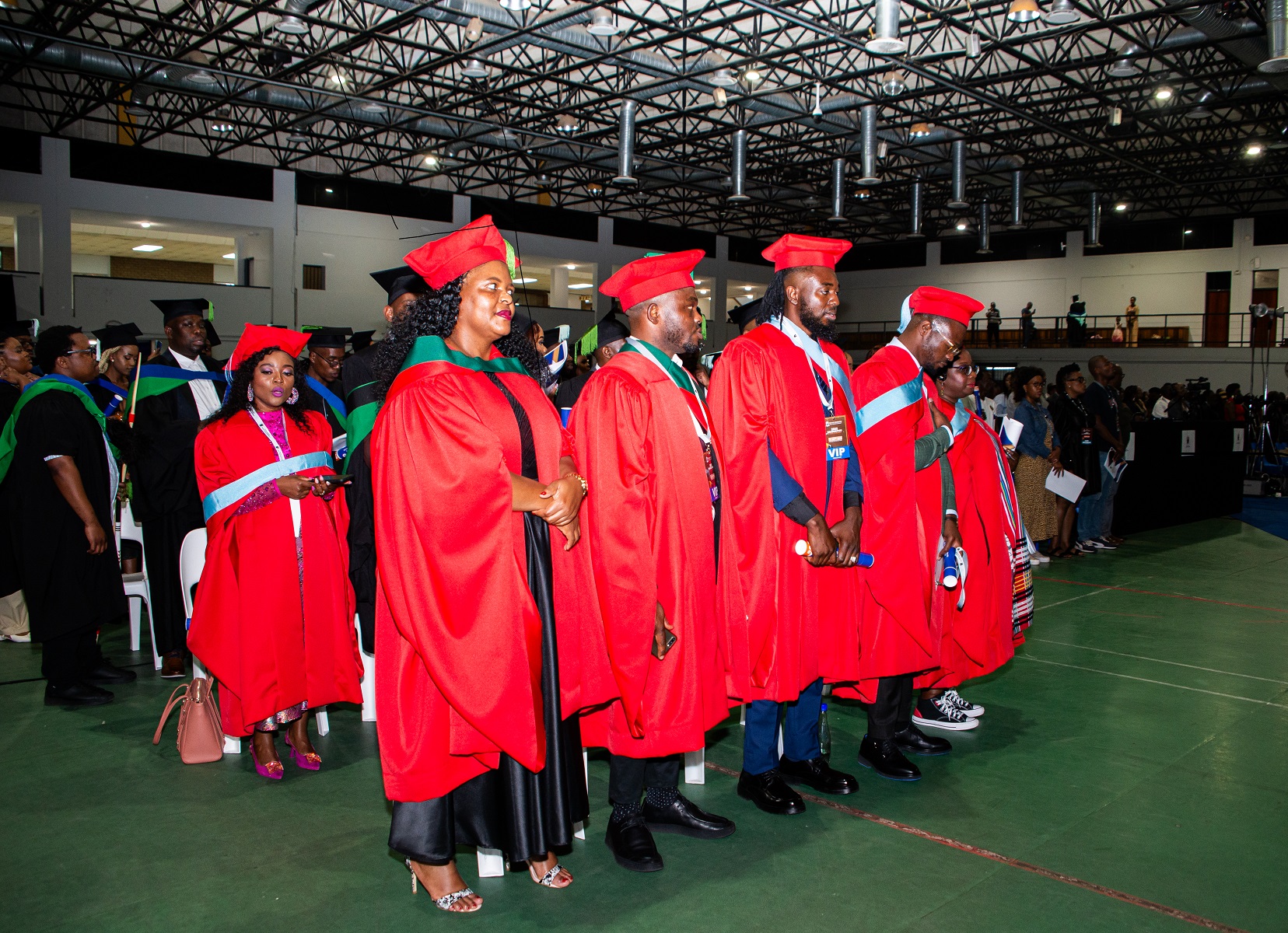 Ayomide Adeyemi Abe, who earned a PhD in Medical Physics with a thesis titled Detection, staging and classification of lung cancer using deep learning, described his journey as both personal and global: “I arrived with nothing but faith. There were challenges, but I believed, and step by step, everything became clear. I dedicate this PhD to my late uncle, my family in Nigeria, and my supervisors. My advice: believe in yourself – everything is possible.”
Acting Vice-Chancellor for the ceremony, Professor Dini Mawela, applauded the graduates’ determination: “These young professionals will go on to change lives. Their success reflects both personal perseverance and the University’s unwavering commitment to excellence.” She highlighted broader 2025 milestones, including 1,403 graduates this academic year—1,293 during May—and SMU’s first honorary doctorate, awarded to Professor Ngoepe for his four decades of contribution to Physics.
The Spring Graduation marked more than numbers. It underscored SMU’s mission to produce highly skilled professionals in dentistry, health care sciences, medicine, pharmacy, and science and technology fields where South Africa urgently needs expertise.
For the graduates, the day represented years of resilience, long nights of study, and perseverance. For South Africa, it symbolised a stronger workforce equipped to improve healthcare systems, advance scientific knowledge, and tackle pressing national challenges.
As applause filled the Sports Complex, the significance stretched far beyond the hall. The true celebration lies ahead—in the hospitals, laboratories, and communities where these graduates will make their mark.
SMU’s Spring Graduation 2025 is proof once more that SMU does not just produce graduates. It shapes leaders, innovators, and changemakers.
By Tumelo Moila