by Lorato | Aug 27, 2025 | All News, SMU Media, Student Media
In the quiet streets of Tzaneen, a small town in Limpopo, a young boy once watched patients wait for hours at clinics with too few doctors. It was here, amidst the struggles of rural healthcare, that Raymond Mabulana discovered his calling. Today, as a fifth-year medical student at Sefako Makgatho Health Sciences University (SMU), Mabulana is transforming that early inspiration into a mission: to improve healthcare access and outcomes for underserved communities.
 Growing up in an area with limited medical services, Mabulana witnessed first-hand the consequences of inadequate healthcare. These experiences shaped both his character and career ambitions, instilling resilience, compassion and a deep sense of responsibility. “From a young age, I knew I wanted to become a doctor—not just to treat illness, but to improve access to quality care for communities like mine,” he recalls.
His journey from public schools in resource-limited settings to SMU is a story of determination and perseverance. SMU’s focus on community-oriented healthcare has provided the ideal environment to nurture his vision. Here, Mabulana has combined academic excellence with practical experience, preparing to make a meaningful difference in society.
Mabulana’s commitment to medicine extends well beyond the classroom. He actively participated in data collection at Dr George Mukhari Academic Hospital for the Femur Study, a global cohort study on femur fracture management. In addition, he co-founded the Diagnostic Society, an internal medicine society aimed at promoting early clinical exposure and fostering interest in internal medicine. As Research Coordinator, he facilitates student involvement in faculty-led research projects, helping his peers develop academic curiosity and the skills required for modern healthcare.
The support he has received has also been instrumental. Receiving a bursary from Gift of the Givers, in partnership with Bonitas, has been both humbling and empowering. “Their support is not just financial—it is a vote of confidence in my potential and the work I aspire to do. It reinforces my determination to complete my studies and become a compassionate, capable medical professional,” he explains. This opportunity has strengthened his commitment to serve others and ensured that the impact of this generosity extends far beyond himself.
Mabulana’s ambitions extend well beyond personal achievement; he is determined to return to rural and underserved communities as a source of inspiration and care. “I want young people from similar backgrounds to know that their dreams are valid and achievable. Through surgery, research and community outreach, I hope to contribute to building a more equitable healthcare system and be part of a generation of doctors who do not merely treat illness but transform lives,” he says.
His journey is a testament to the power of passion, perseverance and community-focused education. It shows how an individual, supported by institutions and organisations that believe in talent, can aspire to make a lasting impact. From the small town of Tzaneen to the halls of SMU, Mabulana is proof that dedication, vision and heart can transform not just one life, but the lives of countless others in communities that need it most.
As he progresses towards his goal of becoming a doctor, researcher and advocate for equitable healthcare, Mabulana exemplifies the potential of young South Africans to drive meaningful change. His story inspires not only his peers at SMU but also a wider audience, demonstrating that access to education, coupled with determination, can empower individuals to overcome challenges and shape the future of healthcare in the country.
By Dimakatso Modise

by Lorato | Aug 27, 2025 | All News, Alumni, SMU Media, Student Media
Growing up in the rural town of Lephalale, Limpopo, Lucas Matabologa’s childhood was filled with football matches that only ended at sunset. He recalls being the “water-boy” whenever a teammate got injured, instinctively offering water as the only “medicine” available. What seemed like a simple childhood routine planted the early seeds of a lifelong passion for sport and rehabilitation.
 That passion crystallised years later when, while watching a television soap opera, Matabologa saw a character who had suffered a stroke recover through physiotherapy. “That was my light bulb moment,” he recalls. “I realised the impact physiotherapy could have on people’s lives, and I vowed it would be my career.”
His determination carried him to Sefako Makgatho Health Sciences University (SMU), where he graduated with a BSc in Physiotherapy in 2020. His hard work was recognised with the Best in Neurology Award in his final year, a milestone he describes as one of his proudest achievements. “It felt like I had taken the first step towards becoming the kind of physiotherapist I dreamt of when I saw that soapie character,” he reflects.
Matabologa’s interest in neurological rehabilitation is deeply personal, shaped by witnessing family members struggle with the aftermath of strokes. At the same time, his love of sport has driven him towards sports physiotherapy. Today, he is fortunate to work in both areas through Stepmed Physiotherapy in Nelspruit, where he continues to refine his skills. Among his most memorable cases is a patient who survived a severe brain injury and, through dedicated rehabilitation, progressed from intensive care to running marathons.
Central to Matabologa’s practice is his belief that “exercise is medicine”. He ensures that every patient under his care engages in evidence-based exercise, not just as a treatment, but also as a preventive strategy against injury and disease. “All my patients know that when they see me, they are about to exercise,” he jokes.
 In 2021, during his community service year, he launched the “Healthy Body, Healthy Mind” exercise programme to help Pretoria West Hospital staff stay active during the COVID-19 pandemic. The initiative boosted morale, improved physical well-being and reduced absenteeism. It was later recognised as a finalist in the CPSI Innovation Awards (2022), further motivating Matabologa to continue promoting health innovation.
More recently, Matabologa has ventured into the world of adaptive sports, joining Wheelchair Basketball South Africa (WBSA) in early 2024. He calls it his “new baby”, drawn by the chance to expose patients to the sport and promote opportunities for people living with disabilities. Representing South Africa at international wheelchair basketball tournaments, including the first-ever 3X3 Wheelchair Basketball World Championship at Sun City, has been a career highlight. “It was a proud moment,” he says. “Sport has a unique power to unite people across countries and being part of that was unforgettable.”
Looking ahead, Matabologa envisions establishing a wheelchair basketball league in Mpumalanga while pursuing a master’s degree in neurology. He also hopes to influence national policy on exercise and health promotion, advocating for lifestyle-based prevention to ease the burden on South Africa’s healthcare system.
To young aspiring physiotherapists, his advice is simple yet profound: “Work hard, be patient with yourself, and never stop trying until doors open. Small steps can lead to big changes.”
By Tumelo Moila
by Lorato | Aug 20, 2025 | All News, SMU Media, Student Adverts
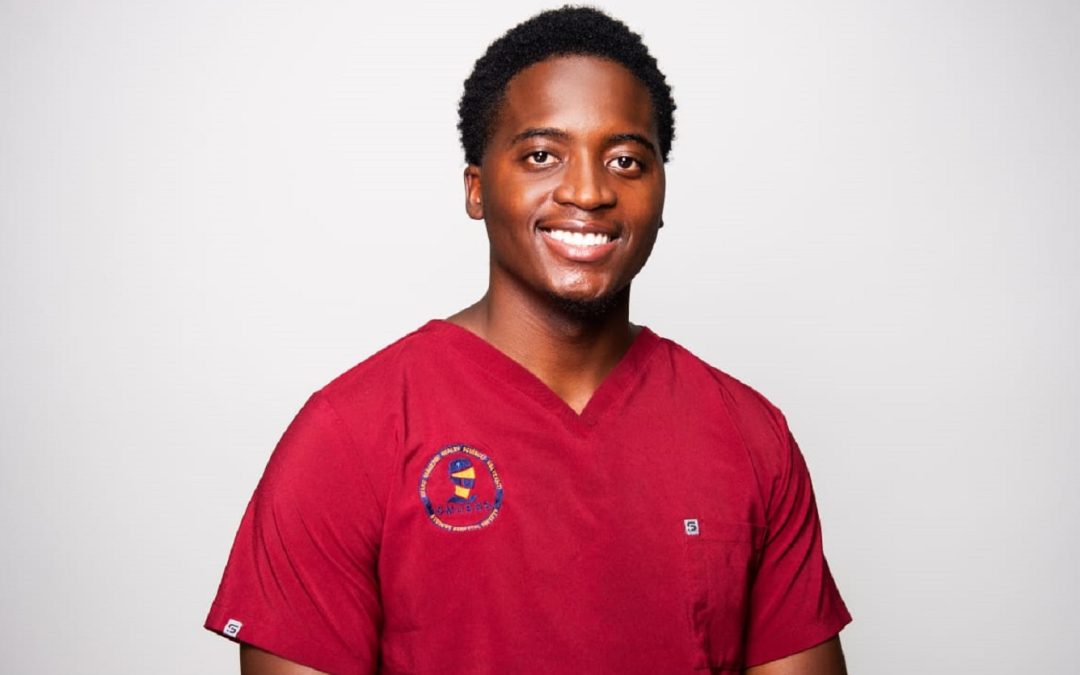
When you meet Thendo Mudau, a fifth-year Bachelor of Medicine and Bachelor of Surgery (MBChB) student at Sefako Makgatho Health Sciences University (SMU), you quickly realise that his story is one of determination, leadership, and service.
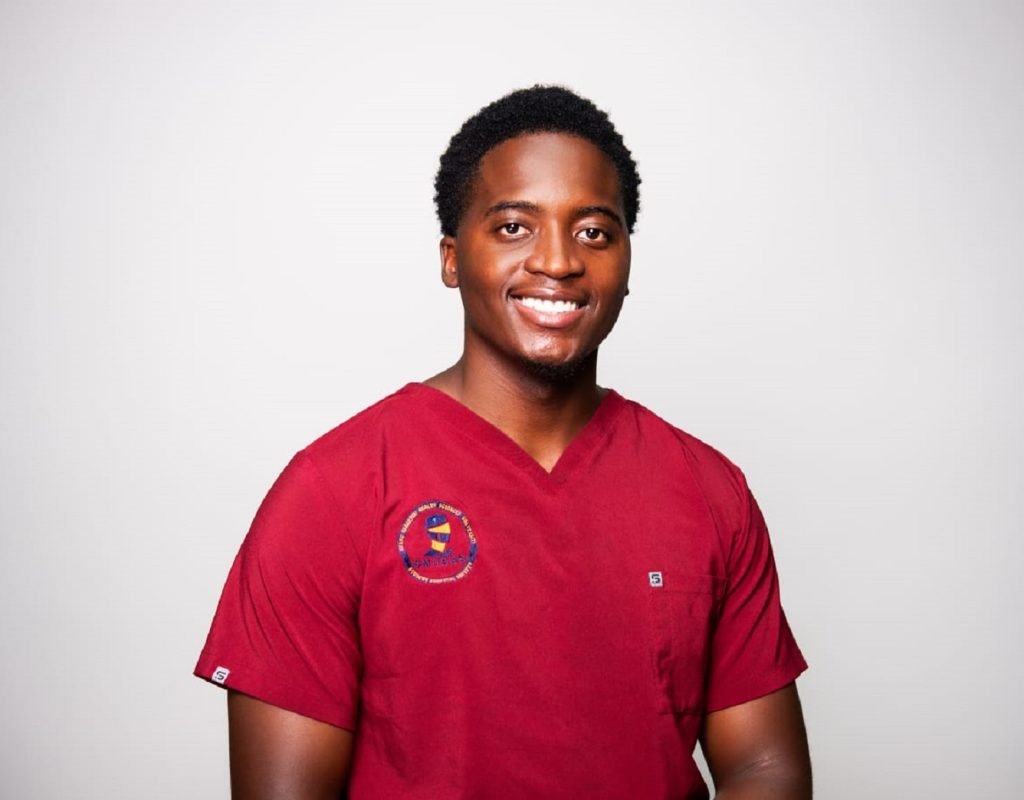 Raised in Johannesburg South by parents who both serve in the public sector — his mother a nurse and his father a policeman — Mudau grew up in an environment shaped by compassion, duty, and community. It was here that he first absorbed the value of service, a principle that continues to guide his journey.
His academic path took flight when he attended St Martin’s High School on a scholarship. He remains grateful to the late headmaster who believed in his potential and offered him an opportunity that became the springboard for his dreams.
Mudau’s aspiration to become a neurosurgeon can be traced back to when he was just seven years old. Initially fascinated by the cosmos, he stumbled upon Brain Games on National Geographic, a programme that drew striking parallels between the vastness of the universe and the intricate complexity of the human brain. “That was my Eureka moment,” he recalls. “I realised that I could channel my fascination with the brain into helping people — just as my mother has done through nursing.”
 Beyond the lecture halls, Mudau has been making a significant impact through student leadership. He currently serves as President of the SMU Student Surgical Society (SMUSSS), having been part of its executive committee since 2022. His journey within the society has included roles as Head of Anatomy in 2023 and Secretary-General in 2024.
During this time, society has achieved remarkable milestones. It was named Society of the Year at SMU and also honoured internationally as Society of the Month by the International Association of Student Surgical Societies (IASSS). Under Mudau’s leadership, the SMUSSS has spearheaded initiatives such as the annual Easter Egg Drive, surgical skills workshops, awareness campaigns, and academic collaborations that expose students to various surgical disciplines.
Among peers, Mudau has earned the affectionate nickname “The Godfather” — a nod to his long-standing involvement and commitment to mentoring younger members. On 25 April 2025, his contributions were recognised at the Dean’s Excellence Awards, where he received a certificate for his service to the School of Medicine.
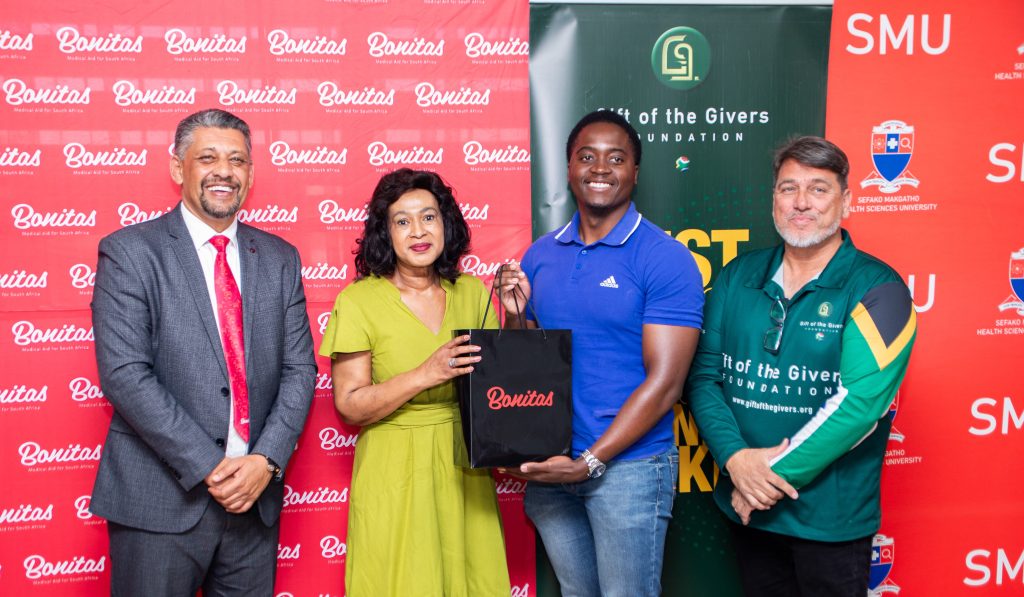
Recently, Mudau received a bursary that he describes as “an incredible blessing.” Beyond easing financial pressures, the award has served as encouragement to continue striving towards his lifelong dream. “For me, leadership is about service, building others up, and leaving behind a legacy that inspires the next generation to aim even higher,” he says.
With a clear vision for the future, Mudau is determined to pursue neurosurgery and contribute to advancing healthcare in South Africa. His journey — shaped by humble beginnings, strong family values, and relentless drive — is a testament to what happens when passion meets purpose.
As he continues to balance his studies, leadership responsibilities, and community engagement, one thing is clear: Mudau is not only shaping his own future but also paving the way for others to dream bigger.
By Dimakatso Modise

by Lorato | Aug 20, 2025 | Accolades and Achievements, All News, SMU Media, Student Media
Sefako Makgatho Health Sciences University (SMU) is celebrating the achievement of Kalaba Nkonde—Lecturer in the Department of Pharmacy Practice, Academic Instructor for the Dispensing Short Course for Healthcare Professionals, and PhD candidate—who has been selected as a 2025 Mandela Washington Fellow.
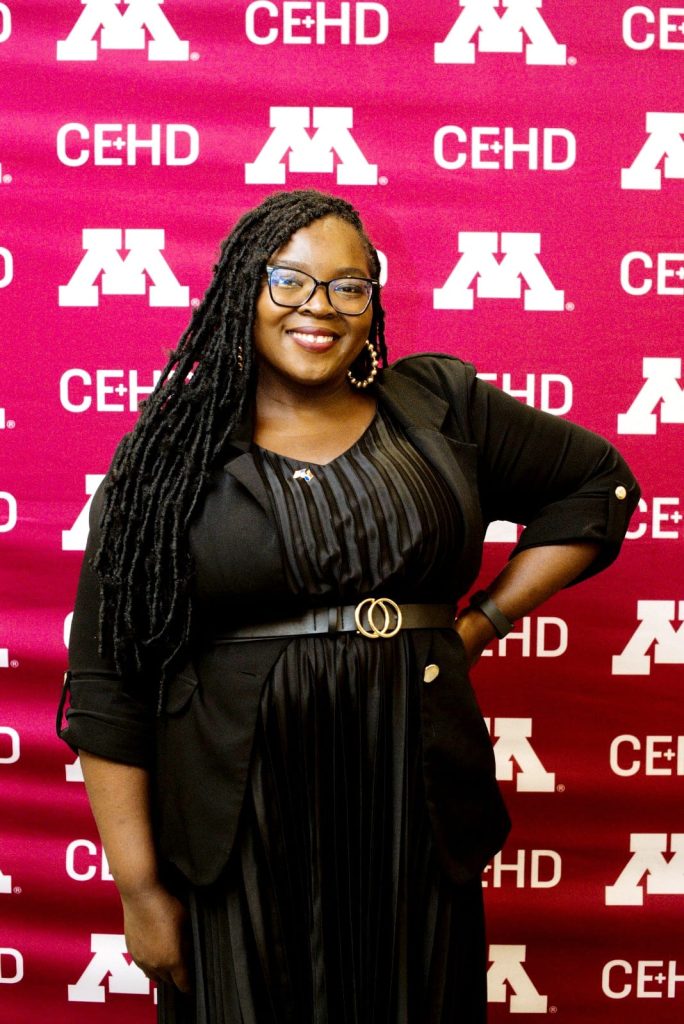 The Mandela Washington Fellowship, part of the United States’ Young African Leaders Initiative (YALI), is one of the most competitive leadership programmes on the continent. Chosen from more than 58,000 applicants across Sub-Saharan Africa, Nkonde joins an elite cohort of approximately 620 Fellows recognised as some of the best and brightest young leaders in agriculture, business, civil society, education, energy, healthcare, technology, trade, and security.
Recalling the moment she learnt of her selection, Nkonde says, “I initially ignored the notification, but when I finally opened the email, I screamed. It felt like time stopped—a surreal moment of disbelief, immense gratitude, and excitement. It reminded me that purpose, preparation, and passion can align in powerful ways.”
Her application reflected her extensive work at the intersection of pharmacy, public policy, and public health advocacy, with a particular focus on equitable access to medicines and health literacy. “I positioned my application around systemic thinking—linking pharmacy education to patient-centred care and policy reform. What set it apart was its multidimensional nature: academic achievements, leadership roles, volunteerism, and community initiatives,” she explains.
Nkonde attended a six-week Leadership Institute at the University of Minnesota – Twin Cities, in the U.S. under the Public Management track. Across 26 U.S. institutions in 21 states, Fellows engage in leadership training, academic study, networking, and weekly community service. For Nkonde, the most transformative experiences came from connecting with other African changemakers and U.S. leaders. Influential figures included her project coach, Dr Olihe Okoro, and leadership scholar Dr Artika Tyner, whose session on inclusive leadership reshaped her understanding of leadership as service.
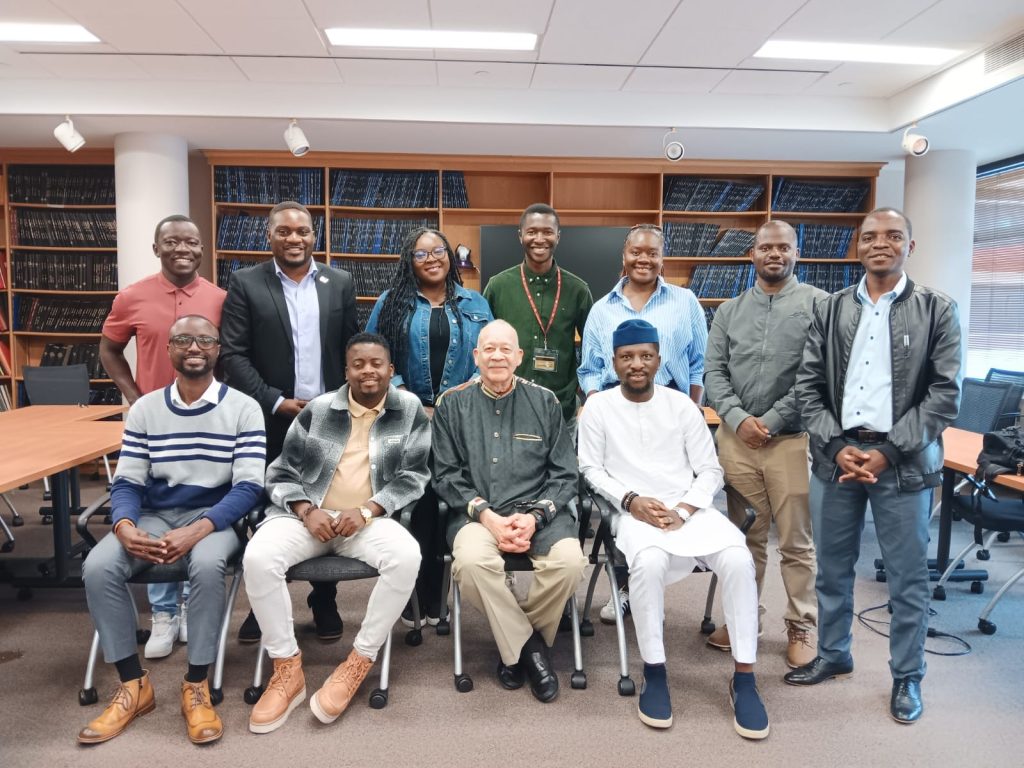
The academic director and staff were instrumental in ensuring the fellows made the most of the experience incorporating networking sessions and providing spaces for collaboration. “Dr Ashley Watson and team always mentioned my name in rooms I never would have imagined myself in. They ushered me in the best possible directions and set me up for leadership success.” Nkonde recalls.
A core focus of Nkonde’s work is literacy-centred health education. “In South Africa’s diverse linguistic and socioeconomic context, health literacy can mean the difference between access and exclusion,” she says. Currently, she is piloting a literacy initiative in SMU’s School of Pharmacy, inspired by her Fellowship experiences, with plans to expand it to improve patient outcomes and student success.
Looking ahead, Nkonde intends to integrate global best practices into SMU’s pharmacy curriculum, foster policy literacy, and create more opportunities for student leadership and international collaboration. “Equity in healthcare is not just a technical issue—it is a leadership challenge,” she emphasises.
Her advice to aspiring changemakers is clear: “Start where you are, with what you have, and lead with integrity. Don’t wait for permission to be bold—be the bridge where none exists.”
The Mandela Washington Fellowship is a programme of the U.S. Department of State, funded by the U.S. Government and administered by the International Research & Exchanges Board (IREX).
By Tumelo Moila
by Lorato | Aug 20, 2025 | All News, SMU Media, Student Media
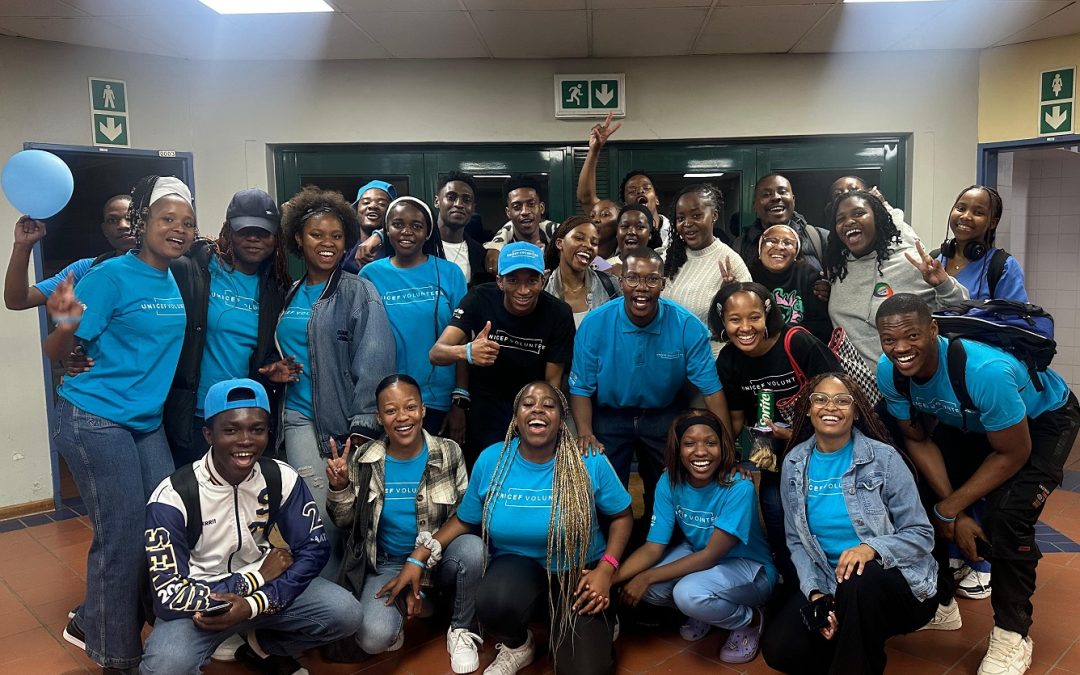
Hope, action and determination converged at Sefako Makgatho Health Sciences University (SMU) as students officially launched the UNICEF Club—a movement dedicated to championing children’s rights and advancing climate action. More than just a campus society, the club embodies a new generation of leaders committed to taking action, engaging with their communities, and driving meaningful change for children and the environment.
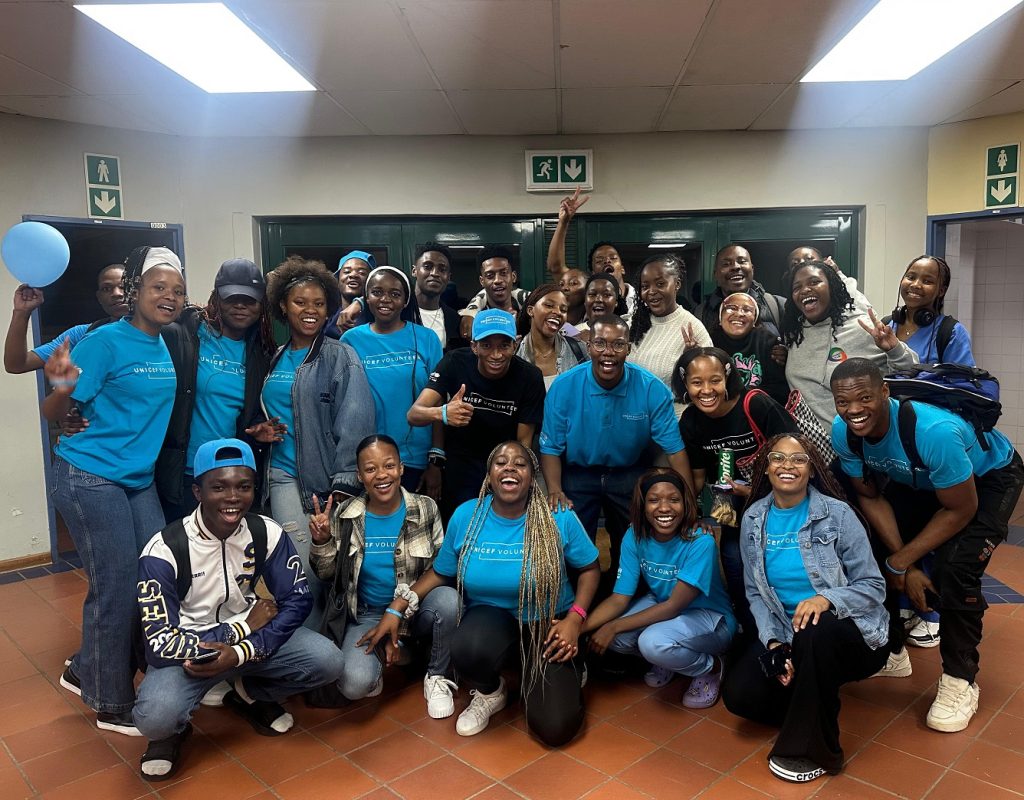 The launch drew representatives from across the SMU student body, including the Student Surgical Society, the Diagnostic Society, Interprofessional Education and Collaborative Practice, Kulanathi Edu Hub, and Medics on Motion. Their participation highlighted the power of collaboration—when diverse groups unite around a shared purpose, meaningful social impact follows.
Delivering the keynote address, Tiisetso Mokoena, Volunteer Club Coordinator for UNICEF South Africa, emphasised the organisation’s four key pillars: Education, Nutrition, Ending Violence Against Children, and Healthy Lifestyle and Mental Health. She also underscored the urgency of climate action, reminding students that environmental sustainability is essential to safeguarding children’s futures.
“Universities are more than places of learning,” Mokoena said. “They are hubs of creativity, energy, and influence. Students have the power to advocate for children’s rights and create lasting change in their communities while addressing climate challenges.”
Though newly established, the SMU UNICEF Club has already made an impact. Members showcased their involvement in community cleaning projects, contributions to the university garden, partnerships with other UNICEF university clubs, and climate-focused initiatives such as tree planting and awareness campaigns. These activities not only benefit society but also equip students with vital leadership, teamwork, and organisational skills.
The launch was a lively celebration, featuring dance competitions, interactive question-and-answer sessions, and prizes including UNICEF-branded T-shirts, caps, and wristbands. Around 180 students attended, creating an atmosphere brimming with enthusiasm and purpose.
Reflecting on the day, Ntshadi Bokaba, a Medicine student, shared:
“It is inspiring to see so many students coming together for a common goal. Being part of this launch motivates me to make a tangible difference in my community and in protecting the environment.”
Another Medicine student, Andile Moloi, added: “The launch was not only enjoyable, but it reminded us why advocacy, community service, and protecting our environment matter. Small actions, when combined, can lead to meaningful change.”
The event signalled more than the creation of a club—it marked the rise of a movement. Through advocacy, education, and climate action, the SMU UNICEF Club is nurturing a culture of responsibility while empowering students to be agents of positive change.
Universities are vital in shaping tomorrow’s leaders, and the SMU UNICEF Club stands as proof of that potential. Every initiative, from planting trees to raising awareness, strengthens a society where children can grow up safe, educated, healthy, and empowered.
With passionate members, a clear mission, and an unwavering commitment to service, the SMU UNICEF Club is poised to make an enduring impact. The launch was only the beginning. As students continue to unite their energy, ideas, and creativity, they are demonstrating that meaningful change is possible—one child, one community, and one initiative at a time.
By Dimakatso Modise