by Lorato | Jul 9, 2025 | All News, SMU Media, Student Media
At Sefako Makgatho Health Sciences University (SMU), education goes far beyond lectures and laboratories — it cultivates leaders with depth, purpose, and vision. Dr Andile Molokomme (29), an SMU alumna and trailblazer in medicine, business, ministry, and youth empowerment, stands as a shining example of this ethos. Her journey is a living testament to SMU’s commitment to developing graduates who are not only academically capable but socially conscious and spiritually grounded — leaders cut above the rest.
 Born in Soshanguve and driven by a lifelong desire to serve, Molokomme’s decision to pursue medicine was not just a career path, but a calling. “Since childhood, I knew I wanted to be a doctor,” she reflects. Her years at SMU provided more than clinical training — they offered a platform to explore her faith, leadership, and entrepreneurial ambitions. She was ordained as a pastor during her fourth year, a rare feat for a medical student. “SMU allowed me to be the best version of myself,” she says. “I thrived academically, ministerially, and entrepreneurially — all at once.”
Graduating with a final-year average of 70%, Molokomme credits SMU and her mentor, Pastor Derek Njolomole, for instilling a life-planning framework that continues to guide her: one that integrates health, purpose, finances, and community.
After four years in clinical practice, Molokomme launched Dr Andie Family Practice in Pretoria North — a space for personalised, patient-centred primary care. “I wanted to create a practice that prioritised education, early screening, and holistic wellness,” she explains. Today, the clinic is a trusted community hub serving patients of all ages.
Her entrepreneurial spirit, sparked during her university years, led to the creation of AndiBeauty, a cosmetic brand rooted in empowerment rather than vanity. “I didn’t want just another beauty label,” she says. “I wanted one that uplifted women.” What began as a retail concept has since evolved into AndiBeauty Spa, which offers medical-grade treatments alongside brief wellness consultations and healthcare referrals — a blend of beauty and preventative care that reflects her interdisciplinary vision.
Molokomme is also a media personality, regularly contributing to radio stations such as Thobela FM, Power FM, and Ga-Rankuwa FM. She currently hosts Medical Insights on LoveWorld SAT, using media to educate and inspire.
Yet perhaps her most enduring passion lies in youth development. At 17, she founded Phenomenal Young Persons NPO (181-231), long before she earned her medical degree. “Before I was a doctor or entrepreneur, I was a philanthropist,” she says. The organisation has impacted over 10 institutions, adopted five schools, and has an active presence at major universities, with plans for formal registration at SMU. This May, the NPO brought 130 learners from Lethabong Secondary School, her former school, to the SMU Open Day — continuing a tradition of exposing township youth to higher education. “Exposure breeds aspiration,” she insists.
The organisation offers mentorship, academic awards, and will soon launch an online entrepreneurship course aimed at tackling youth unemployment through capacity building, confidence, and creativity.
“What keeps me going?” she says with a smile. “I love God. Leadership is a joyful burden — in lifting others, I rise too.” For Molokomme, success is mission-driven, not material. “It’s about using who you are to make the world better.”
Her vision for the next five years includes expanding the NPO into ten universities, fifteen colleges, and five African countries; scaling her beauty business; and publishing her autobiography to share the lessons behind her extraordinary journey.
To young professionals and SMU students, her message is clear: “Start with what you have. Be diligent. You don’t need to die with your dreams.”
Molokomme is living proof that SMU does more than educate — it empowers. From township roots to national influence, her life affirms SMU’s role in producing holistic, visionary leaders ready to serve and shape society. She doesn’t just wear many hats — she weaves them into a legacy of impact that will inspire generations to come.
By Tumelo Moila

by Lorato | Jul 9, 2025 | All News, SMU Media, Student Media
At Sefako Makgatho Health Sciences University (SMU), excellence in healthcare education is more than an aspiration — it is a lived reality shaped by dedication, clinical training, and community impact. Few embody this ethos more powerfully than Kagiso Hellen Kgasi, a 29-year-old trailblazer from Jericho village near Brits in the North West Province. Graduating cum laude in the Bachelor of Nursing and Midwifery, she became the first in her family to achieve such a milestone — a generational breakthrough for both her household and community.
 Kgasi’s path into healthcare began in 2014 when she joined the prestigious Nelson Mandela Fidel Castro Medical Programme, studying medicine abroad for three years. Although her original goal was to complete her medical degree, her growing passion for direct patient care led her to pivot toward nursing, a field she now describes as her true calling. “Nursing resonated with me on a personal level,” she explains. “It gave me a practical, immediate way to care for and advocate for people when they need it most.”
Her academic journey was marked by determination, curiosity, and an enduring love for learning. “I didn’t follow a rigid study schedule,” she says. “I studied whenever I could — often spending around 70% of my time learning. I genuinely enjoy it.”
While her academic commitment was unwavering, Kgasi faced considerable obstacles. Financial difficulties and long days that combined lectures with overnight clinicals tested her physical and emotional resilience. “There were moments when I wanted to give up,” she admits. “But I remembered my purpose, leaned on my faith, and pushed forward.”
A defining moment in her journey came in June 2023 during a clinical placement, when she delivered a healthy infant for the first time. “The joy on the mother’s face, knowing I played a part in that safe delivery, confirmed I was exactly where I was meant to be.”
 Kgasi attributes much of her growth to SMU’s high academic standards and the support she received from both lecturers and peers. “At times, I thought the expectations were too high — but I now understand that they helped me rise above what I thought was possible,” she says. “Each year, I had someone around me — a friend or peer — who pushed me to do better.”
Now completing her community service at a primary healthcare facility, Anna Legoale Clinic, Rustenburg, North West, with a focus on midwifery, Kagiso is particularly passionate about maternal and child health. She plans to pursue postgraduate studies, aiming for an NQF Level 10 qualification with hopes of becoming a lecturer or professor in the next decade. “I dream of shaping future nurses and influencing healthcare education. I’m also fascinated by the role artificial intelligence could play in improving patient care — from triage systems to smarter appointment scheduling,” she adds.
Her graduation was not just a personal milestone, but a moment of communal pride. “My family was thrilled. For them, it meant more than just a degree — it was a symbol of what’s possible, even from a small village like Jericho.”
To aspiring nurses, Kgasi offers grounded advice: “This journey isn’t easy. But when things get tough, go back to your ‘why’. That’s what carried me through the hard times.”
Anchored by her faith — “I can do all things through Christ who strengthens me” — Kgasi continues to serve, inspire, and lead with humility and vision.
Her story is not only a personal triumph but a reflection of SMU’s mission: to cultivate skilled, compassionate healthcare professionals who rise to meet the needs of the nation. In Kgasi, SMU has helped shape not just a nurse but a future leader in South African healthcare.
By Tumelo Moila
by Lorato | Jul 9, 2025 | All News, SMU Media, Student Media
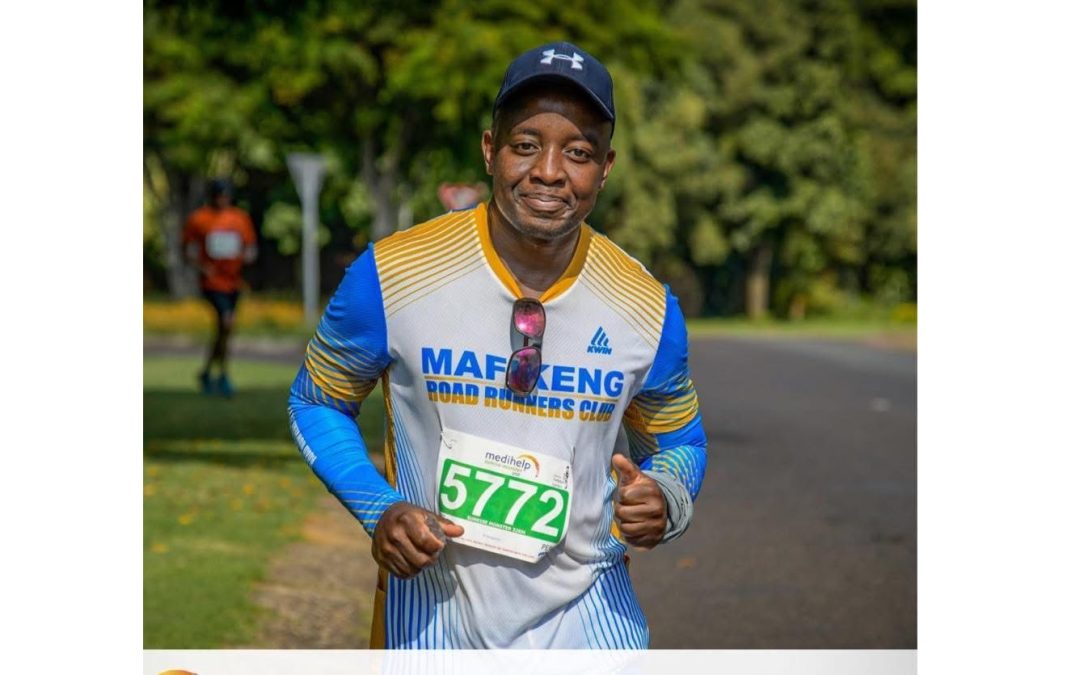
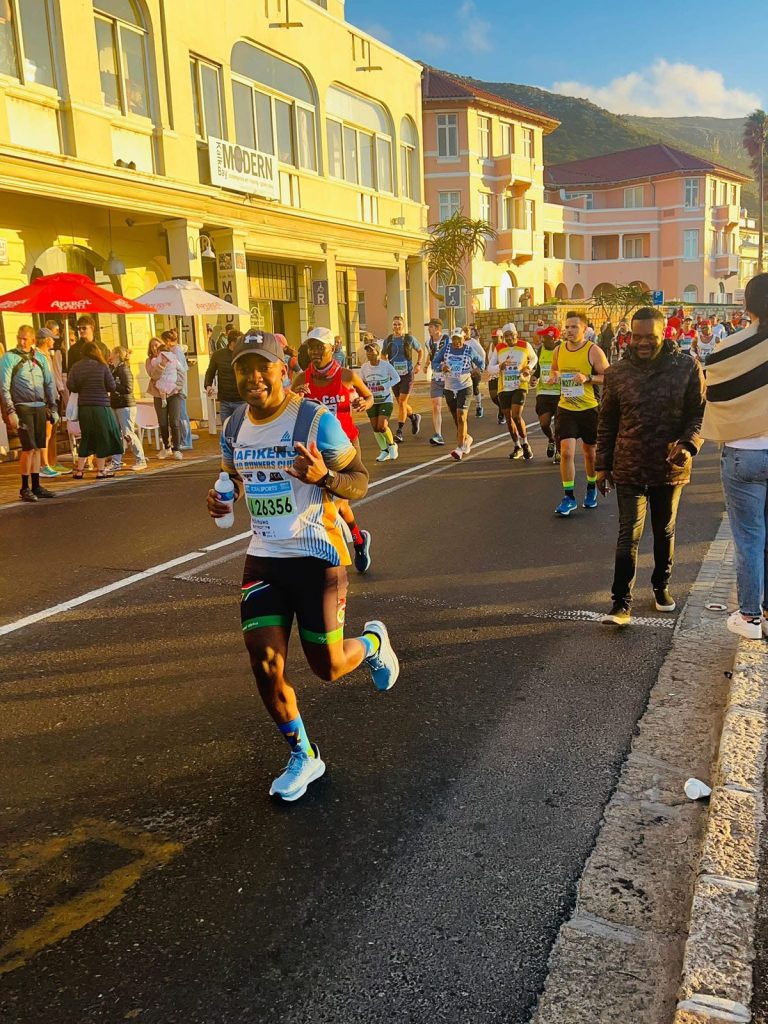
At Sefako Makgatho Health Sciences University (SMU), education is more than academic achievement — it is a launchpad for shaping resilient, purpose-driven leaders. Among its standout alumni is Dr Ndivhuwo Ndou (32), a Medical Officer at Mamelodi Regional Hospital and an avid long-distance runner, currently preparing for the Tokyo Marathon in 2026. His story captures the essence of SMU’s mission: producing well-rounded graduates who thrive in multiple spheres and uplift those around them.
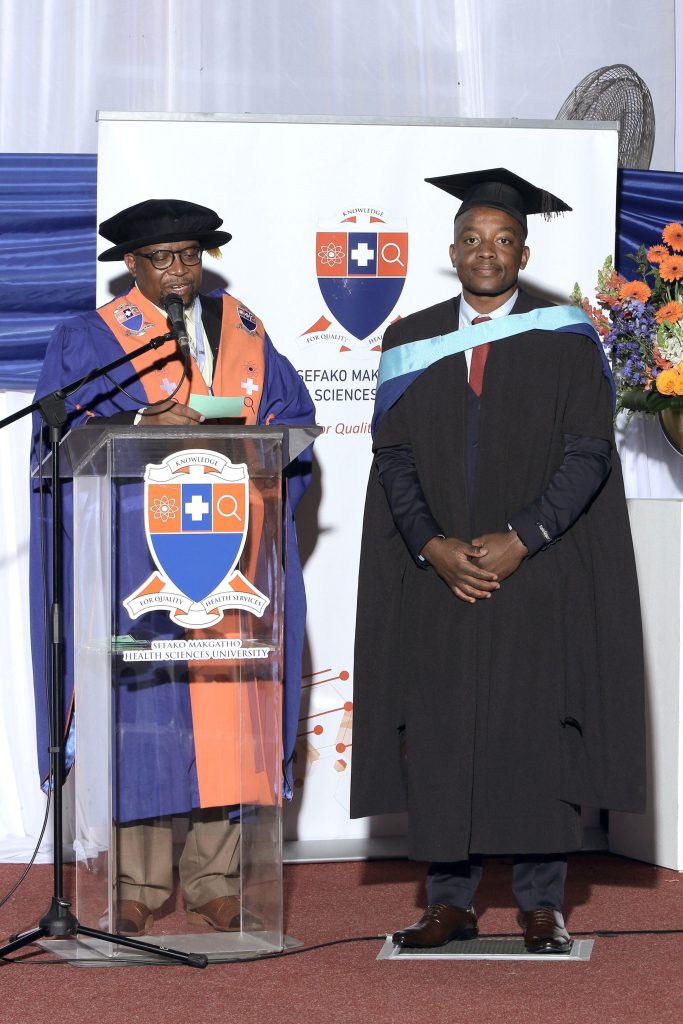 Raised in Tshakhuma Village in Limpopo, Ndou’s values were shaped by his rural upbringing and his mother, a dedicated healthcare worker who became his first role model. “Her achievements set a high bar,” he recalls. “I wanted to serve like she did — and make her proud.”
Determined to pursue medicine, Ndou chose SMU for its health sciences focus and community-oriented ethos. “It was academically demanding,” he admits. “But it taught me time management, resilience, and how to balance intensity with recovery.” Beyond the classroom, he formed lasting friendships and represented the university in football, playing for teams like Santos and Celta Vigo and joining the SMU Dream Team.
It was also at SMU that his passion for running took root. What began in 2015 as a way to unwind quickly evolved. “In 2016, I ran my first official 10km race,” he says. That initial run sparked a long-distance journey that now includes the Comrades and Two Oceans Marathons. His ultimate goal? To complete all six Abbott World Marathon Majors — Berlin, Boston, London, Chicago, New York, and Tokyo.
Balancing life as a full-time doctor and competitive athlete requires discipline. “It’s about routine, diet, and rest,” he says. “When you love something, you make time for it.” His medical training gives him a unique edge. “Understanding sports science helps me train smarter and avoid injuries.”
Fatigue remains a challenge, especially with the demands of hospital work. “There are days when I feel completely drained,” he shares. “But I listen to my body. Recovery is just as important as the work.”
 Despite his packed schedule, Ndou stays grounded in service. “Watching patients recover is the most fulfilling part of my job,” he says. At work, he also encourages healthier lifestyles by sharing tips on nutrition, exercise, and mental well-being. “Health education doesn’t stop in the ward,” he explains. “It should be part of everyday conversation.”
Though his current community outreach is informal — mentoring colleagues and peers — he dreams of launching structured wellness programmes and contributing to sports medicine education. “I’d love to help others improve their health and performance safely,” he adds.
His future plans include specialising further in medicine while expanding his international marathon portfolio. “I want to grow as a doctor and as an athlete,” he says. “Both paths challenge me to be better every day.”
When asked what keeps him grounded, his answer is simple: “My family. I want to be the best husband, father, and brother I can be. That’s my anchor.”
To young professionals from disadvantaged backgrounds, his message is heartfelt: “Your background doesn’t define your limits. With vision, discipline and hard work, anything is possible. Keep going step by step.”
Whether with a stethoscope or a pair of running shoes, Ndou is proof that excellence is not confined to a single lane. His life is a testament to the values of SMU — producing graduates who are intellectually capable, socially responsible, and personally driven. As he races toward new horizons, he carries not only his own dreams but the hopes of a generation inspired by what’s possible when education meets purpose.
By Tumelo Moila

by Lorato | Jul 9, 2025 | All News, SMU Media, Student Media
At Sefako Makgatho Health Sciences University (SMU), leadership is more than a title — it is a lived experience. The university has emerged not only as a centre of academic excellence but also as a launchpad for socially conscious, action-driven leaders. Among the standout examples is Atlegang Leeuw, a third-year Environmental Sciences student from Ga-Rankuwa, Pretoria, whose dynamic leadership is making a tangible impact on campus and beyond. “When I arrived at SMU, I came with more than just books and a timetable,” says the 20-year-old. “I wanted to build something that would last beyond my graduation — something rooted in service and purpose.”
 Since enrolling, Leeuw has held several key leadership roles: Chairperson of the Green Campus Initiative (GCI), Treasurer of United Nations Children’s Fund (UNICEF) SMU, Chairperson of the Interprofessional Collaborative Programme (IPECP), peer educator at Khulanathi EduHub, peer counsellor at Residence 5A, and member of the university’s rugby team. Through these platforms, he has fostered a culture of innovation, accountability, and environmental consciousness among his peers. “Leadership is not about status,” he reflects. “It’s about presence — being there, showing up, and creating spaces that uplift others.”
A defining chapter of his journey has been the revitalisation of the Green Campus Initiative. Once a modest awareness campaign, GCI now promotes sustainability across campus — from water conservation in residences to responsible food disposal. “We call ourselves future health professionals, yet sometimes fail to respect our shared environment. That contradiction motivated me to act,” he says.
Inspired by insights from the Association of College and University Housing Officers-International South African Chapter (ACUHO-I-SAC) student housing conference, Leeuw helped expand GCI’s influence in 2024. Under his leadership, it formed partnerships with the Wildlife and Environmental Society of South Africa (WESSA), Miss Earth SA, UNICEF, and student groups from other universities. One of its most visible accomplishments is the SMU Garden — a collaborative project with the Built Environment Department to create a sustainable vegetable garden on campus.
“It’s more than just growing food — it symbolises that meaningful change can start with students, right where we are,” he explains.
Leeuw credits much of the work’s success to his long-time classmate and friend, Tshepo Ntlemeza. “Tshepo’s always been a steady hand — someone who kept things going when challenges felt overwhelming.”
 Together, they led initiatives like the Tembisa Clean-Up, where volunteers collected over 600 bags of waste. They also took part in national biodiversity campaigns, including invasive species removals on International Biodiversity Day.
His leadership extends into health advocacy. As Treasurer of UNICEF SMU, Leeuw has championed campaigns around mental health, children’s rights, and climate justice. In May 2024, he represented SMU at the United Nations Youth Consultation, where young South Africans addressed national challenges such as education, unemployment, and sustainable development.
“That experience made me realise the importance of what we do at SMU. We’re not just students — we’re part of a much larger dialogue shaping the future.”
Another of his achievements lies in the IPECP, where he pushed for the inclusion of Environmental Sciences students in interprofessional learning, a space previously reserved for clinical disciplines. This shift enabled cross-disciplinary collaboration, preparing students to tackle real-world problems at the intersection of science, health, and society.
Yet, for Leeuw, it’s the small victories that mean the most. “When someone tells me they started composting in their res because of GCI, that’s when I know we’re truly changing lives.”
Looking forward, he is developing an eco-friendly cooler box made from recycled pineapple peels — a low-cost, sustainable solution to help students and rural communities safely store medicine in high temperatures.
His long-term aspiration is to work with the United Nations or government departments focused on youth empowerment. But for now, his heart remains with Ga-Rankuwa and SMU — the community and institution that shaped him. “SMU gave me a platform, a voice, and the belief that I can lead change. As long as I’m here, I’ll keep doing exactly that.”
Leeuw is a shining example of the calibre of student leaders SMU continues to cultivate — individuals equipped not just with knowledge, but with vision, resilience, and a commitment to serve.
By Dimakatso Modise

by Lorato | Jul 4, 2025 | All News, SMU Media, Student Media
In a powerful celebration of academic achievement, international solidarity, and health system transformation, Sefako Makgatho Health Sciences University (SMU) proudly hosted the 2025 Nelson Mandela/Fidel Castro and South African Military Health Service Medical Graduation Ceremony on Friday, 4 July.
 The momentous event honoured more than 70 newly qualified South African doctors who completed their studies in Cuba through the Nelson Mandela Fidel Castro (NMFC) medical training programme, before returning to South Africa to complete their integration and final clinical training. This cohort represents the latest contribution to the growing legacy of the NMFC programme — a partnership that has, over the past 29 years, produced more than 3,000 doctors, many of whom serve in under-resourced and rural areas across the country.
The university’s sports complex was transformed into a vibrant stage for celebration, attended by graduates’ families, government officials, health professionals, and academic representatives from both South Africa and Cuba. The ceremony opened with the singing of Gaudeamus Igitur, followed by the national anthems of Cuba and South Africa — a symbolic gesture recognising the enduring diplomatic and educational ties between the two nations.
Presiding over the formal proceedings was Professor Heidi Soca González, Acting Chancellor of the Universities of Medical Sciences in the Republic of Cuba. She formally constituted the congregation and led a moment of silence in tribute to former presidents Nelson Mandela and Fidel Castro, whose shared vision of equality and health justice gave rise to this landmark collaboration.
 In her welcome address, SMU Vice-Chancellor Professor Tandi Matsha-Erasmus reaffirmed the institution’s commitment to supporting the integration of NMFC graduates. “Today, we are honoured to host the graduation ceremony of the Nelson Mandela Fidel Castro Medical Programme. At SMU, we take pride in serving as one of the key academic institutions facilitating the reintegration of returning graduates into the South African healthcare system. Today’s ceremony reaffirms our role as a university that is responsive, transformative, and mission-driven,” she said. “SMU continues to advance the national imperative of health equity by preparing graduates who are both clinically competent and socially conscious.”
 Delivering the keynote address, Deputy Minister of Health Dr Joe Phaahla commended the Mandela-Castro Programme for its contribution to addressing the healthcare skills gap in South Africa. “It is a profound honour and privilege for me to stand before you on this significant occasion — the graduation ceremony of our 53 Nelson Mandela Fidel Castro medical training programme graduates, along with 23 members of the South African Military Health Service trained by Cuban medical schools to serve the people of South Africa,” he said. “As graduates, you represent a unique embodiment of excellence, having been trained in a country that has become a second home to many of you, shaped by a healthcare philosophy rooted in primary health care, community, and human dignity.”
One of the most solemn moments of the ceremony was the administration of the oath of the graduates in Medicine, led by Professor Risenga Chauke, Acting Dean of SMU’s School of Medicine. The oath underscored the graduates’ ethical obligations to serve with integrity, respect patients’ rights, and uphold the values of equality and confidentiality.
The highlight of the day — the conferral of medical degrees — was conducted by Professor González, as each graduate crossed the stage to thunderous applause. Many of the new doctors are the first in their families to achieve such a milestone, reflecting the transformational power of education and opportunity.
In recognition of academic excellence, Professor Pindile Mntla presented the prestigious Professor Juan José Ceballos Arrieta Award to top-performing graduates Dr Rosina Momo Mohlala and Dr Sibusisiwe Roselyn Nncube, who exemplified leadership and scholarly excellence throughout their training.
Delivering a heartfelt message on behalf of the graduating class, Dr Tumelo Nicholas Lengoabala said: “To our parents, this achievement is not only ours — it is yours as well. This degree is not merely a certificate; it is a testament to endurance, a symbol of hope, and a celebration of triumph.”
Messages of commendation were also shared by international and military leadership. Dr Fidela Mariana Reyes Obediente, Director General of Medical Teaching from Cuba’s Ministry of Public Health, and Major General Mphikeleli Simelane, Chief Director of Military Health Force Preparation, praised the graduates for their resilience, discipline, and dedication to public service.
As the final notes of Gaudeamus Igitur echoed through the complex, the graduates left not only with degrees in hand but with a calling to serve with honour and to uphold a legacy of solidarity, dignity, and healthcare for all.