by Lorato | Apr 23, 2025 | All News, SMU Media, Student Media
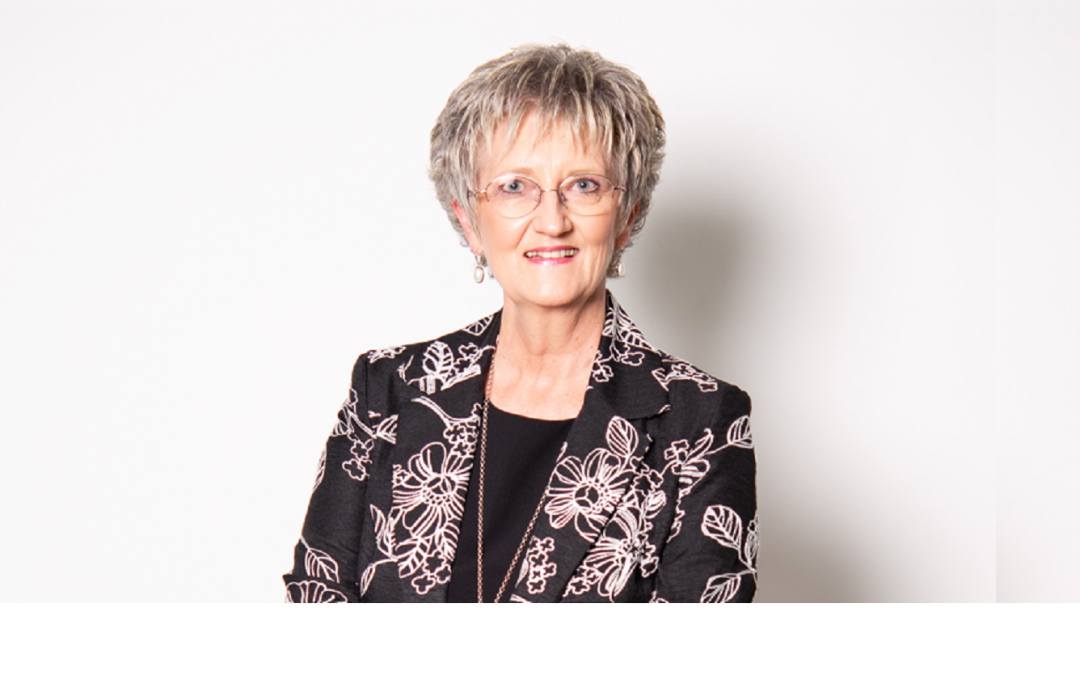
Professor Hannelie Meyer was recognised as the Best-Established Researcher and Best Overall Female Researcher at the Sefako Makgatho Health Sciences University (SMU) Vice-Chancellor’s Excellence Awards 2024 for her outstanding contributions to public health pharmacy research. She received this prestigious recognition for her dedication to impactful research, mentorship, and leadership in research. “I am deeply honoured by this recognition,” she says. “It is evidence that dedication and collaboration drive impactful research in public health pharmacy.”
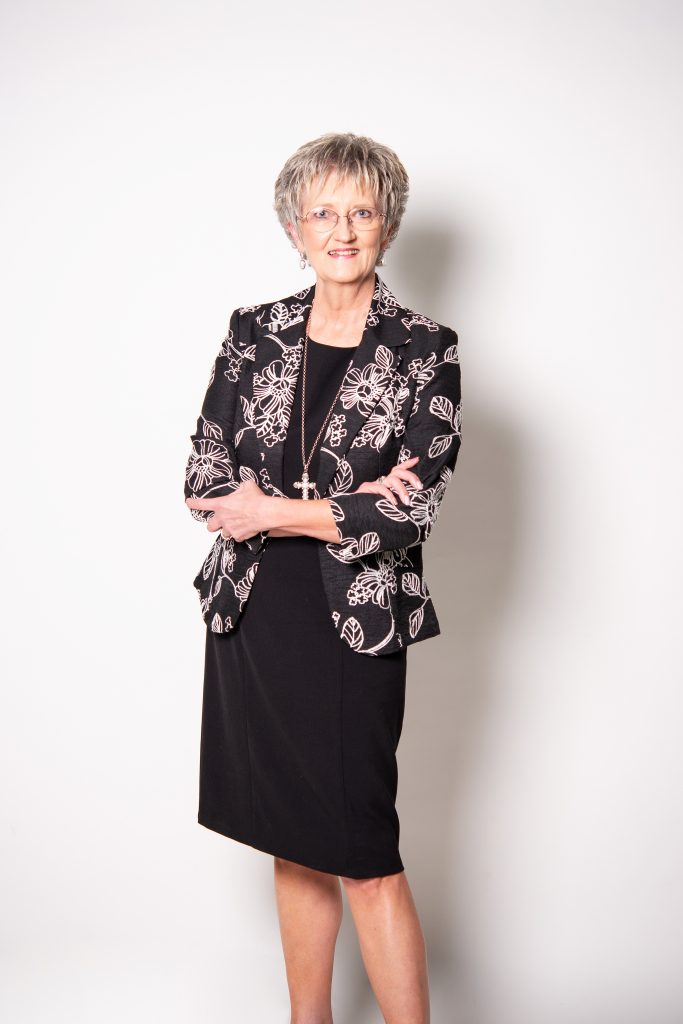 Her journey in academia and research bears testimony to her unwavering commitment to improving public health through evidence-based interventions. As a Full Professor in the Department of Public Health Pharmacy and Management (PHPM) in the School of Pharmacy, she also leads the South African Vaccination and Immunisation Centre (SAVIC) at SMU. With over 40 years of experience in the pharmaceutical and public health sectors, she has made significant contributions to improving primary healthcare at the national, regional, and global levels.
Meyer’s research focuses on strengthening healthcare services and improving public health, with a particular emphasis on vaccination as a vital pillar of antimicrobial stewardship. This includes building vaccine confidence and promoting the rational use of medicines to ensure patient safety. A National Research Foundation (NRF) Category C2 rated scientist since 2022, she has an impressive body of work, including 184 articles in peer-reviewed journals, 406 national and international conference presentations, and 57 research and academic awards, including several SMU Vice-Chancellor’s Excellence Awards, namely the Distinguished Community Scholar Excellence Award in 2021; Most Established Researcher in the School of Pharmacy Excellence Award in 2018 and 2022; and Best Overall Female Researcher Excellence Award in 2018. Her mentorship has led to the successful completion of 96 postgraduate students, including 7 PhDs.
Her academic leadership has seen her coordinate the Bachelor of Pharmacy (BPharm) programme for nine years, lead the development of the professional Master of Pharmacy (MPharm) in PHPM, and develop training materials for the Higher Certificate in Vaccinology. Her work supports the World Health Organization’s (WHO) goal of ensuring global access to safe, effective, and high-quality medical products, vaccines, and technologies.
Throughout her career, Meyer has benefitted from strong mentorship, which she now pays forward to young and emerging researchers. I was fortunate to have had great mentors, such as Professor Rose Burnett, who introduced me to research on the social aspects of vaccination, and Professor Brian Godman, who helped expand my expertise in drug utilisation research,” she explains. “Now, I strive to provide the same support and guidance to early-career researchers.”
She encourages early-career researchers to seek mentorship, engage in academic collaborations, and take advantage of funding opportunities provided by SMU and external bodies. “Commitment, dedication, hard work and a passion for meaningful research are key to long-term success,” she advises.
Balancing academic excellence with personal responsibilities remains a challenge for many female researchers. Meyer acknowledges the difficulties of securing research funding, managing administrative tasks, and maintaining a work-life balance. “Women in research face unique challenges, but with resilience and support, we can excel in both our professional and personal lives,” she says. Despite these challenges, she has carved a path of success, demonstrating that women can excel in academia and research while fulfilling personal and family roles.
Beyond academia, Meyer’s work has helped shape national, regional and global health policies. She holds three ministerial appointments in South Africa, including chairing the National Immunisation Safety Expert Committee and serving on the National Advisory Group on Immunisation and the South African Health Products Regulatory Authority Board. She also serves on various African Union vaccine safety committees and the WHO Global Advisory Committee on Vaccine Safety.
Her dedication to community engagement was particularly evident during the COVID-19 pandemic. She played crucial roles in developing training materials, training healthcare workers, designing vaccine implementation guidelines, and establishing vaccine safety surveillance systems. During the pandemic, it was crucial to ensure that healthcare workers were well-equipped with the knowledge and resources to manage the implementation and safety of the COVID-19 vaccine, she recalls. Her leadership in vaccine risk communication and pharmacovigilance has significantly contributed to strengthening South Africa’s primary healthcare service delivery.
Meyer considers her most significant achievement to be the success of her postgraduate students. “Seeing my students thrive and take on leadership roles is incredibly rewarding,” she reflects. Many of her mentees now hold leadership positions in government and academia, driving positive change in public health and pharmacy. She believes in the power of mentorship, collaboration, and dedication to fostering a new generation of healthcare professionals who will continue her legacy.
Her philosophy is encapsulated in the African proverb: “If you want to go fast, go alone. If you want to go far, go together.” Through her research, mentorship, and leadership, Meyer has undoubtedly made significant strides, and her contributions will undoubtedly resonate for years to come.
By Dimakatso Modise
by Lorato | Apr 23, 2025
SMU Graduations Home » Search Results for "ienabler" SMU Graduations Graduation Notice Graduation Important Links SMU SPRING GRADUATION CEREMONY, 20 SEPTEMBER 2024 The 2024 spring graduation ceremony to confer Degrees and award Diplomas and Higher...

by Lorato | Apr 9, 2025 | Accolades and Achievements, All News, SMU Media, Student Media
In a world where health challenges are increasingly complex and interwoven with social, technological and economic shifts, the need for agile, principled, and visionary healthcare professionals has never been greater. Rising to this challenge is Sefako Makgatho Health Sciences University (SMU)—a university whose impact is not only seen in lecture halls or clinical labs, but in the lives its alumni touch across South Africa and far beyond.
 The true measure of a university lies not only in the qualifications it confers but in the calibre of the individuals it sends into the world. SMU’s contribution to healthcare, both nationally and globally, can be traced through the profound influence of its alumni—many of whom occupy key leadership roles, drive medical innovation, and deliver services to communities that have historically been underserved. They are healthcare professionals, scientists, administrators, policymakers and thought leaders. Together, they represent a living, evolving embodiment of SMU’s mission.
From the bustling corridors of Dr George Mukhari Academic Hospital, where alumnus Dr Fhatuwani Godfrey Mbara leads as Chief Executive Officer, to the fast-paced world of emergency and maritime medicine championed by Dr Realeboga Sebitso, SMU graduates continue to take up space in critical sectors. Their work extends into private healthcare, too, as seen in the inspiring journey of Drs Innocent and Dikeledi Chauke, who have built a healthcare legacy rooted in excellence and service.
Beyond borders, SMU-trained professionals are making waves across the continent and in global health arenas. One such example is Elizabeth Itotia, a trailblazer who became Kenya’s first female nuclear pharmacist—her pioneering work revolutionising cancer care in her country. Whether identifying new virus variants, developing niche specialisations, or strengthening health systems in resource-limited settings, SMU alumni are increasingly recognised not just as participants in healthcare conversations, but as leaders shaping the global agenda.
But these achievements are not accidental. They are the outcome of a university culture deeply committed to excellence, equity and service. SMU’s curriculum is not only aligned with the demands of modern healthcare—it is embedded in the realities of South African society. Students are trained not just to treat illness, but to understand the systems and structures that produce health inequalities. They are taught to think critically, act ethically, and serve selflessly.
This ethos extends far beyond the academic. At SMU, leadership is nurtured through community engagement, student governance, entrepreneurship, and research. As a result, graduates emerge not only as competent professionals but as compassionate changemakers—individuals ready to lead, adapt and innovate in whichever space they find themselves.
Crucially, SMU alumni carry with them a sense of responsibility. Whether practising in urban hospitals or rural clinics, engaging in public service, or contributing to cutting-edge research, their work is underpinned by a shared value: to serve. And in doing so, they reaffirm SMU’s founding commitment—to improve the health and quality of life of all people, particularly those most in need.
The impact of SMU is, therefore, not confined to its campus. It travels through every patient healed, every system improved, and every life touched by one of its graduates. It is a living legacy, renewed each year as new cohorts enter the profession and old ones rise to new heights.
As SMU looks to the future, its alumni remain its greatest ambassadors—proof that a university rooted in service, excellence, and transformation can indeed shape the world. Their journeys are not only testimonies of personal success but also affirmations of the institution that moulded them. In their hands, the future of healthcare is not only possible—it is already unfolding.
By Tshimangadzo Mphaphuli
by Lorato | Apr 9, 2025 | All News, SMU Media, Student Media
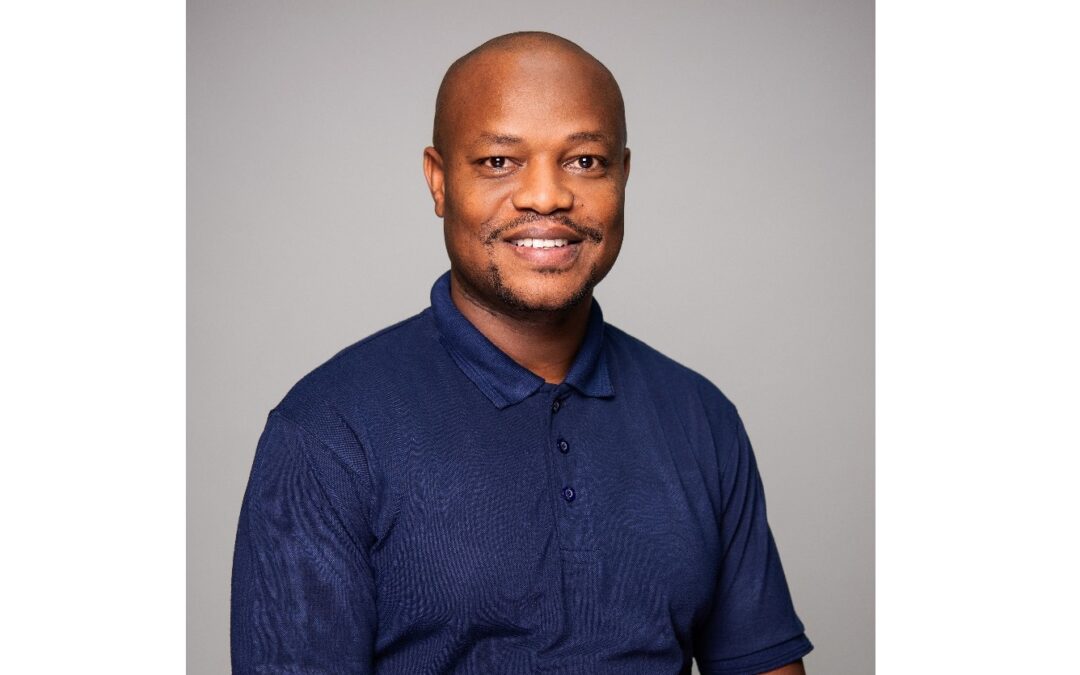
Dr Eugene Makhavhu, a Nursing Sciences Lecturer at Sefako Makgatho Health Sciences University (SMU), recently achieved a significant milestone by completing his PhD. His academic journey, passion for research, and commitment to mentorship continue to inspire students and colleagues alike. In this exclusive interview, Makhavhu shares insights into his career, research focus, and aspirations for the future.
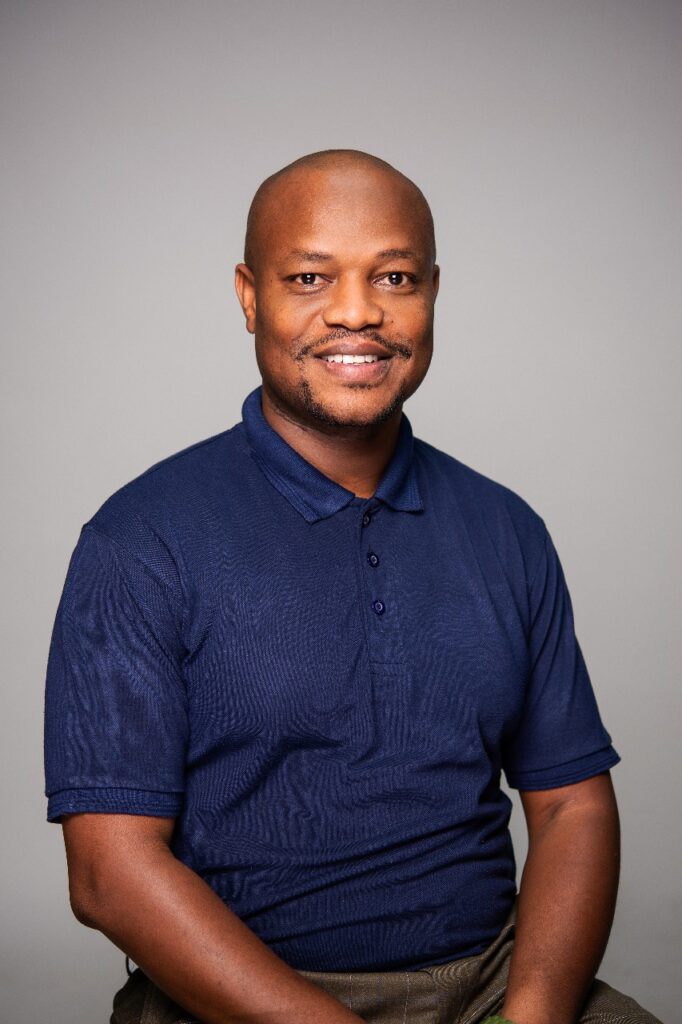 Makhavhu’s academic journey began a decade ago when he started as a part-time lecturer at the Tshwane University of Technology’s Adelaide Tambo School of Nursing Sciences. He later worked at the University of Johannesburg in a similar capacity.
His inspiration for pursuing an academic career was deeply rooted in his undergraduate years. “I was inspired by my lecturers and their engagement with students. But more than that, the perception of nurses as rude and unapproachable made me want to change that narrative. I realised that influencing student nurses at the educational level was the best way to effect change.”
Makhavhu joined SMU in 2019, drawn by the institution’s strong focus on health sciences. “I had offers from other universities, but SMU’s commitment to addressing societal health challenges aligned with my academic goals. It was the ideal place for me to grow as an educator and researcher.”
Completing a PhD is no small feat, and for Makhavhu, the motivation to pursue a doctoral degree was a long-standing aspiration. “I was inspired as an undergraduate when I learned about the possibility of studying up to PhD level. However, the defining moment came when I saw a young lecturer in my department receiving her PhD at my graduation ceremony. It changed my mindset from inspiration to action.”
His research, titled: “Development of Strategies to Enhance Integration between Indigenous-Traditional and Allopathic Child Healthcare Services in Soshanguve”, focuses on bridging the gap between traditional and modern medical practices. “Many families in South Africa rely on both traditional and allopathic medicine for childhood healthcare. However, these systems often operate in isolation, sometimes leading to fragmented care. My study sought to develop strategies for safer, inclusive, and culturally sensitive healthcare practices.”
 The research involved engaging with traditional healers, allopathic healthcare practitioners, and caregivers to identify barriers to integration and potential solutions. “The goal was to create a framework that promotes mutual respect and communication between these healthcare systems,” he explains.
Balancing a PhD with teaching responsibilities at SMU was a significant challenge. “I was responsible for three modules while conducting my research. Managing lesson preparations, assessments, and student consultations required careful time management and prioritisation. Support from my colleagues and my Head of Department was invaluable.”
Despite the demanding schedule, Makhavhu remained disciplined and motivated. “I set clear daily goals and reminded myself that even small progress, like writing one paragraph or reading one paper, was still progress.” His support system, including family, friends, and mentors, played a crucial role in keeping him focused.
Makhavhu’s PhD research has significant implications for healthcare education at SMU. “The findings can contribute to curriculum reform, particularly in promoting culturally sensitive healthcare. Our patients come from diverse backgrounds, and understanding their health-seeking behaviours is essential for improving care.”
He aims to expand his research and collaborate with scholars locally and internationally. “There is great potential for interdisciplinary work in integrating traditional and modern healthcare. I am also focused on developing my research niche and exploring other aspects of alternative healing.”
When reflecting on the state of research in South Africa, Makhavhu highlights the need for increased funding and institutional support. “While research potential is immense, nursing research, in particular, needs more support. Clinical-based research should be encouraged alongside academic studies to strengthen evidence-based practice.”
For Makhavhu, the most rewarding moments of his career include seeing his students succeed. “Witnessing my students graduate and knowing I played a role in their development is deeply fulfilling. It reminds me why I chose this path.”
Makhavhu hopes to leave a legacy of inspiration and meaningful contributions to healthcare research and education. “I want to be remembered as someone who inspired students, advanced knowledge, and contributed to solving real-world healthcare challenges. Success is a collective effort, and together, we can make a difference.”
By Tumelo Moila
by Lorato | Apr 9, 2025 | All News, SMU Media, Student Media
As the world navigates the challenges of the Fourth Industrial Revolution (4IR), Sefako Makgatho Health Sciences University (SMU) is at the forefront of harnessing innovation to revolutionise healthcare. As a leading institution in health sciences education and research, SMU is dedicated to translating discoveries into practical solutions that address complex health challenges in South Africa and beyond. Through 4IR technologies, SMU aims to enhance healthcare technology, facilitate technology transfer, and improve health outcomes.
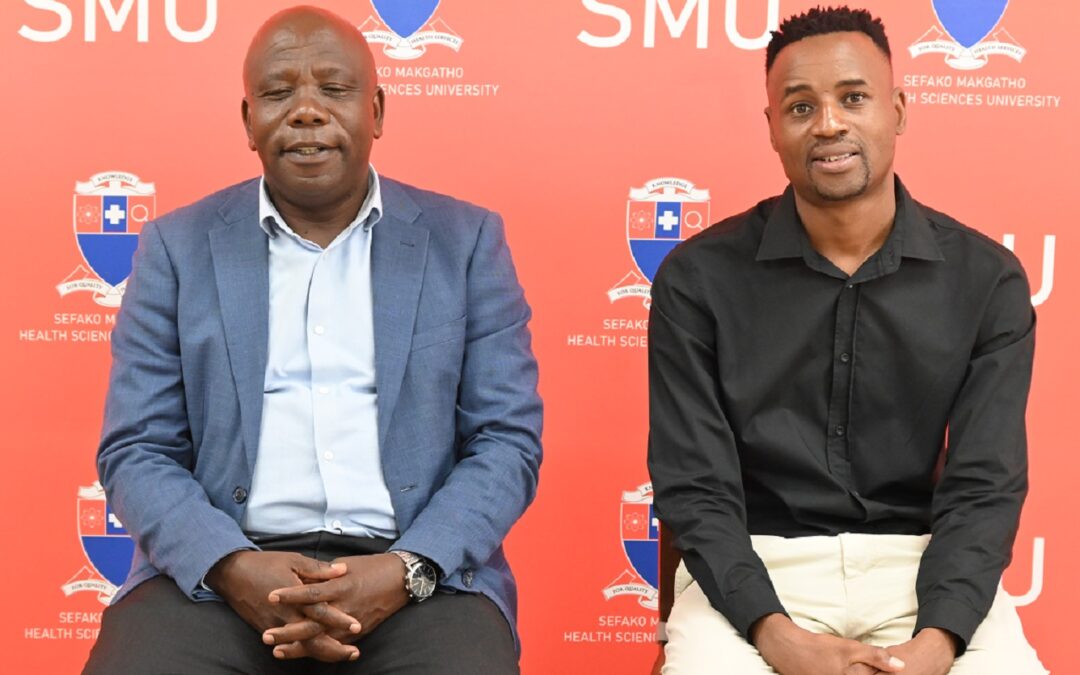
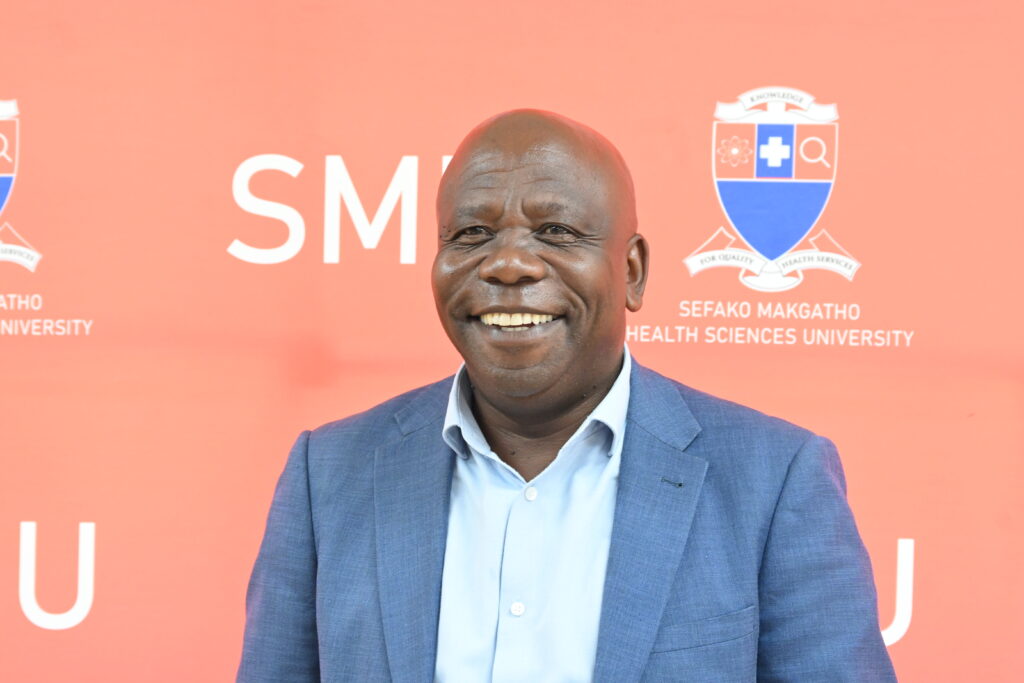 At the heart of this mission is SMU’s Technology Transfer Office (TTO), established in July 2022, to support staff and students in identifying and protecting intellectual property emanating from their research projects with the ultimate goal of commercialising such innovations. “The TTO was launched to synergise academic research and commercial application,” explains Mohlatlego Sebola, Acting Manager of the TTO. “Our primary role is to facilitate identification and protection of intellectual property through either patents, copyrights, trademarks, and trade secrets and ensuring innovations with potential economic or social application reach the market.”
The TTO aligns with SMU’s broader vision of advancing health sciences research and innovation. “Our work supports SMU’s Strategic Objective 2: Research and Innovation, by identifying, protecting, and commercialising discoveries,” says Sebola.
In its initial years, the TTO faced challenges, including a slow uptake. However, through awareness campaigns and sustained engagement, it has seen an increase in inquiries and invention disclosures. Collaboration has been instrumental in this growth. The TTO partners with SMU’s schools and external stakeholders, engaging in platforms such as the Tshwane Innovation Ecosystem, Gauteng Innovation Forum, and the World Intellectual Property Organization (WIPO)-supported Southern African Development Community (SADC) TTO Mentorship Programme. Recognition of these efforts came in 2024 when the TTO received the prestigious “Southern African Research and Innovation Management Association (SARIMA) Excellent Award on Organisational Growth in Innovation Management” at the Annual Conference in Mozambique.
 The process of securing IP begins with an invention disclosure form, triggering a Pre-Due Diligence process that includes novelty searches and market analysis. If an innovation is deemed patentable, the TTO liaise with one of the patent firms that is part of the university’s panel of law firms to file the necessary paperwork with the Companies and Intellectual Property Commission (CIPC) to protect the innovation. “Protecting intellectual property before publication is essential,” Sebola emphasises. “Researchers are often reluctant to start with protection, thinking this may hinder publication, but in reality, securing IP strengthens credibility and enhances the impact of the publication.”
Beyond protection, the TTO also plays a critical role in securing funding. It collaborates with the Technology Innovation Agency (TIA), assisting researchers in applying for the Seed Fund to develop their innovations further. “We help researchers refine their projects, ensuring they are market-ready and appealing to potential investors,” Sebola adds.
Among the TTO’s notable successes in 2024 are three patents, including one from the School of Pharmacy for Raloxifene Hydrochloride Hydrate Solvate, a compound with promising applications in treating postmenopausal osteoporosis and breast cancer. Another significant patent from the School of Medicine is a rapid Hepatitis B core-related antigen (HBcrAg) diagnostic assay, which could revolutionise hepatitis B diagnosis, particularly for occult hepatitis B virus (HBV) cases that current tests fail to detect.
Looking ahead, the TTO aims to strengthen its support for researchers and students, building capacity for innovation and commercialisation. Encouraging early engagement, Sebola urged researchers and students to consider how their work can address socio-economic challenges. “Innovations with real-world applications are more likely to succeed commercially.” The TTO maintains an open-door policy, welcoming inquiries and brainstorming sessions without requiring appointments. “Innovative ideas can emerge at any time,” Sebola says.
Researchers and students are encouraged to visit the TTO at the Clinical Pathology Building (S520) to explore pathways for transforming their research into impactful innovations.
As SMU continues to push the boundaries of health sciences education and research, it is clear that the institution is poised to make a lasting impact on healthcare in South Africa and beyond.
By Tumelo Moila