by Lorato | Nov 25, 2024 | All News, SMU Media, Student Media
On 21 November 2024, Sefako Makgatho Health Sciences University (SMU) hosted an impactful public lecture delivered by Aluwani Manenzhe, the esteemed President of the Occupational Therapy Association of South Africa (OTASA). The lecture, titled “Practical Solutions to Improve Health and Rehabilitation Outcomes in Rural Communities”, was both insightful and timely, showcasing SMU’s commitment to addressing pressing healthcare challenges in South Africa.
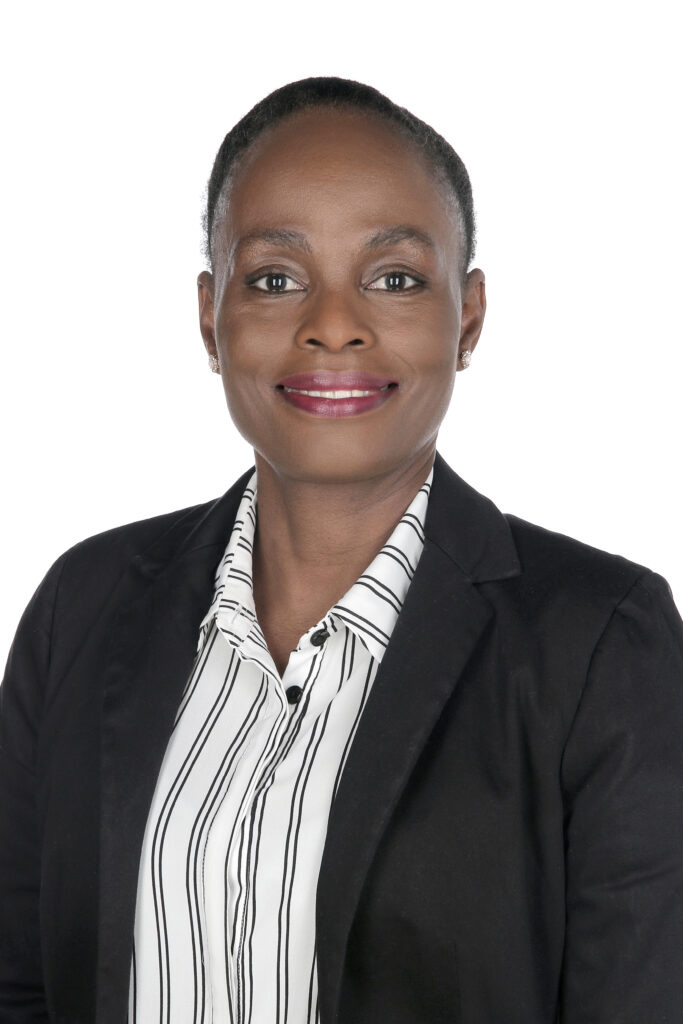
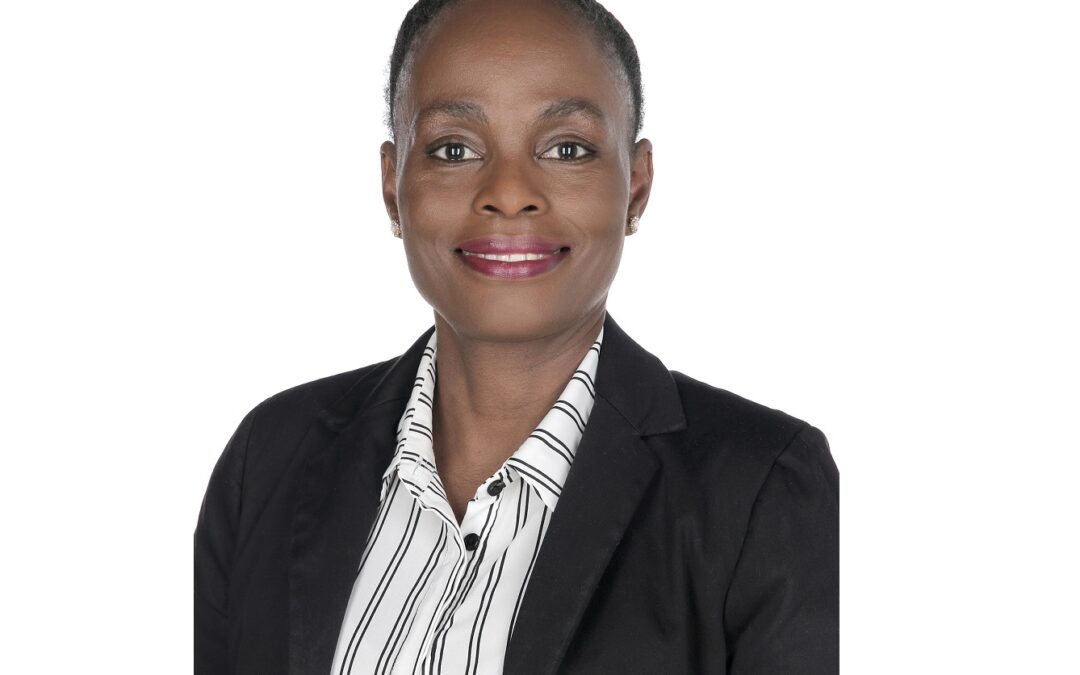
Aluwani Manenzhe, President of the Occupational Therapy Association of South Africa
The event streamed online and drew a diverse audience of health professionals, students, researchers, and advocates dedicated to improving healthcare delivery in underserved areas. Manenzhe’s address resonated deeply, underscoring SMU’s role as a hub for transformative dialogue and innovation in health sciences.
Spotlighting rural challenges and proactive solutions
In her presentation, Manenzhe eloquently highlighted the unique challenges faced by rural communities, framing them as opportunities for meaningful intervention. She began by emphasising the critical role of public health campaigns in disease prevention and management. “Public health campaigns focused on prevention are crucial for addressing evolving disease profiles and complications,” she asserted, calling for proactive strategies tailored to the specific needs of rural populations.
A significant focus of her lecture was on the capacity building of healthcare workers. Manenzhe noted that empowering healthcare professionals with advanced skills and knowledge is essential to improving service delivery. “Investment in the development of healthcare workers is necessary to ensure they can meet the needs of underserved populations,” she emphasised, aligning with SMU’s dedication to cultivating highly skilled graduates equipped to tackle South Africa’s healthcare challenges.
Manenzhe also called for stronger partnerships with NGOs, international organisations, and local communities to bridge gaps in healthcare access. She argued that these collaborations are crucial in enhancing the quality of care, particularly in under-resourced rural settings.
SMU at the forefront of healthcare equity
Throughout the lecture, themes of resource allocation and ethical considerations in healthcare were prominent. Responding to a question from an audience member, Manenzhe stressed that equitable resource distribution is vital to improving healthcare accessibility. “Resource distribution is a critical factor in determining healthcare accessibility and directly affects the effectiveness of service delivery,” she explained.
Manenzhe’s insights dovetailed with SMU’s vision of addressing healthcare inequities in South Africa. Questions from prominent attendees, including Theresa Lorenzo, further enriched the discussion. Addressing the need for tailored training programmes for occupational therapists, Manenzhe advocated for curricula designed to equip professionals with the skills to meet the unique demands of rural healthcare.
Lorenzo also raised the issue of supporting healthcare workers in rural settings. In response, Manenzhe underscored the importance of ongoing professional development, mentorship, and sufficient resource provision to ensure healthcare workers are effective and supported in challenging environments.
A call to action for systemic change
Manenzhe’s lecture culminated in a powerful call for practical, inclusive solutions grounded in local contexts. She stressed the importance of sharing high-quality information with patients to foster trust and enable informed decision-making. Addressing language barriers and their emotional impact, she shared a moving example of a mother navigating the healthcare system with difficulty, highlighting the urgent need for effective communication.
“By considering the local context and promoting inclusiveness, we can ensure that healthcare systems are responsive to the needs of all, particularly those who are most vulnerable,” she stated, echoing SMU’s mission to serve as a leader in healthcare education and advocacy.
SMU leading the charge towards equitable healthcare
This enlightening lecture not only illuminated the pressing issues in rural healthcare but also reaffirmed SMU’s position as a leading institution dedicated to addressing these challenges. Through fostering critical discussions, pioneering research, and producing skilled health professionals, SMU continues to make significant strides in ensuring equitable healthcare for all South Africans. As the dialogue around improving health and rehabilitation outcomes evolves, SMU remains at the forefront, championing systemic change and driving impactful solutions.
* By Dimakatso Modise
by Lorato | Nov 12, 2024 | All News, SMU Media, Student Media
In the heart of South Africa’s medical landscape, Sefako Makgatho Health Sciences University (SMU) is shaping world-class professionals driven by medical skills and an enduring commitment to public service. Dr Lawrence Marapo, a distinguished Registrar in Obstetrics and Gynaecology at SMU, embodies this spirit. Known for his blend of clinical excellence and faith-based compassion, Marapo’s journey—from his rural upbringing in Botswana to the forefront of women’s healthcare innovation—highlights the power of resilience, faith, and a relentless pursuit of quality care.
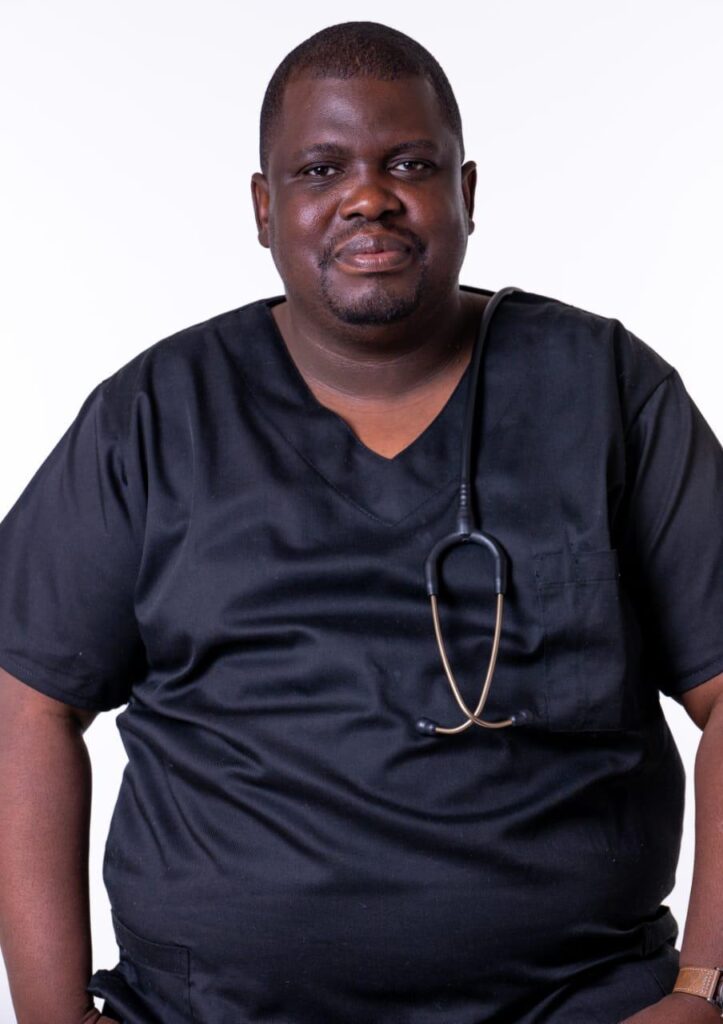
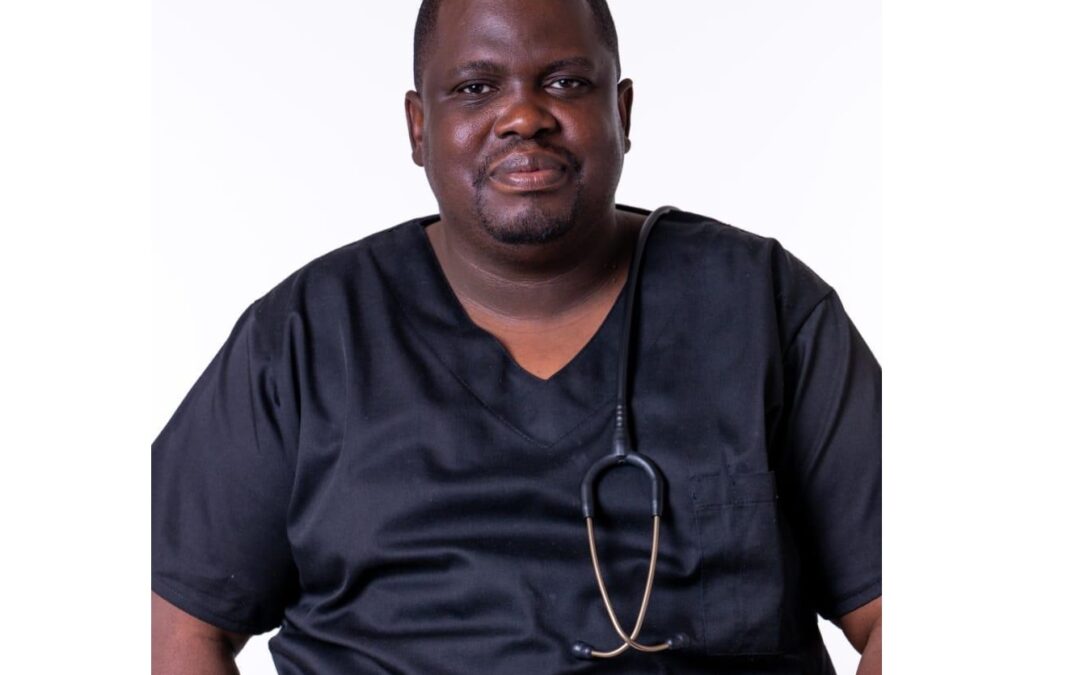
Dr Lawrence Marapo
At just 38, Marapo has carved out a remarkable career, setting a record by completing his Obstetrics and Gynaecology qualifications in just four years. Today, his work is indispensable in advancing women’s health and developing the next generation of healthcare leaders. His life motto, inspired by Dr Zhu Fu Tang, founder of the Chinese Pediatrics Academy of Science—“Selflessness, benevolence, diligence, and congeniality”—reflects his commitment to service. “I am the result of teenage pregnancy; my mother was only 15 when she had me. Knowledge became my defence, and faith my foundation,” he shares, reflecting on the challenges that fuelled his journey.
Marapo’s dual roles as both a Doctor and Pastor enrich his approach to patient care, especially for those facing critical health challenges. “Being a pastor and a gynaecologist allows me to provide comfort and dispel myths for patients in distress,” he says. His research into metabolic syndrome among peri- and postmenopausal women, recently presented at an International Menopause Congress in Melbourne, underscores SMU’s commitment to impactful research and innovative solutions. “My work is inspired by the need to address real issues affecting South African women,” he adds.
His rise began in Mafikeng Provincial Hospital as a Medical Intern, where he soon discovered his calling in obstetrics. “Working in the labour ward during my internship cemented my love for obstetrics. It felt like a calling,” he recalls. Today, under the mentorship of experts like Dr George Mothupi and Professor Lineo Matsela at Dr George Mukhari Academic Hospital, he is refining his skills to champion maternal health standards across Southern Africa. His vision is ambitious: to establish a “safe obstetrics practice committee” that will promote evidence-based care and reduce maternal risks.
As an educator, Marapo is deeply invested in SMU’s future healthcare leaders. In 2023, SMU honoured him as the Best Junior Undergraduate Lecturer—a recognition he treasures. “Mentoring is essential to healthcare’s future,” he says. “Our impact multiplies through the young doctors we train, equipping them with skills and ethical standards to elevate public health.”
An accomplished author, Marapo has written two books, Destiny Map to Prosperity and Favour of God, offering hope to those facing adversity. His academic contributions, including an influential paper on perimortem caesarean sections, underscore his dedication to advancing medical knowledge. “Writing is my way of reaching out, to show that despite challenges, faith and effort can shape a better future,” he says.
As he prepares to embark on a PhD in Obstetrics and Gynaecology, with aspirations to integrate artificial intelligence into maternal care, Marapo’s vision extends far beyond personal achievements. His goals include creating accessible, cost-effective fetal monitoring devices and building a Southern African maternal care committee endorsed by American and European health bodies. For Marapo, it’s about offering cutting-edge, compassionate healthcare to the most underserved communities.
Even outside the hospital, his commitment to balance is evident. As a husband and father, he often sacrifices personal time for his patients. “This is a calling like no other. We push ourselves beyond limits for the health of others,” he says, describing how he missed his own and his child’s birthdays to save a patient’s life.
Marapo’s message to aspiring doctors is simple and profound: “This is doable; apply your mind and leave everything to faith.” His story—a powerful testament to SMU’s role in nurturing talent committed to serving humanity—continues to inspire future generations and redefines what it means to be a healthcare professional in South Africa. Through his dedication, faith, and vision, Marapo exemplifies the calibre of talent that SMU cultivates and the transformative impact of health sciences on the nation.
by Lorato | Nov 7, 2024 | All News, SMU Media, Student Media
In a remarkable display of talent and dedication, Lehlohonolo Mbongela, a fourth-year BSc Physiotherapy student at Sefako Makgatho Health Sciences University (SMU), claimed the coveted title in the Adult Championship section at the South African Dance Foundation Championships recently held at the University of the Western Cape. This prestigious competition brought together the nation’s finest dance sports athletes, and Mbongela’s achievement is a testament to his commitment and the supportive environment fostered by SMU.
Balancing rigorous academic demands with an intense training schedule, Mbongela exemplifies the essence of what it means to be a student-athlete. “It’s all about making time and having a schedule that works for you,” he explains, underscoring the necessity of meticulous planning in achieving success. His preparations for the championship began a month prior, coinciding with the demanding period of mid-year exams. Undeterred, Mbongela ramped up his training following the exams, committing up to ten hours a day to perfect his skills. This comprehensive regimen included strength and agility workouts, flexibility training, and precise choreography refinement.
For many students, the fear of extracurricular commitments hindering academic performance looms large. However, Mbongela advocates for a proactive approach: “Always have a plan that makes it easier to balance sports and academics.” His advice resonates with those striving to find equilibrium in their student lives, offering a roadmap for success in both arenas.
Mbongela draws motivation not just from his own aspirations but from the collective ambition of those around him. “I am inspired by everyone striving to be the best version of themselves, regardless of the sporting code they choose,” he reflects, highlighting the universal pursuit of excellence that drives him.
His triumph inspires fellow students, encouraging them to chase their passions relentlessly. “Focus on what improves your life and brings you happiness and fulfilment,” Mbongela advises, a message rooted in his personal journey and one that aligns with the ethos of SMU.
Key to his success are the qualities of discipline, hard work, and a robust support network. His story embodies the spirit of perseverance, reminding all SMU students and beyond that anything is possible with dedication and a strategic approach.
Mbongela’s victory at the South African Dance Foundation Championships transcends mere accolades; it is a powerful reminder of the potential within each individual to excel academically and personally. His journey is about winning and setting an inspiring example for others to follow, reinforcing SMU’s commitment to holistic student development and excellence.

by Lorato | Oct 22, 2024 | All News, SMU Media, Student Media
Sefako Makgatho Health Sciences University (SMU) continues to prove its role in shaping students who become leaders committed to addressing critical societal issues. This time, the spotlight is on SMU alumnus Samuel Chauke, who was recently crowned Mr World South Africa (SA) for 2024-2026. Chauke will represent South Africa at the International Mr World competition in Vietnam from 5-23 November 2024, with a platform focused on promoting mental health awareness for men and advancing the rights of people living with disabilities.

Chauke’s achievement illustrates SMU’s ability to nurture not only exceptional health professionals but also societal leaders passionate about making meaningful changes in their communities. Graduating in 2018 with a Bachelor of Occupational Therapy, Chauke has already made significant contributions to the health sector. He currently serves as a Senior Occupational Therapist at Potchefstroom Hospital, where his work in vocational rehabilitation has transformed lives across the North-West Province. His passion for uplifting those often overlooked in society shines through his dual role as a healthcare professional and now as a national ambassador through Mr World SA.
Reflecting on his journey, Chauke credits SMU for instilling in him the values of compassion, resilience, and the pursuit of excellence. “SMU taught me that kindness, humility, and striving for greatness coexist,” he says. “The support from my lecturers and peers helped shape me into who I am today.”
But Chauke’s path to success was not without its challenges. As a child growing up in Soshanguve, he had dreams of becoming a police officer or forensic pathologist, only to stumble upon the world of occupational therapy by chance. His university years were marked by personal struggles, including collapsing during final year exams due to exhaustion and a vote of no confidence in his leadership role as class representative. Despite these setbacks, he persevered, driven by his desire to succeed and the encouragement of mentors who saw his potential.
One such mentor reminded him of the heights he could reach, telling him he was not doing enough to unleash his full potential. “That conversation was a turning point,” he recalls, “and it pushed me to aim higher, even when I doubted myself.”
Chauke’s foray into pageantry stems from his experiences as a healthcare provider. Witnessing the stigma faced by people living with disabilities and men struggling with mental health issues, he was inspired to create awareness and advocate for change. “I wanted to show the world that disabilities don’t define individuals. They have potential just like anyone else,” he shares. “As Mr World SA, my mission is to break down these barriers and help shape a society that sees the value in everyone, regardless of their challenges.”
In addition to his work as a healthcare professional and pageant titleholder, Chauke is also passionate about fitness. Having been body-shamed in his youth, he transformed his confidence through fitness and established Showfitsam to inspire others. “Fitness is not just about physical health,” he says. “It’s about mental health too—taking care of yourself so you can be the best version of yourself.”
Chauke’s journey from SMU to the national stage demonstrates the profound impact of student leadership and holistic development fostered by the university. SMU is not just producing professionals; it is cultivating leaders who are committed to addressing some of society’s most pressing issues, from gender-based violence to the mental health crisis. As Chauke embarks on his Mr World journey, he carries with him the lessons learned at SMU—kindness, leadership, and the drive to make a difference.
His story is one of perseverance, passion, and the belief that every person has the potential to inspire change. With his upcoming trip to Vietnam and his platform advocating for men’s mental health and disability rights, Chauke is not just representing South Africa—he is representing the values and vision instilled in him by SMU, a university dedicated to shaping leaders for a better society.
Follow Samuel’s journey:
TikTok: @sfs_19
Instagram: 2908_samuel
Facebook: Samuel Chauke
by Lorato | Jan 20, 2022 | All News, Student Media
1. SELECTIONS AND ADMISSIONS
1.1 The University received more than 44000 applications for approximately 1000 available places for first year students. As a result, attainment of minimum admission requirements does not guarantee automatic admission into the programmes due to the high demand for enrolment into programmes on offer. All applications go through a rigorous and competitive selection process and offers are based on the admission requirements of different Schools.
1.2 The pre-selection and admission of first-time entering applicants was conducted in October 2021 by the Selection and Admission Committee of each School.
1.3 Applicants can check the status of their applications on the link: https://lifestudent.smu.ac.za/pls/prodi41/w99pkg.mi_login (using student number and pin).
1.4 The final selection and admission activities will take place from the 21st of January 2022 after the release of the 2021 Grade 12 results.
1.5 The selection and admission of applicants who were studying at SMU and other South African universities during the 2021 academic year commonly known as transfer students, will take place from the 28th of January 2022.
1.6 Successful applicants will be given up to three (3) calendar days to accept or decline the offer online. If they do not respond within the given time, their places will be given to other eligible applicants on the waiting list.
2. REGISTRATION PROCESS
2.1 Registration is run by a multi-disciplinary Registration Task Team of the University that is coordinated by Office of the Registrar. The Task Team comprises representatives from the five Schools, ICT, IPD, Finance Department (including Financial Aid Office), Residences, Safety & Security and Institutional Support Department.
2.2 Registration will be online and students will be able to register for the modules and qualifications they were admitted into, on and off campus.
2.3 Applicants are urged to check their application status on: https://lifestudent.smu.ac.za/pls/prodi41/w99pkg.mi_login before moving onto the registration stage. If their application is successful, and applicable conditions have been met including payment of a registration fee etc, they are welcome to register online.
2.4 Students are expected to use their own gadgets/devices (laptops or smart cellular phones) to register
2.5 Students who experience problems during registration (including choice of correct modules, fee clearance related matters) will be assisted in the University Sports Complex during office hours.
2.6 There will be strict adherence to COVID-19 requirements in the Sports Complex.
2.7 Students may only attend lectures, tutorial and practical and clinical components of those modules for which they are registered.
2.8 Students are responsible for the composition of their programme of study in compliance with the General Rules and the rules of the relevant school or schools concerned. When registering for each module, students must ensure that there is no clash on the official timetable and that the selected components of the programme are in accordance with the module prerequisites and the prescribed sequence and composition of modules as required for specific years of study.
3. STUDENT FEES AND CLEARANCE
3.1 Self-funded students are required to pay an initial minimum registration fee of R4 500 at least a day before registration for payment to be cleared and reflect on University books.
3.2 Students who have applied for funding to either NSFAS, Provincial Governments or other funders should provide proof of funding confirmation.
4. INTERNATIONAL STUDENTS
4.1 International students will not be allowed to register before they are cleared by the International Office off the University and have paid for their studies in full.
4.2 The International Office can be contacted on 012 521 6001. Emails should be sent to: eunice.modiba@smu.ac.za
5. APPLICATION FOR RESIDENCE
5.1 There are limited places in University residence and admission to study at SMU does not guarantee a place on campus and university-leased off campus residence.
5.2 Students should apply for residence in the Sports Complex after they have registered.
5.3 The places are awarded on a first come first served basis and the University is not obliged to provide a place in the residence.
5.4 Successful students will be required to sign all the relevant forms to be allowed into University residence.
6. STUDENT IDENTITY CARDS
Students who have successfully completed the registration process will receive their 2022 student cards in the Sports Complex facility of the University.
7. CALL CENTRE
7.1 There will be a Call Centre to attend to enquiries and/or re-route them to the relevant Section for assistance during office hours. Students can call the following numbers for assistance: 012 521 4204/ 4319/4644/5057.
7.2 Applicants should use their student numbers in ALL their correspondence with the University.
8. COMMENCEMENT OF LECTURES
The academic year for first time entering students will commence on 7 February 2022.
2. ORIENTATION OF STUDENTS
All new students are expected to attend orientation programme which will take place on 02 – 04 February 2022. During this time you will be informed about the University, it’s structures, important services available to you as a student and how to access those services.