by Lorato | Mar 26, 2025 | Accolades and Achievements, All News, SMU Media, Student Media
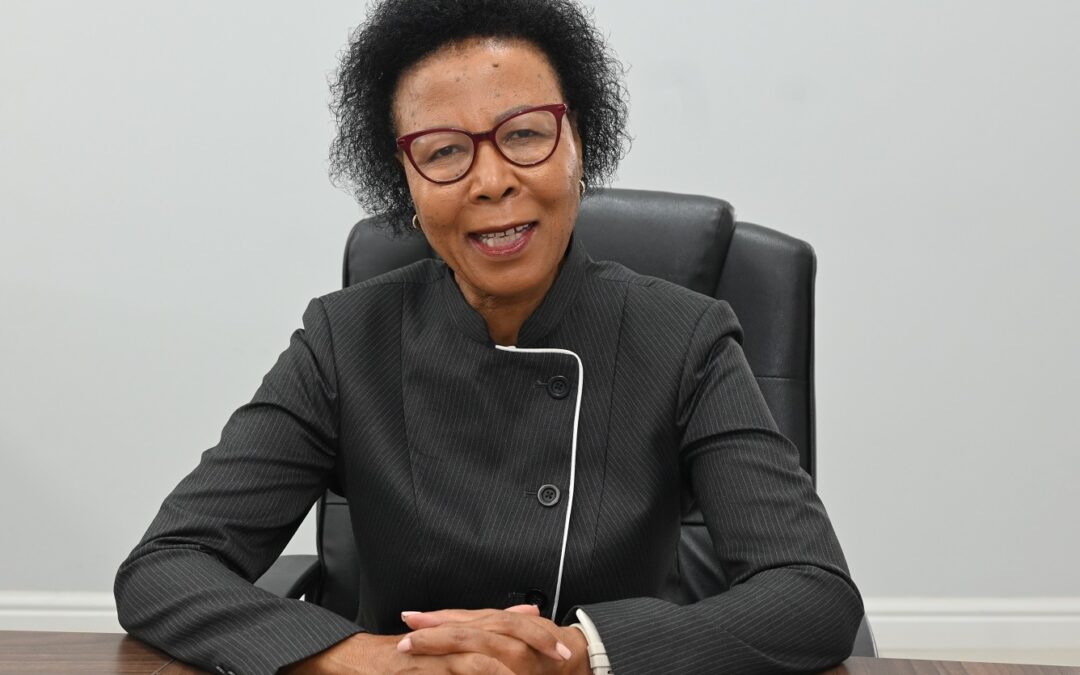
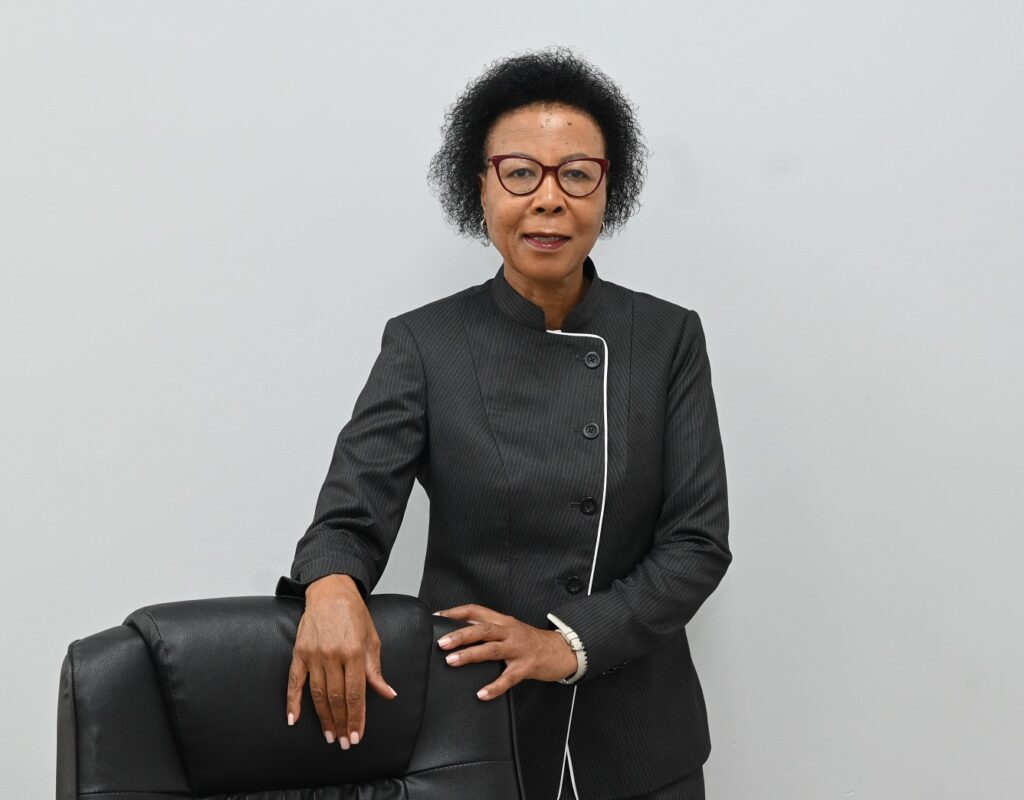
Sefako Makgatho Health Sciences University (SMU) remains a hub for academic and professional excellence, producing leaders who make significant contributions to the healthcare sector. One such leader is Professor Lineo Matsela, an esteemed Obstetrician and Gynaecologist, who has recently been inaugurated as the President of the South African Menopause Society (SAMS). Her election to this prestigious position is a landmark achievement, not only for her but also for the Department of Obstetrics and Gynaecology at SMU.
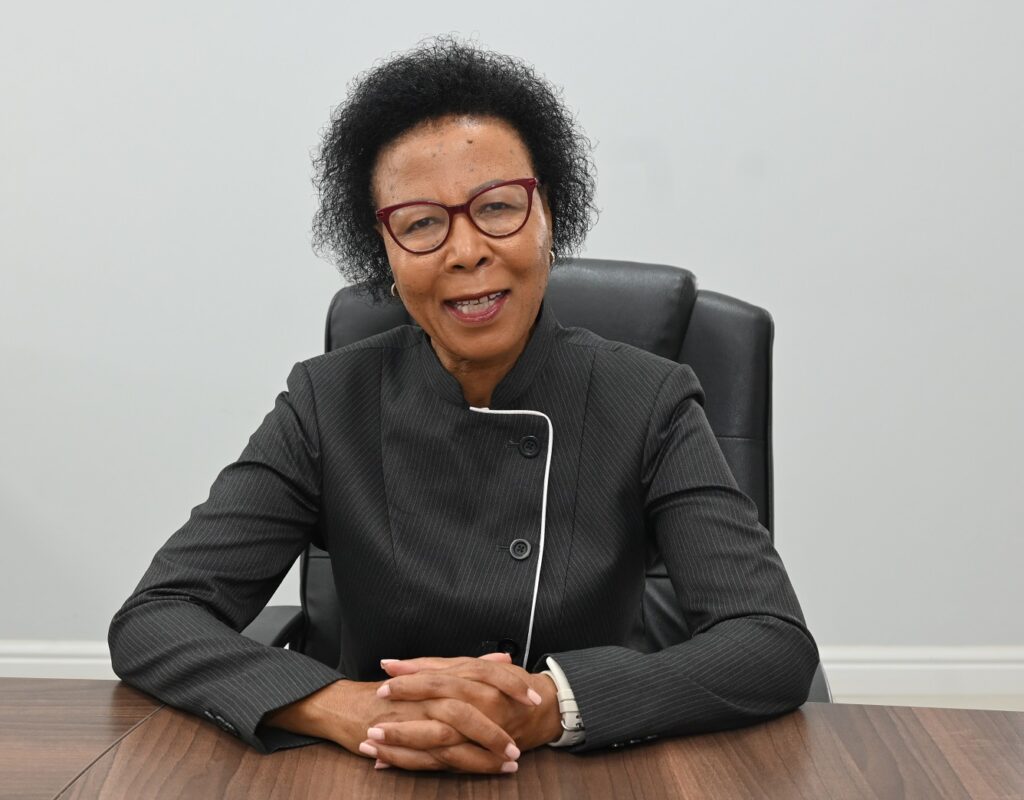 Reflecting on her appointment, Matsela expressed both pride and gratitude. “I feel honoured and humbled at the same time to have been elected to this position,” she says. With a strong interest in endocrinology, she credits her mentor, Professor Thibedi Ephraim Mokgokong, for nurturing her passion for the field. She also acknowledges the wealth of knowledge she has gained from South African women regarding menopause, culture, and tradition. “I bow my head in respect for the black South African women who have enriched me with knowledge about menopause, culture, and tradition,” she states.
Matsela highlights how menopause is viewed differently across cultures. “For the longest time, it was believed that black women don’t suffer from hot flushes and night sweats during both the peri and postmenopausal periods,” she explains. However, her research has shown that while symptoms exist, societal attitudes and traditional roles shape women’s experiences of menopause.
According to Matsela, many South African women regard menopause positively, as it signifies an elevation in societal status. “Postmenopausal women take care of critically ill patients in the village; they prepare meals for boys at initiation schools, and traditional birth attendants are chosen from among them,” she notes. However, she also points out the challenges, particularly surrounding sexuality. “Postmenopausal women are not supposed to engage in sexual activity. The belief is that cessation of menstruation, which has the cleansing power, is gone; hence the woman is predisposed to ill-health,” she explains. This misconception leads to the denial of sexual rights for women, while men may engage in extramarital or polygamous relationships.
As President of SAMS, Matsela has set ambitious goals, including forming a Pan-African Society of Menopause to integrate societies across Sub-Saharan Africa. Education and awareness are key priorities for her tenure. “We plan to have community meetings for laywomen, church leaders, and traditional leaders,” she says. She also emphasises the importance of equipping healthcare providers with adequate knowledge. “Healthcare professionals are taught about menopause as part of their training. Those in practice will attend webinars and community outreach programmes,” she adds.
Matsela identified major gaps in healthcare for menopausal women, particularly in terms of treatment accessibility. “Menopausal hormone therapy, which is the gold standard of treatment, is not readily available. Often, the medication is not available in public hospitals, and women must purchase it from pharmacies. Many cannot afford it,” she laments. She also highlights the emergence of new non-hormonal drugs such as neurokinin antagonists, which provide alternative treatment options for women who do not qualify for menopausal hormone therapy.
 The SAMS Congress, held from 21-22 February 2025, covered a wide range of topics, including perimenopause, cardiovascular health, osteoporosis, HIV complications, and new pharmaceutical advancements. “The target audience included general practitioners, specialists in obstetrics and gynaecology, physiotherapists, and nursing staff. “ All these professionals play a role in caring for menopausal women,” Matsela says.
She stresses the importance of a multidisciplinary approach to menopause. “The postmenopausal period is not just about cessation of menstruation. It affects the brain, cardiovascular system, musculoskeletal system, and genitourinary system. Women need a holistic healthcare approach,” she states. However, one of the main challenges remains the lack of awareness and access to treatment. “Some women come for treatment of their symptoms, only to find that the hospitals have run out of medication,” she notes.
One of Matsela’s key messages is to reassure women that menopause is not the end of life. “Women spend one-third of their lives after menopause. Good health education and screening of health-related issues are essential,” she says. She encourages women to adopt healthy lifestyle habits, including weight management, good nutrition, reducing alcohol consumption, and quitting smoking.
She firmly believes that knowledge is the key to navigating menopause successfully. Menopause is a journey that all women experience. The earlier they learn about it, the better prepared they will be. Studies show that women with adequate knowledge are in a better position to manage menopausal symptoms than those with no knowledge,” she argues. Her leadership at SAMS is set to drive change in menopausal healthcare and awareness, ensuring that South African women receive the support and treatment they need during this critical stage of life.
Matsela’s inauguration as President of the South African Menopause Society not only brings pride to SMU but also reinforces the institution’s reputation as a hub for academic and professional excellence.
By Tumelo Moila

by Lorato | Feb 10, 2025 | All News, SMU Media, Student Media
Sefako Makgatho Health Sciences University (SMU) set the stage for academic excellence and professional growth as it successfully hosted the 2025 First-Time Entering Students (FTEN) Orientation on 30 and 31 January. Designed to ease the transition into university life, the two-day programme immersed new students in SMU’s vibrant academic and social environment through inspiring addresses by university leaders, an engaging campus tour, and lively entertainment.
 Welcoming the new cohort, Acting Vice-Chancellor Professor Tandi Matsha-Erasmus underscored the significance of this milestone. “Today is not just another day; it is a defining moment. For our first-year students, this marks the beginning of an academic journey that will not only shape your future but also influence the future of health sciences in South Africa and beyond. To the parents and guardians, thank you for entrusting your children to SMU. We are deeply honoured to partner with you in their academic and personal development.”
Matsha-Erasmus further urged students to embrace their journey at SMU with determination, curiosity, and an open heart. She said: “Engage fully in your studies, immerse yourself in campus life, and seize every opportunity to grow academically, socially, and personally. Remember, this is not just a university; it is a community united by a shared purpose—to lead, serve, and transform.”
Following the Vice-Chancellor’s address, students were introduced to essential university services. Mahlatlholle Masha, Acting Chief Financial Officer, provided an overview of financial aid, student services, student debtors, and transport. His presentation ensured that students had a clear understanding of the financial support structures available to them.
Next, Tulani Nkuntse, Director of Student Affairs, took the stage to discuss student life at SMU under the theme: “Where learning meets adventure.” He encouraged students to take advantage of academic and extracurricular opportunities to enrich their university experience.
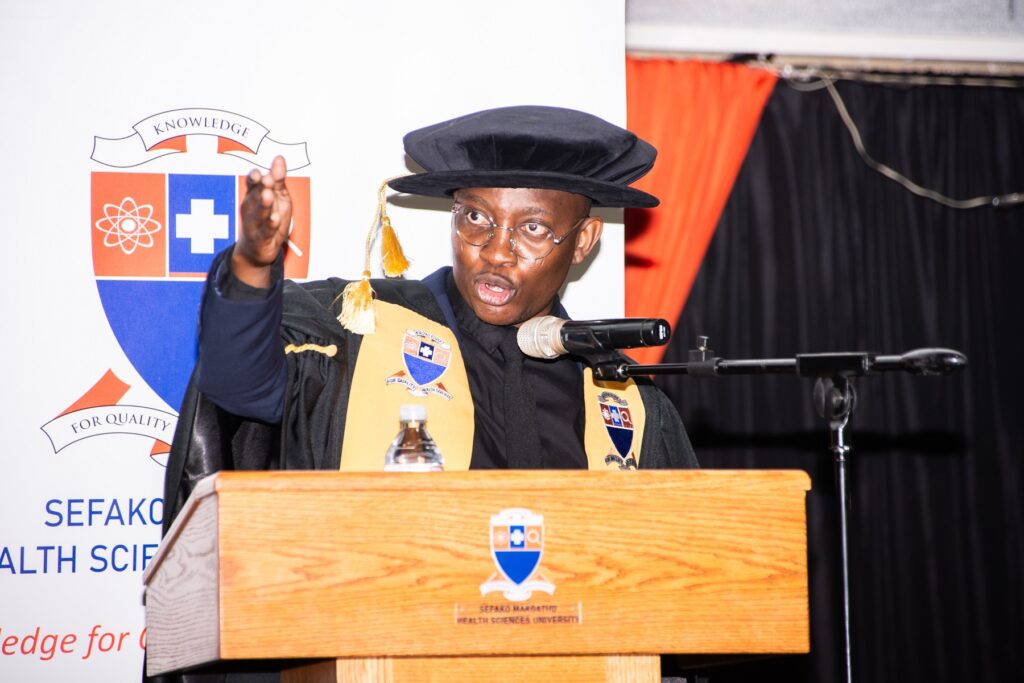 Student Representative Council (SRC) President, Katlego Peter Moshonyane, delivered a powerful message. He urged students not to let their backgrounds discourage them, stating: “Your background should never discourage you. Study hard and make sure you go far in life – never struggle alone.” He also introduced the SRC executive members, reinforcing the council’s commitment to student support and advocacy.
Adding to the student support system, Alizwa Boco, an MBChB 3 student and FTEN Guardian & General Student Buddy Coordinator, encouraged students to support each other and stay committed to their academic journey. Her message emphasised the importance of mentorship and peer assistance in achieving academic success.
To close the first session, Dr Elize Venter, Director of the Centre for Teaching and Learning, explained the various mentorship sessions and assessments provided by her unit. She assured students that the university has structured support systems to help them succeed academically.
The second session of the orientation commenced with an exciting campus tour. New students had the opportunity to explore SMU and familiarise themselves with key buildings and their functions. The tour aimed to help students easily navigate campus life, ensuring they knew where to access essential services and facilities.
 As part of the orientation programme, Campus Health, led by Health Promoter Kelebogile Nonkwelo, facilitated a solemn moment to remember victims of HIV and COVID-19. She led a prayer and a candlelight ceremony, urging students to keep those affected in their thoughts as they embark on their journey in the health sector. This moment served as a reminder of the importance of compassion in healthcare.
In addition to the speeches and entertainment, various sports codes were introduced to students, encouraging them to stay active and engaged in university life beyond academics. This initiative aimed to promote a well-balanced student experience by offering opportunities for physical fitness, teamwork, and social interaction.
The 2025 SMU Orientation successfully introduced first-time entering students to the university’s academic, financial, and social support structures. With inspiring words from university leadership, the support of the SRC, an engaging campus tour, and exposure to different sports codes, new students are well-equipped to begin their studies with confidence. As SMU continues its mission of shaping healthcare leaders, the orientation has set the foundation for a transformative academic journey.
By Dimakatso Modise

by Lorato | Dec 13, 2024 | All News, SMU Media, Student Media
As Sefako Makgatho Health Sciences University (SMU) celebrates its 10th anniversary in 2024, it stands as an academic institution and a cornerstone of South Africa’s healthcare system. The university’s role extends far beyond education; it has become an integral force in shaping both the future of healthcare in the nation and the wider African continent. The impact of SMU—rooted in a rich history of medical training and social justice—remains an enduring force in tackling some of the most pressing health challenges facing the country.
 SMU’s journey is deeply entwined with South Africa’s history. Founded in 1976 as the Medical University of South Africa (Medunsa), the institution was established at a time when apartheid policies had left many communities in the country without adequate access to healthcare. Medunsa’s creation was a direct response to this inequality, focusing on training healthcare professionals who would serve in under-resourced and rural areas where healthcare was most needed. At the time, South Africa’s healthcare system was marred by disparities, and Medunsa’s role was pivotal in addressing these inequities. It produced generations of doctors, nurses, and other healthcare professionals who were committed to social justice and health equity, giving Medunsa a distinct place in the country’s medical history.
The renaming of the university in 2014 to Sefako Makgatho Health Sciences University marked a significant shift in name and purpose. The new name was a tribute to a respected leader of the African National Congress, symbolising a commitment to transformation, inclusivity, and progress. This new chapter emphasised the university’s forward-looking vision and the importance of developing healthcare professionals who could respond to the changing needs of a democratic South Africa. With a focus on integrating modern medical research, clinical practice, and public health advocacy, SMU set out to expand its role from merely an academic institution to a global leader in health science education and research.
The university has since built upon the legacy of Medunsa, consistently striving to improve the quality and reach of its educational offerings. Its faculties and schools continue to lead in medical research, focusing on some of the country’s most critical health issues, such as HIV/AIDS, tuberculosis, and maternal health. For example, the university has been at the forefront of clinical research, addressing challenges that uniquely affect South Africans and others in the Global South. This research is scientifically significant and aims at practical solutions to real-world problems.
The university’s alumni have played a substantial role in transforming the South African healthcare landscape. Many SMU graduates trained under the institution’s early commitment to social responsibility now occupy leadership roles in hospitals, clinics, and governmental health agencies across the country. Some have also gained international prominence, working with global organisations to address health crises around the world. These alumni are advocates for reform, pushing for improvements in healthcare delivery, public health policy, and patient care, particularly in underserved communities.
SMU’s emphasis on social responsibility remains at the heart of its mission. The university has long supported community-based health initiatives and outreach programmes, which allow students to engage directly with the communities they will serve. These initiatives, often focused on rural and disadvantaged areas, embody the university’s deep commitment to improving health and well-being across South Africa. Through its work, SMU has demonstrated the power of academic institutions to serve as catalysts for social change.
Looking forward, SMU’s role in shaping South Africa’s healthcare system is poised to grow even more influential. With new international partnerships, expanding research opportunities, and a dedication to cutting-edge technologies, the institution is strengthening its position as a global leader in health sciences. The university is attracting talent from across Africa and the world, further solidifying its place as a key player in addressing the world’s most complex health challenges.
As South Africa continues to tackle the evolving challenges of healthcare provision in the 21st century, SMU stands at the forefront, committed to developing the next generation of healthcare professionals who will shape the future of the country’s health system. With its rich legacy of excellence, social responsibility, and innovation, SMU is a symbol of South Africa’s resilience and dedication to providing equitable, quality healthcare for all.
*By Tshimangadzo Mphaphuli
by Lorato | Dec 9, 2024 | All News, SMU Media, Student Media
In a country grappling with the world’s largest HIV epidemic, access to reliable testing and treatment is more critical than ever. At the heart of this fight is the Sefako Makgatho Health Sciences University (SMU), where science, research, and compassion converge to tackle the HIV/AIDS crisis head-on.
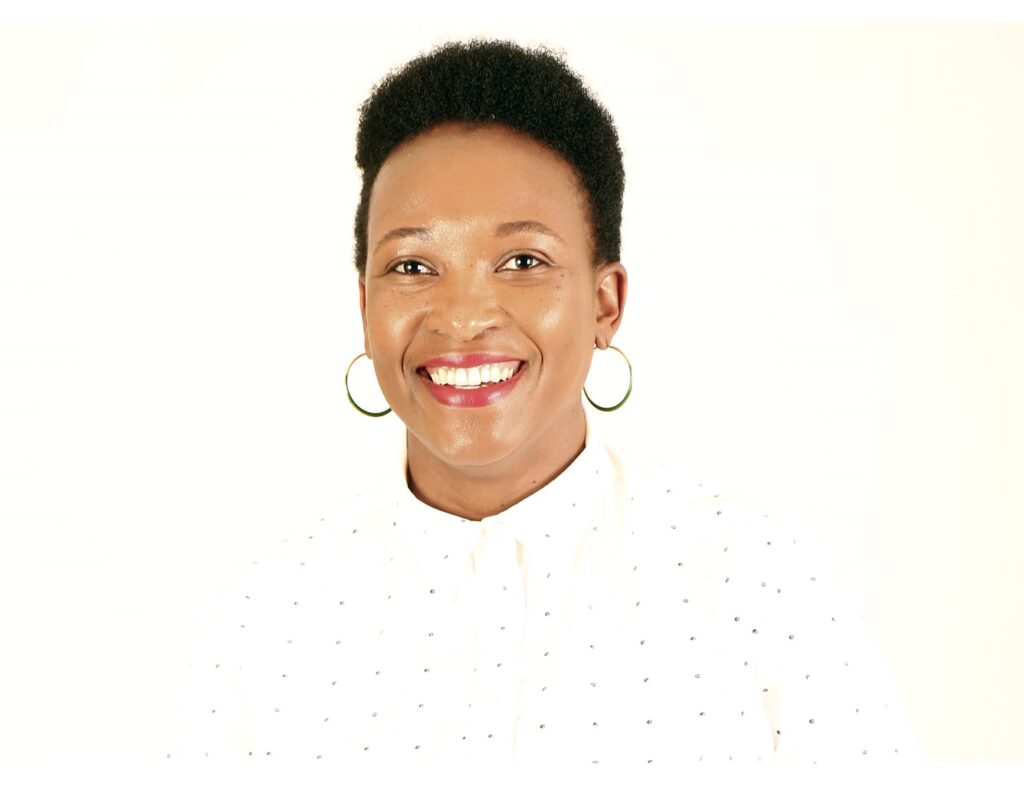
Dr Ramokone Maphoto
Dr Ramokone Maphoto, a Senior Pathologist in Virology at SMU and the National Health Laboratory Service (NHLS) believes the 2024 World AIDS Day theme—“The Rights Path: My Health, My Right”—perfectly reflects her department’s mission.
“Access to healthcare is a fundamental right. At SMU, we ensure HIV testing is affordable, accurate, and accessible, especially for underserved communities,” Maphoto explains.
Strategically located to serve vulnerable populations, SMU’s Virology Department operates as a hub for HIV testing and treatment monitoring. Their work extends beyond lab walls to empower clinics, district hospitals, and regional facilities. As HIV continues to affect millions, SMU’s role in strengthening South Africa’s health infrastructure cannot be overstated.
In South Africa, reaching the United Nations’ 95-95-95 goals—where 95% of people know their status, 95% of those diagnosed receive treatment, and 95% achieve viral suppression—remains a monumental task. Maphoto points out that while strides have been made, challenges persist.
“To close these gaps, we’ve automated advanced HIV testing technologies to increase capacity. Our lab operates 24/7 to meet demand, ensuring timely results,” she shares. This precision is crucial: timely viral load monitoring allows clinicians to detect treatment failures early, optimising patient care and reducing transmission.
Driving Innovation Through Research
At SMU, cutting-edge research drives the fight against HIV. Dedicated research units focused on HIV and Hepatitis have produced studies that influence national prevention and treatment strategies. “Our research doesn’t just sit on shelves; it’s shaping healthcare policies and clinical practices,” says Maphoto.
The department’s work also invests in South Africa’s future healthcare workforce. By training registrars, honours, and master’s students, SMU ensures a steady pipeline of skilled virologists—professionals who will strengthen the country’s response to HIV for years to come.
Beyond science, SMU is tackling a deeper battle: the stigma surrounding HIV/AIDS. Through community outreach programmes and collaborations with other university departments, Maphoto and her team are dismantling misinformation and fear.
“Stigma keeps people from accessing lifesaving services. Education is key,” she stresses. SMU is taking this mission directly to its students, staff, and the surrounding community, using campus media and health services to share accurate, up-to-date information about HIV prevention and treatment.
As World AIDS Day reminds us of the work still ahead, Maphoto issues a challenge to all South Africans: “We’ve come a long way, but no one can afford to be complacent. Let us respect, support, and care for those living with HIV/AIDS. Every individual has a role to play.”
For SMU, that role extends beyond its campus walls. By delivering world-class diagnostics, advancing research, and shaping the next generation of healthcare leaders, the university is proving that health equity is not just a goal—it’s a responsibility.
In a nation striving for hope and healing, SMU’s contributions are more than a drop in the ocean. They are ripples of change, strengthening South Africa’s fight against HIV/AIDS and ensuring that no one is left behind.
By Tshimangadzo Mphaphuli
by Lorato | Dec 2, 2024 | All News, SMU Media, Student Media
As Sefako Makgatho Health Sciences University (SMU) reflects on its tenth anniversary, it mirrors its achievements and the remarkable individuals who have significantly shaped South Africa’s healthcare services. SMU stands as a beacon of excellence in health sciences education, playing a pivotal role in nurturing the careers of its distinguished alumni, who are making substantial contributions to the country’s healthcare system.

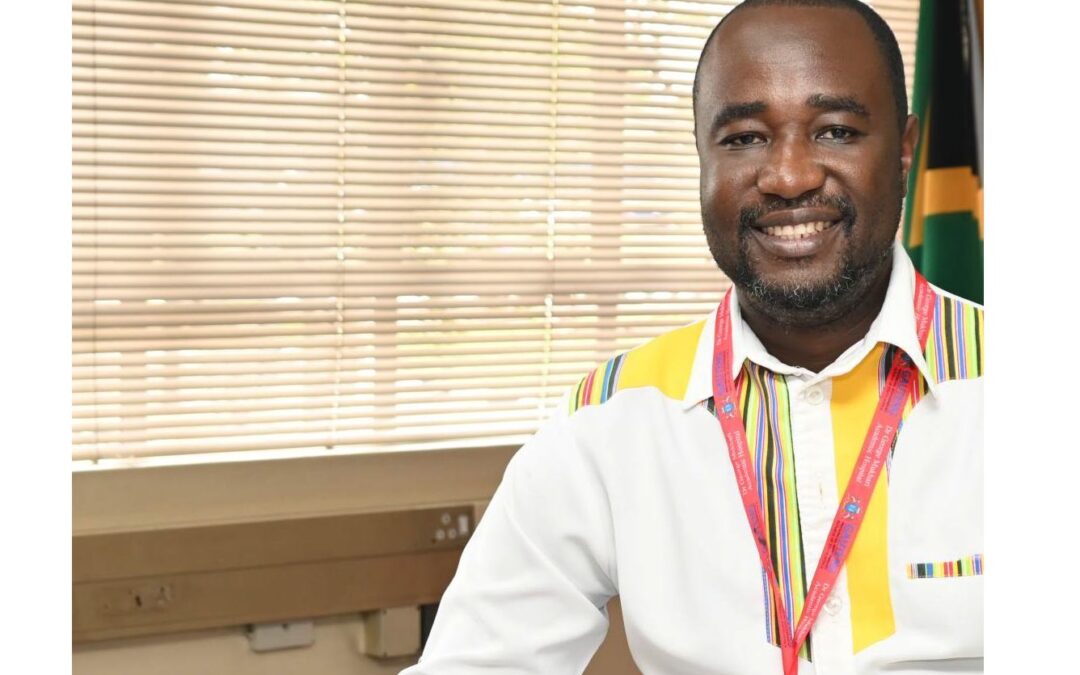
Dr Fhatuwani Godfrey Mbara
Among these inspiring figures is Dr Fhatuwani Godfrey Mbara, the Chief Executive Officer of Dr George Mukhari Academic Hospital (DGMAH) and a proud SMU alumnus. Mbara’s journey from humble beginnings in the village of Ha-Budeli in Venda to a prominent leadership role exemplifies the transformative power of education. Growing up in a modest household, he faced financial struggles, especially after his father stopped working in 1985. With no formal qualifications, his mother became the primary breadwinner, earning a meagre R400 per month from domestic work to support three children. Witnessing her resilience instilled in him a determination to rise above his circumstances.
Since its establishment, SMU has produced a distinguished cadre of graduates like Mbara, equipped with comprehensive knowledge and practical skills to address critical health challenges in South Africa. Many alumni have ascended to leadership positions, advocating for improved health services and innovative practices that directly benefit the public. Mbara’s heartfelt message to SMU stakeholders reflects this ethos: “I would not have acquired the postgraduate and other qualifications that I have earned had it not been for SMU’s leadership. SMU should continue to produce more great leaders and more healthcare professionals because there will never be a point where there is no need for this kind of service.”
Mbara’s strategic decision to enrol at SMU, recognising the financial challenges posed by other institutions, was instrumental in his academic success. With the support of a National Student Financial Aid Scheme (NSFAS) bursary, he focused on his studies without the overwhelming burden of financial strain. His dedication paid off as he graduated with distinction, establishing a reputation as a committed scholar.
In alignment with its mission to enhance the country’s health system, SMU actively collaborates with various health institutions to ensure its programmes remain relevant and responsive to community needs. The university’s strategic partnerships facilitate research initiatives and community outreach programmes, bridging the gap in healthcare access for underprivileged populations. This commitment to making education accessible is evident in its various support systems designed to empower students from historically disadvantaged backgrounds through scholarships and mentorship programmes.
As Mbara leads DGMAH, he embodies the values instilled in him during his time at SMU, promoting accountability and compassion in his leadership philosophy. Under his stewardship, he envisions significant changes, prioritising staff morale and improving infrastructure to enhance patient care. His forward-thinking approach includes fostering partnerships with local businesses and enhancing the hospital’s research output, recognising that effective healthcare delivery requires collaboration and innovation.
As SMU continues to honour its past while looking to the future, the story of Mbara serves as a powerful testament to the university’s role in nurturing talent and shaping South Africa’s healthcare landscape. His journey illustrates the profound impact that dedicated education can have on individuals and communities, driving forward the narrative of healthcare excellence in South Africa.