by Lorato | Nov 15, 2025 | All News, SMU Media, Student Media
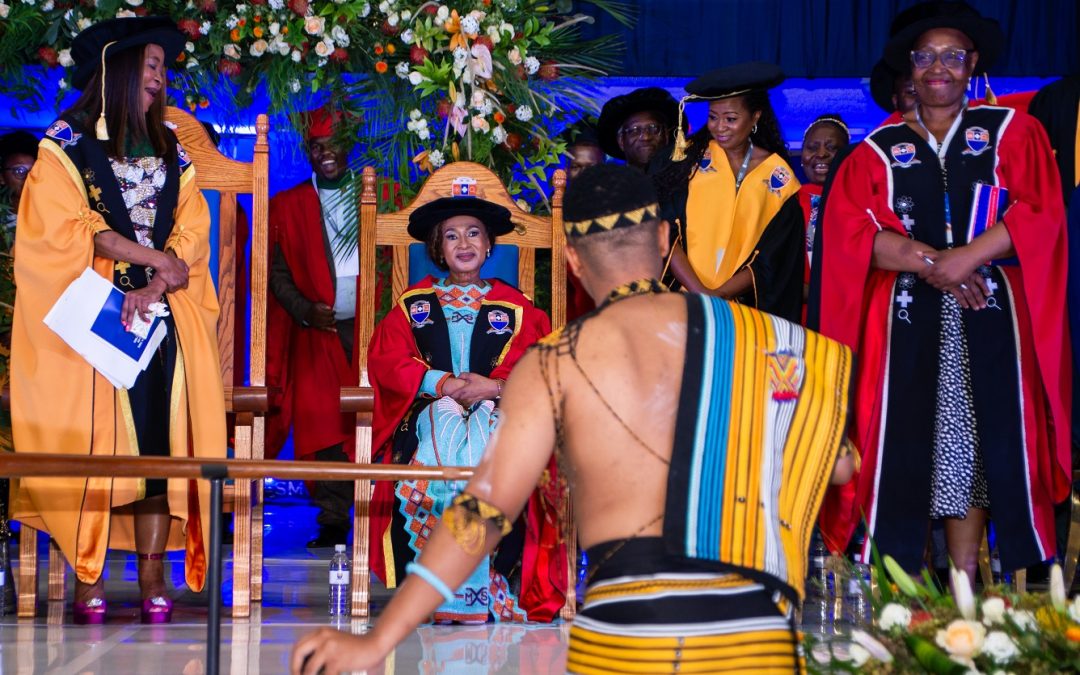
Sefako Makgatho Health Sciences University (SMU) has officially entered a defining new era as it inaugurated Dr Penny Moumakwa as Chancellor and Professor Tandi Matsha-Erasmus as Vice-Chancellor and Principal, marking the first time in the institution’s history that the apex leadership trio, including the Chairperson of Council, is led entirely by women.
 This historic moment positions SMU not only as a university on the rise, but as an institution rewriting the narrative of leadership in South Africa’s higher education landscape.
A transformational milestone for higher education
In a ceremony that blended academic tradition with powerful symbolism, the installation of the Chancellor and Vice-Chancellor affirmed SMU’s commitment to excellence, transformation, and a renewed identity rooted in leadership, integrity, and societal purpose.
 Chairperson of Council, Nontlaza Sizani, celebrated the milestone, noting that: “Today, we are witnessing an extraordinary moment for our country, one where women lead with intellect, courage, and clarity. This leadership collective will shape SMU’s future and strengthen its contribution to the nation.”
Upon taking the oath of office, Moumakwa delivered an acceptance address grounded in humility, purpose, and a commitment to service.
She noted: “I accept this honour with deep appreciation and a profound sense of duty. A Chancellor must represent the soul of the institution, its integrity, its aspirations, and its promise to society. I accept that responsibility with reverence, with clarity, and with unwavering commitment.” She also pledged her full support to the Vice-Chancellor, saying: “Professor Matsha-Erasmus, your leadership is already shaping a powerful new chapter for SMU. I look forward to walking alongside you as we strengthen this institution and expand its impact.”
Delivering her inaugural address, themed “The Ascent of SMU: A University Reimagined for Global Impact,” Matsha-Erasmus set out a bold, future-oriented vision for SMU’s next chapter. She emphasised: “There are moments in the life of a nation when an institution steps fully into its purpose. Today is such a moment for SMU. We will not ask for respect, we will earn it. Not by rhetoric, but by results.”
Referencing SMU’s recent rise in the 2026 Times Higher Education World University Rankings, she highlighted that the institution is becoming a continental hub for health sciences excellence, research leadership, and innovation.
The Vice-Chancellor continued: “We stand at an inflexion point, a moment to honour the history that shaped us and boldly define the future we will create. Our mission is not only to generate knowledge, but to heal, innovate, and impact global health.”
A university on the rise
 In their respective addresses, both the Chancellor and Vice-Chancellor underscored SMU’s accelerating trajectory as a university on the rise — one positioning itself as a continental force in health sciences education, research, and innovation.
They highlighted how SMU is deepening its footprint in world-class research, evidenced by the groundbreaking patents emerging from its scholars and the increasing visibility of its scientific outputs. This momentum is matched by the university’s bold expansion of its One Health leadership, advancing interdisciplinary solutions in a world where human, animal, and environmental health are inseparably linked.
The leaders further emphasised SMU’s drive to strengthen innovation, commercialisation, and entrepreneurship, ensuring that research does not remain in academic journals but moves into clinics, communities, markets, and manufacturing ecosystems. They articulated a clear vision of SMU as a continental reference point for health sciences training, producing graduates who are globally competent and locally responsive.
Central to this rise is a renewed commitment to student-centred excellence, ensuring that student experience, wellbeing, and opportunity are embedded at the heart of institutional decision-making.
Both leaders also reaffirmed SMU’s responsibility to the country: contributing meaningfully to national health priorities, including the implementation of the National Health Insurance (NHI), universal health coverage, and the future architecture of South Africa’s healthcare delivery.
Together, these ambitions signal a university not only transforming itself but also reshaping the health landscape of South Africa, Africa, and the world.
A new epoch of leadership
This all-women leadership collective—Council Chair, Chancellor, and Vice-Chancellor- signals SMU’s entry into a new epoch of institutional renewal, ethical purpose, and academic ambition.
It is a milestone that not only embodies transformation but positions SMU as a university charting a bold path for South Africa and Africa.
*By Tshimangadzo Mphaphuli
by Lorato | Nov 6, 2025 | All News, SMU Media, Student Media
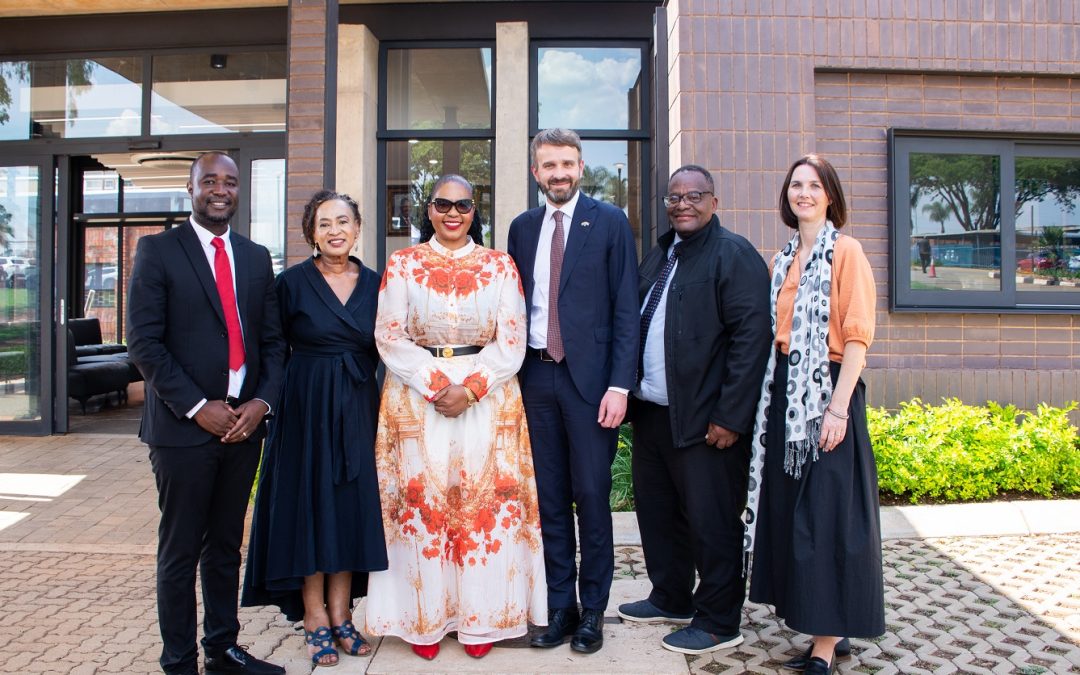
Sefako Makgatho Health Sciences University (SMU) and Dr George Mukhari Academic Hospital (DGMAH), partners of the Norwegian Agency for Exchange Cooperation (NOREC), recently hosted Norway’s Minister of Health and Care Services, Dr Jan Christian Vestre, in a visit aimed at deepening international collaboration in healthcare. The event took place on 5 November 2025 and was hosted by Gauteng MEC for Health, Nomantu Nkomo-Ralehoko, with SMU Vice-Chancellor Prof Tandi Matsha-Erasmus, representatives from the SMU Internationalisation Department, and DGMAH’s CEO, Dr Godfrey Mbara, in attendance.
 The programme is part of NOREC’s longstanding exchange initiative, which facilitates collaboration between DGMAH, SMU, and Haukeland University Hospital (HUH) in Norway. Established in 2017, the initiative focuses on education, training, and knowledge exchange for doctors and nurses specialising in trauma and emergency care. In South Africa, the DGMAH–SMU partnership is one of only seven NOREC agreements, making it a strategically important programme for advancing healthcare capacity and global learning.
DGMAH manages over 4,000 trauma cases monthly, compared to HUH, which sees just over 5,000 annually. The programme enables Norwegian participants to gain experience in managing high patient volumes and working in resource-constrained environments, while South African participants benefit from insights into hospital system improvements, advanced trauma management techniques, and exposure to rare medical cases in Norway.
Delivering the keynote address, Minister Vestre emphasised the importance of partnerships like NOREC in building resilient healthcare systems. “Initiatives such as this demonstrate the power of collaboration and knowledge exchange,” he said. “By learning from one another, we can strengthen healthcare delivery, improve training, and enhance the capacity of our workforce. It is through partnerships that we can achieve health goals that no single country can accomplish alone.”
He further highlighted the benefits of exposure to diverse healthcare systems, noting that South African hospitals provide invaluable experience in managing large patient volumes under resource constraints. “For our colleagues from Haukeland University Hospital, participating in this programme allows them to develop skills in trauma management that are difficult to gain in low-volume settings,” Minister Vestre said. “At the same time, South African participants gain insight into technological innovations, hospital management systems, and approaches to patient care that will enhance outcomes in their own facilities.”
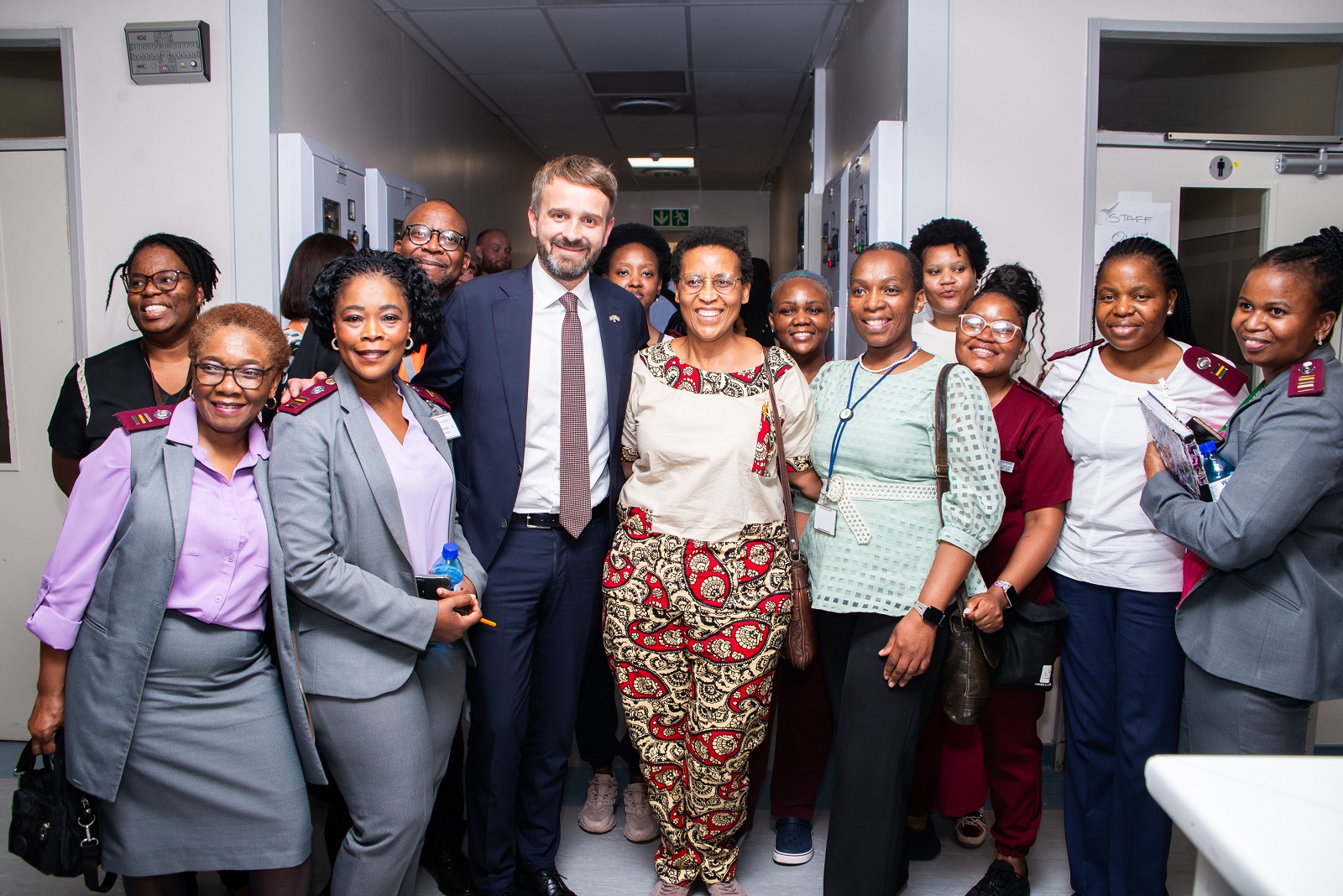 Dephney Colisiwe, a South African NOREC participant, reflected on her experience: “Working alongside colleagues in Norway has broadened my perspective on hospital systems and patient care. I have learned new trauma management strategies that I can apply at DGMAH to improve outcomes for our patients.”
Prof Matsha-Erasmus highlighted the value of the programme for SMU and DGMAH, stating, “The exchange programme strengthens our workforce, enhances our clinical capabilities, and opens avenues for research collaboration. It equips our staff with skills and knowledge that directly benefit patient care and contribute to the advancement of healthcare in South Africa.”
During the visit, Minister Vestre and MEC Nkomo-Ralehoko toured DGMAH’s trauma unit and the Alternative Building Technologies structure, recently repurposed to expand hospital capacity. MEC Nkomo-Ralehoko remarked, “Partnerships like NOREC build capacity, foster technological cooperation, and create opportunities for mutual support in health financing and workforce development. These collaborations are essential for developing a healthcare system that is resilient, adaptive, and responsive to the needs of our communities.”
The programme underscores SMU and DGMAH’s commitment, supported by the Internationalisation Department, to foster international partnerships that improve healthcare training, enhance clinical practice, and strengthen professional growth. By sharing knowledge, exchanging expertise, and building capacity, the DGMAH–SMU–HUH NOREC programme continues to demonstrate the value of global collaboration in improving healthcare outcomes for both South African and Norwegian patients.
By Dimakatso Modise

by Lorato | Nov 6, 2025 | All News, SMU Media, Student Media
From humble beginnings in the rural village of Moletjie, Limpopo, to completing a Master of Science in Pure Mathematics cum laude at Sefako Makgatho Health Sciences University (SMU), Lehlogonolo Mokaba’s journey is a remarkable testament to focus, perseverance, and the power of education to change lives.
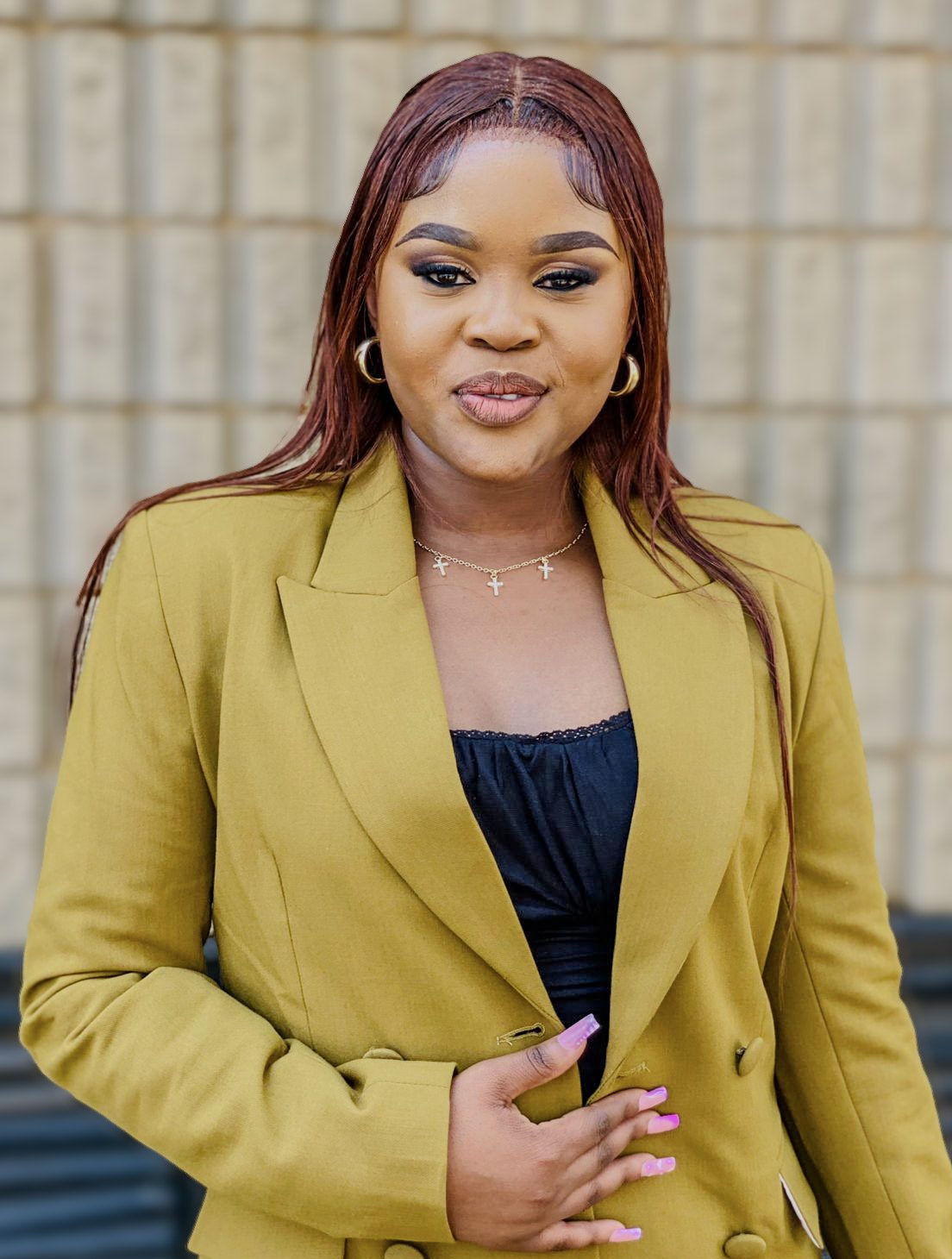 Raised by her grandmother, Mokaba grew up in a loving but financially challenged environment. Those early hardships, instead of discouraging her, ignited an unyielding determination to build a better future. “I knew early on that I didn’t want to remain where I was. My grandmother always reminded me that education was the key to change,” she reflects.
That belief became the cornerstone of her academic pursuit. Though she was not naturally a top-performing learner, Mokaba’s discipline, resilience, and willingness to work harder than most carried her through. Her acceptance into SMU marked a life-changing milestone — one that would deepen her intellectual curiosity and redefine her purpose.
It was during her undergraduate studies that Mathematics revealed itself not just as a subject but as a calling. “Mathematics allows me to think deeply, solve problems independently, and see the world through structure and logic,” she says. What began as an academic interest soon evolved into a passion that would drive her to explore the depths of mathematical theory and its practical applications.
Mokaba’s master’s research, titled “Self-adaptive Technique with Two-step Inertia for Monotone Variational Inclusion Problem in Real Hilbert Space”, focuses on improving iterative algorithms used in solving complex mathematical problems. Her work introduces innovative techniques that enhance computational efficiency, offering valuable insights for fields such as data science, engineering, and applied mathematics. The significance of her findings has already gained international recognition, with two research papers published in peer-reviewed journals, including Results in Applied Mathematics and the International Journal of Analysis and Applications.
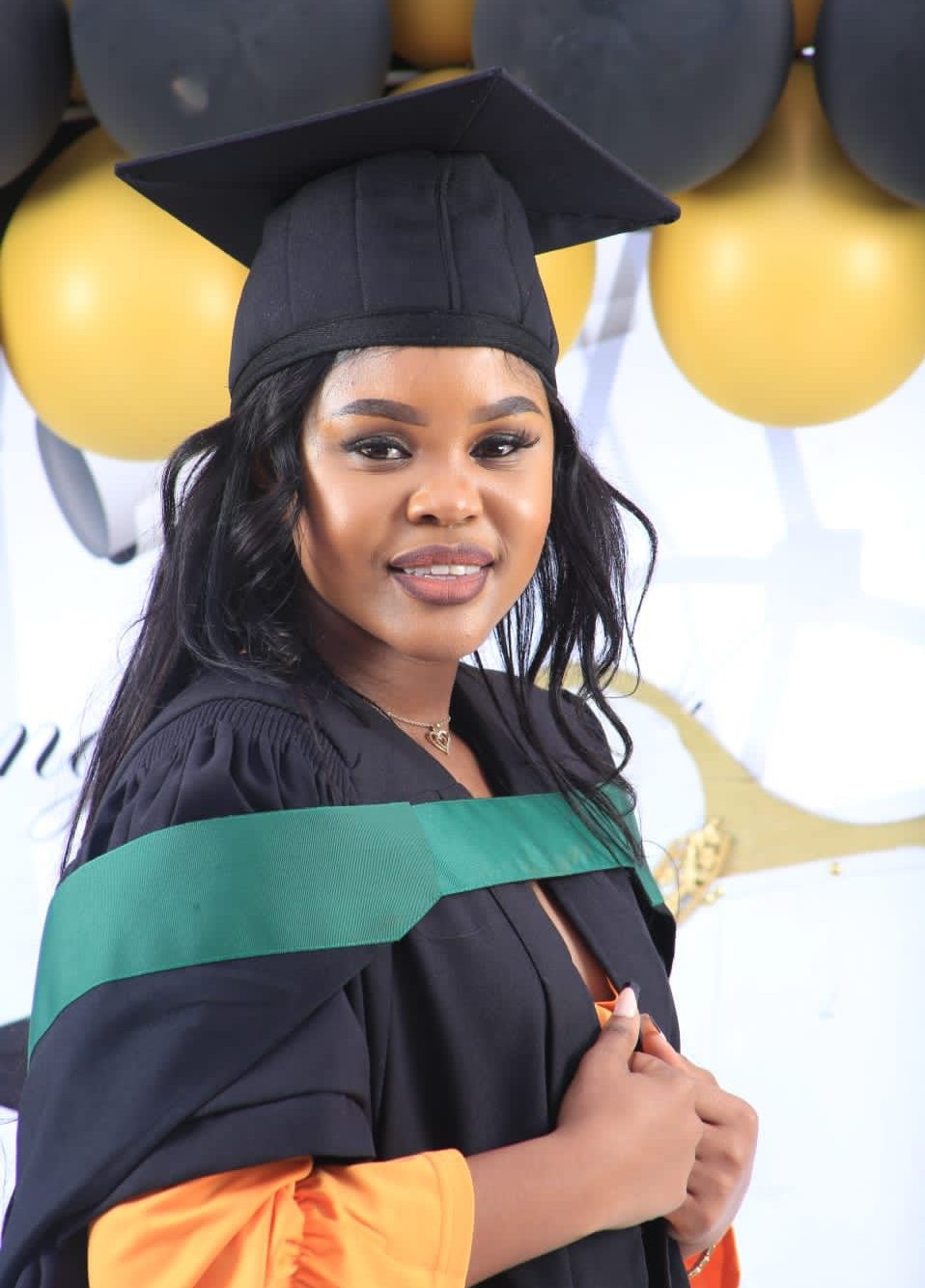 She credits her supervisor, Dr Hammed Abass, and co-supervisor, Dr Abubakar Adamu, for their mentorship and unwavering support. “Their patience, belief, and guidance made all the difference,” she notes gratefully.
In 2025, Mokaba’s academic excellence earned her a part-time position as a Junior Lecturer in SMU’s Department of Mathematics and Applied Mathematics. In this role, she teaches courses such as Set Theory, Linear Algebra, and Abstract Algebra — all while mentoring students who, like her, aspire to rise above their circumstances through education. “Teaching allows me to give back — to make mathematics approachable, exciting, and meaningful,” she explains.
Beyond teaching, Mokaba actively contributes to academic and community initiatives. She serves on SMU’s Community Engagement Committee, coordinates mathematics competitions such as the South African Tertiary Mathematics Olympiads and participates in national and international research workshops.
Her story is not just one of academic triumph but of transformation — from a determined young girl on the dusty roads of Moletjie to a published researcher and lecturer shaping the next generation of mathematicians.
“Success,” she says with quiet conviction, “is not about where you start, but about how far your discipline, faith, and persistence can take you.”
By Tumelo Moila

by Lorato | Oct 30, 2025 | All News, SMU Media, Student Media
Elegance met purpose at the CSIR International Convention Centre in Pretoria as Sefako Makgatho Health Sciences University (SMU) alumni, industry leaders, and partners gathered for the Convocation Fundraising and Alumni Awards Gala Dinner. Themed “Investing in South Africa’s Future of Health Sciences,” the evening celebrated leadership, honoured excellence, and strengthened support for the next generation of healthcare professionals.
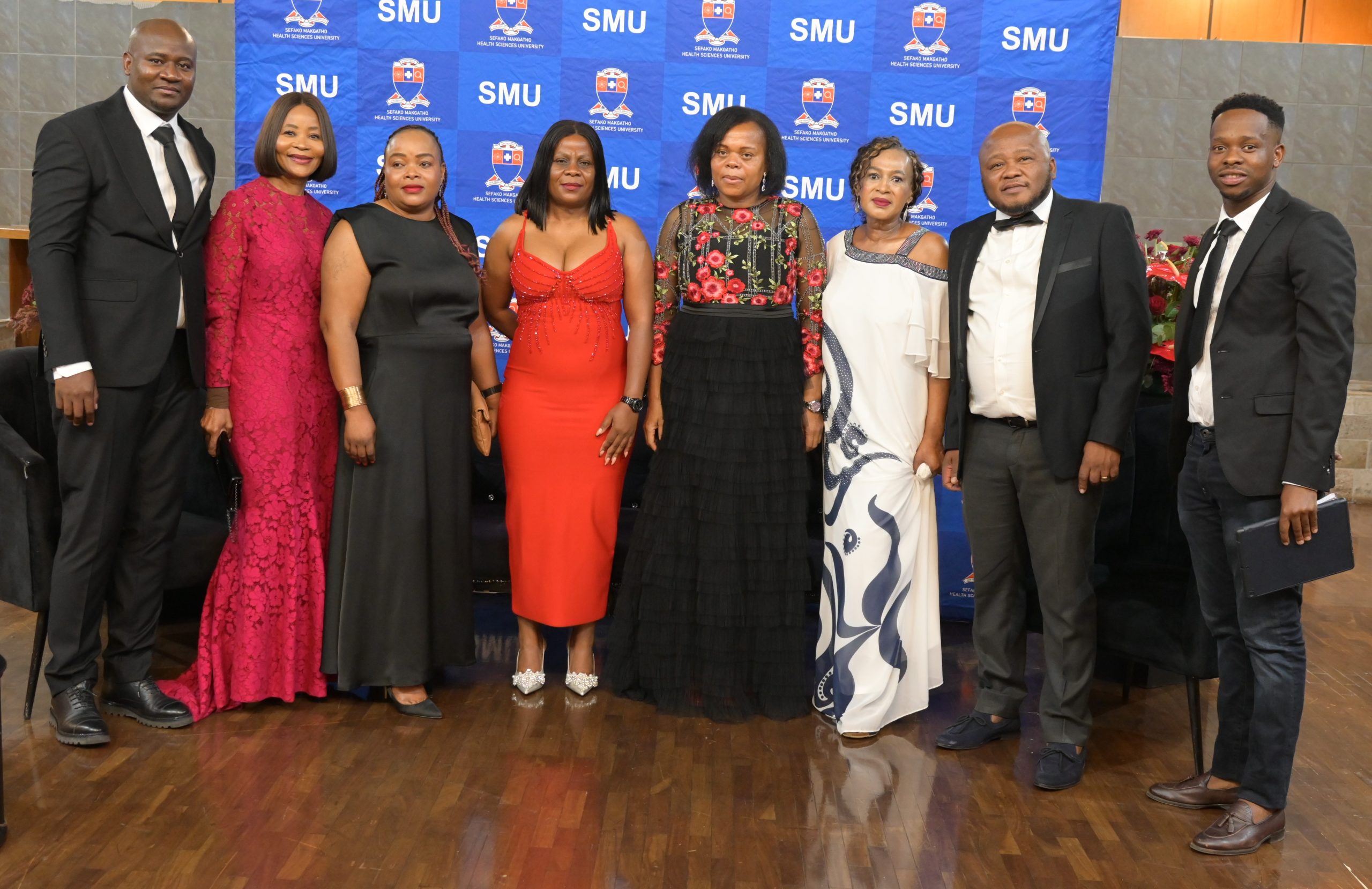 The event opened with an inspiring address from the President of Convocation, Japhta Phala, who urged alumni to champion transformative giving. “Each of us carries a piece of SMU’s legacy,” he said. “Tonight is not just about celebrating our achievements — it’s about taking collective responsibility for our students’ future.”
Vice-Chancellor Professor Tandi Matsha-Erasmus echoed this sentiment, emphasising the University’s dual mission of education and empowerment. “At SMU, we do not only educate; we empower,” she declared. “Our vision is to create healthcare professionals who are competent, compassionate, and capable of leading with integrity.” Highlighting the critical challenge of student funding, she stressed the urgency of alumni engagement. “Behind every struggling student is a dream worth saving,” she said. “Investing in our students is investing in the future of healthcare. No capable student should have their journey cut short due to financial hardship.”
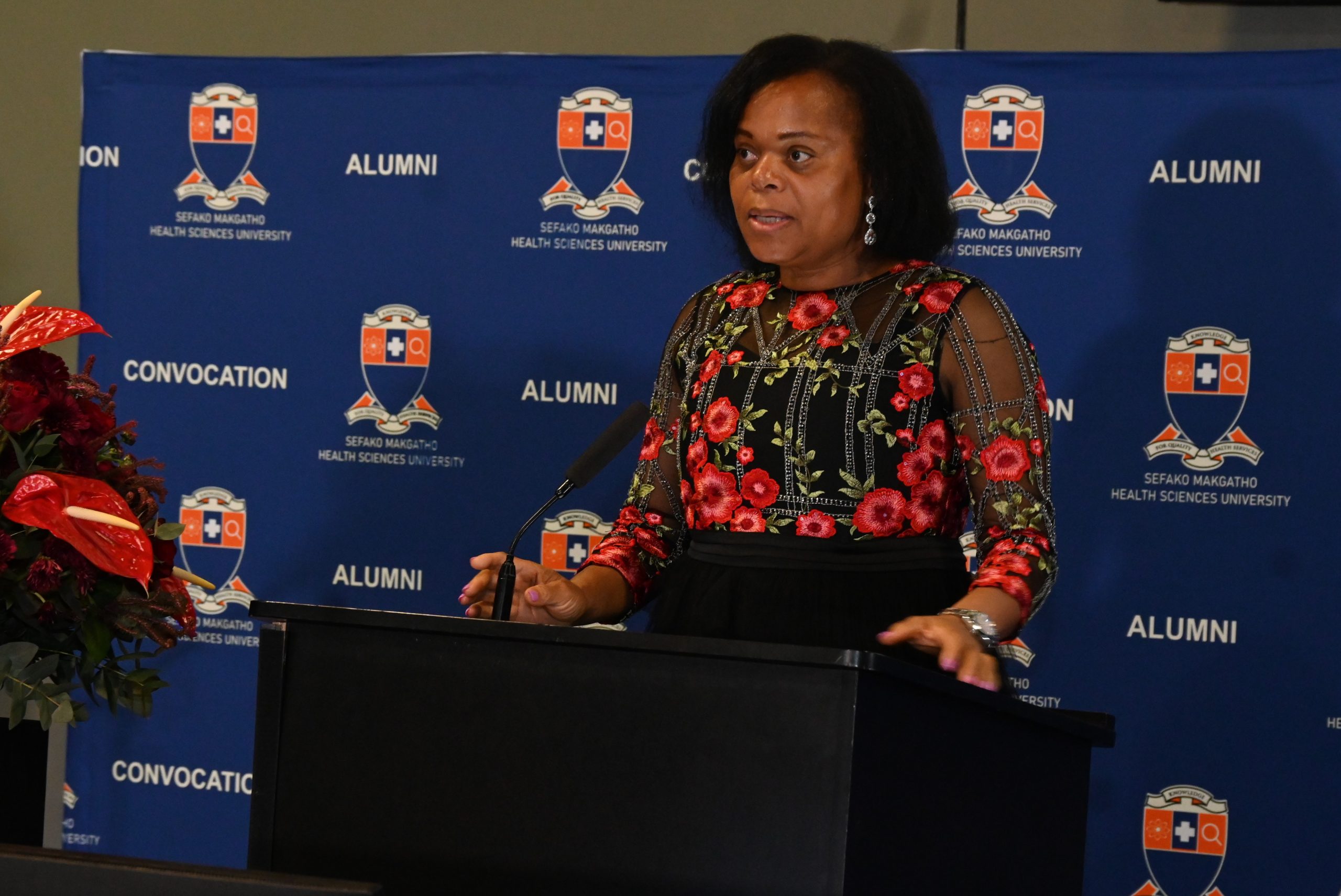 Delivering the keynote address, Limpopo Premier Dr Phophi Ramathuba, a medical doctor and public servant, reinforced SMU’s role in shaping South Africa’s health workforce. “SMU continues to be the heartbeat of health sciences in this country,” she said. “It is here that the seeds of service, compassion, and excellence are planted. The doctors, nurses, pharmacists, and scientists who graduate from SMU are not only skilled — they are change-makers who carry the hope of our nation.” She further called on alumni and stakeholders to rally behind the fundraising initiative, describing it as an investment in both education and equity. “We must ensure that financial barriers never become barriers to healing,” Dr Ramathuba said. “By contributing to this cause, we are not just giving money — we are giving life, dignity, and opportunity.”
Supportive remarks from SMU Chancellor Dr Penny Moumakwa and Council Chair Nontlaza Sizani reinforced alumni unity and stewardship in advancing the University’s mission.
The Gala also featured a red-carpet ‘Legacy Walk’, symbolising SMU’s enduring tradition of excellence, and honoured alumni who have made remarkable contributions to medicine, science, and public service. Beyond glamour, the evening carried a clear purpose: to fund academically deserving yet financially challenged students. Many aspiring healthcare professionals face financial hurdles that threaten to derail their dreams. Through this Convocation-led initiative, SMU continues to bridge the gap between potential and opportunity.
“This Gala is not just a dinner,” Prof Matsha-Erasmus reminded guests. “It is a declaration of hope. Every contribution tonight will echo through hospital wards, research labs, and communities that need care the most.”
Alumni Awards Recipients:
- Young Alumnus Award: Mr Emmanuel Kiyonga and Dr Realeboga Sebitso.
This award recognises young alumni (≤40 years) who have demonstrated proven excellence in their field or career, serving as role models for current and future students.
- Alumni Governance and Leadership Award: Dr Mpho Phalatse, Ms Maria Rambauli, Dr Nomzamo Tutu, Ms Takalani Maumela, Ms Rhulani Thembi Siweya, Dr Lucas Khetani Ndhlovu, Dr Katlego Mothudi and Dr Mangaliso Mahlaba. This award honours alumni who have made exemplary contributions to society, demonstrating ethical leadership and good governance.
- Alumni Academic, Research and Innovation Award: Prof Mojakgomo Motswaledi, Dr Molefe Matima, Prof Paulinah Monene Khuzwayo and Prof Gregory Thabiso Lebona. This award celebrates alumni who have made significant contributions to research, academia, and innovation in health sciences.
- Order of the Champions of Sefako Makgatho: Prof Paulinah Monene Khuzwayo (Gold), Ms Maria Rambauli (Silver), Prof Gregory Thabiso Lebona (Gold), Dr Jeffrey Mabelebele (Bronze). This award is conferred on alumni or former executives for their immense contributions to SMU’s growth and development, actively promoting its mission.
- Alumni Life-Time Achievement Award: Prof Mike Sathekge. This award recognises alumni who have made outstanding contributions to their field and society over the course of their lifetime.
A total of fifteen trophies, fourteen certificates, and five medals were awarded, including a Life-Time Achievement trophy larger than the rest, with certificates signed by the President of Convocation and the Vice-Chancellor across various categories.
As the evening concluded, one message resonated: SMU’s legacy is not only written in its history but in the lives it transforms, shaping a future where education, leadership, and compassion drive South Africa’s healthcare sector forward.
By Dimakatso Modise

by Lorato | Oct 16, 2025 | All News, SMU Media, Student Media
In commemoration of World Mental Health Day on 10 October 2025, students enrolled in the Postgraduate Diploma in Mental Health Nursing at Sefako Makgatho Health Sciences University (SMU) hosted a transformative awareness event at Dr George Mukhari Academic Hospital (DGMAH). Guided by the World Health Organisation (WHO) theme, “Access to Services – Mental Health in Catastrophes and Emergencies,” the students identified the need to prioritise workplace readiness in supporting employees’ psychological and emotional well-being during crises. Under the sub-theme “Mental Health Wellness in the Workplace,” the initiative highlighted the urgent importance of promoting emotional well-being among healthcare professionals and the broader community.
 Senior Lecturer Dr Andile Mokoena De-Beer opened the event by stressing the power of dialogue in dismantling stigma. “The purpose of today is transformation. It is to begin the vital work of turning our workplaces from environments that can sometimes harm mental health into sanctuaries that actively promote and protect it. Let us use this day not as a mere calendar event, but as a launchpad. Let us learn, engage, and commit to making mental wellness a lived reality for everyone in our professional community,” she said.
Delivering the keynote address, SMU alumna and specialist psychiatrist Dr Lydia Masenya-Maodi echoed the call for compassion, urging attendees to treat workplace mental health as a shared duty. “We often recognise physical injury, but psychological injury is real — and it is caused by unpleasant, harmful words. Control your tongue, watch your words,” she advised.
Observed annually on 10 October, World Mental Health Day serves as a global reminder of the importance of addressing the stigma surrounding mental illness. In South Africa, where mental health challenges are steadily increasing, SMU’s nursing students are turning awareness into meaningful action.
 The Department of Nursing Science—the largest within SMU’s School of Health Care Sciences, offering more than 28 modules—integrates this commemoration into its academic programme each year. Mental Health Nursing, a core module accredited by the South African Nursing Council, requires students to undertake community-based research projects. These projects identify vulnerable populations, assess their mental health needs, and align outcomes with the World Health Organisation’s annual theme.
“Our students are trained not only to treat illness but to lead change,” said psychiatric nursing lecturer Dikeledi Maphake, delivering the vote of thanks. “They are the next generation of advocates who understand that healthcare begins with humanity.”
This year’s focus on workplace mental health acknowledged the psychological toll that healthcare environments can impose. The event featured:
• Informative presentations from leading professionals
• Interactive, student-led sessions addressing real-world challenges
• Mental wellness activities aimed at relieving stress
• Resource booths and educational materials to support staff well-being
Participants were encouraged to reflect on their own mental health. “We often care for others while forgetting ourselves,” said Neo Maleka, one of the organisers and student participants. “Today reminds us that our minds deserve care too.”
Sebone Mathole, an enrolled nurse at DGMAH’s psychiatric unit, expressed gratitude: “It was critical to have this event dedicated to us as workers. Our mental health matters just as much as that of our patients. We appreciate this initiative and hope it becomes an annual event. Thank you, SMU.”
Maleka captured the spirit of the day: “Our mission goes beyond textbooks. We want every nurse, doctor, and patient to know they are seen, heard, and supported. Mental health is not an afterthought — it’s a foundation.”
Through this initiative, SMU reaffirmed its commitment to nurturing healthcare professionals who pair skill with compassion — individuals who recognise that mental health is not optional; it’s essential.
By Tumelo Moila